Emanuele Zanda
Google review
★★★★★
Read on Google“An excellent experience on the installer training course. The whole team was professional and knowledgeable.”
Cable blowing machines · Made in Italy
From last-mile connections to long-distance runs, a Fibernet technician can help you choose the right machine for your fiber optic cable installation.
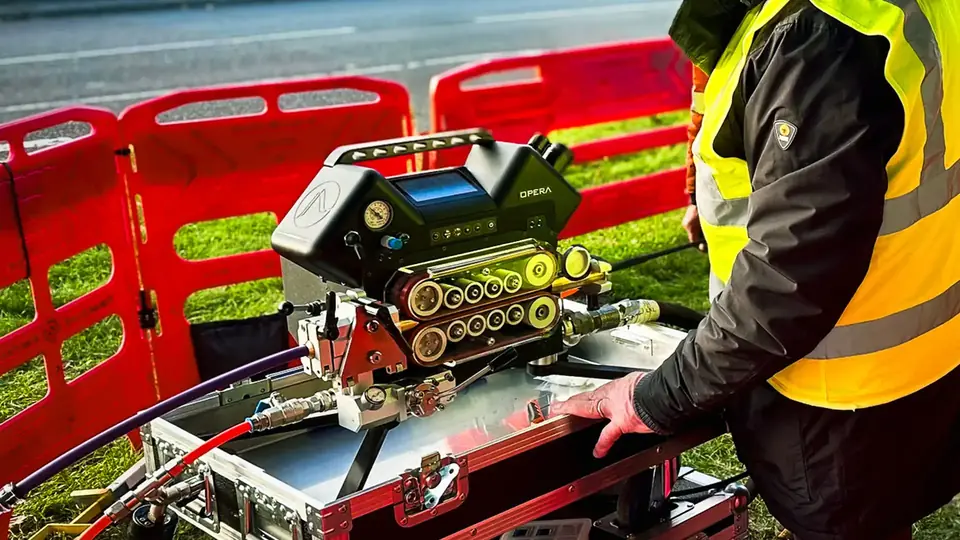
Opera, image 1 of 3
Expert advice direct from the manufacturer / Free demonstration on request
Some of our customers.
Keep your installation moving with Fibernet cable blowing machines.
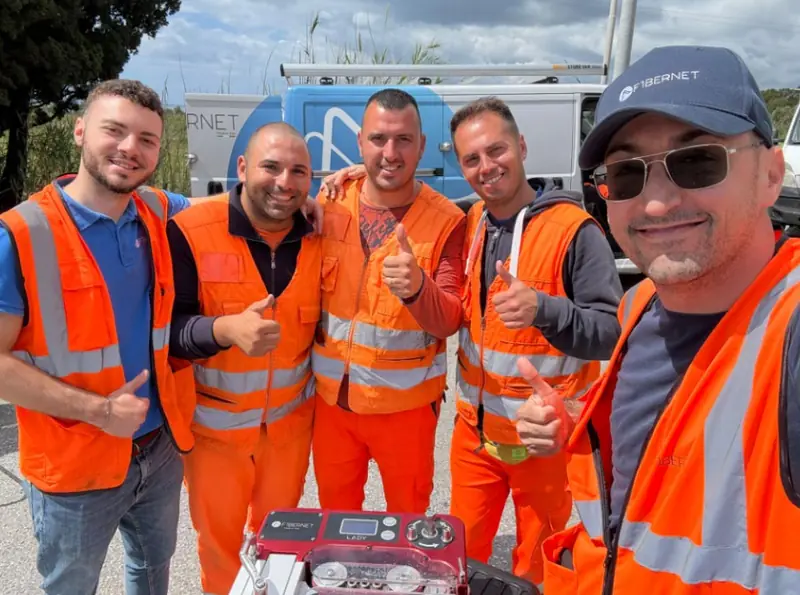
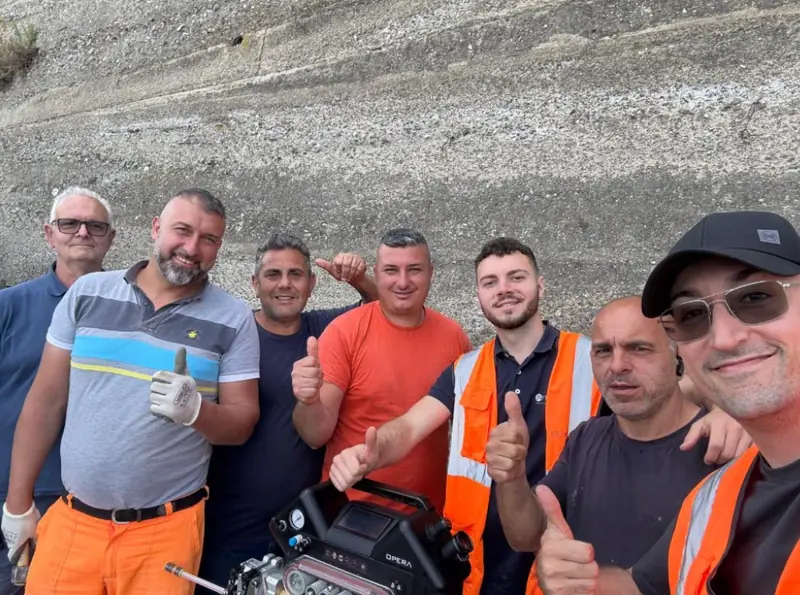
Photos and stories from installers, published by Fibernet.
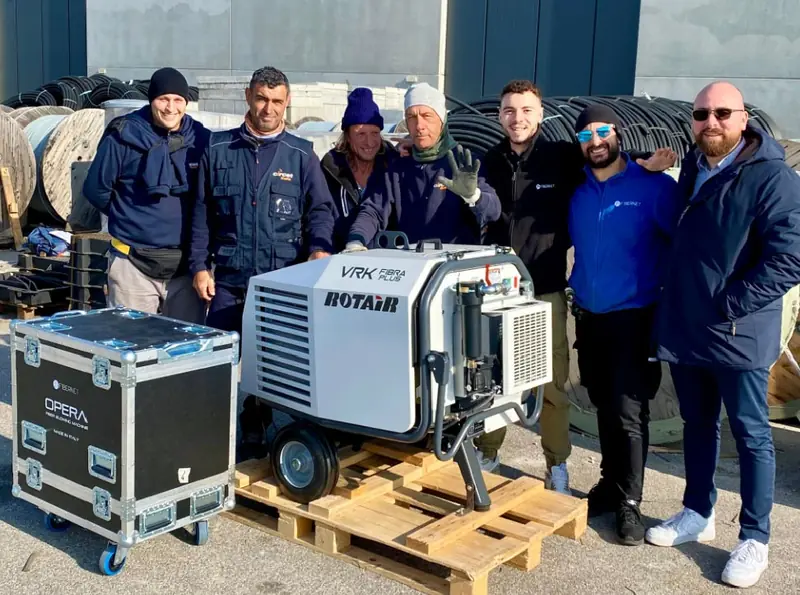
 GoogleExcellentBased on 176 reviewsRead the reviews
Read on Google“An excellent experience on the installer training course. The whole team was professional and knowledgeable.”
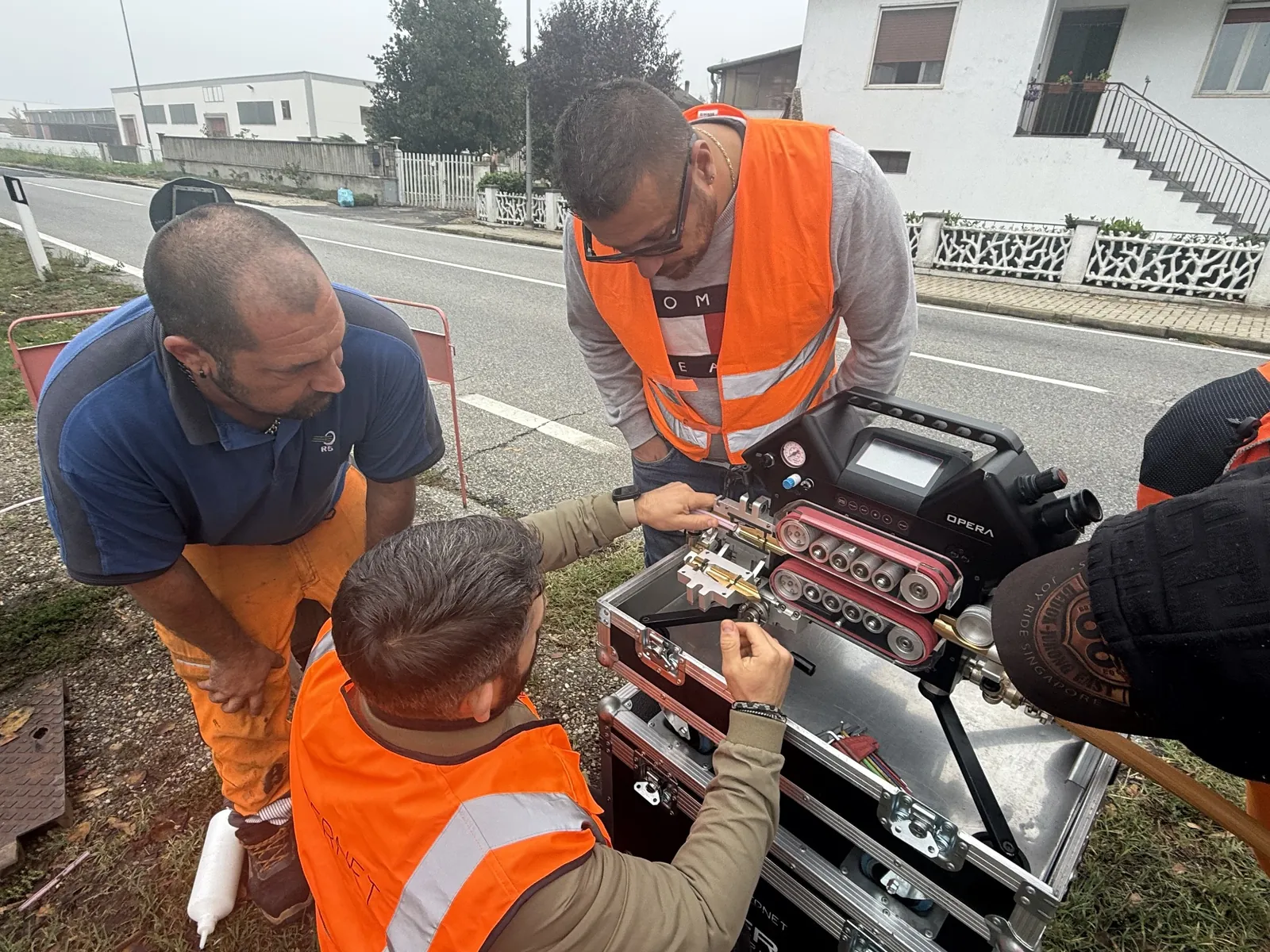
Read on Google“I had the chance to try the Opera cable blowing machine on site…”
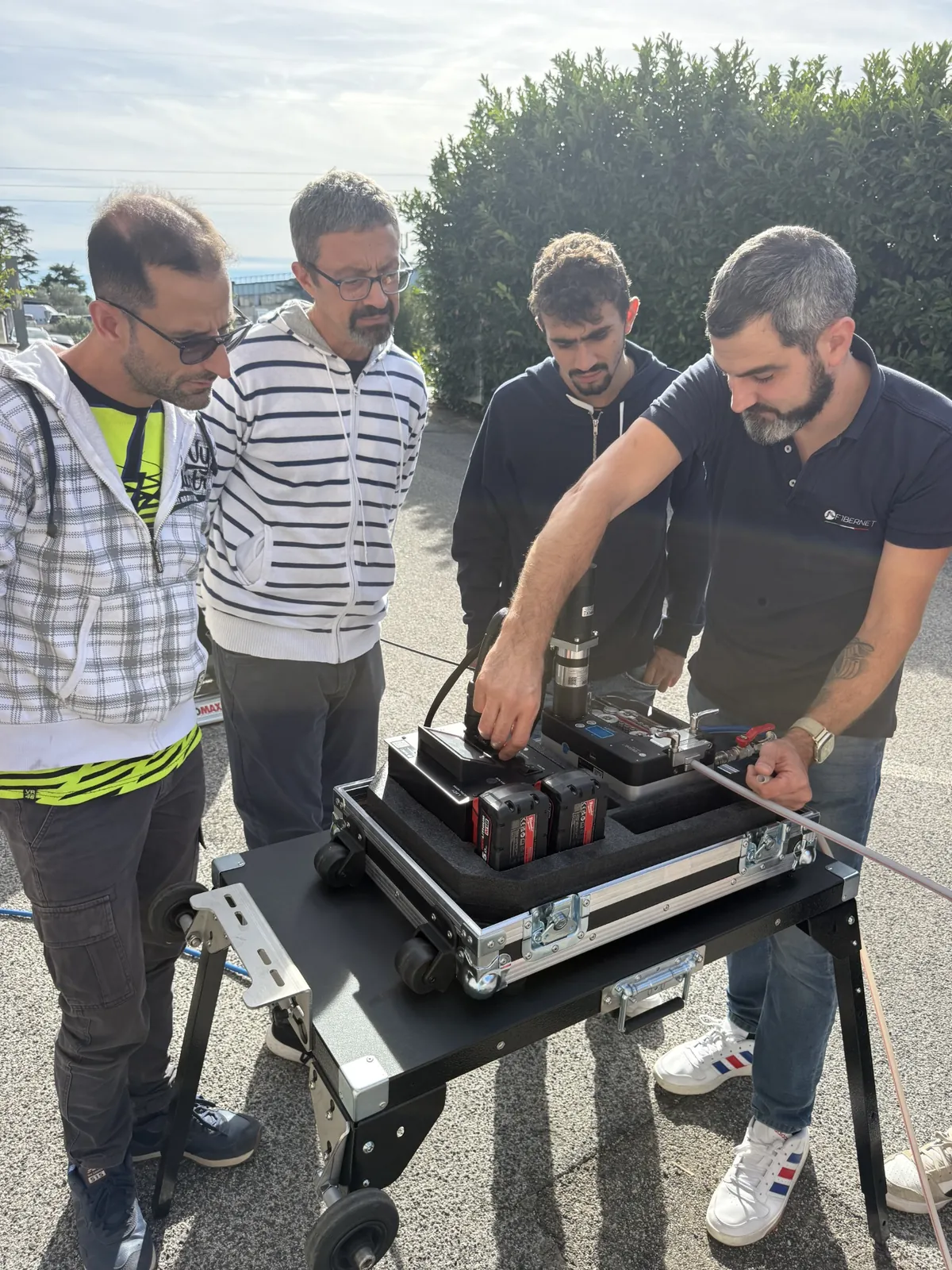
Read on Google“I really enjoyed this course. It took place in a pleasant setting with friendly, helpful people.”
Stories from installers
Hear the results from the installers themselves. Watch their testimonials right here.
Product videos
Three machines. Find your fit.
Start with the job at hand. Our technician can answer your questions about the right setup.
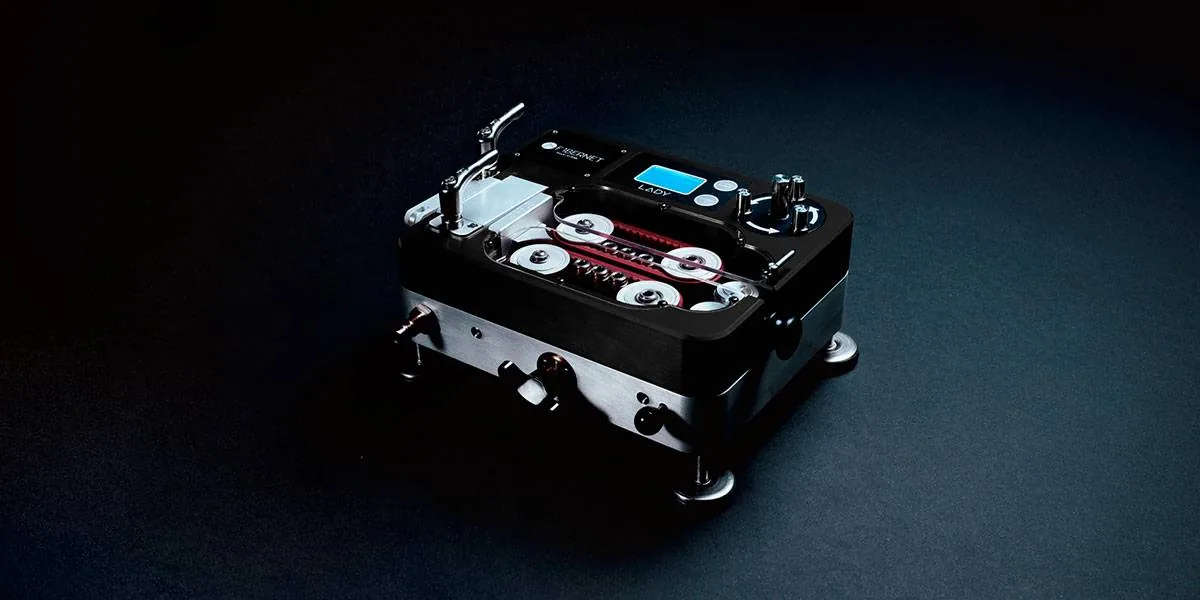
Compact and lightweight
A compact, lightweight machine for short runs.
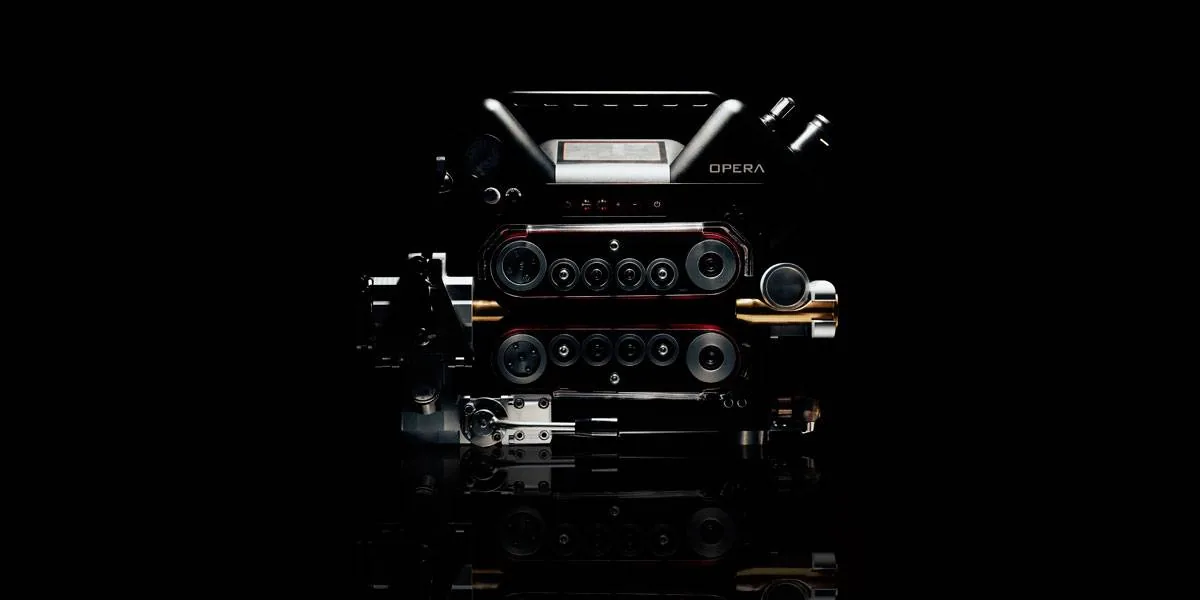
Pneumatic power
A pneumatic machine for long cable runs.
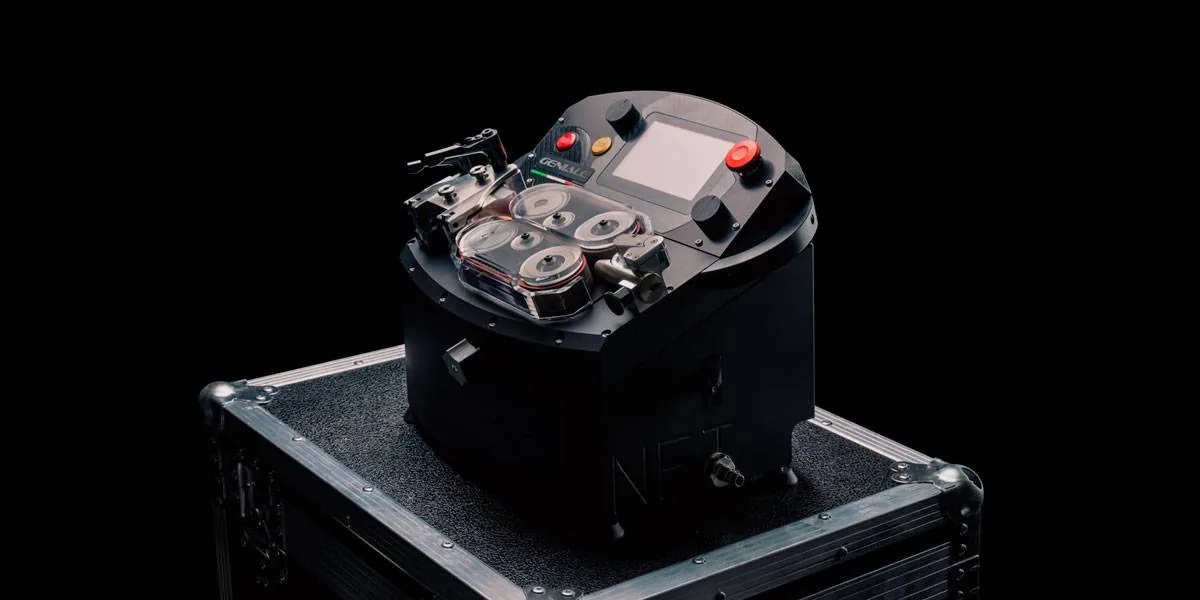
Electric, with two gears
For short and long runs. Two gears let you match force and speed to the job.
Specifications for the Fibernet range. The speeds shown are maximum values. Actual results depend on installation conditions and machine setup.
Direct from the manufacturer
When you’re working on site, you need practical answers. With Fibernet, you speak directly to the people who design and build your cable blowing machine.
Speak to a technicianA specialist technician can help when you need it.
Spare parts ready to ship, direct from the manufacturer.
If your machine breaks down, a replacement may be available within 48 hours.
Check availability and terms with your technician.Get help making the most of your machine, from your very first job.
See it in action before you choose
Request a free hands-on demonstration on your site or at Fibernet’s test facility. Discuss a real job with the technician.
Request a free demonstration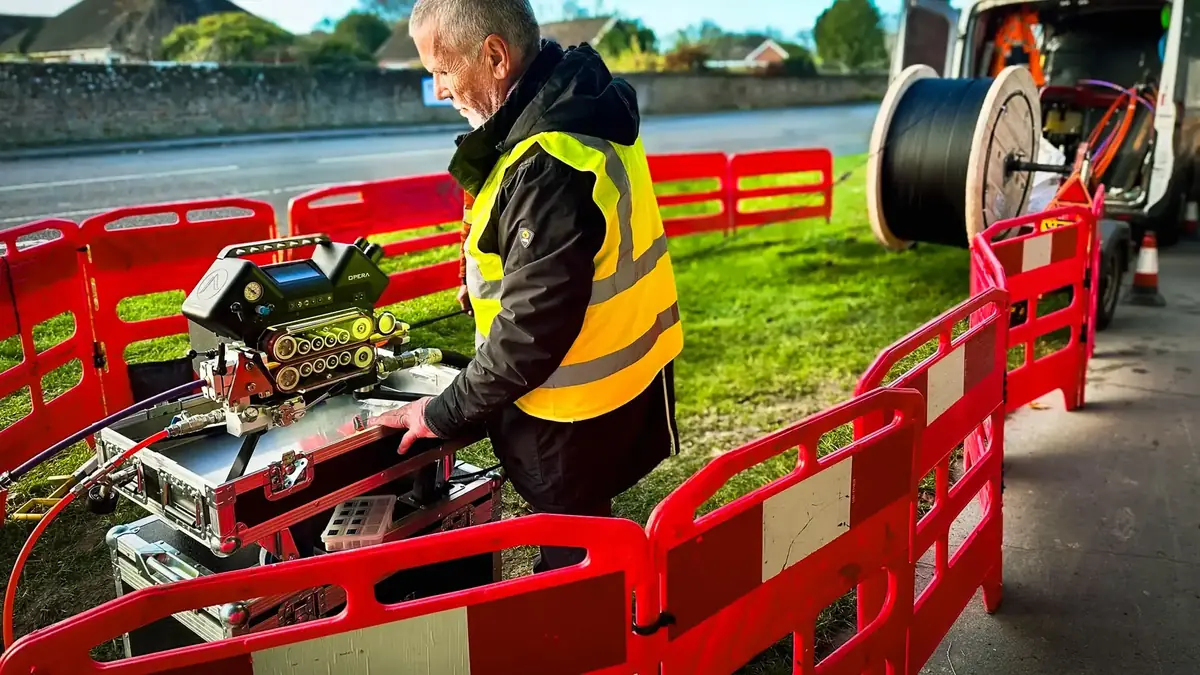
Choosing a used optical fiber cable blowing machine starts with understanding the installation tasks it must handle, rather than comparing purchase prices alone. For contractors working in Italy or coordinating projects with American installation teams, the practical questions are similar: which cable diameters will be installed, which duct dimensions are specified, and what equipment can the crew transport and operate at the worksite? Before considering an individual machine, prepare a clear description of your typical installation conditions. Include cable construction, outside diameter, duct internal diameter, expected route lengths, and the number and severity of bends. These details help establish whether a particular configuration deserves closer inspection. A machine that appears economical can become an expensive choice if its operating range does not match the cables and ducts used on your contracts. When evaluating a second hand optical fiber cable blowing machine, request identification details, operating documentation, maintenance records where available, and a precise inventory of the supplied accessories. Cable guides, duct adapters, sealing components, and drive elements deserve particular attention because missing or unsuitable parts can prevent a machine from being deployed immediately. Ask whether replacement components remain obtainable and whether the original operating instructions cover the exact model being offered. Photographs are useful for an initial review, but they cannot establish operating condition by themselves. Where feasible, arrange a demonstration using a representative cable and duct combination, within the manufacturer's specified limits. Observe cable guidance, feed consistency, adjustment controls, and the condition of components that contact the cable jacket. Any test involving compressed air should follow documented safety procedures and use suitable pressure-rated connections. Fibernet brings an Italian engineering background to these equipment discussions. Founded in 2001, the company developed its first cable blowing machine, Lady, in 2021, building on the technical experience of founder Giancarlo Trinei. Its made-in-Italy product focus and assistance in the United States and worldwide provide a relevant point of contact when assessing equipment requirements. Contact Fibernet to clarify which products, accessories, and assistance options are available for your situation; do not assume that a pre-owned unit is currently in stock. The right optical fiber cable blowing machine should suit the work, the operator, and the supporting equipment as a complete system. A useful inquiry therefore includes photographs of any machine under consideration, its model information, and the intended application. This gives the technical discussion a concrete starting point and helps distinguish an attractive asking price from a genuinely workable equipment choice.
A used optical fiber cable blowing machine should be assessed as a working assembly, not simply as a housing with a motor and an air connection. Begin with the components responsible for guiding and advancing the cable. Depending on the machine design, these may include belts, rollers, guides, adjustment mechanisms, and interchangeable inserts. Look for uneven wear, damaged contact surfaces, excessive play, or signs that unsuitable settings have been used. The objective is controlled cable movement without applying forces beyond the cable manufacturer's limits. A machine that moves cable during a brief demonstration is not automatically suitable for the intended installation. Its configuration, adjustment range, and protective functions must also be appropriate. For a compressed air optical fiber cable blowing machine, assess the air supply requirements alongside the machine itself. Required pressure and airflow depend on the equipment specifications and installation conditions; they should never be guessed from the compressor's size or appearance. Confirm the suitability of hoses, connectors, filtration, and any air treatment required by the manufacturer. Leakage, contamination, or insufficient airflow can undermine performance even when the drive mechanism is functioning correctly. Duct condition matters as well. Before an installation, verify the duct route and preparation requirements, check that connections are suitable for the intended procedure, and follow approved methods for confirming continuity and cleanliness. A damaged or poorly prepared duct cannot be corrected merely by increasing feed force or air pressure. If you are comparing an electric optical fiber cable blowing machine with another drive arrangement, review the actual power requirements, available worksite supply, and operator controls rather than assuming that one configuration will always be preferable. Ask how speed is adjusted, what operating information is displayed, and which stopping or protective functions are provided on the specific model. For teams transferring equipment between Italian projects and American jobsites, confirm electrical compatibility and the units used in technical documentation before purchase. Record duct and cable dimensions clearly, identifying whether measurements are metric or imperial. This reduces avoidable errors when selecting adapters or discussing operating limits. Fibernet can be contacted with these application details to discuss its made-in-Italy machines and available assistance in the United States and worldwide. For any pre-owned purchase, clarify who will inspect the equipment, who supplies replacement parts, and which party is responsible for any stated warranty. Request written confirmation rather than relying on assumptions about manufacturer coverage. A documented inspection and a realistic setup review help your crew make a more informed equipment decision before the machine reaches the worksite.
The business case for a used optical fiber cable blowing machine depends on more than the difference between its asking price and the price of new equipment. Start with the jobs already scheduled and estimate how frequently the machine will be used. Then consider the cost of making it operational: inspection, replacement wear parts, missing adapters, transport, and any supporting equipment your crew does not already own. A low initial figure may be less attractive once these items are included. Conversely, a well-documented machine with the correct accessories may justify closer consideration even if its advertised price is higher. The meaningful comparison is the cost of a suitable, deployable setup, not the cost of an incomplete unit. When researching fiber cable blowing machine price, request quotations with clearly defined inclusions. Identify the machine configuration, cable and duct compatibility, supplied components, delivery arrangements, and applicable commercial terms. For cross-border purchases involving Italy and the United States, clarify shipping responsibilities, documentation, taxes, and any import-related costs with the appropriate providers. Do not assume that a domestic quotation covers international delivery or local requirements. Equally important is the process for obtaining help after purchase. Ask how a technical inquiry is handled, what information the support team needs, and how replacement parts are identified and supplied. Fibernet's made-in-Italy product approach is supported by assistance in the United States and worldwide; contact the company to establish the specific arrangements relevant to your location and equipment. The company's family-led history offers context for that conversation without replacing the need for precise commercial information. Its development brings together Giancarlo Trinei's technical background and the next generation's involvement, which began in 2010. For a contractor, the practical value lies in connecting equipment selection with understandable documentation and a clear support route. If utilization is uncertain, optical fiber cable blowing machine rental can also be worth investigating through a suitable provider, subject to local availability and terms. Compare the rental period, included accessories, transport charges, maintenance responsibilities, and potential extension costs against the expected ownership period. This is a planning consideration, not a statement that Fibernet currently offers rental or used stock. Before committing to any purchase, define acceptance criteria in writing. These might include the agreed configuration, documented condition, a suitable functional demonstration, and delivery of the relevant instructions. Share your cable sizes, duct dimensions, typical route conditions, and project location when contacting Fibernet. A focused inquiry makes it easier to discuss a machine that fits your installation work and to identify the questions that still need answering before you invest.
Fill out the form and discover what Fibernet Srl can do for you!
Contact us!Before you get started
If you prefer, speak to us directly.
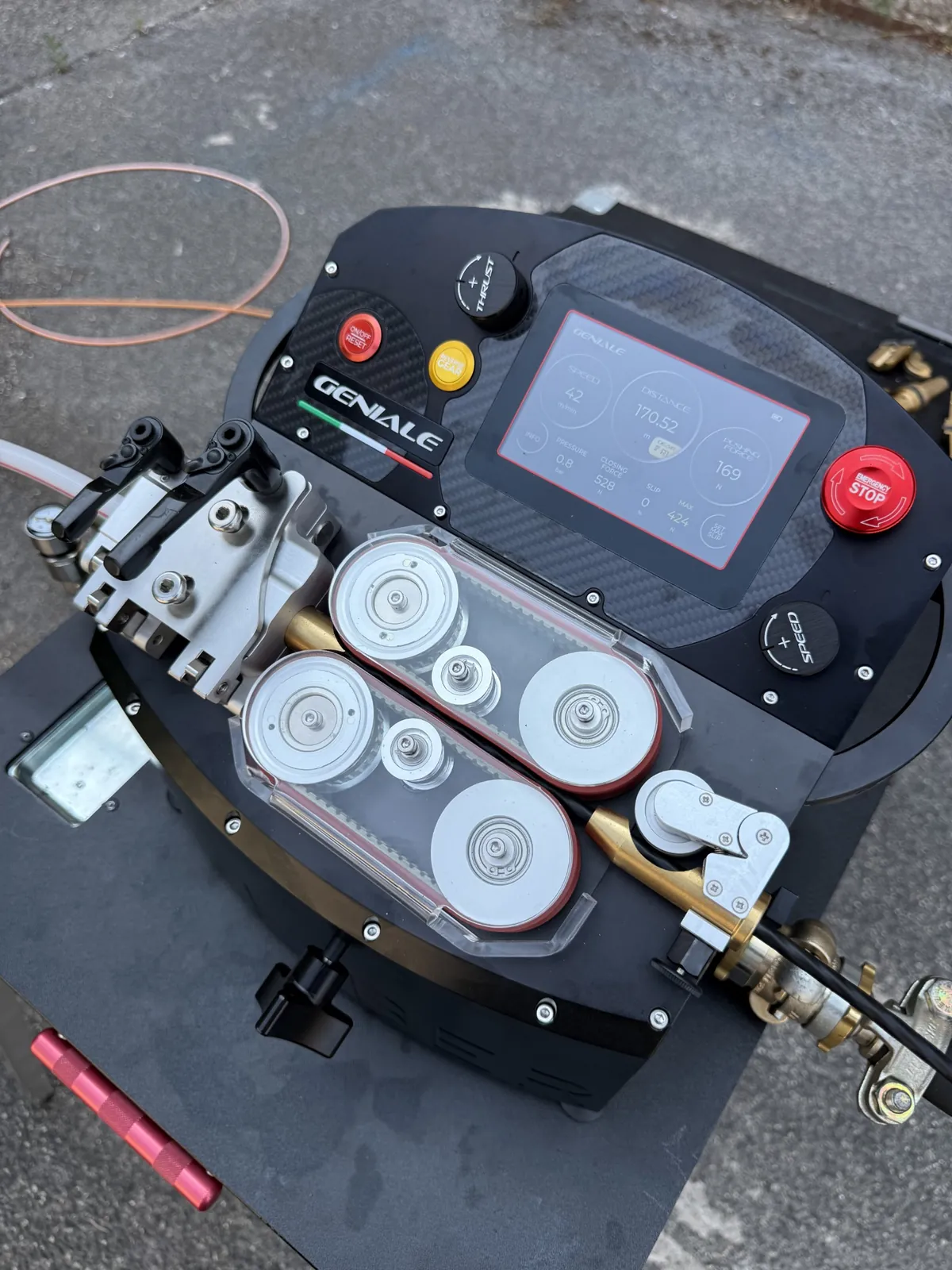
+39 346 652 9915Compare the cable diameter, duct diameter and installation distance. Lady is compact and lightweight for short runs. Opera is pneumatic and designed for long runs. Geniale is electric and handles both. A Fibernet technician can help you choose.
Yes. You can request a free hands-on demonstration on your site or at Fibernet’s test facility. Tell us what you need in the form and a technician will arrange it with you. Request a demonstration.
To get a price, contact a Fibernet advisor using the form or call +39 346 652 9915.
Fibernet offers direct technical support, spare parts ready to ship and dedicated training. If your machine breaks down, a replacement may be available. Ask your technician about availability and terms.
Tell us about your job. We’ll help you find the right cable blowing machine.