Emanuele Zanda
Google review
★★★★★
Read on Google“An excellent experience on the installer training course. The whole team was professional and knowledgeable.”
Cable blowing machines · Made in Italy
From last-mile connections to long-distance runs, a Fibernet technician can help you choose the right machine for your fiber optic cable installation.
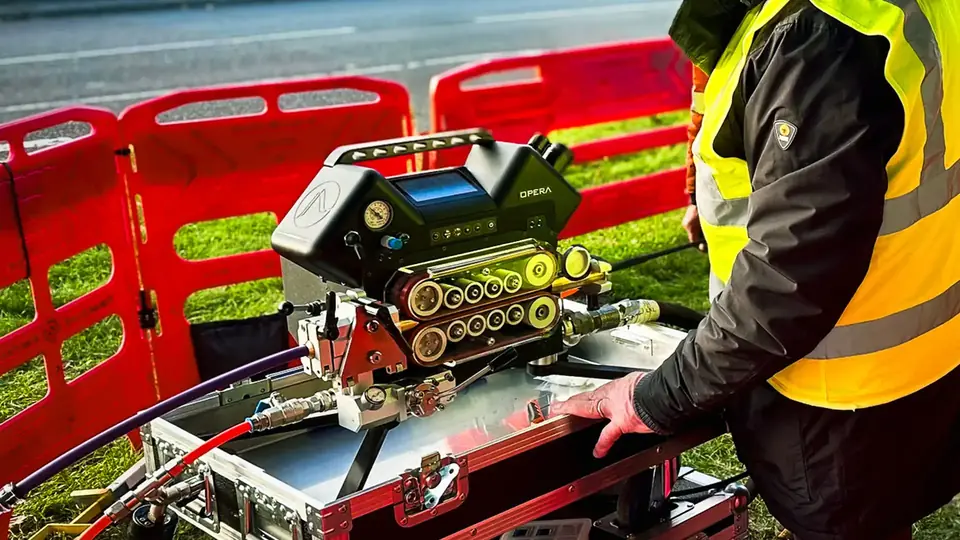
Opera, image 1 of 3
Expert advice direct from the manufacturer / Free demonstration on request
Some of our customers.
Keep your installation moving with Fibernet cable blowing machines.
Photos and stories from installers, published by Fibernet.
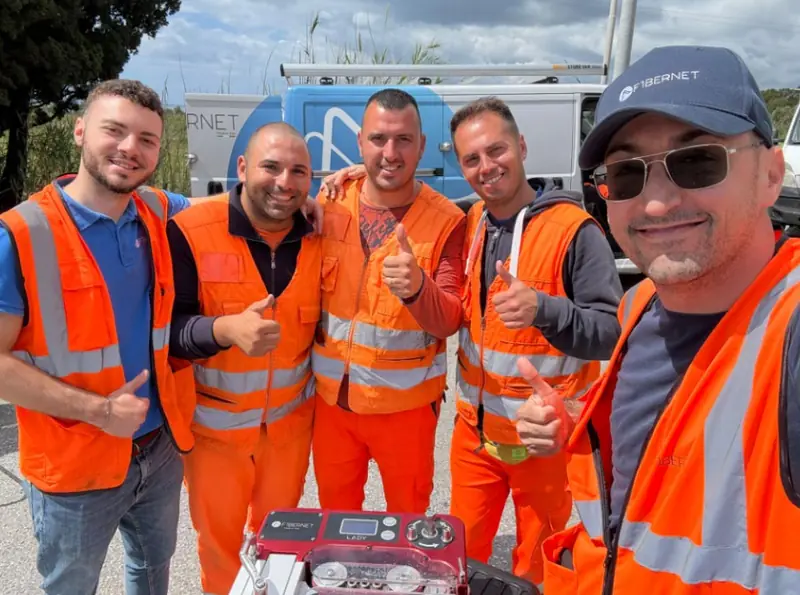
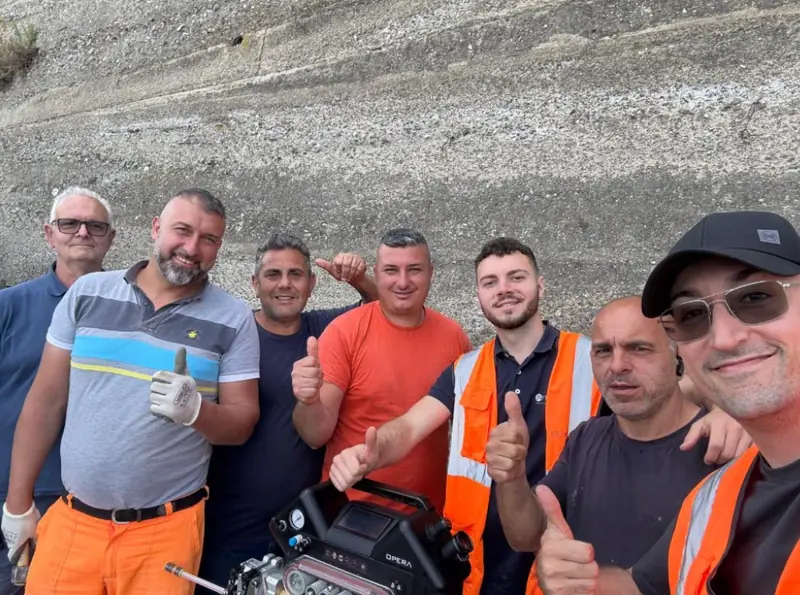
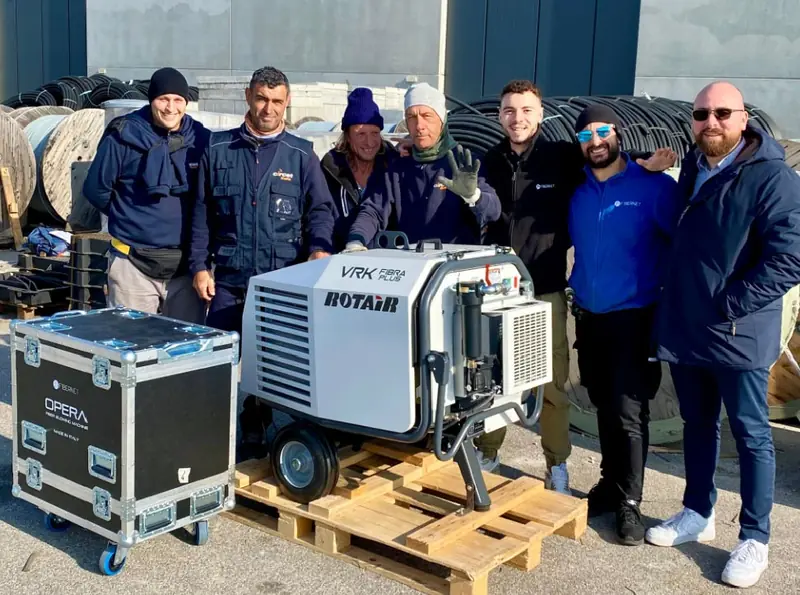
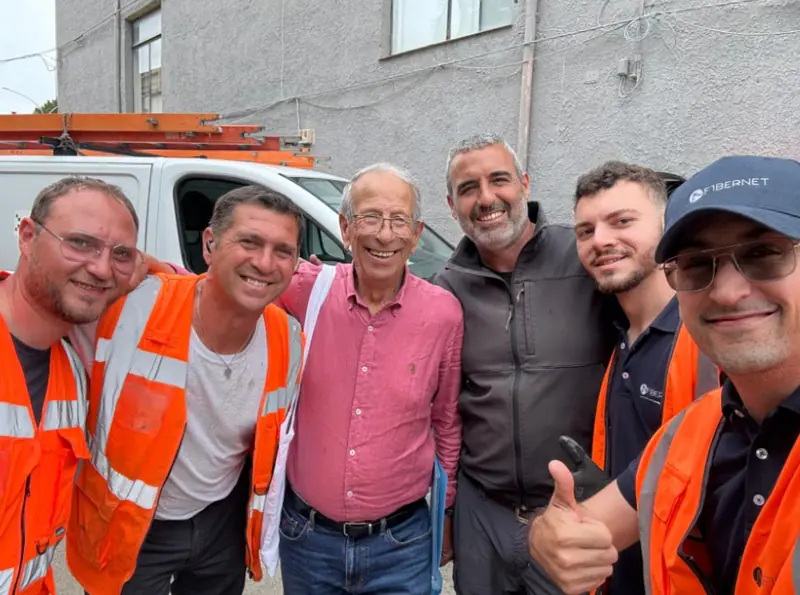
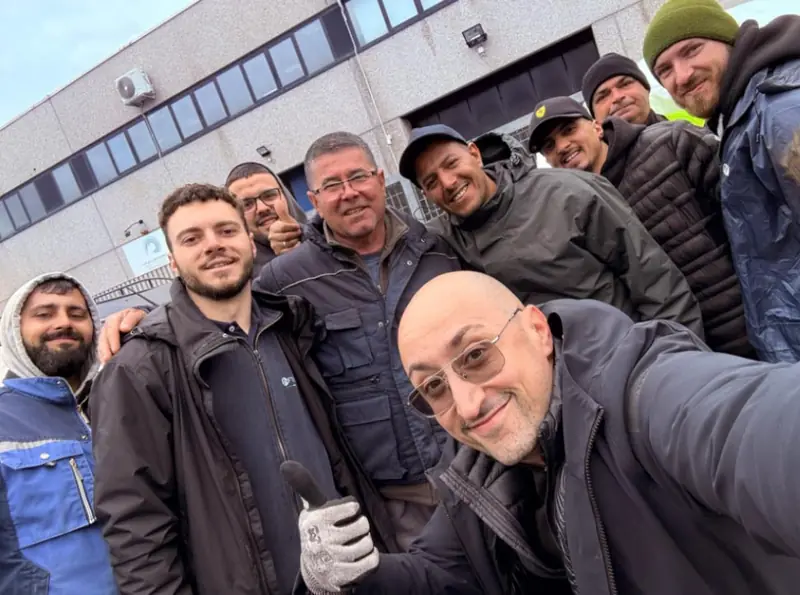
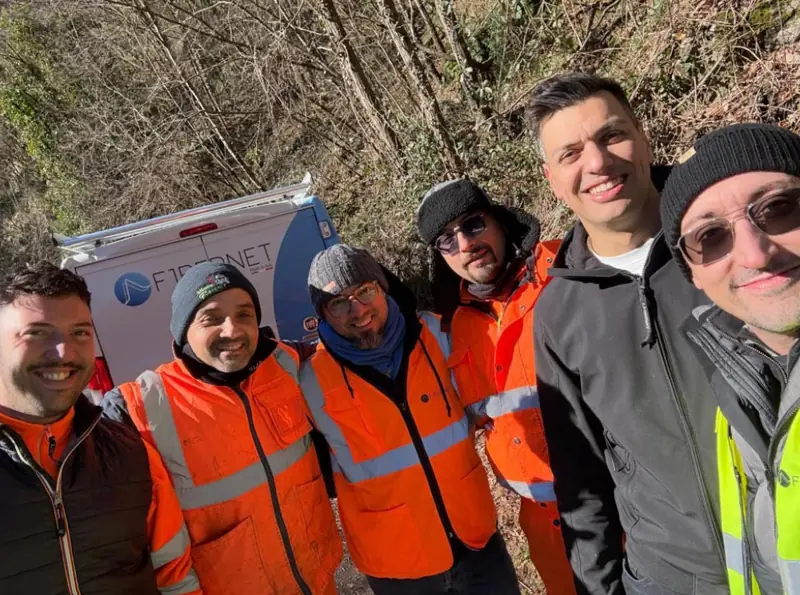 GoogleExcellentBased on 176 reviewsRead the reviews
Read on Google“An excellent experience on the installer training course. The whole team was professional and knowledgeable.”
Read on Google“I had the chance to try the Opera cable blowing machine on site…”
Read on Google“I really enjoyed this course. It took place in a pleasant setting with friendly, helpful people.”
Stories from installers
Hear the results from the installers themselves. Watch their testimonials right here.
Product videos
Three machines. Find your fit.
Start with the job at hand. Our technician can answer your questions about the right setup.
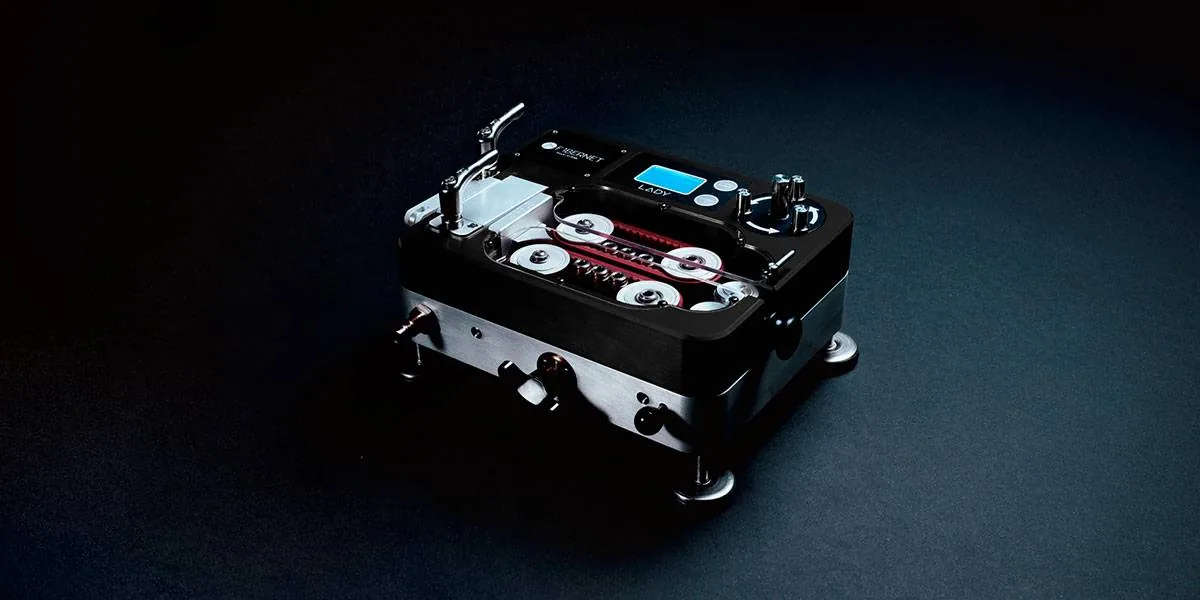
Compact and lightweight
A compact, lightweight machine for short runs.
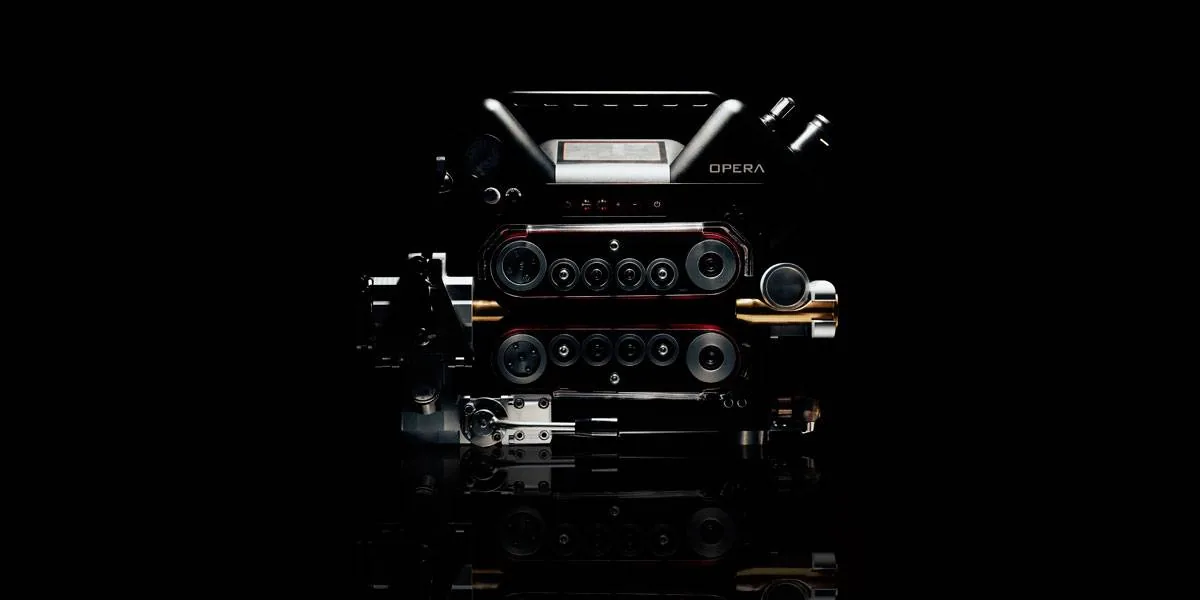
Pneumatic power
A pneumatic machine for long cable runs.
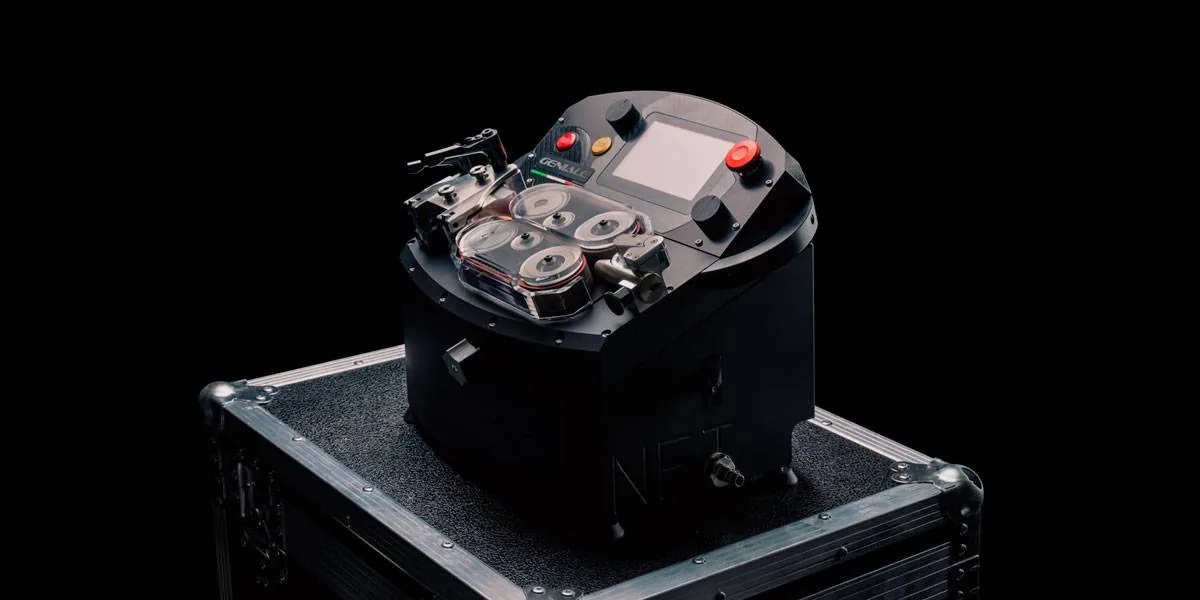
Electric, with two gears
For short and long runs. Two gears let you match force and speed to the job.
Specifications for the Fibernet range. The speeds shown are maximum values. Actual results depend on installation conditions and machine setup.
Direct from the manufacturer
When you’re working on site, you need practical answers. With Fibernet, you speak directly to the people who design and build your cable blowing machine.
Speak to a technicianA specialist technician can help when you need it.
Spare parts ready to ship, direct from the manufacturer.
If your machine breaks down, a replacement may be available within 48 hours.
Check availability and terms with your technician.Get help making the most of your machine, from your very first job.
See it in action before you choose
Request a free hands-on demonstration on your site or at Fibernet’s test facility. Discuss a real job with the technician.
Request a free demonstration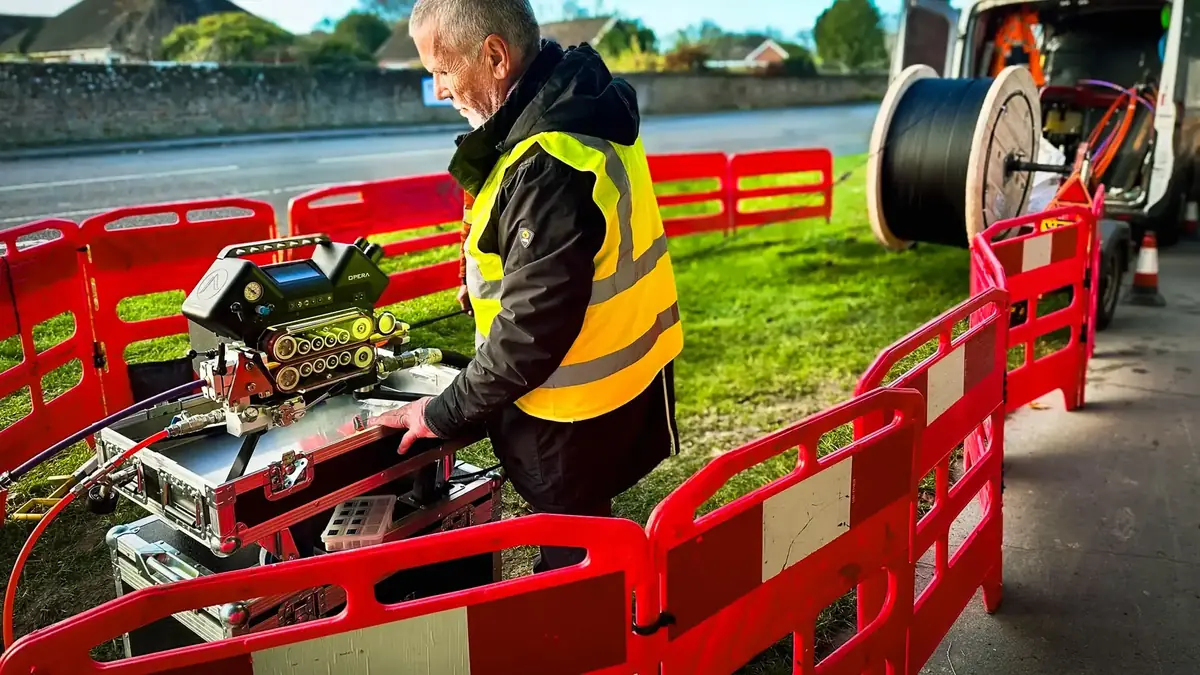
Choosing a used OFC cable blowing machine starts with a practical question: will this particular unit handle the cable and duct combinations your crews encounter? A lower purchase cost is useful only when the equipment remains suitable for the installation. Before considering an offer, record the cable outside diameter, duct internal diameter, anticipated route conditions, and available compressor capacity. Include the cable manufacturer's limits for pushing force and bend radius. These details help establish whether a candidate machine deserves further inspection, rather than leaving the decision to photographs, a brief description, or an attractive asking price. For American contractors working with Italian equipment, measurements should be checked carefully across metric and imperial documentation. Build a requirements sheet around actual jobs rather than a single ideal installation. A crew installing distribution cable along a relatively straight commercial route may have different needs from a team working through repeated bends, elevation changes, or existing ducts with uncertain conditions. Ask which cable guides, drive components, duct adapters, and sealing inserts are included, and verify their supported dimensions against the exact model documentation. Missing accessories can turn an apparently affordable used fiber cable blowing machine into a purchase that needs additional spending before it reaches the field. Inspect the frame, drive assembly, guards, adjustment mechanisms, connectors, and controls for damage or signs of improvised repair. Wear on cable-contact surfaces deserves particular attention because uneven grip, contamination, or incorrect adjustment can affect cable handling. Request the serial number, available service records, operating manual, and details of previous applications. Where operating hours are recorded, consider them alongside maintenance history and physical condition rather than treating the hour reading as proof of remaining service life. A controlled demonstration with a representative cable and duct arrangement is more useful than a video showing the motor running without load. During that demonstration, check whether the cable feeds consistently, controls respond predictably, and any fitted protective functions operate according to the manual. Agree beforehand on who supplies the compressor, test cable, duct, and qualified operator. When comparing the fiber cable blowing machine price, include transport, inspection, replacement wear parts, required adapters, operator familiarization, and any electrical or pneumatic compatibility work. Also establish whether replacement components remain available for that specific model and serial range. Ask the seller to record included accessories and known defects in writing. This approach helps purchasing teams compare complete, usable packages instead of headline prices. The practical outcome is a more defensible buying decision: equipment selected for documented job requirements, a clearer preparation budget, and fewer avoidable surprises when the crew arrives at its first installation.
A used OFC cable blowing machine should be evaluated as a working system, not simply as a standalone purchase. The machine, compressor, air treatment equipment, hoses, connectors, duct seals, and cable handling arrangements must work together. A mismatch anywhere in that chain can cause delays that are wrongly attributed to the blowing unit itself. Begin by comparing the proposed equipment with the manufacturer's operating requirements. Confirm the necessary airflow and pressure at the machine inlet, allowing for the actual hose arrangement and site conditions. Compressor nameplate figures alone do not establish what reaches the equipment during operation, and pressure should never be increased beyond the ratings of the machine, duct, or connected components. Before mobilization, have qualified personnel assess duct continuity, accessible connection points, route geometry, and the condition of the pathway using approved procedures. Identify sharp direction changes, questionable joints, water accumulation, or obstructions that could interfere with installation. Duct preparation and any integrity checks should follow the duct supplier's instructions and applicable project requirements. A capable used fiber optic cable blowing machine cannot compensate for a damaged pathway or poorly assembled connection. Plan the cable supply arrangement with equal care. Position the reel on suitable handling equipment, provide a controlled payout path, and avoid introducing twists or bends tighter than the cable manufacturer allows. Keep cable-contact surfaces clean, and use only lubricants approved for the relevant cable, duct, and installation process. Compatibility matters because an unsuitable product can affect materials or create maintenance problems. Assign responsibilities before starting: one operator manages the machine, another monitors cable payout where required, and personnel at other access points maintain agreed communication. Establish clear stop signals and a safe shutdown procedure. Pressurized systems require particular discipline; isolate and depressurize equipment before opening connections or performing adjustments that require access to pressurized components. During operation, follow the machine manual for feed settings and monitor available indicators for unusual resistance, unstable feeding, or changes in air supply. If progress deteriorates, stop and investigate instead of assuming that more force or pressure will solve the problem. Record installed distance, relevant settings, cable and duct specifications, interruptions, and the conditions associated with each stop. These records help distinguish equipment issues from route-specific limitations and provide a useful starting point for later projects. For a cable blowing machine for fiber optic cable installation, dependable daily performance also depends on routine checks of seals, drive components, hoses, guards, and controls at the intervals specified by the manufacturer. Keep the correct consumables and approved replacement parts available, and identify who can provide technical assistance before the job begins. Coordinating these details can reduce preventable downtime, improve troubleshooting, and support more consistent installation planning without promising a fixed distance or output that site conditions may not allow.
Fibernet brings an Italian manufacturing background to discussions about cable blowing equipment for American installation businesses. Founded in 2001, the company grew from the technical experience of Giancarlo Trinei, whose work included early optical cable installations and testing in Italy during the 1980s. That background matters when equipment decisions require more than a comparison of advertised numbers. The introduction of Lady in 2021 marked Fibernet's entry into cable blowing machine manufacturing. For a contractor considering a used OFC cable blowing machine, the relevant question is how that manufacturer's knowledge can help clarify compatibility, maintenance expectations, and the differences between an older unit and a current machine suited to the intended work. A productive technical inquiry starts with specific information. Provide the manufacturer or seller with the exact model, serial number, photographs of the identification plate, and a description of the planned applications. Include cable diameters, duct dimensions, route characteristics, available compressed air, and the operating conditions expected on site. Ask which conclusions can be drawn from documentation and which require physical inspection or a supervised test. This distinction is important because general familiarity with equipment does not establish the condition of an individual secondhand unit. For American buyers reviewing Italian equipment, clarify the units used in technical documents, the language of available manuals, and the requirements of any electrical supply or pneumatic connections. Confirm whether suitable adapters are approved and available rather than assuming that a locally sourced fitting is an acceptable substitute. If evaluating a used fibre optic cable blowing machine, ask about model-specific wear components, compatible accessories, maintenance procedures, and the availability of replacement parts. Obtain written confirmation of any support, inspection, training, or repair service offered for the particular machine; do not assume these services are included with a private resale or supplied automatically by the original manufacturer. Compare the secondhand option with a current machine on the basis of the work each can perform, not age alone. A contractor with occasional, well-defined installations may assess ownership costs differently from a business scheduling several crews across varied projects. Consider expected utilization, transport between jobs, accessory changes, operator familiarity, and the consequences of waiting for a repair. An OFC cable blowing machine price comparison becomes more meaningful when it includes these operational costs alongside the purchase amount. Request a clear quotation identifying the machine configuration, included accessories, delivery arrangements, payment terms, and any applicable warranty conditions. Where a used machine has an uncertain history, allow for inspection and initial servicing before committing it to a customer deadline. Fibernet's manufacturing background provides context for asking informed questions, while the final purchasing decision should rest on verified specifications, documented condition, and confirmed commercial terms. That process helps contractors choose equipment around realistic project requirements and establish practical expectations before installation work begins.
Fill out the form and discover what Fibernet Srl can do for you!
Contact us!Before you get started
If you prefer, speak to us directly.
+39 346 652 9915Compare the cable diameter, duct diameter and installation distance. Lady is compact and lightweight for short runs. Opera is pneumatic and designed for long runs. Geniale is electric and handles both. A Fibernet technician can help you choose.
Yes. You can request a free hands-on demonstration on your site or at Fibernet’s test facility. Tell us what you need in the form and a technician will arrange it with you. Request a demonstration.
To get a price, contact a Fibernet advisor using the form or call +39 346 652 9915.
Fibernet offers direct technical support, spare parts ready to ship and dedicated training. If your machine breaks down, a replacement may be available. Ask your technician about availability and terms.
Tell us about your job. We’ll help you find the right cable blowing machine.