Emanuele Zanda
Google review
★★★★★
Read on Google“An excellent experience on the installer training course. The whole team was professional and knowledgeable.”
Cable blowing machines · Made in Italy
From last-mile connections to long-distance runs, a Fibernet technician can help you choose the right machine for your fiber optic cable installation.
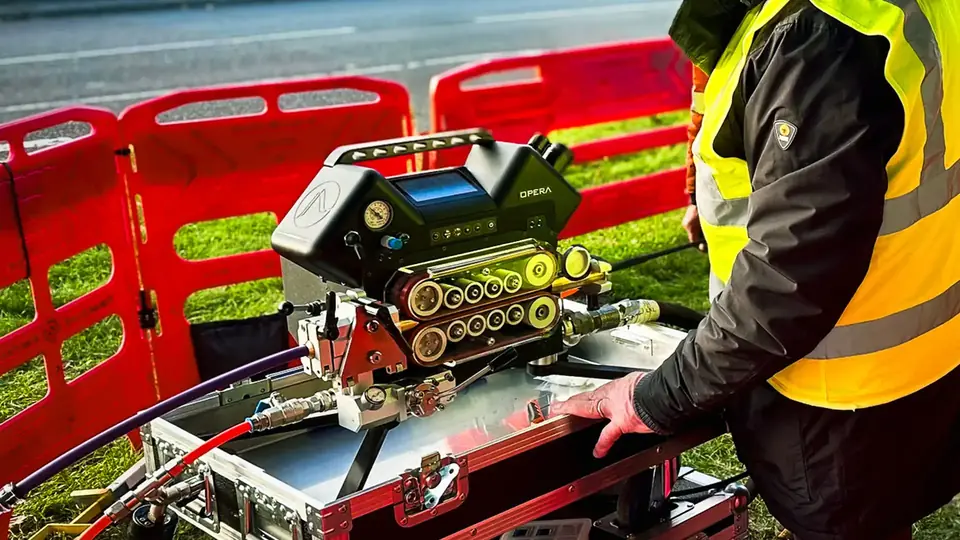
Opera, image 1 of 3
Expert advice direct from the manufacturer / Free demonstration on request
Some of our customers.

Keep your installation moving with Fibernet cable blowing machines.
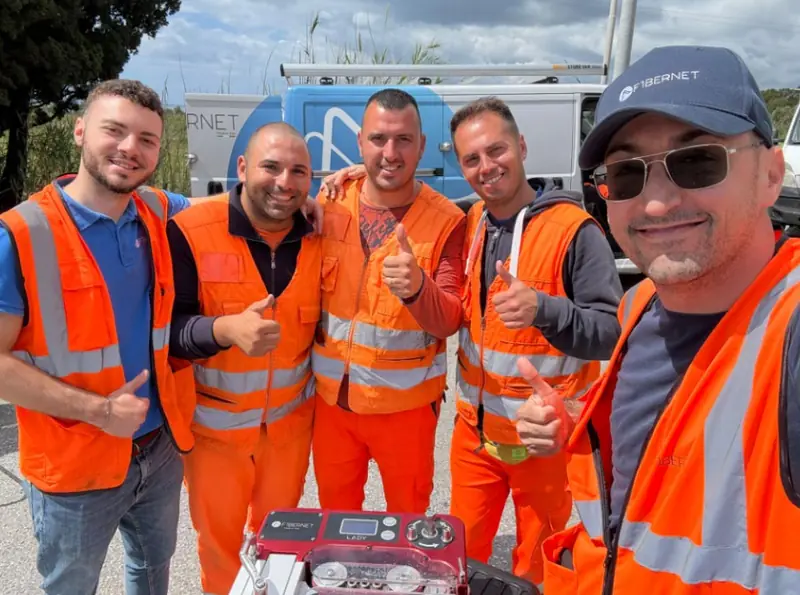
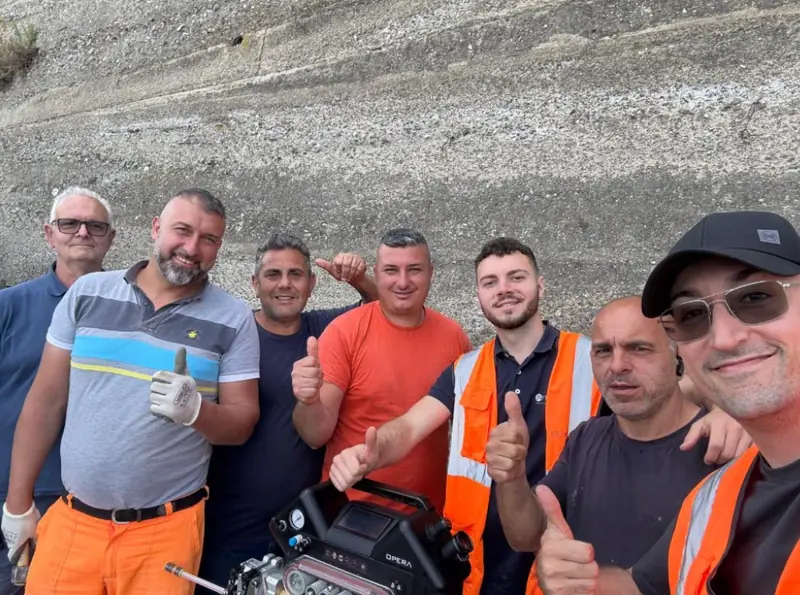
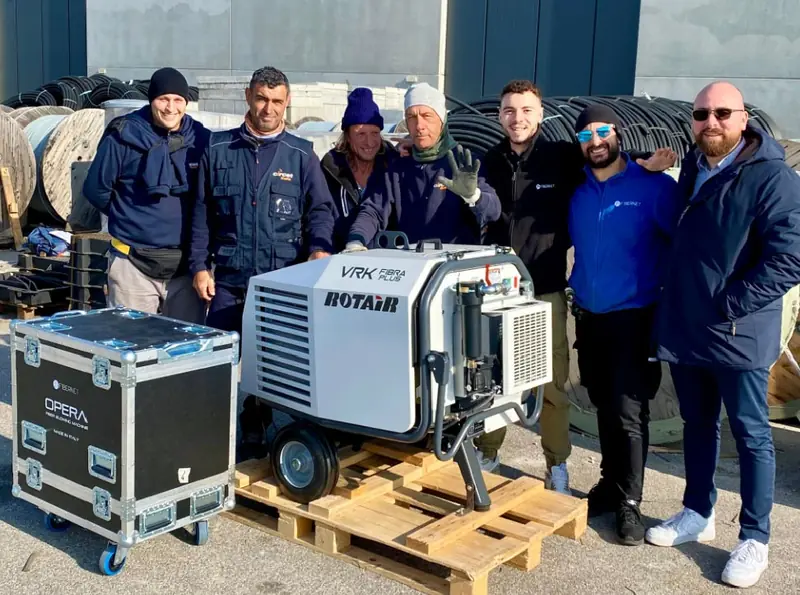
Photos and stories from installers, published by Fibernet.
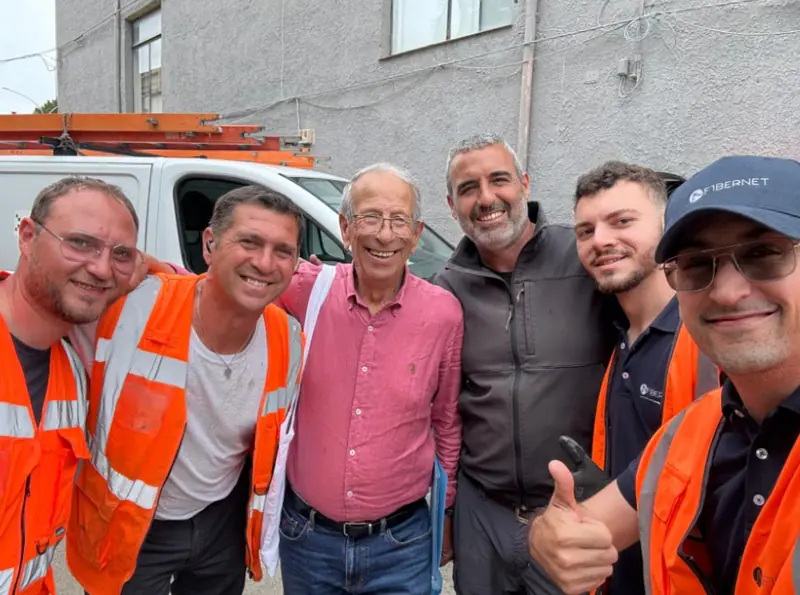
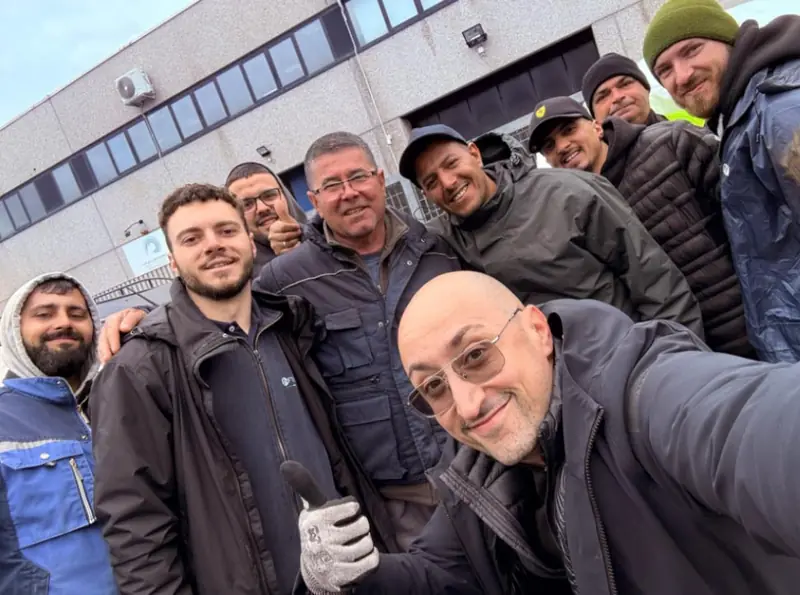
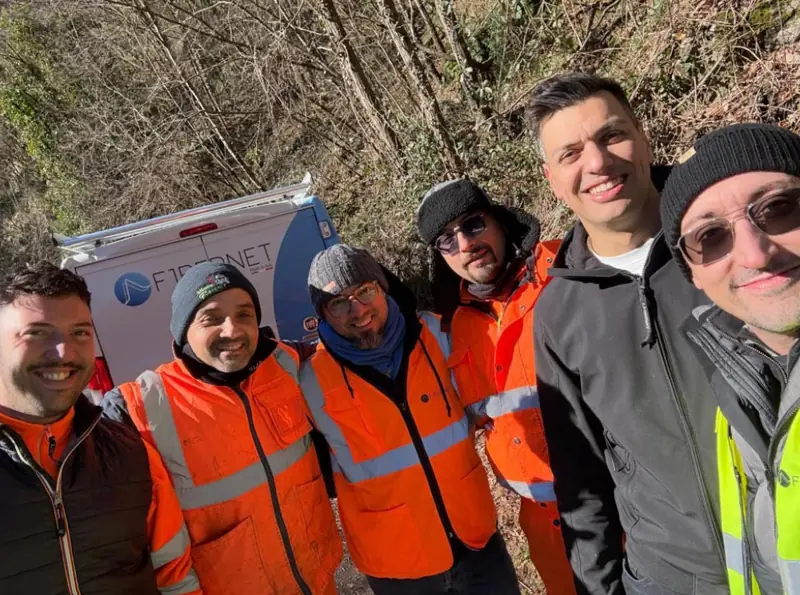 GoogleExcellentBased on 176 reviewsRead the reviews
Read on Google“An excellent experience on the installer training course. The whole team was professional and knowledgeable.”
Read on Google“I had the chance to try the Opera cable blowing machine on site…”
Read on Google“I really enjoyed this course. It took place in a pleasant setting with friendly, helpful people.”
Stories from installers
Hear the results from the installers themselves. Watch their testimonials right here.
Product videos
Three machines. Find your fit.
Start with the job at hand. Our technician can answer your questions about the right setup.
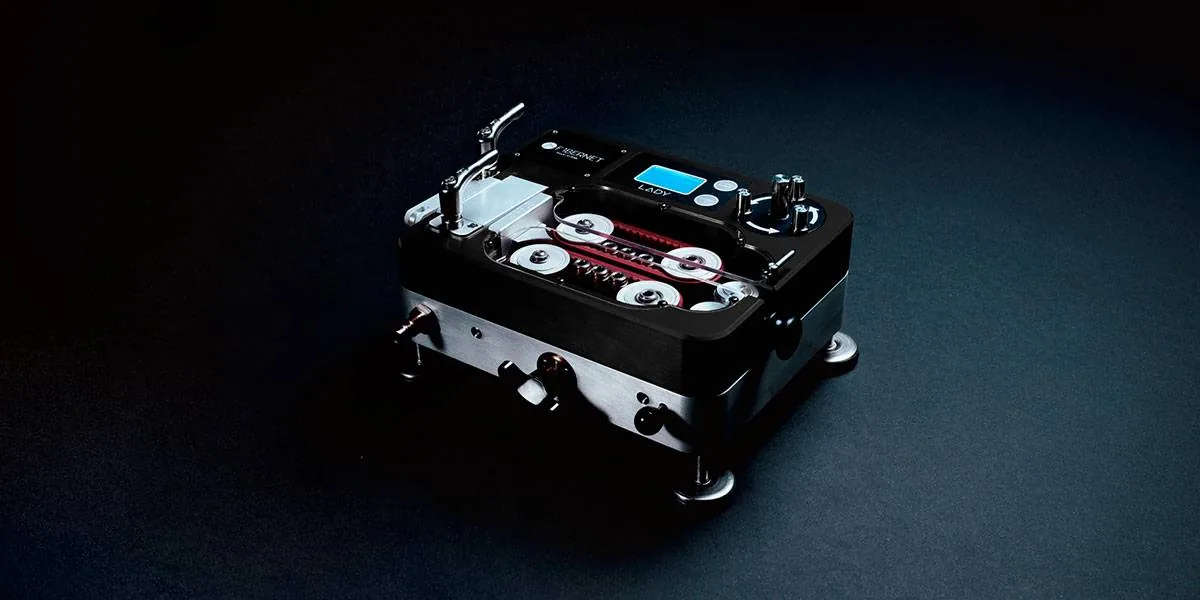
Compact and lightweight
A compact, lightweight machine for short runs.
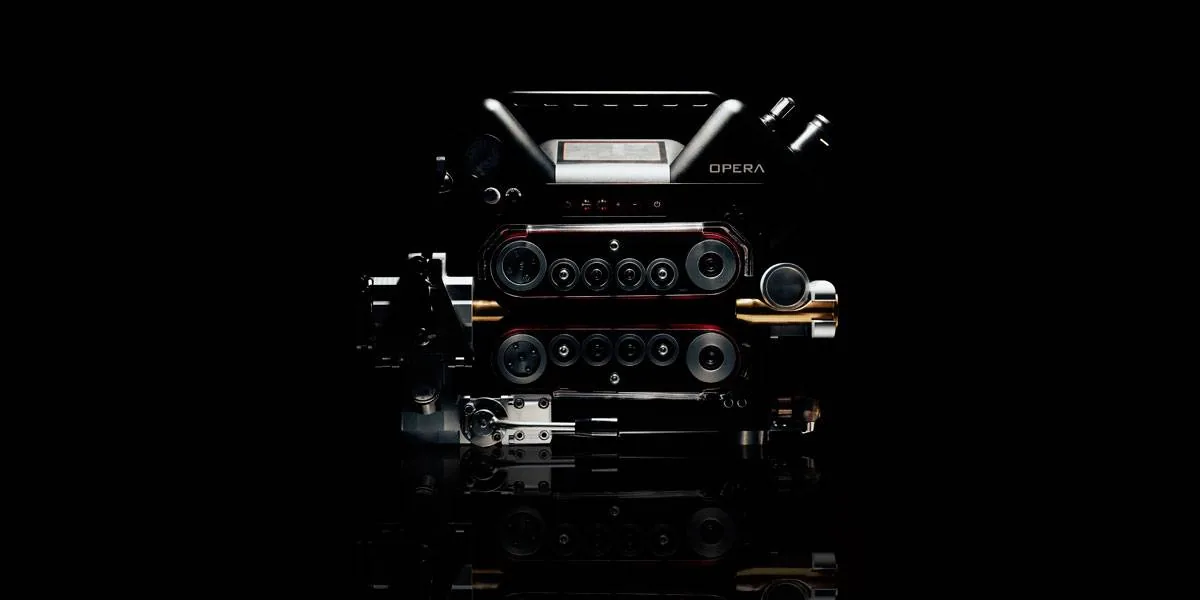
Pneumatic power
A pneumatic machine for long cable runs.
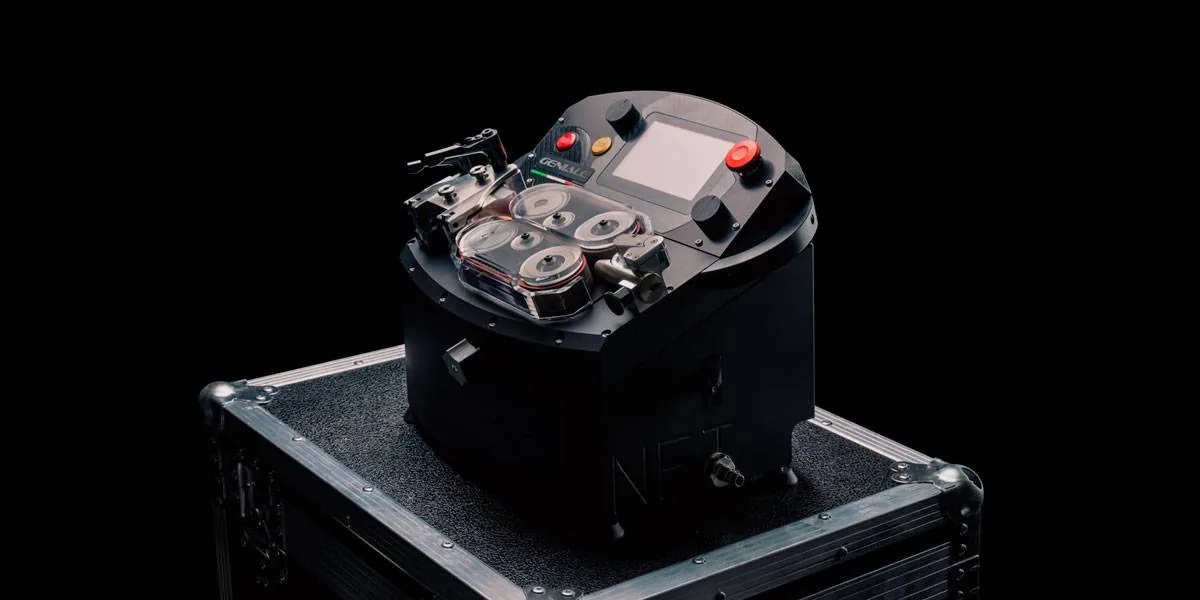
Electric, with two gears
For short and long runs. Two gears let you match force and speed to the job.
Specifications for the Fibernet range. The speeds shown are maximum values. Actual results depend on installation conditions and machine setup.
Direct from the manufacturer
When you’re working on site, you need practical answers. With Fibernet, you speak directly to the people who design and build your cable blowing machine.
Speak to a technicianA specialist technician can help when you need it.
Spare parts ready to ship, direct from the manufacturer.
If your machine breaks down, a replacement may be available within 48 hours.
Check availability and terms with your technician.Get help making the most of your machine, from your very first job.
See it in action before you choose
Request a free hands-on demonstration on your site or at Fibernet’s test facility. Discuss a real job with the technician.
Request a free demonstration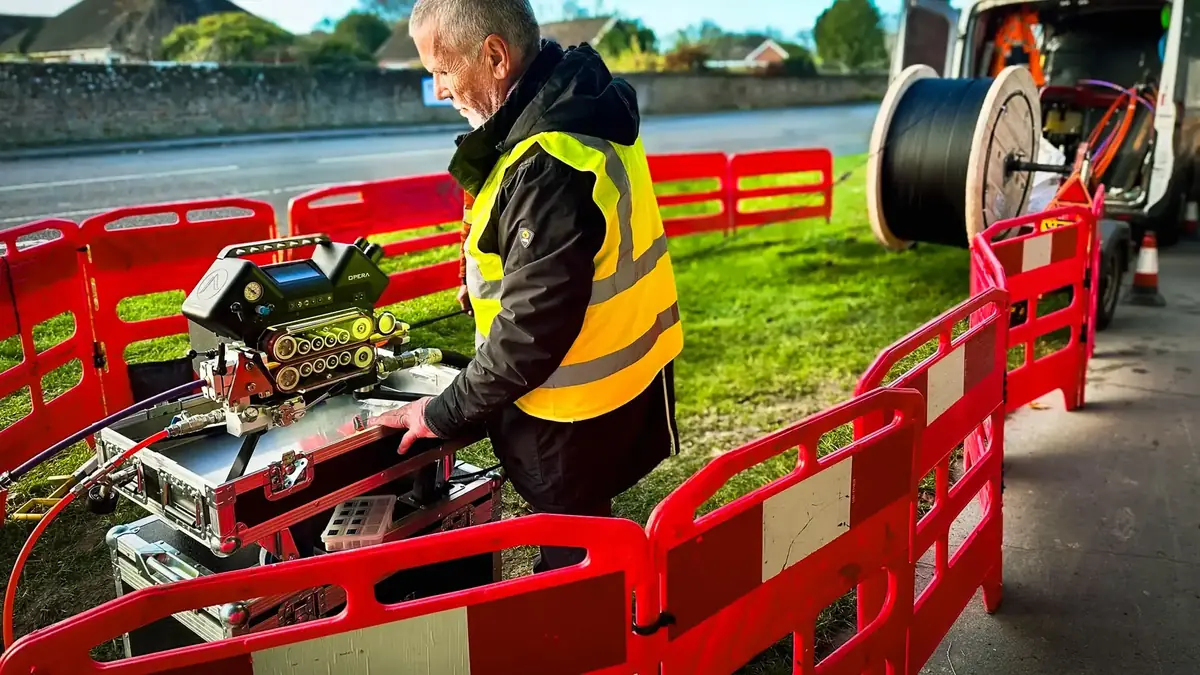
Choosing a used fiber optic cable blower starts with understanding the work it must perform, not simply comparing advertised purchase costs. For contractors operating in Italy, the right assessment connects the machine’s actual condition with the cable diameters, duct dimensions, route characteristics, and working practices planned for upcoming installations. A compact unit that looks suitable in photographs may require different guides, seals, or drive components before it can handle your cable correctly. Before discussing a purchase, prepare the cable manufacturer’s installation limits, the duct’s internal and external diameters, and information about the expected route. These details help establish whether the equipment is a realistic candidate rather than an expensive compromise. Ask the seller for the exact model, serial number, manufacturing date, operating history where recorded, and an itemized description of the included accessories. A machine without the correct duct clamps or cable guides can carry additional preparation costs that are easy to overlook. Inspect the drive surfaces for wear, contamination, uneven contact, and signs of inappropriate adjustment. Examine the air chamber, connections, seals, and fastening points for damage or deterioration. Any inspection involving compressed air should follow the manufacturer’s instructions and be performed by competent personnel using appropriate safeguards. Documentation matters just as much as visible condition: request the operating manual, maintenance records, applicable conformity documentation, and evidence of any repairs or modifications. For a second hand fiber optic cable blower, a controlled demonstration is particularly useful because it can reveal inconsistent feeding, air leakage, or unreliable controls that photographs cannot show. The demonstration should use compatible cable and duct, with the test conditions recorded rather than reduced to a headline installation distance. Distance alone does not prove suitability for a different route. Ask how cable feeding force is controlled and what procedures protect the cable if resistance increases. Confirm that replacement wear parts can be identified accurately and that any necessary configuration changes remain within the manufacturer’s specifications. Fibernet’s background offers a relevant starting point for this technical conversation: founded in 2001, the company introduced its first cable blowing machine, Lady, in 2021. Its development reflects Italian engineering experience and a practical focus on the work installers perform. Contact Fibernet through www.fibernetsrlusa.com to discuss your application and establish what product guidance, machine options, and support arrangements are currently available. Do not assume that a particular pre-owned unit is stocked, refurbished, or covered by a manufacturer’s warranty unless those conditions have been explicitly confirmed. A careful evaluation gives your purchasing team a clearer basis for deciding whether the machine can support dependable field work.
An attractive equipment listing can become less attractive when the machine reaches the worksite. The useful comparison is the total cost of preparing, operating, maintaining, and supporting the blower across the installations you actually expect to undertake. Begin with the purchase amount, then add any inspection, replacement wear parts, missing accessories, transport, and commissioning requirements. For equipment brought into Italy from another market, clarify the applicable commercial terms, documentation, taxes, and responsibilities before payment. These details should be checked for the specific transaction rather than assumed from the seller’s location. A used fiber optic cable blower also needs to match the resources already available to your crew. If the equipment relies on compressed air, verify the manufacturer’s required pressure, airflow, connection arrangements, and air preparation requirements. Compressor pressure by itself is not enough to establish compatibility, and a machine should never be operated beyond its rated limits. Consider the condition and suitability of hoses, couplings, and the air supply arrangement as part of the complete setup. Where the feeding mechanism has a separate power source, establish exactly what it requires and whether the corresponding components are included. When comparing fiber optic cable blower price information, ask each supplier to describe the same configuration. Otherwise, a lower figure may refer to a bare machine while another quotation includes guides, clamps, seals, a transport case, or other necessary items. Request an itemized quotation and distinguish required components from optional accessories. Then assess downtime exposure. A worn drive component might be inexpensive on its own, yet the consequences of waiting for a replacement can exceed the saving achieved at purchase. Ask which consumables can be ordered, how parts are identified, and what information technical support needs when diagnosing a problem. Availability and delivery estimates should be confirmed for the specific model and destination. Where fiber optic cable blower hire is available, comparing rental terms can help establish whether ownership makes financial sense for intermittent work. Include collection, delivery, damage responsibility, configuration changes, and the equipment’s actual availability during your project window. Hiring is not automatically cheaper, just as buying is not automatically more economical. For a used fiber optic cable blower, the strongest business case combines verified condition with an operating plan that your crew can execute. Fibernet can be contacted to discuss cable blowing requirements and clarify available equipment and assistance. Its made-in-Italy product positioning is relevant to buyers seeking Italian engineering, but buyers should still request written confirmation of the particular machine’s origin, scope of supply, warranty conditions, and service arrangements. This approach replaces a price-only decision with a practical assessment of readiness, risk, and expected utilization.
A successful handover should leave your crew with more than a machine and a collection of accessories. It should establish a repeatable method for checking compatibility, setting up safely, monitoring the installation, and recognizing when to stop. Before deploying a used fiber optic cable blower, record its identification details and confirm that the manual corresponds to the actual model and configuration. Check that safety-related components are present and functional according to the manufacturer’s instructions. If repairs or modifications have been made, establish who performed them and whether they affect operation, documentation, or service eligibility. Unexplained alterations deserve investigation before the equipment is placed into production. Preparation should then focus on the particular cable and duct combination. Inspect the intended cable path through the machine, confirm the appropriate guides and sealing components, and check that clamping arrangements are compatible with the duct. Cable contact surfaces should be clean and suitable for the cable jacket. Feeding settings must respect the cable manufacturer’s limits and the machine’s operating instructions; additional force is not a substitute for investigating unexpected resistance. A cable blowing machine for fiber optic cable installation works within a larger setup, so operational checks should also cover the duct’s readiness, connections, air supply, and communication between the people supervising the run. Any lubricant used must be suitable for the cable, duct, and equipment, and applied according to the relevant instructions. During initial operation, use a controlled procedure to observe feeding consistency, air leakage, cable behavior, and the response of the controls. Record the configuration and conditions so that later adjustments are based on evidence rather than memory. With a compressed air fiber optic cable blower, changes in air delivery or leakage can affect the installation, making a stable and correctly specified supply especially important. Never attempt to disconnect pressurized components without following the prescribed isolation and depressurization procedure. After each assignment, cleaning and inspection should follow the manufacturer’s guidance, with worn components documented before the next deployment. Keep a service log that records symptoms, corrective actions, replacement parts, and the configuration used. This makes support conversations more efficient and helps distinguish equipment problems from application mismatches. Fibernet’s Italian manufacturing identity can be considered alongside its support arrangements for customers in the United States and worldwide. For a project in Italy, or equipment that may later be deployed internationally, request confirmation of the service contact, assistance format, parts arrangements, and any location-specific conditions. Do not assume that every previously owned machine receives identical coverage. Contact www.fibernetsrlusa.com with the model details and your intended application to clarify the available support pathway before purchase. The objective is straightforward: equipment whose condition, configuration, and support provisions are understood before it reaches a demanding installation site.
Fill out the form and discover what Fibernet Srl can do for you!
Contact us!Before you get started
If you prefer, speak to us directly.
+39 346 652 9915Compare the cable diameter, duct diameter and installation distance. Lady is compact and lightweight for short runs. Opera is pneumatic and designed for long runs. Geniale is electric and handles both. A Fibernet technician can help you choose.
Yes. You can request a free hands-on demonstration on your site or at Fibernet’s test facility. Tell us what you need in the form and a technician will arrange it with you. Request a demonstration.
To get a price, contact a Fibernet advisor using the form or call +39 346 652 9915.
Fibernet offers direct technical support, spare parts ready to ship and dedicated training. If your machine breaks down, a replacement may be available. Ask your technician about availability and terms.
Tell us about your job. We’ll help you find the right cable blowing machine.