Emanuele Zanda
Google review
★★★★★
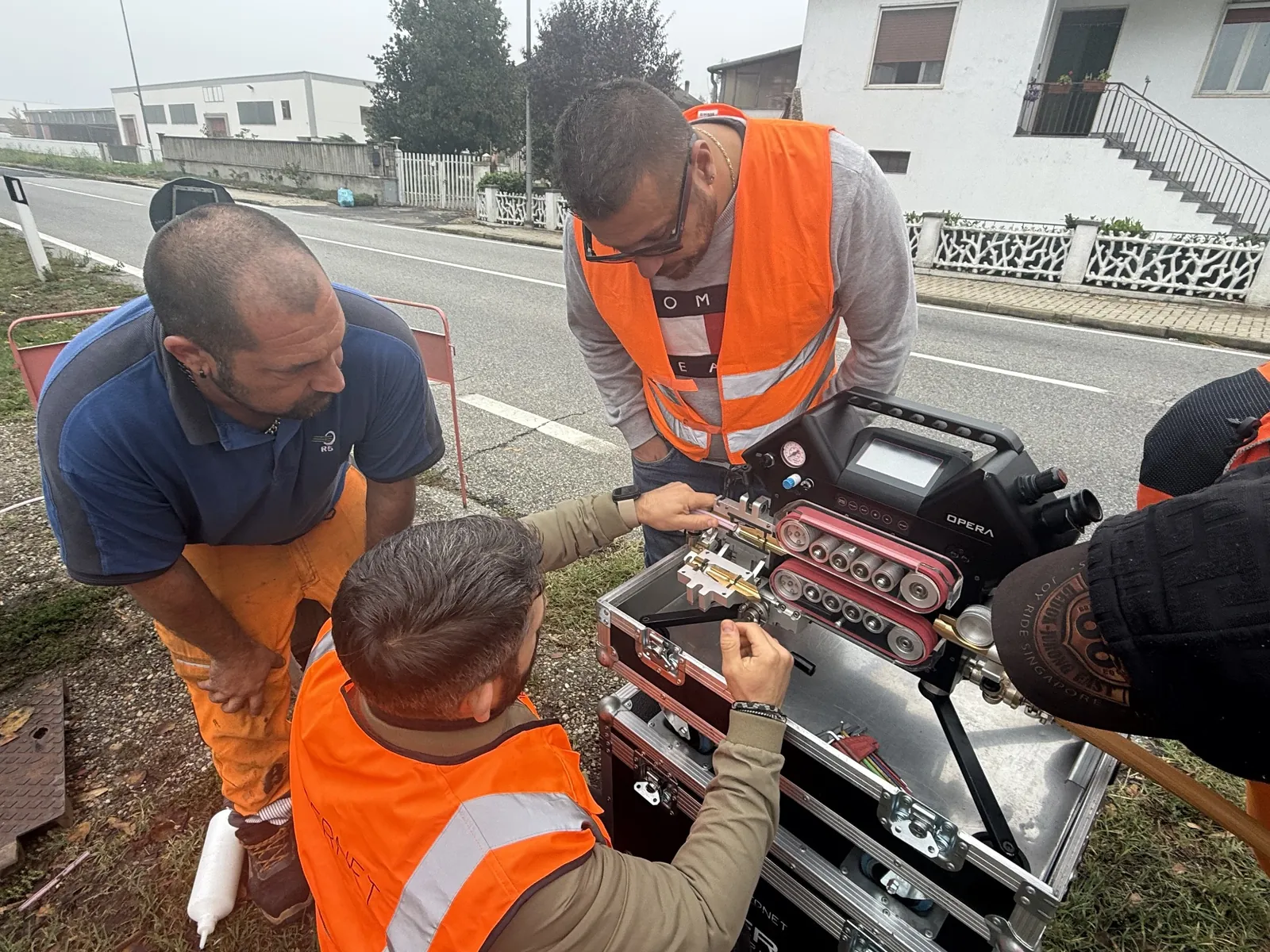
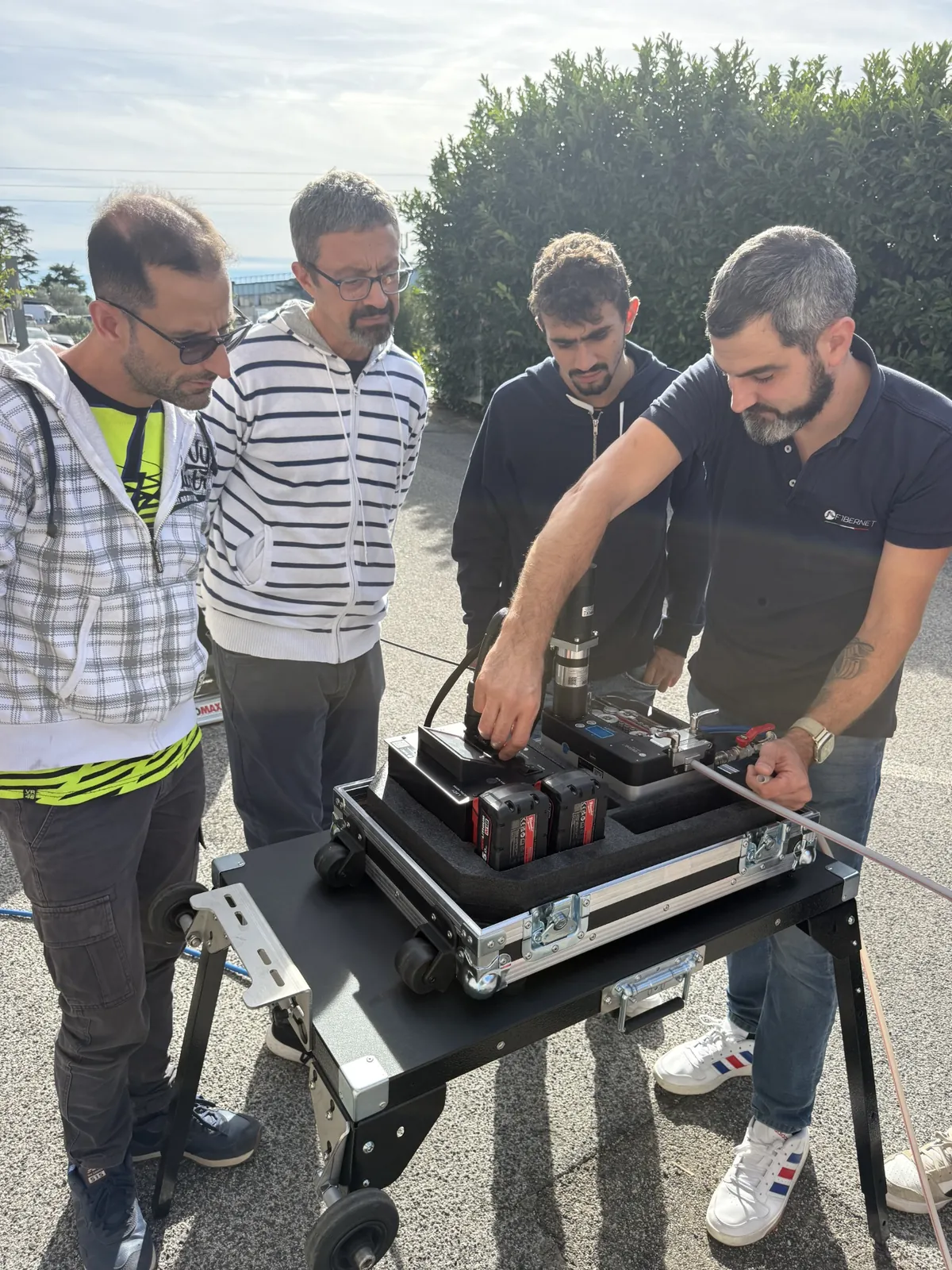
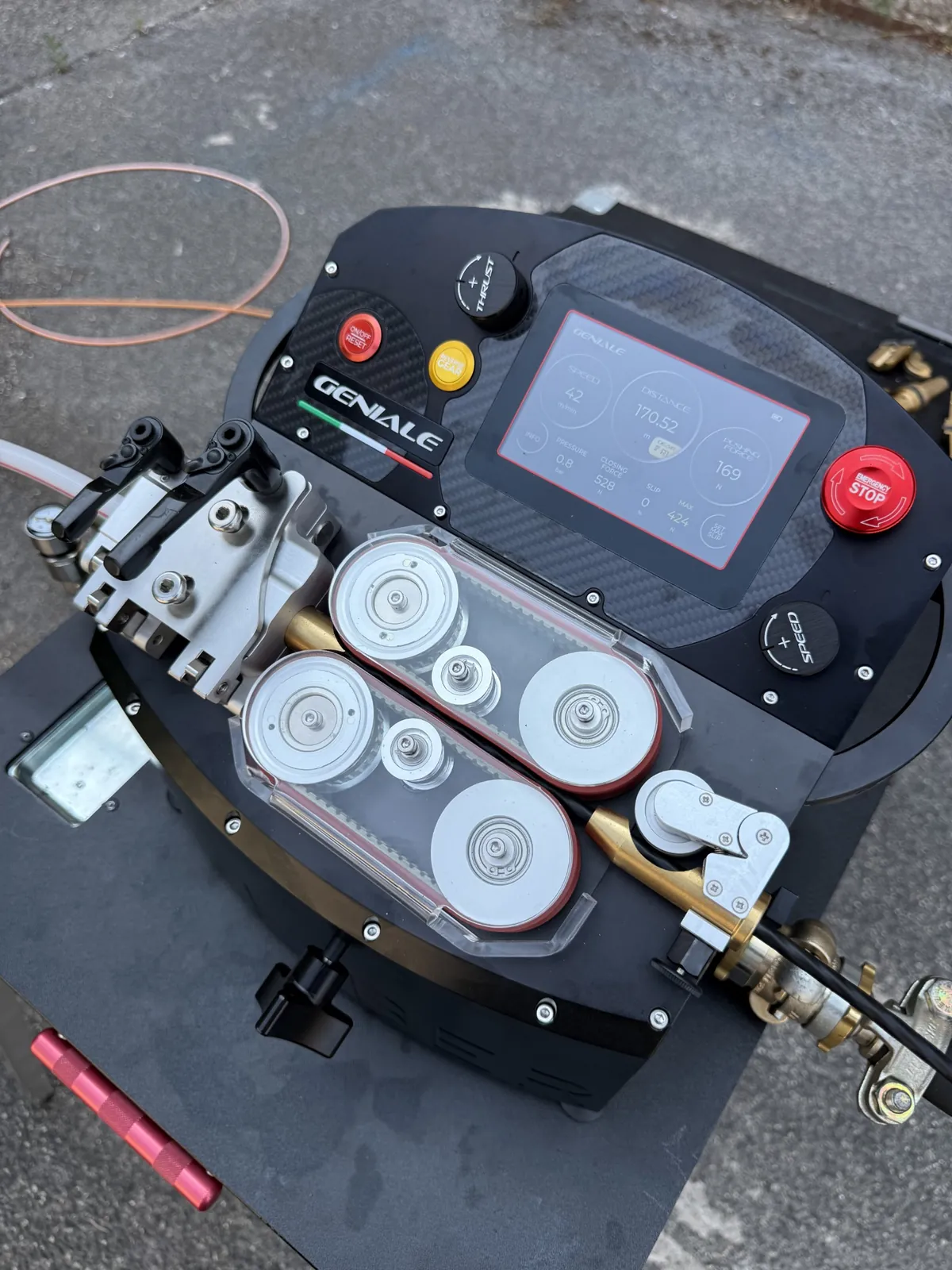
Read on Google“An excellent experience on the installer training course. The whole team was professional and knowledgeable.”
Cable blowing machines · Made in Italy
From last-mile connections to long-distance runs, a Fibernet technician can help you choose the right machine for your fiber optic cable installation.
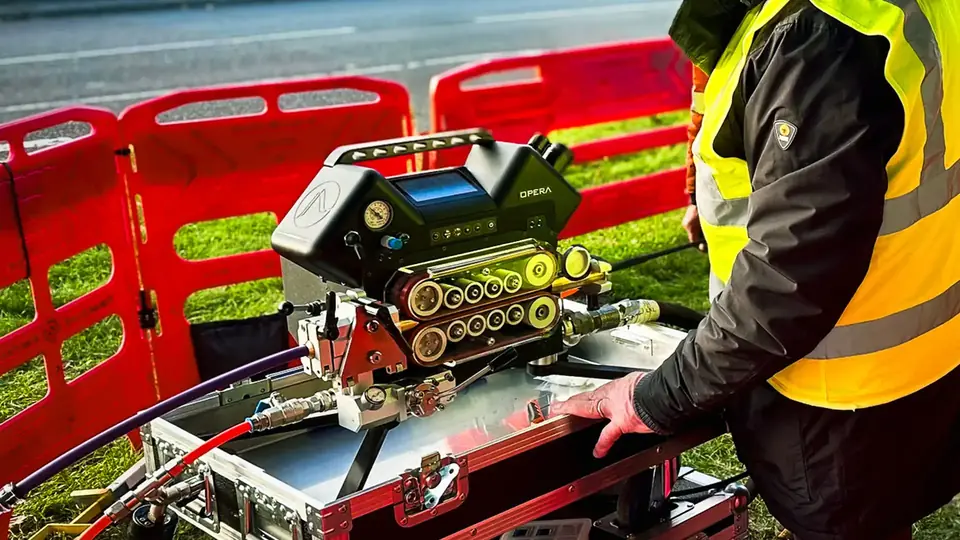
Opera, image 1 of 3
Expert advice direct from the manufacturer / Free demonstration on request
Some of our customers.

Keep your installation moving with Fibernet cable blowing machines.
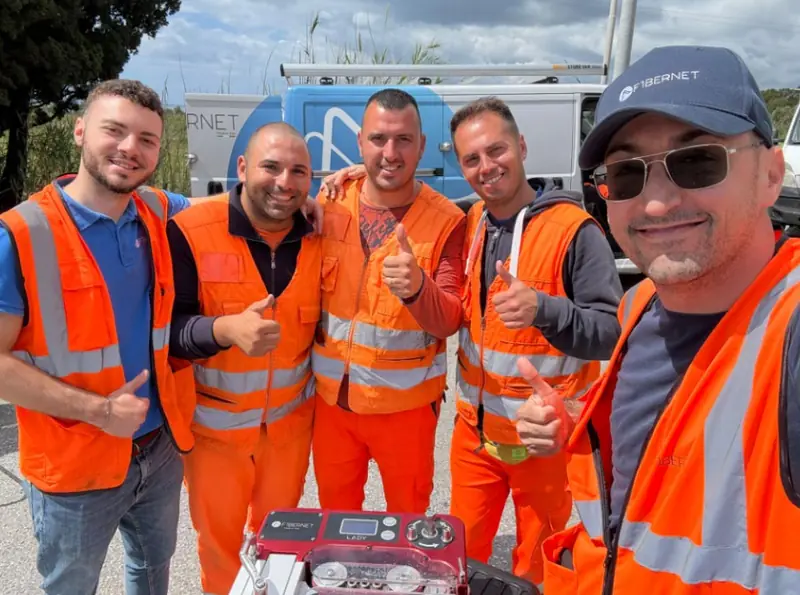
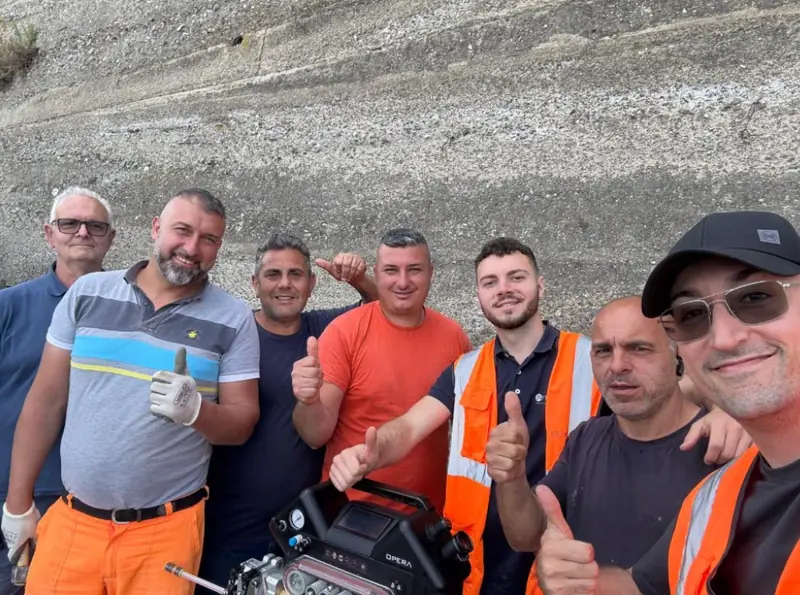
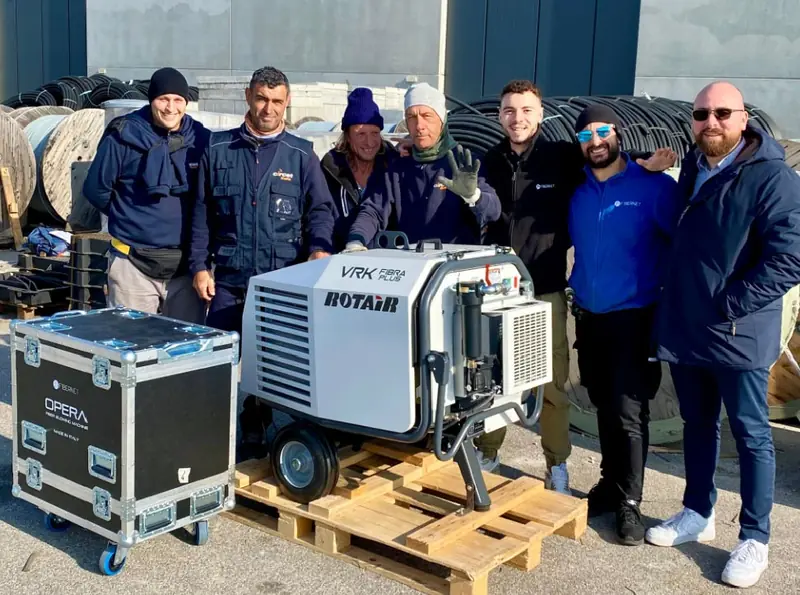
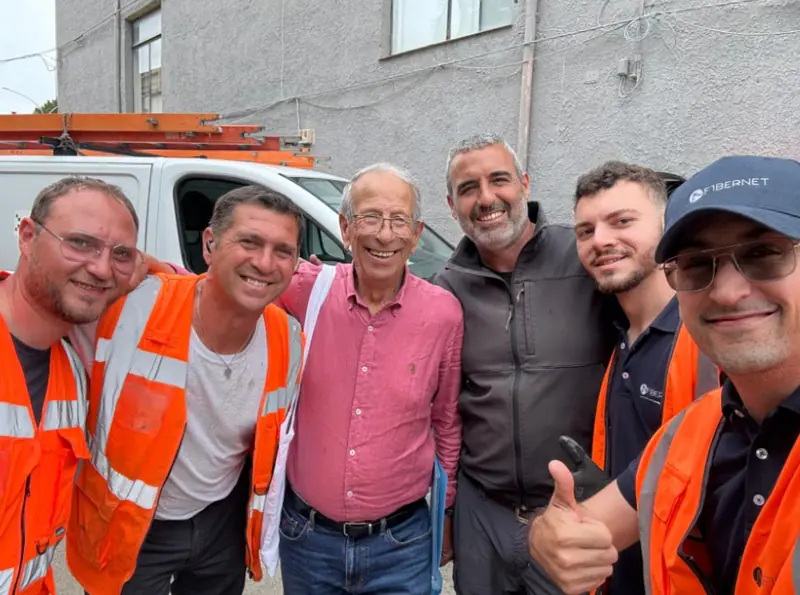
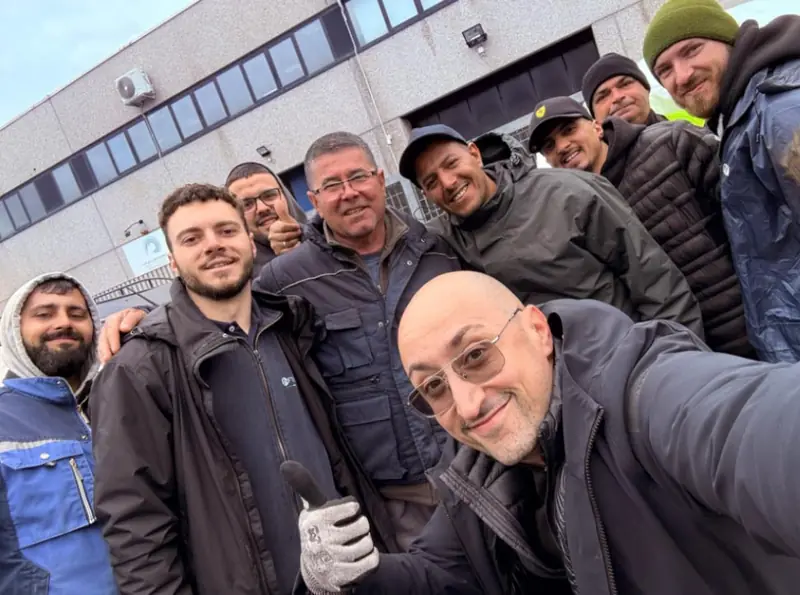
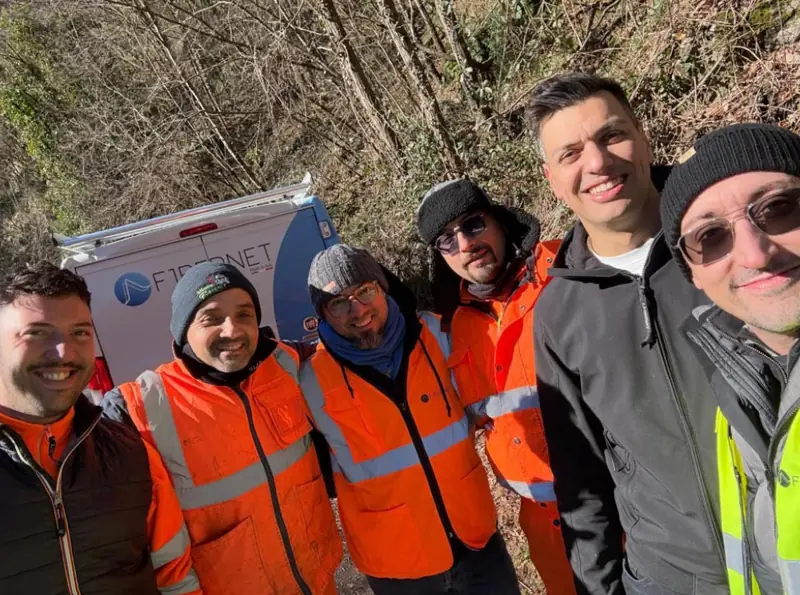
Photos and stories from installers, published by Fibernet.
 GoogleExcellentBased on 176 reviewsRead the reviews
Read on Google“An excellent experience on the installer training course. The whole team was professional and knowledgeable.”
Read on Google“I had the chance to try the Opera cable blowing machine on site…”
Read on Google“I really enjoyed this course. It took place in a pleasant setting with friendly, helpful people.”
Stories from installers
Hear the results from the installers themselves. Watch their testimonials right here.
Product videos
Three machines. Find your fit.
Start with the job at hand. Our technician can answer your questions about the right setup.
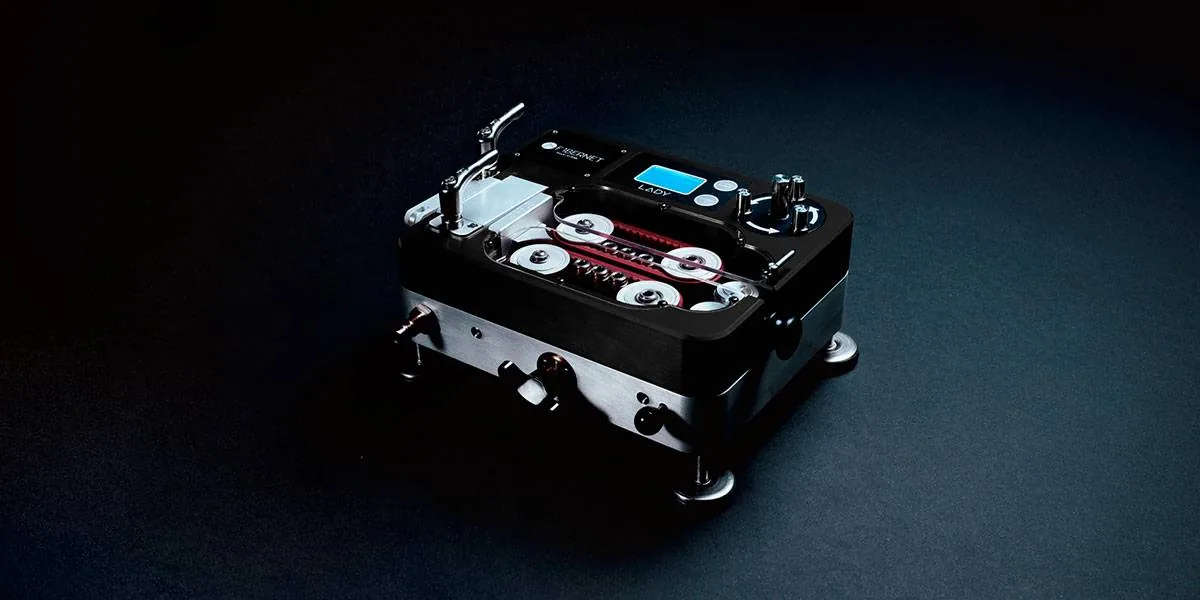
Compact and lightweight
A compact, lightweight machine for short runs.
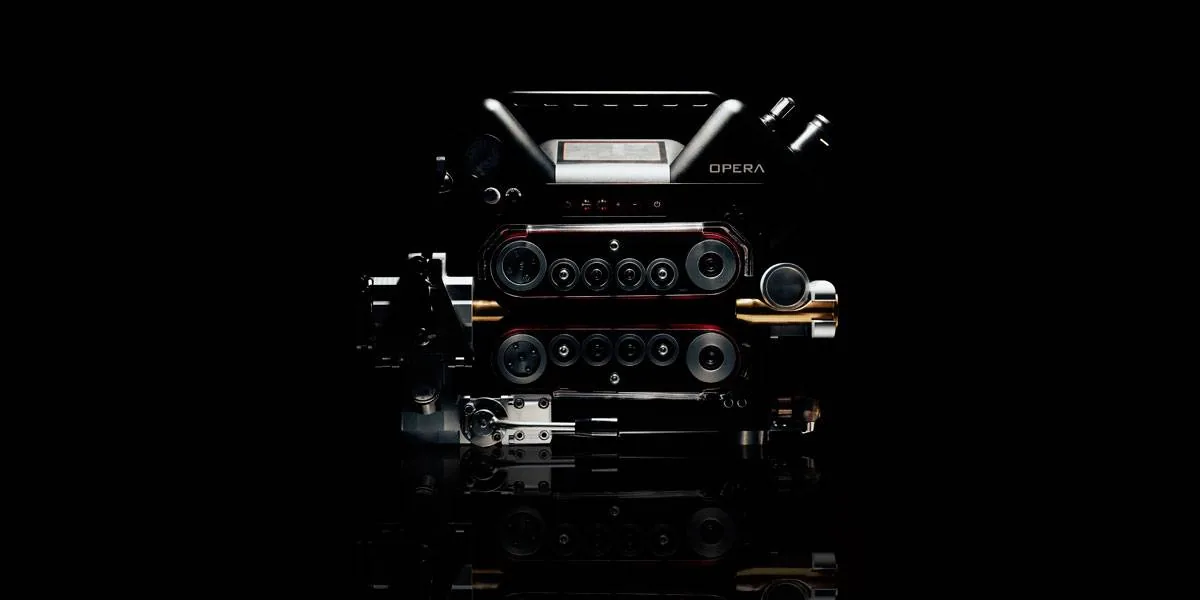
Pneumatic power
A pneumatic machine for long cable runs.
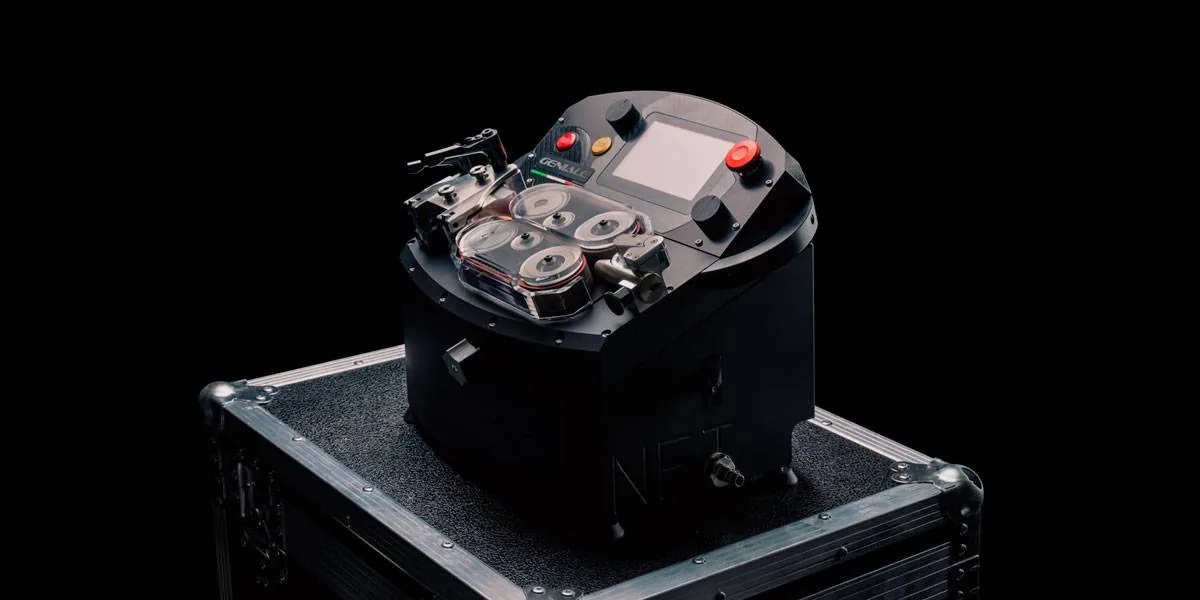
Electric, with two gears
For short and long runs. Two gears let you match force and speed to the job.
Specifications for the Fibernet range. The speeds shown are maximum values. Actual results depend on installation conditions and machine setup.
Direct from the manufacturer
When you’re working on site, you need practical answers. With Fibernet, you speak directly to the people who design and build your cable blowing machine.
Speak to a technicianA specialist technician can help when you need it.
Spare parts ready to ship, direct from the manufacturer.
If your machine breaks down, a replacement may be available within 48 hours.
Check availability and terms with your technician.Get help making the most of your machine, from your very first job.
See it in action before you choose
Request a free hands-on demonstration on your site or at Fibernet’s test facility. Discuss a real job with the technician.
Request a free demonstration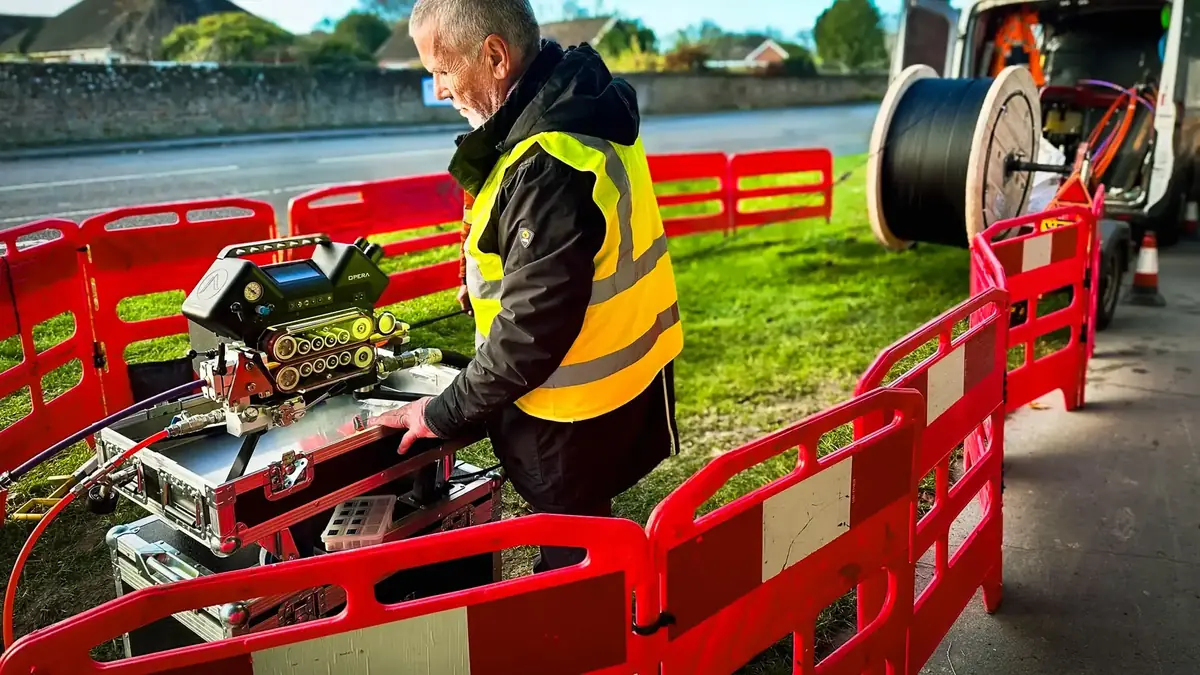
Choosing a used fiber cable blower starts with understanding the installation you need to complete, rather than comparing purchase figures alone. A machine that looks economical can become expensive if its cable range, duct connections, drive system, or compressed air requirements do not suit your work. For contractors installing cable in Italy, the assessment should begin with actual cable and duct specifications, anticipated route conditions, and the compressor available on site. Share cable outside diameter, duct internal diameter, route length, and any restrictions on site access when discussing equipment with Fibernet. These details establish a useful starting point for evaluating suitability without assuming that one machine will handle every installation. Before purchasing previously operated equipment, request identification details, maintenance records, photographs of wear components, and a clear explanation of what the sale includes. Check whether guides, seals, duct clamps, cable inserts, and other required accessories match the intended application. Missing components may appear minor in a listing but can prevent a crew from putting the machine to work. The condition of the cable contact surfaces also deserves attention: damaged or contaminated drive components can compromise traction and increase the risk of cable damage. A practical inspection should examine controls, guards, connections, adjustment mechanisms, and the general condition of the machine. Where possible, request a demonstration using a representative cable and duct combination, performed under the manufacturer's operating procedures. A demonstration is more informative when the seller records the setup, operating conditions, and observed results rather than simply showing that the drive turns. Remember that a short test cannot guarantee performance on a longer route with different bends, gradients, or duct conditions. Anyone comparing a second hand fiber cable blower should also establish who can supply replacement wear parts and identify the correct accessories after purchase. Ask whether the original documentation is available and whether the machine has undergone modifications that affect its intended operation. Fibernet introduced its first cable blowing machine, Lady, in 2021, building on a technical background established when the company was founded in 2001. That product history provides a relevant starting point for conversations about the company's equipment, but it should not be treated as confirmation that pre-owned stock is currently available. Use www.fibernetsrlusa.com to explain your requirements and request information about suitable options. A precise enquiry helps distinguish an apparently attractive listing from a machine that can realistically support your cable blowing work, with fewer unanswered questions before you commit funds, arrange transport, or schedule a crew.
The advertised price of a used fiber cable blower is only one part of the purchasing decision. A more useful comparison accounts for the equipment needed to make the machine operational, the condition of serviceable components, and the support available when a problem interrupts work. Start by requesting a written breakdown of the proposed supply. This should distinguish the machine itself from cable guides, duct adapters, sealing components, transport protection, and any optional accessories. Establish whether inspection, servicing, or replacement of worn parts is included, and ask the seller to describe any warranty in writing. Previously operated equipment should never be assumed to carry the same coverage as a new machine. When assessing a fiber cable blower price, compare quotations on a consistent basis. A lower figure may exclude essential fittings, while a higher figure may include items your crew already owns. Transport charges, applicable taxes, and any cross-border delivery arrangements can also affect the final expenditure. For equipment intended for use in Italy, clarify invoicing, delivery destination, documentation, and the suitability of supplied components for the actual operating environment. If a machine uses powered controls or auxiliary equipment, verify its requirements rather than assuming compatibility. Compressed air deserves its own assessment because pressure alone does not establish whether a compressor is suitable. Required airflow, operating limits, air quality, hose configuration, and connection compatibility must be checked against the manufacturer's instructions. An unsuitable air supply can limit results even when the machine itself is in good condition. Route preparation is equally important: contaminated ducts, poor joints, excessive bends, and unsuitable cable handling can undermine an otherwise appropriate setup. These are reasons to evaluate the complete installation process instead of attributing every performance issue to the blower. Maintenance planning adds another practical layer to the budget. Ask which components are considered consumables, how their condition is checked, and how replacements are identified. A clear parts reference can save time compared with trying to match an unfamiliar component from a photograph. Buyers comparing a used fiber optic cable blowing machine should also consider the consequences of downtime: an inexpensive acquisition is less attractive if a missing seal or damaged guide keeps an entire crew waiting. Fibernet's made-in-Italy product background is relevant when discussing alternatives, but specific availability, service arrangements, and commercial terms should be confirmed directly. Send the team your cable dimensions, duct details, expected workload, and existing equipment information. That allows the discussion to focus on suitability and operating costs rather than an isolated headline price, helping you make a purchasing decision grounded in the work your business actually performs.
Putting a used fiber cable blower into service requires a structured handover, especially when the buyer, seller, and operating crew are in different locations. Before dispatch, agree on the machine identity, included components, visible condition, and documents supplied. Photographs of the packed equipment and an itemised accessory record can help resolve discrepancies when the shipment arrives. At receipt, compare the contents with that record before scheduling the first installation. Look for transport damage, inspect connections and protective features, and refer any uncertainty to a qualified person before operating the equipment. A used fiber blower should not enter service simply because it powers on or appears mechanically complete. The operating manual, manufacturer limits, and any model-specific setup procedures remain essential. Crews need to understand how the cable is guided, how the duct connection is secured, how operating adjustments are made, and how the machine is stopped safely. Compressed air introduces stored energy, so connection checks and depressurisation procedures must follow the equipment documentation. Never improvise fittings, bypass guards, or increase settings beyond stated limits to compensate for a difficult route. A controlled initial setup can also reveal whether an accessory combination is correct before the crew commits to a production installation. Keep a record of the cable and duct used, the relevant machine settings, the air supply arrangement, and any issues observed. Such records make later troubleshooting more precise and help distinguish a machine issue from a change in route conditions or material dimensions. When requesting assistance, provide the machine model, serial number, photographs, and a concise description of the symptom. Include what changed immediately before the issue appeared, such as a new cable size, a different duct adapter, or another compressor. Fibernet's family-led business began in 2001, and its first Lady cable blowing machine followed in 2021. For buyers interested in made-in-Italy equipment, that history offers context for discussing the company's product approach without replacing the need for model-specific evidence. Companies operating in Italy, the United States, or other markets should confirm the assistance available at their location, including contact channels, service scope, replacement parts arrangements, and shipping responsibilities. Do not assume that every previously owned machine qualifies for identical support, particularly if its history or modifications are unclear. A cable blower for fiber optic cable installation should ultimately be selected and maintained around a defined workload, not a vague promise of universal performance. Contact Fibernet through www.fibernetsrlusa.com with your installation requirements and questions about equipment options, documentation, and assistance. Establishing those details before purchase creates a clearer handover and a more practical foundation for reliable day-to-day operation.
Fill out the form and discover what Fibernet Srl can do for you!
Contact us!Before you get started
If you prefer, speak to us directly.
+39 346 652 9915Compare the cable diameter, duct diameter and installation distance. Lady is compact and lightweight for short runs. Opera is pneumatic and designed for long runs. Geniale is electric and handles both. A Fibernet technician can help you choose.
Yes. You can request a free hands-on demonstration on your site or at Fibernet’s test facility. Tell us what you need in the form and a technician will arrange it with you. Request a demonstration.
To get a price, contact a Fibernet advisor using the form or call +39 346 652 9915.
Fibernet offers direct technical support, spare parts ready to ship and dedicated training. If your machine breaks down, a replacement may be available. Ask your technician about availability and terms.
Tell us about your job. We’ll help you find the right cable blowing machine.