Emanuele Zanda
Google review
★★★★★
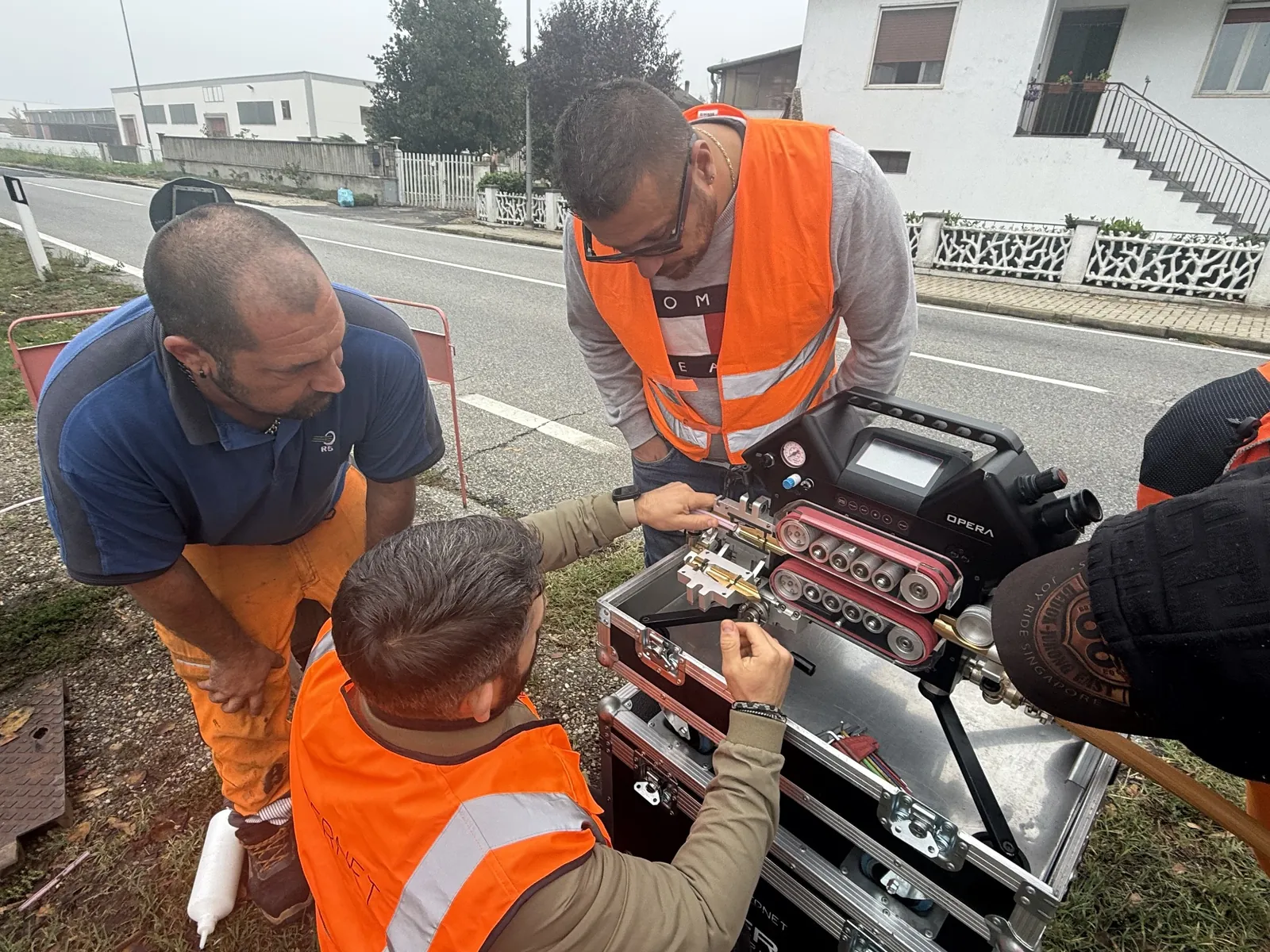
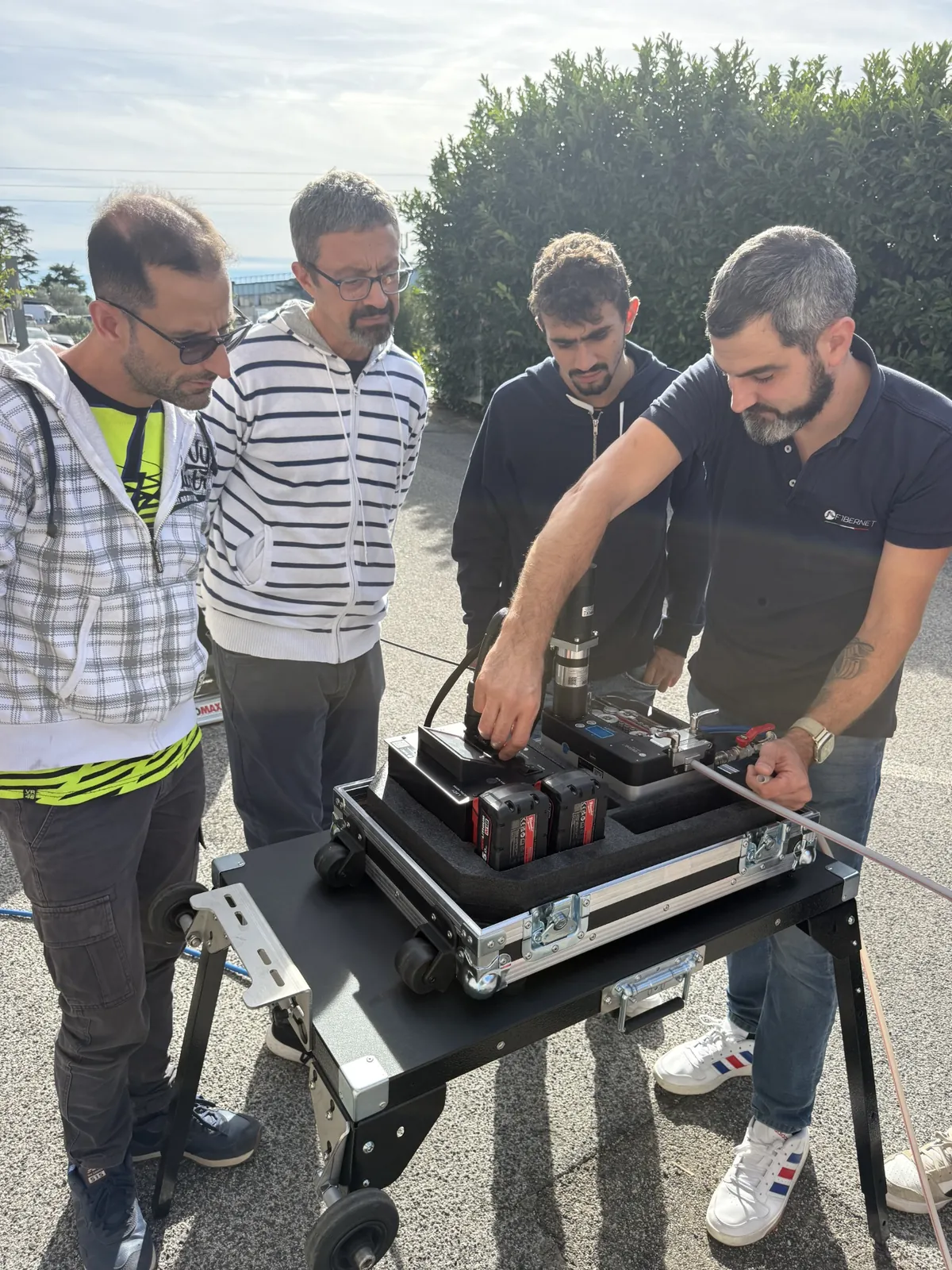
Read on Google“An excellent experience on the installer training course. The whole team was professional and knowledgeable.”
Cable blowing machines · Made in Italy
From last-mile connections to long-distance runs, a Fibernet technician can help you choose the right machine for your fiber optic cable installation.
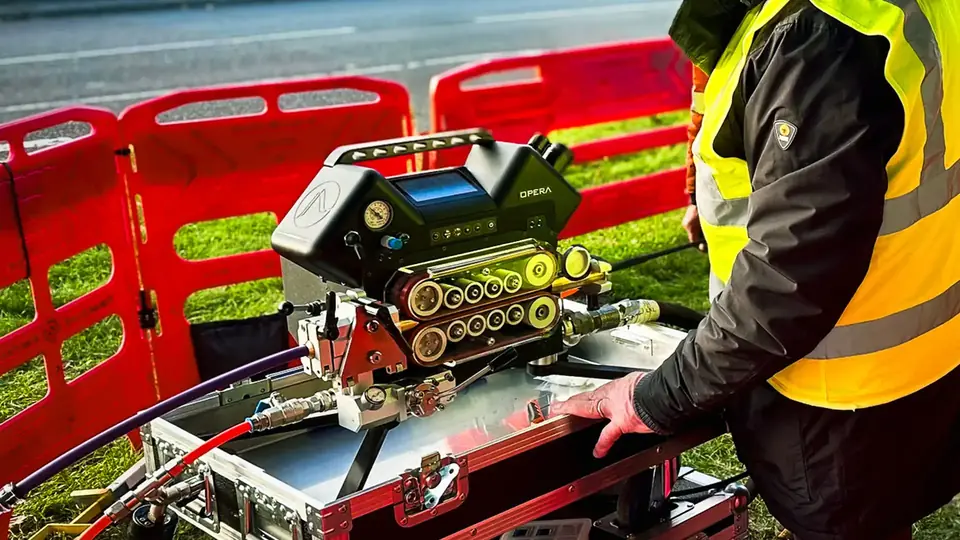
Opera, image 1 of 3
Expert advice direct from the manufacturer / Free demonstration on request
Some of our customers.
Keep your installation moving with Fibernet cable blowing machines.
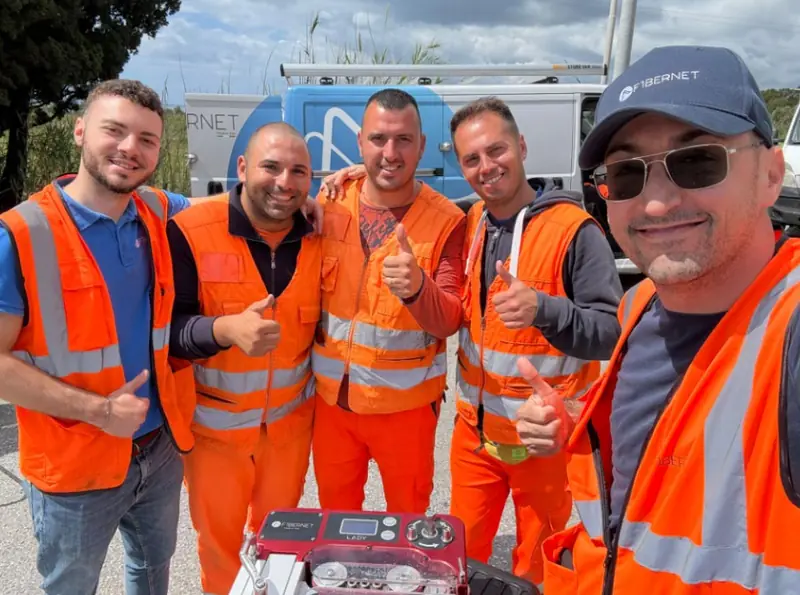
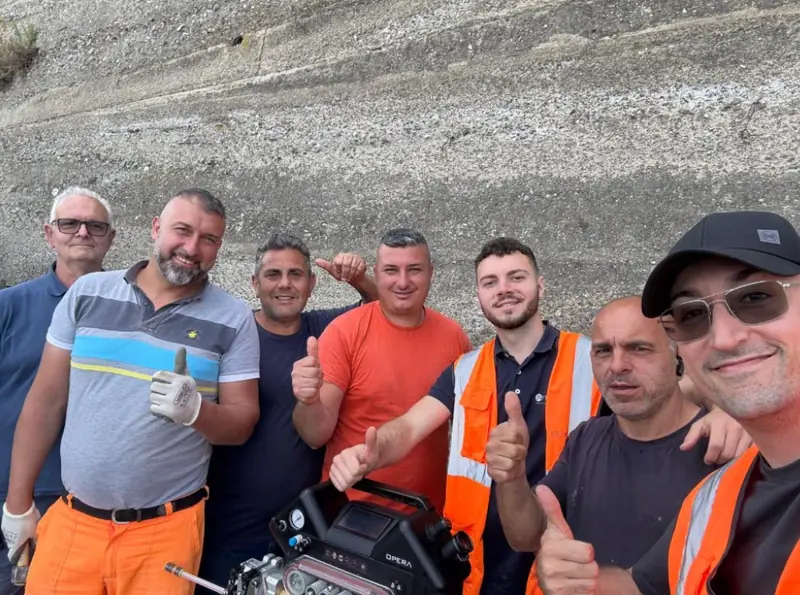
Photos and stories from installers, published by Fibernet.
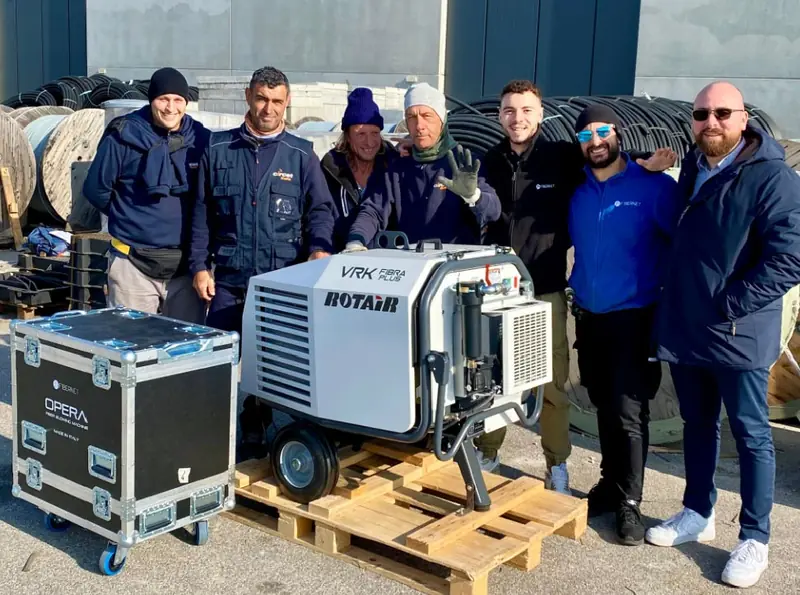
 GoogleExcellentBased on 176 reviewsRead the reviews
Read on Google“An excellent experience on the installer training course. The whole team was professional and knowledgeable.”
Read on Google“I had the chance to try the Opera cable blowing machine on site…”
Read on Google“I really enjoyed this course. It took place in a pleasant setting with friendly, helpful people.”
Stories from installers
Hear the results from the installers themselves. Watch their testimonials right here.
Product videos
Three machines. Find your fit.
Start with the job at hand. Our technician can answer your questions about the right setup.
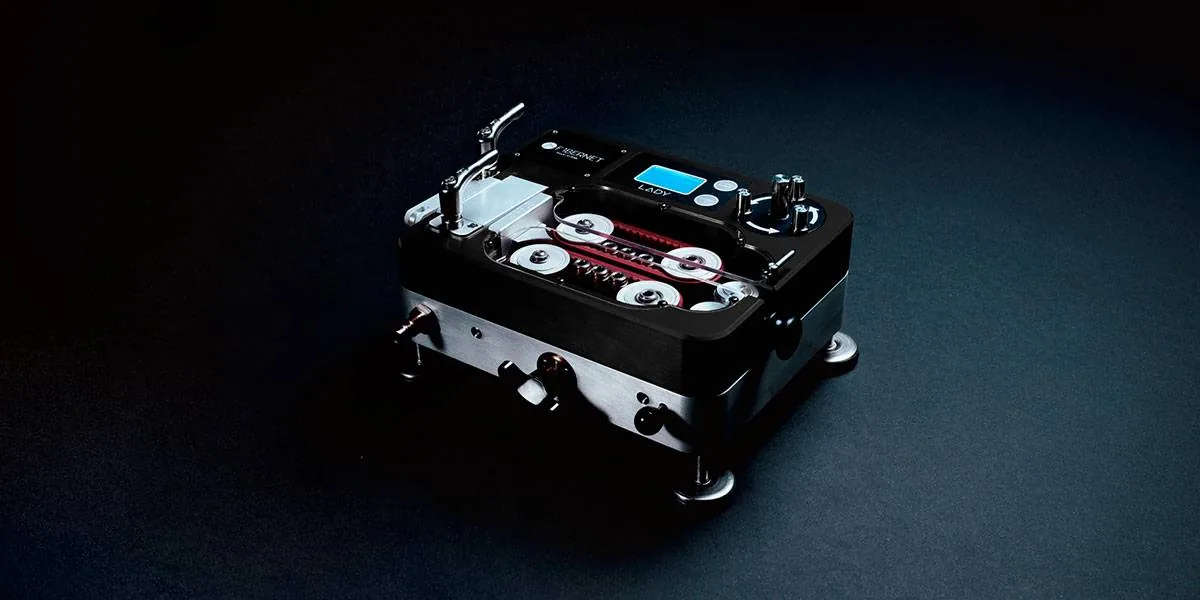
Compact and lightweight
A compact, lightweight machine for short runs.
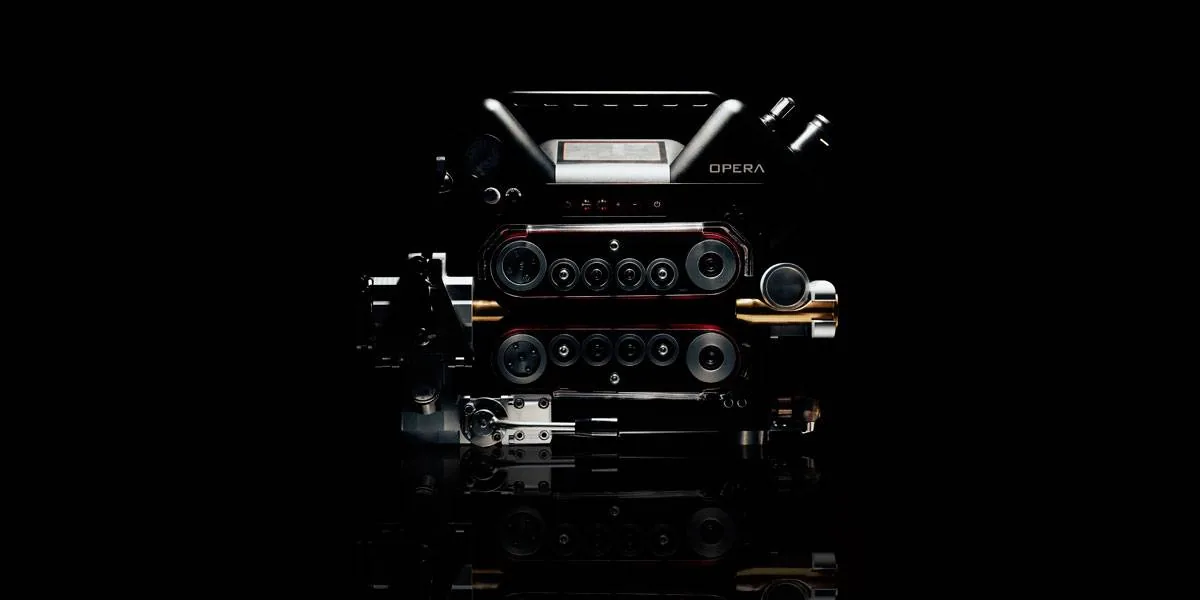
Pneumatic power
A pneumatic machine for long cable runs.
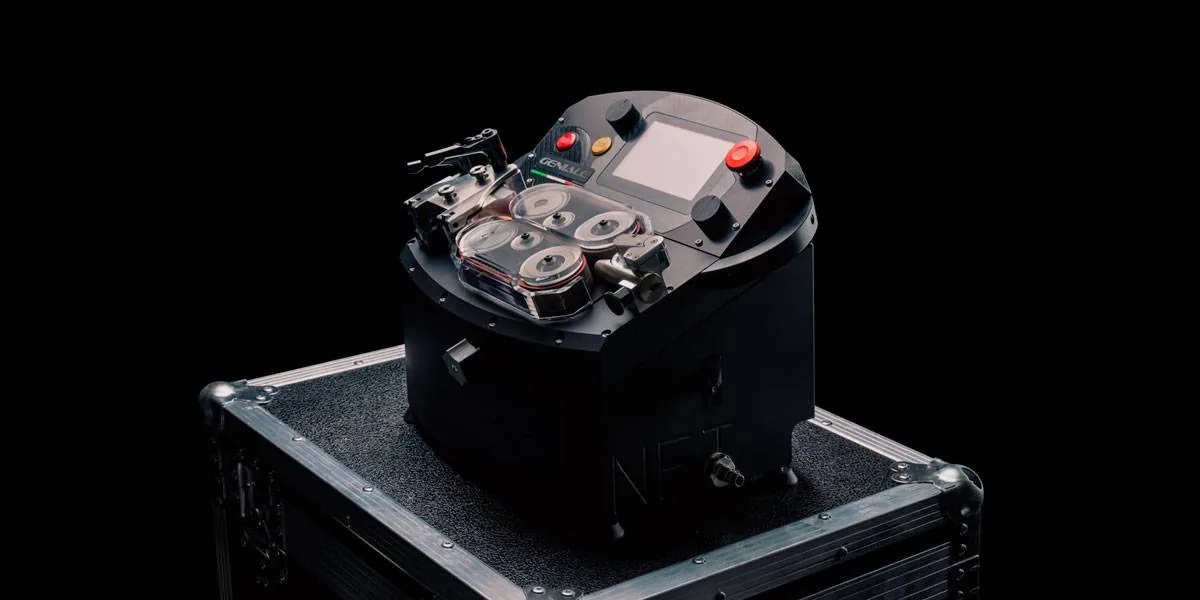
Electric, with two gears
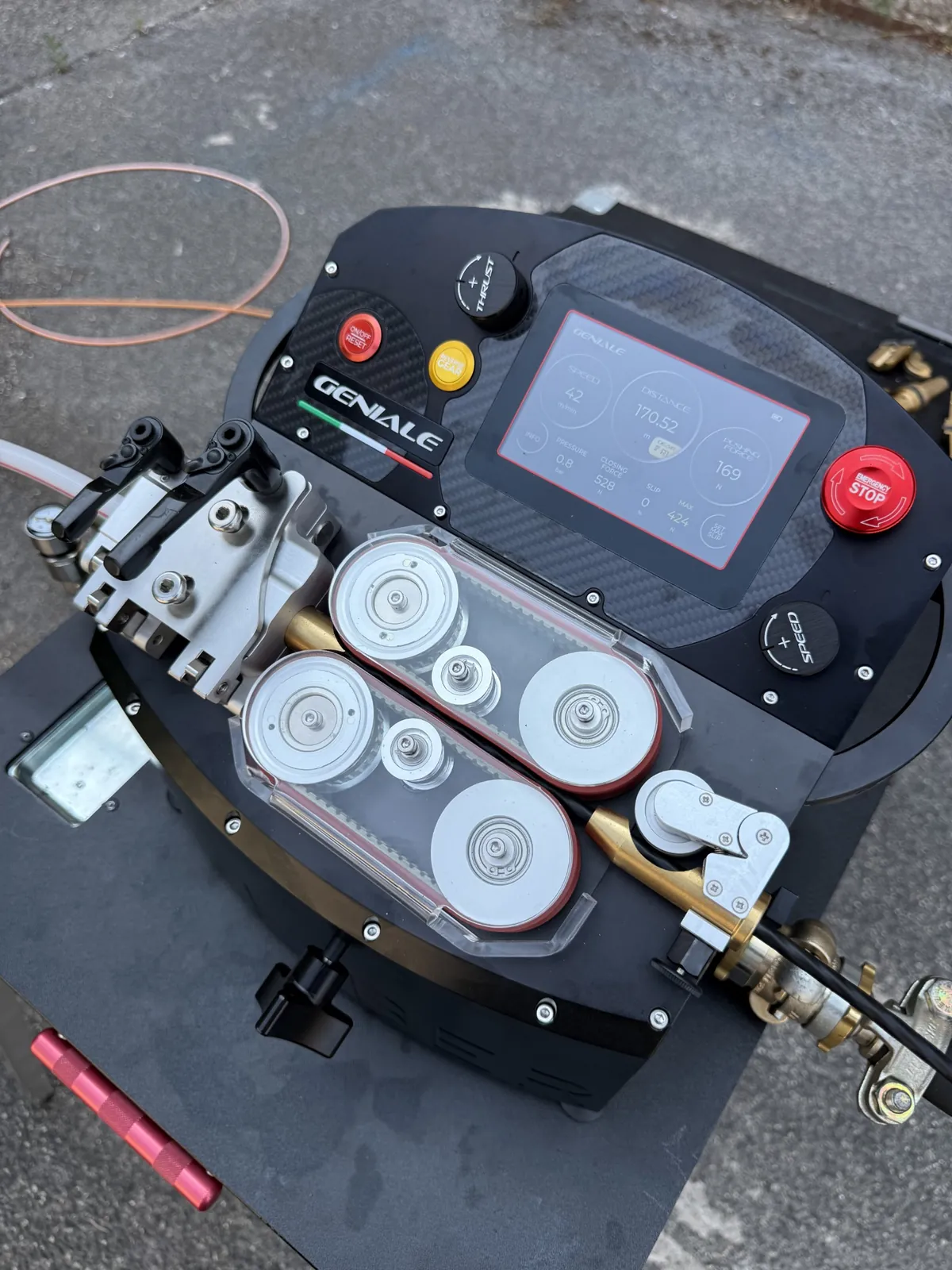
For short and long runs. Two gears let you match force and speed to the job.
Specifications for the Fibernet range. The speeds shown are maximum values. Actual results depend on installation conditions and machine setup.
Direct from the manufacturer
When you’re working on site, you need practical answers. With Fibernet, you speak directly to the people who design and build your cable blowing machine.
Speak to a technicianA specialist technician can help when you need it.
Spare parts ready to ship, direct from the manufacturer.
If your machine breaks down, a replacement may be available within 48 hours.
Check availability and terms with your technician.Get help making the most of your machine, from your very first job.
See it in action before you choose
Request a free hands-on demonstration on your site or at Fibernet’s test facility. Discuss a real job with the technician.
Request a free demonstration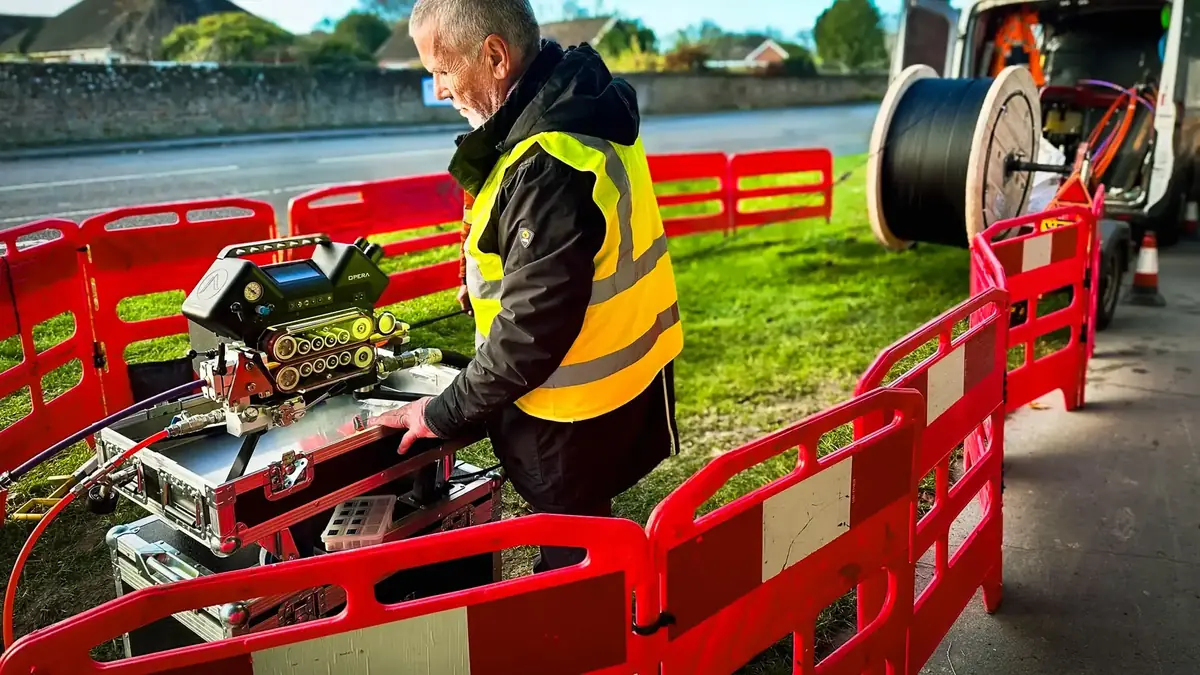
Choosing a second hand optical fiber cable blowing machine starts with understanding the work it must perform, rather than comparing purchase prices alone. Contractors installing cable into ducts need equipment that matches the cable diameter, duct dimensions, route conditions, and available air supply. A machine that looks suitable in a photograph may still require different inserts, seals, or drive components before it can support the intended installation. For American contractors considering Italian engineering, Fibernet offers a relevant point of contact for discussing cable blowing requirements and its own equipment range. Ask about current availability before assuming that a used machine, refurbished unit, or particular accessory package is offered. This approach keeps the purchasing decision grounded in confirmed information and helps prevent unexpected costs after delivery. Begin your assessment with the cable manufacturer's installation limits. Maximum pushing force, minimum bending radius, and permissible operating conditions should guide equipment selection and setup. Then establish the internal diameter and condition of the duct, the expected route length, and the number and severity of bends. These details influence installation behavior and cannot be replaced by a headline distance claim. When examining a second hand fiber cable blowing machine, request identification details, maintenance records where available, clear photographs of wear areas, and a description of any replaced parts. Check whether the gripping surfaces are clean and consistent, whether adjustment mechanisms move correctly, and whether cable guides provide suitable alignment. Worn seals or incorrect inserts can undermine an otherwise serviceable machine. A demonstration is particularly valuable when its conditions are documented. Ask which cable and duct sizes were used, what air supply was connected, and whether the test included a representative load. A successful short demonstration does not establish performance on every construction route, but it can reveal control problems, leakage, uneven traction, or damaged components. For any optical fiber cable blowing machine, confirm the manufacturer's specified operating limits and identify the accessories necessary for your application. Do not assume that every component shown in a brochure is included with a particular used unit. Finally, compare the complete cost of putting the machine to work. Include replacement wear parts, shipping, applicable import charges, inspection, and any necessary adaptation to your existing compressor or power arrangements. Buyers working across Italy and the United States should also clarify documentation, delivery terms, and the location of technical assistance. Fibernet's Italian manufacturing background provides a useful starting point for product discussions, while the suitability of an individual purchase must be established through its specification and condition. A carefully documented assessment helps protect the cable, supports more predictable site planning, and makes the difference between an attractive asking price and a practical working investment.
A cable blowing machine operates as part of a coordinated installation setup. Mechanical feeding and airflow must work together within the limits specified for the machine, cable, and duct. Before deploying a second hand optical fiber cable blowing machine, establish which compressor characteristics the equipment requires and which connections, hoses, filtration components, and seals are needed. Pressure alone is not a complete measure of suitability: available airflow under operating conditions also matters. Hose restrictions, leaking connections, moisture, and unsuitable fittings can affect the air delivered to the machine. Always use the equipment manufacturer's instructions as the reference, and never increase pressure beyond rated limits to compensate for an unresolved installation problem. Preparation at the duct entrance deserves equal attention. Verify that the duct is suitable for blowing, properly connected, and checked using an appropriate procedure before introducing cable. Confirm that the intended route is accessible and that downstream personnel understand the installation plan. Cable should feed from the reel without unnecessary resistance, sharp changes of direction, or uncontrolled movement. Positioning the reel and machine carefully helps reduce avoidable stress before the cable even enters the duct. If lubrication is specified, use a product compatible with the cable sheath and duct material, following the relevant instructions rather than improvising with an unsuitable substitute. Buyers comparing a compressed air optical fiber cable blowing machine with other configurations should distinguish the air required for installation from the energy used to drive the feeding mechanism. An electrically driven feed does not necessarily remove the requirement for compressed air. Confirm the exact configuration instead of relying on a short product description. For equipment intended for American job sites, verify electrical voltage, frequency, connector requirements, and any applicable site requirements before shipment. Italian manufacturing origin does not by itself establish compatibility with every local power supply or operating environment. These checks are especially important when the machine has previously been configured for a different market. During installation, operators should monitor cable movement and respond to abnormal resistance according to the manufacturer's procedure. Repeatedly forcing a stalled cable can damage the sheath or exceed allowable installation loads. Stop, investigate the cause, and reassess the setup before continuing. Useful site records include the equipment configuration, cable and duct sizes, operating settings, installed length, and any interruptions. These records help teams compare results without assuming that one successful run guarantees identical performance elsewhere. When discussing a cable blowing machine for fiber optic cable installation with Fibernet, provide these practical details rather than requesting a universal distance figure. Explain the working environment, expected project frequency, available compressor, and typical cable sizes. This gives the technical discussion a clear basis and helps identify questions about accessories, operating procedures, and support before equipment reaches the site.
The value of used cable blowing equipment depends partly on what happens after the purchase. A low initial price becomes less attractive if a missing insert prevents deployment or if an unidentified component delays repair. When assessing a second hand optical fiber cable blowing machine, establish the manufacturer, model, serial number, and configuration before discussing parts or service. Ask which documents are available, whether the machine has been modified, and how its present condition has been verified. Clarify who is responsible for inspection, transport damage, commissioning questions, and any agreed warranty. Used equipment should never be described as refurbished, certified, or covered by a manufacturer's warranty unless those statements are supported by explicit documentation. Fibernet was founded in 2001 and draws on the technical experience of its founder, Giancarlo Trinei, whose work with optical cable systems began in Italy during the early 1980s. The company introduced its first cable blowing machine, Lady, in 2021. This background connects its equipment development with practical installation experience and an Italian manufacturing identity. The involvement of Matteo, Marta, and Ismael in the family business reflects a generational transition that began in 2010. For a prospective equipment buyer, however, company history should complement rather than replace a detailed discussion of product specifications, maintenance access, and suitability for the intended work. American contractors interested in made-in-Italy equipment should ask Fibernet to confirm the assistance arrangements available in the United States and for projects elsewhere in the world. Establish whether a particular issue can be addressed remotely, which parts can be supplied, where physical servicing would take place, and what shipping responsibilities apply. Do not assume that worldwide assistance means an engineer can attend every location immediately. Clear communication about the actual service process helps purchasing teams plan realistically. When reviewing a used optical fiber cable blowing machine, also identify the routine wear components and the information required to order compatible replacements. Ownership planning should reflect utilization. A contractor running frequent installations may prioritize immediate equipment availability and a documented maintenance routine, while a team facing occasional projects may want to compare purchase costs with optical fiber cable blowing machine hire where suitable rental options exist. Availability and terms must be confirmed with the relevant provider; neither purchase nor hire is automatically the better choice. Estimate expected working days, transport costs, consumables, storage needs, and the consequences of downtime. Keep inspection findings and supplier commitments in writing so that the final decision is based on evidence. Contact Fibernet through its website with your cable dimensions, duct details, preferred configuration, and operating location to begin a focused conversation about its machines, available options, and applicable assistance arrangements.
Fill out the form and discover what Fibernet Srl can do for you!
Contact us!Before you get started
If you prefer, speak to us directly.
+39 346 652 9915Compare the cable diameter, duct diameter and installation distance. Lady is compact and lightweight for short runs. Opera is pneumatic and designed for long runs. Geniale is electric and handles both. A Fibernet technician can help you choose.
Yes. You can request a free hands-on demonstration on your site or at Fibernet’s test facility. Tell us what you need in the form and a technician will arrange it with you. Request a demonstration.
To get a price, contact a Fibernet advisor using the form or call +39 346 652 9915.
Fibernet offers direct technical support, spare parts ready to ship and dedicated training. If your machine breaks down, a replacement may be available. Ask your technician about availability and terms.
Tell us about your job. We’ll help you find the right cable blowing machine.