Emanuele Zanda
Google review
★★★★★
Read on Google“An excellent experience on the installer training course. The whole team was professional and knowledgeable.”
Cable blowing machines · Made in Italy
From last-mile connections to long-distance runs, a Fibernet technician can help you choose the right machine for your fiber optic cable installation.
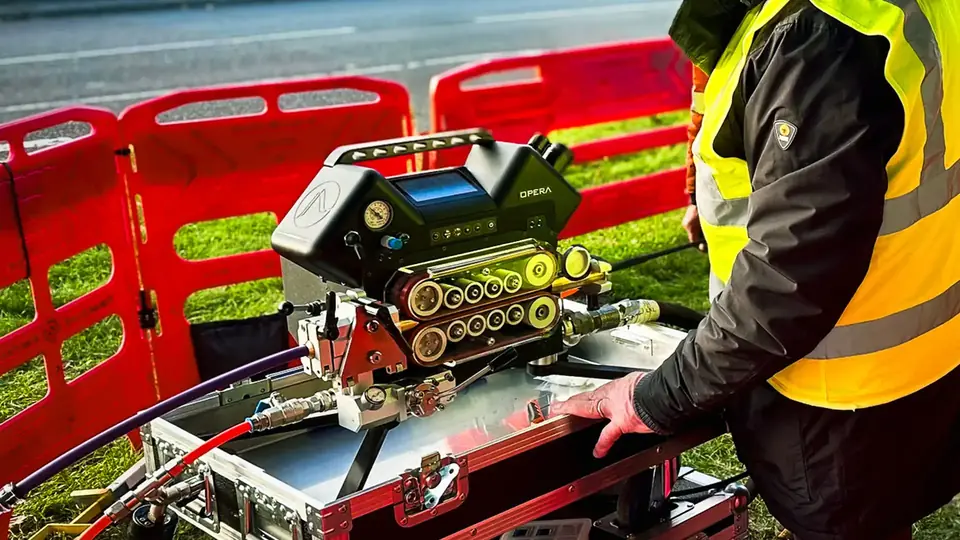
Opera, image 1 of 3
Expert advice direct from the manufacturer / Free demonstration on request
Some of our customers.

Keep your installation moving with Fibernet cable blowing machines.
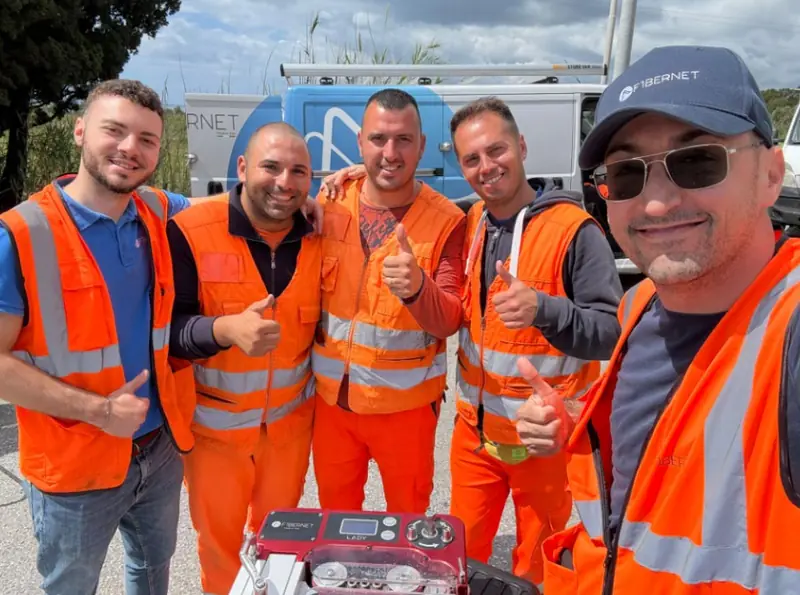
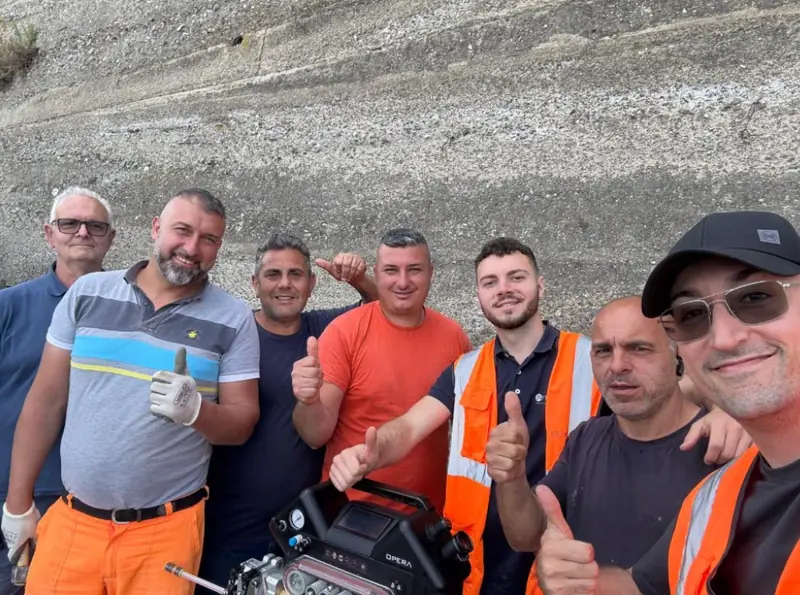
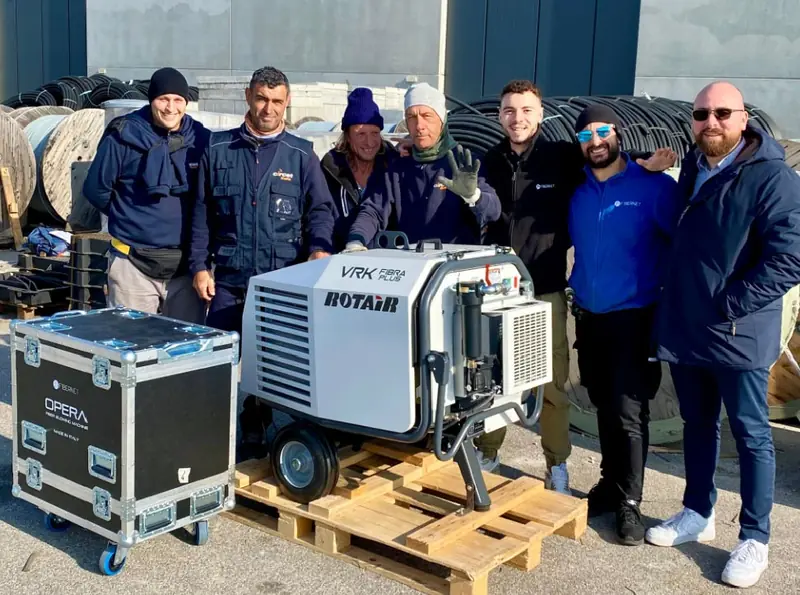
Photos and stories from installers, published by Fibernet.
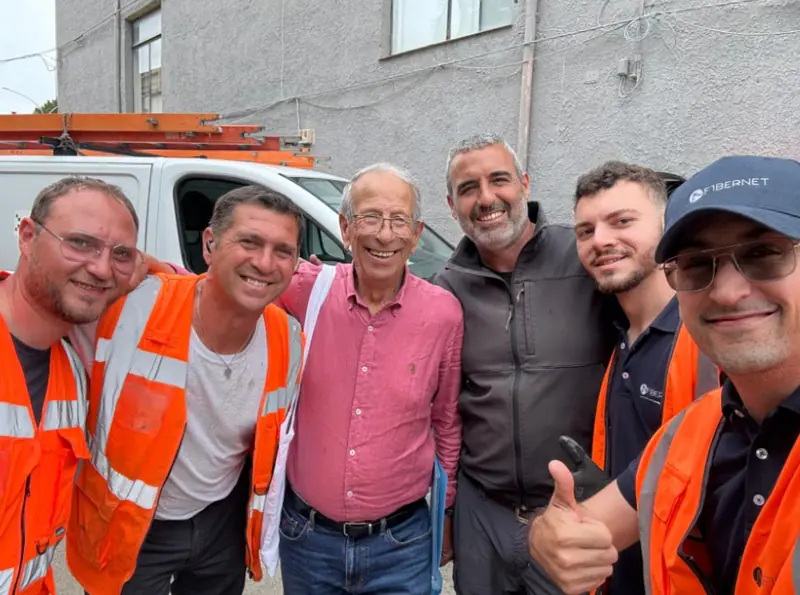
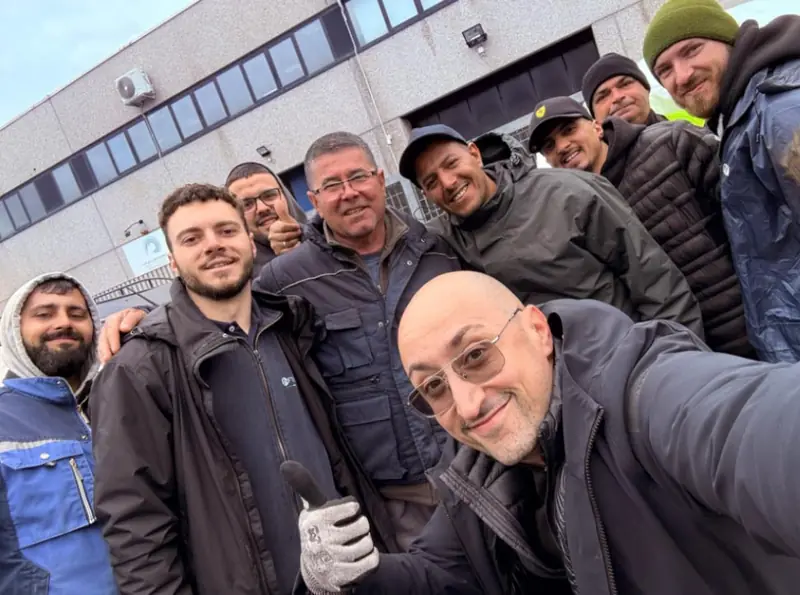
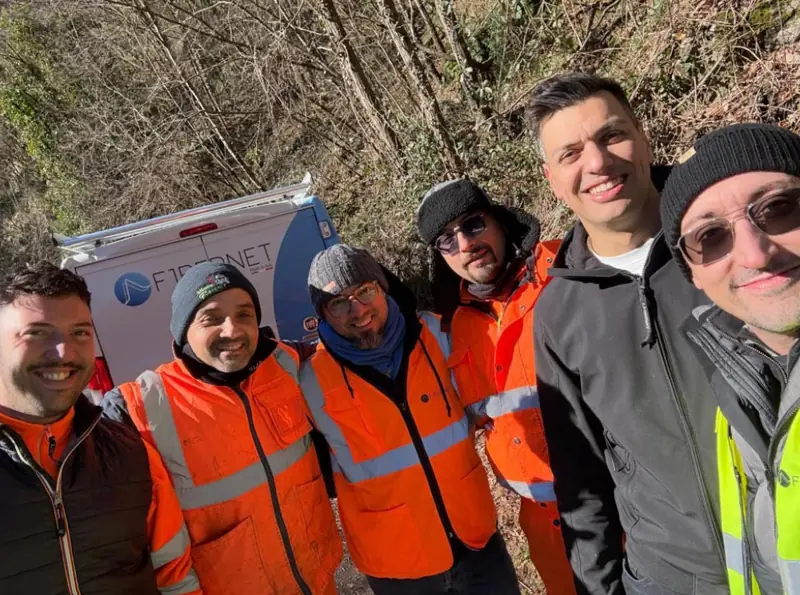 GoogleExcellentBased on 176 reviewsRead the reviews
Read on Google“An excellent experience on the installer training course. The whole team was professional and knowledgeable.”
Read on Google“I had the chance to try the Opera cable blowing machine on site…”
Read on Google“I really enjoyed this course. It took place in a pleasant setting with friendly, helpful people.”
Stories from installers
Hear the results from the installers themselves. Watch their testimonials right here.
Product videos
Three machines. Find your fit.
Start with the job at hand. Our technician can answer your questions about the right setup.
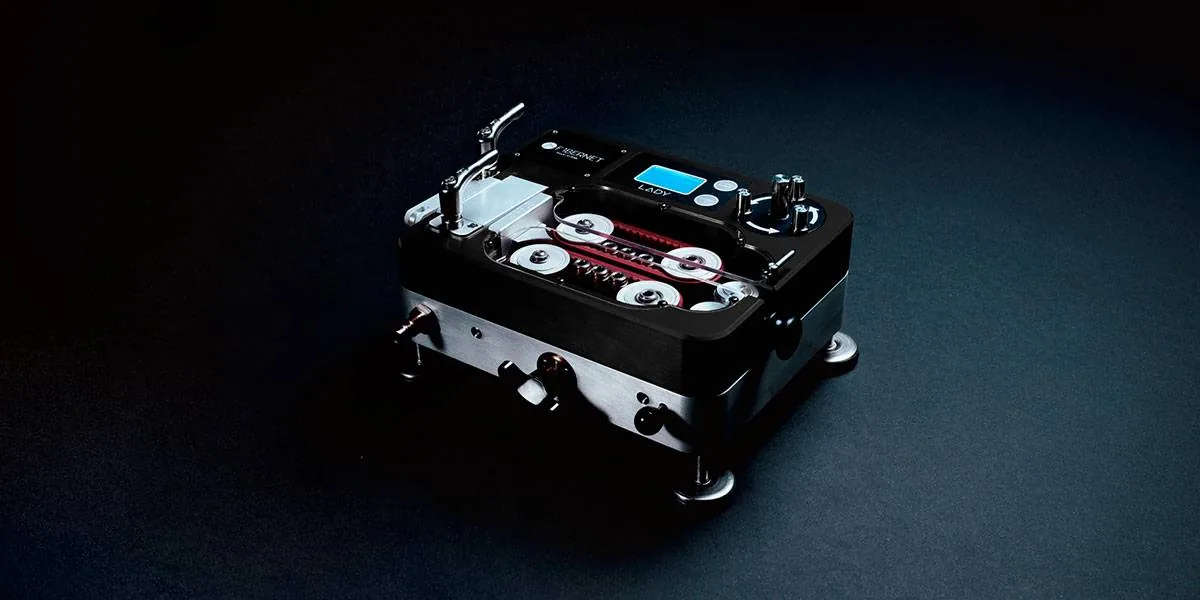
Compact and lightweight
A compact, lightweight machine for short runs.
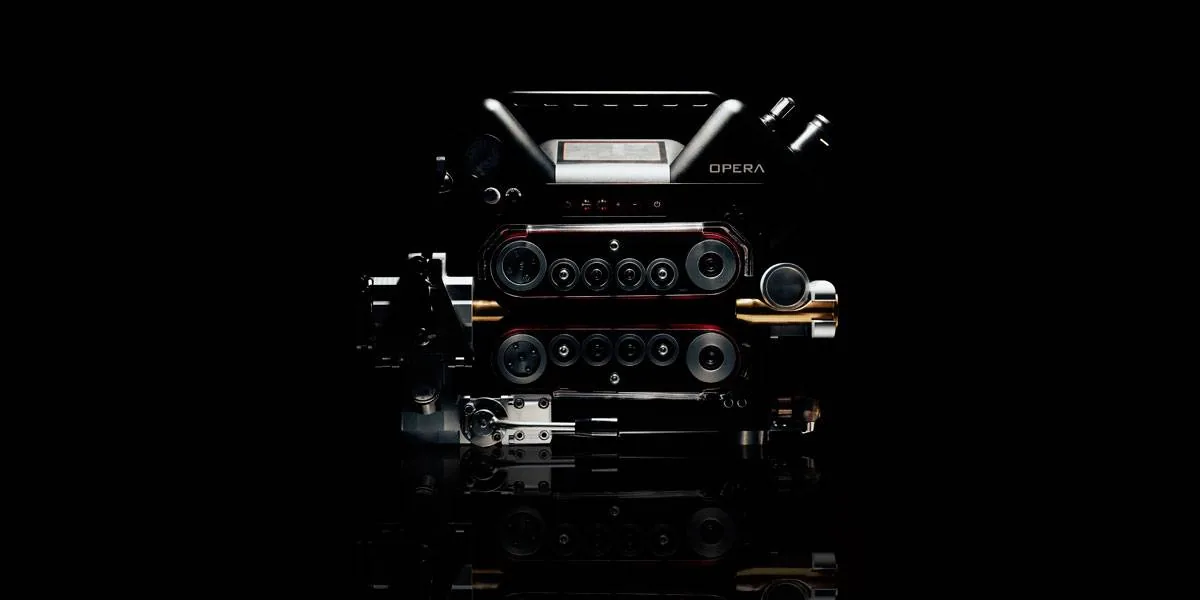
Pneumatic power
A pneumatic machine for long cable runs.
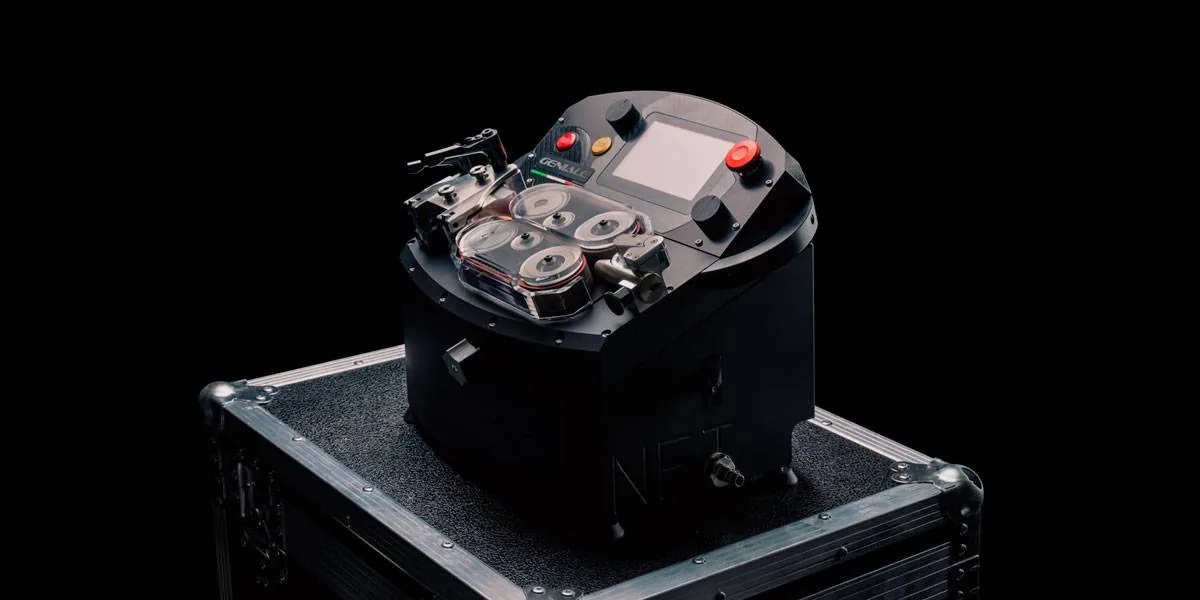
Electric, with two gears
For short and long runs. Two gears let you match force and speed to the job.
Specifications for the Fibernet range. The speeds shown are maximum values. Actual results depend on installation conditions and machine setup.
Direct from the manufacturer
When you’re working on site, you need practical answers. With Fibernet, you speak directly to the people who design and build your cable blowing machine.
Speak to a technicianA specialist technician can help when you need it.
Spare parts ready to ship, direct from the manufacturer.
If your machine breaks down, a replacement may be available within 48 hours.
Check availability and terms with your technician.Get help making the most of your machine, from your very first job.
See it in action before you choose
Request a free hands-on demonstration on your site or at Fibernet’s test facility. Discuss a real job with the technician.
Request a free demonstration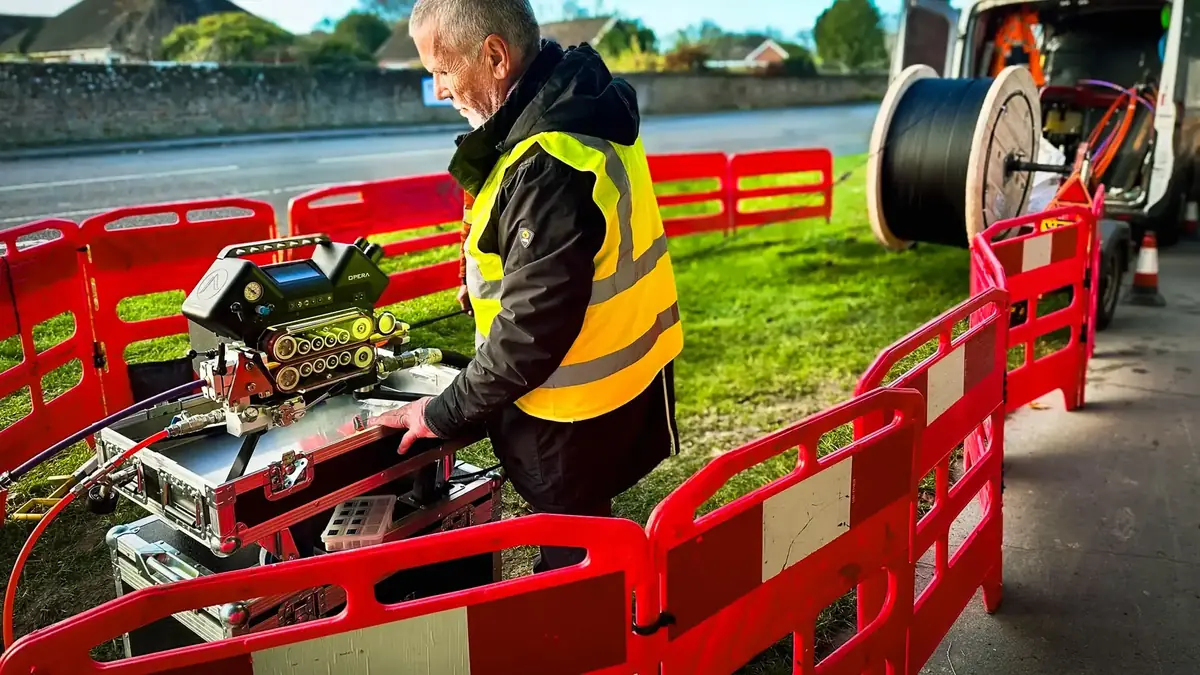
Selecting an OFC cable blowing machine starts with the installation you need to complete, rather than an isolated headline specification. For telecommunications contractors working in Italy, the practical questions concern cable dimensions, duct compatibility, route condition, access arrangements and the compressed air available on site. A machine must be assessed as part of this complete operating setup. Fibernet provides a point of contact for businesses evaluating cable blowing equipment, with a technical background that informs its approach to product development. Founded in 2001, the company introduced its first cable blowing machine, Lady, in 2021. For a prospective buyer, that history is useful context, but the purchasing discussion should still focus on the requirements of the specific job and the documented capabilities of the proposed configuration. Before requesting a recommendation, gather the cable outer diameter, the duct internal and external diameters, and the cable manufacturer's installation limits. Include the expected route length, the number and severity of bends, any elevation changes and the locations where operators can access the duct. These details help establish whether the equipment under consideration can accommodate the materials and operating conditions. They also make it easier to identify questions that require a technical check before a quotation becomes an order. When comparing a fiber optic cable blowing machine, look beyond whether the cable physically fits. Ask how the cable is guided, how the drive arrangement interacts with its outer sheath, which sealing components are needed and how operating adjustments are made. These are assessment points, not features that should be assumed without checking the relevant product documentation. Compressed air deserves equally careful attention. Pressure alone does not describe the suitability of the air supply: available airflow, air quality, connections and losses along the supply line can also influence the installation process. Confirm the requirements for the particular machine and duct arrangement before mobilising equipment. On a street works site, discovering an incompatible connection or missing seal can interrupt an otherwise well organised installation. Prepare a checklist covering the machine configuration, cable guides, duct connections, appropriate consumables and any specified accessories. A cable blowing machine for fiber optic cable installation should therefore be discussed in terms of the complete working arrangement, not simply the equipment name. Share your project information with Fibernet through www.fibernetsrlusa.com and ask which configuration should be evaluated. The objective is a technically grounded decision: equipment matched to the proposed cable and duct, a clear understanding of operating requirements and fewer avoidable uncertainties when the installation team reaches the work area. This preparation gives procurement staff and site supervisors a shared basis for reviewing the proposal.
An OFC cable blowing machine quotation is most useful when it explains exactly what is included and what the installation team must provide separately. Two offers can appear similar while covering different cable guides, sealing components, duct interfaces or supporting accessories. For an Italian telecommunications contractor, those differences affect more than the initial purchase amount: they influence readiness for the next job, the need for additional orders and the ease of moving between installation requirements. Start by describing the cable and duct combinations your business expects to use regularly. Distinguish current projects from possible future applications, so that essential equipment is not confused with optional additions. A focused specification makes it easier to assess a proposal without paying for capabilities that have not been justified by actual work. When researching OFC cable blowing machine price, request an itemised quotation rather than relying on an unexplained figure. Ask for the proposed model and configuration, included components, optional items, applicable commercial terms and any delivery assumptions. Clarify whether the equipment requires a separate compressed air supply and which requirements that supply must meet. If your business already owns a compressor, provide its documented specifications for review rather than assuming compatibility. The same principle applies to existing hoses and connections. An apparently minor mismatch can create an additional expense or delay that was not visible in the original comparison. Consider operating costs with the same discipline. Identify the components that require inspection, the consumables specified for the process and the maintenance actions described in the manufacturer's documentation. Ask how replacement parts are identified and what information should accompany a technical enquiry. Do not assume a particular stock level, response time or service arrangement unless it has been confirmed. A realistic evaluation also considers how often the equipment will be deployed and whether one configuration can address the cable and duct combinations in your planned workload. Businesses assessing a second hand fiber cable blowing machine should apply additional checks. Establish the unit's identity, condition, maintenance history and completeness, and verify whether the necessary accessories and documentation are available. A lower acquisition cost is not automatically a lower project cost if essential components are missing or compatibility remains uncertain. Fibernet's showcase website offers a route to discuss equipment requirements and request a proposal based on the intended application. Provide quantities, delivery location in Italy and a concise description of the work when contacting the company. Ask for clarification wherever an item or condition is unclear. This approach turns the quotation into a practical purchasing document, helping your team compare scope, identify outstanding questions and approve expenditure against a defined installation requirement rather than a price alone.
Reliable cable blowing begins before the drive mechanism starts moving the cable. The crew needs a prepared route, an appropriate equipment configuration and clear responsibilities throughout the operation. An OFC cable blowing machine cannot compensate for a damaged duct, an unsuitable cable handling arrangement or an air supply that falls outside the required operating conditions. For contractors moving between worksites across Italy, a consistent preparation process helps reduce uncertainty while allowing the setup to reflect each location. Begin with the applicable site safety procedures and the equipment manufacturer's instructions. Establish a safe working area, assess traffic or pedestrian interfaces where relevant, and confirm how the team will communicate between access points. Check the duct route using the procedures specified for the project. Obstructions, discontinuities, excessive contamination and compromised connections should be addressed before attempting the installation. Next, organise cable pay off so that the cable can enter the machine without unnecessary bending, dragging or uncontrolled tension. Observe the cable manufacturer's limits and use a handling arrangement appropriate to the drum and working area. Inspect the equipment and select the correct guides, seals and interfaces for the cable and duct dimensions. These components should be confirmed against the documentation for the particular configuration, rather than selected by appearance alone. With an optical fibre cable blowing machine, the interaction between mechanical drive and compressed air requires controlled operation. Start and adjust the process according to the manufacturer's procedure, monitoring the available indications and the behaviour of the cable. If progress becomes irregular or resistance increases unexpectedly, follow the prescribed stopping and investigation procedure instead of simply increasing force or pressure. The underlying issue may concern the route, the cable feed, the air supply or the equipment setup. Keeping a simple installation record can make these investigations more useful. Note the cable and duct details, route characteristics, equipment configuration, operating observations and any interruptions. Such records help supervisors distinguish recurring site problems from configuration issues and provide clearer information when requesting technical advice. After the job, isolate and depressurise equipment as instructed before carrying out checks or changing components. Inspect accessible wear items, clean the machine as specified and prepare it for transport and storage. These practical habits protect readiness for subsequent work without relying on unsupported promises about installation distance or speed. Fibernet's development of Lady in 2021 forms part of a company history rooted in technical experience and a family business established in 2001. For your next equipment assessment, use www.fibernetsrlusa.com to explain the operating conditions your crews encounter and request relevant product information. A detailed conversation about preparation, compatibility and documented operating requirements offers a stronger basis for equipment selection than assumptions based on a machine category alone.
Fill out the form and discover what Fibernet Srl can do for you!
Contact us!Before you get started
If you prefer, speak to us directly.
+39 346 652 9915Compare the cable diameter, duct diameter and installation distance. Lady is compact and lightweight for short runs. Opera is pneumatic and designed for long runs. Geniale is electric and handles both. A Fibernet technician can help you choose.
Yes. You can request a free hands-on demonstration on your site or at Fibernet’s test facility. Tell us what you need in the form and a technician will arrange it with you. Request a demonstration.
To get a price, contact a Fibernet advisor using the form or call +39 346 652 9915.
Fibernet offers direct technical support, spare parts ready to ship and dedicated training. If your machine breaks down, a replacement may be available. Ask your technician about availability and terms.
Tell us about your job. We’ll help you find the right cable blowing machine.