Emanuele Zanda
Google review
★★★★★
Read on Google“An excellent experience on the installer training course. The whole team was professional and knowledgeable.”
Cable blowing machines · Made in Italy
From last-mile connections to long-distance runs, a Fibernet technician can help you choose the right machine for your fiber optic cable installation.
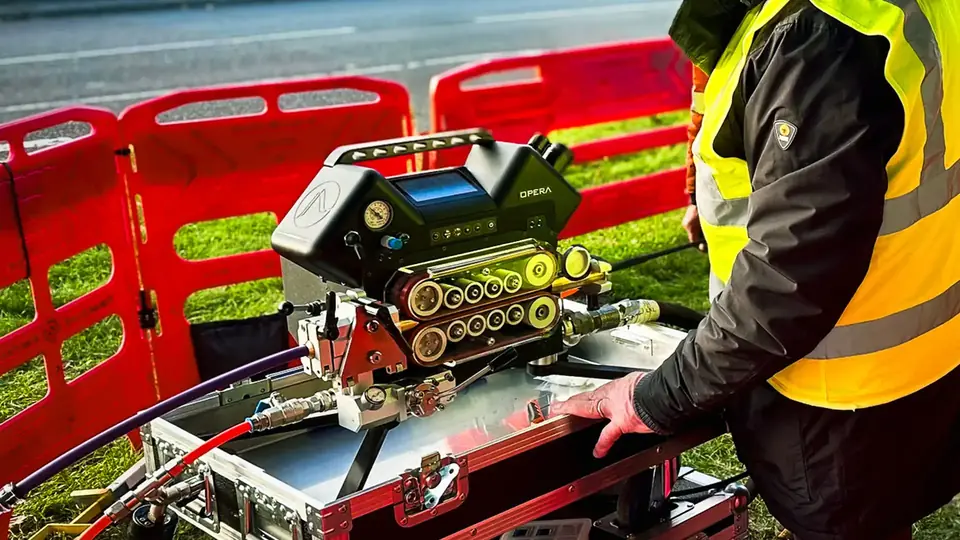
Opera, image 1 of 3
Expert advice direct from the manufacturer / Free demonstration on request
Some of our customers.

Keep your installation moving with Fibernet cable blowing machines.
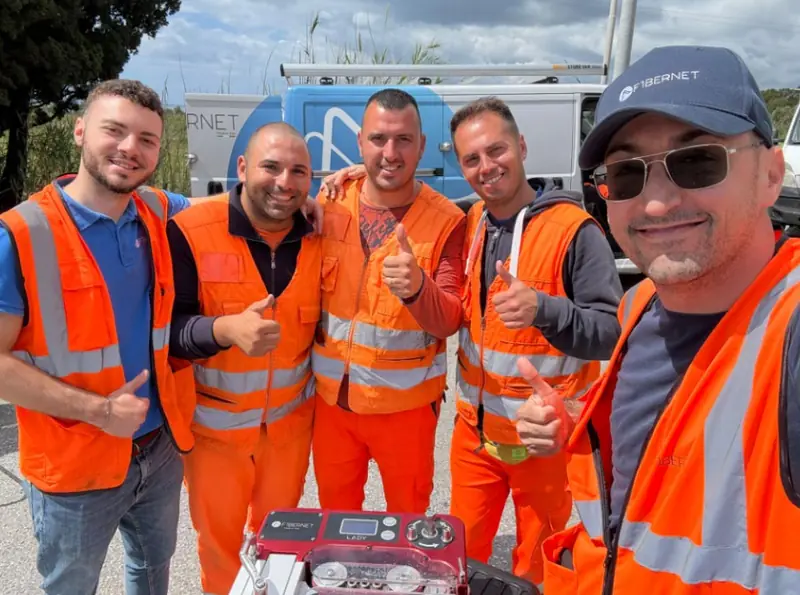
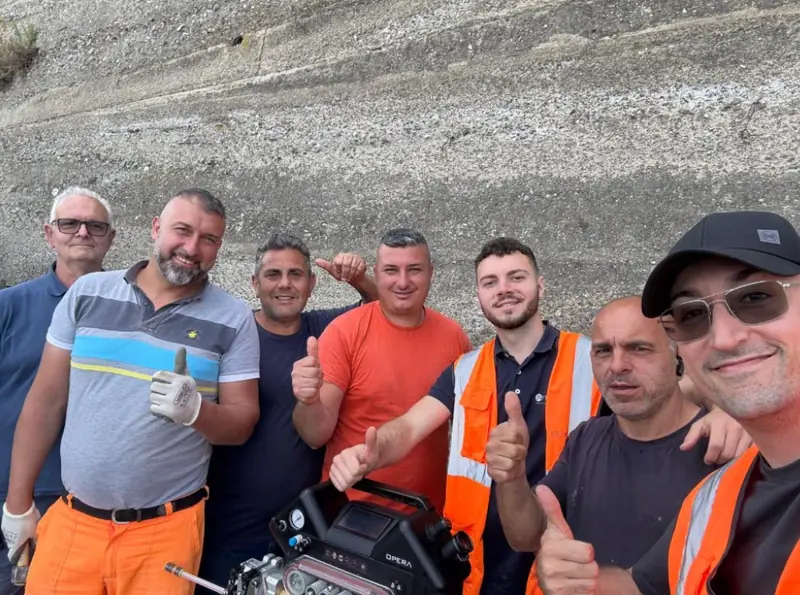
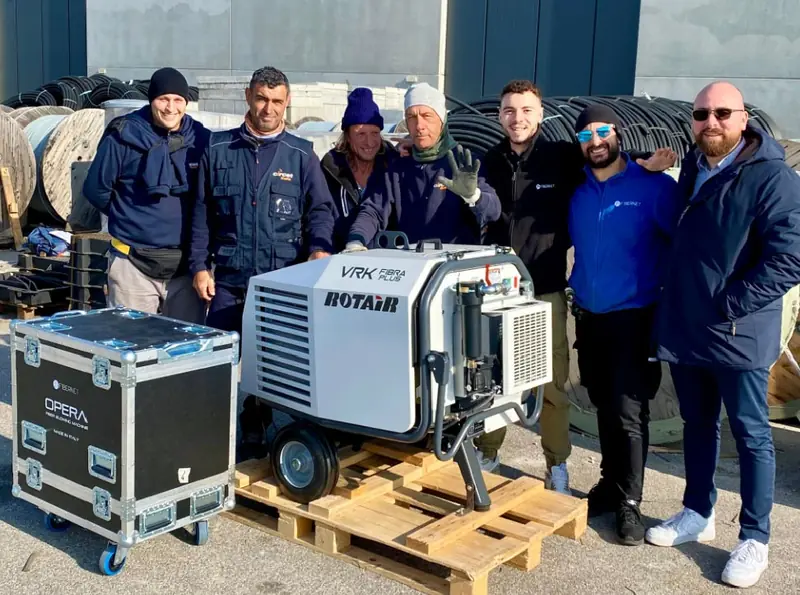
Photos and stories from installers, published by Fibernet.
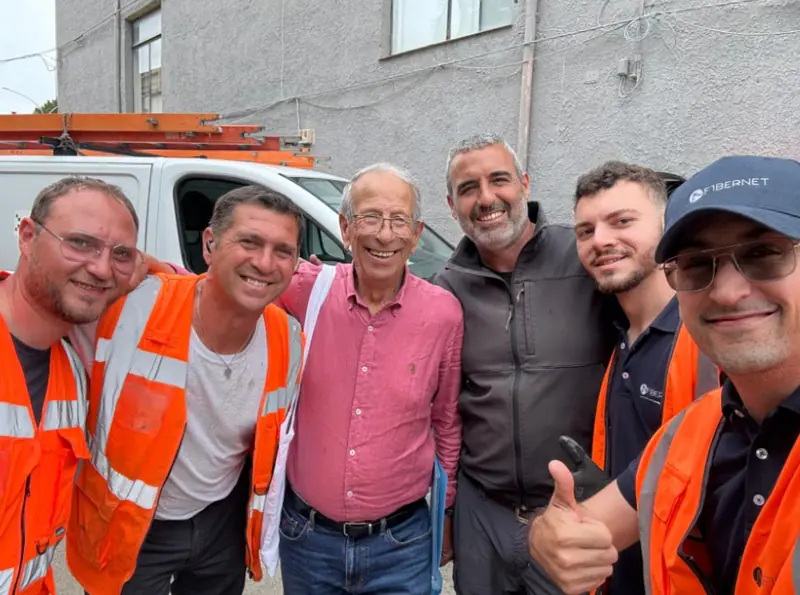
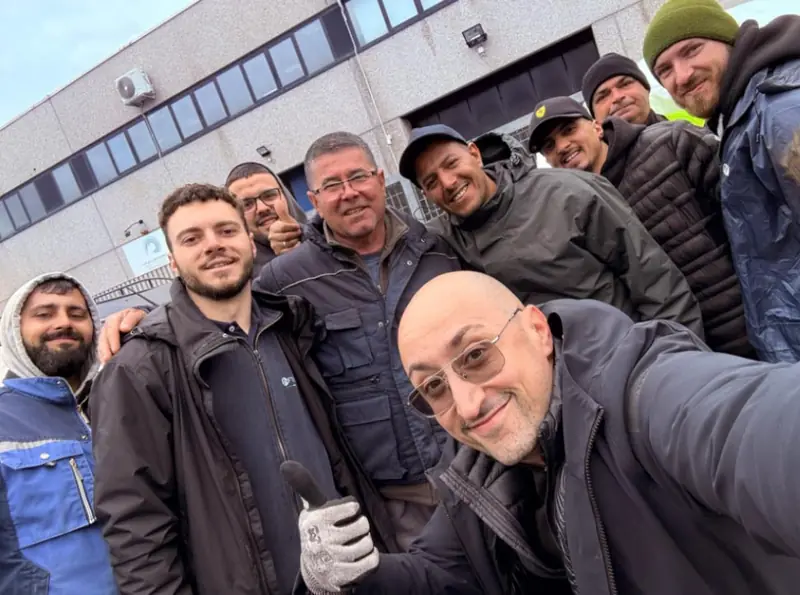
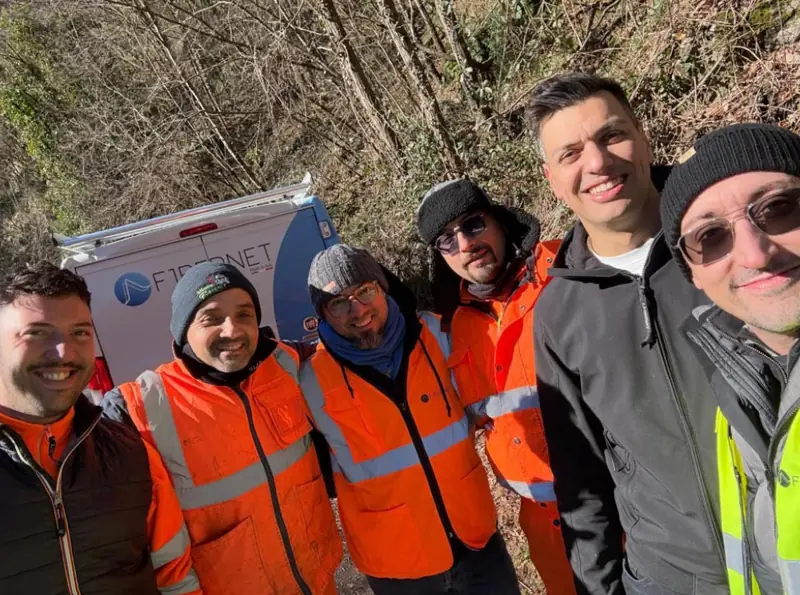 GoogleExcellentBased on 176 reviewsRead the reviews
Read on Google“An excellent experience on the installer training course. The whole team was professional and knowledgeable.”
Read on Google“I had the chance to try the Opera cable blowing machine on site…”
Read on Google“I really enjoyed this course. It took place in a pleasant setting with friendly, helpful people.”
Stories from installers
Hear the results from the installers themselves. Watch their testimonials right here.
Product videos
Three machines. Find your fit.
Start with the job at hand. Our technician can answer your questions about the right setup.
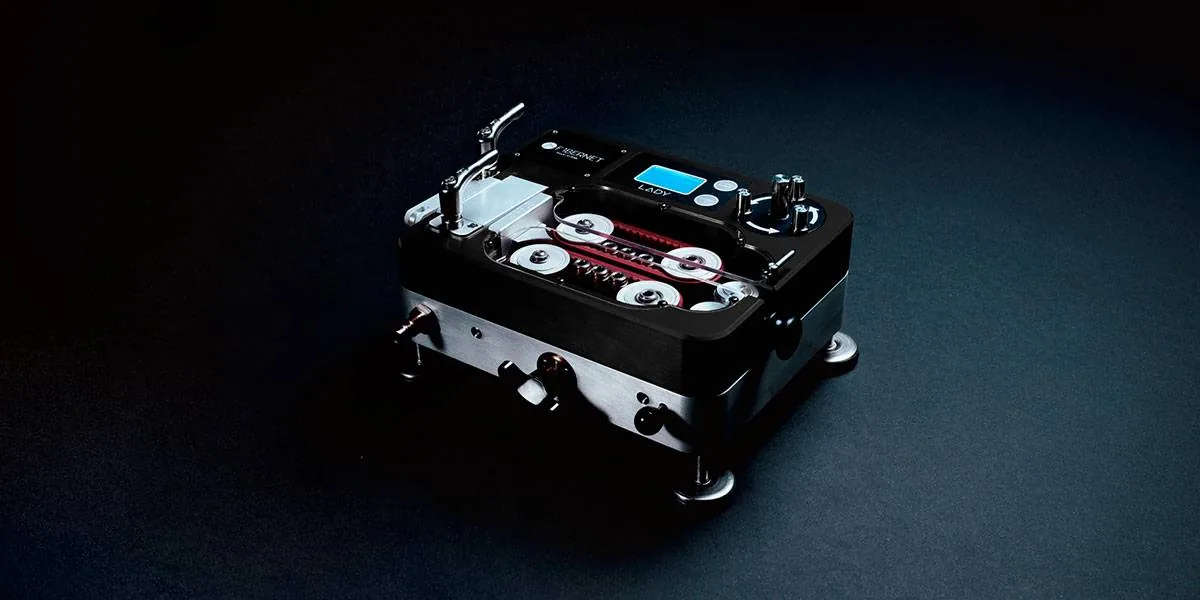
Compact and lightweight
A compact, lightweight machine for short runs.
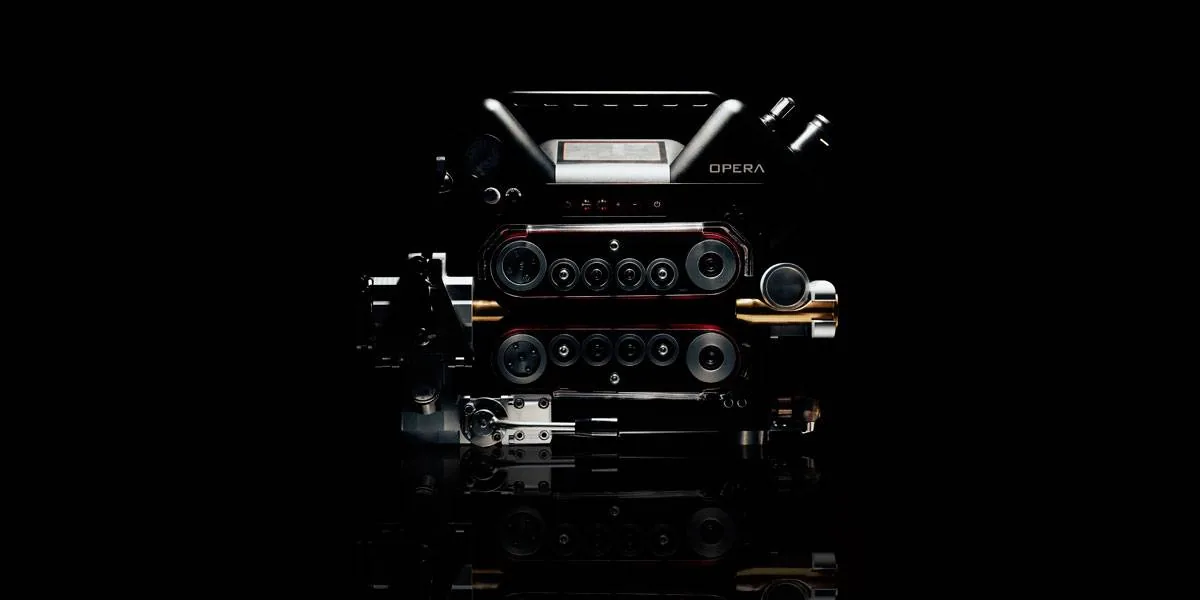
Pneumatic power
A pneumatic machine for long cable runs.
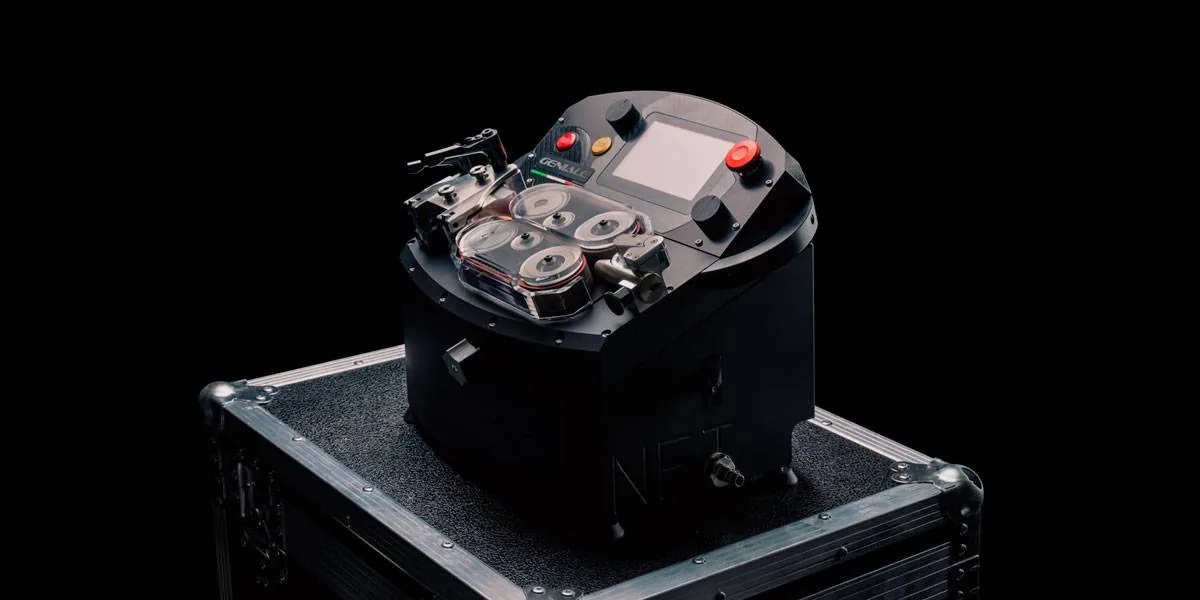
Electric, with two gears
For short and long runs. Two gears let you match force and speed to the job.
Specifications for the Fibernet range. The speeds shown are maximum values. Actual results depend on installation conditions and machine setup.
Direct from the manufacturer
When you’re working on site, you need practical answers. With Fibernet, you speak directly to the people who design and build your cable blowing machine.
Speak to a technicianA specialist technician can help when you need it.
Spare parts ready to ship, direct from the manufacturer.
If your machine breaks down, a replacement may be available within 48 hours.
Check availability and terms with your technician.Get help making the most of your machine, from your very first job.
See it in action before you choose
Request a free hands-on demonstration on your site or at Fibernet’s test facility. Discuss a real job with the technician.
Request a free demonstration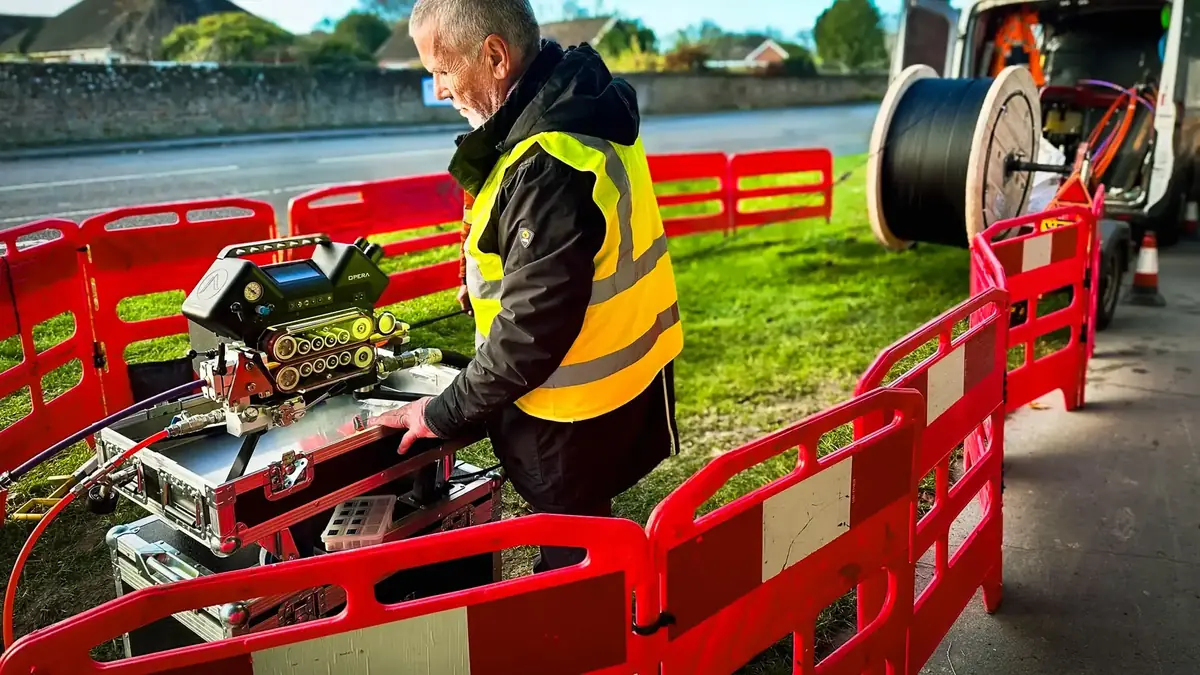
Choosing a fiber optic cable pushing machine starts with understanding how the equipment transfers force to the cable. The drive mechanism must advance the cable without exceeding the limits specified by its manufacturer or damaging its outer jacket. For contractors working on installations in Italy, that means evaluating the actual cable and duct combination rather than selecting equipment on headline speed alone. Cable diameter, jacket material, stiffness, duct internal diameter, route geometry, and access conditions all influence the suitability of a machine. Fibernet brings Italian manufacturing and a technical background dating back to its founding in 2001 to this discussion. Its first cable blowing machine, Lady, launched in 2021, marking an important step in the development of its installation equipment. When assessing a particular model, ask Fibernet to confirm the supported cable sizes, compatible duct connections, adjustment methods, and operating requirements against your project specifications. A useful distinction concerns mechanical pushing and air-assisted installation. A pushing mechanism applies force locally through its contact with the cable, while compressed air can help move the cable along the duct during a suitable blowing operation. These approaches are related, but the terminology does not establish that every machine supports the same installation methods. If your project calls for a cable blowing machine for fiber optic cable installation, confirm how the drive system and air supply work together on the proposed model. Check whether the cable manufacturer permits the intended installation method and obtain its applicable force and bend limits before work begins. The preparation of the route matters just as much as the machine itself. Duct continuity, joint integrity, cleanliness, and the absence of obstructions should be verified through appropriate procedures. A damaged connection or an unexpectedly tight bend can interrupt progress even when the equipment is correctly selected. Cable payout also needs attention: the reel should unwind smoothly, with suitable guidance into the machine and no unnecessary sharp changes in direction. During equipment discussions, describe the expected working environment, available space, reel arrangement, and typical access points. These details help make the recommendation more relevant than a request based only on cable diameter. A fiber optic cable blowing machine should be evaluated as part of this complete installation arrangement, not as an isolated purchase. Ask which guides, seals, duct adapters, and other application-specific components belong in the proposed configuration. Clear information at this stage helps avoid discovering an incompatible accessory after the crew reaches the site. Contact Fibernet through its showcase website to discuss your requirements and establish which equipment configuration deserves a closer technical assessment.
A productive installation begins before anyone engages the drive mechanism. When specifying a fiber optic cable pushing machine, consider how the crew will prepare it, verify its settings, and respond when cable movement changes. The operator needs a clear understanding of the machine instructions, the cable manufacturer's limits, and the conditions that require stopping rather than applying more force. Suitable equipment must support the intended application, but the working method remains essential to protecting the cable and maintaining consistent progress. Begin by documenting the cable construction, outside diameter, permitted installation loads, and minimum bend radius under the relevant conditions. Record the duct dimensions and identify bends, intermediate access points, and changes in elevation that may affect the installation. Where air assistance is planned, establish the required air supply with the equipment provider instead of assuming that compressor pressure alone determines suitability. Airflow, connection compatibility, air quality requirements, and the operating limits of every component also need consideration. A compressed air fiber optic cable blowing machine depends on an appropriate installation arrangement, and its requirements should be checked against the exact model documentation. Before starting, inspect the components that contact the cable and confirm that the selected guides and seals match the application. Set up the reel so that payout remains stable, and position the machine to avoid unnecessary bending at its inlet. Follow the manufacturer's procedure for adjusting the drive contact and operating controls. Excessive contact pressure can be as problematic as insufficient grip, so settings should not be chosen simply to maximize traction. Begin cautiously and monitor how the cable responds as it advances. A sudden reduction in progress may indicate increased route resistance, a payout problem, an unsuitable setting, or another issue that requires investigation. Continuing to push without identifying the cause can increase the risk of cable damage. The installation plan should therefore define communication between crew members, stopping conditions, and the safe response to an interruption. Where pneumatic equipment is involved, follow the specified isolation and depressurization procedures before opening connections or carrying out adjustments that require access to pressurized areas. Never improvise a connection or exceed a component's rated limits to recover lost time. Buyers comparing a pneumatic fiber optic cable blowing machine should also ask about routine inspection, cleaning, storage, and replacement of wear components. These practical details influence how readily the equipment can return to service between jobs. For projects in Italy, provide Fibernet with the site conditions and operational constraints so that the discussion addresses the work your team actually performs. A well-defined preparation process makes the equipment assessment more useful and gives the crew a clearer basis for controlled installation.
The purchase price of a fiber optic cable pushing machine is only one part of an informed equipment decision. A quotation becomes more useful when it identifies the proposed model, its intended application, the included accessories, and any additional items needed to begin work. Without that detail, two offers may appear comparable while covering different cable sizes, duct connections, or operating arrangements. For contractors planning installations in Italy, a clear specification also helps connect the purchasing decision to the crew's existing tools, transport arrangements, and maintenance practices. Prepare a short application brief before requesting a proposal. Include the cable and duct dimensions, the installation method, representative route conditions, and the equipment already available to your team. Explain whether the machine will serve a consistent application or move between projects with different requirements. This distinction can affect which accessories deserve inclusion from the outset and which can be considered later. If you are researching fiber optic cable blowing machine price, ask for an itemized offer rather than relying on a figure without configuration details. Confirm what is supplied as standard, which application-specific parts are optional, and whether any external equipment must be sourced separately. Request the relevant technical documentation so your team can review operating requirements before committing to a purchase. Maintenance deserves the same attention as initial compatibility. Ask which parts require regular inspection, what cleaning procedures are recommended, and how replacement components are identified and ordered. Establish the support contact and clarify the information needed when reporting a problem, such as the machine identification, operating conditions, cable details, and observed symptoms. Accurate information can make a technical discussion more productive, particularly when the machine is already on a jobsite. Fibernet's Italian manufacturing background is relevant to buyers seeking equipment developed by a company with direct experience in this specialist field. Its technical roots extend to founder Giancarlo Trinei's work with early fiber installations in Italy, while the business has continued developing under the next generation of the Trinei family. Buyers should nevertheless assess the proposed machine on documented capabilities and application suitability rather than company history alone. The same principle applies when considering a used fiber optic cable blowing machine: inspect its condition, verify its identification, review the available maintenance records, and confirm that compatible accessories and replacement parts remain obtainable. A lower initial outlay does not resolve uncertainty about wear, missing components, or suitability for your cable. Through www.fibernetsrlusa.com, request a discussion of the equipment package and clarify support availability for your operating location, including any requirements involving the United States or other countries. Confirm service arrangements, shipping responsibilities, and applicable commercial terms directly with Fibernet before placing an order.
Fill out the form and discover what Fibernet Srl can do for you!
Contact us!Before you get started
If you prefer, speak to us directly.
+39 346 652 9915Compare the cable diameter, duct diameter and installation distance. Lady is compact and lightweight for short runs. Opera is pneumatic and designed for long runs. Geniale is electric and handles both. A Fibernet technician can help you choose.
Yes. You can request a free hands-on demonstration on your site or at Fibernet’s test facility. Tell us what you need in the form and a technician will arrange it with you. Request a demonstration.
To get a price, contact a Fibernet advisor using the form or call +39 346 652 9915.
Fibernet offers direct technical support, spare parts ready to ship and dedicated training. If your machine breaks down, a replacement may be available. Ask your technician about availability and terms.
Tell us about your job. We’ll help you find the right cable blowing machine.