Emanuele Zanda
Google review
★★★★★
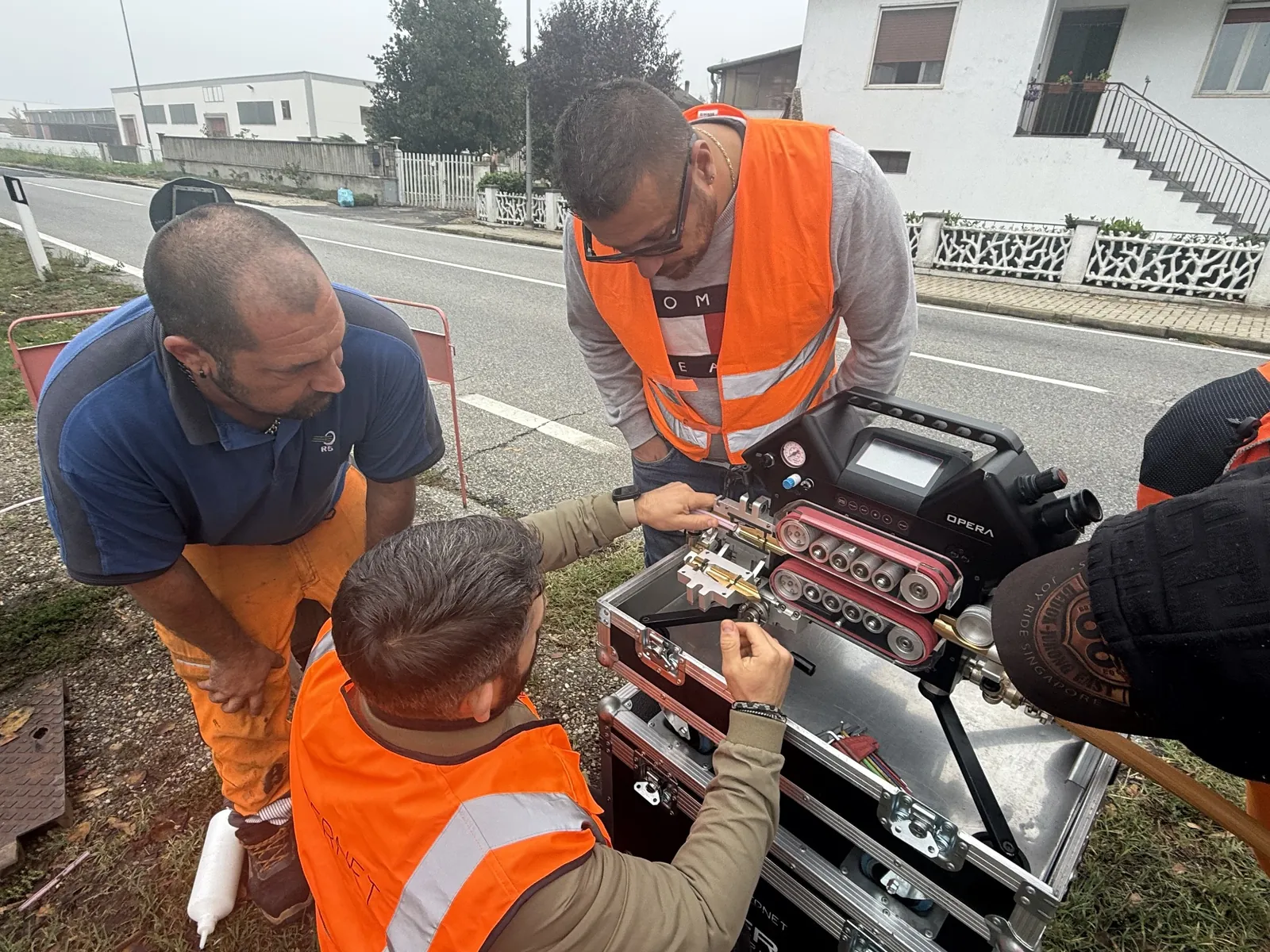
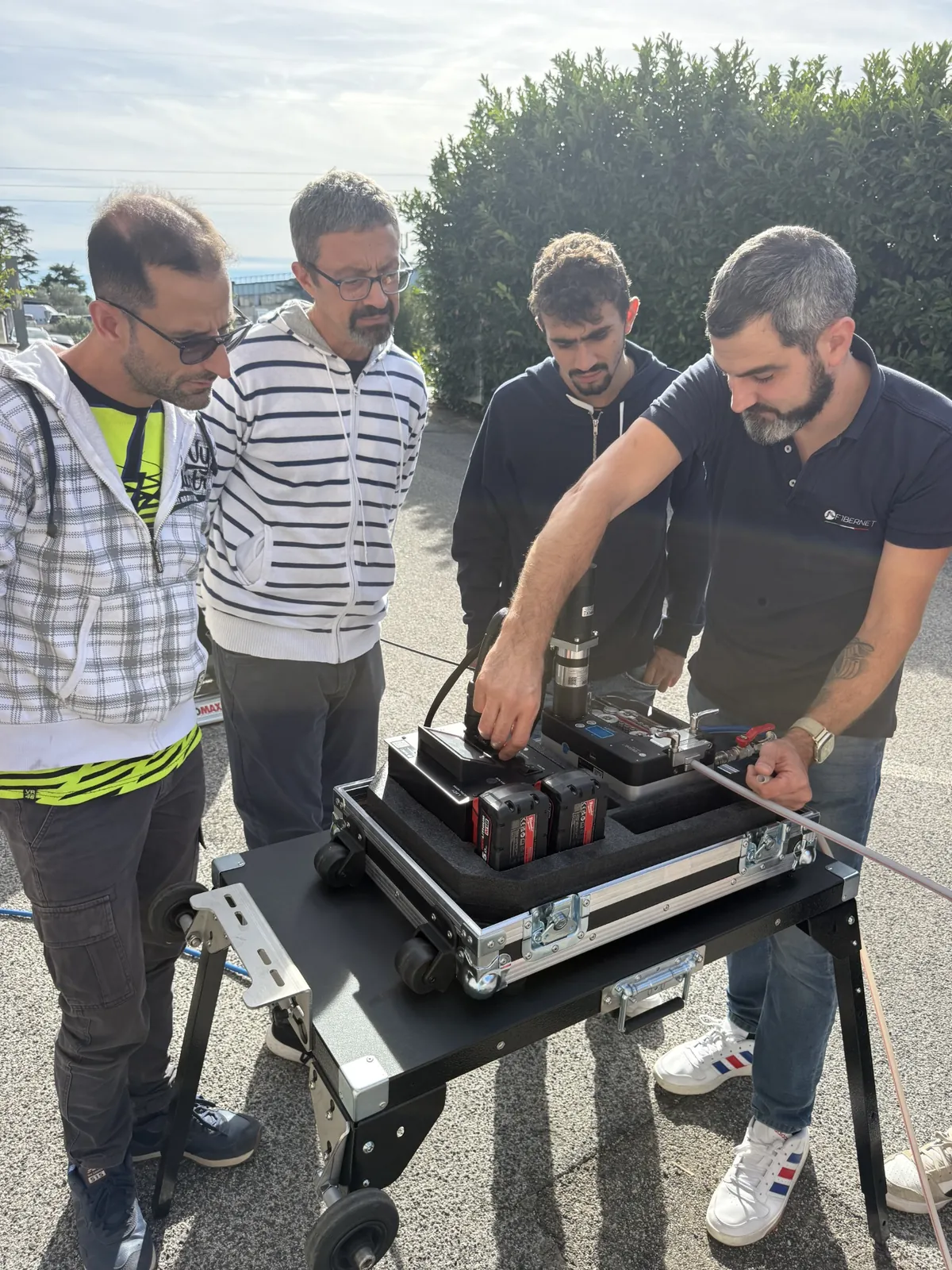
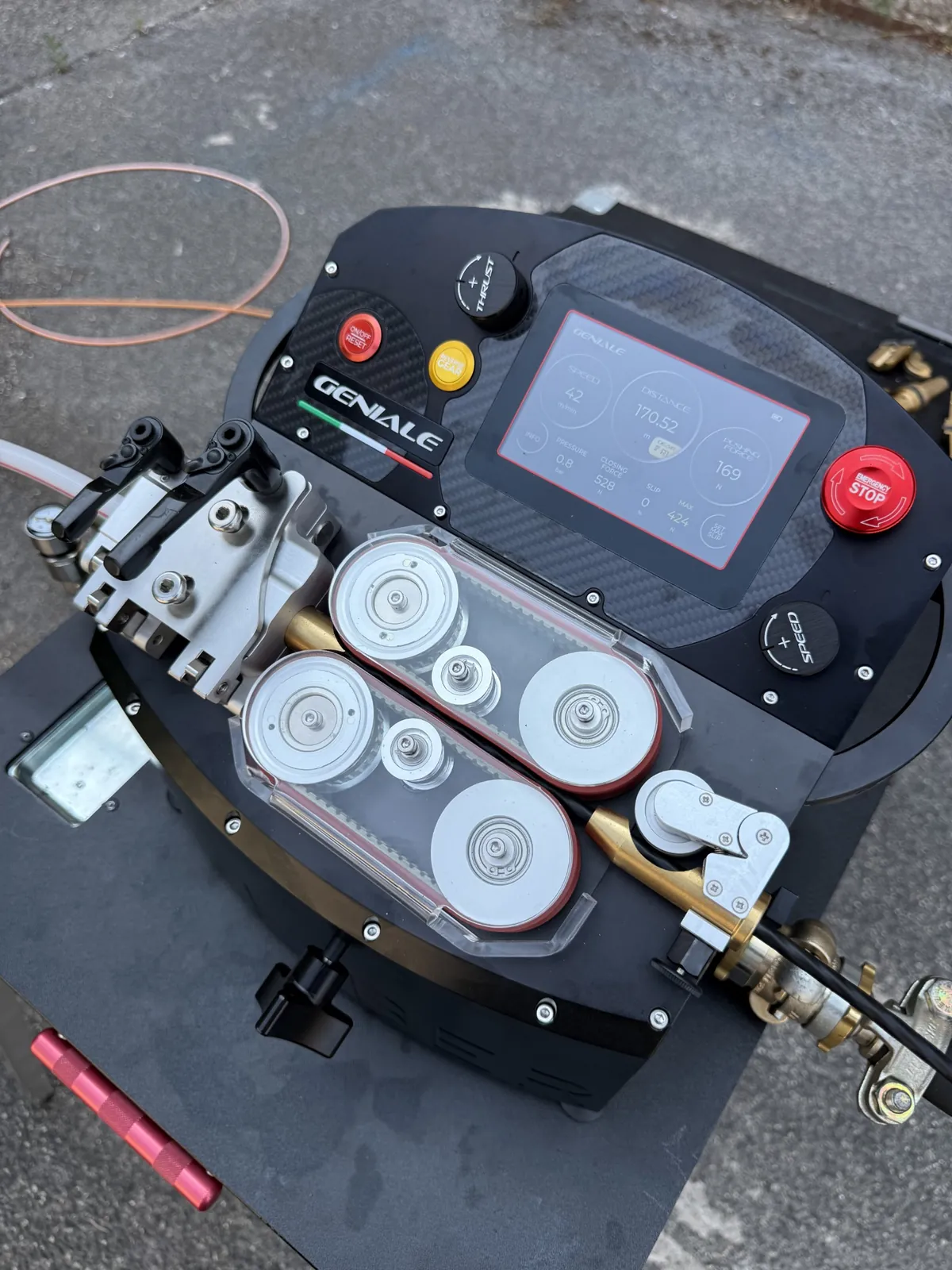
Read on Google“An excellent experience on the installer training course. The whole team was professional and knowledgeable.”
Cable blowing machines · Made in Italy
From last-mile connections to long-distance runs, a Fibernet technician can help you choose the right machine for your fiber optic cable installation.
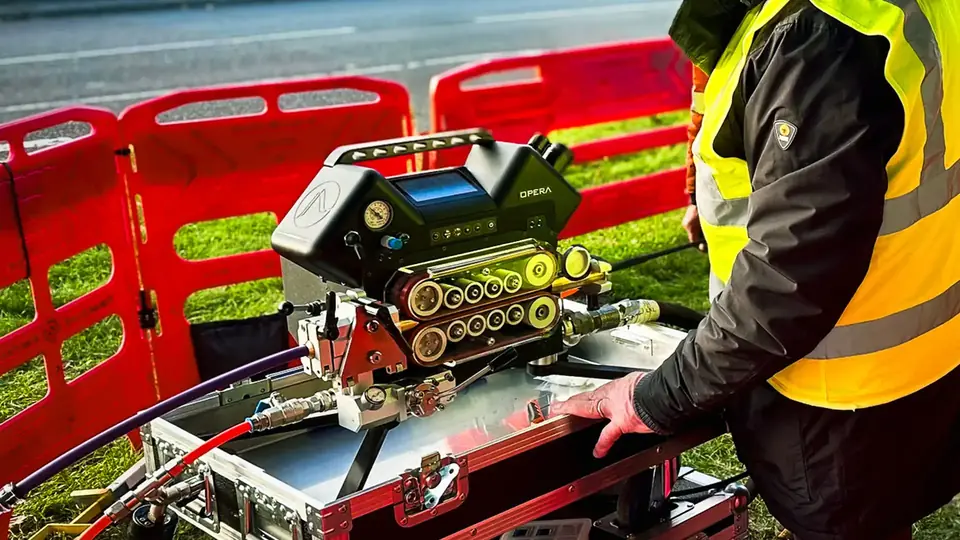
Opera, image 1 of 3
Expert advice direct from the manufacturer / Free demonstration on request
Some of our customers.
Keep your installation moving with Fibernet cable blowing machines.
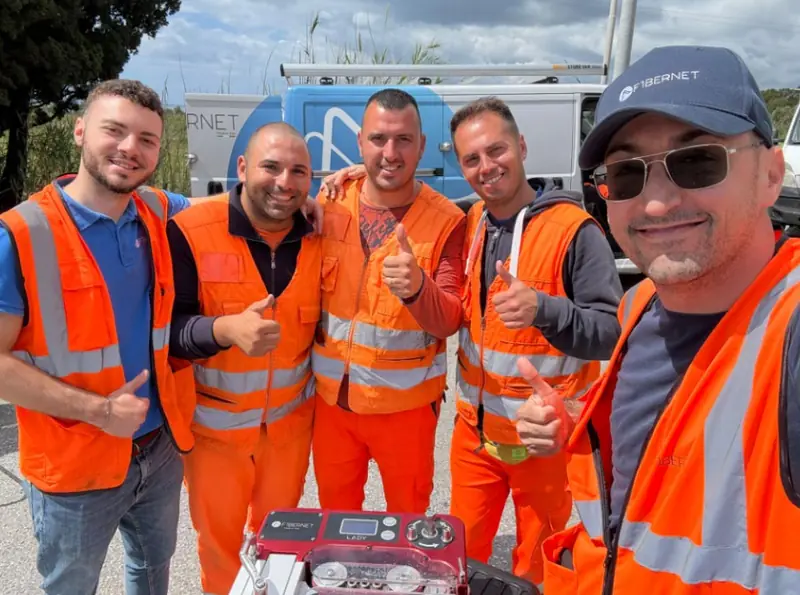
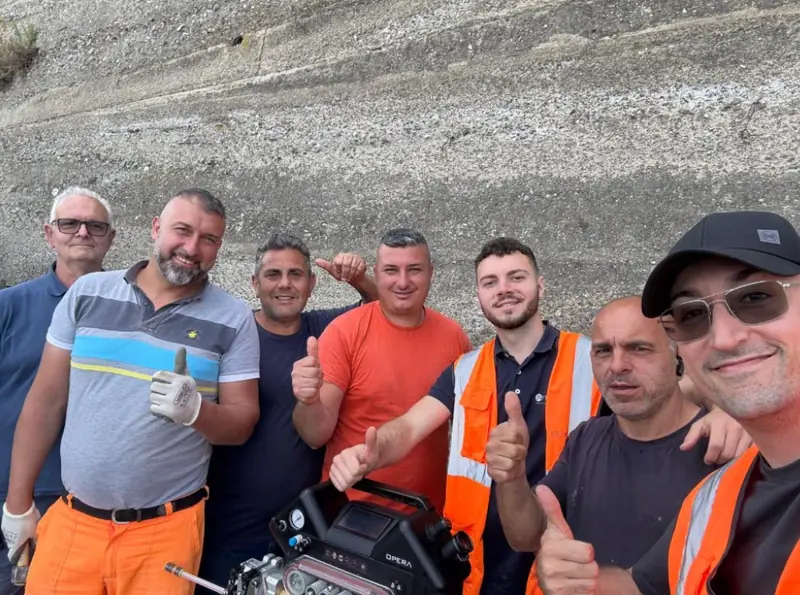
Photos and stories from installers, published by Fibernet.
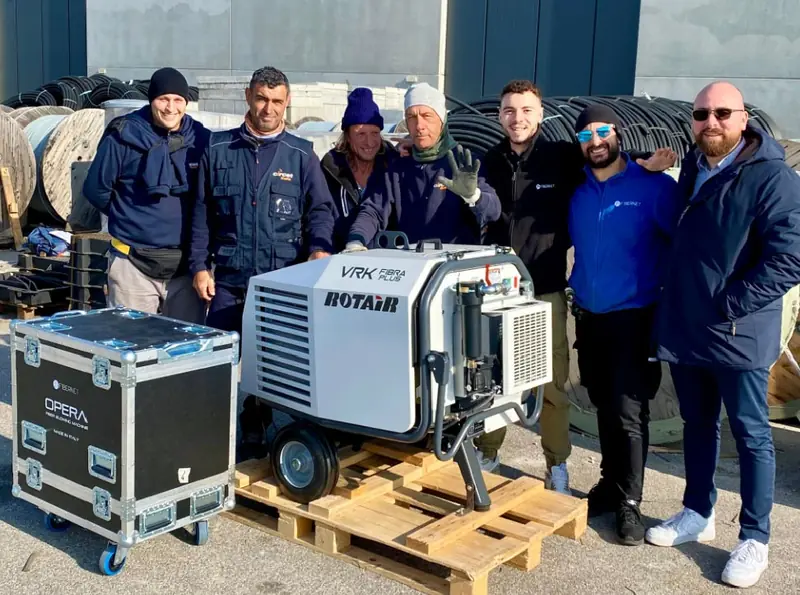
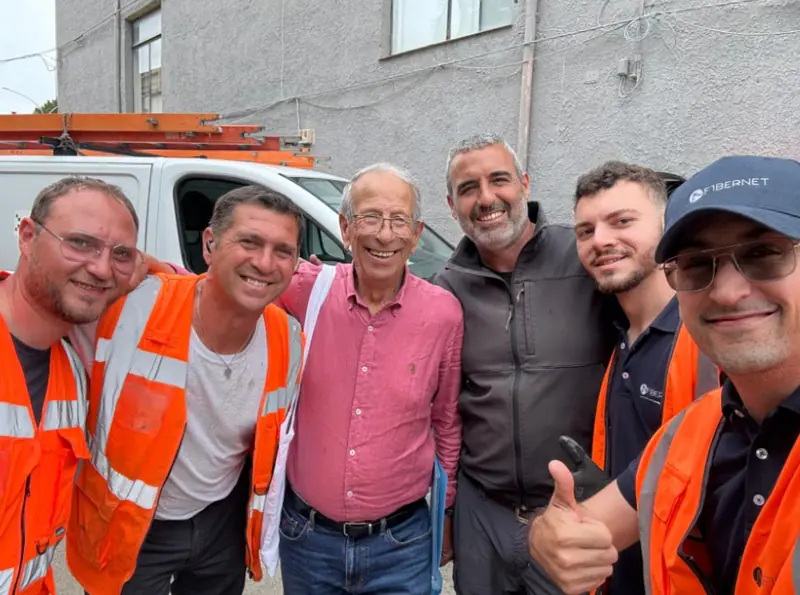
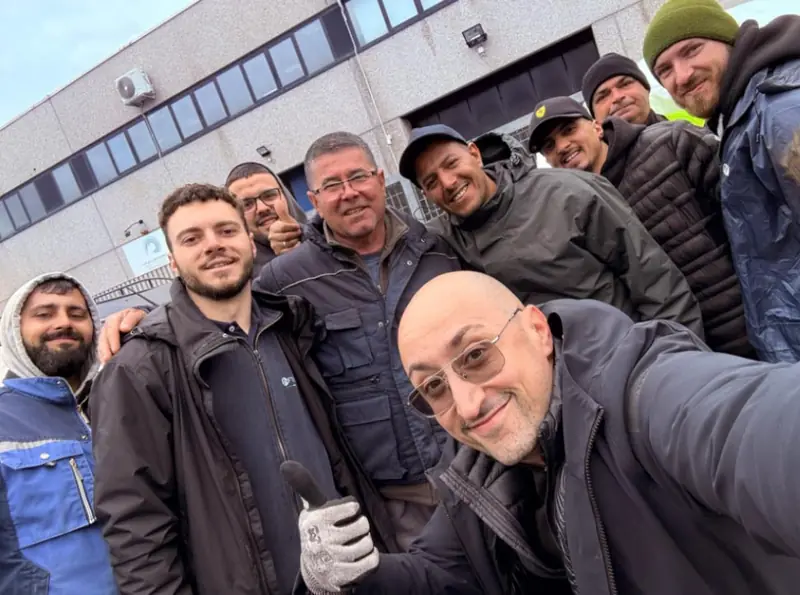
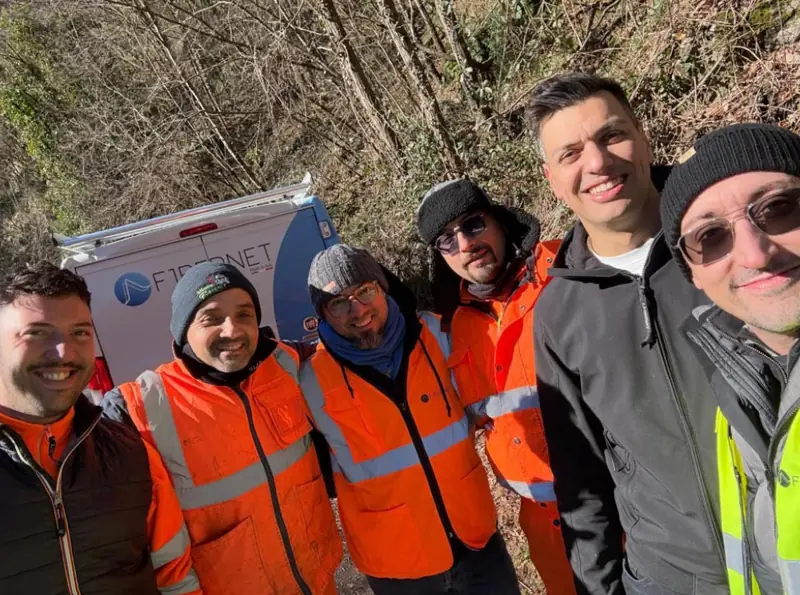 GoogleExcellentBased on 176 reviewsRead the reviews
Read on Google“An excellent experience on the installer training course. The whole team was professional and knowledgeable.”
Read on Google“I had the chance to try the Opera cable blowing machine on site…”
Read on Google“I really enjoyed this course. It took place in a pleasant setting with friendly, helpful people.”
Stories from installers
Hear the results from the installers themselves. Watch their testimonials right here.
Product videos
Three machines. Find your fit.
Start with the job at hand. Our technician can answer your questions about the right setup.
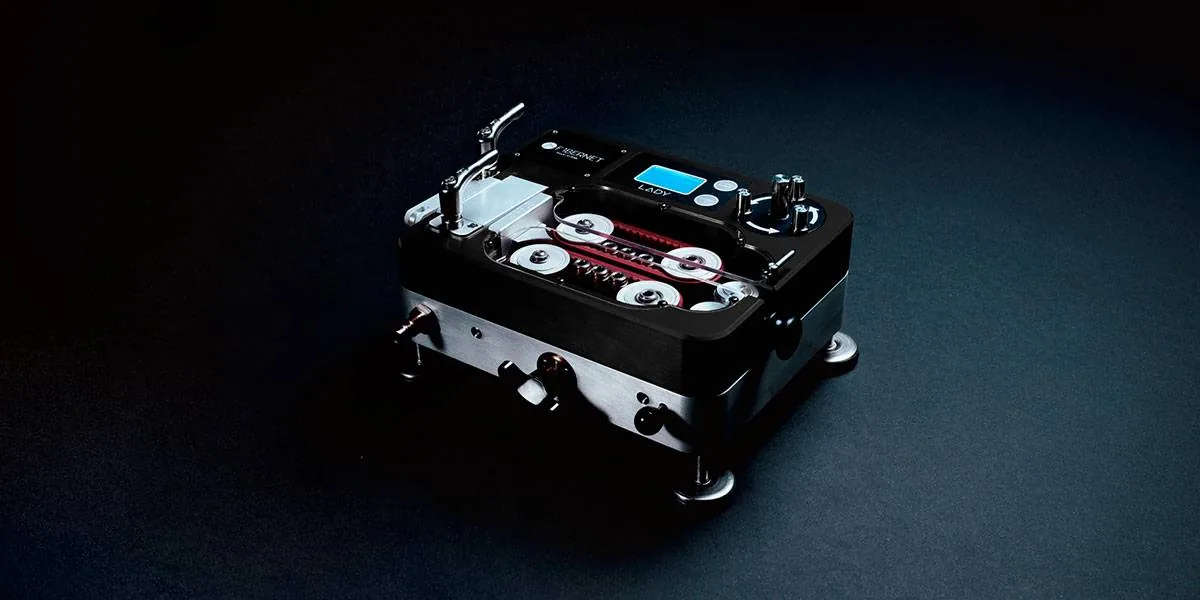
Compact and lightweight
A compact, lightweight machine for short runs.
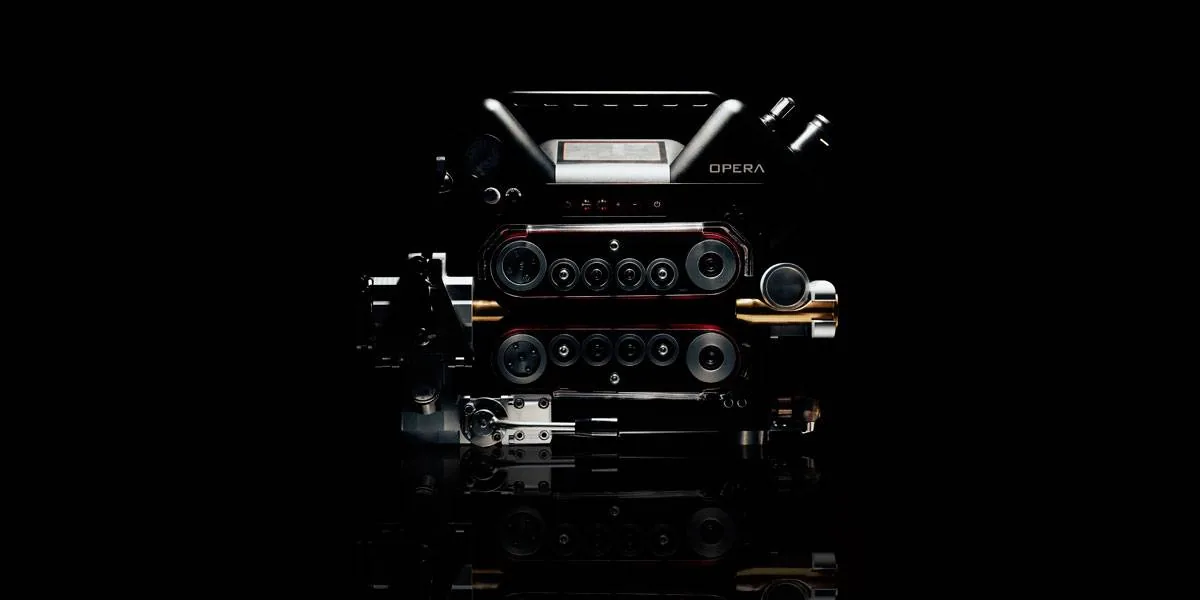
Pneumatic power
A pneumatic machine for long cable runs.
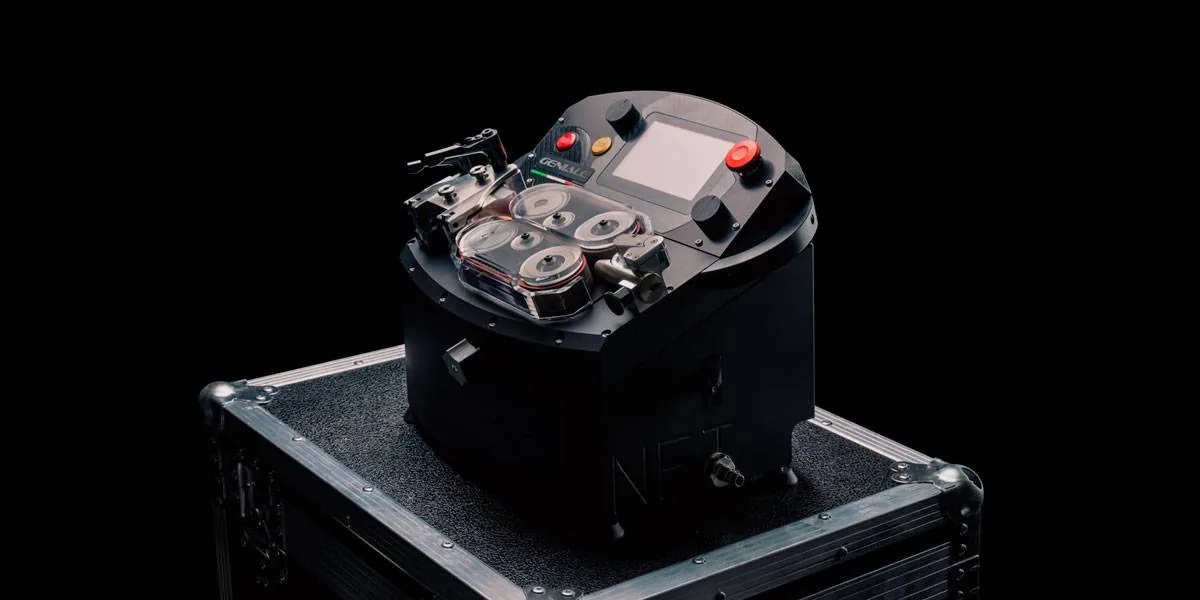
Electric, with two gears
For short and long runs. Two gears let you match force and speed to the job.
Specifications for the Fibernet range. The speeds shown are maximum values. Actual results depend on installation conditions and machine setup.
Direct from the manufacturer
When you’re working on site, you need practical answers. With Fibernet, you speak directly to the people who design and build your cable blowing machine.
Speak to a technicianA specialist technician can help when you need it.
Spare parts ready to ship, direct from the manufacturer.
If your machine breaks down, a replacement may be available within 48 hours.
Check availability and terms with your technician.Get help making the most of your machine, from your very first job.
See it in action before you choose
Request a free hands-on demonstration on your site or at Fibernet’s test facility. Discuss a real job with the technician.
Request a free demonstration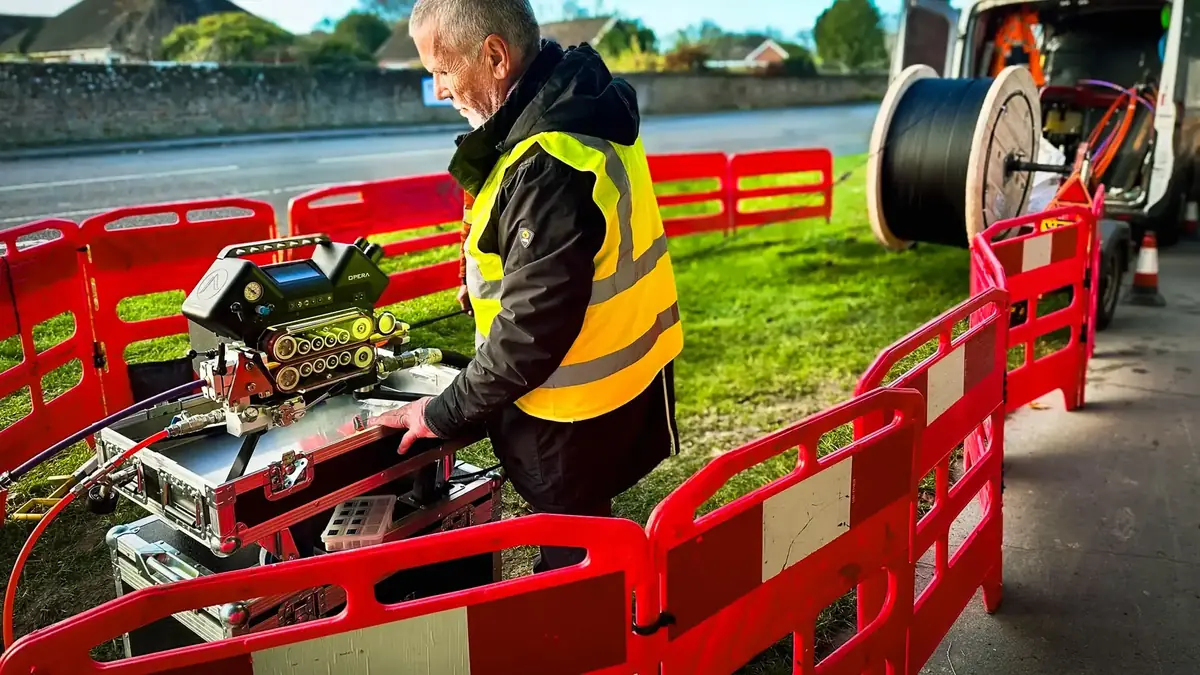
Searching for a fiber optic cable blowing machine on rent usually starts with a practical challenge: your crew has a defined installation window, but the equipment must match the cable, duct, and working conditions before anyone commits to a rental period. For American contractors working in Italy, that assessment should begin with accurate dimensions rather than assumptions based on a machine photograph or a headline performance figure. Record the cable outside diameter, duct internal diameter, planned section lengths, and the number and severity of bends. Include details about access points, changes in elevation, and the condition of the installed duct. These factors influence resistance and help establish whether the proposed machine and its accessories are appropriate. A cable blowing machine for fiber optic cable installation combines controlled mechanical feeding with airflow through the duct, so the suitability of the complete setup matters more than the machine alone. Air delivery, cable guidance, sealing components, and the condition of the route all deserve attention before mobilization. Fibernet provides a relevant manufacturer contact for discussing these requirements, drawing on a business established in 2001 and technical experience extending back to the earliest Italian cable installations. Its first cable blowing machine, Lady, was introduced in 2021. When approaching Fibernet about temporary equipment needs, describe the job rather than asking only whether a machine is available. Explain whether the crew will work from a roadside access point, a confined equipment area, or several locations during the same shift. Identify the compressor you intend to use and provide its rated delivery at the required operating pressure, with units clearly stated. For projects in Italy involving American teams, checking electrical supply, connection standards, and documentation language also helps avoid preventable mismatches. A compressed air fiber optic cable blowing machine should never be selected on pressure alone; airflow requirements and all manufacturer limits need to be checked against the actual model. Request confirmation of compatible cable and duct ranges, necessary inserts, connection fittings, and operating instructions. Ask separately about rental availability, service coverage, and the proposed supply arrangement, since an inquiry does not establish that a rental fleet or a particular model is available. A useful initial conversation ends with a documented equipment specification and a clear list of unresolved site questions. That preparation gives your team a stronger basis for comparing proposals and scheduling work. It also reduces the risk of paying for idle rental days while searching for missing accessories or discovering that the proposed configuration does not suit the duct already installed.
A low daily rate can become expensive if the supplied equipment arrives without the correct sealing inserts, cable guides, or connection fittings. When evaluating a fiber optic cable blowing machine on rent, compare the complete working arrangement rather than an isolated price. Start by defining the expected operating period and distinguish productive blowing days from transport, setup, weather delays, and planned breaks between sections. Ask when the chargeable period begins, how extensions are approved, and what happens if the machine cannot be used because of an equipment fault. These are questions for the proposed supplier, not conditions that should be assumed from a website inquiry. The quotation should identify the exact machine, included accessories, delivery arrangements, return procedure, and any responsibilities for cleaning or inspection. A clear fiber optic cable blowing machine rental proposal should also explain which consumable parts are included and which items must be purchased separately. Request a written description of the machine's condition and the checks performed before dispatch. Inspect the feeding components, guards, cable entry area, seals, and air connections when the equipment arrives, following the manufacturer's instructions rather than improvising a test. If the machine has an emergency stop or other protective controls, verify their operation using the specified procedure before production begins. Document any existing damage and resolve missing items immediately. For American contractors managing a project in Italy, the commercial comparison should also account for delivery location, currency, applicable taxes, and return transport. Confirm these details with the supplier and the appropriate advisers instead of assuming domestic purchasing practices will apply unchanged. The fiber optic cable blowing machine price for an outright purchase can provide a useful comparison when your company expects repeated installations, but ownership and temporary access carry different responsibilities. Purchasing may make sense when utilization is steady; a rental arrangement may be worth investigating when the need is limited to a particular contract. Neither option is automatically cheaper without considering maintenance, storage, transport, and the likelihood of repeat work. Fibernet's Italian manufacturing background gives prospective customers a direct point of reference for questions about its machines, while support requirements should be discussed for the United States and any other intended operating location. Request confirmation of coverage, contact channels, replacement part arrangements, and response expectations for the specific agreement. Do not interpret worldwide ambitions as a guaranteed response time everywhere. Before authorizing a booking, bring the commercial and technical details together in one approval record. The right decision is the arrangement that gives your crew suitable equipment, clear responsibilities, and a realistic path to assistance without leaving essential costs or operating conditions unresolved.
An effective installation begins before the machine reaches the access point. Assign responsibility for checking the cable specification, inspecting the planned route, confirming duct readiness, and arranging the equipment needed for a controlled setup. When requesting a fiber optic cable blowing machine on rent, explain who will operate it and what experience that person has with the proposed model. Familiarity with another machine does not replace the operating manual, model specific guidance, or the checks required by your employer's safety procedures. Ask what documentation and handover support can be provided, and confirm whether instruction is included in the proposed arrangement. Avoid scheduling production on the assumption that every operator can immediately use unfamiliar controls. At the jobsite, position the machine and cable supply so that the cable feeds smoothly without unnecessary bending, twisting, or contact with abrasive surfaces. Verify allowable bend radius and pushing limits against the cable manufacturer's documentation. Check that the selected guides and seals correspond to the actual cable and duct dimensions, not merely the dimensions shown on an early project drawing. The duct should be assessed and prepared using suitable procedures before blowing begins. Any cleaning, continuity checks, or use of lubricant should follow the relevant equipment, duct, and cable requirements. A pneumatic fiber optic cable blowing machine also requires careful attention to the air supply and connection hardware. Confirm that hoses, fittings, and other pressurized components are suitable for the specified operating conditions, and follow the prescribed isolation procedure before disconnecting anything. Establish clear communication between the machine operator and personnel at the receiving location. Agree on stop signals, access restrictions, and the response to unexpected resistance before starting. A cable jetting machine for fiber optic cable installation cannot compensate for an obstructed route or an unsuitable cable and duct combination. If progress changes unexpectedly, stop and investigate in accordance with the operating instructions rather than increasing force or pressure without an established basis. Record the configuration used for each section, together with relevant operating observations and any interruptions. These records help the team distinguish a route problem from a setup issue and provide useful information if technical assistance is needed. Fibernet's development of Italian made cable blowing equipment reflects a practical engineering focus, but project outcomes still depend on correct selection, preparation, and operation. Customers requiring assistance in the United States or elsewhere should confirm the available support arrangements directly for their machine and location. Before returning rented equipment, follow the agreed cleaning, inspection, and packing requirements, inventory every supplied accessory, and retain the handover record. This disciplined closeout helps prevent disputes and makes the next equipment request more precise.
Fill out the form and discover what Fibernet Srl can do for you!
Contact us!Before you get started
If you prefer, speak to us directly.
+39 346 652 9915Compare the cable diameter, duct diameter and installation distance. Lady is compact and lightweight for short runs. Opera is pneumatic and designed for long runs. Geniale is electric and handles both. A Fibernet technician can help you choose.
Yes. You can request a free hands-on demonstration on your site or at Fibernet’s test facility. Tell us what you need in the form and a technician will arrange it with you. Request a demonstration.
To get a price, contact a Fibernet advisor using the form or call +39 346 652 9915.
Fibernet offers direct technical support, spare parts ready to ship and dedicated training. If your machine breaks down, a replacement may be available. Ask your technician about availability and terms.
Tell us about your job. We’ll help you find the right cable blowing machine.