Emanuele Zanda
Google review
★★★★★
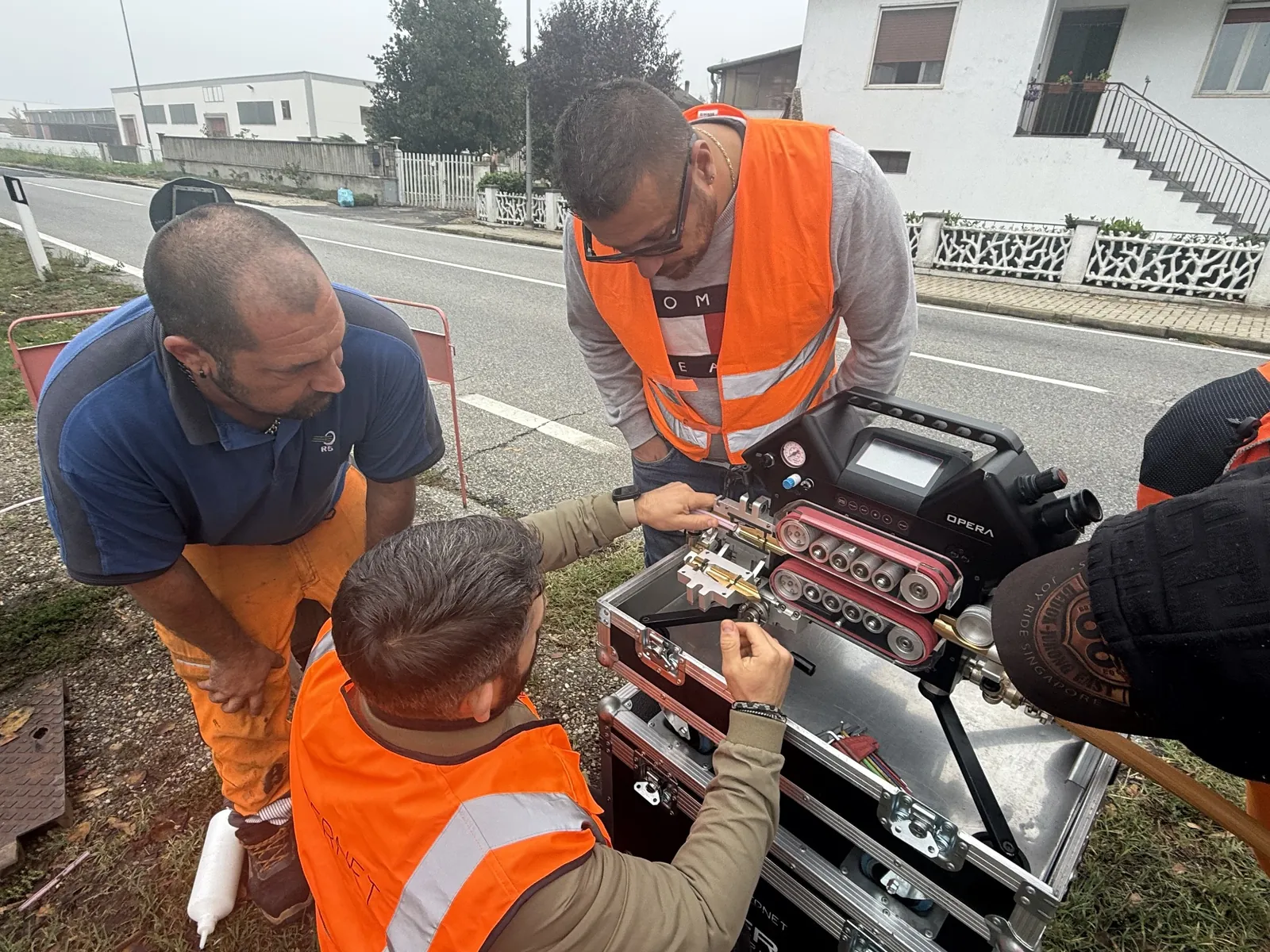
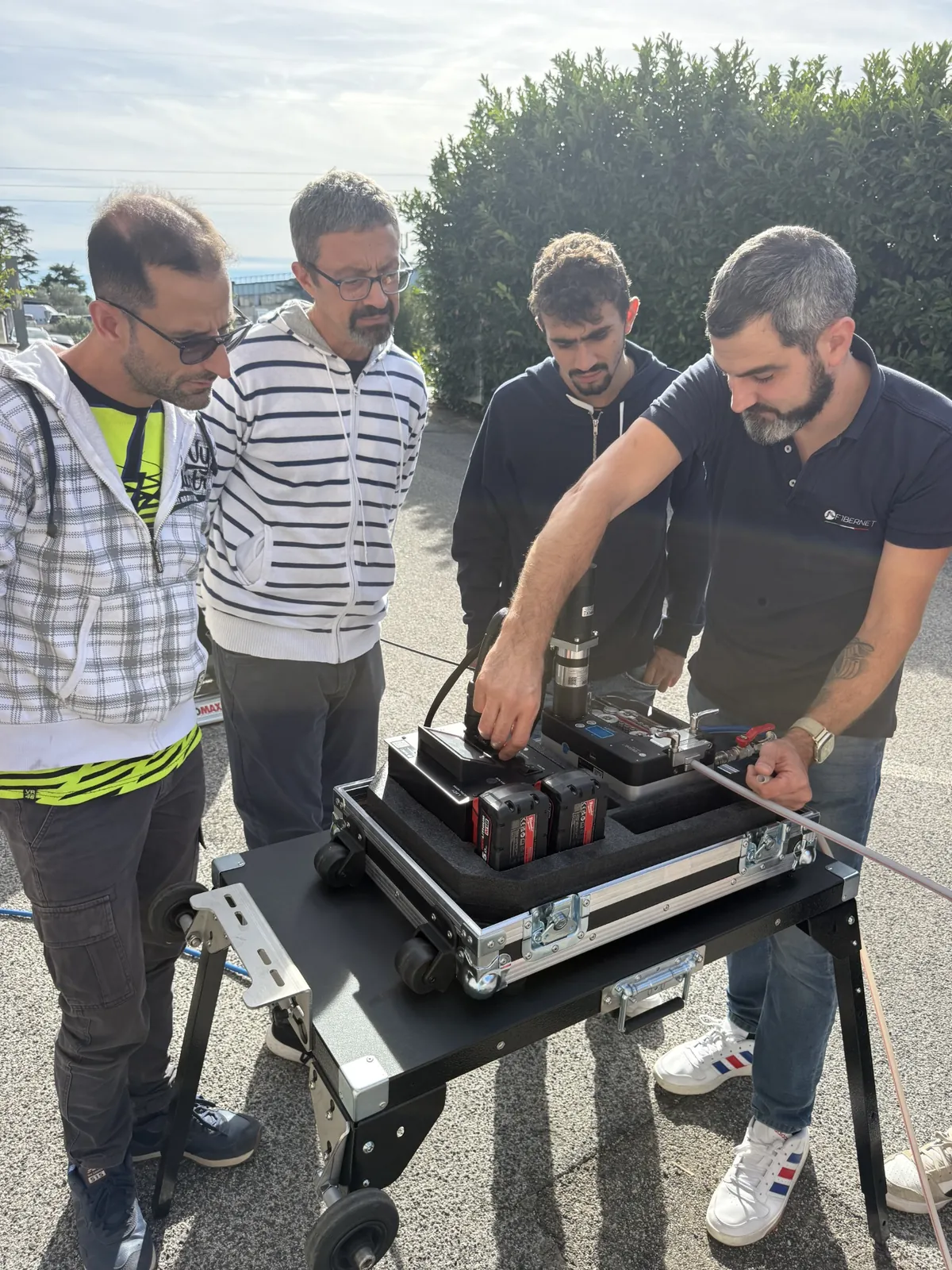
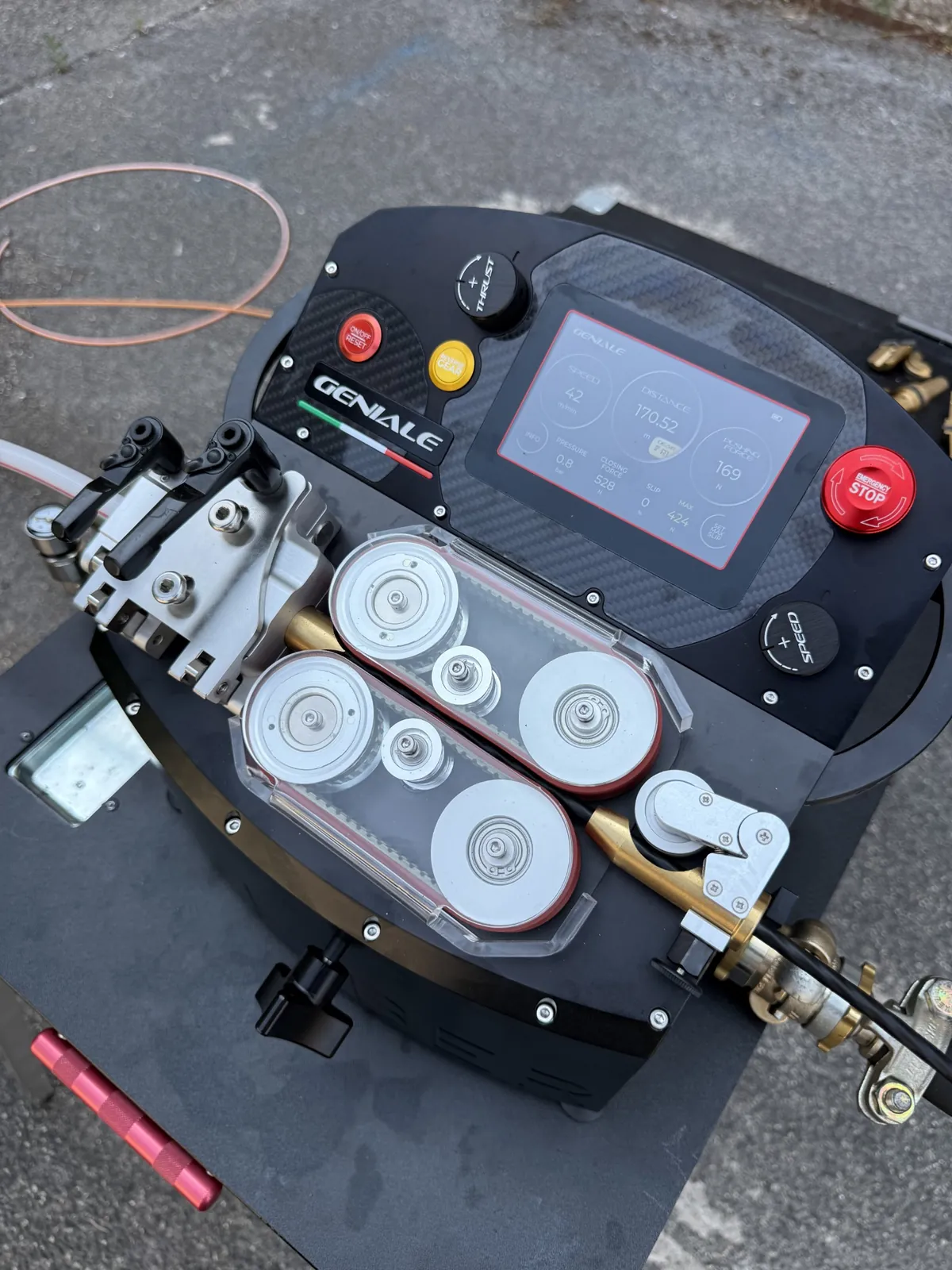
Read on Google“An excellent experience on the installer training course. The whole team was professional and knowledgeable.”
Cable blowing machines · Made in Italy
From last-mile connections to long-distance runs, a Fibernet technician can help you choose the right machine for your fiber optic cable installation.
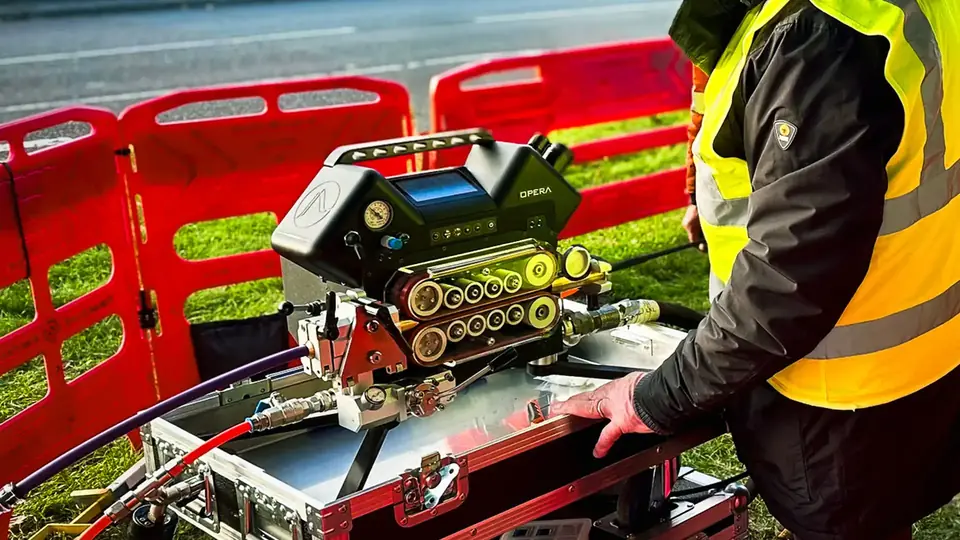
Opera, image 1 of 3
Expert advice direct from the manufacturer / Free demonstration on request
Some of our customers.
Keep your installation moving with Fibernet cable blowing machines.
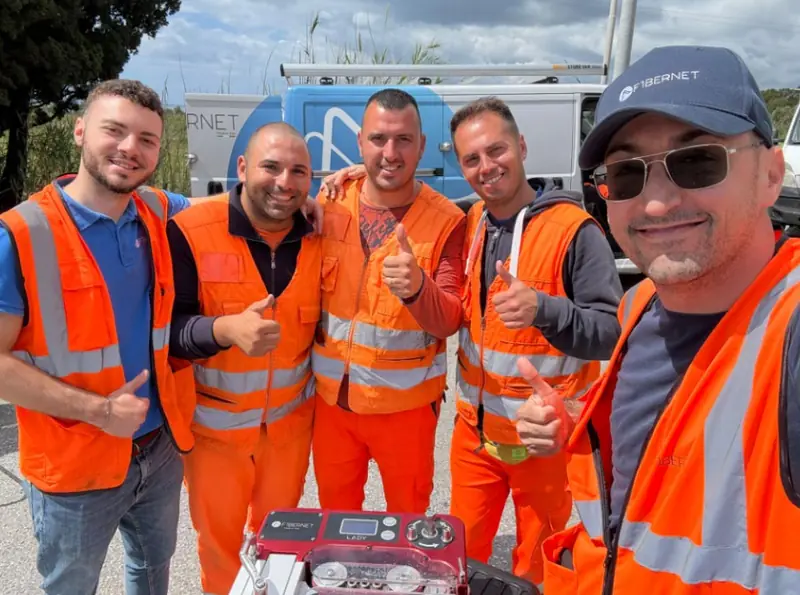
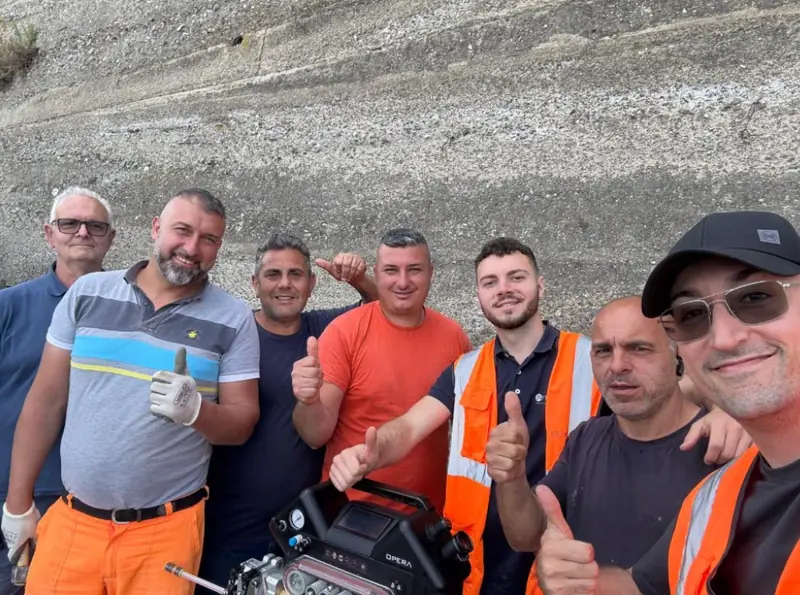
Photos and stories from installers, published by Fibernet.
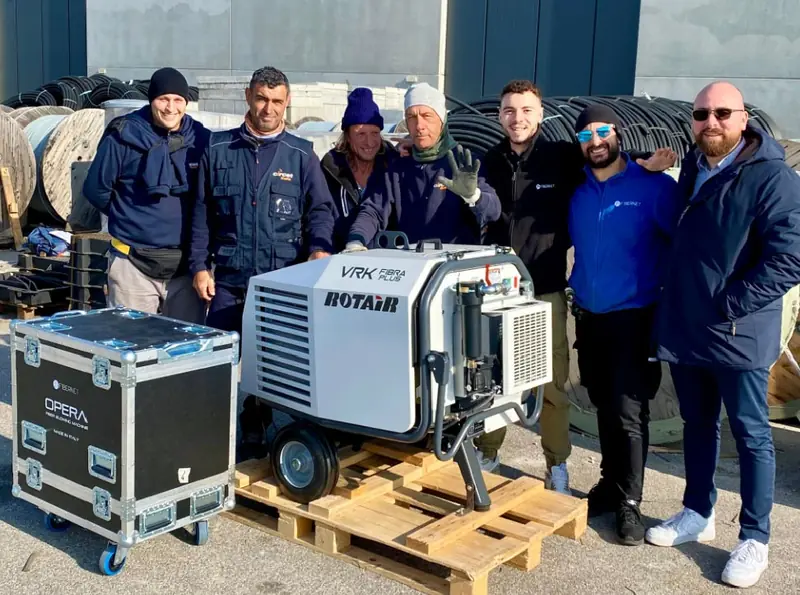
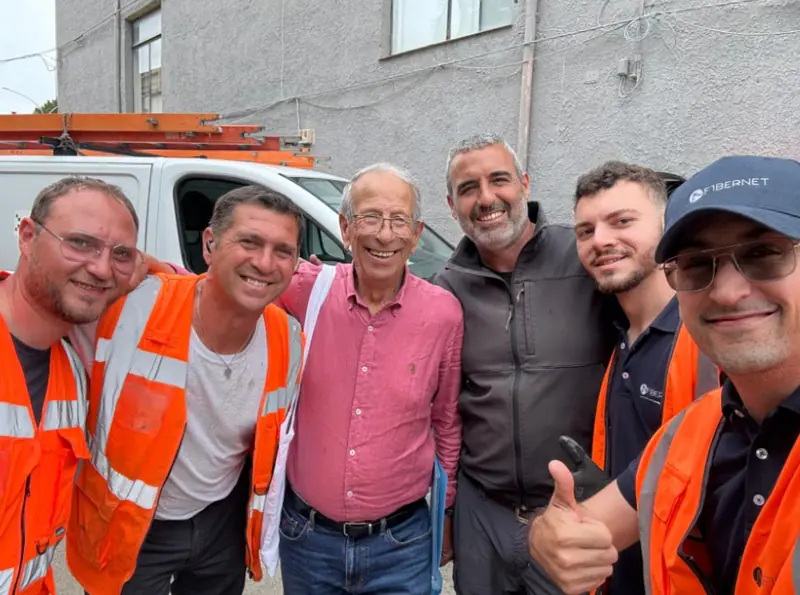
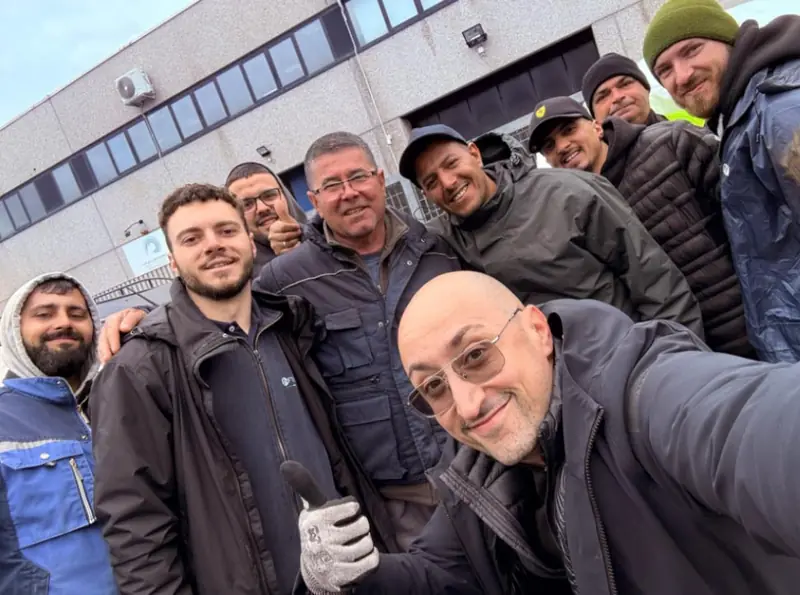
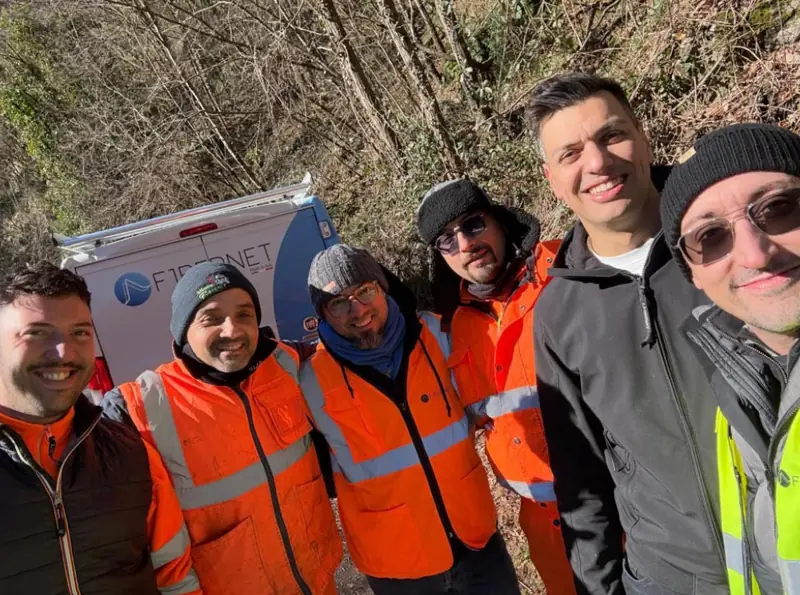 GoogleExcellentBased on 176 reviewsRead the reviews
Read on Google“An excellent experience on the installer training course. The whole team was professional and knowledgeable.”
Read on Google“I had the chance to try the Opera cable blowing machine on site…”
Read on Google“I really enjoyed this course. It took place in a pleasant setting with friendly, helpful people.”
Stories from installers
Hear the results from the installers themselves. Watch their testimonials right here.
Product videos
Three machines. Find your fit.
Start with the job at hand. Our technician can answer your questions about the right setup.
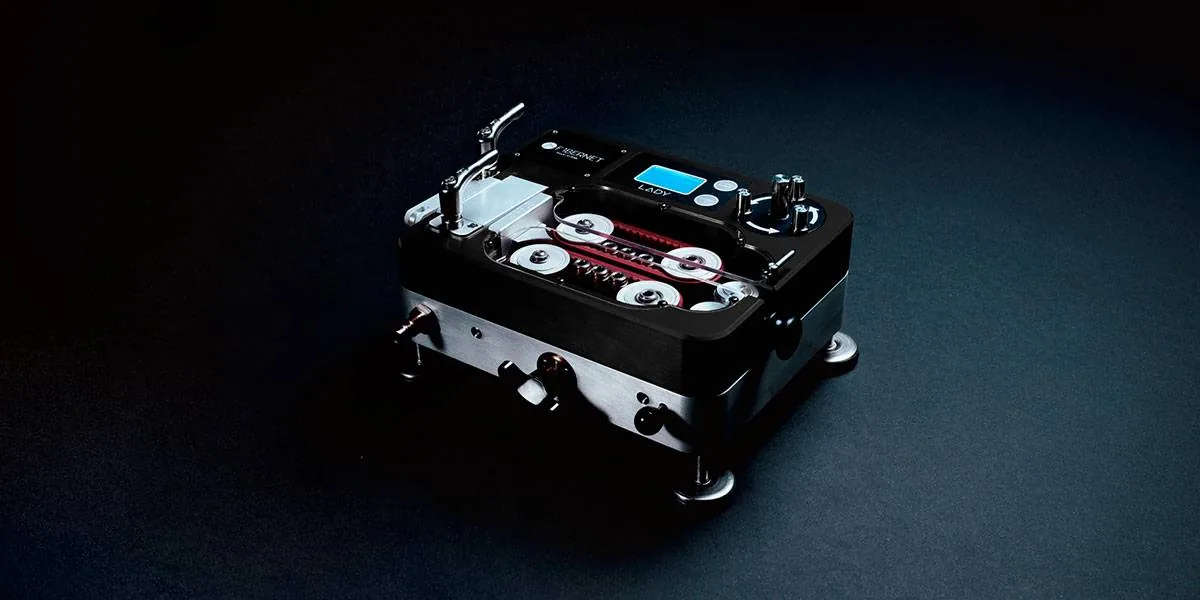
Compact and lightweight
A compact, lightweight machine for short runs.
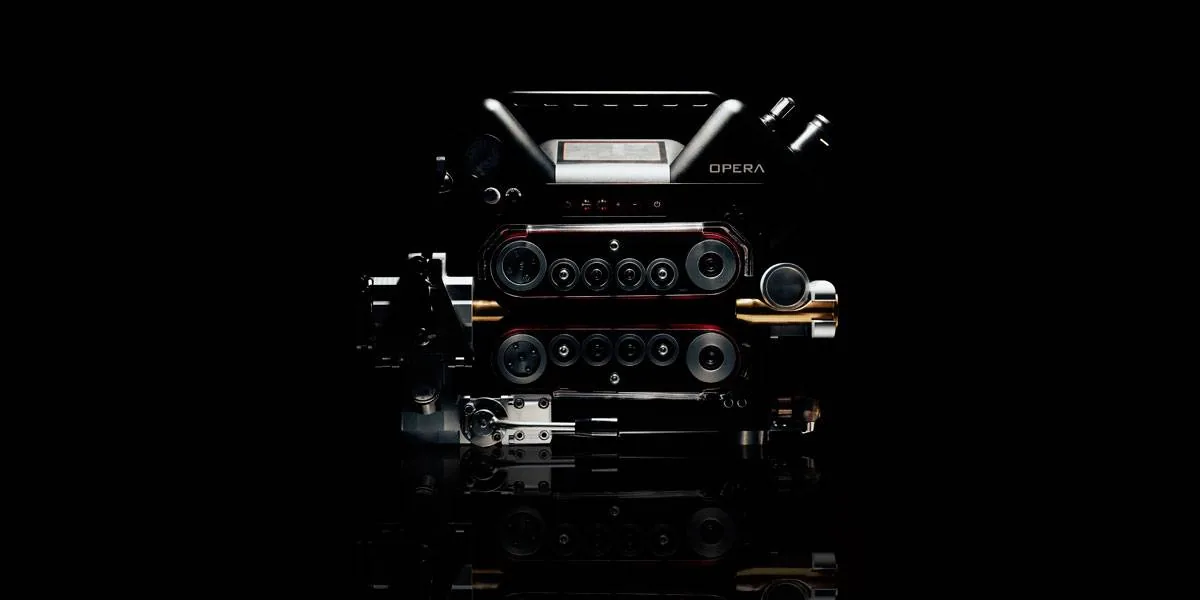
Pneumatic power
A pneumatic machine for long cable runs.
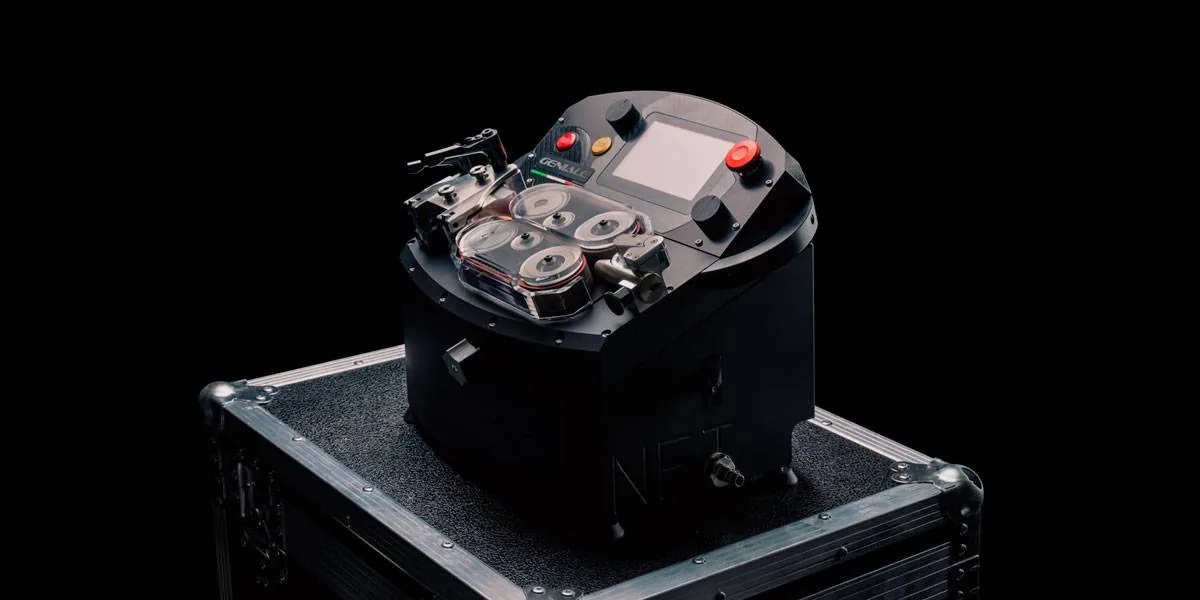
Electric, with two gears
For short and long runs. Two gears let you match force and speed to the job.
Specifications for the Fibernet range. The speeds shown are maximum values. Actual results depend on installation conditions and machine setup.
Direct from the manufacturer
When you’re working on site, you need practical answers. With Fibernet, you speak directly to the people who design and build your cable blowing machine.
Speak to a technicianA specialist technician can help when you need it.
Spare parts ready to ship, direct from the manufacturer.
If your machine breaks down, a replacement may be available within 48 hours.
Check availability and terms with your technician.Get help making the most of your machine, from your very first job.
See it in action before you choose
Request a free hands-on demonstration on your site or at Fibernet’s test facility. Discuss a real job with the technician.
Request a free demonstration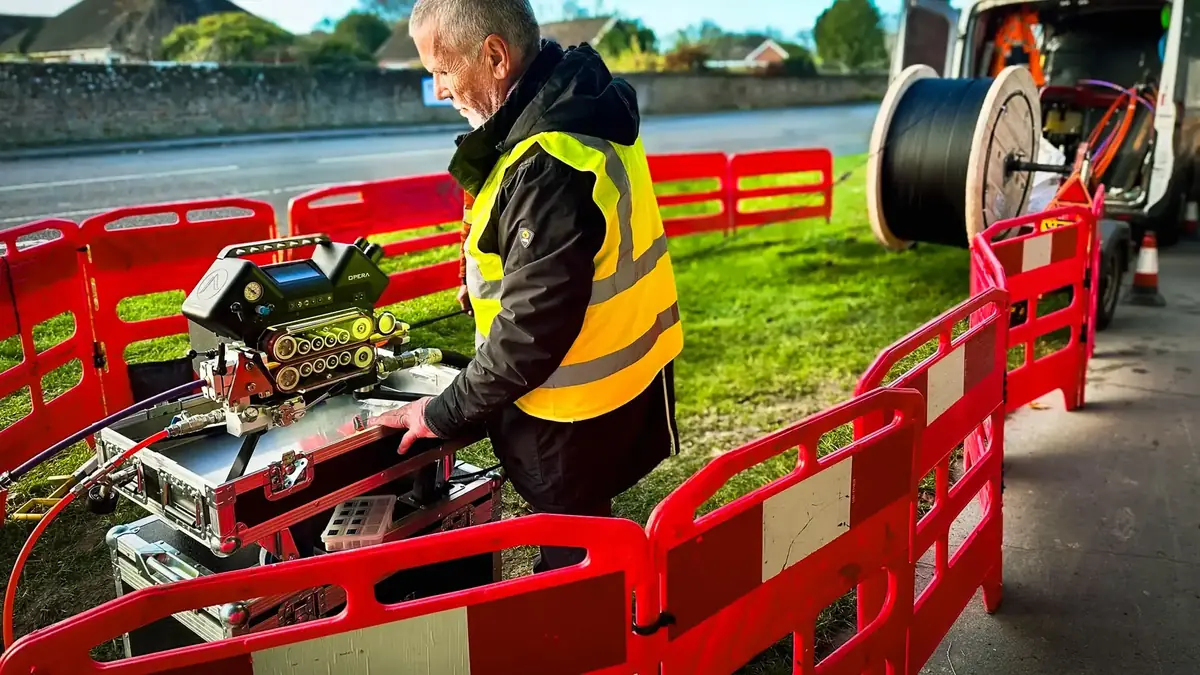
Choosing fiber optic cable blower hire starts with understanding the installation rather than selecting a machine solely by its daily rate. Contractors working on projects in Italy need equipment that matches the actual cable, duct, route, and operating conditions. Before requesting availability, record the cable outside diameter, duct inside diameter, planned section lengths, and number of access points. Include information about bends, elevation changes, and any existing duct condition reports. These details help establish whether a proposed machine configuration deserves further assessment and which accessories may be necessary. A machine that appears suitable from a photograph can still require different guides, seals, or drive components before it can handle the cable correctly. When discussing a cable blower for fiber optic cable installation, ask how the proposed configuration accommodates your specific dimensions and the cable manufacturer's handling limits. The relationship between pushing force, cable stiffness, friction, and airflow matters more than a headline distance claim. Installation length cannot be guaranteed from machine capacity alone because route geometry, duct preparation, leakage, and cable characteristics all influence results. Share the expected working conditions so that equipment discussions remain grounded in the job you actually need to complete. Air supply deserves the same attention as the blowing unit. Confirm the compressor requirements for the selected machine, including operating pressure, available flow, connection compatibility, and any specified air treatment. A compressed air fiber optic cable blower depends on an appropriate supply; increasing pressure indiscriminately is not a substitute for checking restrictions or unsuitable components. Ask which requirements apply to the exact model under consideration and verify that the planned compressor can meet them at the worksite. For a hire enquiry, commercial questions should be equally precise. Establish whether equipment is available for your dates and location, what the proposed arrangement includes, and whether transport, accessories, consumables, or support are charged separately. Do not assume that a product enquiry confirms a rental service or a reservation. Request written confirmation of the available supply options before committing crew time or arranging delivery. Fibernet provides a point of contact for discussing its Italian-made cable blowing machines and the practical requirements behind equipment selection. Its business background combines a company established in 2001 with technical experience rooted in early installation work in Italy. The introduction of its first blowing machine, Lady, in 2021 marked a specific step in that product development. Bring your project measurements and schedule to the discussion, and ask which machine configuration and supply route can be evaluated for your assignment. This approach gives purchasing staff and site supervisors a shared basis for assessing suitability without relying on assumptions about availability, performance, or the contents of a proposed hire package.
An effective equipment arrangement depends on what happens before the first cable enters the duct. For teams considering fiber optic cable blower hire, advance preparation can prevent a booked operating window from being consumed by avoidable setup problems. Start by confirming access to both ends of the intended section and checking whether intermediate access points affect the installation plan. Identify a stable position for the blowing machine, a suitable location for the cable drum, and a safe route for air hoses. Allow enough working space to guide the cable without sharp changes in direction or interference from passing vehicles and other site activities. Duct checks should follow the project specification and the applicable equipment instructions. Verify continuity, assess cleanliness, and investigate suspected obstructions before introducing the cable. Where testing or duct preparation is required, assign responsibility in advance rather than assuming that the equipment supplier will perform it. Confirm that connectors and temporary arrangements are appropriate for the planned pressure and that the duct system can be isolated safely. A pneumatic fiber optic cable blower should only be operated within its documented limits, with compatible components and a crew that understands the manufacturer's procedures. The cable also requires attention before setup begins. Inspect the drum and accessible cable surfaces for transport damage, confirm the cable identification against the work order, and review the manufacturer's limits for bending and mechanical loading. Arrange drum handling so that cable can feed smoothly without dragging across abrasive surfaces. When fitting guides, seals, and drive components, use the specified parts and adjustment procedure for the chosen machine. Excessive grip or an unsuitable guide is not a sensible response to poor progress; stop and investigate the cause instead of forcing the installation. Communication between access points is another practical requirement. Agree on clear start, stop, and emergency signals, and make sure every operator knows who controls the machine. Keep unauthorized personnel away from pressurized connections and cable exit areas. Depressurize the relevant system according to the operating instructions before disconnecting components or investigating a blockage. Site risk assessments and local safety requirements remain essential regardless of how long the machine will be used. When evaluating a cable jetting machine for fiber optic cable installation, discuss the controls, monitoring features, and operating documentation of the specific model rather than assuming all machines behave alike. Ask what support is available if setup questions arise and clarify contact hours for the project location. Fibernet's Italian-made product positioning, with assistance in the United States and worldwide, is relevant to contractors coordinating work across borders, but the scope and response arrangements should be confirmed for each enquiry. A prepared worksite makes those technical conversations more productive and gives the crew a clearer, safer basis for beginning the installation.
A short assignment and a rolling installation program can lead to very different equipment decisions. Fiber optic cable blower hire may be worth investigating when workload is temporary, a specific configuration is needed for a limited period, or a contractor wants to avoid committing capital before assessing recurring demand. However, the appropriate decision depends on confirmed commercial terms and technical suitability, not on an assumption that hiring is always cheaper. Build the comparison around the actual operating period, expected utilization, delivery location, and the accessories needed to complete the planned work. Separate the advertised rate from the total cost of making the equipment ready for your crew. A useful enquiry identifies which guides, seals, connections, and other model-specific components are included. It also asks about collection arrangements, return deadlines, cleaning requirements, damage responsibility, and any deposit or insurance conditions. If delays are possible, establish how extensions would be handled and whether continued availability would need separate approval. These are questions to resolve with the proposed provider; they should not be treated as standard Fibernet terms without a written offer. Clear responsibilities help avoid disputes when weather, access restrictions, or changes to the installation schedule affect the planned machine usage. Comparing fiber optic cable blower rental with purchase requires a similar level of detail. Ownership can offer scheduling control when suitable work is frequent, but it also brings storage, maintenance, inspection, and replacement-part responsibilities. Hiring may reduce some long-term commitments, yet repeated transport charges or additional rental days can change the calculation. Compare realistic scenarios using your own project pipeline rather than a general utilization rule. Include the consequences of equipment downtime and the availability of compatible components, because a low initial cost provides little value if the machine cannot be configured for the cable on site. A second hand fiber optic cable blower introduces a different set of checks. Request the equipment identification, documented service history where available, and details of wear affecting the drive system, sealing components, controls, and air connections. Verify that documentation and necessary parts remain obtainable for that particular machine. A used unit should not be judged solely by appearance or by an unverified claim about previous installation distances. Condition, configuration, and supportability need to be assessed together. Fibernet's family-led history and Italian manufacturing background provide context for conversations about its equipment, while assistance in the United States and worldwide can matter to international contractors. Ask what that assistance covers for your location, machine, and proposed arrangement. For projects in Italy, also confirm delivery responsibilities and the documentation supplied with the equipment. Send the team a concise project brief with cable and duct dimensions, timing, and site constraints, then request confirmation of available options. A documented comparison gives your business a stronger basis for deciding whether hire, purchase, or another equipment arrangement suits the work.
Fill out the form and discover what Fibernet Srl can do for you!
Contact us!Before you get started
If you prefer, speak to us directly.
+39 346 652 9915Compare the cable diameter, duct diameter and installation distance. Lady is compact and lightweight for short runs. Opera is pneumatic and designed for long runs. Geniale is electric and handles both. A Fibernet technician can help you choose.
Yes. You can request a free hands-on demonstration on your site or at Fibernet’s test facility. Tell us what you need in the form and a technician will arrange it with you. Request a demonstration.
To get a price, contact a Fibernet advisor using the form or call +39 346 652 9915.
Fibernet offers direct technical support, spare parts ready to ship and dedicated training. If your machine breaks down, a replacement may be available. Ask your technician about availability and terms.
Tell us about your job. We’ll help you find the right cable blowing machine.