Emanuele Zanda
Google review
★★★★★
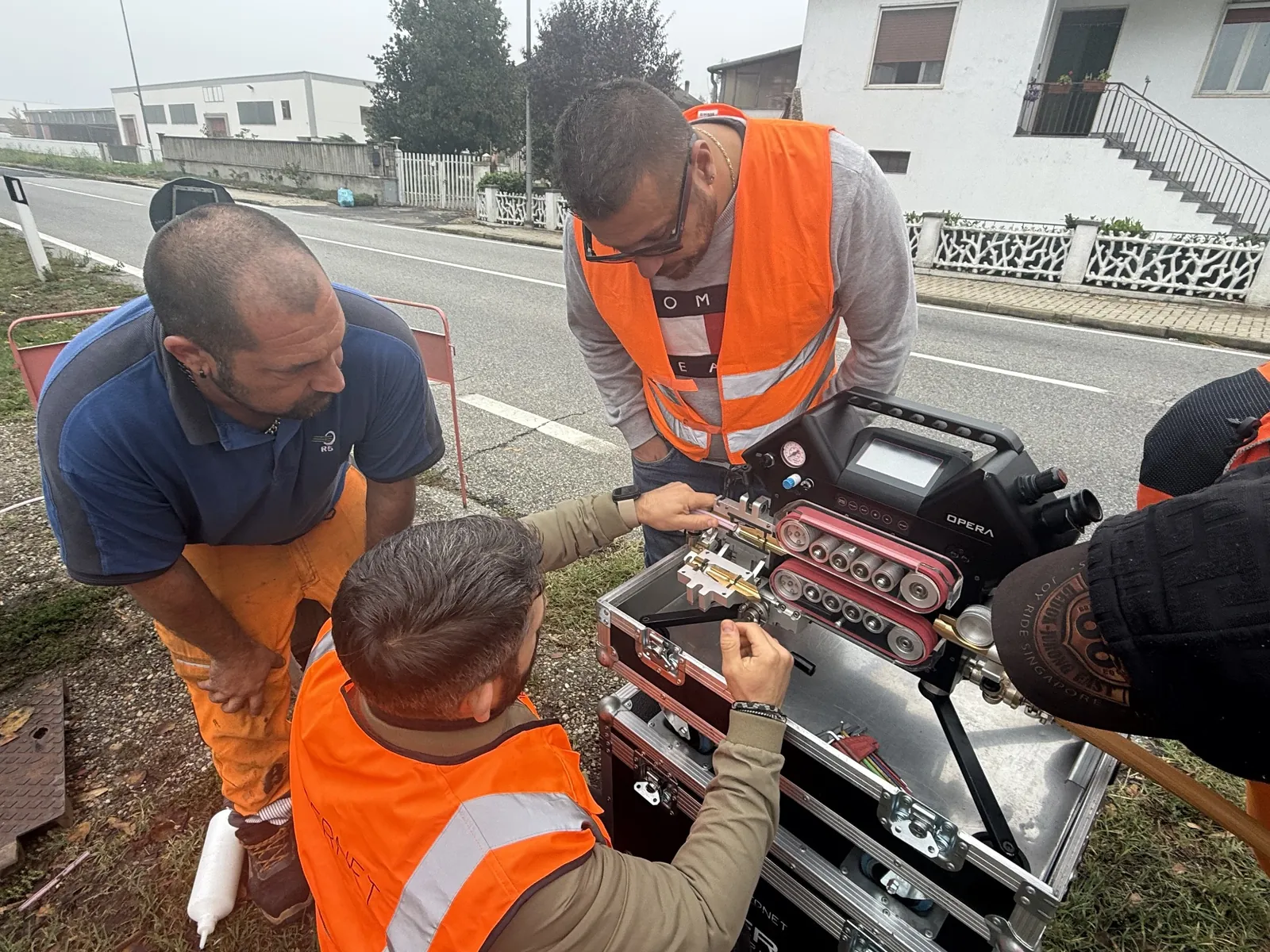
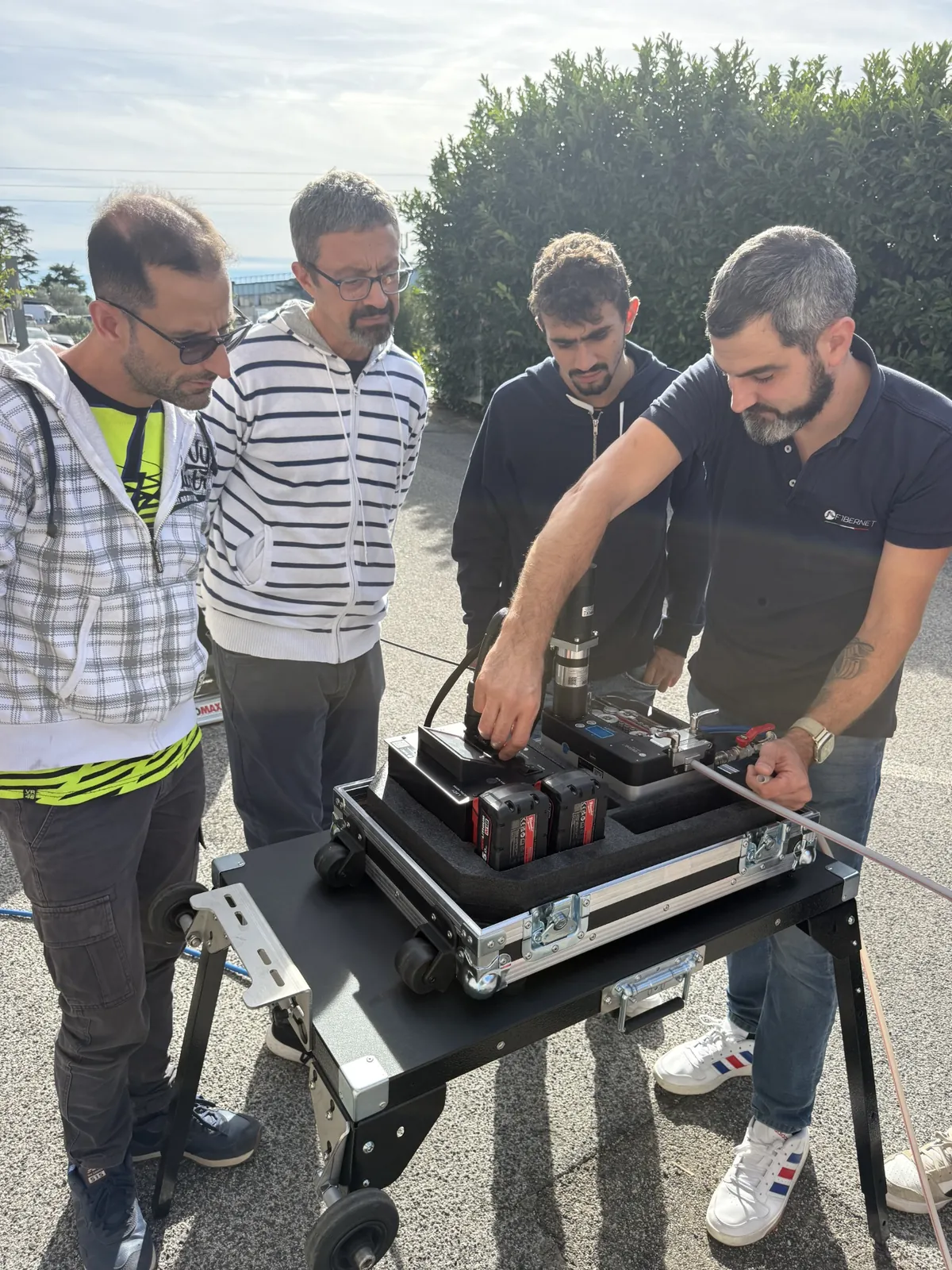
Read on Google“An excellent experience on the installer training course. The whole team was professional and knowledgeable.”
Cable blowing machines · Made in Italy
From last-mile connections to long-distance runs, a Fibernet technician can help you choose the right machine for your fiber optic cable installation.
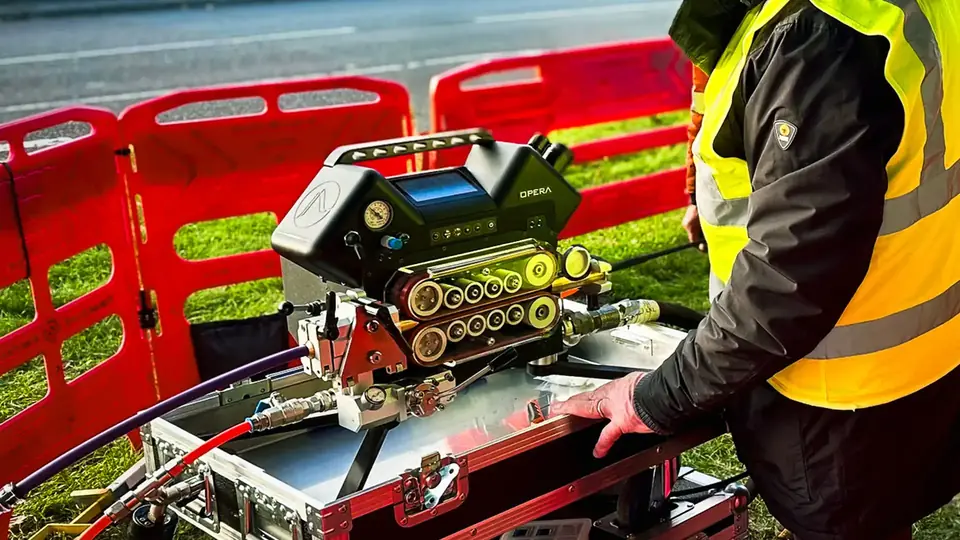
Opera, image 1 of 3
Expert advice direct from the manufacturer / Free demonstration on request
Some of our customers.
Keep your installation moving with Fibernet cable blowing machines.
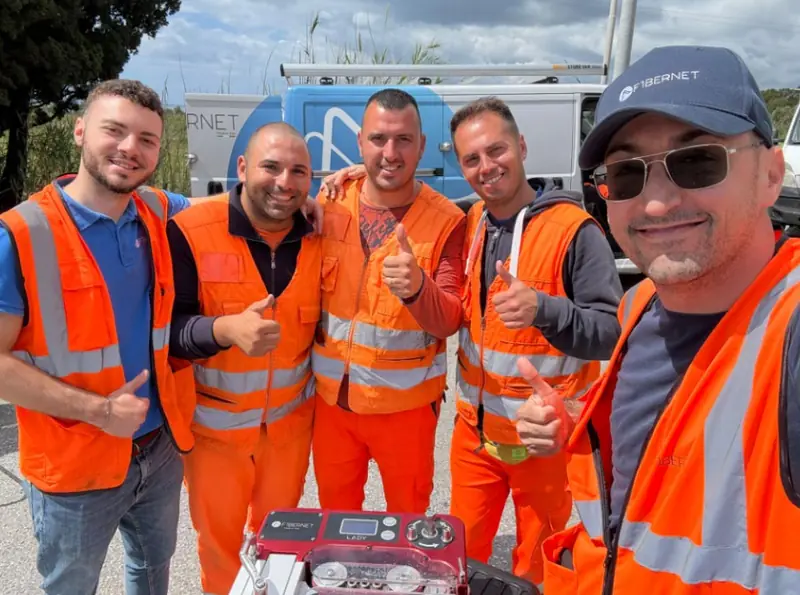
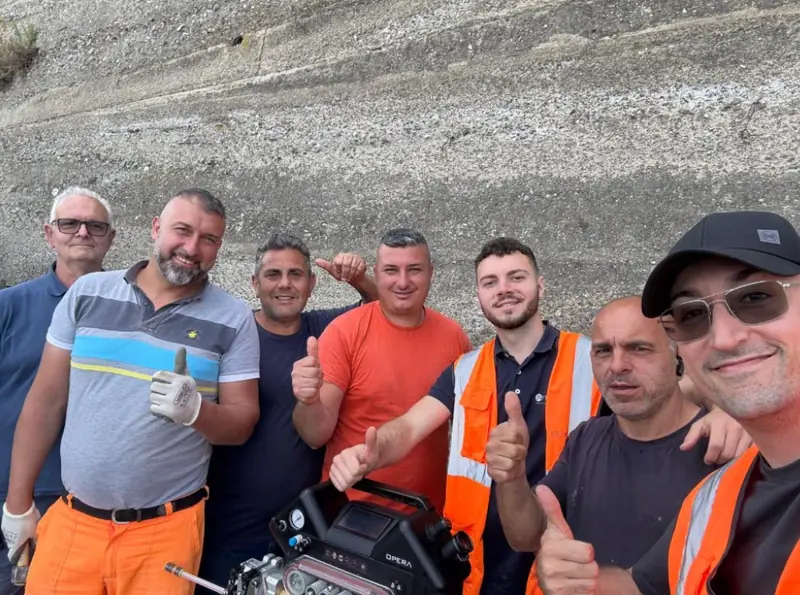
Photos and stories from installers, published by Fibernet.
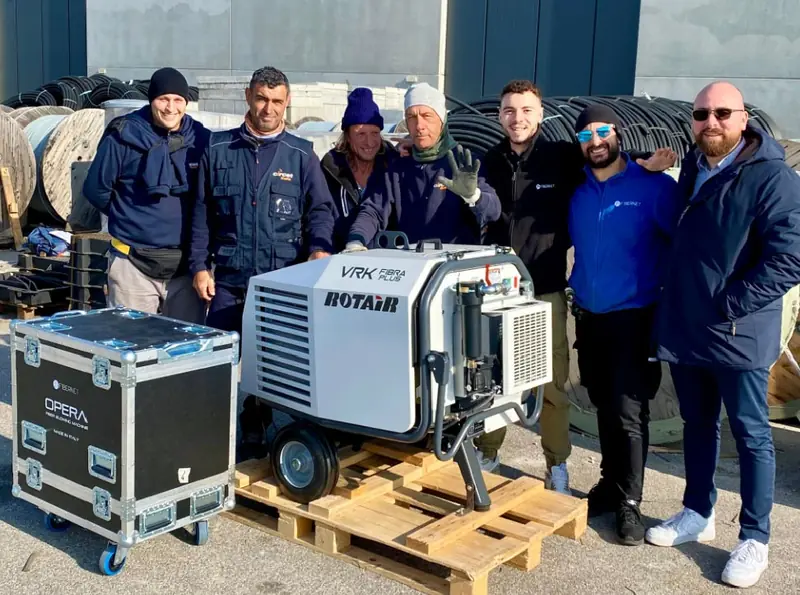
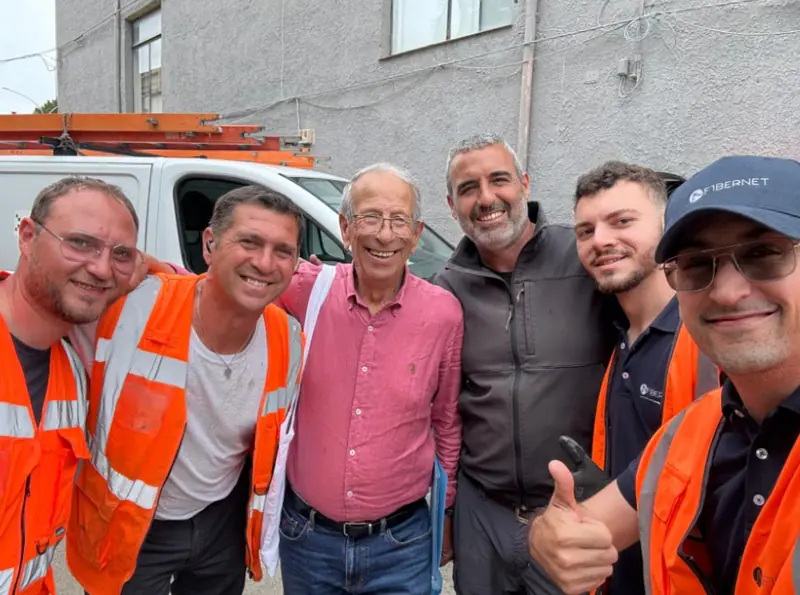
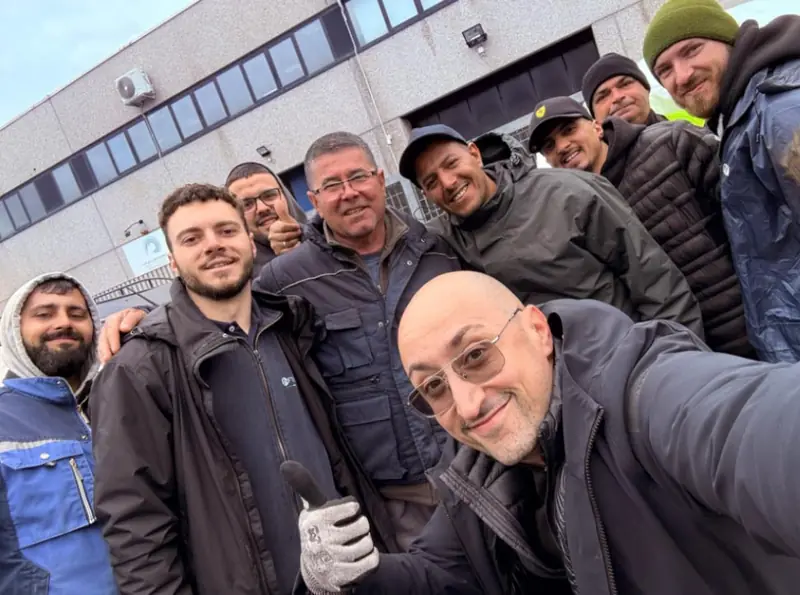
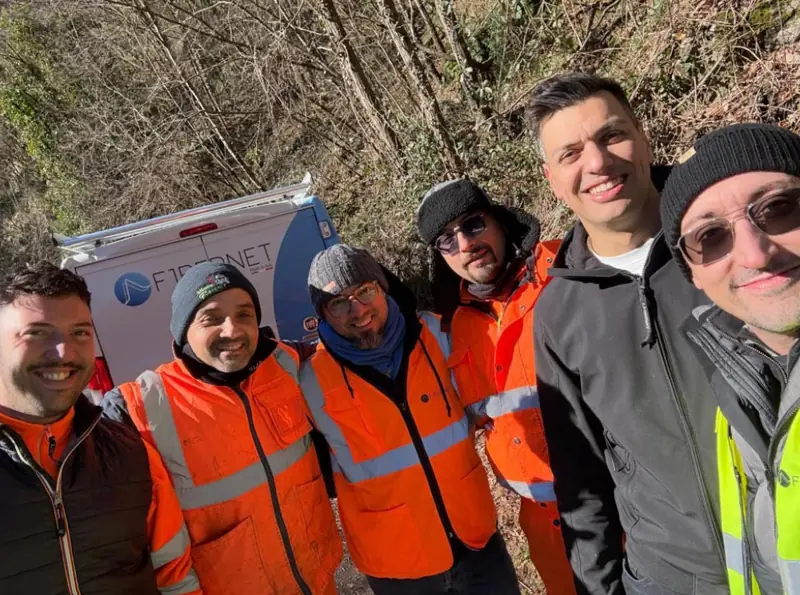 GoogleExcellentBased on 176 reviewsRead the reviews
Read on Google“An excellent experience on the installer training course. The whole team was professional and knowledgeable.”
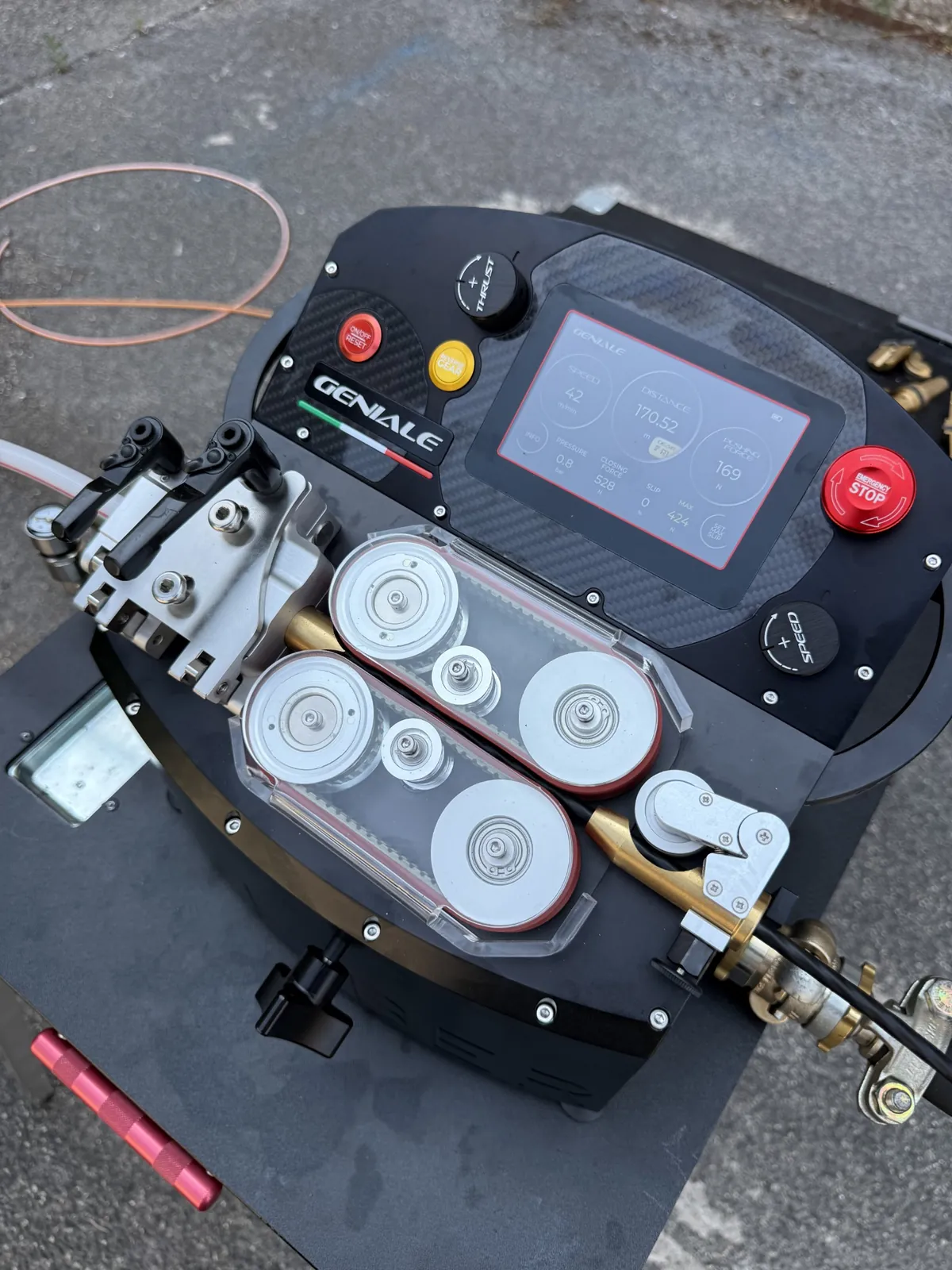
Read on Google“I had the chance to try the Opera cable blowing machine on site…”
Read on Google“I really enjoyed this course. It took place in a pleasant setting with friendly, helpful people.”
Stories from installers
Hear the results from the installers themselves. Watch their testimonials right here.
Product videos
Three machines. Find your fit.
Start with the job at hand. Our technician can answer your questions about the right setup.
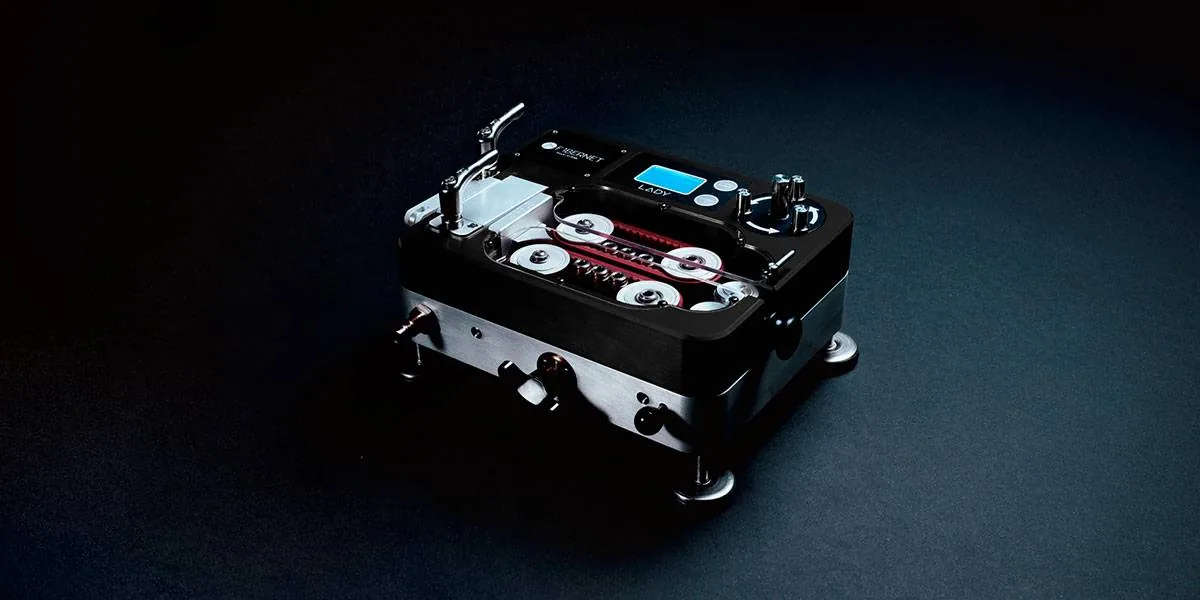
Compact and lightweight
A compact, lightweight machine for short runs.
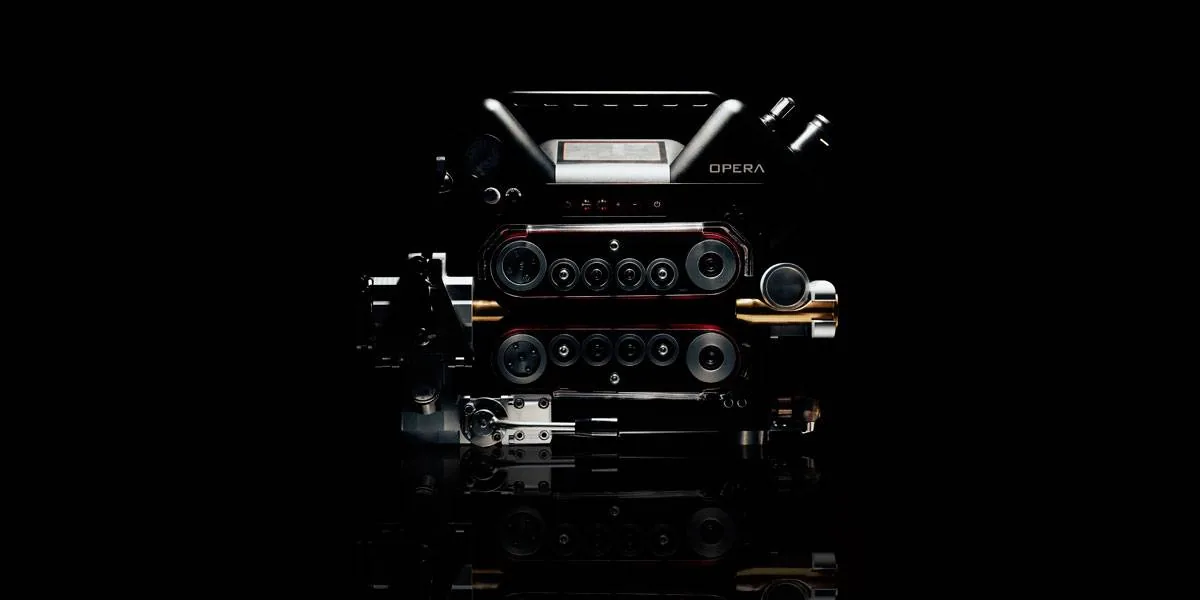
Pneumatic power
A pneumatic machine for long cable runs.
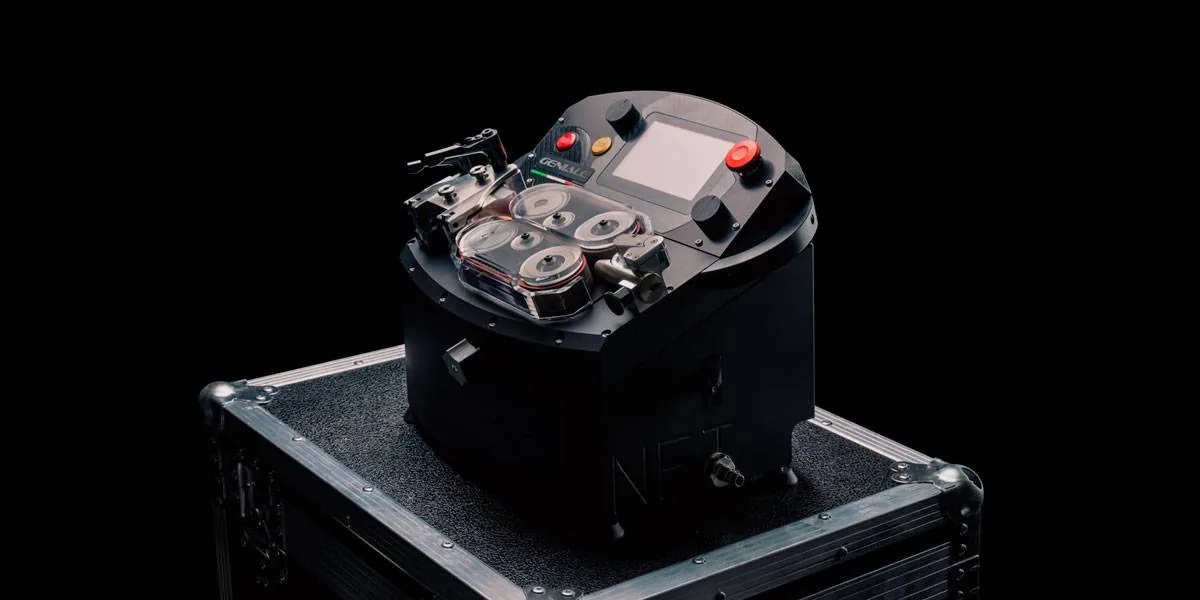
Electric, with two gears
For short and long runs. Two gears let you match force and speed to the job.
Specifications for the Fibernet range. The speeds shown are maximum values. Actual results depend on installation conditions and machine setup.
Direct from the manufacturer
When you’re working on site, you need practical answers. With Fibernet, you speak directly to the people who design and build your cable blowing machine.
Speak to a technicianA specialist technician can help when you need it.
Spare parts ready to ship, direct from the manufacturer.
If your machine breaks down, a replacement may be available within 48 hours.
Check availability and terms with your technician.Get help making the most of your machine, from your very first job.
See it in action before you choose
Request a free hands-on demonstration on your site or at Fibernet’s test facility. Discuss a real job with the technician.
Request a free demonstration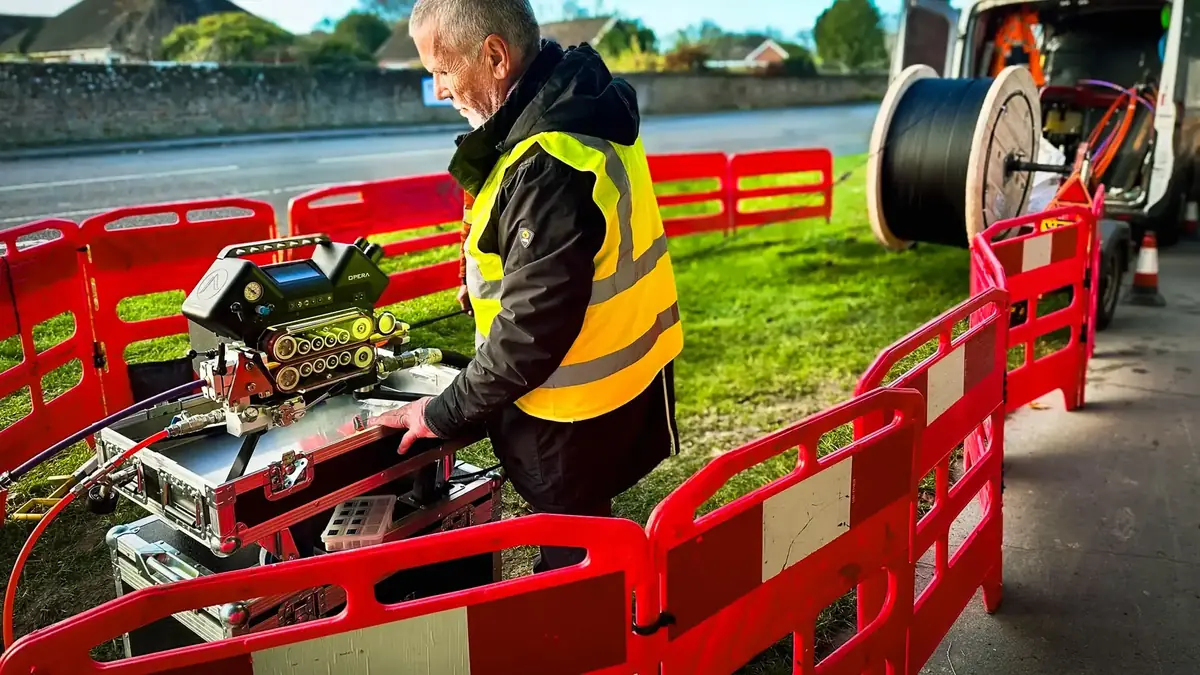
Choosing a fiber optic cable blower on rent starts with understanding the installation, not simply selecting a machine that is available on the required date. For contractors planning cable blowing work, the useful starting point is a clear description of the cable, duct, route, and working conditions. Cable outside diameter and duct inside diameter influence equipment compatibility, while cable construction and the manufacturer's handling limits help define acceptable operating conditions. Route length alone is not enough to judge suitability: bends, changes in elevation, duct connections, and the condition of the installed pathway can all affect progress. Before requesting equipment, gather the relevant specifications and identify any uncertainties that could change the setup. Fibernet provides a point of contact for discussing its Italian-made cable blowing equipment and support requirements in the United States and worldwide. Rental availability, applicable models, delivery arrangements, and commercial terms should be confirmed directly rather than assumed from a general product description. A useful inquiry explains when the work will begin, how many installation days are expected, and whether the crew needs equipment for one route or several different cable and duct combinations. This helps make the conversation about fiber optic cable blower rental more practical and reduces the risk of requesting an unsuitable configuration. Include the compressor specifications if compressed air will be used, along with details of available power and access at the launch position. Required air pressure and flow must be checked against the selected machine, duct, and cable specifications; a compressor should never be selected on pressure alone. Also ask which cable guides, duct clamps, seals, and other setup components are included, and which must be specified separately. These details matter because a machine that appears suitable in principle may still need different accessories for the actual cable dimensions. When assessing a cable blower for fiber optic cable installation, consider how the operator will load the cable, secure the duct, monitor progress, and stop the process safely. Ease of setup is valuable, but it should not replace compatibility checks or the operating instructions. For work in Italy, confirm local delivery and service arrangements; for American crews, clarify the corresponding United States arrangements before committing to a schedule. A well-prepared request allows the equipment discussion to focus on real operating needs rather than broad assumptions. The result is a more useful basis for comparing options, identifying missing information, and deciding whether a temporary equipment arrangement is appropriate for the planned cable blowing work. It also gives the supplier an opportunity to explain any limitations before the crew reaches the jobsite.
A short rental period can look economical until transport, accessories, compressor arrangements, and return conditions are added to the calculation. When considering a fiber optic cable blower on rent, ask for an itemized proposal that separates the equipment charge from any other applicable costs. Confirm how the rental period is measured, whether nonworking days count, and what happens if the installation schedule changes. Delivery and collection dates deserve particular attention because the crew may need time to inspect the equipment and verify the setup before productive work begins. Equally, a delayed return can affect the final amount even when the machine has stopped operating. These details should be settled in writing with the provider offering the equipment. Comparing fiber optic cable blower price information with a rental proposal requires a realistic view of how often the machine will be used. A contractor with occasional cable blowing assignments may evaluate temporary access differently from a crew with a continuous installation schedule. Ownership involves an initial purchase and ongoing responsibilities, while a rental arrangement may involve availability constraints and charges tied to the agreed period. Neither approach is automatically better. The relevant question is which arrangement fits the expected workload, equipment compatibility, support needs, and financial priorities. Avoid basing the decision on an assumed installation speed, because actual output depends on the route, cable behavior, duct condition, air supply, and operator practices. Ask how equipment condition is documented at handover and what inspection is expected on return. Photographs, an accessory checklist, and a record of visible wear can help both parties establish a clear starting point. Clarify responsibility for cleaning, damaged seals, missing components, and faults discovered during use. If a pneumatic fiber optic cable blower is being considered, verify the air supply requirements and any specified air treatment before arranging a compressor. Incompatible or inadequately prepared support equipment can undermine the value of an otherwise suitable machine. Fibernet's Italian manufacturing background can be considered alongside its stated support in the United States and worldwide, but the precise scope of assistance for any proposed rental must be confirmed. Ask who will answer technical questions, which time zone applies, and how replacement components or an equipment fault would be handled. Do not assume that technical assistance includes an onsite technician, immediate replacement, or a guaranteed response time unless those commitments are expressly agreed. A transparent comparison brings together the quoted rate, necessary accessories, logistics, operating requirements, and contractual responsibilities. That gives purchasing teams and site supervisors a shared basis for deciding whether the proposed arrangement supports the job without introducing avoidable uncertainty.
The value of a fiber optic cable blower on rent depends heavily on what happens before the cable enters the duct. A practical preparation process begins with checking the supplied machine against the order and confirming that its documentation and accessories match the intended application. The crew should review the manufacturer's instructions, identify the controls, and understand the required stopping procedure before starting work. Any machine adjustment must remain within the equipment instructions and the cable manufacturer's limits. Where the supplied equipment differs from a machine the operators already know, familiarity with cable blowing in general should not be treated as proof of familiarity with that particular model. Arrange an explanation of the operating requirements and resolve unanswered questions before the scheduled installation window. At the launch position, plan stable placement, a suitable cable feed path, and access to the required utilities. Keep the cable aligned with the machine and manage the supply reel so that avoidable resistance is not introduced before the cable reaches the duct. Duct preparation should follow the applicable installation procedure, including checks appropriate to its condition and the manufacturer's requirements. If lubrication is specified, confirm that the product and application method are compatible with the cable, duct, and equipment. More lubricant is not automatically better, and improvised substitutions can create additional problems. A compressed air fiber optic cable blower also requires attention to hoses, connections, and safe depressurization procedures. All components must be suitable for the intended operating conditions, and adjustments or disconnections must follow the relevant safety instructions. During operation, monitor the indicators provided by the selected machine and watch for changes in cable movement or feeding resistance. If progress becomes abnormal, stop and investigate rather than increasing force or pressure without understanding the cause. Record useful observations, including the setup used, route conditions, interruptions, and any adjustments made within approved limits. Such records support a more informed conversation if assistance is needed. Fibernet was founded in 2001, building on Giancarlo Trinei's technical experience, and introduced its first cable blowing machine, Lady, in 2021. That background provides context for its Italian-made equipment, while customers should still request current model specifications and application guidance for their own jobs. When arranging fiber optic cable blower hire, establish the support contact and prepare the machine identification, cable dimensions, duct dimensions, and operating observations that may be needed during troubleshooting. For United States projects, confirm how assistance will be coordinated locally; for projects in Italy or elsewhere, verify the relevant arrangements separately. Finally, allow time for inspection, cleaning according to instructions, accessory reconciliation, and documented return. Good preparation protects the schedule and makes temporary equipment use easier to manage from dispatch through completion.
Fill out the form and discover what Fibernet Srl can do for you!
Contact us!Before you get started
If you prefer, speak to us directly.
+39 346 652 9915Compare the cable diameter, duct diameter and installation distance. Lady is compact and lightweight for short runs. Opera is pneumatic and designed for long runs. Geniale is electric and handles both. A Fibernet technician can help you choose.
Yes. You can request a free hands-on demonstration on your site or at Fibernet’s test facility. Tell us what you need in the form and a technician will arrange it with you. Request a demonstration.
To get a price, contact a Fibernet advisor using the form or call +39 346 652 9915.
Fibernet offers direct technical support, spare parts ready to ship and dedicated training. If your machine breaks down, a replacement may be available. Ask your technician about availability and terms.
Tell us about your job. We’ll help you find the right cable blowing machine.