Emanuele Zanda
Google review
★★★★★
Read on Google“An excellent experience on the installer training course. The whole team was professional and knowledgeable.”
Cable blowing machines · Made in Italy
From last-mile connections to long-distance runs, a Fibernet technician can help you choose the right machine for your fiber optic cable installation.
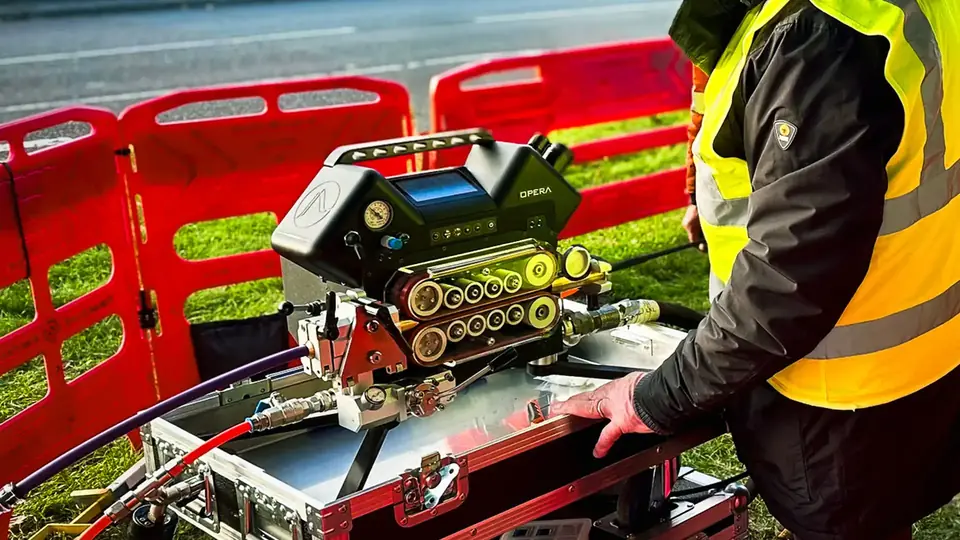
Opera, image 1 of 3
Expert advice direct from the manufacturer / Free demonstration on request
Some of our customers.
Keep your installation moving with Fibernet cable blowing machines.
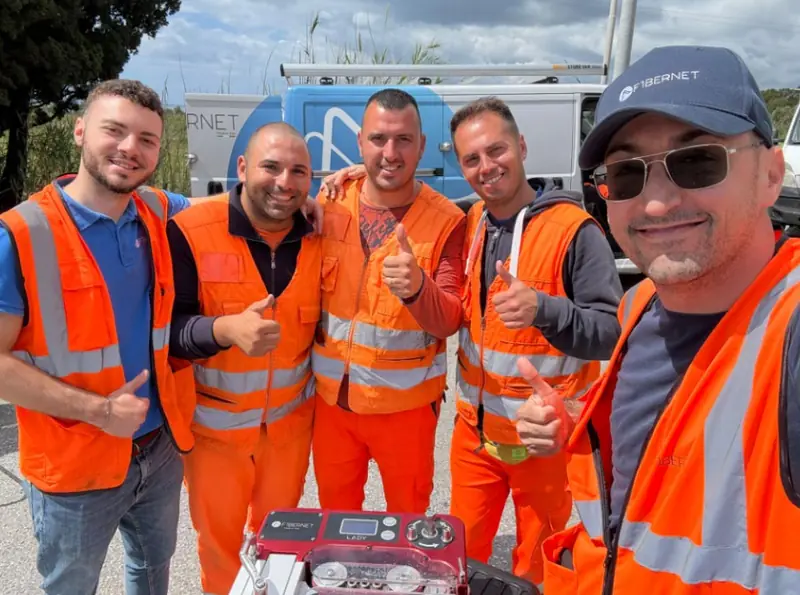
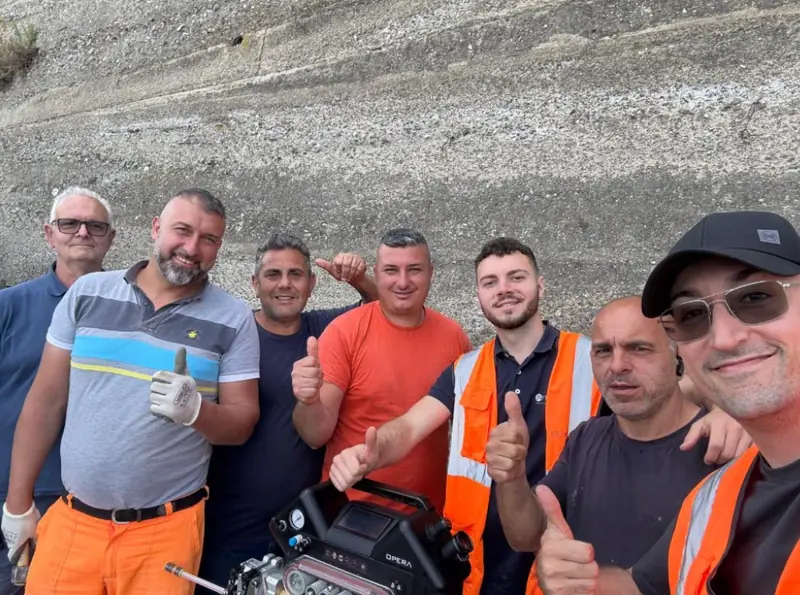
Photos and stories from installers, published by Fibernet.
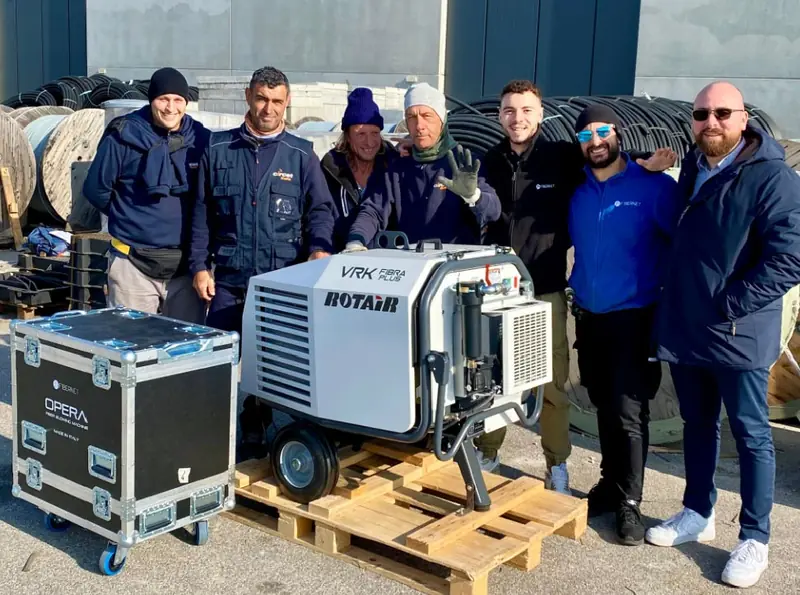
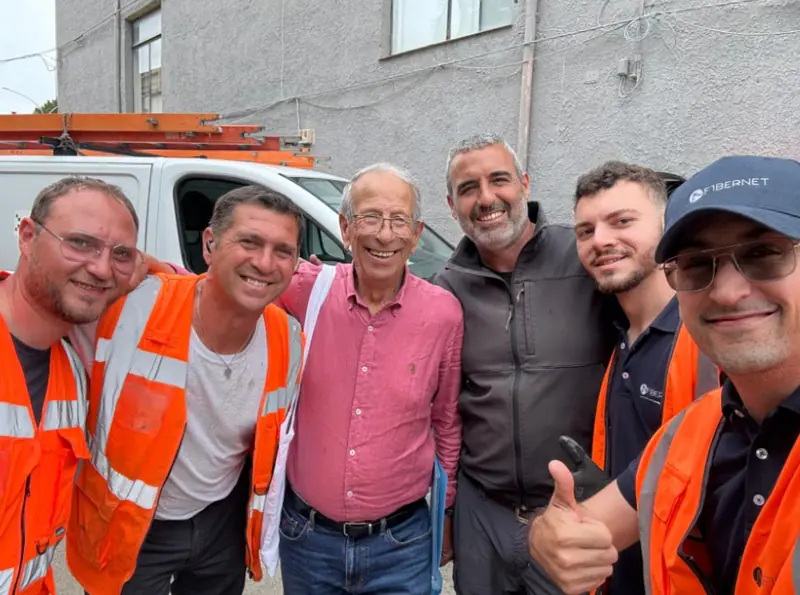
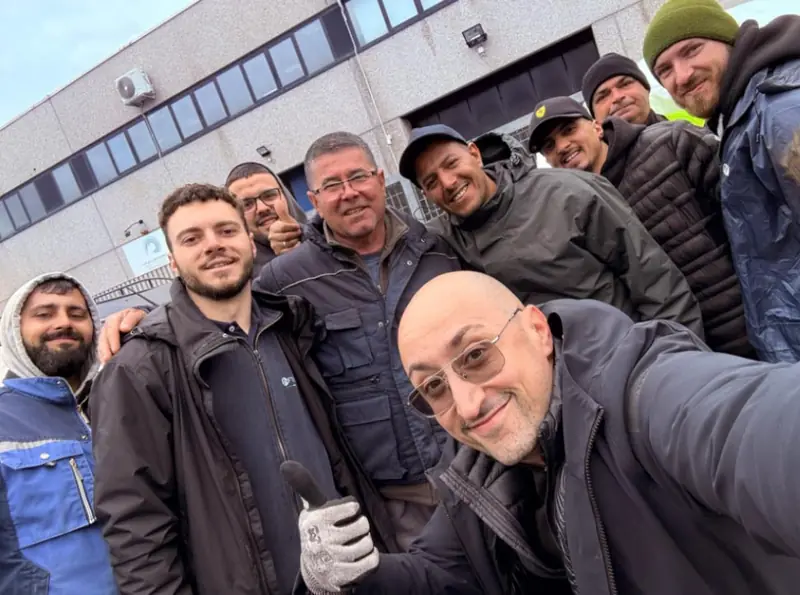
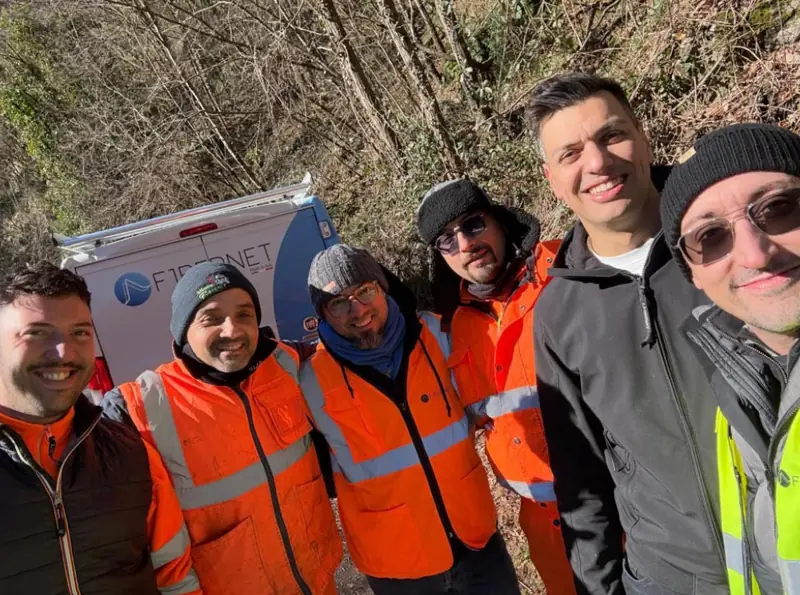 GoogleExcellentBased on 176 reviewsRead the reviews
Read on Google“An excellent experience on the installer training course. The whole team was professional and knowledgeable.”
Read on Google“I had the chance to try the Opera cable blowing machine on site…”
Read on Google“I really enjoyed this course. It took place in a pleasant setting with friendly, helpful people.”
Stories from installers
Hear the results from the installers themselves. Watch their testimonials right here.
Product videos
Three machines. Find your fit.
Start with the job at hand. Our technician can answer your questions about the right setup.
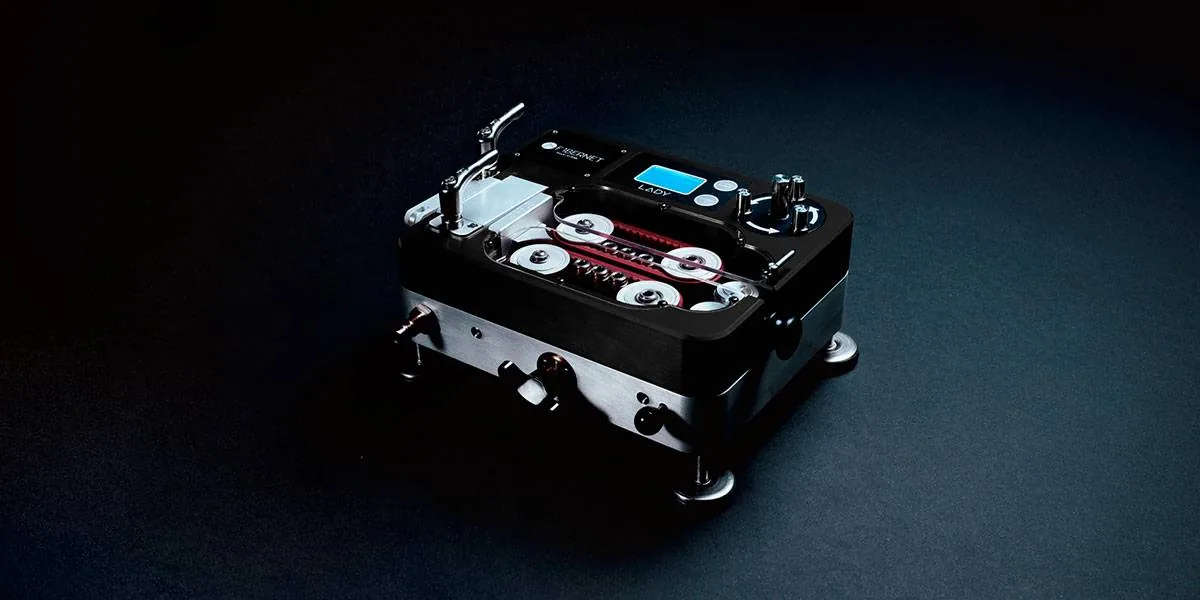
Compact and lightweight
A compact, lightweight machine for short runs.
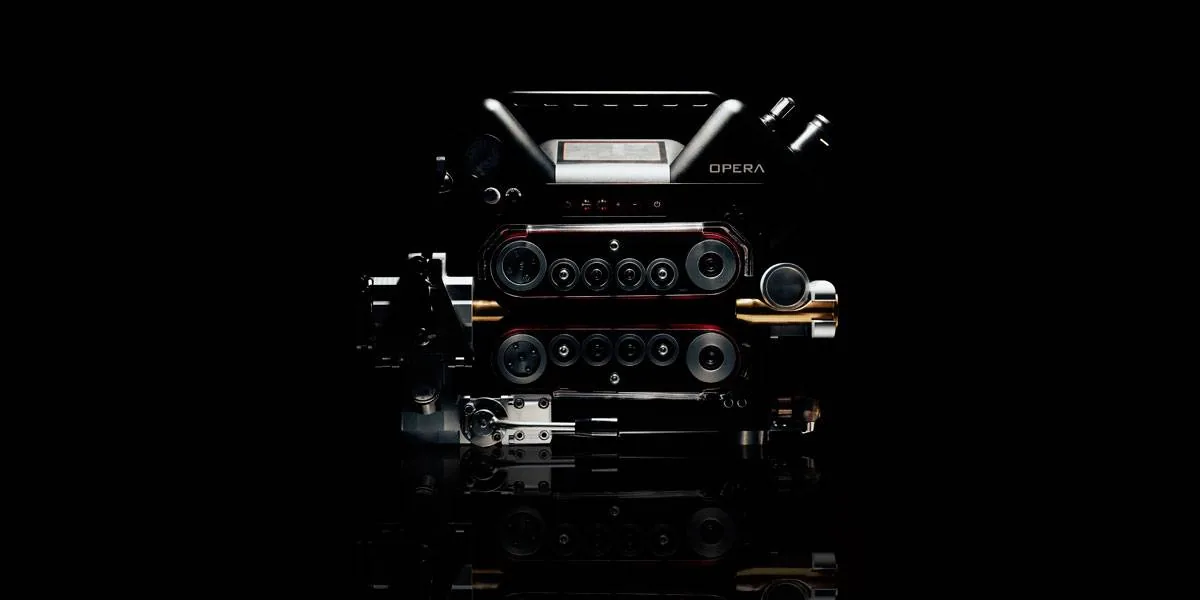
Pneumatic power
A pneumatic machine for long cable runs.
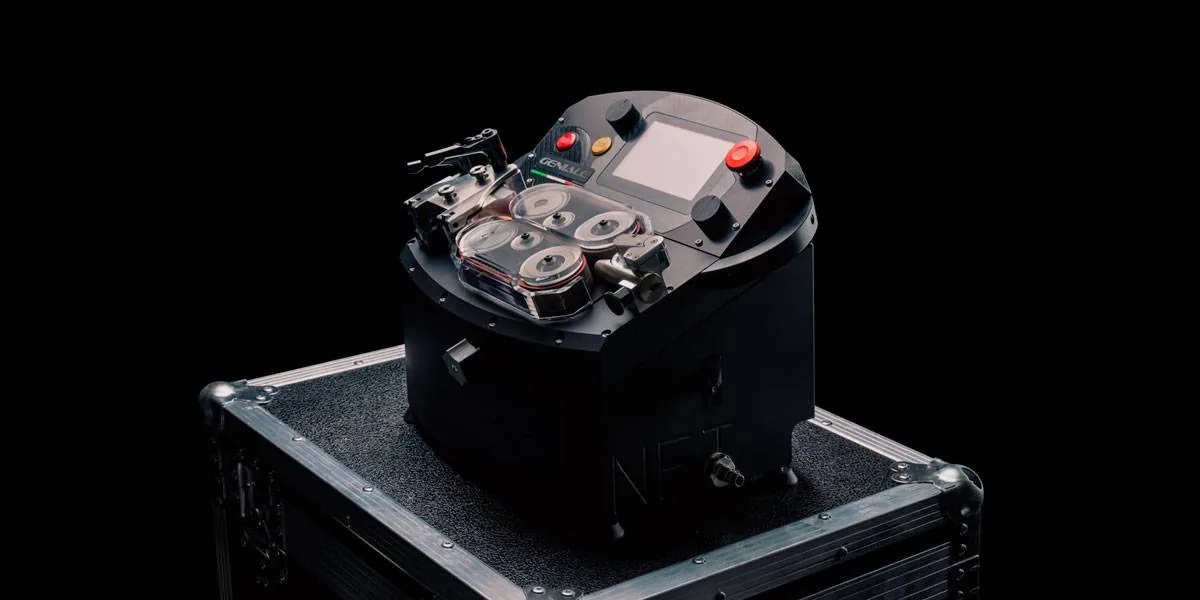
Electric, with two gears
For short and long runs. Two gears let you match force and speed to the job.
Specifications for the Fibernet range. The speeds shown are maximum values. Actual results depend on installation conditions and machine setup.
Direct from the manufacturer
When you’re working on site, you need practical answers. With Fibernet, you speak directly to the people who design and build your cable blowing machine.
Speak to a technicianA specialist technician can help when you need it.
Spare parts ready to ship, direct from the manufacturer.
If your machine breaks down, a replacement may be available within 48 hours.
Check availability and terms with your technician.Get help making the most of your machine, from your very first job.
See it in action before you choose
Request a free hands-on demonstration on your site or at Fibernet’s test facility. Discuss a real job with the technician.
Request a free demonstration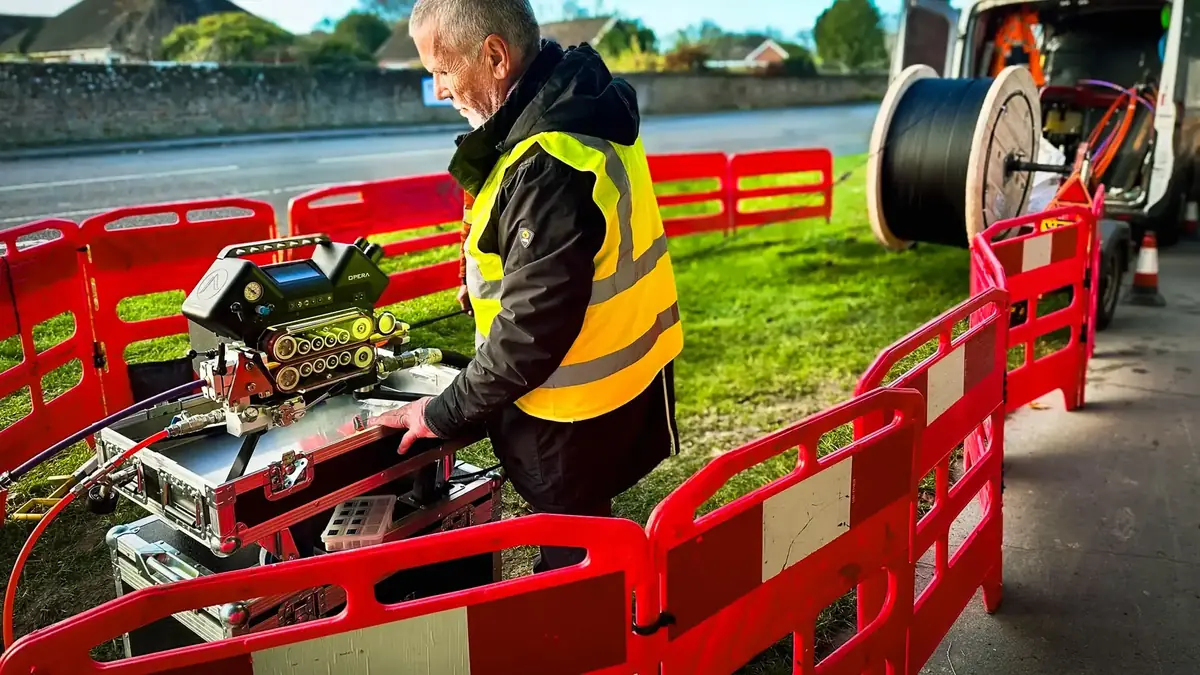
Choosing fiber blowing machine hire starts with understanding the installation rather than simply finding equipment for a particular date. A machine must suit the cable, the duct, the available compressed air, and the conditions your crew will encounter. For American contractors evaluating Italian-made equipment, Fibernet offers a useful starting point for discussing those requirements. Founded in Italy in 2001, the company combines a longstanding technical background with a product development approach focused on practical installation work. Its first cable blowing machine, Lady, was launched in 2021. When contacting the team, describe your application and ask which equipment configuration could be appropriate, whether a rental arrangement is available for your location, and what support can be provided before committing to a schedule. Start with accurate cable and duct measurements. The outside diameter of the cable and the inside diameter of the duct help establish whether the proposed combination falls within a machine’s documented operating range. Cable construction, stiffness, weight, and allowable pushing force also matter. A route with frequent bends can behave differently from a straight section of the same length, while poorly prepared duct joints may introduce resistance or air leakage. Sharing these details helps make a conversation about fiber cable blowing machine hire more productive and reduces the risk of choosing equipment based on an incomplete specification. Compressed air deserves equal attention. Do not assume that any compressor on the jobsite will deliver suitable pressure, flow, and air quality. Ask for the selected machine’s requirements, check them against the compressor’s documented output, and confirm the suitability of hoses, connectors, and any required air treatment. Pressure and airflow are different parameters, and both must be considered alongside the limitations of the duct and cable. Always work within the relevant manufacturers’ instructions rather than using higher pressure to compensate for an unexplained obstruction. Before mobilization, establish who will inspect the route, prepare the cable reel, verify duct continuity, and organize communication between access points. These responsibilities influence installation readiness just as much as the machine itself. Ask Fibernet about the documentation, setup guidance, and assistance available for the proposed equipment, including support arrangements in the United States and elsewhere. Italian manufacturing can be an important purchasing consideration, but a successful project also requires clear compatibility checks and realistic operating expectations. A well-prepared inquiry therefore includes the expected installation dates, site location, cable data sheet, duct dimensions, route characteristics, and compressor information. With those details available, your team can assess a fiber optic cable blowing machine against actual site requirements instead of relying on a general description or an assumed performance figure.
A short installation window does not automatically make fiber blowing machine hire the lowest-cost solution. The better decision depends on equipment availability, the number of productive working days, transportation, compatible accessories, and the consequences of a delay. Contractors should compare the complete proposed arrangement rather than treating a daily or weekly rate as the total project cost. Because rental availability and commercial terms can vary, ask Fibernet directly whether it can offer an arrangement for your project and request written confirmation of the equipment, dates, location, and responsibilities involved. This keeps planning grounded in confirmed information rather than assumptions about stock or service coverage. Build your comparison around the work you actually expect to complete. A single installation with a defined start and finish may justify a different approach from a continuing program that requires equipment every month. If your crews regularly return to similar cable and duct combinations, ownership may deserve consideration. If the application is unusual, discussing compatibility before making either decision becomes especially important. When comparing a fiber blowing machine price with a proposed rental cost, include the expected frequency of use, maintenance responsibilities, storage, transportation, and the availability of appropriate consumable or replacement components. Avoid assuming that a cheaper initial option will necessarily produce a cheaper completed installation. Ask what is included in any quotation. Depending on the proposed configuration, your crew may need compatible cable guides, duct connections, sealing components, hoses, or other application-specific items. Their inclusion should be stated rather than inferred. Clarify whether the compressor is separate, who supplies the required connections, and whether any preparation or inspection must take place before equipment is dispatched. If rental is available, establish how the charging period begins and ends, what happens if the project is postponed, and how collection or return is organized. These details help prevent a workable technical solution from becoming an avoidable scheduling problem. For a contractor serving American jobsites, assistance arrangements also deserve commercial scrutiny. Ask how to contact support, which working hours apply, what information technicians need, and how parts or service requests are handled in your area. Fibernet’s Italian-made equipment and support in the United States and worldwide provide relevant topics for that discussion, but response times and specific service commitments should be confirmed for your project. Comparing fiber optic cable blowing machine hire with ownership is ultimately a utilization decision supported by technical facts. Give the supplier your likely workload, operating conditions, and planned deployment dates, then request a proposal that separates equipment, accessories, transport, and support. A transparent comparison gives purchasing staff and field supervisors a shared basis for choosing the most suitable route without relying on unsupported savings or guaranteed output.
Reliable installation begins before the equipment arrives at the access point. Even when the machine is compatible with the cable and duct, disorganized preparation can consume the working window and make troubleshooting harder. For teams considering fiber blowing machine hire, the practical objective is to establish a repeatable setup process with clear responsibilities and manufacturer-approved operating limits. Fibernet’s background is relevant to this technical conversation: founder Giancarlo Trinei worked on early Italian cable installations and testing, and the company later developed its own Italian-made blowing equipment. That experience provides context for discussing real installation challenges, while the suitability of any particular machine still needs to be checked against its current documentation. Begin with the condition of the route. Follow the applicable procedures for checking that the duct is continuous, appropriately prepared, and suitable for the planned installation. Inspect accessible connections and confirm that components used with compressed air have the correct ratings. Identify changes in direction, elevation, or access that could affect the work. Cable handling should be planned at the same time: reel position, controlled payout, bend radius, and the space around the machine all influence how consistently the cable feeds. Keep the working area organized so the operator can observe the process without avoidable interference from hoses, packaging, or moving equipment. Before starting an optical fiber cable blowing machine, verify that the fitted components match the application and that guards and safety devices are in place. The crew should understand the emergency stop procedure and the manufacturer’s instructions for releasing pressure before any adjustment or disconnection. Establish communication with personnel at other access points and agree on who can authorize starting, pausing, or stopping. If progress becomes irregular, stop and investigate according to the documented procedure instead of increasing force or pressure without understanding the cause. Cable limits, duct ratings, and equipment settings must all remain within their specified boundaries. Record the information that could make a support request useful. Cable and duct dimensions, installed distance, selected settings, compressor details, route conditions, and the observed symptoms can help explain a problem more clearly than a statement that the machine has stopped advancing. Ask Fibernet which records, photographs, or identification details its support team recommends collecting. Also confirm the available assistance channels for the United States and international locations before deployment, particularly when work will occur outside ordinary business hours. Whether your final choice is ownership or fiber cable blowing machine hire, preparation should include an agreed process for inspection after use and the handling of worn or damaged components. Clear records help distinguish an equipment issue from a route, air supply, or cable-handling problem. They also support better planning for the next installation, making technical knowledge and disciplined site preparation valuable beyond a single project.
Fill out the form and discover what Fibernet Srl can do for you!
Contact us!Before you get started
If you prefer, speak to us directly.
+39 346 652 9915Compare the cable diameter, duct diameter and installation distance. Lady is compact and lightweight for short runs. Opera is pneumatic and designed for long runs. Geniale is electric and handles both. A Fibernet technician can help you choose.
Yes. You can request a free hands-on demonstration on your site or at Fibernet’s test facility. Tell us what you need in the form and a technician will arrange it with you. Request a demonstration.
To get a price, contact a Fibernet advisor using the form or call +39 346 652 9915.
Fibernet offers direct technical support, spare parts ready to ship and dedicated training. If your machine breaks down, a replacement may be available. Ask your technician about availability and terms.
Tell us about your job. We’ll help you find the right cable blowing machine.