Emanuele Zanda
Google review
★★★★★
Read on Google“An excellent experience on the installer training course. The whole team was professional and knowledgeable.”
Cable blowing machines · Made in Italy
From last-mile connections to long-distance runs, a Fibernet technician can help you choose the right machine for your fiber optic cable installation.
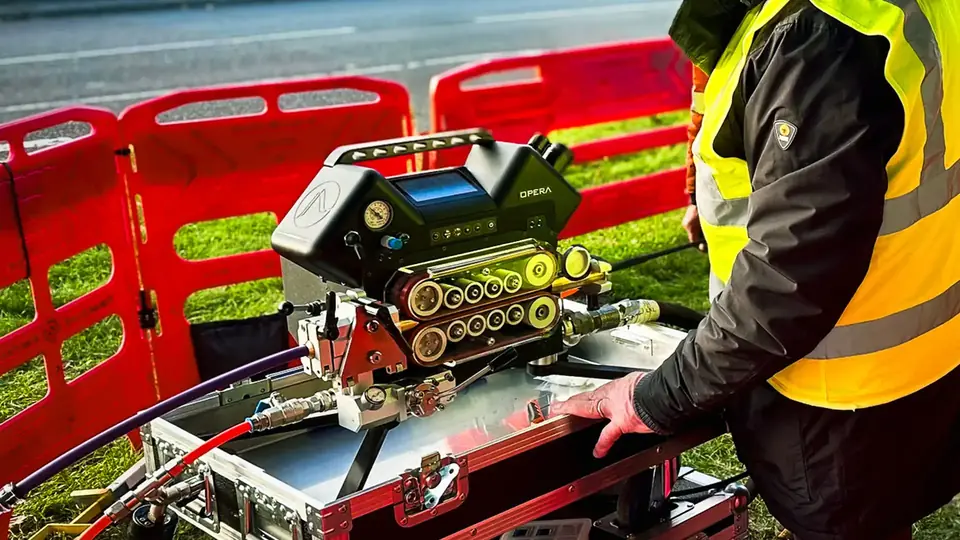
Opera, image 1 of 3
Expert advice direct from the manufacturer / Free demonstration on request
Some of our customers.
Keep your installation moving with Fibernet cable blowing machines.
Photos and stories from installers, published by Fibernet.
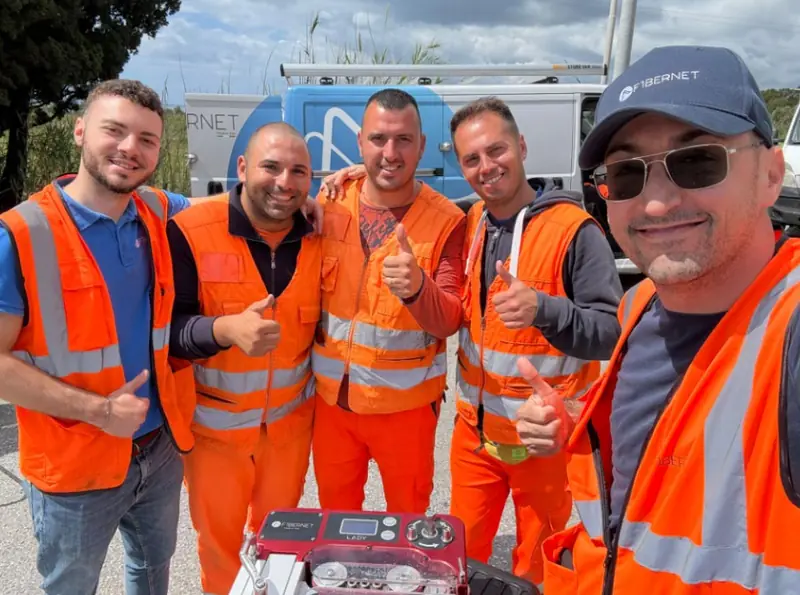
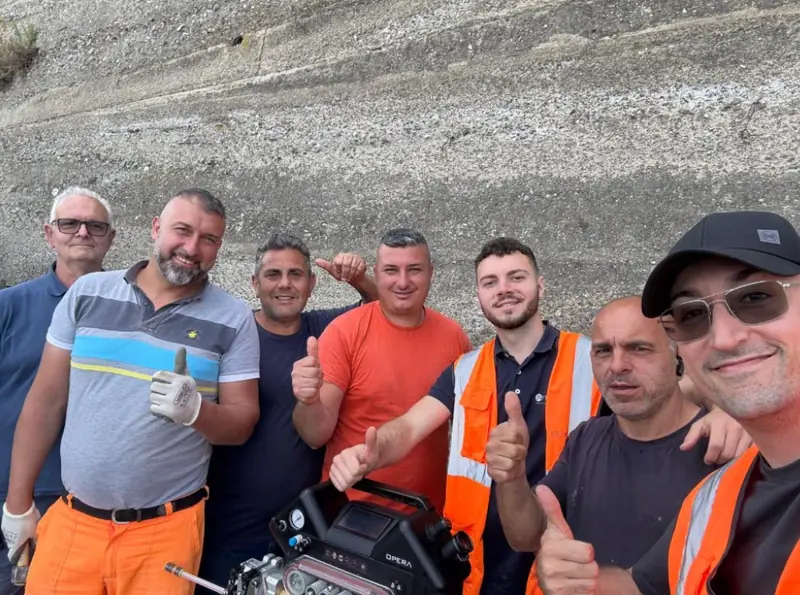
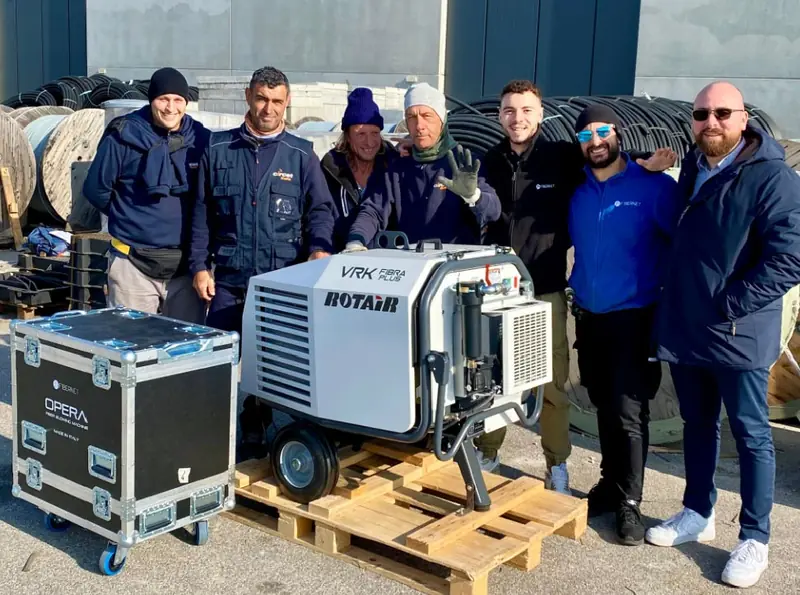
 GoogleExcellentBased on 176 reviewsRead the reviews
Read on Google“An excellent experience on the installer training course. The whole team was professional and knowledgeable.”
Read on Google“I had the chance to try the Opera cable blowing machine on site…”
Read on Google“I really enjoyed this course. It took place in a pleasant setting with friendly, helpful people.”
Stories from installers
Hear the results from the installers themselves. Watch their testimonials right here.
Product videos
Three machines. Find your fit.
Start with the job at hand. Our technician can answer your questions about the right setup.
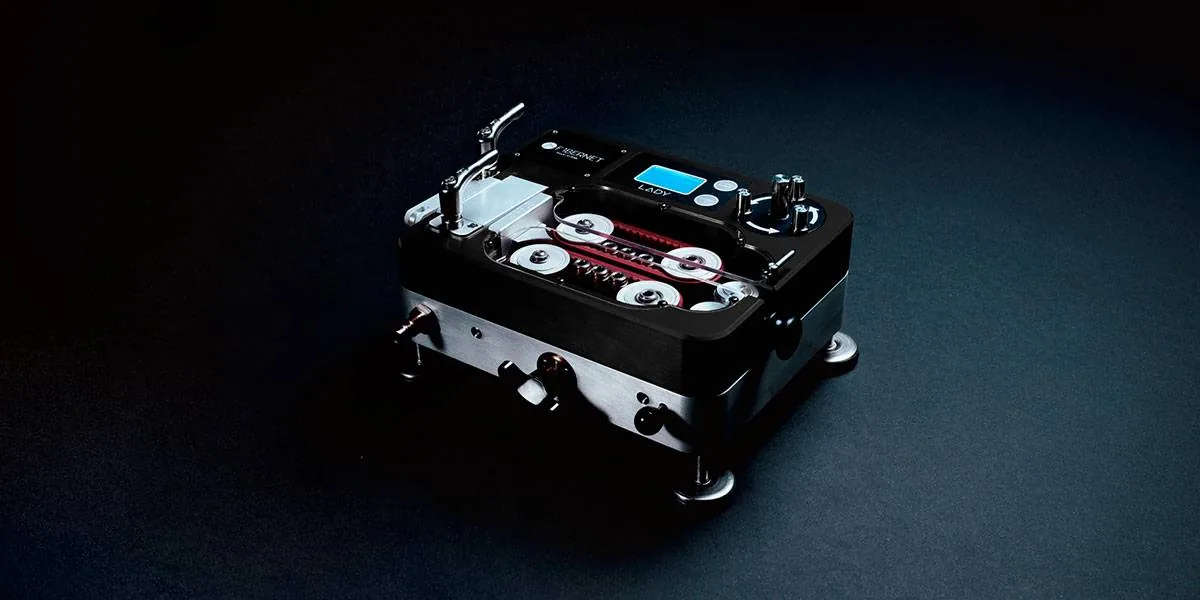
Compact and lightweight
A compact, lightweight machine for short runs.
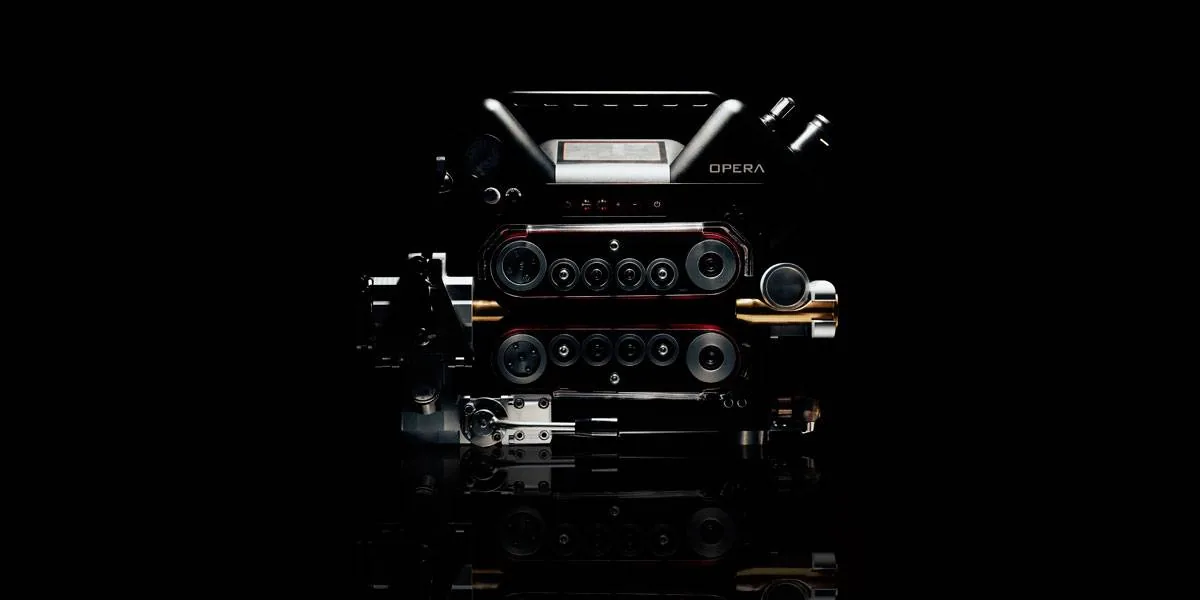
Pneumatic power
A pneumatic machine for long cable runs.
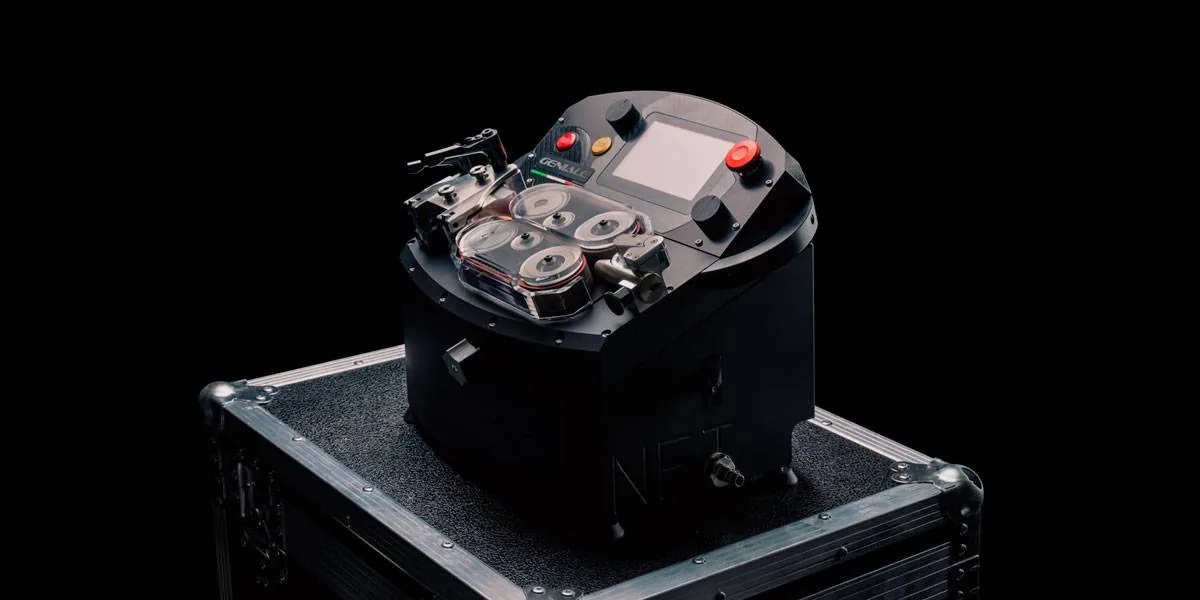
Electric, with two gears
For short and long runs. Two gears let you match force and speed to the job.
Specifications for the Fibernet range. The speeds shown are maximum values. Actual results depend on installation conditions and machine setup.
Direct from the manufacturer
When you’re working on site, you need practical answers. With Fibernet, you speak directly to the people who design and build your cable blowing machine.
Speak to a technicianA specialist technician can help when you need it.
Spare parts ready to ship, direct from the manufacturer.
If your machine breaks down, a replacement may be available within 48 hours.
Check availability and terms with your technician.Get help making the most of your machine, from your very first job.
See it in action before you choose
Request a free hands-on demonstration on your site or at Fibernet’s test facility. Discuss a real job with the technician.
Request a free demonstration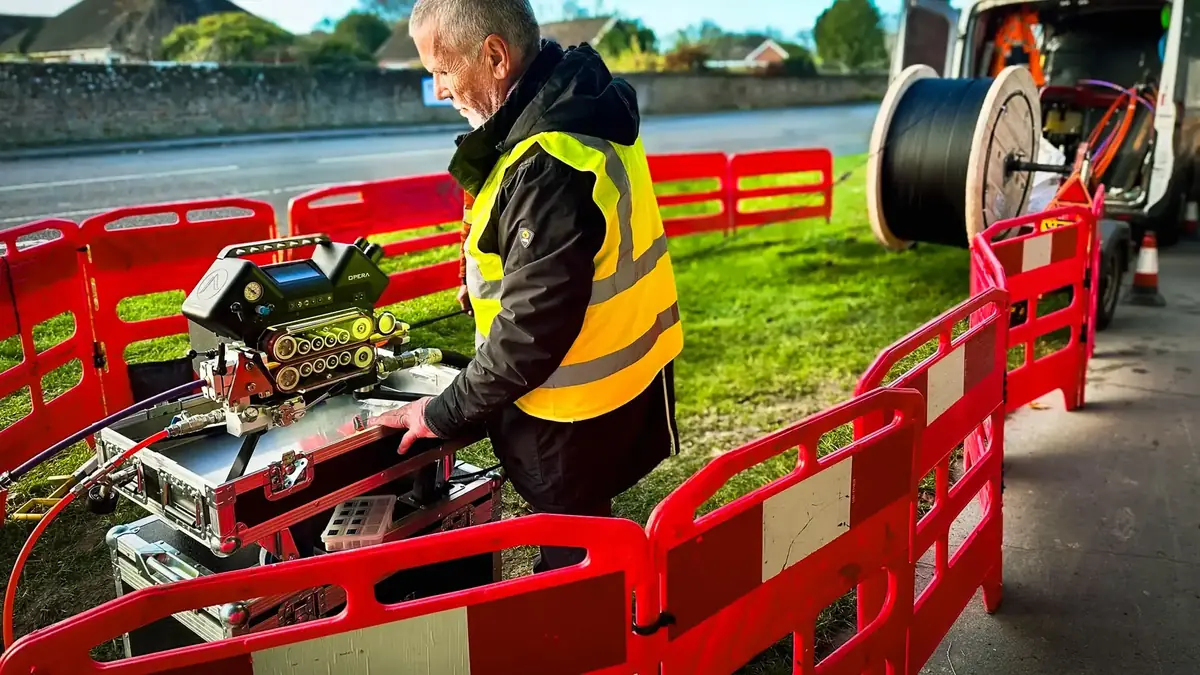
Choosing a fiber blowing machine on rent starts with the conditions your installation crew will actually encounter, rather than with a rental period alone. A machine must suit the cable, the duct, the available air supply, and the route characteristics. For American contractors coordinating work in Italy, these details also need to be communicated clearly across purchasing teams and field supervisors. Fibernet provides a direct point of contact for discussing cable blowing equipment and checking whether a proposed arrangement fits the project. Before committing to a schedule, ask the team to confirm rental availability, the relevant machine configuration, and the commercial terms applicable to your destination. An effective inquiry includes the cable outside diameter, duct internal diameter, planned installation lengths, and any known bends or elevation changes. Cable construction and manufacturer handling limits matter as well: a machine that accepts the cable diameter is not automatically suitable for every cable design. When comparing a fiber cable blowing machine on rent, establish how the drive system grips and advances the cable, which guides and seals are needed, and how the operator controls the feed. Excessive pushing force can damage a cable, while unsuitable sealing can waste compressed air and compromise the operation. Ask for the operating documentation and confirm the applicable force, speed, and pressure limits before work begins. The compressor deserves equally careful attention. Required airflow and pressure depend on the selected equipment and installation conditions, so avoid assuming that an existing compressor will be sufficient. Share its specifications with the equipment supplier and verify the suitability of hoses, connections, and any required air treatment. Duct preparation is another practical checkpoint. The crew should confirm continuity, cleanliness, and the condition of connections using procedures appropriate to the duct system. A blocked, damaged, or poorly joined route cannot be corrected simply by selecting a more powerful machine. Planning these checks before equipment arrives helps avoid spending paid access time investigating preventable obstacles. Fibernet introduced its first cable blowing machine, Lady, in 2021, building on technical experience that predates the company's founding in 2001. Its Italian manufacturing background is relevant to contractors seeking a product made in Italy with assistance in the United States and worldwide. For an optical fiber cable blowing machine inquiry, describe where the machine will operate and who will use it, then request confirmation of support arrangements for that location. This gives your purchasing team a clearer basis for evaluating suitability, rather than relying on a generic equipment description or an assumed installation distance.
A short installation window can make temporary equipment access attractive, but the quoted daily or weekly amount is only one part of the decision. When evaluating a fiber blowing machine on rent, build a project estimate around the complete period during which the equipment will be unavailable to the supplier. Clarify whether billing starts at dispatch, delivery, or collection, and establish how weekends, transport delays, and extensions are handled. These questions are especially important when an American purchasing department is arranging machinery for a crew working in Italy. Delivery dates, local receiving arrangements, and the person authorized to accept the equipment should be agreed before the machine is shipped. Ask for a written breakdown identifying the machine, included accessories, optional components, transport charges, deposit requirements, and applicable taxes. Do not assume that a compressor, spare seals, cable guides, or connection hoses are part of the package. Each item should be confirmed against the planned setup. The same applies to responsibility for cleaning, consumable replacement, accidental damage, and return packaging. A useful comparison connects these costs to realistic working time rather than to an optimistic production target. Consider how many shifts are available, whether the ducts will be ready, and how weather or site access could affect the schedule. If the route is not prepared when the equipment arrives, even an apparently economical arrangement may become expensive. Comparing the fiber blowing machine price with the total cost of repeated rentals can also help contractors making a longer-term decision. Ownership may deserve consideration when utilization is frequent and predictable, whereas temporary access may fit an occasional requirement. Neither option is automatically better: maintenance capability, storage, accessory needs, and the availability of qualified operators all influence the calculation. Ask Fibernet to discuss the machine configuration appropriate to your expected workload before treating purchase and rental figures as directly comparable. For a fiber optic cable blowing machine on rent, commercial clarity should be matched by technical clarity. Request the relevant documentation, verify the equipment condition at handover, and record the accessories supplied. Photographs and a signed inventory can help prevent disagreements when the machine is returned. Confirm the procedure for reporting a fault and whether any replacement arrangement is included; do not assume uninterrupted availability unless it is stated in the agreement. Fibernet's product proposition combines Italian manufacturing with assistance in the United States and worldwide, but the scope, response arrangements, and logistics for an individual project should always be verified. A well-prepared inquiry allows the team to address concrete requirements and gives your business a more reliable basis for deciding how to equip the job.
Equipment selection is only useful when the people on site can set up and operate the machine within its documented limits. Before requesting a fiber blowing machine on rent, identify the supervisor responsible for accepting the equipment, checking its configuration, and authorizing its use. That person should have access to the cable specifications, duct information, and machine documentation, not just a delivery reference. For English-speaking American contractors operating in Italy, confirm the language of the available instructions and technical assistance in advance. Clear communication is particularly important when discussing pressure settings, cable handling limits, emergency stopping procedures, and the sequence for safely isolating compressed air. At handover, check the machine and accessories against the agreed inventory. Inspect visible components for damage and verify that guides, seals, and drive elements match the planned cable and duct sizes. Follow the manufacturer's instructions for setup and pre-use checks, including any required examination of protective devices. An unfamiliar machine should not be put straight into production simply because its controls appear straightforward. The operator needs to understand how feed speed and pushing force are controlled, which conditions require stopping, and how to depressurize the system before making adjustments. Keep personnel clear of potential cable movement and pressurized connections, and apply the site's safety procedures throughout the work. A fiber blowing machine should also be supported by a practical troubleshooting plan. If progress slows unexpectedly, stop and investigate the cause rather than repeatedly increasing force or pressure. Possible contributors include unsuitable duct conditions, air leakage, cable resistance, or an incorrect setup, and each requires an appropriate check. Record the operating conditions and the point at which the problem occurred so that technical assistance receives useful information. A concise report containing machine identification, cable and duct dimensions, compressor specifications, and a description of the symptoms is more actionable than a general statement that the machine is not working. When assessing an optical fiber cable blowing machine on rent, ask how technical questions will be handled during your actual working hours. Confirm the contact channel, the information required for assistance, and the arrangements for obtaining replacement consumables or accessories if needed. Fibernet offers made-in-Italy products with assistance in the United States and worldwide; project-specific coverage and timing should be established directly. The company's family-led development, from Giancarlo Trinei's technical background to the next generation's involvement beginning in 2010, provides context for its approach to equipment development. For your crew, however, the decisive outcome is practical: a correctly specified machine, a complete handover, clear operating documentation, and an agreed route to support. Bring these requirements into the initial discussion so the equipment decision reflects how the installation will actually be managed.
Fill out the form and discover what Fibernet Srl can do for you!
Contact us!Before you get started
If you prefer, speak to us directly.
+39 346 652 9915Compare the cable diameter, duct diameter and installation distance. Lady is compact and lightweight for short runs. Opera is pneumatic and designed for long runs. Geniale is electric and handles both. A Fibernet technician can help you choose.
Yes. You can request a free hands-on demonstration on your site or at Fibernet’s test facility. Tell us what you need in the form and a technician will arrange it with you. Request a demonstration.
To get a price, contact a Fibernet advisor using the form or call +39 346 652 9915.
Fibernet offers direct technical support, spare parts ready to ship and dedicated training. If your machine breaks down, a replacement may be available. Ask your technician about availability and terms.
Tell us about your job. We’ll help you find the right cable blowing machine.