Emanuele Zanda
Google review
★★★★★
Read on Google“An excellent experience on the installer training course. The whole team was professional and knowledgeable.”
Cable blowing machines · Made in Italy
From last-mile connections to long-distance runs, a Fibernet technician can help you choose the right machine for your fiber optic cable installation.
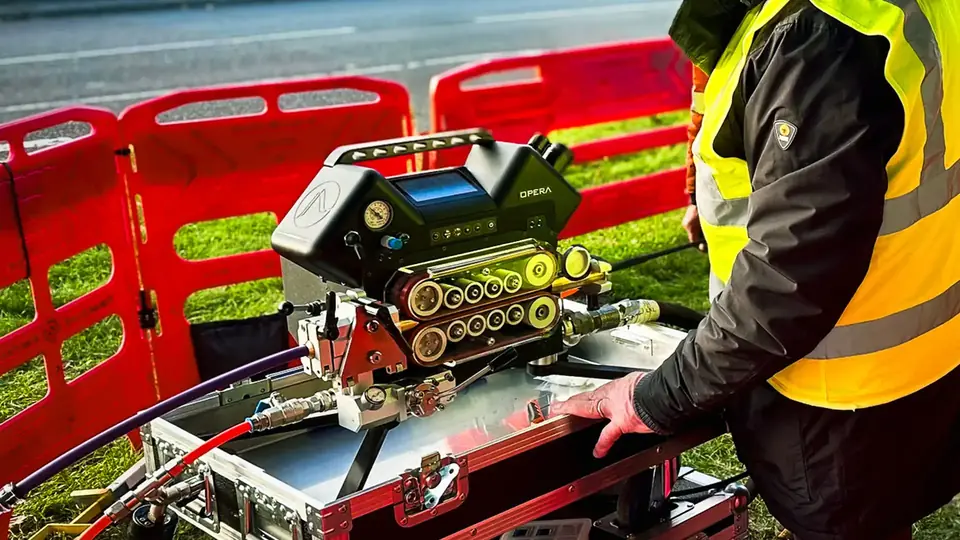
Opera, image 1 of 3
Expert advice direct from the manufacturer / Free demonstration on request
Some of our customers.

Keep your installation moving with Fibernet cable blowing machines.
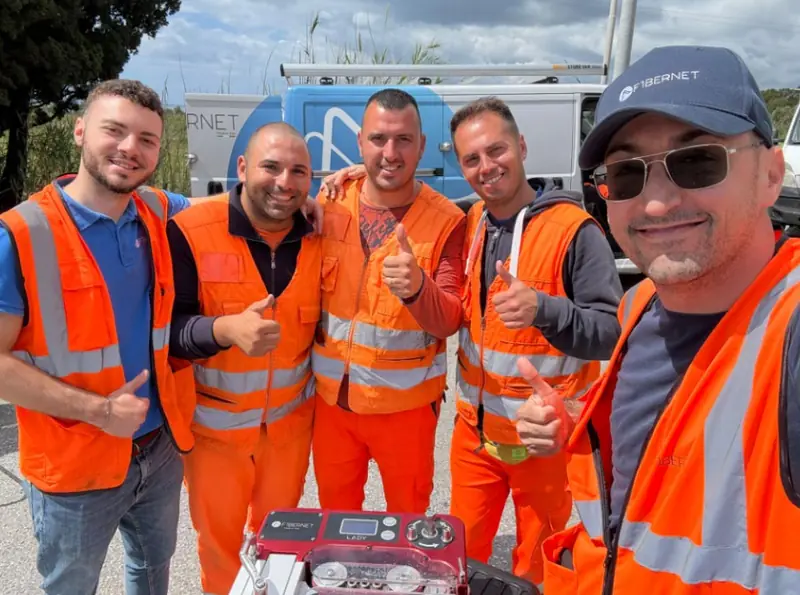
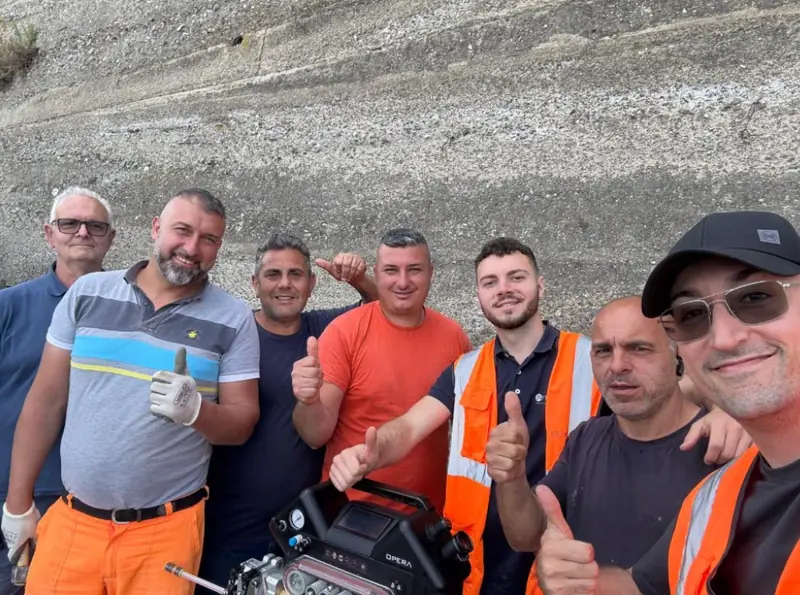
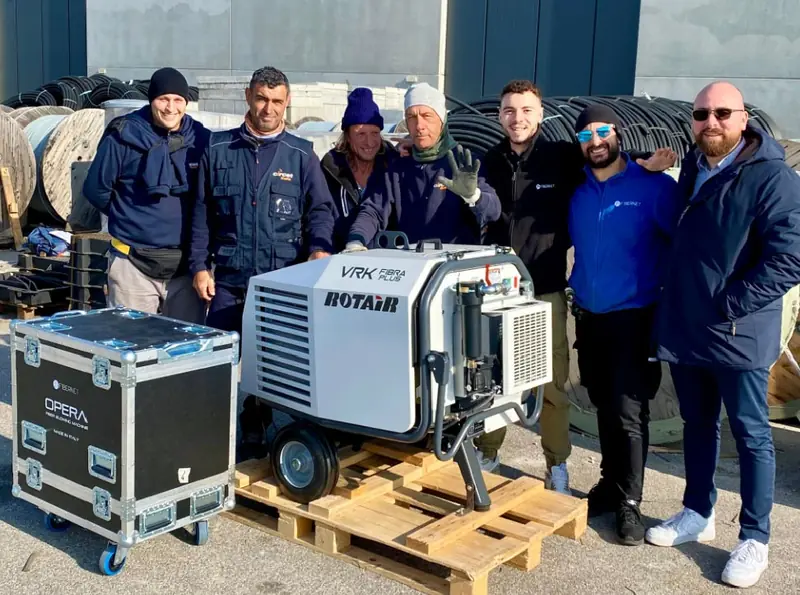
Photos and stories from installers, published by Fibernet.
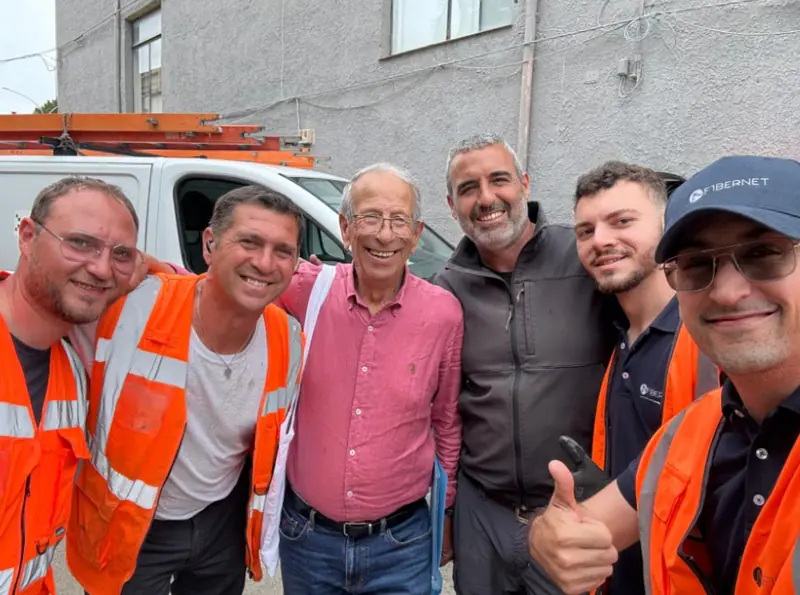
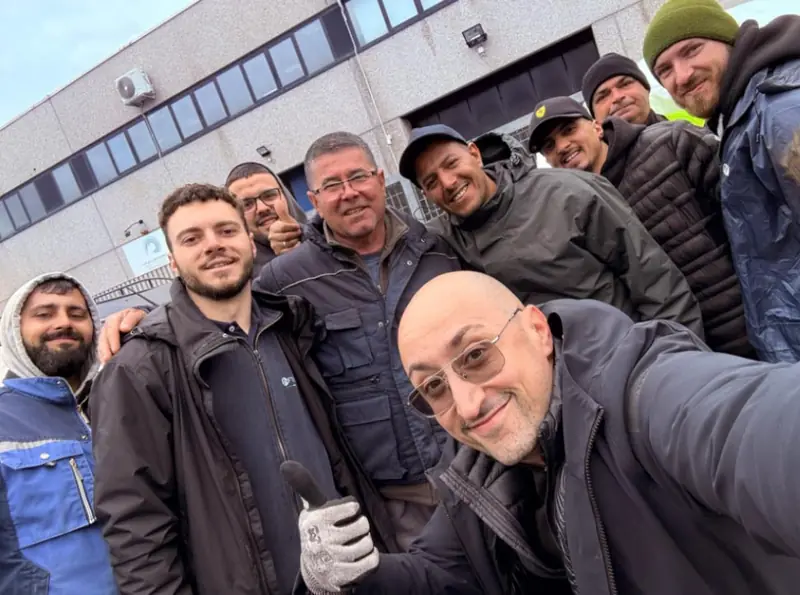
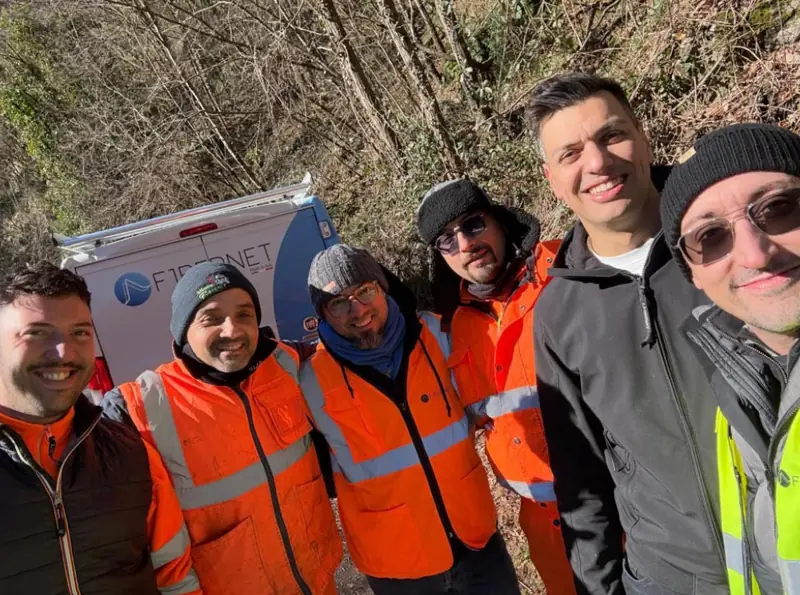 GoogleExcellentBased on 176 reviewsRead the reviews
Read on Google“An excellent experience on the installer training course. The whole team was professional and knowledgeable.”
Read on Google“I had the chance to try the Opera cable blowing machine on site…”
Read on Google“I really enjoyed this course. It took place in a pleasant setting with friendly, helpful people.”
Stories from installers
Hear the results from the installers themselves. Watch their testimonials right here.
Product videos
Three machines. Find your fit.
Start with the job at hand. Our technician can answer your questions about the right setup.
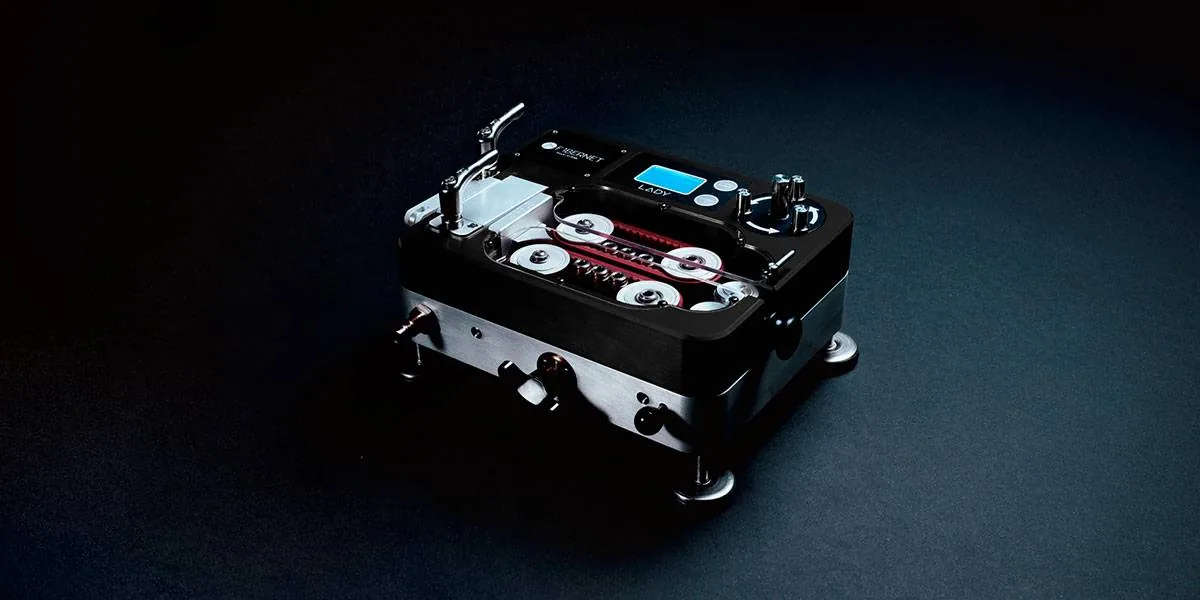
Compact and lightweight
A compact, lightweight machine for short runs.
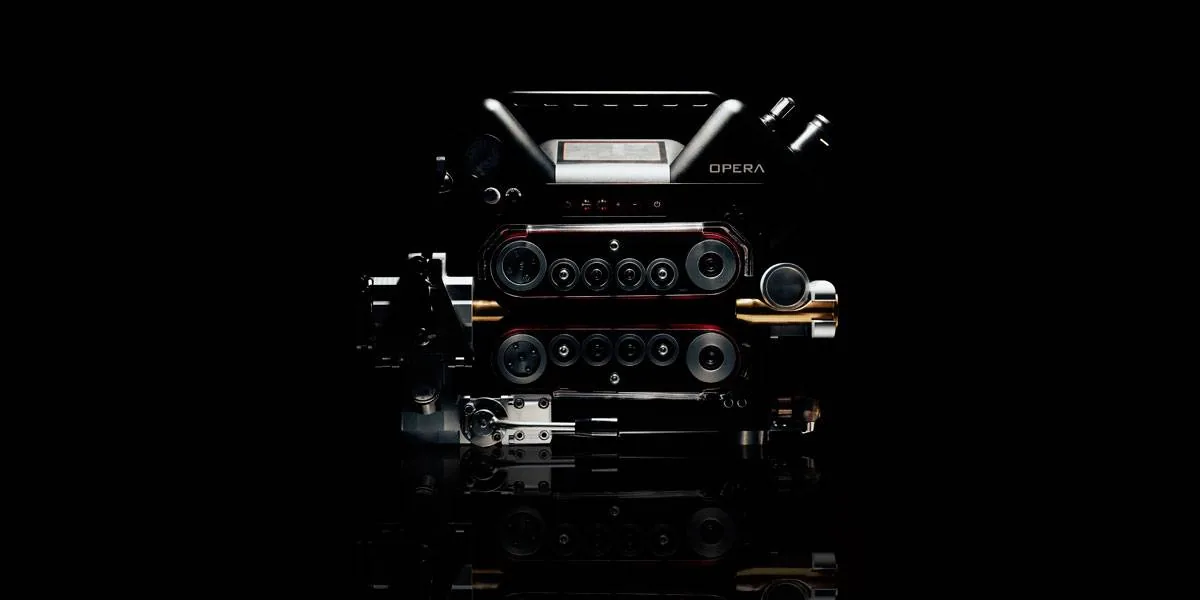
Pneumatic power
A pneumatic machine for long cable runs.
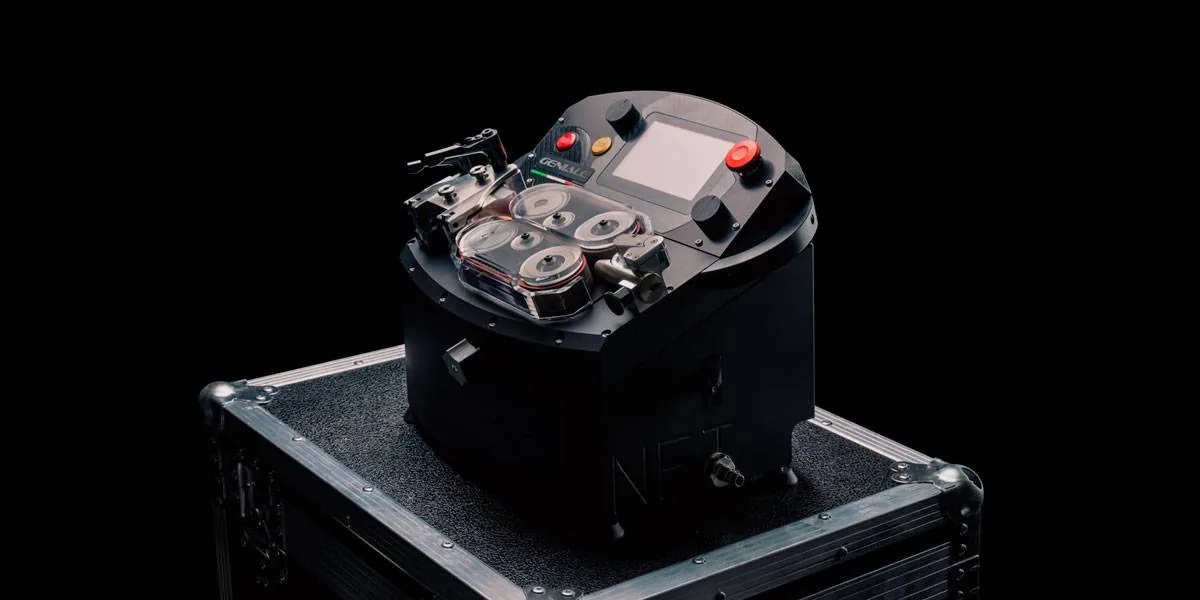
Electric, with two gears
For short and long runs. Two gears let you match force and speed to the job.
Specifications for the Fibernet range. The speeds shown are maximum values. Actual results depend on installation conditions and machine setup.
Direct from the manufacturer
When you’re working on site, you need practical answers. With Fibernet, you speak directly to the people who design and build your cable blowing machine.
Speak to a technicianA specialist technician can help when you need it.
Spare parts ready to ship, direct from the manufacturer.
If your machine breaks down, a replacement may be available within 48 hours.
Check availability and terms with your technician.Get help making the most of your machine, from your very first job.
See it in action before you choose
Request a free hands-on demonstration on your site or at Fibernet’s test facility. Discuss a real job with the technician.
Request a free demonstration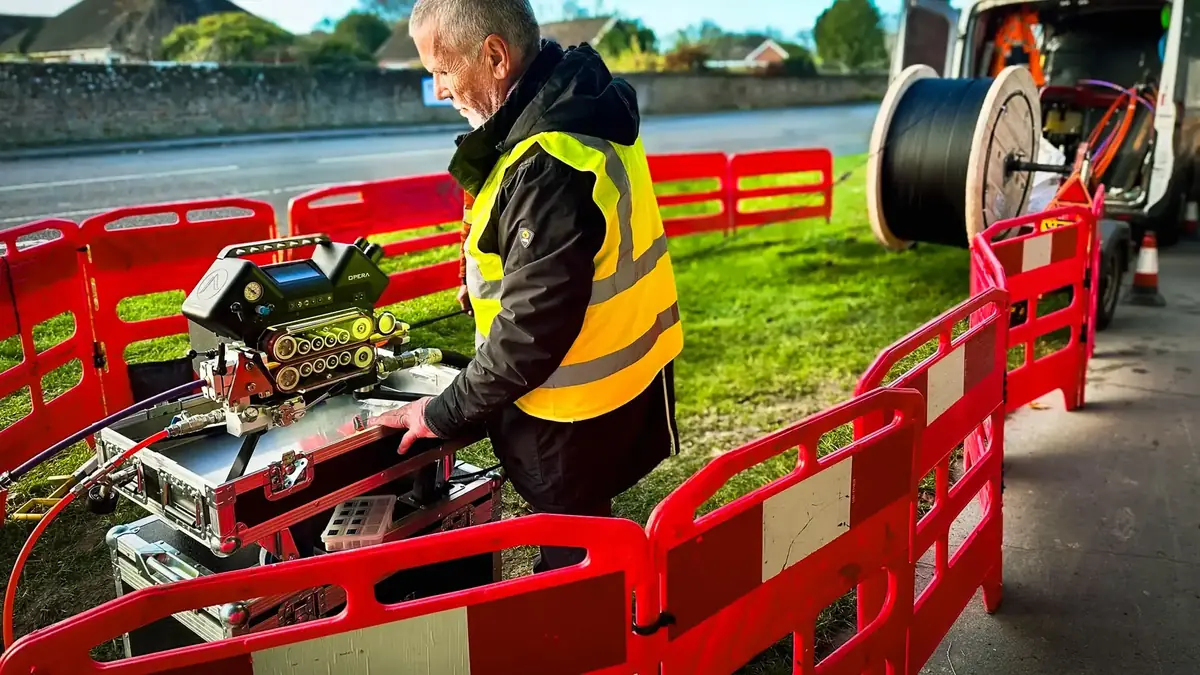
Choosing an electric fibre optic cable blower starts with the installation you need to complete, not with a headline speed figure. Cable diameter, duct internal diameter, route geometry and available utilities all affect whether a machine is suitable for the job. For contractors working in Italy, these details can vary considerably between compact street works and longer duct sections. Fibernet provides a direct point of contact for discussing those requirements before selecting equipment. Its Italian manufacturing background is particularly relevant when buyers want to understand the product and establish a relationship with the company behind it, rather than make a decision from a short specification alone. Begin by gathering the cable manufacturer's installation limits and the duct supplier's recommendations, including any restrictions affecting pressure, lubrication and handling. An electrically driven feed mechanism and the air used for cable propulsion perform different functions. The drive advances the cable through the machine, while airflow inside the duct helps carry it along the route. An electric drive therefore does not automatically mean that compressed air is unnecessary. When reviewing an electric fibre optic cable blowing machine, ask which utilities the proposed configuration requires, how its drive is controlled and what compressor characteristics are appropriate. Confirm these points against the manufacturer's documentation rather than assuming that every electrically operated machine works in the same way. Cable contact surfaces, guides, seals and duct connectors also need to match the intended installation; their suitability should be checked before equipment reaches the work area. Consider a crew preparing to blow cable through a route with several bends and an intermediate access chamber. A useful assessment would examine duct continuity, cleanliness, bend severity and the condition of the entry connection. The crew should also identify where the machine, cable supply and compressor can be positioned safely without creating sharp cable entry angles. If progress becomes difficult, increasing feed force is not a substitute for investigating the cause. A blockage, unsuitable seal, restricted airflow or excessive route resistance may require a different corrective action. Clear operating limits help protect the cable and support more consistent decisions on site. When you contact Fibernet about a cable blower for fibre optic cable, provide actual cable and duct dimensions, approximate section lengths and a description of the working environment. Include the electrical supply available and any compressor details already known. This information supports a more focused conversation about compatibility, accessories and operating requirements. Request the relevant documentation and confirm the supplied configuration in writing. A well specified purchase gives the installation team a practical starting point, while avoiding assumptions about capacity or performance that cannot be verified for its particular route.
A useful quotation for an electric fibre optic cable blower should explain what the buyer will receive and what must be sourced separately. Comparing machine prices without checking the included configuration can hide important differences. One proposal may include the guides and seals needed for the first project, while another may require additional components before work can begin. Ask for an itemized description covering the machine, compatible cable and duct ranges, supplied accessories, electrical requirements and relevant documentation. For a business purchasing in Italy, delivery arrangements, applicable taxes and the language of operating materials should also be clarified. If the equipment will later be deployed elsewhere, discuss the destination before ordering so that practical compatibility questions can be addressed early. The most informative discussion of fibre optic cable blower price connects the initial purchase with the way the equipment will be used. A contractor handling several cable sizes may need a different accessory selection from a crew repeating one installation specification. Frequent movement between sites can make handling arrangements and setup procedures particularly important. Maintenance access, cleaning requirements and replacement wear components also deserve attention, because small omissions can interrupt an otherwise well prepared job. Ask which routine tasks operators may perform, which interventions require technical assistance and how replacement components are identified. These questions establish a more realistic ownership picture without relying on unsupported promises about savings or productivity. Electrical planning is another part of the purchasing decision. Confirm the voltage, frequency, connection requirements and power demand for the exact model being offered. Do not assume that a machine suitable for one supply can be connected unchanged to another. Where a generator or other temporary supply is planned, have its suitability checked against the manufacturer's requirements. Similarly, verify the air supply independently: an electrically driven machine may still depend on a compressor for the blowing process. The compressor, hoses and connections must be assessed as a system, using the specified operating requirements rather than pressure alone. This is especially important when equipment moves between projects with different utilities. Some buyers compare ownership with fibre optic cable blower hire before committing capital. That comparison is most useful when it includes project frequency, equipment availability, accessory compatibility and the responsibility for maintenance. Neither approach is automatically better for every contractor. Fibernet can be contacted to discuss its products and the scope of a purchase enquiry; any rental availability should be confirmed separately rather than assumed. Bring a short description of upcoming work and ask for a quotation tied to those needs. A clear commercial proposal should distinguish confirmed specifications from options, state what support is included and identify any outstanding technical questions. That clarity helps purchasing staff and site supervisors evaluate the same equipment on the same factual basis.
Fibernet's development as a cable blowing machine manufacturer is rooted in a technical history that predates the company itself. Founder Giancarlo Trinei began working with fibre installations in Italy in the early 1980s, including installation and testing work on the country's early submarine cables. He established Fibernet in 2001, bringing that practical background into a business focused on technical products and problem solving. The company introduced its first cable blowing machine, Lady, in 2021. For someone evaluating an electric fibre optic cable blower today, this history provides context for the manufacturer, but the purchasing decision should still rest on the documented capabilities of the specific model and configuration proposed. The family business entered a new phase in 2010 when Matteo, Marta and Ismael joined the company. That continuity matters most to customers when it translates into clear communication, accountable decisions and a relationship that extends beyond delivery. Fibernet combines a made in Italy product identity with assistance in the United States and worldwide. Buyers should discuss how that assistance applies to their location, including contact channels, technical enquiry procedures and arrangements for replacement components. Availability, response times and any service commitments should be confirmed directly. International support is most useful when the customer understands the actual process and knows what information to provide when requesting help. For example, a contractor contacting support about inconsistent cable advancement can make the exchange more productive by recording the machine identification, cable dimensions, duct dimensions and operating conditions. Photographs of the setup, the fitted guides and the entry connection may also help the manufacturer understand the situation. The operator should describe what changed before the problem appeared and whether the issue occurs immediately or only after a certain distance. Any inspection or adjustment must follow the operating manual and applicable safety procedures, with electrical and pneumatic energy isolated where required. Structured information supports diagnosis; it does not replace the need to stop work when continued operation could damage equipment or cable. When comparing a pneumatic fibre optic cable blower with an electrically driven alternative, keep the discussion centered on the specific equipment rather than the label alone. Ask how the drive is powered, how feed is managed, what air supply is required and which installation limits apply. Fibernet's role is to explain its offered configuration so that your team can assess it against real working conditions. For customers operating in Italy or coordinating installations internationally, that direct technical exchange helps connect product selection, preparation and ongoing assistance. Contact the company with a defined application, request the relevant specifications and agree on the support arrangements before purchase. Italian manufacture and an international assistance network provide valuable context, while documented compatibility remains the foundation of a sound equipment decision.
Fill out the form and discover what Fibernet Srl can do for you!
Contact us!Before you get started
If you prefer, speak to us directly.
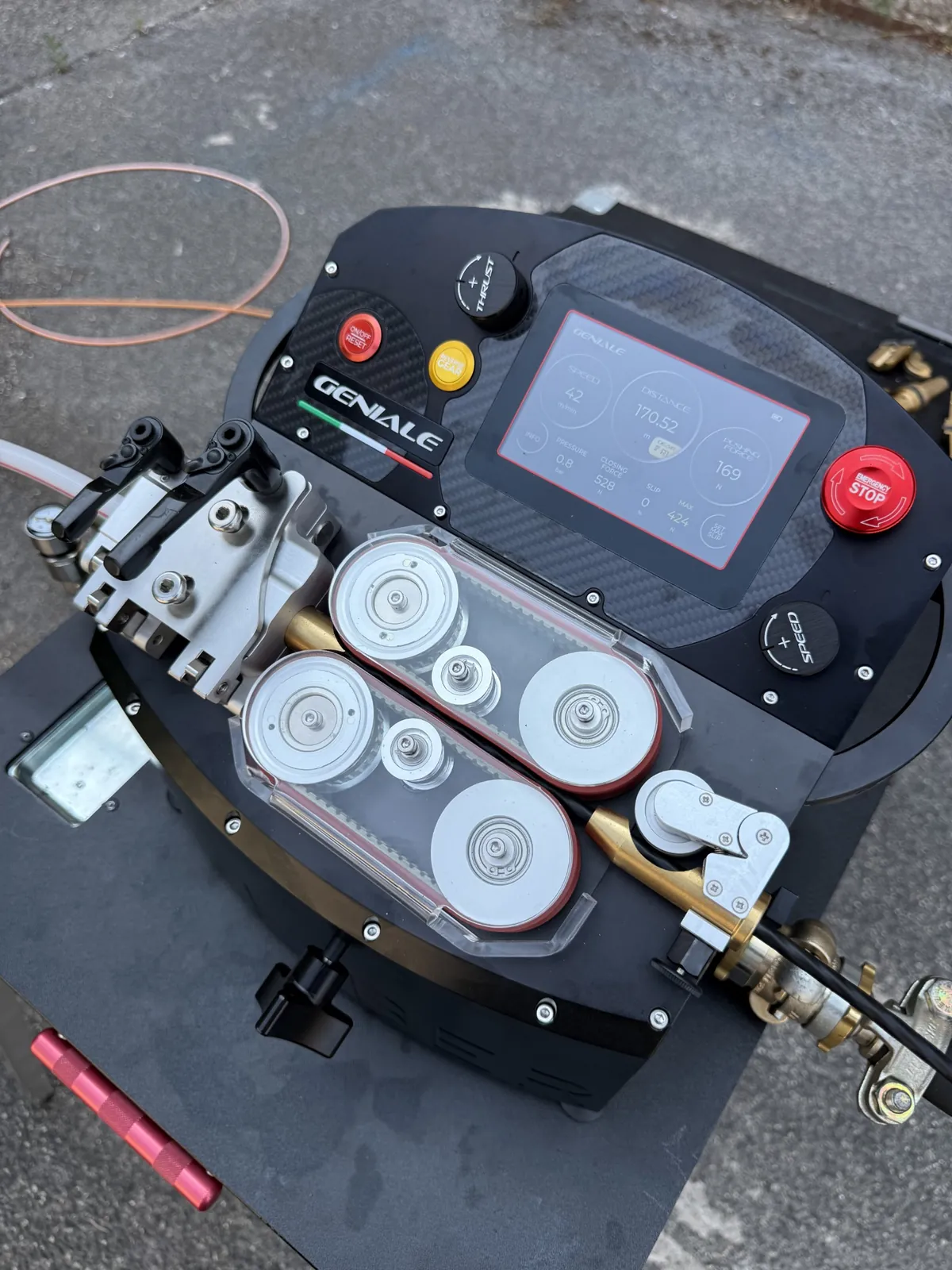
+39 346 652 9915Compare the cable diameter, duct diameter and installation distance. Lady is compact and lightweight for short runs. Opera is pneumatic and designed for long runs. Geniale is electric and handles both. A Fibernet technician can help you choose.
Yes. You can request a free hands-on demonstration on your site or at Fibernet’s test facility. Tell us what you need in the form and a technician will arrange it with you. Request a demonstration.
To get a price, contact a Fibernet advisor using the form or call +39 346 652 9915.
Fibernet offers direct technical support, spare parts ready to ship and dedicated training. If your machine breaks down, a replacement may be available. Ask your technician about availability and terms.
Tell us about your job. We’ll help you find the right cable blowing machine.