Emanuele Zanda
Google review
★★★★★
Read on Google“An excellent experience on the installer training course. The whole team was professional and knowledgeable.”
Cable blowing machines · Made in Italy
From last-mile connections to long-distance runs, a Fibernet technician can help you choose the right machine for your fiber optic cable installation.
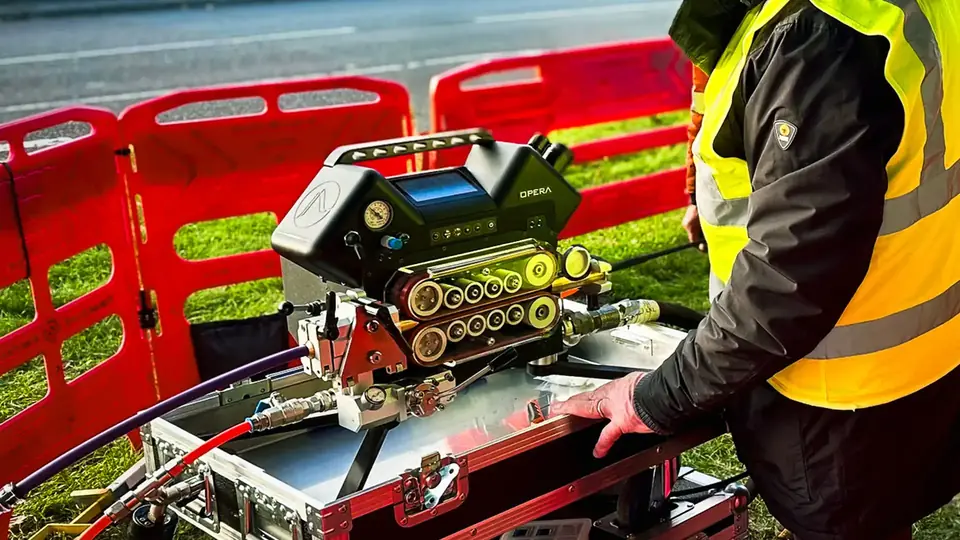
Opera, image 1 of 3
Expert advice direct from the manufacturer / Free demonstration on request
Some of our customers.

Keep your installation moving with Fibernet cable blowing machines.
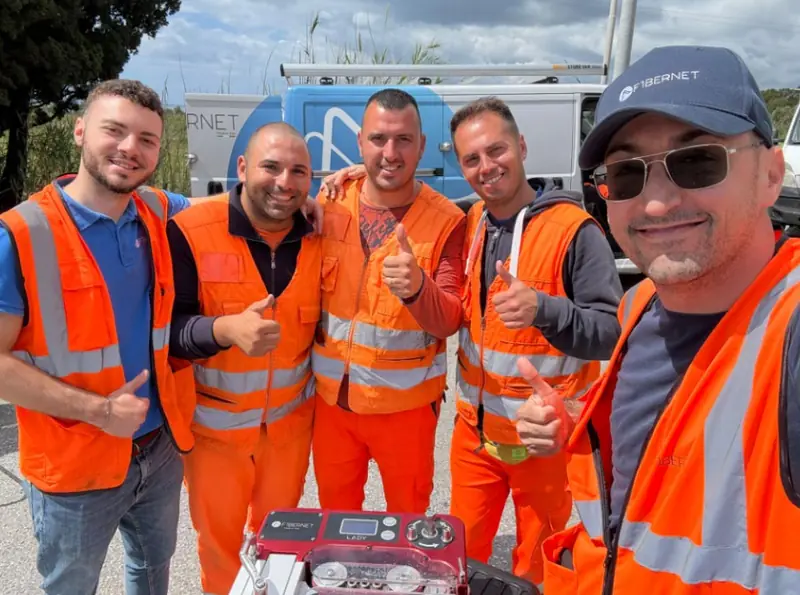
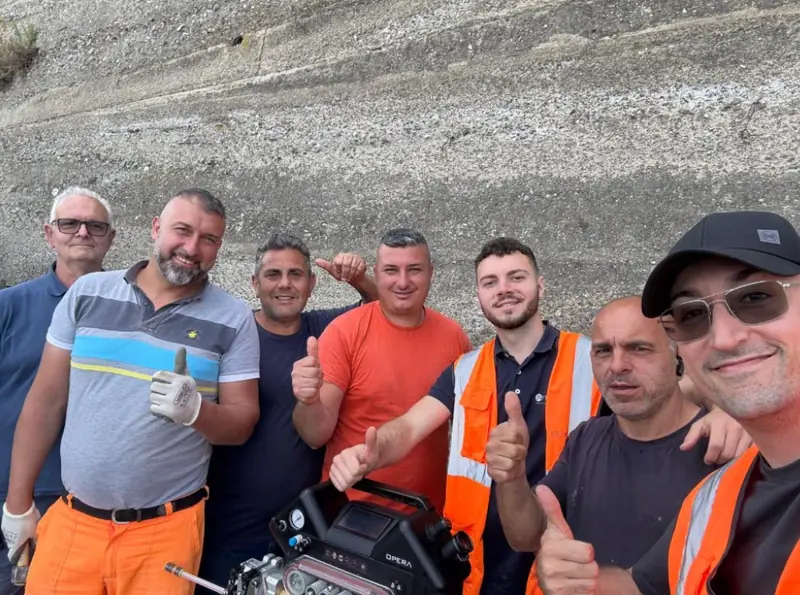
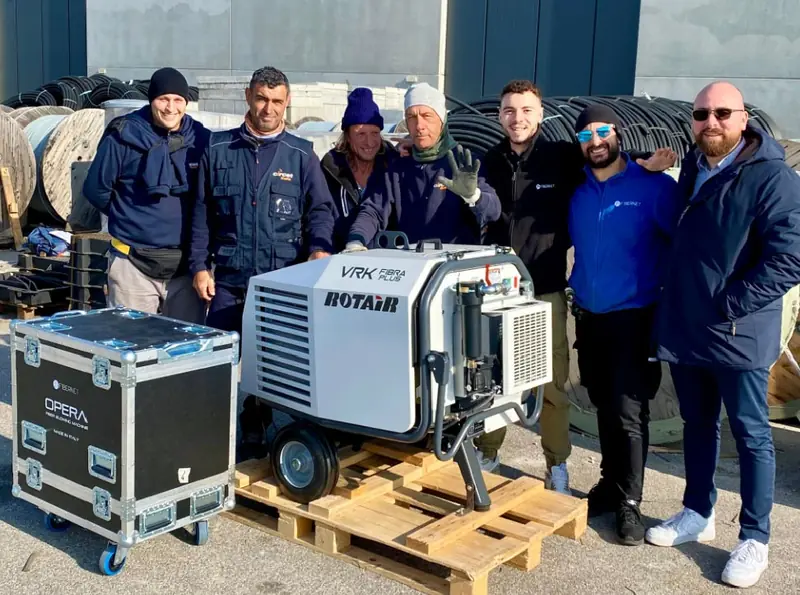
Photos and stories from installers, published by Fibernet.
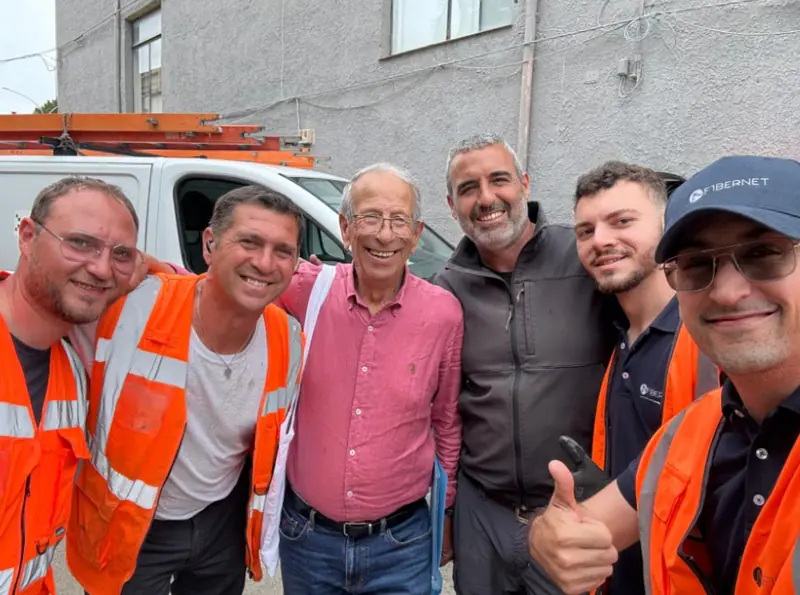
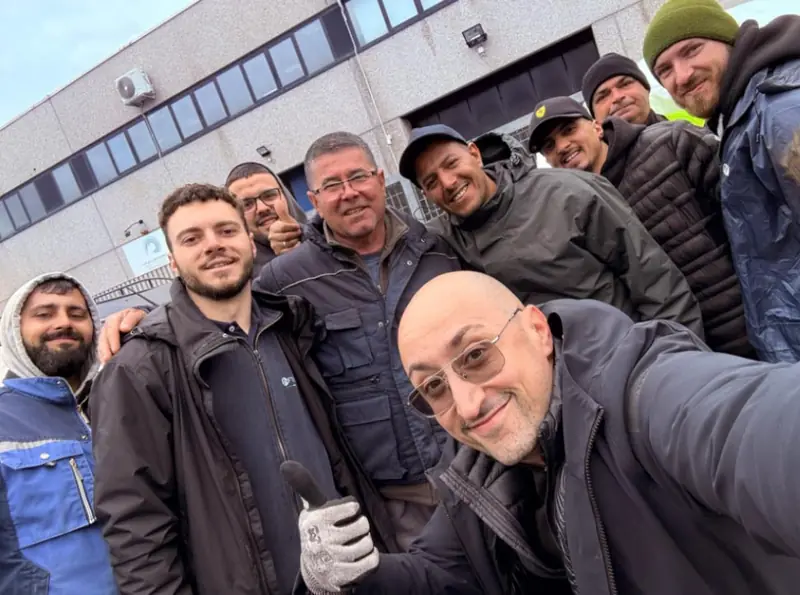
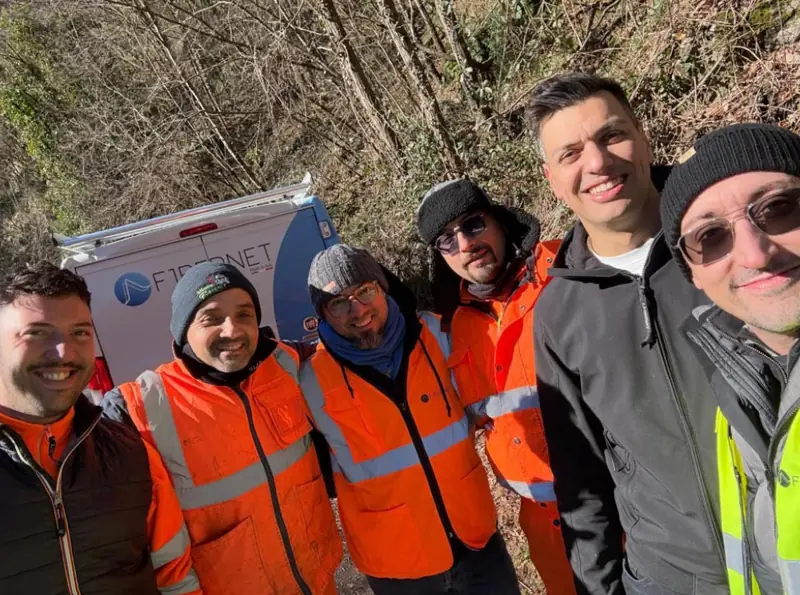 GoogleExcellentBased on 176 reviewsRead the reviews
Read on Google“An excellent experience on the installer training course. The whole team was professional and knowledgeable.”
Read on Google“I had the chance to try the Opera cable blowing machine on site…”
Read on Google“I really enjoyed this course. It took place in a pleasant setting with friendly, helpful people.”
Stories from installers
Hear the results from the installers themselves. Watch their testimonials right here.
Product videos
Three machines. Find your fit.
Start with the job at hand. Our technician can answer your questions about the right setup.
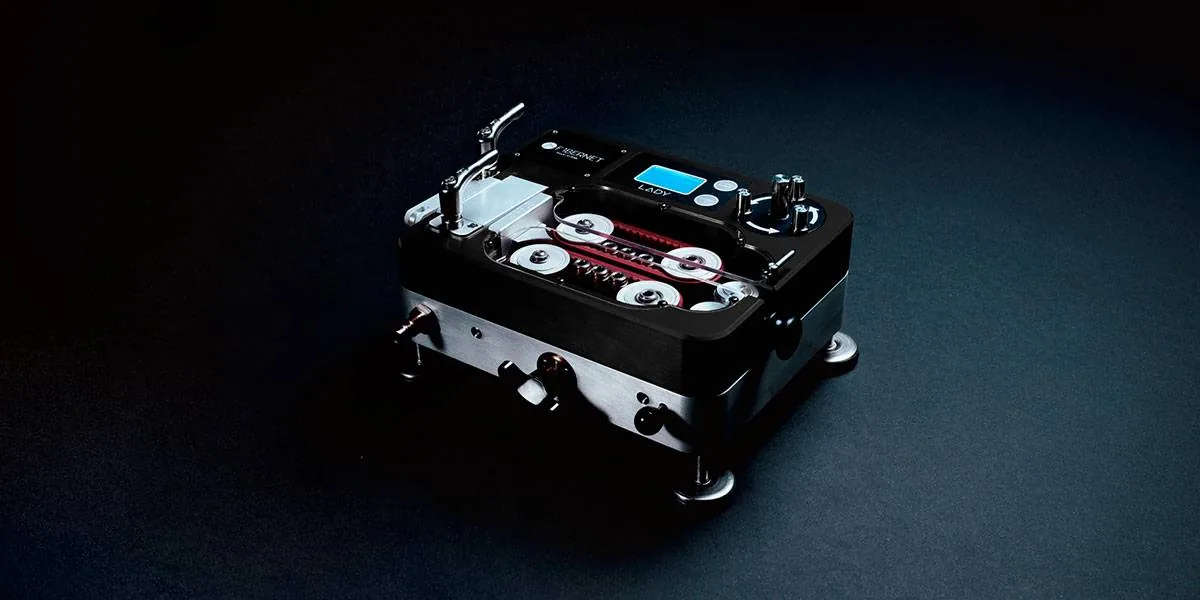
Compact and lightweight
A compact, lightweight machine for short runs.
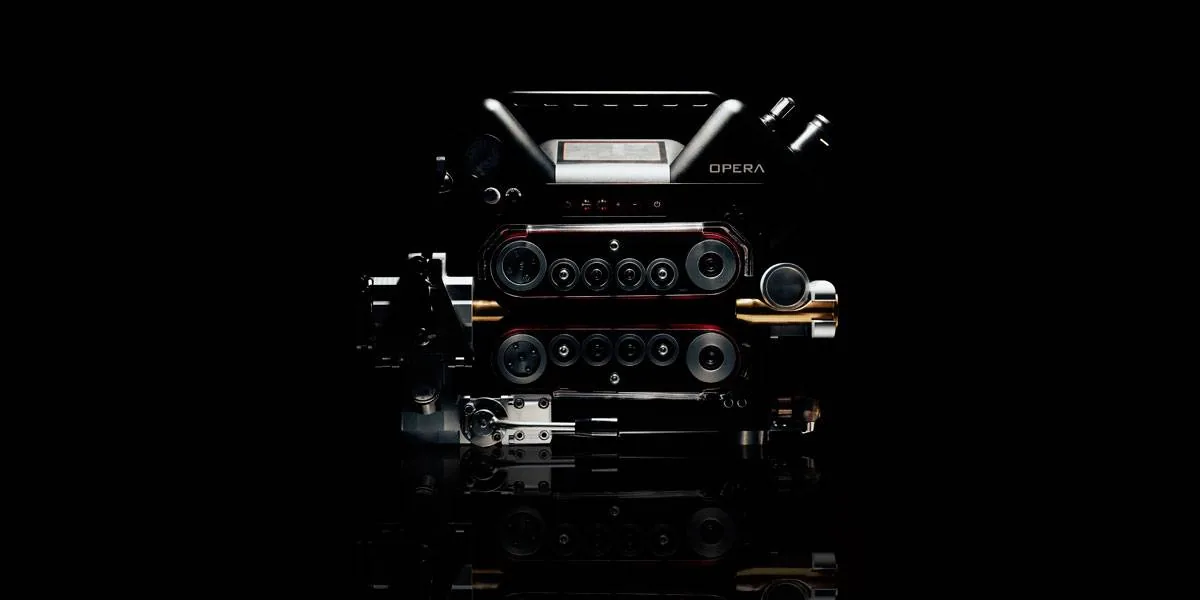
Pneumatic power
A pneumatic machine for long cable runs.
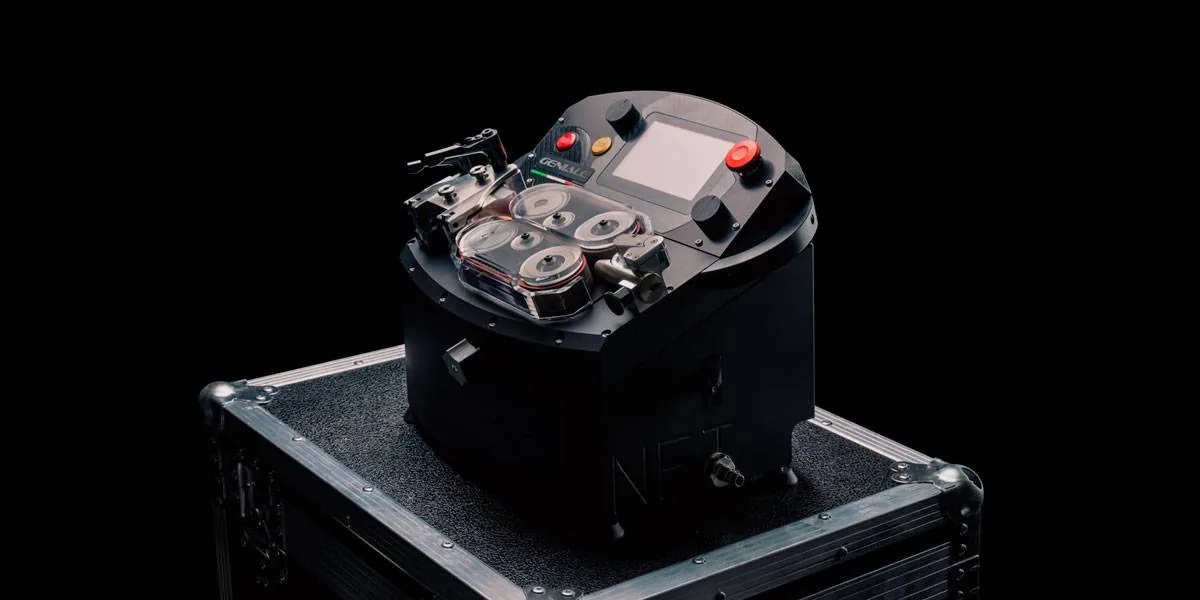
Electric, with two gears
For short and long runs. Two gears let you match force and speed to the job.
Specifications for the Fibernet range. The speeds shown are maximum values. Actual results depend on installation conditions and machine setup.
Direct from the manufacturer
When you’re working on site, you need practical answers. With Fibernet, you speak directly to the people who design and build your cable blowing machine.
Speak to a technicianA specialist technician can help when you need it.
Spare parts ready to ship, direct from the manufacturer.
If your machine breaks down, a replacement may be available within 48 hours.
Check availability and terms with your technician.Get help making the most of your machine, from your very first job.
See it in action before you choose
Request a free hands-on demonstration on your site or at Fibernet’s test facility. Discuss a real job with the technician.
Request a free demonstration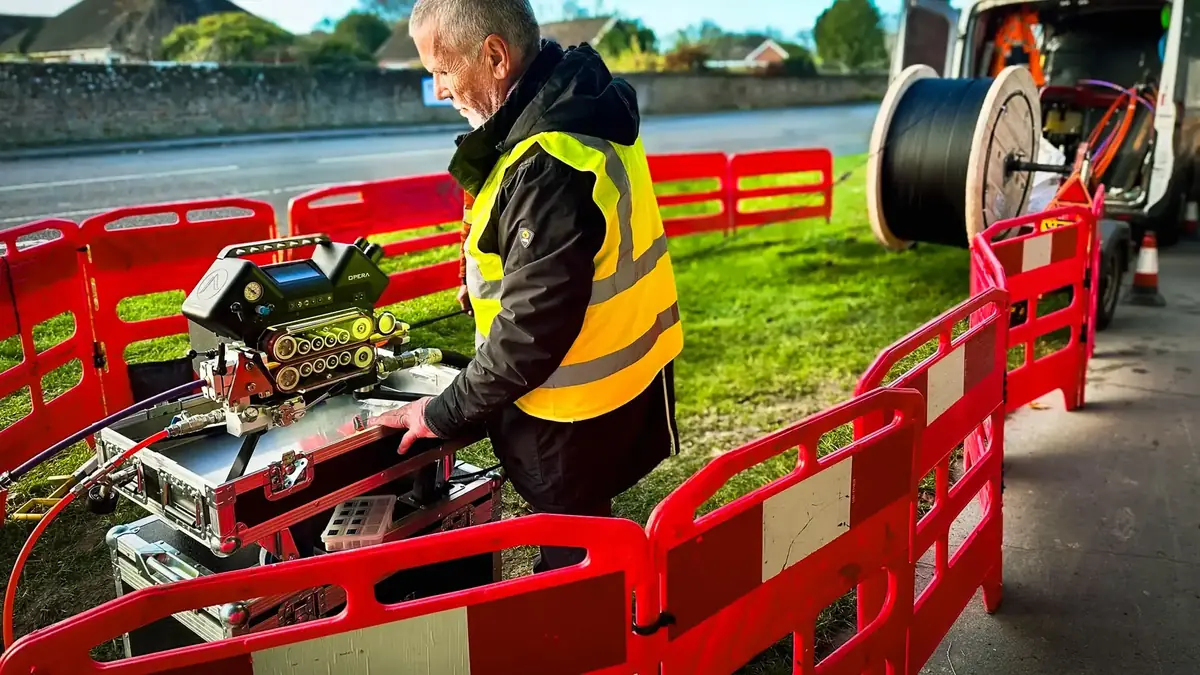
Choosing an electric fibre cable blowing machine starts with the installation conditions, not simply the motor. Contractors working on duct routes in Italy need equipment that matches the cable diameter, duct dimensions, available power supply, and practical constraints at the launch point. Electric drive describes how the cable feeding mechanism is powered; it does not automatically mean that compressed air is unnecessary. In a blowing installation, the drive mechanism feeds the cable while an appropriately specified air supply helps move it through the duct. Understanding this distinction helps purchasing teams request a suitable configuration rather than assume that one power source replaces every other site requirement. Before selecting equipment, prepare a clear description of the cable construction, outside diameter, permitted installation forces, and the duct manufacturer's recommendations. Include the duct's internal diameter, route length, bends, joints, and any previous difficulties encountered during installation. These details provide a more useful basis for discussion than a target distance alone. Actual installation performance depends on the complete system, including duct condition, sealing, cable friction, compressor capability, and operating technique. No responsible equipment assessment should promise a fixed distance without considering those variables. An electric fibre optic cable blowing machine should therefore be evaluated as part of a coordinated installation setup. Ask which cable guides, seals, duct adapters, and feeding components are appropriate for the intended application, and confirm which items are included in the proposed supply. Where several cable sizes are used across different contracts, understanding changeover requirements can help avoid unnecessary interruptions between jobs. Power arrangements also deserve attention: verify the specified supply requirements against the electricity available at the worksite, rather than assuming compatibility from the product description. Fibernet brings an Italian technical background to this conversation. Founded in 2001, the company developed its first cable blowing machine, Lady, in 2021, building on founder Giancarlo Trinei's long experience in cable installation and testing. For buyers comparing a fibre cable blowing machine, that background offers a reason to discuss practical application details directly with the manufacturer. The next step is to establish the specifications and documented capabilities of the particular model under consideration. Request information about operating controls, adjustment procedures, maintenance access, and the limits stated in its technical documentation. A selection process grounded in these details helps contractors identify equipment that suits their work, prepare the correct accessories, and reduce avoidable uncertainty before the machine reaches the launch point. It also gives procurement and site supervisors a shared reference when checking that the proposed configuration answers the actual job requirements.
A productive blowing operation begins before the cable enters the machine. The launch point needs sufficient working space, stable positioning, controlled access, and a cable payout arrangement that does not introduce unnecessary resistance. For contractors installing cables into ducts in Italy, these preparations can matter as much as the choice of drive system. A reel that pays out unevenly or a poorly aligned cable entry can complicate feeding and make it harder to identify the true cause of a slowdown. Planning the layout in advance gives the operator a clearer view of the cable path and keeps essential controls accessible throughout the installation. When preparing an electric fibre cable blowing machine, follow the manufacturer's procedure for fitting the appropriate guides, seals, and duct connection components. Check that the cable and duct sizes fall within the documented limits of the selected configuration. Feeding pressure or clamping adjustments should follow the equipment instructions and cable manufacturer's limits; excessive force is not a reliable solution to resistance further along the route. Cable handling should remain controlled, with attention to minimum bend radius, payout tension, and any surface damage visible before the cable reaches the feeding mechanism. Duct preparation is equally important. Confirm route continuity and carry out the specified checks for obstruction, cleanliness, and integrity before starting the blowing operation. Where an approved lubricant is required, verify its compatibility with both the cable and duct materials and apply it according to the relevant instructions. A compressed air fibre cable blowing machine also depends on an air supply that meets the equipment's requirements for flow, pressure, and conditioning. The same assessment remains relevant when a selected electrically driven system uses compressed air to assist cable movement. Teams should verify the complete setup rather than judge suitability from compressor pressure alone. During operation, observe cable movement and the indicators provided by the equipment. If progress changes unexpectedly, use the documented stopping and troubleshooting procedures instead of repeatedly increasing the driving force. Possible causes include a payout problem, an unsuitable seal, a duct restriction, or a change in route conditions. Recording the configuration, cable type, duct dimensions, and relevant operating observations creates a useful reference for subsequent installations. It also makes a technical support discussion more precise because the manufacturer receives meaningful information rather than a general report that the cable stopped. When evaluating a fibre optic cable blowing machine, ask how its controls and maintenance procedures support this disciplined workflow. Clear operating documentation, suitable accessories, and an understood setup procedure help crews work consistently without relying on unsupported performance assumptions. The objective is controlled installation within documented limits, with fewer preventable interruptions and a more informed response when conditions change.
The purchase decision for an electric fibre cable blowing machine should account for more than the quoted equipment cost. Buyers need to understand what the proposed package includes, what must be ordered separately, and how the configuration will support their actual installation workload. A lower initial quotation may represent a narrower accessory package rather than a directly comparable solution. Conversely, additional components are worthwhile only when they serve a defined requirement. Preparing a written list of cable sizes, duct sizes, expected applications, and site power arrangements gives suppliers a common basis for quoting and helps procurement teams compare offers fairly. A useful enquiry about fibre cable blowing machine price should therefore identify the required configuration before asking for a final figure. Request an itemised quotation covering the machine, relevant adapters, seals, feeding components, and any optional equipment recommended for the application. Clarify delivery arrangements, applicable taxes, warranty terms, and the documents supplied with the equipment. For use in Italy, ask for confirmation of the electrical specifications and the applicable conformity documentation for the proposed model. These checks should be completed before placing an order, particularly when a company buys equipment for deployment across different countries or operating environments. Ownership costs also include routine care, replacement wear parts, and the consequences of an incomplete accessory kit. Ask which inspections the operator must perform, which maintenance activities require technical assistance, and how replacement components are identified and ordered. If several crews will share the machine, a documented handover process can help keep accessories together and make wear or damage visible before the next installation. Storage and transport arrangements should protect the feeding mechanism, controls, and connection components in accordance with the manufacturer's guidance. Businesses considering a used fibre cable blowing machine should apply the same application checks while giving additional attention to condition and service history. Confirm the equipment identity, available documentation, accessory completeness, and whether suitable replacement parts remain obtainable. An apparently attractive purchase can become unsuitable if it cannot accommodate the required cable or if essential components are missing. Any inspection or demonstration should assess the actual machine being offered rather than rely solely on descriptions of its original specification. Fibernet's development is rooted in Italian engineering experience and the Trinei family's continued involvement in the business. Its history provides context, but buyers should still request model-specific evidence and clear commercial terms. For installations in Italy or projects managed across borders, confirm the support arrangements available for the intended operating location, including how technical enquiries and spare-parts requests are handled. A detailed discussion through www.fibernetsrlusa.com can help establish the appropriate next steps, align the quotation with the application, and identify questions that must be resolved before purchase.
Fill out the form and discover what Fibernet Srl can do for you!
Contact us!Before you get started
If you prefer, speak to us directly.
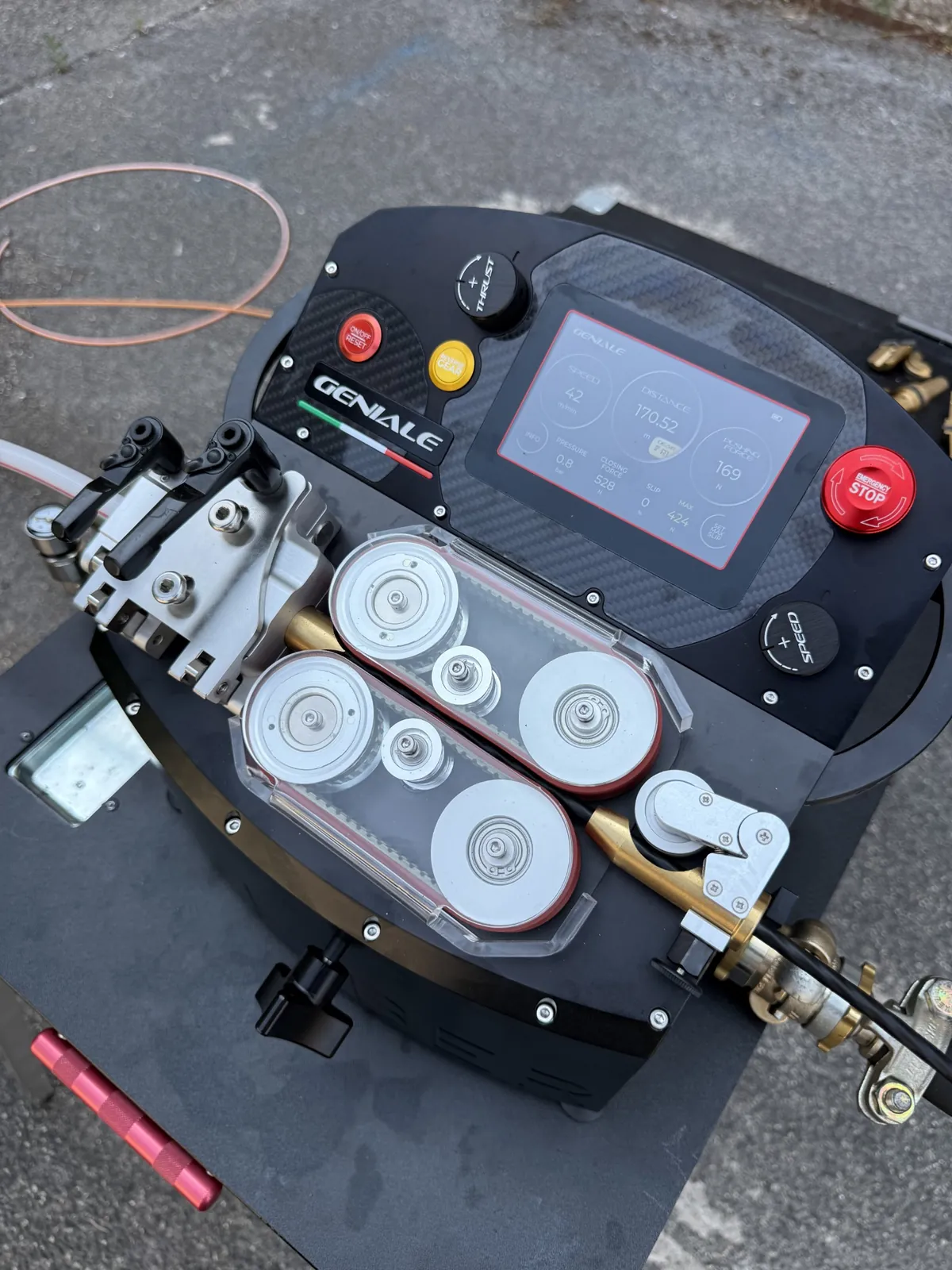
+39 346 652 9915Compare the cable diameter, duct diameter and installation distance. Lady is compact and lightweight for short runs. Opera is pneumatic and designed for long runs. Geniale is electric and handles both. A Fibernet technician can help you choose.
Yes. You can request a free hands-on demonstration on your site or at Fibernet’s test facility. Tell us what you need in the form and a technician will arrange it with you. Request a demonstration.
To get a price, contact a Fibernet advisor using the form or call +39 346 652 9915.
Fibernet offers direct technical support, spare parts ready to ship and dedicated training. If your machine breaks down, a replacement may be available. Ask your technician about availability and terms.
Tell us about your job. We’ll help you find the right cable blowing machine.