Emanuele Zanda
Google review
★★★★★
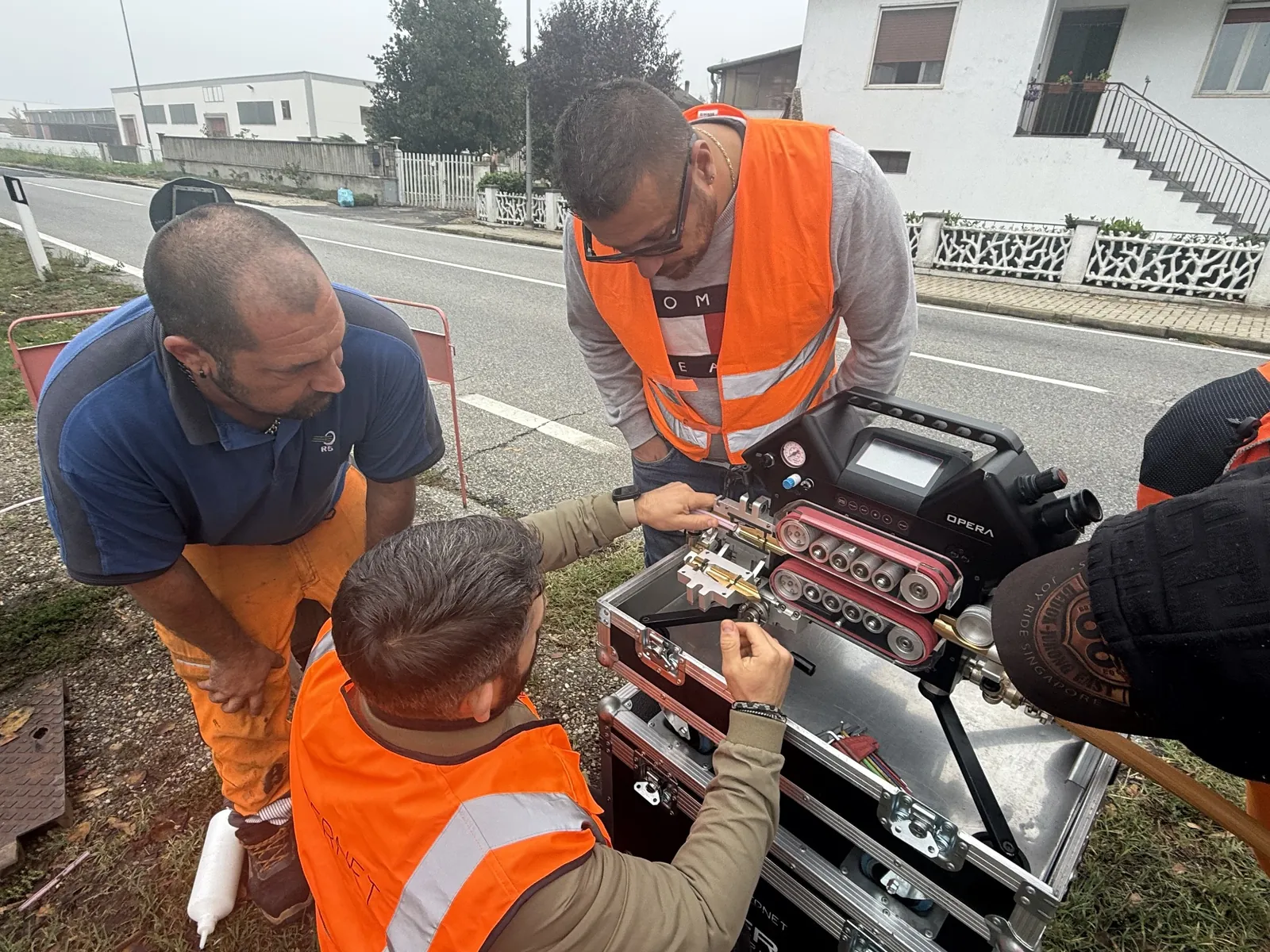
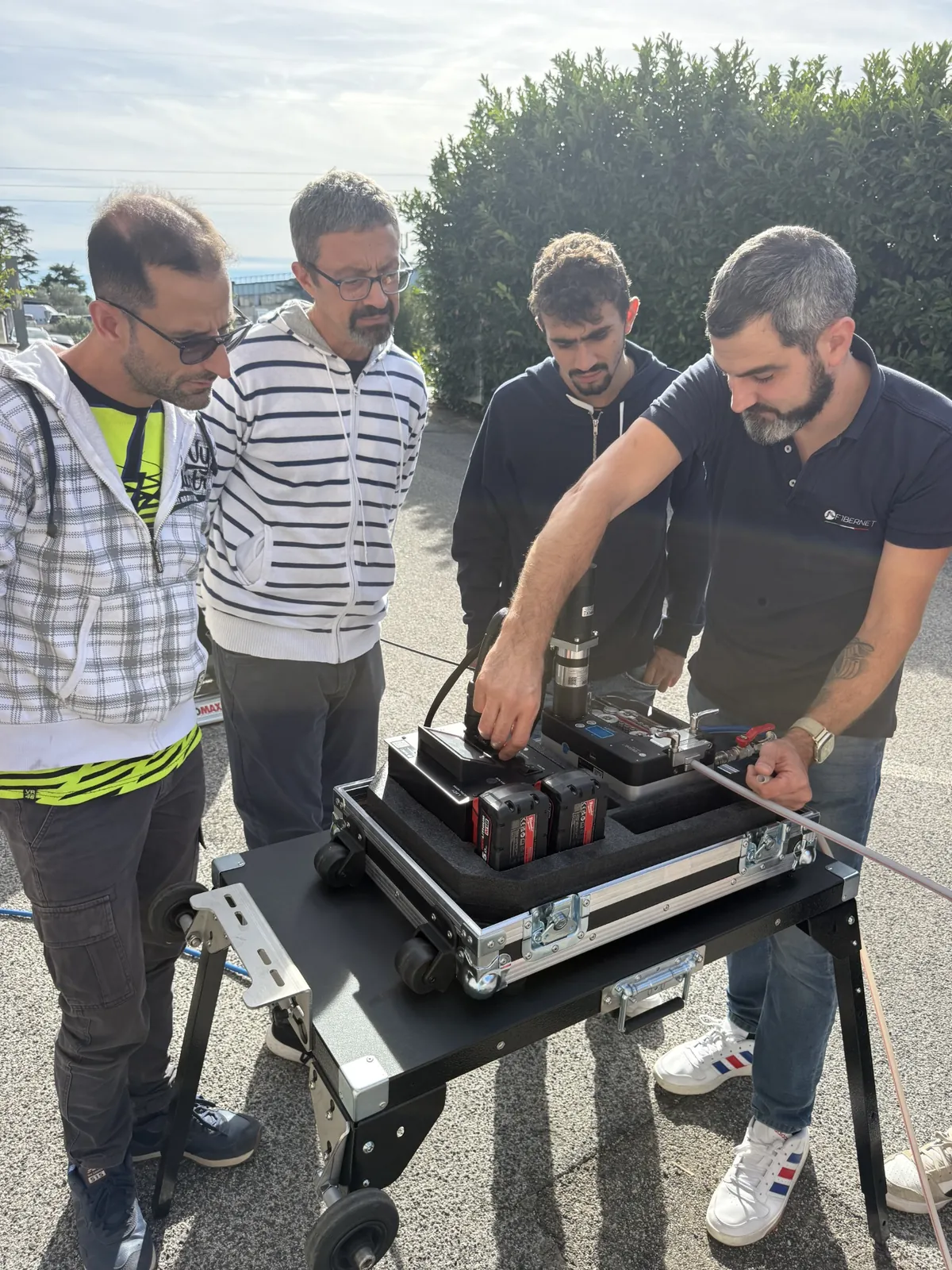
Read on Google“An excellent experience on the installer training course. The whole team was professional and knowledgeable.”
Cable blowing machines · Made in Italy
From last-mile connections to long-distance runs, a Fibernet technician can help you choose the right machine for your fiber optic cable installation.
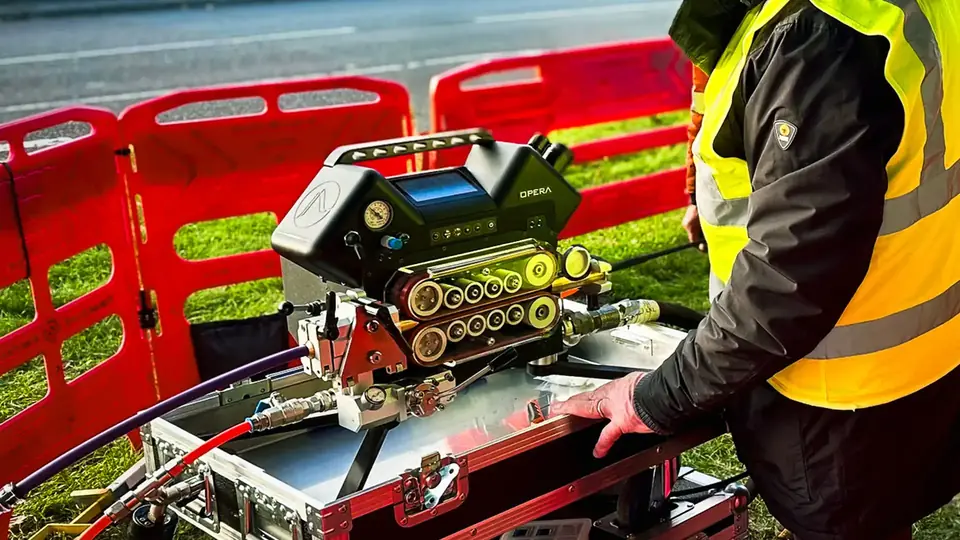
Opera, image 1 of 3
Expert advice direct from the manufacturer / Free demonstration on request
Some of our customers.
Keep your installation moving with Fibernet cable blowing machines.
Photos and stories from installers, published by Fibernet.
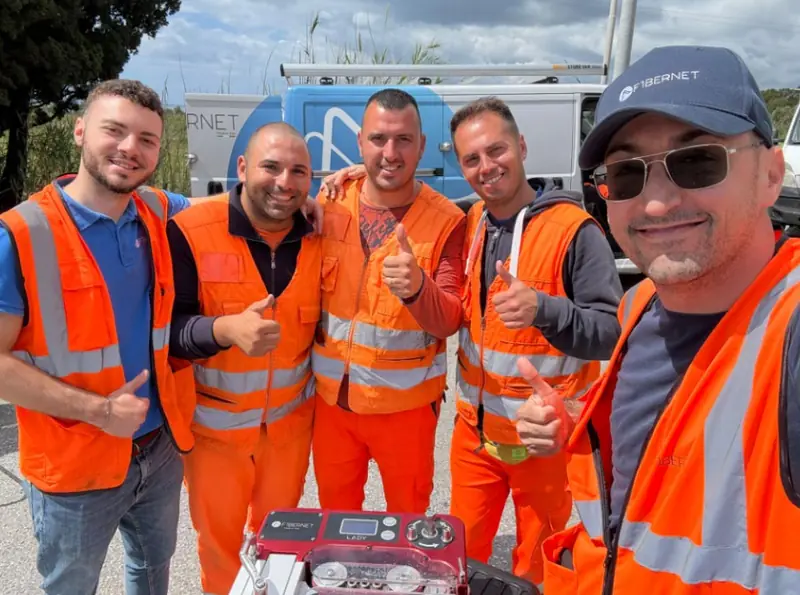
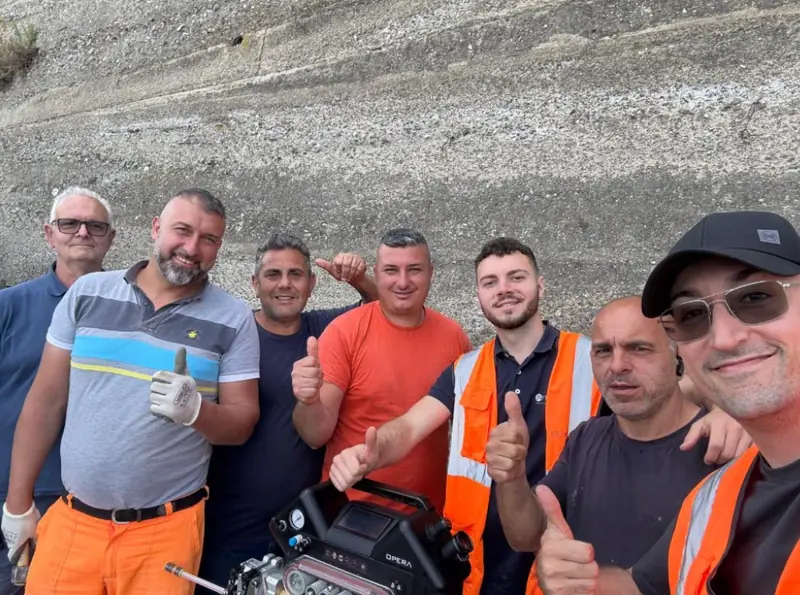
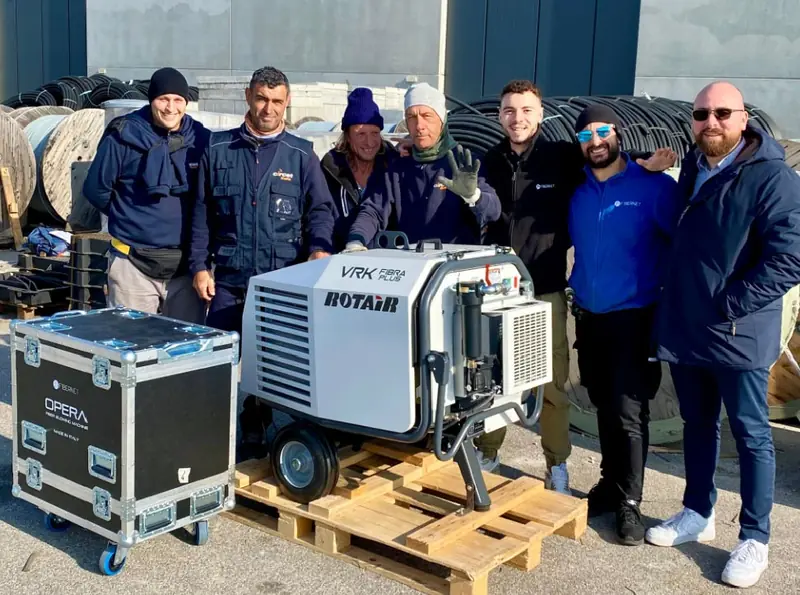
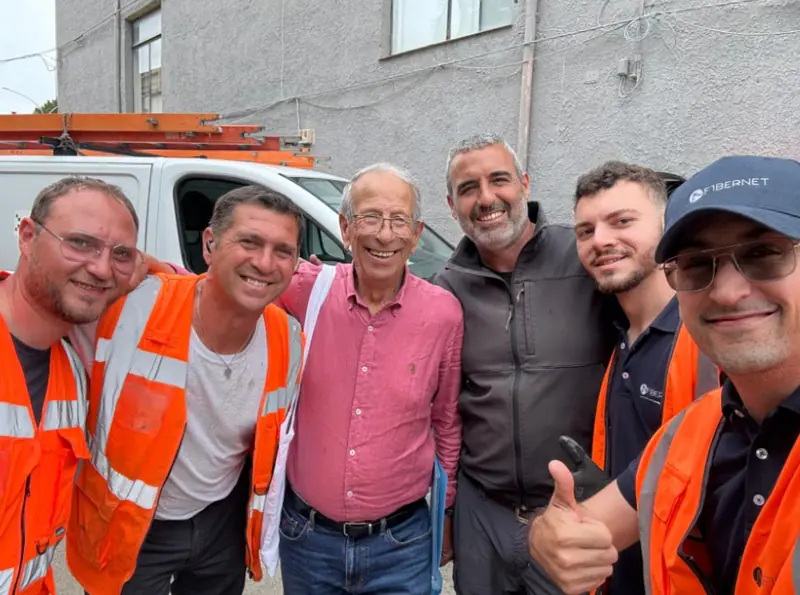
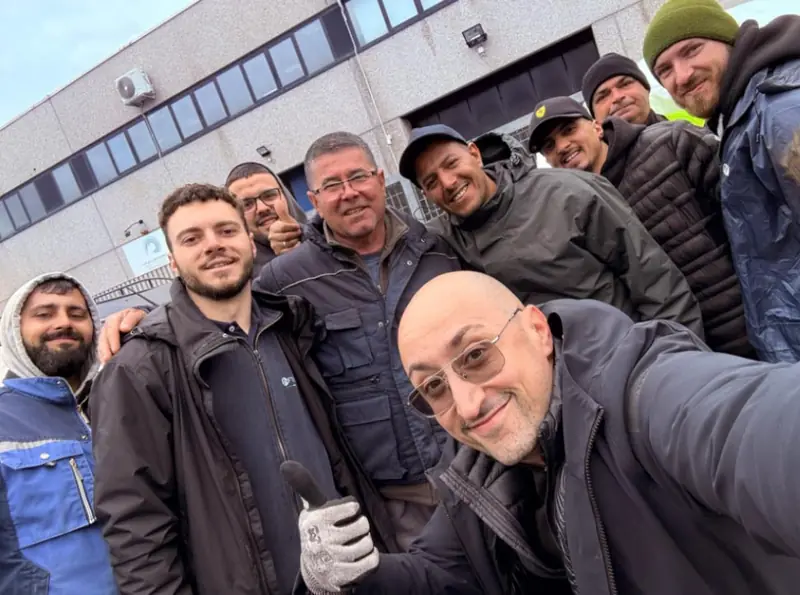
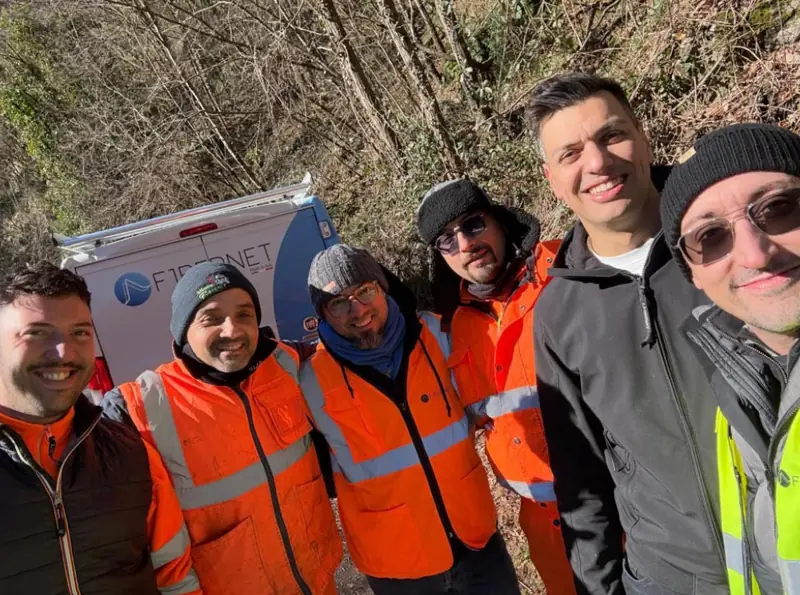 GoogleExcellentBased on 176 reviewsRead the reviews
Read on Google“An excellent experience on the installer training course. The whole team was professional and knowledgeable.”
Read on Google“I had the chance to try the Opera cable blowing machine on site…”
Read on Google“I really enjoyed this course. It took place in a pleasant setting with friendly, helpful people.”
Stories from installers
Hear the results from the installers themselves. Watch their testimonials right here.
Product videos
Three machines. Find your fit.
Start with the job at hand. Our technician can answer your questions about the right setup.
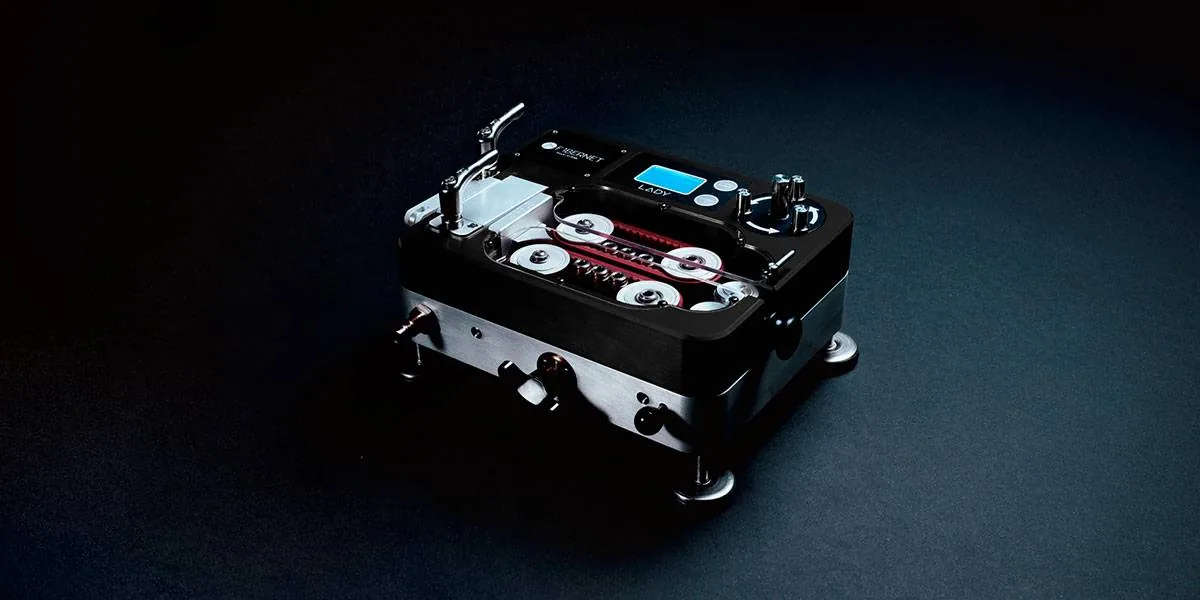
Compact and lightweight
A compact, lightweight machine for short runs.
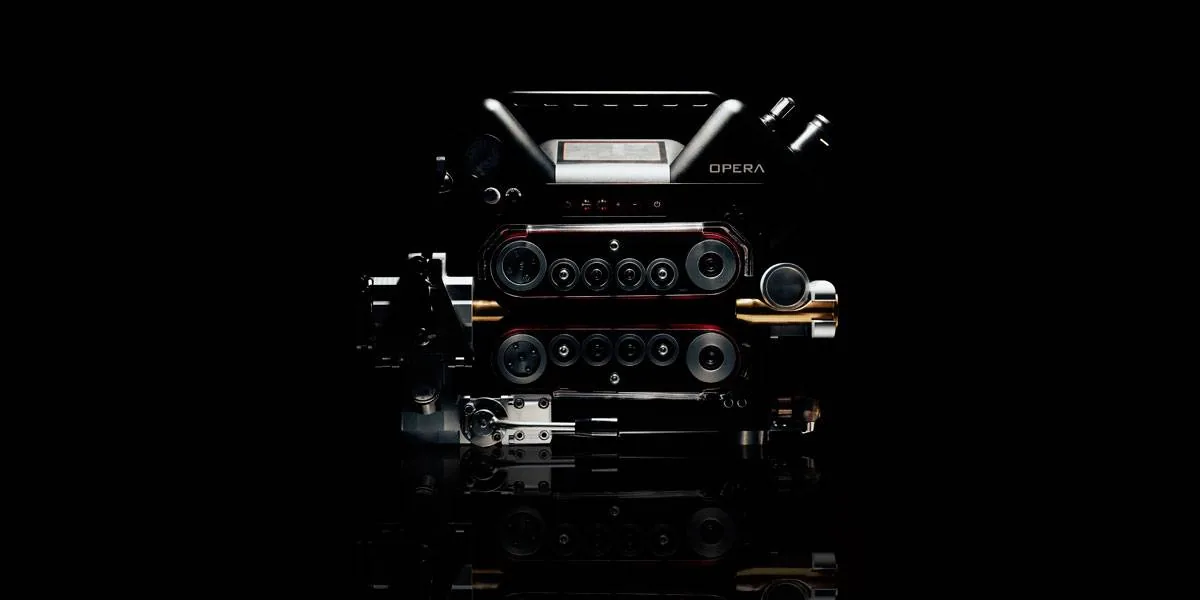
Pneumatic power
A pneumatic machine for long cable runs.
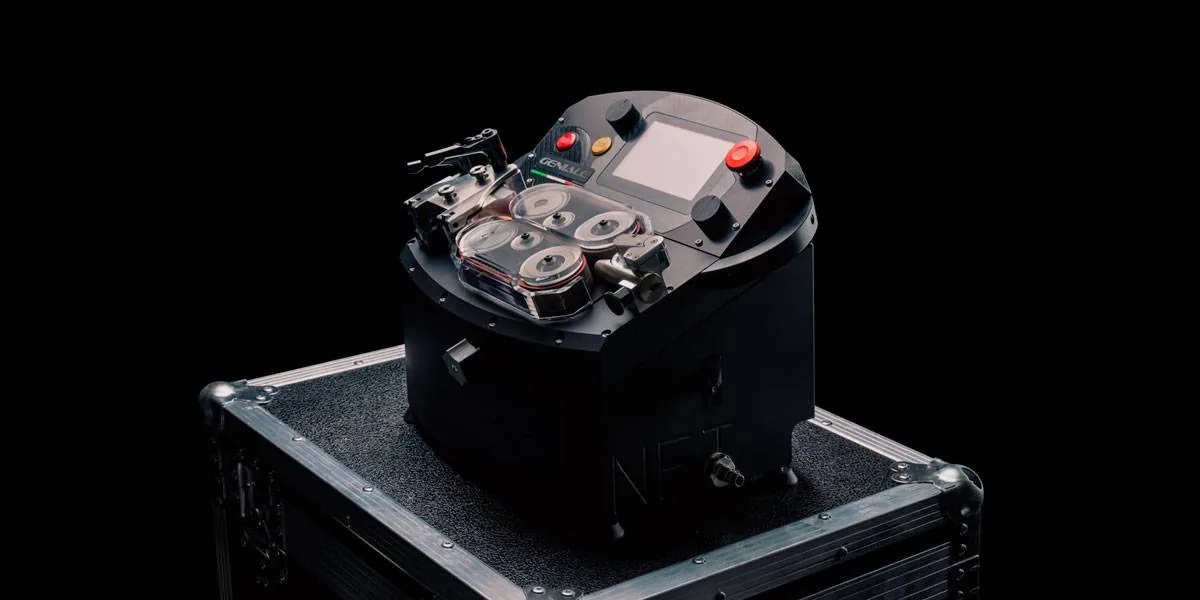
Electric, with two gears
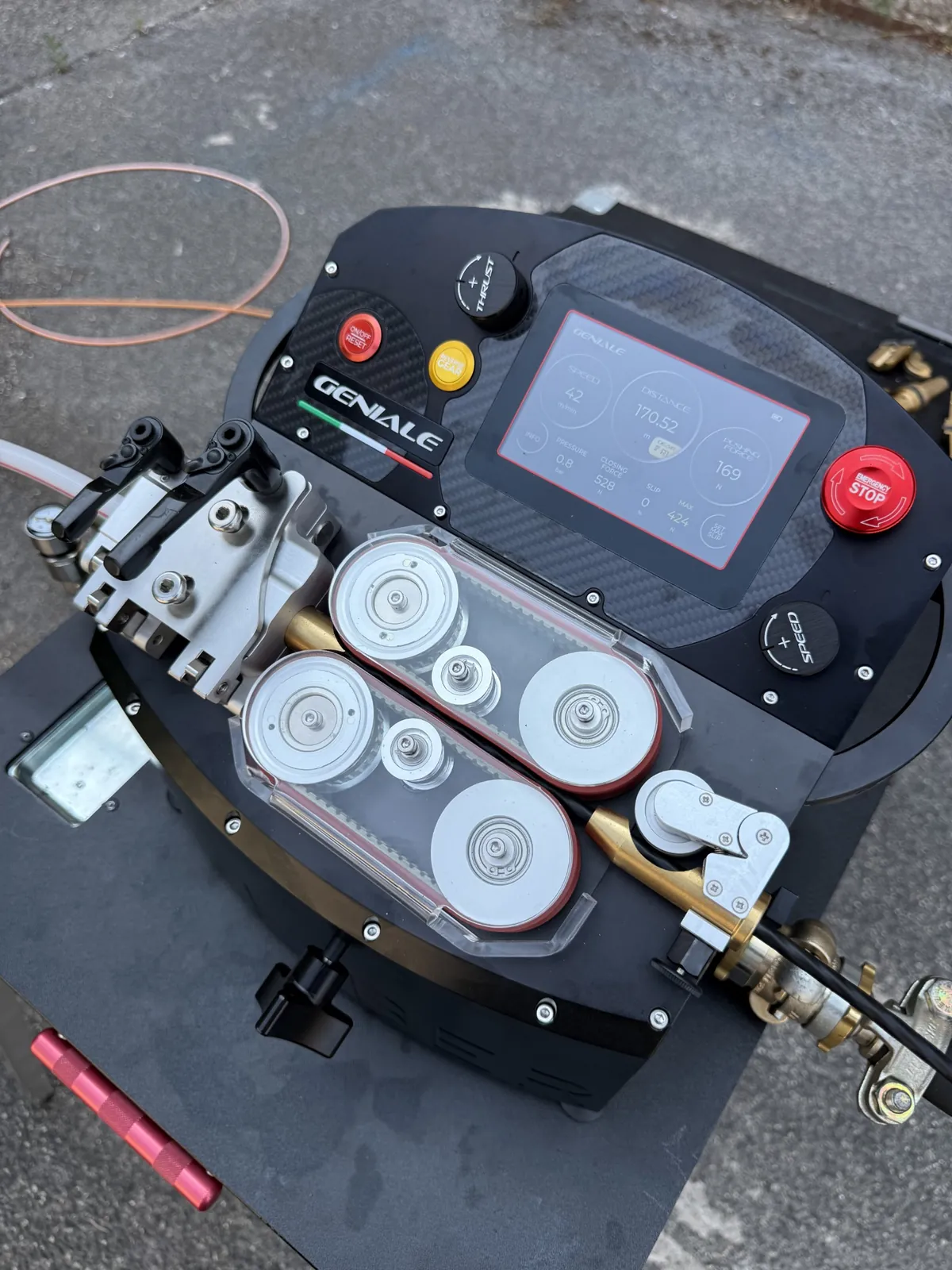
For short and long runs. Two gears let you match force and speed to the job.
Specifications for the Fibernet range. The speeds shown are maximum values. Actual results depend on installation conditions and machine setup.
Direct from the manufacturer
When you’re working on site, you need practical answers. With Fibernet, you speak directly to the people who design and build your cable blowing machine.
Speak to a technicianA specialist technician can help when you need it.
Spare parts ready to ship, direct from the manufacturer.
If your machine breaks down, a replacement may be available within 48 hours.
Check availability and terms with your technician.Get help making the most of your machine, from your very first job.
See it in action before you choose
Request a free hands-on demonstration on your site or at Fibernet’s test facility. Discuss a real job with the technician.
Request a free demonstration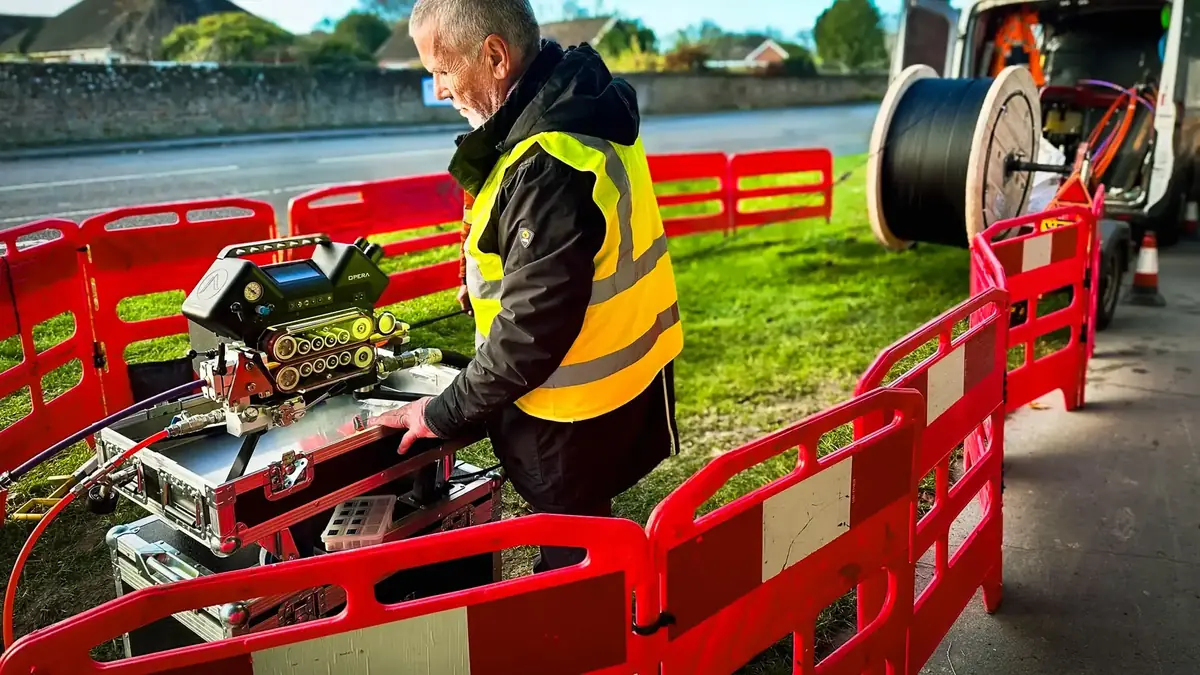
Choosing a drill powered OFC cable blowing machine starts with installation conditions, not with an isolated speed figure. Contractors need to understand how the cable, duct, compressed air supply, and drive arrangement will work together before equipment reaches the job site. Fibernet develops cable blowing equipment with a practical engineering approach rooted in Italy, giving installation companies a manufacturer to contact when evaluating their requirements. For American contractors working across different projects, the useful starting point is to describe the actual route and request a configuration suited to the work. Cable outside diameter, duct internal diameter, route length, bends, elevation changes, and available access points all influence that discussion. Begin by collecting the cable manufacturer's handling limits, including minimum bend radius and any applicable limits on pushing force. Record duct dimensions accurately rather than relying only on nominal sizes, and identify transitions, couplings, or sections where the internal passage may be restricted. These details help establish whether the proposed equipment and accessories match the installation. A drill powered cable blowing machine should also be assessed alongside the drill requirements specified by its manufacturer. Ask about compatible drive characteristics, connection arrangements, speed control, and any protective features included in the proposed configuration. Do not assume that every drill, cable size, or duct seal is interchangeable. The compressed air supply deserves the same attention: required pressure and airflow depend on the equipment and installation, so confirm both against the relevant documentation before selecting a compressor. Portability can be valuable where crews move between access chambers, roadside work areas, or building entry points, but useful portability includes the entire working setup, not just the machine. Consider hoses, connectors, cable payoff equipment, tools, and the space needed to maintain a controlled cable path. For example, a contractor connecting several commercial buildings may need frequent setup changes rather than one uninterrupted run. In that situation, clear adjustment procedures and suitable cable and duct interfaces may matter more than a headline maximum speed. When comparing a drill powered fiber optic cable blowing machine with other options, request an explanation of the intended operating envelope and the factors that can reduce achievable distance. Ask Fibernet to clarify which accessories are included, which must be selected separately, and what operating guidance is available for the configuration under consideration. A useful equipment enquiry should also address maintenance access, replacement wear components, and the information required when requesting technical assistance. This preparation gives procurement staff and field supervisors a shared basis for decisions. It can help avoid purchasing mismatched components, support more realistic scheduling, and make the first installation a controlled evaluation rather than an improvised attempt to reproduce results achieved under different conditions.
An effective installation begins before the cable enters the machine. Crews should review the duct route, identify intermediate access points, and confirm that the selected cable and duct combination is suitable for blowing. The objective is to create conditions in which mechanical feeding and compressed air can work together without exposing the cable to avoidable stress. When evaluating a drill powered OFC cable blowing machine, ask Fibernet which preparation checks apply to the proposed configuration and which operating limits must be observed. This turns a product enquiry into a practical equipment discussion grounded in the conditions the crew will encounter. Before setup, follow an approved procedure to assess duct continuity, cleanliness, and condition. A damaged section, unsuitable coupling, or accumulated contamination can interfere with progress even when the machine itself is correctly configured. Any duct testing, cleaning, or obstruction checks must use suitable equipment and follow the duct supplier's instructions and site safety requirements. Establish a safe working area around both ends of the route, secure relevant connections, and keep personnel clear of locations where compressed air or loose objects could discharge. Depressurize the system before opening connections or making adjustments that require access to pressurized components. Cable handling is equally important. Position the reel so that cable pays off smoothly without dragging across sharp edges or forming tight bends. Check that guides and entry arrangements preserve the specified bend radius, and make sure the operator can observe the feed path. With a drill driven cable blowing machine, confirm the approved drill settings, operating direction, and control method before starting. The correct approach is the manufacturer's procedure, not an assumption that greater drill speed will deliver a better result. During installation, monitor cable movement and the operating indicators available on the selected equipment. If progress changes unexpectedly, follow the prescribed stopping procedure and investigate the cause rather than increasing force or pressure beyond approved limits. Possible issues include restricted duct sections, reel resistance, unsuitable sealing, or a route condition that differs from the original survey. A cable blowing machine for fiber optic cable installation should be treated as one part of a coordinated process involving the machine operator, the reel handler, and personnel at relevant access points. Agree on communication signals and stopping responsibilities before work begins. For example, on a campus connection with several duct sections, recording the cable used, route conditions, setup configuration, and achieved distance can help the team plan subsequent sections more accurately. Keep installation records specific enough to support troubleshooting without treating one successful run as a universal performance guarantee. After completion, follow the required cable inspection, end protection, and testing procedures for the project. Consistent preparation and documentation can reduce avoidable interruptions, improve handovers between crews, and provide better evidence when discussing future equipment requirements with Fibernet.
Fibernet was founded in 2001, building on the technical experience of Giancarlo Trinei, whose work with early Italian fiber installations began in the 1980s. That background matters to equipment buyers because cable blowing is a practical discipline: a machine must be evaluated in relation to the cable it handles, the duct it feeds, and the people operating it. The company introduced its first cable blowing machine, Lady, in 2021. For a contractor researching a drill powered OFC cable blowing machine, these milestones provide context for a direct conversation with an Italian manufacturer whose product development is connected to installation experience. They do not replace a technical assessment, but they explain the engineering perspective behind the business. Buyers can make that conversation more productive by preparing a short project brief rather than asking only for a price. Include the cable construction and outside diameter, duct dimensions, expected section lengths, route characteristics, and the compressed air equipment available to the crew. Explain whether the equipment will support occasional connections, repeated short installations, or a wider program involving different cable and duct combinations. These distinctions help frame questions about configuration, changeover procedures, and the accessories needed for each application. If a drill powered fibre optic cable blowing machine is being considered for several crews, ask how the proposed setup should be checked before each use and what instruction operators need before working independently. Request the applicable operating manual and clarification of inspection intervals, wear points, cleaning methods, and storage requirements. Confirm which replacement parts apply to the exact configuration and how to identify them when placing an order. For American buyers sourcing equipment from Italy, procurement should also establish shipping responsibilities, documentation requirements, warranty terms, and the practical process for obtaining technical assistance. These are questions to resolve directly with Fibernet rather than benefits to assume from the company's history. A demonstration or an agreed evaluation, if available, is most useful when its conditions are documented. Record the cable and duct combination, route layout, air supply, and operating settings so that the observed result can be interpreted fairly. A straightforward test route may show how controls and adjustments work, but it cannot establish the outcome of every field installation. When reviewing a drill powered optical fibre cable blowing machine, distinguish verified product specifications from estimates that depend on site conditions. This helps purchasing teams compare proposals on a consistent basis and gives supervisors clearer expectations about deployment. For example, a business expanding from occasional building connections to regular access network work may benefit from defining a repeatable setup checklist before ordering additional equipment. The desired outcome is not simply ownership of another machine, but a documented installation method supported by suitable equipment, trained operators, and clear communication with the manufacturer.
Fill out the form and discover what Fibernet Srl can do for you!
Contact us!Before you get started
If you prefer, speak to us directly.
+39 346 652 9915Compare the cable diameter, duct diameter and installation distance. Lady is compact and lightweight for short runs. Opera is pneumatic and designed for long runs. Geniale is electric and handles both. A Fibernet technician can help you choose.
Yes. You can request a free hands-on demonstration on your site or at Fibernet’s test facility. Tell us what you need in the form and a technician will arrange it with you. Request a demonstration.
To get a price, contact a Fibernet advisor using the form or call +39 346 652 9915.
Fibernet offers direct technical support, spare parts ready to ship and dedicated training. If your machine breaks down, a replacement may be available. Ask your technician about availability and terms.
Tell us about your job. We’ll help you find the right cable blowing machine.