Emanuele Zanda
Google review
★★★★★
Read on Google“An excellent experience on the installer training course. The whole team was professional and knowledgeable.”
Cable blowing machines · Made in Italy
From last-mile connections to long-distance runs, a Fibernet technician can help you choose the right machine for your fiber optic cable installation.
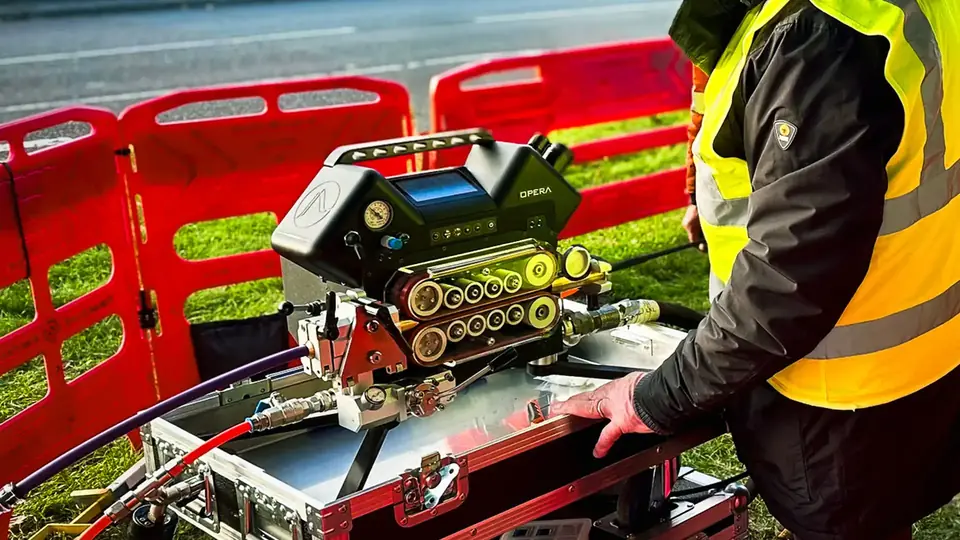
Opera, image 1 of 3
Expert advice direct from the manufacturer / Free demonstration on request
Some of our customers.

Keep your installation moving with Fibernet cable blowing machines.
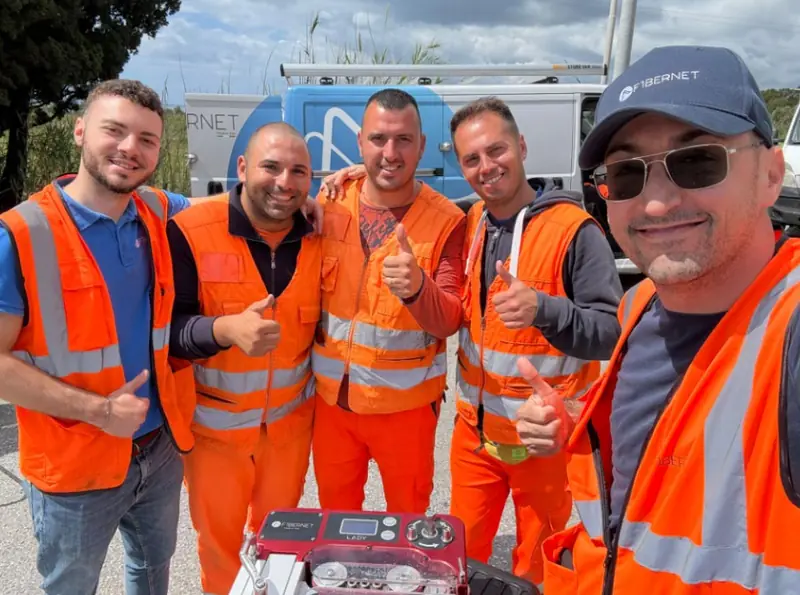
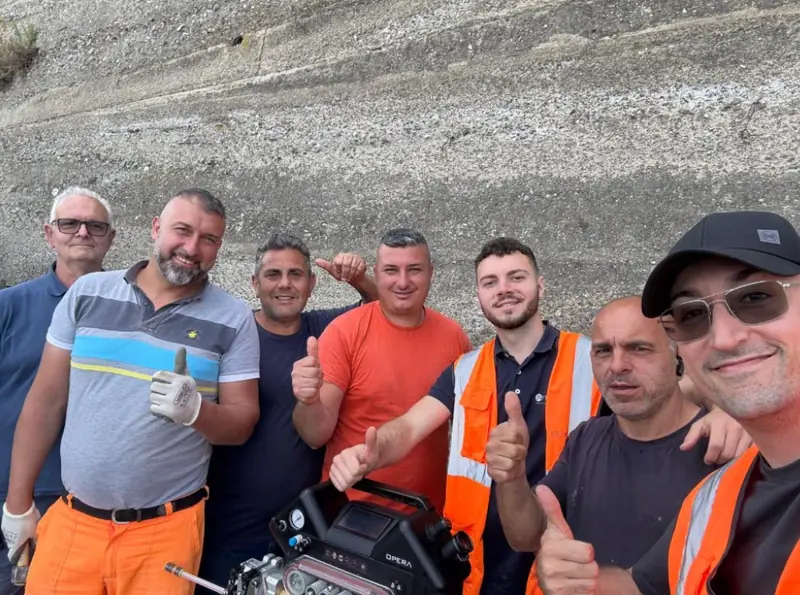
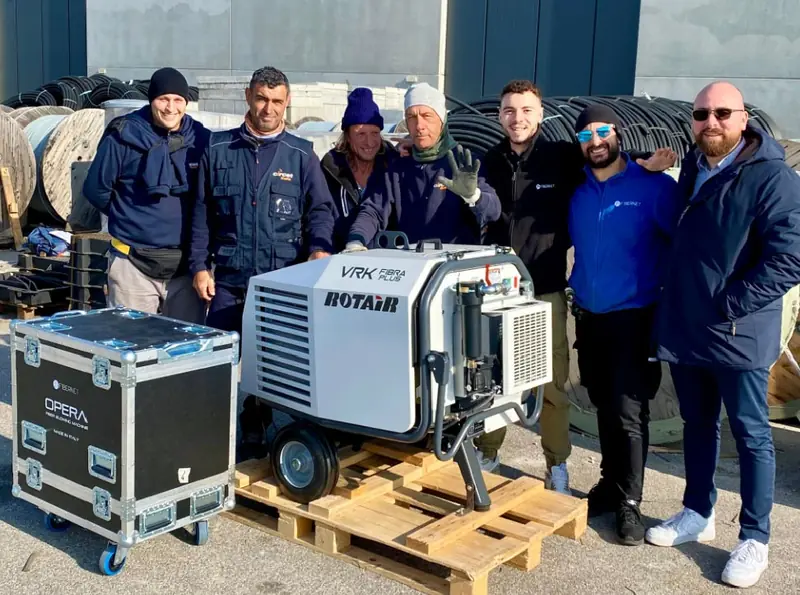
Photos and stories from installers, published by Fibernet.
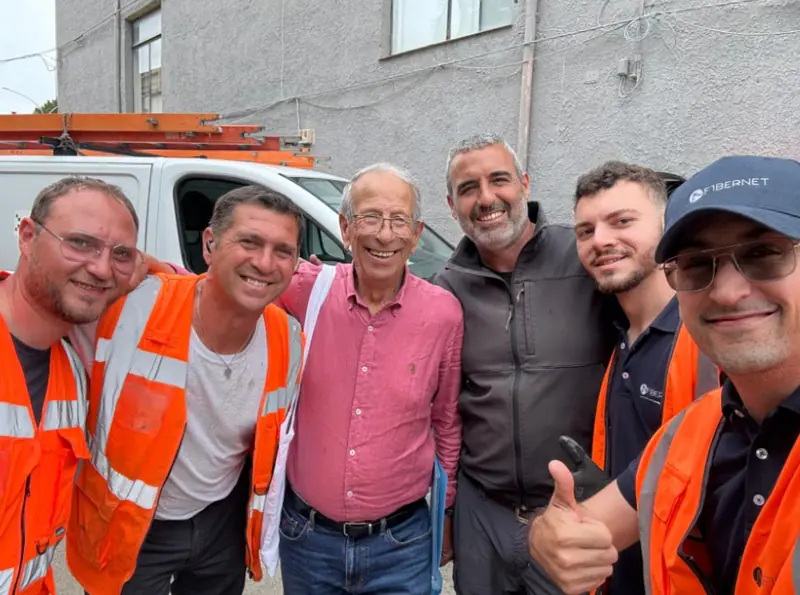
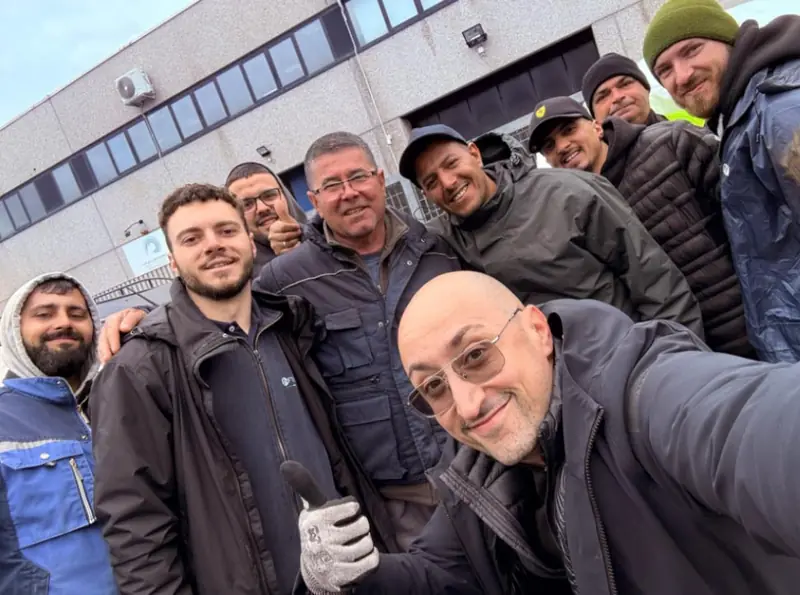
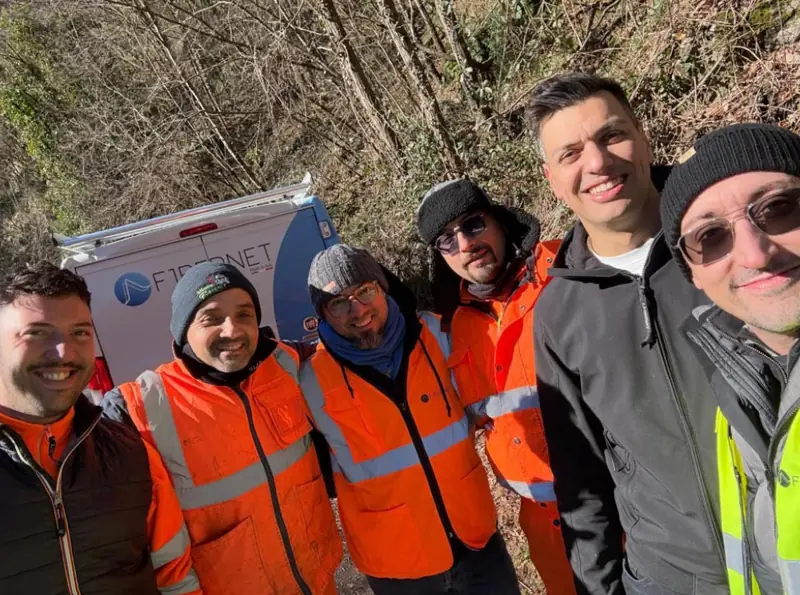 GoogleExcellentBased on 176 reviewsRead the reviews
Read on Google“An excellent experience on the installer training course. The whole team was professional and knowledgeable.”
Read on Google“I had the chance to try the Opera cable blowing machine on site…”
Read on Google“I really enjoyed this course. It took place in a pleasant setting with friendly, helpful people.”
Stories from installers
Hear the results from the installers themselves. Watch their testimonials right here.
Product videos
Three machines. Find your fit.
Start with the job at hand. Our technician can answer your questions about the right setup.
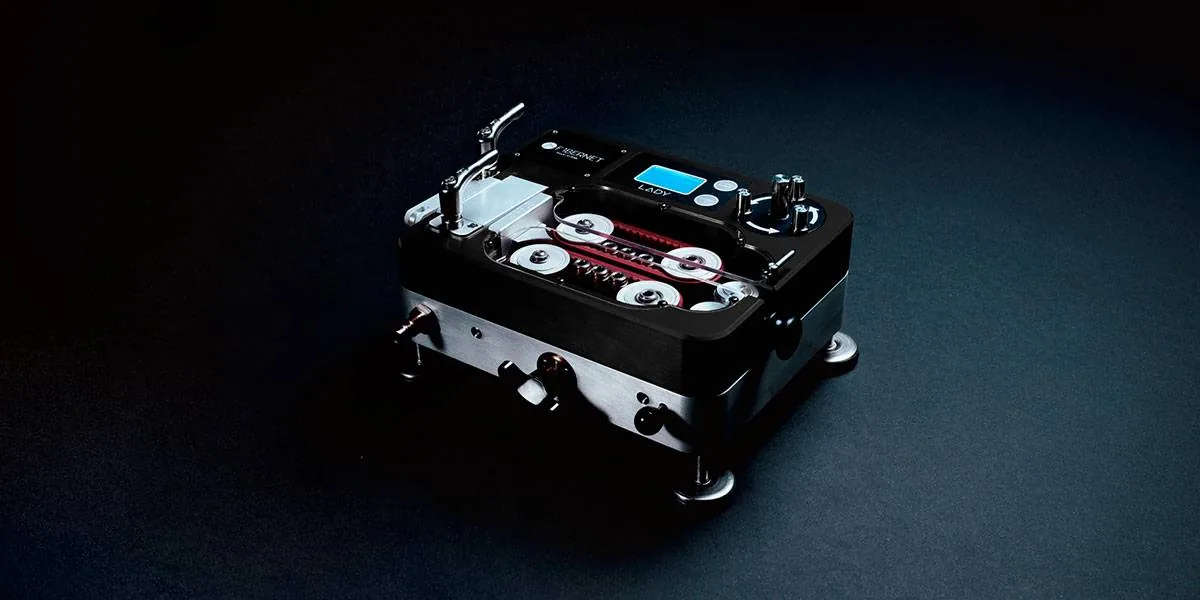
Compact and lightweight
A compact, lightweight machine for short runs.
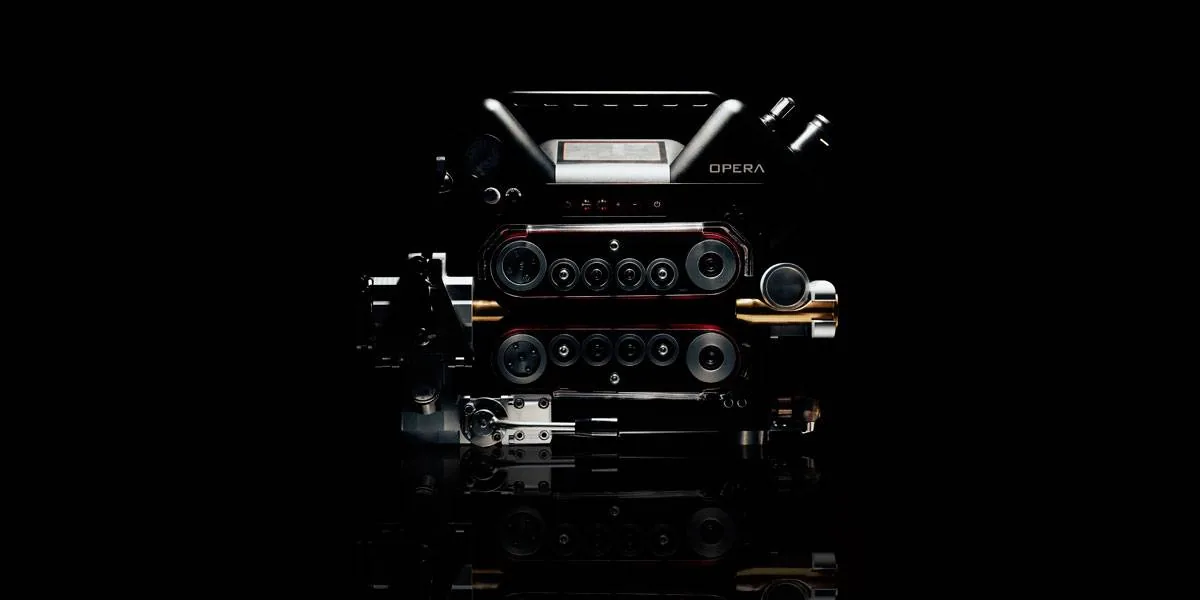
Pneumatic power
A pneumatic machine for long cable runs.
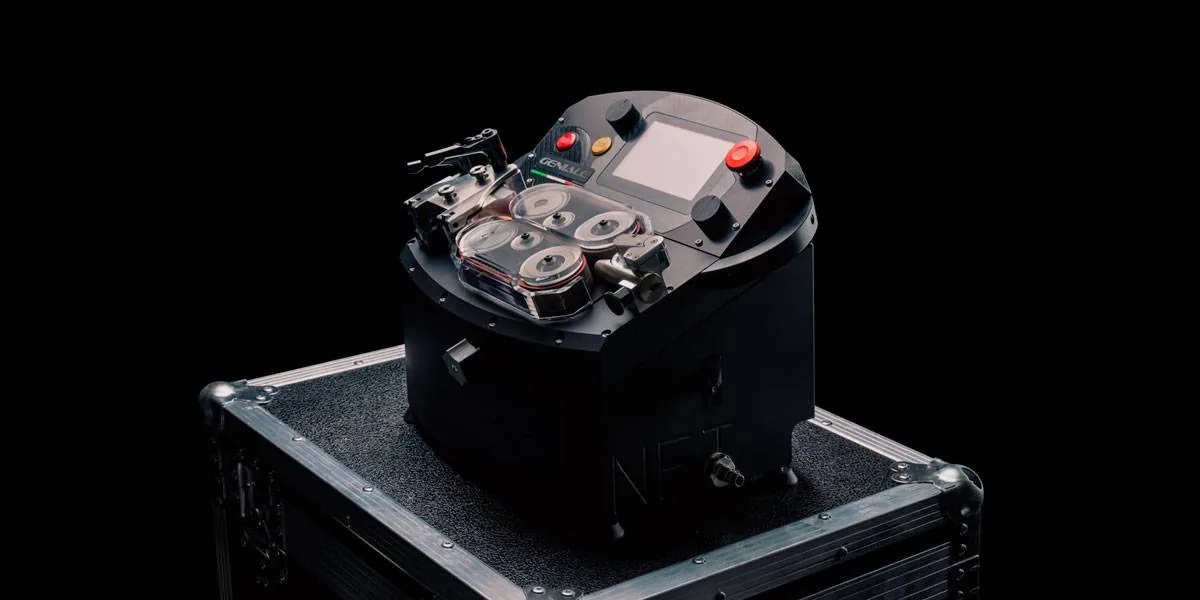
Electric, with two gears
For short and long runs. Two gears let you match force and speed to the job.
Specifications for the Fibernet range. The speeds shown are maximum values. Actual results depend on installation conditions and machine setup.
Direct from the manufacturer
When you’re working on site, you need practical answers. With Fibernet, you speak directly to the people who design and build your cable blowing machine.
Speak to a technicianA specialist technician can help when you need it.
Spare parts ready to ship, direct from the manufacturer.
If your machine breaks down, a replacement may be available within 48 hours.
Check availability and terms with your technician.Get help making the most of your machine, from your very first job.
See it in action before you choose
Request a free hands-on demonstration on your site or at Fibernet’s test facility. Discuss a real job with the technician.
Request a free demonstration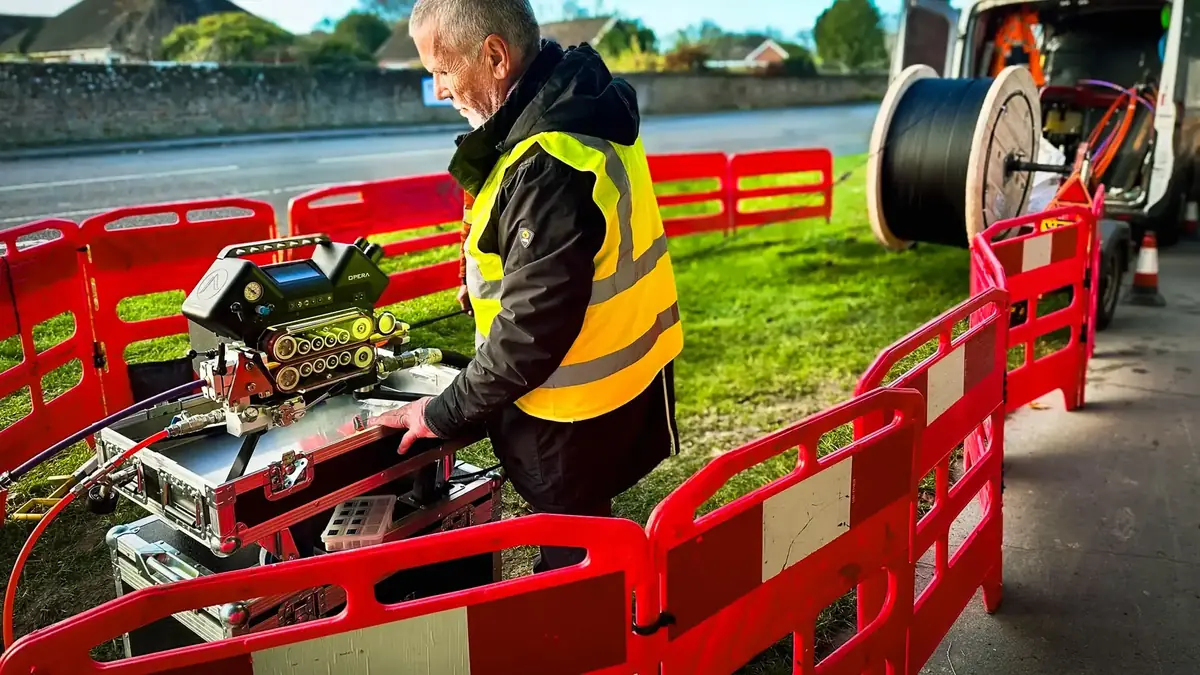
A drill powered fibre blowing machine should be evaluated against the cable, duct, and working conditions your installation team actually encounters. For telecommunications contractors preparing cable blowing projects in Italy, that means looking beyond a compact appearance or a headline speed figure. Cable diameter, duct internal diameter, route length, bends, elevation changes, and the condition of existing ducts all influence installation behavior. Fibernet offers a practical starting point for discussing these requirements, drawing on a technical background that predates the company's foundation in 2001. Its first cable blowing machine, Lady, was introduced in 2021. For buyers assessing Italian-made equipment, the useful question is not simply whether a machine can move cable, but whether the proposed configuration suits the planned application and can be supported throughout its working life. A drill powered fibre cable blowing machine uses a drill-driven mechanical feed together with a suitable compressed-air supply; the drill does not replace the compressor. Before selecting equipment, provide the cable manufacturer's dimensional data and installation limits, the duct specification, and a realistic description of the route. Ask Fibernet to confirm compatible cable and duct sizes, the required adapters and seals, and the recommended drill characteristics for the configuration under consideration. These details should be established from current product documentation rather than inferred from the general equipment category. On site, controlled feeding matters because excessive pushing force can damage a cable or encourage buckling when resistance rises. Equally, increasing air pressure without understanding the cause of a slowdown is not a reliable corrective action. Operators should follow the machine instructions and remain within the cable and duct manufacturers' limits. Route preparation deserves equal attention: checking duct continuity, identifying leaks, and confirming that the pathway is suitable for blowing can prevent avoidable interruptions. When comparing a drill driven fibre blowing machine with other configurations, assess how the complete setup will fit the crew's workflow, including compressor access, loading arrangements, and the space available at the duct entrance. Consider how frequently the team changes cable sizes and whether the necessary changeover components can be kept organized at the work location. Buyers should also distinguish between a theoretical equipment capability and an achievable result on a particular route. No single installation distance or production rate can be promised without understanding the operating conditions. Share those conditions with Fibernet through www.fibernetsrlusa.com to discuss a suitable configuration, clarify what is included in a quotation, and identify any supporting equipment needed before mobilizing the crew. This approach makes the purchasing conversation more useful and helps align expectations before the equipment reaches the job site.
Successful cable blowing starts before the operator engages the drill. The work area needs a stable equipment position, a manageable cable payoff arrangement, safe hose routing, and clear communication with anyone monitoring the receiving end. For crews working on Italian street projects or preparing equipment for overseas contracts, these practical details can determine whether a shift proceeds smoothly or becomes a sequence of avoidable stops. A drill powered fibre blowing machine belongs within a coordinated installation system, not an isolated purchase decision. Begin by checking the intended cable and duct combination against the selected machine's documented operating range. Inspect the duct entry and use the appropriate connection components to avoid an improvised arrangement that could leak or separate under pressure. Compressed air introduces specific hazards, so all connections, hoses, and fittings must be suitable for the intended service and used according to the relevant instructions. Never disconnect a pressurized assembly or attempt adjustments while moving components remain active. Before loading the cable, inspect the feed contact surfaces and check that the selected guides and seals match the installation. Incorrect adjustment can cause slipping, unnecessary jacket compression, or unstable feeding. The right settings depend on the equipment and cable, so operators should use the supplied procedures rather than copy settings from a previous job with different materials. When considering a battery powered fibre blowing machine, clarify exactly which functions use battery power and what external air equipment is still required. Battery operation alone does not establish compressor independence, usable runtime, or suitability for a particular installation. Likewise, a drill powered fibre optic cable blowing machine must be matched to the drill specifications accepted by its manufacturer; battery platform, torque behavior, speed control, and duty requirements should be verified rather than assumed. During the installation, maintain an orderly cable supply and watch for changes in feeding behavior. If progress becomes inconsistent, stop safely and investigate possible causes such as a duct obstruction, an air leak, poor alignment, or excessive resistance at the cable payoff. Do not treat higher drive force as the automatic solution. Recording the cable type, duct dimensions, approximate route conditions, equipment settings, and reasons for interruptions can help a supervisor plan comparable work more accurately. After the run, follow the specified shutdown and depressurization sequence, then inspect and clean the equipment as instructed. Keep wear components and accessories identified so the next crew can establish the correct setup without guesswork. Fibernet can be contacted to discuss operating documentation, configuration questions, and support requirements for its Italian-made cable blowing equipment. For organizations coordinating teams in Italy, the United States, or other countries, establishing those details before deployment helps make equipment handovers clearer and maintenance planning more consistent.
Buying cable blowing equipment is also a decision about the relationship behind the machine. A contractor needs a clear route for configuration advice, replacement component enquiries, and technical questions when an installation does not behave as expected. Fibernet's story begins with founder Giancarlo Trinei's work on early Italian optical cable installations in the 1980s, followed by the establishment of the company in 2001. The next generation joined the business in 2010, preserving its family foundations while supporting further development. The introduction of Lady in 2021 marked the company's entry into cable blowing machines. That background gives prospective buyers useful context, but a procurement decision should still rest on documented suitability, a clearly defined supply package, and agreed support arrangements. For a drill powered fibre blowing machine, request a quotation that identifies the proposed model, compatible configurations, included components, and any optional items needed for your intended work. Ask which drill and compressor requirements apply, whether additional guides or seals are necessary, and what documentation accompanies the equipment. If the machine will be used by an American contractor on an Italian project, or transferred between operating locations, discuss delivery destination and support needs at the enquiry stage. Fibernet's Italian-made products are supported in the United States and worldwide; buyers should confirm the applicable contact channels, service procedures, replacement parts arrangements, and expected response conditions for their location. International assistance should not be interpreted as a guarantee of immediate on-site attendance everywhere. Clear expectations are particularly important when a machine is assigned to a time-sensitive contract. A purchasing team comparing a drill driven fibre optic cable blowing machine should consider the cost of the complete working setup, not just the base equipment. Relevant questions include accessory compatibility, routine inspection requirements, availability of wear components, and the process for identifying a replacement part correctly. If another specification describes a drill powered fiber blowing machine, the American spelling does not itself indicate a different operating principle; model specifications and confirmed capabilities remain the meaningful comparison points. Procurement staff can reduce ambiguity by sending the supplier a concise application brief containing cable dimensions, duct dimensions, route characteristics, anticipated usage, and the delivery location. Include any customer requirements for documentation or equipment acceptance so these can be addressed before an order is finalized. Field supervisors should participate in that conversation because they understand access constraints, handling needs, and the practical limits of the available air supply. Through www.fibernetsrlusa.com, buyers can introduce their project and request product information tailored to those conditions. The result should be a transparent equipment discussion grounded in the installation task, with Italian manufacturing and international assistance considered alongside verified technical requirements rather than substituted for them.
Fill out the form and discover what Fibernet Srl can do for you!
Contact us!Before you get started
If you prefer, speak to us directly.
+39 346 652 9915Compare the cable diameter, duct diameter and installation distance. Lady is compact and lightweight for short runs. Opera is pneumatic and designed for long runs. Geniale is electric and handles both. A Fibernet technician can help you choose.
Yes. You can request a free hands-on demonstration on your site or at Fibernet’s test facility. Tell us what you need in the form and a technician will arrange it with you. Request a demonstration.
To get a price, contact a Fibernet advisor using the form or call +39 346 652 9915.
Fibernet offers direct technical support, spare parts ready to ship and dedicated training. If your machine breaks down, a replacement may be available. Ask your technician about availability and terms.
Tell us about your job. We’ll help you find the right cable blowing machine.