Emanuele Zanda
Google review
★★★★★
Read on Google“An excellent experience on the installer training course. The whole team was professional and knowledgeable.”
Cable blowing machines · Made in Italy
From last-mile connections to long-distance runs, a Fibernet technician can help you choose the right machine for your fiber optic cable installation.
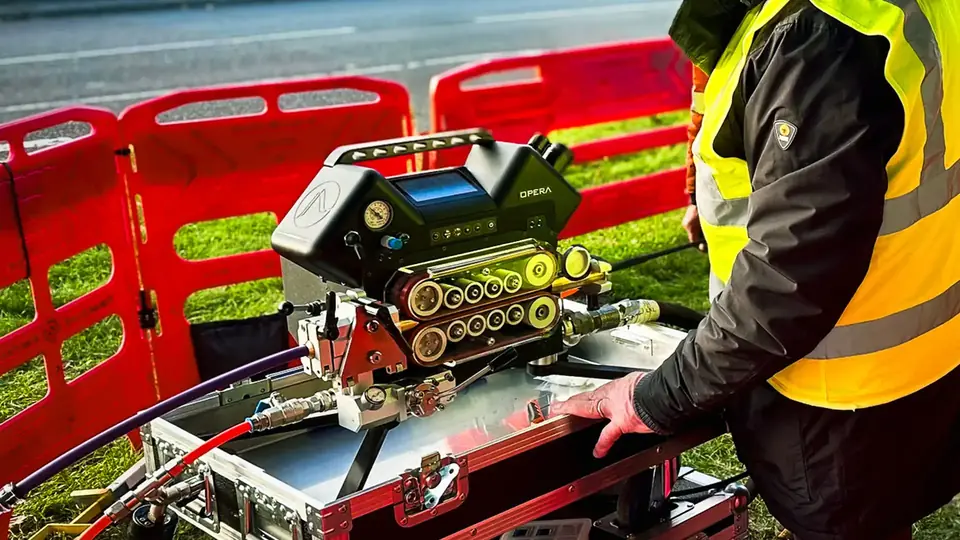
Opera, image 1 of 3
Expert advice direct from the manufacturer / Free demonstration on request
Some of our customers.


Keep your installation moving with Fibernet cable blowing machines.
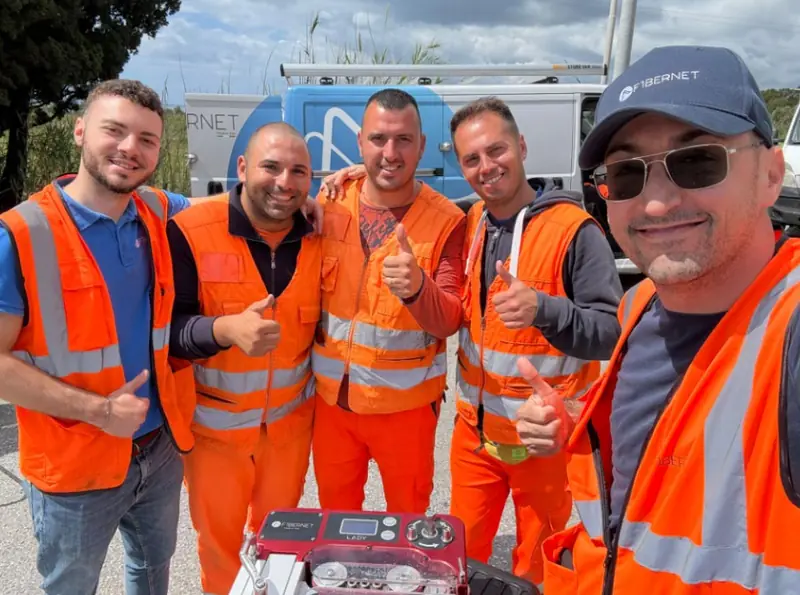
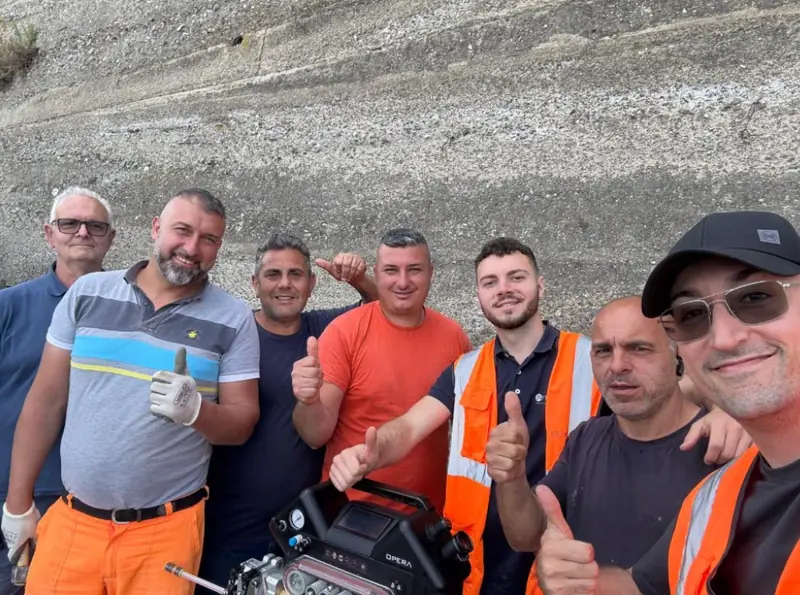
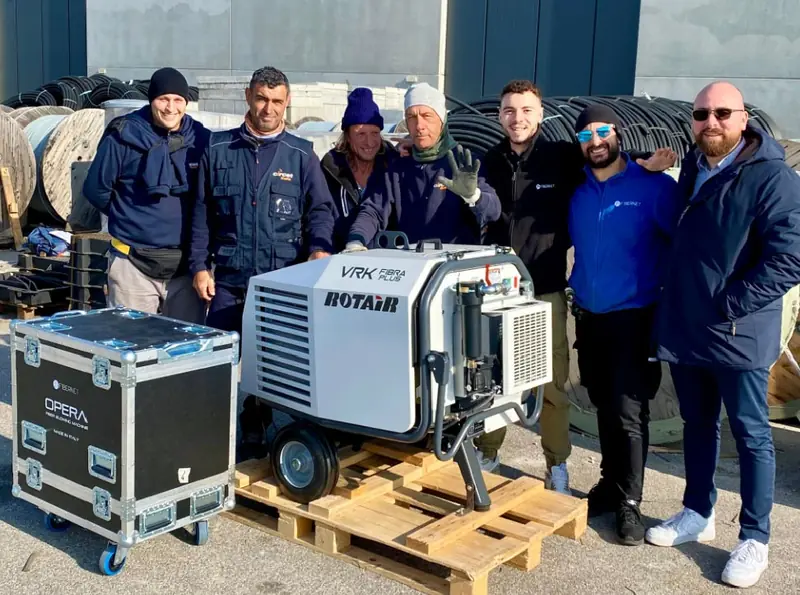
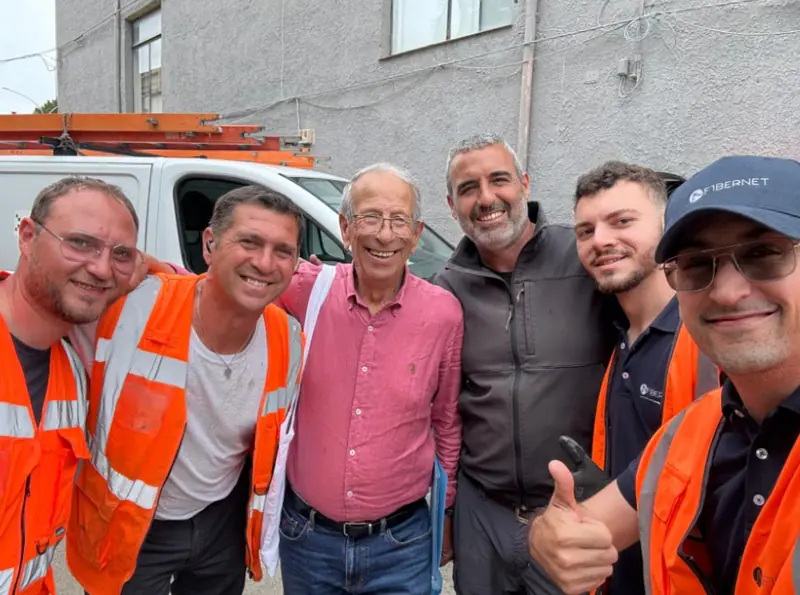
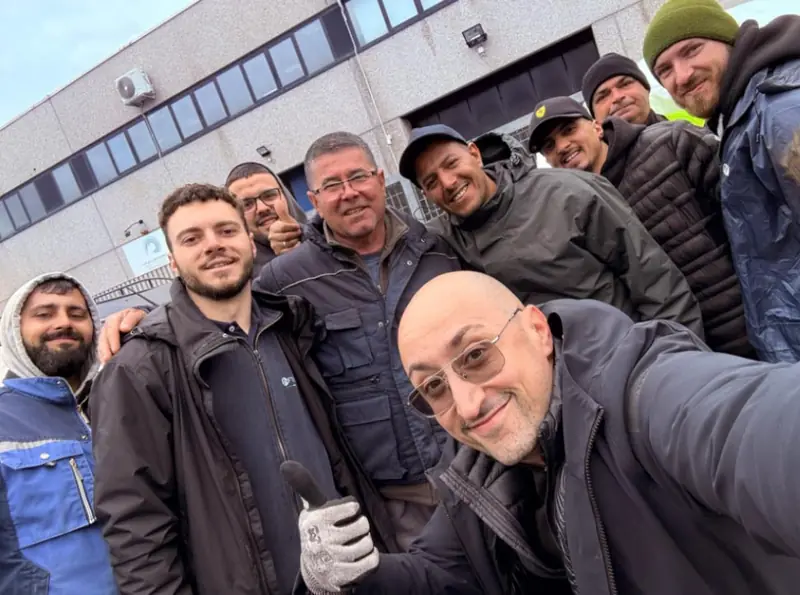
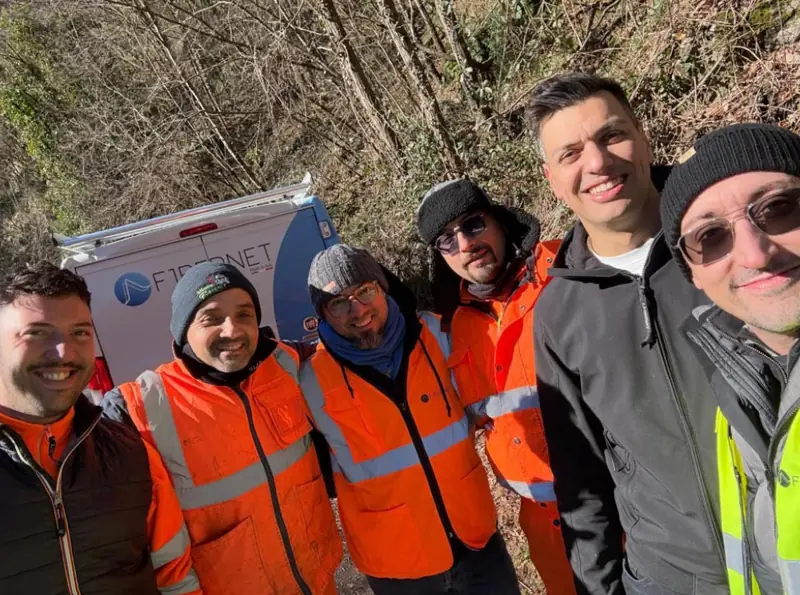
Photos and stories from installers, published by Fibernet.
 GoogleExcellentBased on 176 reviewsRead the reviews
Read on Google“An excellent experience on the installer training course. The whole team was professional and knowledgeable.”
Read on Google“I had the chance to try the Opera cable blowing machine on site…”
Read on Google“I really enjoyed this course. It took place in a pleasant setting with friendly, helpful people.”
Stories from installers
Hear the results from the installers themselves. Watch their testimonials right here.
Product videos
Three machines. Find your fit.
Start with the job at hand. Our technician can answer your questions about the right setup.
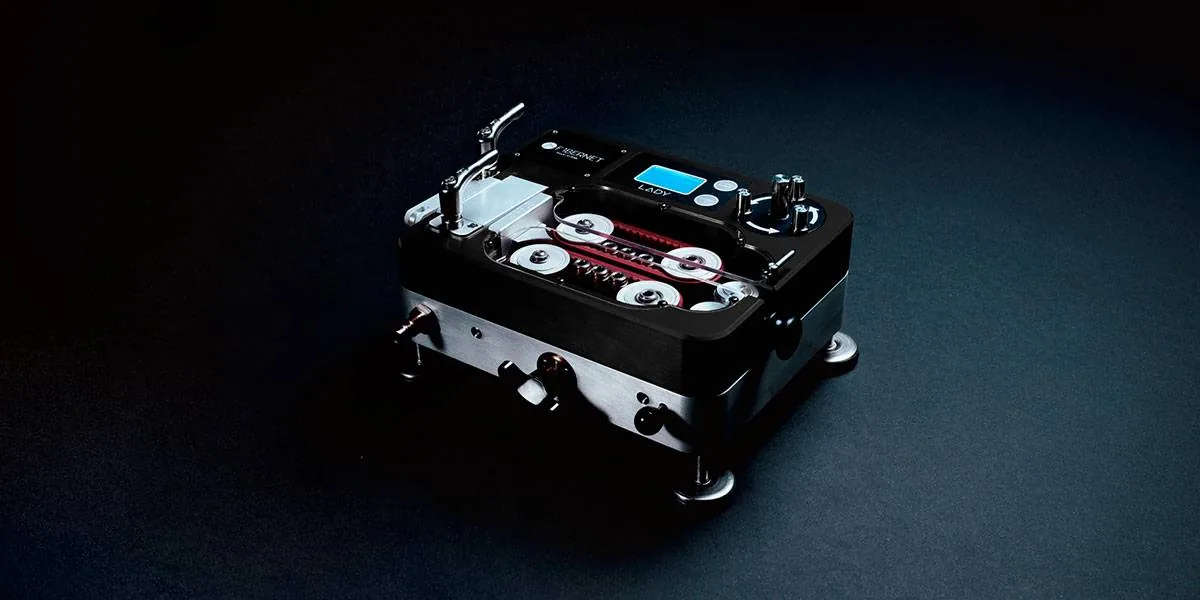
Compact and lightweight
A compact, lightweight machine for short runs.
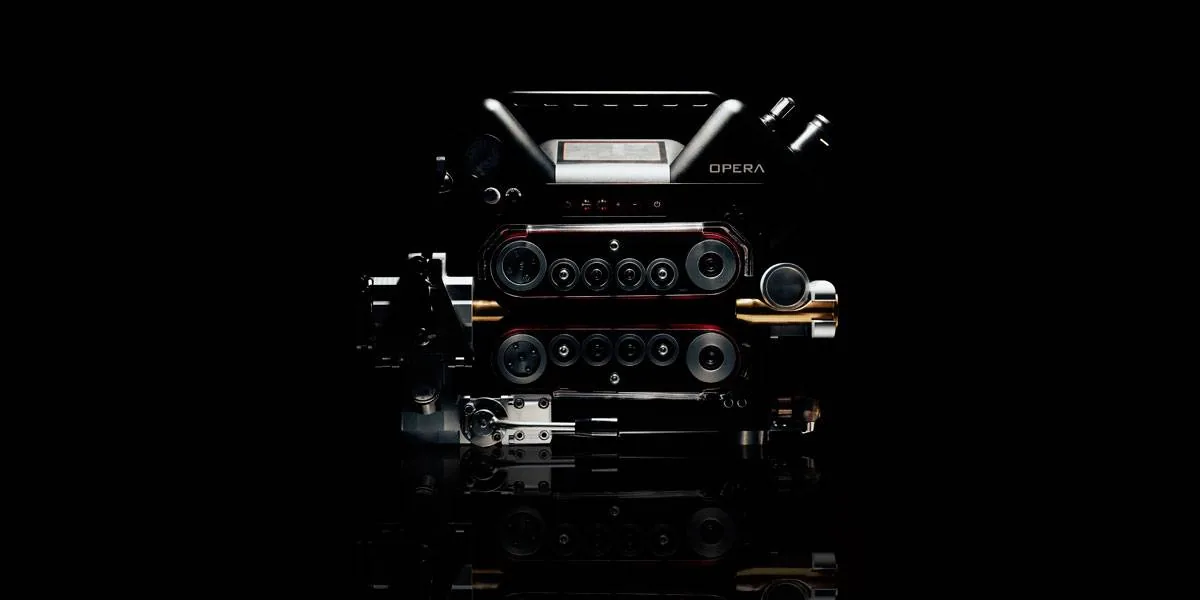
Pneumatic power
A pneumatic machine for long cable runs.
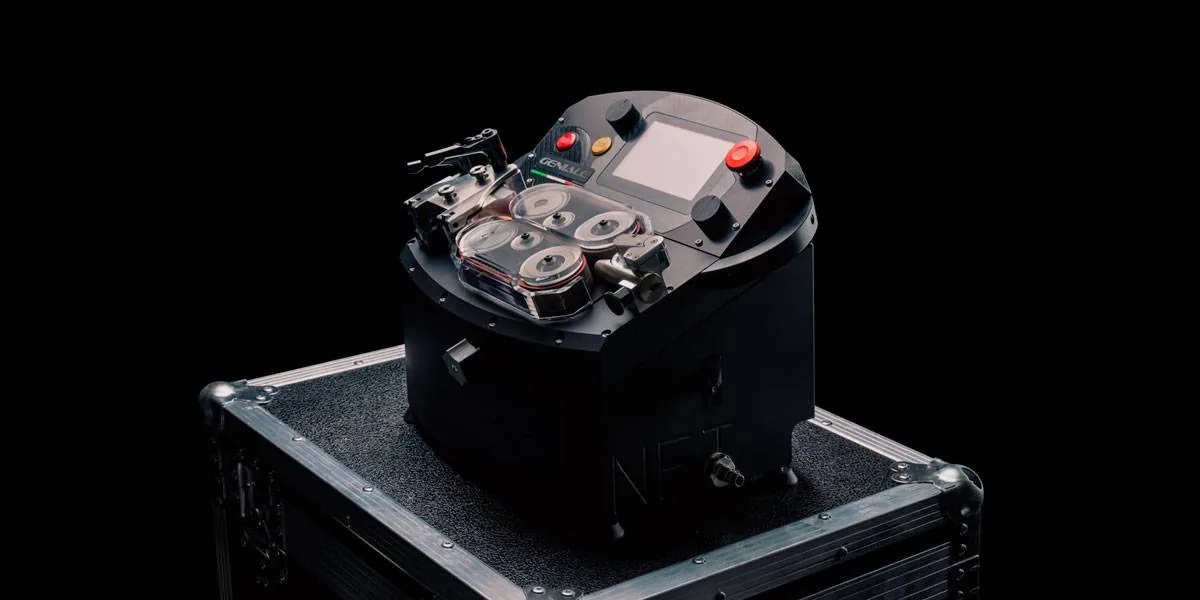
Electric, with two gears
For short and long runs. Two gears let you match force and speed to the job.
Specifications for the Fibernet range. The speeds shown are maximum values. Actual results depend on installation conditions and machine setup.
Direct from the manufacturer
When you’re working on site, you need practical answers. With Fibernet, you speak directly to the people who design and build your cable blowing machine.
Speak to a technicianA specialist technician can help when you need it.
Spare parts ready to ship, direct from the manufacturer.
If your machine breaks down, a replacement may be available within 48 hours.
Check availability and terms with your technician.Get help making the most of your machine, from your very first job.
See it in action before you choose
Request a free hands-on demonstration on your site or at Fibernet’s test facility. Discuss a real job with the technician.
Request a free demonstration
Choosing a drill powered fibre blower starts with the cable and duct combination, not with an assumed installation distance. Contractors working on Italian projects need equipment that suits the actual route, available access points, and working conditions. Before selecting a configuration, gather the cable outside diameter, duct internal diameter, cable construction, and manufacturer handling limits. Record the expected bends, changes in elevation, and locations where the team can safely position the machine. These details help establish whether the proposed setup is suitable and which accessories require confirmation. Fibernet can discuss your requirements against the equipment available, helping your purchasing team ask the right questions before committing to a machine. A drill powered fibre cable blower uses mechanical feeding together with compressed air, so the drill is only one part of the installation system. The air supply, sealing arrangement, cable guidance, and duct connection also need to suit the application. Do not assume that a more powerful drill automatically produces a better installation result. Excessive feeding force can damage the cable, while insufficient airflow or leakage can undermine progress even when the drive operates correctly. Ask for the specified drill requirements, supported cable and duct dimensions, operating limits, and instructions for adjusting the feeding mechanism. Confirm these points for the exact model rather than transferring specifications from another machine. On site, preparation should include checking duct continuity, assessing cleanliness, and verifying that the route is ready for blowing using procedures approved for the installation. Cable drums should be positioned to allow controlled payout without sharp changes in direction or unnecessary resistance. The operator also needs a stable working position and clear communication with colleagues monitoring the receiving end. Where lubrication is appropriate, compatibility with the cable sheath, duct material, and machine must be established before use. For an American contractor carrying out work in Italy, equipment selection also involves practical questions about local air supplies, fittings, documentation, and replacement consumables. A drill driven fibre blower should be assessed as part of that complete working arrangement rather than as an isolated purchase. Share the intended application with Fibernet and request confirmation of what is supplied, what must be sourced separately, and which setup checks are required. This approach creates a more useful technical discussion than asking for a universal maximum distance. Actual performance depends on the route and operating conditions, and a realistic assessment helps teams plan access, staffing, and installation stages without relying on unsupported promises. It also gives procurement and field personnel a common reference when reviewing the proposed equipment.
An effective cable blowing operation depends on repeatable preparation and clear operating decisions. Consider a crew moving between several access chambers during a working day: each relocation changes the machine position, cable payout arrangement, air connection, and communication requirements. A compact drive arrangement may help with handling, but it does not remove the need to verify the setup at every location. Establishing a consistent inspection routine helps operators identify problems before they apply air or begin feeding cable. Check the machine mounting, correct guides and seals, duct restraint, cable path, and condition of the air connection in accordance with the equipment instructions. When evaluating a drill powered fibre blower, ask how these checks are performed and which components must change when cable or duct dimensions change. The answers matter when a contractor handles several installation packages with different specifications. Request a clear breakdown of compatible parts and replacement items so the site team does not discover a missing seal or unsuitable guide after arriving at the work area. If the drive uses a cordless drill, assess the specified drill characteristics and the practical battery charging arrangements separately from the compressed air requirements. A battery powered fibre cable blower is not necessarily an air independent system, and the terminology should never replace a review of the actual operating configuration. During installation, operators should monitor cable movement and respond to changes rather than trying to overcome every interruption with additional force. A sudden loss of progress may indicate increased route resistance, an air leak, a payout problem, or an obstruction requiring investigation. Follow the approved stopping and depressurization procedure before inspecting connections or opening any pressurized part. Do not loosen fittings under pressure or exceed documented limits in an attempt to complete a difficult section. Recording the circumstances of an interruption can help the team distinguish a setup issue from a route limitation. Useful records include the cable and duct sizes, section identification, machine configuration, air supply settings within approved limits, and observed behavior. These notes support clearer technical discussions without implying that results from one route will automatically transfer to another. A drill powered fibre optic cable blowing machine should therefore be evaluated for its place in the whole workflow, including preparation, operation, cleaning, inspection, and storage. Ask Fibernet which maintenance tasks operators may perform and when technical assistance is appropriate. Following the supplied instructions, keeping approved consumables available, and checking equipment between jobs can help reduce avoidable interruptions. For purchasing teams, this operational view provides a stronger basis for comparing configurations than a headline speed figure without any explanation of the test conditions.
Fibernet brings an Italian manufacturing perspective to the practical demands of cable blowing. Founded in 2001, the company draws on the technical background of Giancarlo Trinei, whose work with early installations in Italy began in the 1980s. That experience informs a business focused on developing practical equipment for professionals rather than treating machinery as a collection of isolated specifications. The launch of Lady, Fibernet's first cable blowing machine, in 2021 marked an important step in that development. For a contractor considering a drill powered fibre blower, this background provides context, but the purchasing decision should still rest on verified compatibility, clear documentation, and the support arrangements for the selected product. Made in Italy equipment can be particularly relevant to American businesses seeking Italian engineering with assistance in the United States and worldwide. Before placing an order, establish how that assistance applies to your location and application. Ask about the contact channel for technical questions, the information needed to diagnose a problem, and the process for requesting replacement components or service. Confirm current availability, shipping arrangements, and any applicable warranty conditions directly with Fibernet rather than assuming that every territory has identical provisions. Contractors working in Italy should also clarify how support will be coordinated while their teams are deployed there. A useful inquiry goes beyond asking for a price. Describe the cable sizes you expect to install, the duct dimensions, typical route characteristics, and the compressed air resources available to your crews. Explain whether the equipment will remain with one team or travel between several sites. If you are considering a drill powered fiber blower for a United States based operation, state that clearly so the discussion can address the intended working environment and documentation needs. Where a cordless drive is under consideration, a battery powered fibre optic cable blower should be assessed against confirmed drill compatibility and operating instructions, not simply its name. Ask for a quotation that identifies the proposed machine, included accessories, optional components, and any items that your company must provide separately. This makes internal approval more straightforward and helps site supervisors understand what will arrive. Fibernet's family leadership developed further when Matteo, Marta, and Ismael joined the business in 2010, maintaining continuity while supporting its international ambitions. For customers, the practical value lies in turning that commitment into a well defined equipment discussion. Contact the company through its website with your project information, request the relevant technical documentation, and review the proposed configuration before scheduling deployment. A documented selection process gives your team a clearer starting point for safe operation, realistic planning, and informed purchasing.
Fill out the form and discover what Fibernet Srl can do for you!
Contact us!Before you get started
If you prefer, speak to us directly.
+39 346 652 9915Compare the cable diameter, duct diameter and installation distance. Lady is compact and lightweight for short runs. Opera is pneumatic and designed for long runs. Geniale is electric and handles both. A Fibernet technician can help you choose.
Yes. You can request a free hands-on demonstration on your site or at Fibernet’s test facility. Tell us what you need in the form and a technician will arrange it with you. Request a demonstration.
To get a price, contact a Fibernet advisor using the form or call +39 346 652 9915.
Fibernet offers direct technical support, spare parts ready to ship and dedicated training. If your machine breaks down, a replacement may be available. Ask your technician about availability and terms.
Tell us about your job. We’ll help you find the right cable blowing machine.