Emanuele Zanda
Google review
★★★★★
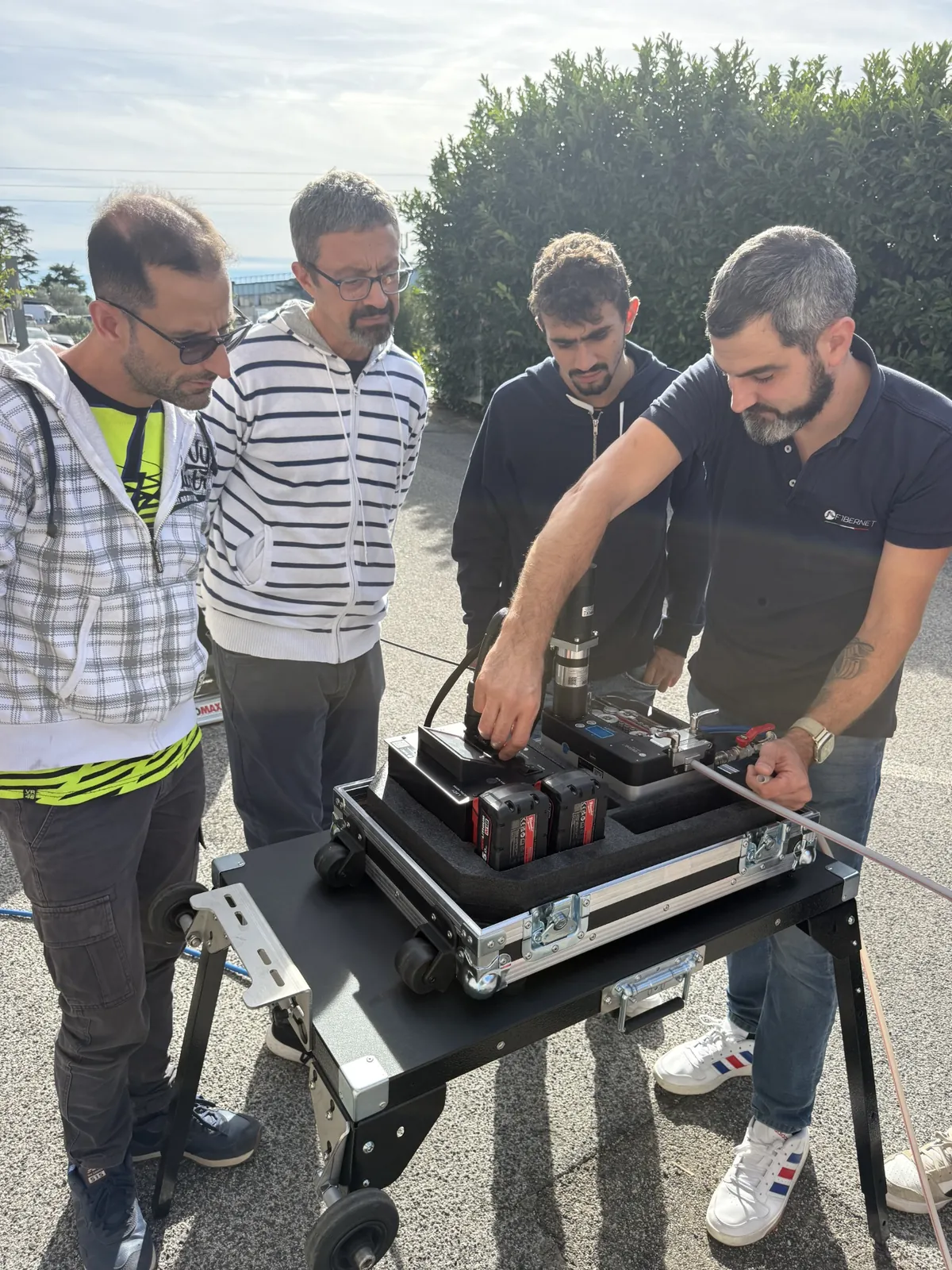
Read on Google“An excellent experience on the installer training course. The whole team was professional and knowledgeable.”
Cable blowing machines · Made in Italy
From last-mile connections to long-distance runs, a Fibernet technician can help you choose the right machine for your fiber optic cable installation.
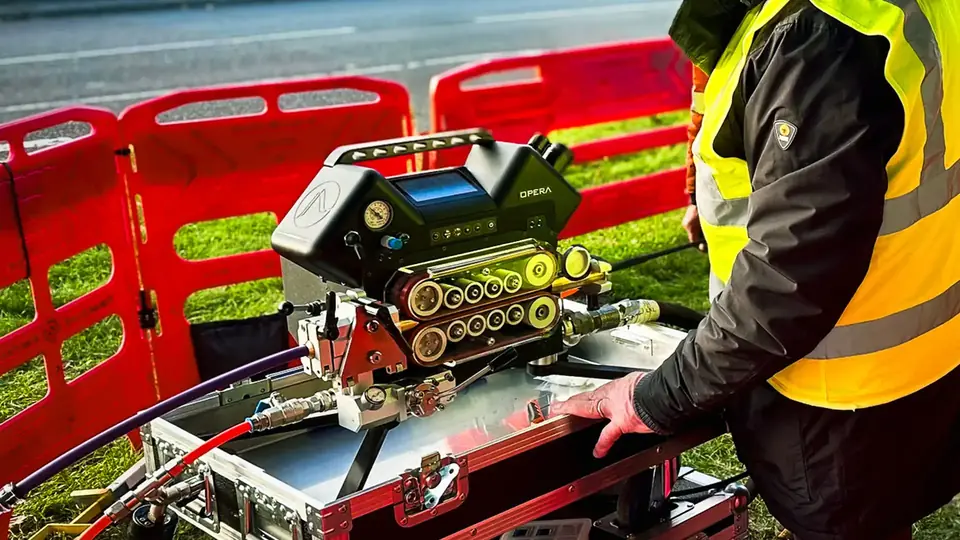
Opera, image 1 of 3
Expert advice direct from the manufacturer / Free demonstration on request
Some of our customers.


Keep your installation moving with Fibernet cable blowing machines.
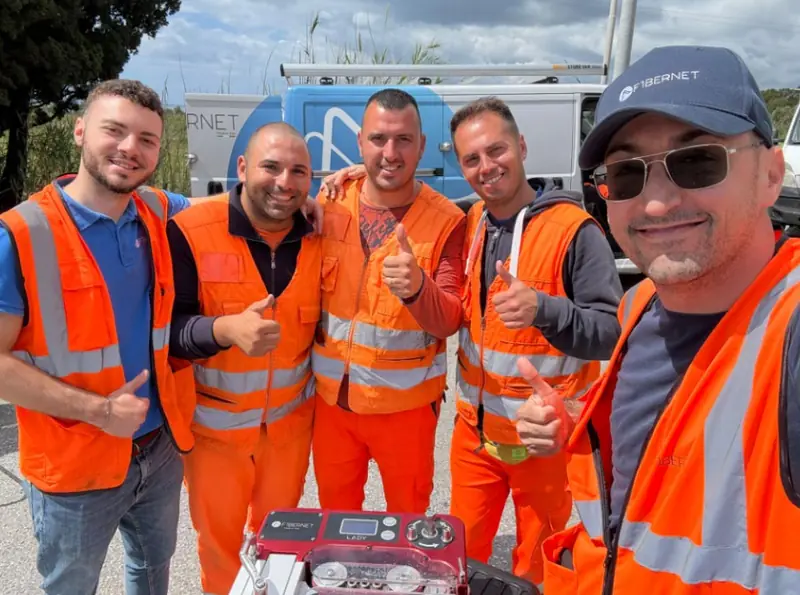
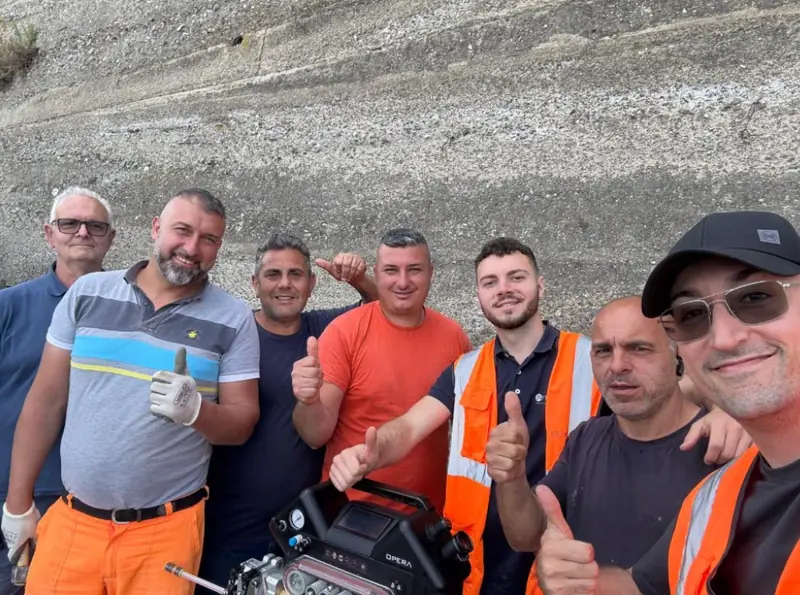
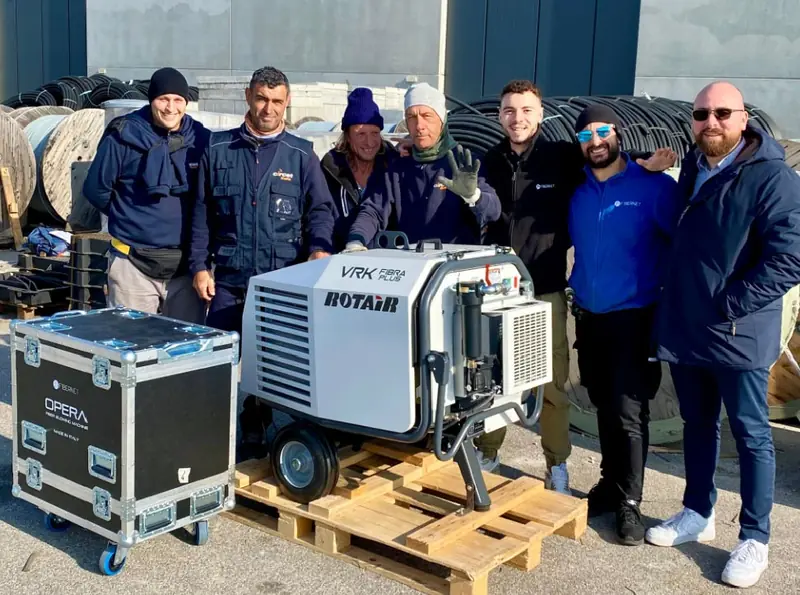
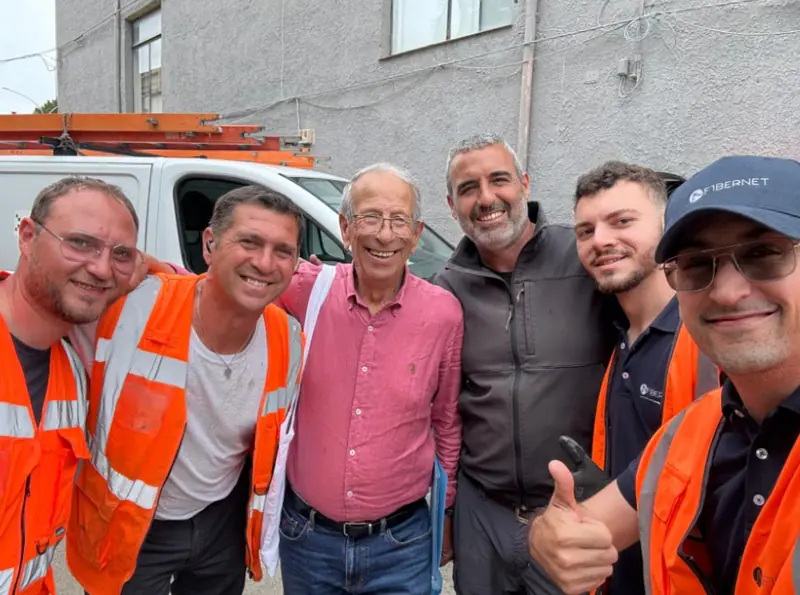
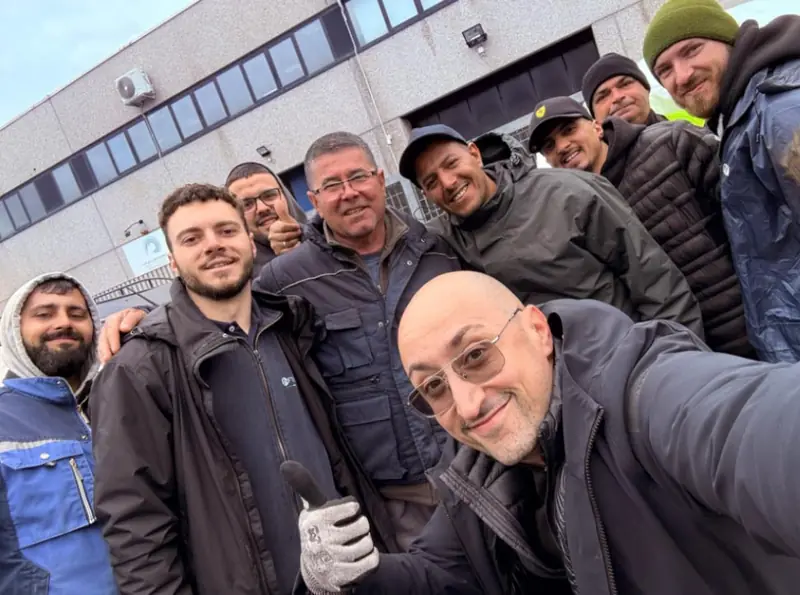
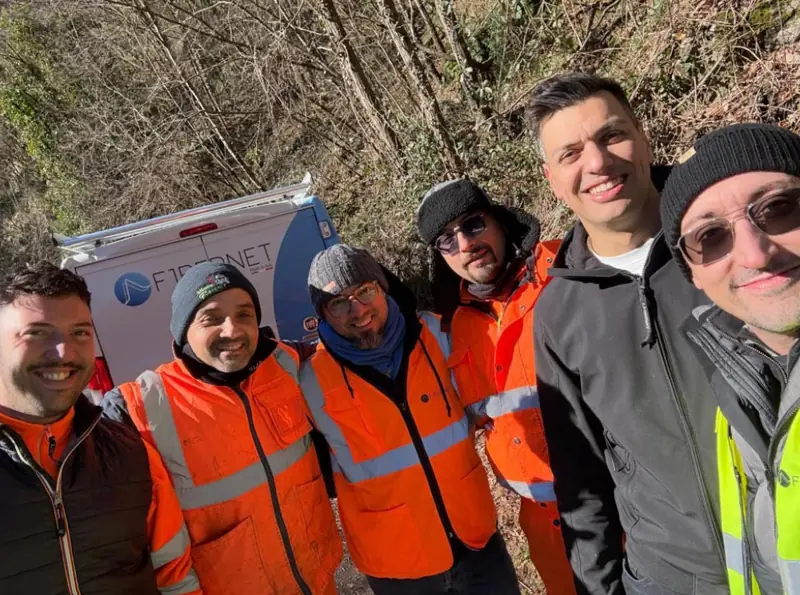
Photos and stories from installers, published by Fibernet.
 GoogleExcellentBased on 176 reviewsRead the reviews
Read on Google“An excellent experience on the installer training course. The whole team was professional and knowledgeable.”
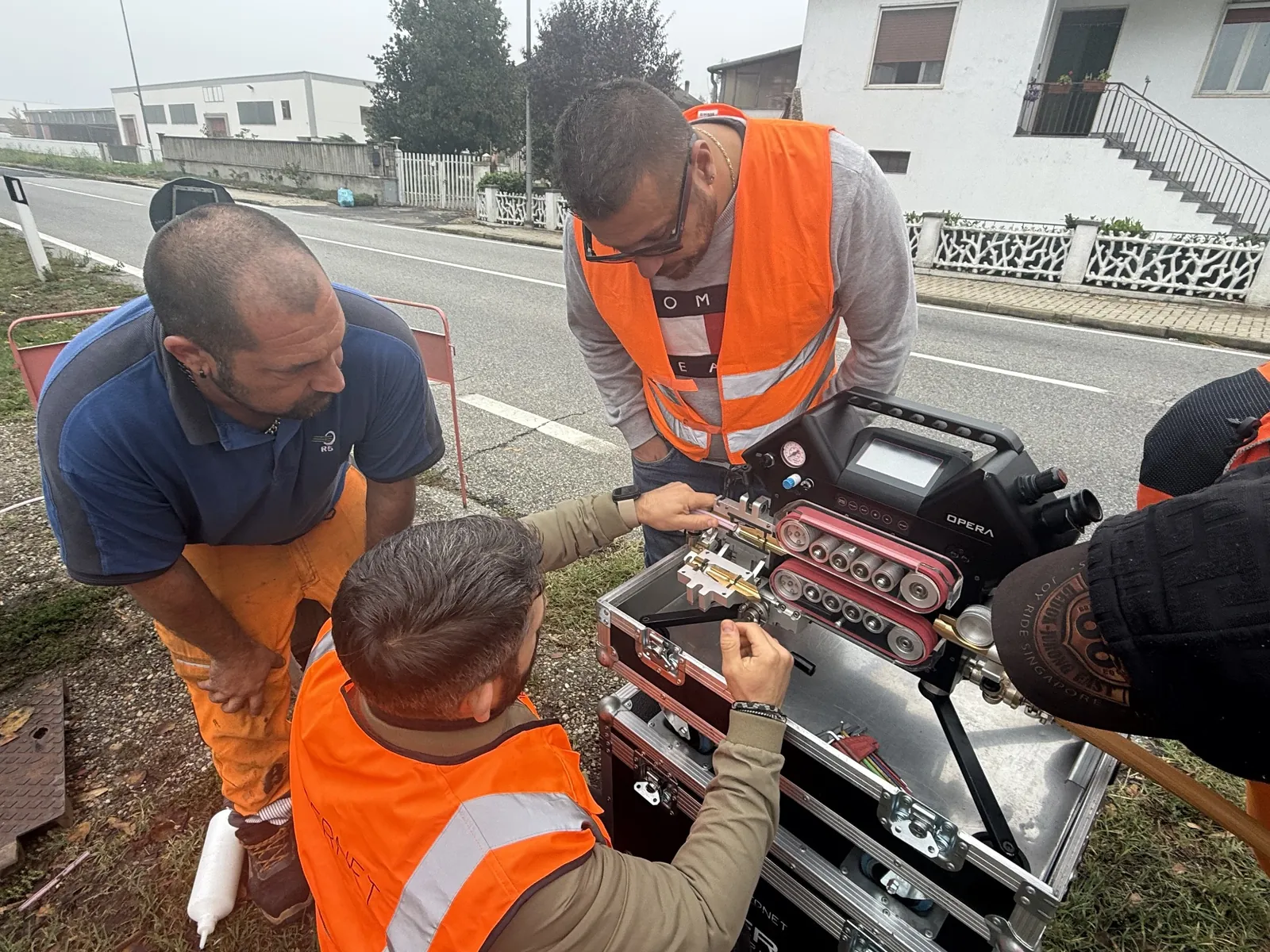
Read on Google“I had the chance to try the Opera cable blowing machine on site…”
Read on Google“I really enjoyed this course. It took place in a pleasant setting with friendly, helpful people.”
Stories from installers
Hear the results from the installers themselves. Watch their testimonials right here.
Product videos
Three machines. Find your fit.
Start with the job at hand. Our technician can answer your questions about the right setup.
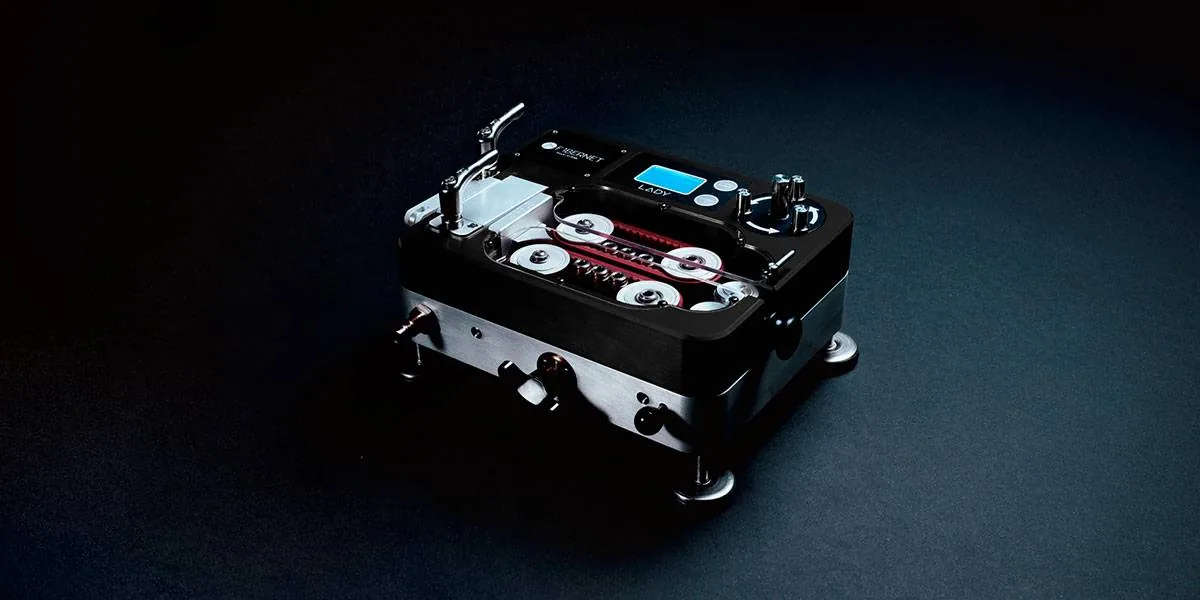
Compact and lightweight
A compact, lightweight machine for short runs.
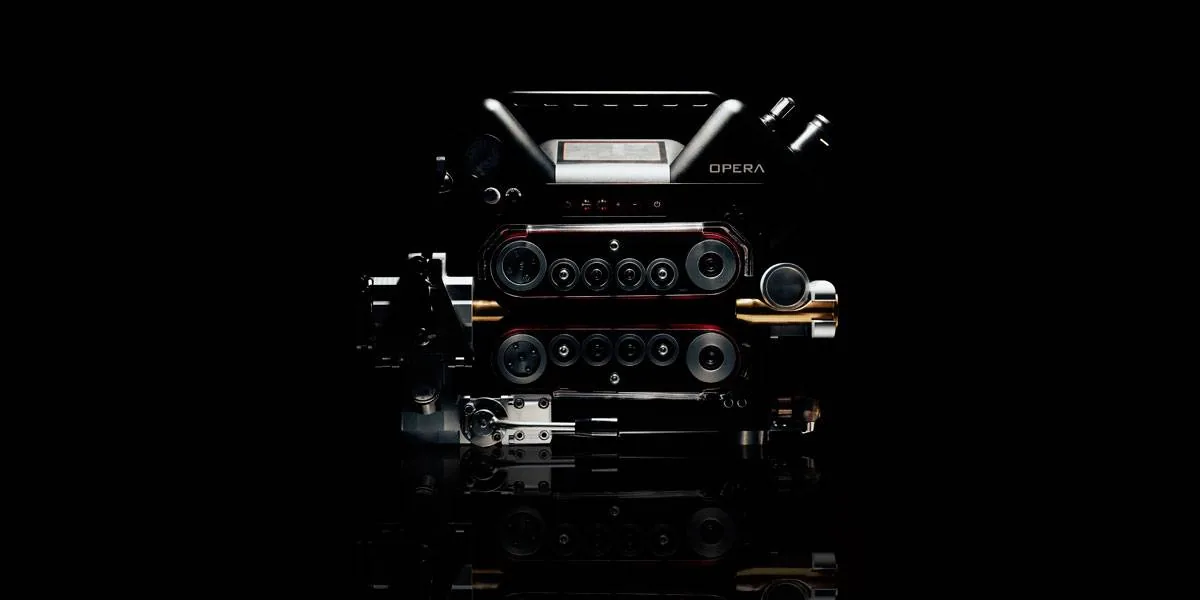
Pneumatic power
A pneumatic machine for long cable runs.
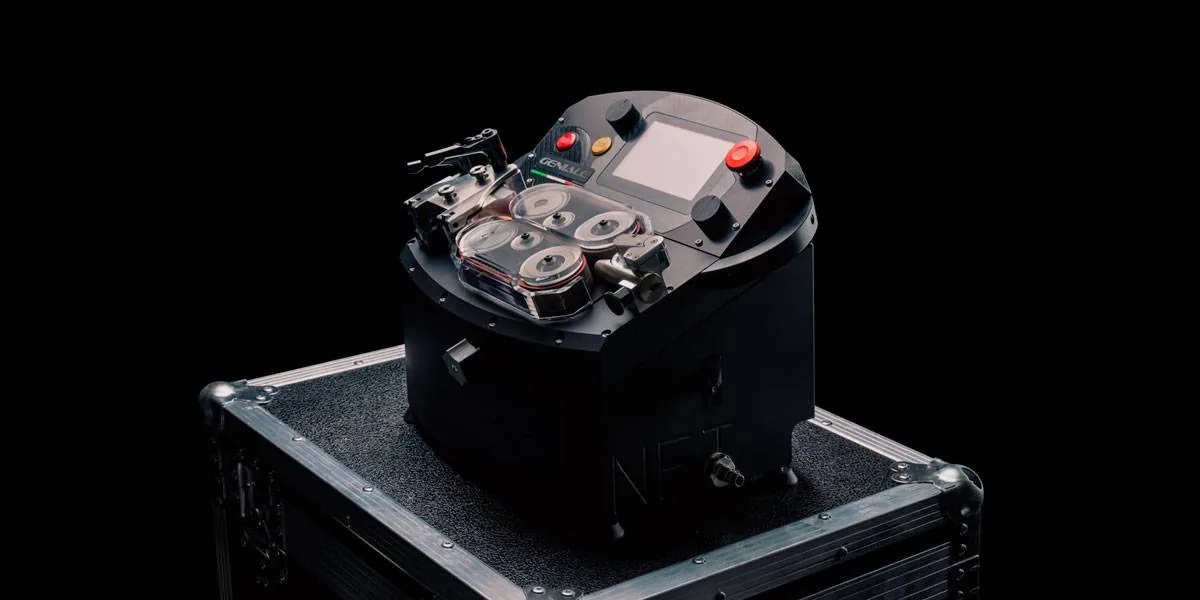
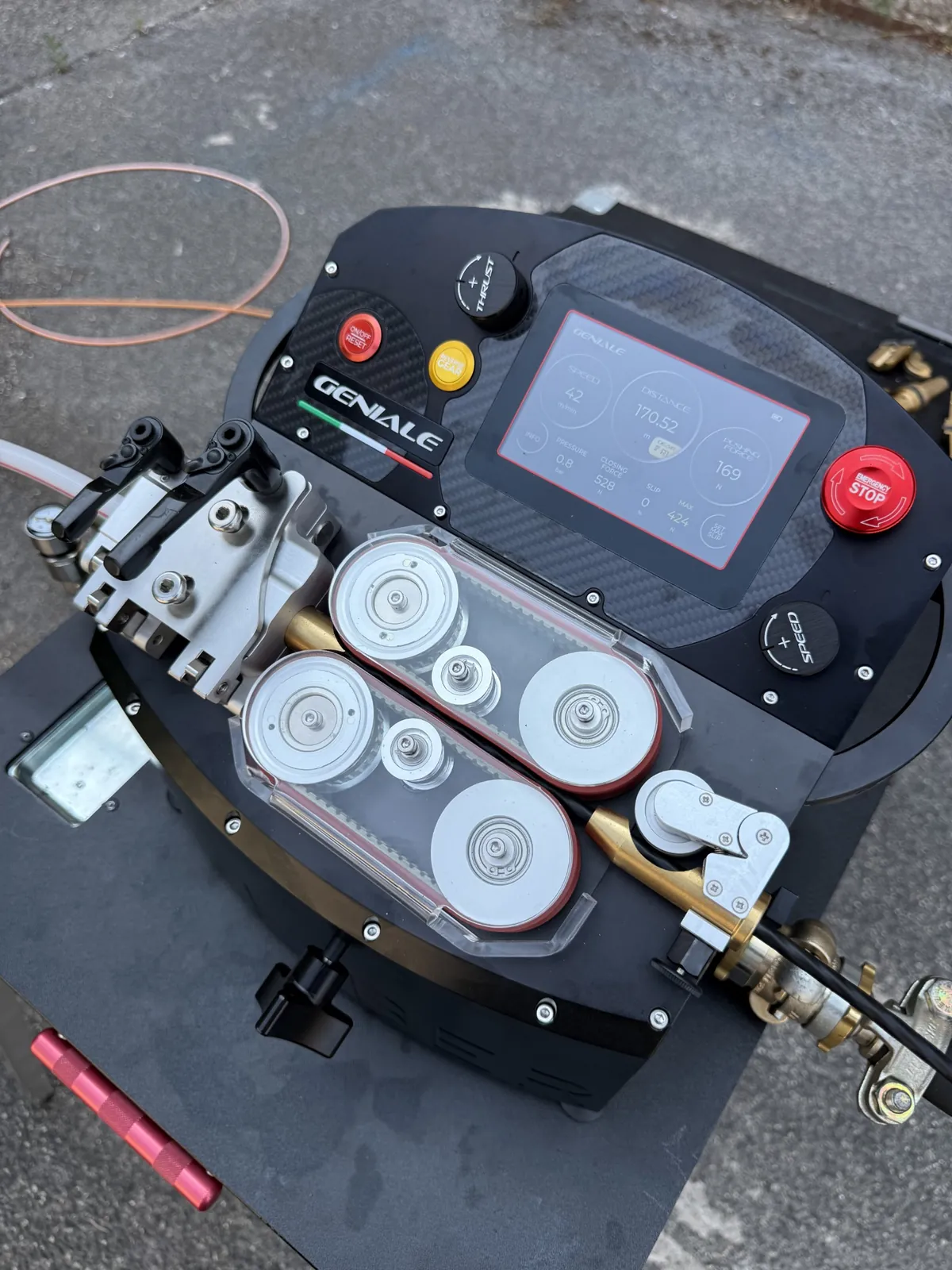
Electric, with two gears
For short and long runs. Two gears let you match force and speed to the job.
Specifications for the Fibernet range. The speeds shown are maximum values. Actual results depend on installation conditions and machine setup.
Direct from the manufacturer
When you’re working on site, you need practical answers. With Fibernet, you speak directly to the people who design and build your cable blowing machine.
Speak to a technicianA specialist technician can help when you need it.
Spare parts ready to ship, direct from the manufacturer.
If your machine breaks down, a replacement may be available within 48 hours.
Check availability and terms with your technician.Get help making the most of your machine, from your very first job.
See it in action before you choose
Request a free hands-on demonstration on your site or at Fibernet’s test facility. Discuss a real job with the technician.
Request a free demonstration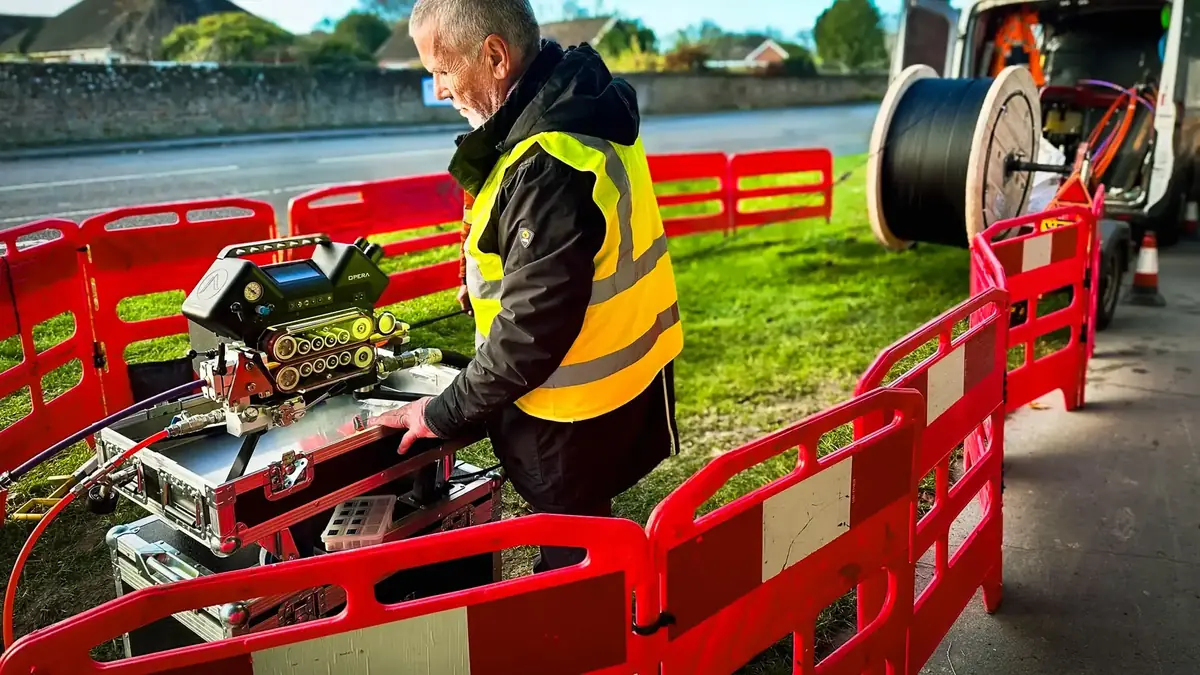
Selecting a drill powered fiber blowing machine begins with understanding the cable and duct combination your crew will actually use. Cable outside diameter, duct internal diameter, cable construction, route geometry, and available compressed air all influence equipment selection. A machine should therefore be evaluated as part of the installation setup rather than as an isolated purchase. For contractors planning work in Italy, providing these details early helps make the discussion with Fibernet more productive. It also helps distinguish between a configuration that appears suitable on paper and one that matches the practical conditions at the entry point, along the duct route, and at the receiving location. The operating principle combines mechanical cable feeding with compressed air introduced into the duct. The feeding mechanism advances the cable, while airflow assists its movement along the route. A drill supplies the mechanical drive, but it does not replace the compressed air needed for the blowing process. This distinction matters when organizing equipment, checking site access, and estimating how many separate components the team must transport. Before choosing a drill powered fiber cable blowing machine, ask which drill characteristics are required and whether the intended drill is approved for the particular machine configuration. Compatibility should never be assumed from appearance alone. Cable protection deserves equal attention. The gripping arrangement must suit the cable, and the entry path should support controlled feeding without unnecessary bending. Correct guides, seals, and duct connections are important because mismatched components can cause air leakage, poor alignment, or unreliable traction. Ask Fibernet to confirm the applicable cable and duct ranges, the adjustment procedure, and any operating limits for the proposed model. Published limits should guide selection; they should not be substituted with general claims about installation distance or speed. Two routes with the same length can produce very different results when bends, contamination, elevation changes, or duct condition differ. When comparing a drill driven fiber blowing machine with other available configurations, focus on the complete working arrangement. Consider access to the controls, visibility of the cable feed, stability at the launch point, and the steps needed to stop safely if resistance increases. Request model documentation and a configuration proposal based on actual project information. A useful enquiry includes cable and duct dimensions, anticipated route length, bend information, compressor specifications, and the working environment. This gives Fibernet a practical basis for discussing suitability, identifying details that need verification, and helping your team approach procurement with clearer expectations rather than relying on a single headline performance figure.
A well-prepared launch point can make the difference between an orderly cable blowing operation and repeated interruptions. Before positioning a drill powered fiber blowing machine, inspect the working area and establish a stable location for the equipment, cable supply, and compressed air connections. The cable should approach the feeding mechanism without sharp changes of direction or avoidable drag. Reel handling also matters: the cable must pay out smoothly, and the crew should follow the cable manufacturer's handling requirements throughout the installation. Equipment placement should allow the operator to observe the feed path and reach the necessary controls without stepping over hoses or moving cable. Route preparation should follow the relevant project procedures and the instructions for the selected equipment. Confirm duct continuity, investigate suspected obstructions, and check that connections are appropriate for the intended operating conditions. Compressed air introduces hazards that require suitable components, controlled connections, and competent handling. Never disconnect pressurized fittings or treat a blocked route as a reason to exceed the permitted operating limits. Where lubrication is specified, use a product and application method compatible with the cable, duct, and machine instructions. Adding an unspecified substance is not a substitute for diagnosing a feeding problem. During setup, verify that the installed guides and seals match the actual dimensions rather than nominal descriptions alone. A drill powered fiber optic cable blowing machine needs an appropriate interface between cable guidance, traction, and the duct entry connection. Check alignment before starting, and make adjustments only as directed by the equipment documentation. Begin using the prescribed operating procedure, observing how the cable responds rather than immediately seeking the highest possible feed rate. If feeding becomes irregular, stop and investigate the cause. Possible contributors include poor reel payout, unsuitable adjustment, leakage, unexpected route resistance, or a mismatch between the installation requirements and the available air supply. Some teams search for a battery powered fiber blowing machine because they want a drive arrangement that does not depend on a nearby electrical outlet. Where a compatible cordless drill provides the drive, battery planning becomes part of site preparation, but compressed air is still required. Confirm compatibility with Fibernet before making purchasing or deployment decisions. Plan charged batteries, a suitable charging arrangement, and the correct drill settings according to the approved configuration. Finally, document the setup used on each job. Recording cable dimensions, duct dimensions, route conditions, air supply details, and relevant operating observations creates a useful reference for future installations. These records also support more focused discussions with technical assistance when a crew encounters a condition that differs from its previous work.
Choosing a drill powered fiber blowing machine is also a decision about the company behind the equipment. Fibernet was founded in 2001, building on Giancarlo Trinei's technical experience with early fiber cable installations in Italy during the 1980s. That practical background provides context for a business focused on developing tools for people who work with cable installation equipment. In 2021, the company introduced its first cable blowing machine, Lady. For a prospective buyer, this history is useful not as a substitute for technical specifications, but as a starting point for asking informed questions about product development, application suitability, maintenance, and support. Fibernet's family ownership has developed alongside a generational transition that began in 2010, when Matteo, Marta, and Ismael joined the business. The company's stated ambition is to bring Italian engineering and manufacturing expertise to an international market. Its made in Italy positioning is particularly relevant to buyers who want to understand the origin of their equipment and establish direct communication with the supplier. Customers working in Italy, as well as American contractors sourcing Italian equipment, should discuss their installation requirements in clear technical terms and request documentation appropriate to the proposed configuration. Support should be considered before an order is placed. Fibernet offers assistance in the United States and worldwide; buyers should confirm the available arrangements for their location, including contact channels, service procedures, replacement components, and any applicable warranty terms. These details are especially important when equipment will be used across several projects or moved between crews. Asking how to identify wear components and how to request the correct replacement can prevent confusion later. Likewise, clarify which checks operators may perform themselves and which interventions require assistance. Do not assume that every maintenance task can be completed on site. When enquiring about a drill driven fiber cable blowing machine, describe how your team expects to use it over time. Frequent relocation, changing cable dimensions, and different duct arrangements can affect which accessories and spare components are worth discussing. A contractor considering a drill powered fiber optic cable jetting machine should also confirm the terminology used in the quotation, ensuring that the proposed product and accessories correspond to the intended cable blowing application. Clear descriptions reduce the risk of ordering equipment based on an ambiguous search term. Use www.fibernetsrlusa.com to introduce your project and request a focused discussion with Fibernet. Include the installation data already available and identify any unknowns. The aim is a documented equipment choice supported by practical advice, with manufacturing origin, configuration requirements, and assistance arrangements understood before the machine reaches the job site.
Fill out the form and discover what Fibernet Srl can do for you!
Contact us!Before you get started
If you prefer, speak to us directly.
+39 346 652 9915Compare the cable diameter, duct diameter and installation distance. Lady is compact and lightweight for short runs. Opera is pneumatic and designed for long runs. Geniale is electric and handles both. A Fibernet technician can help you choose.
Yes. You can request a free hands-on demonstration on your site or at Fibernet’s test facility. Tell us what you need in the form and a technician will arrange it with you. Request a demonstration.
To get a price, contact a Fibernet advisor using the form or call +39 346 652 9915.
Fibernet offers direct technical support, spare parts ready to ship and dedicated training. If your machine breaks down, a replacement may be available. Ask your technician about availability and terms.
Tell us about your job. We’ll help you find the right cable blowing machine.