Emanuele Zanda
Google review
★★★★★
Read on Google“An excellent experience on the installer training course. The whole team was professional and knowledgeable.”
Cable blowing machines · Made in Italy
From last-mile connections to long-distance runs, a Fibernet technician can help you choose the right machine for your fiber optic cable installation.
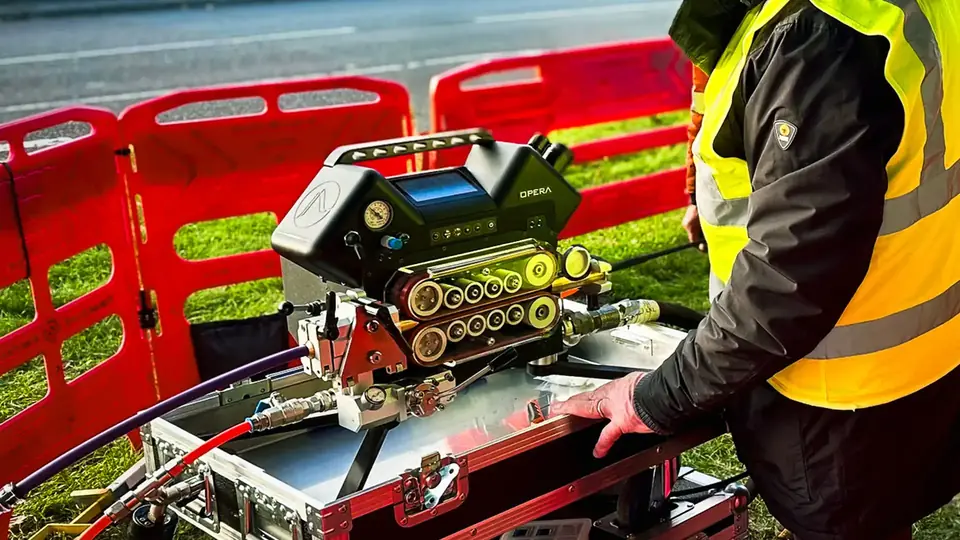
Opera, image 1 of 3
Expert advice direct from the manufacturer / Free demonstration on request
Some of our customers.

Keep your installation moving with Fibernet cable blowing machines.
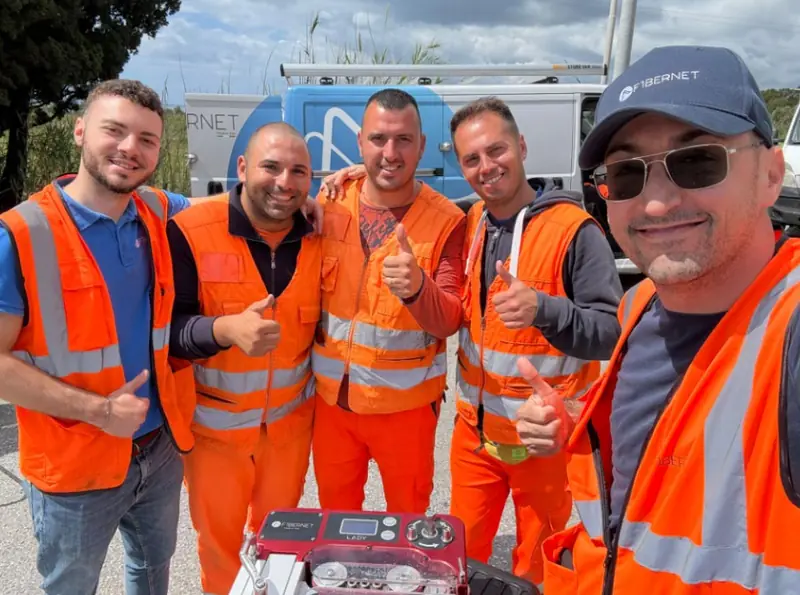
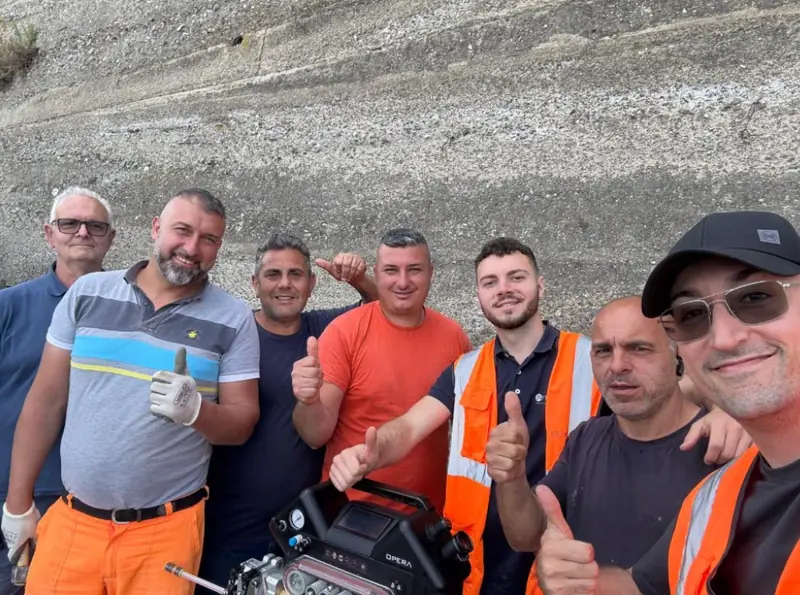
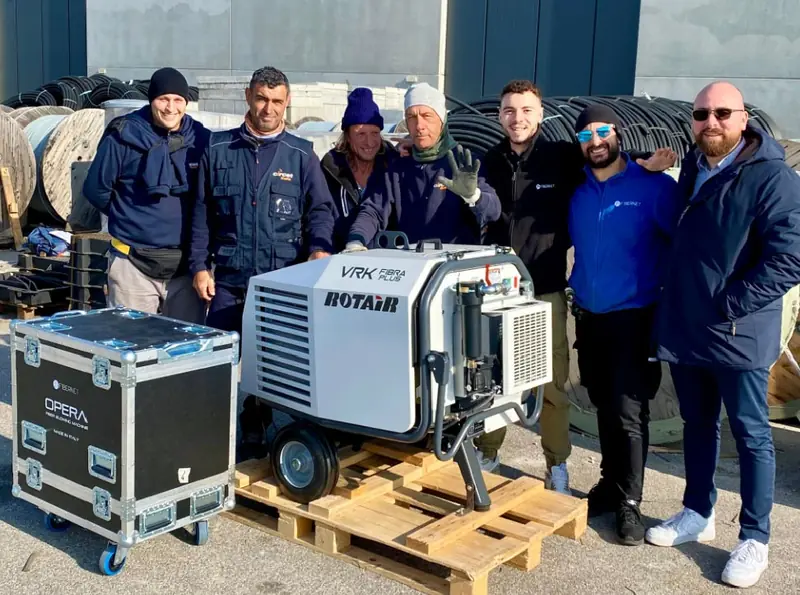
Photos and stories from installers, published by Fibernet.
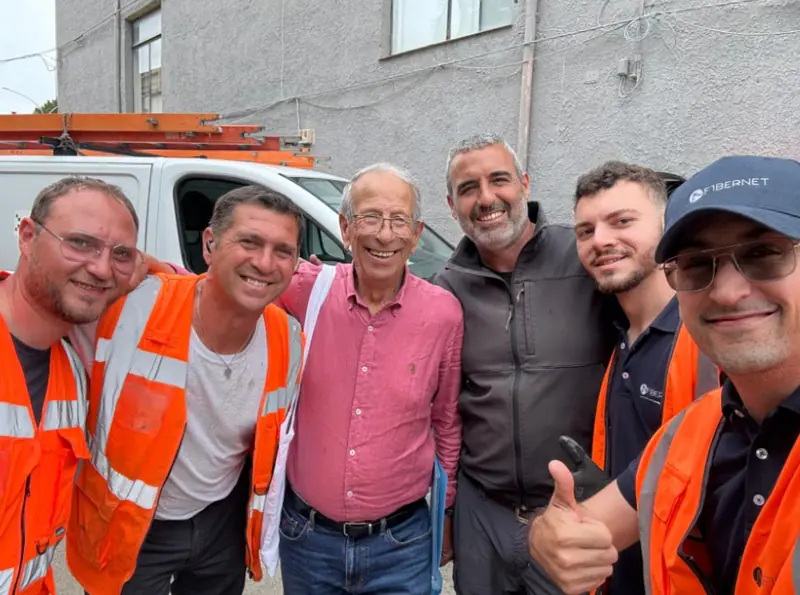
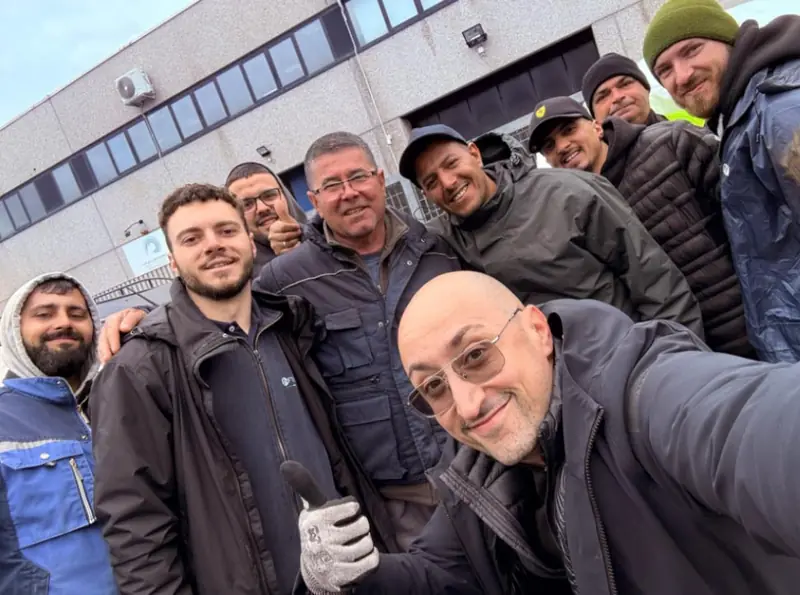
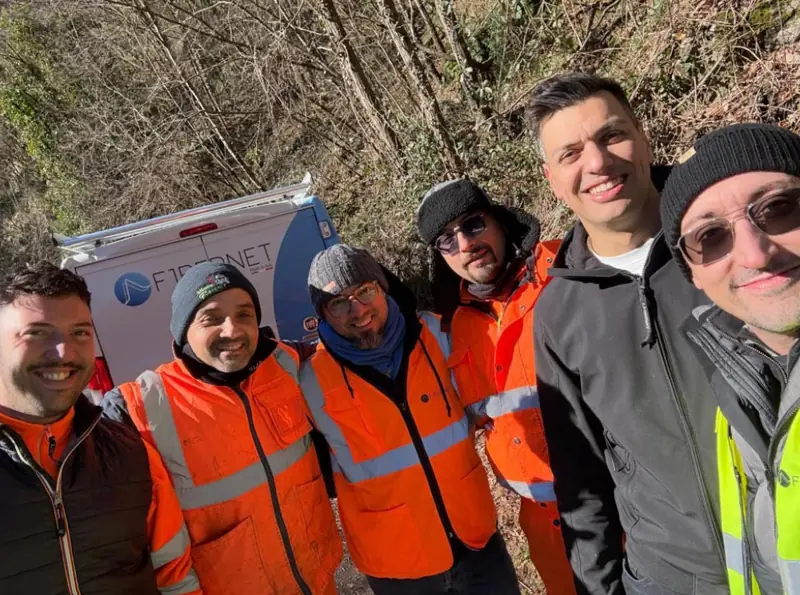 GoogleExcellentBased on 176 reviewsRead the reviews
Read on Google“An excellent experience on the installer training course. The whole team was professional and knowledgeable.”
Read on Google“I had the chance to try the Opera cable blowing machine on site…”
Read on Google“I really enjoyed this course. It took place in a pleasant setting with friendly, helpful people.”
Stories from installers
Hear the results from the installers themselves. Watch their testimonials right here.
Product videos
Three machines. Find your fit.
Start with the job at hand. Our technician can answer your questions about the right setup.
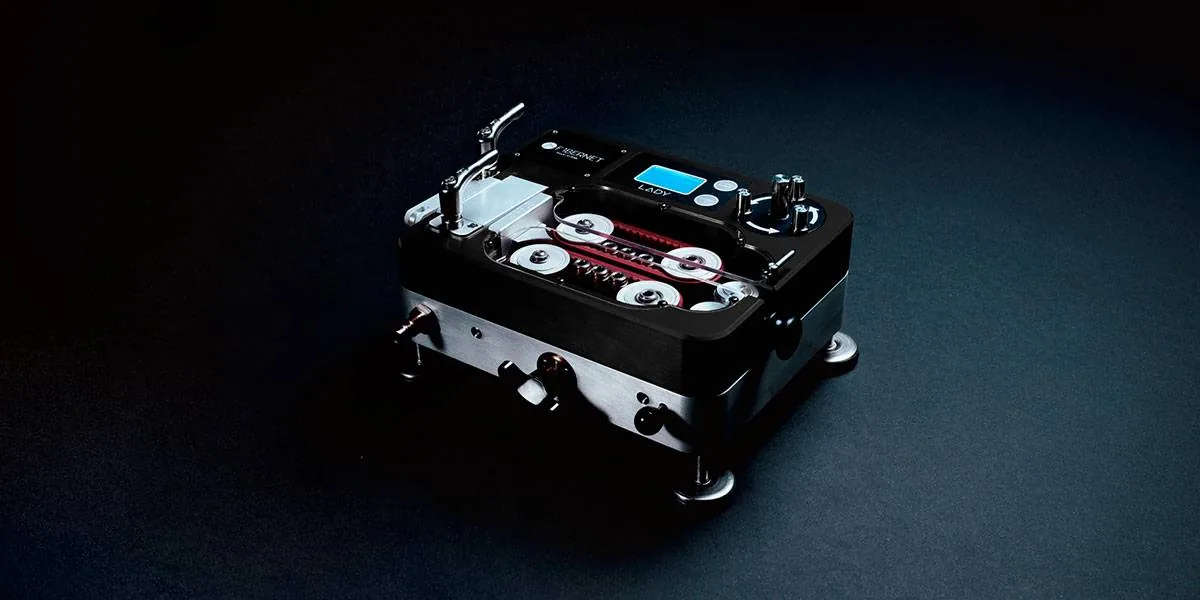
Compact and lightweight
A compact, lightweight machine for short runs.
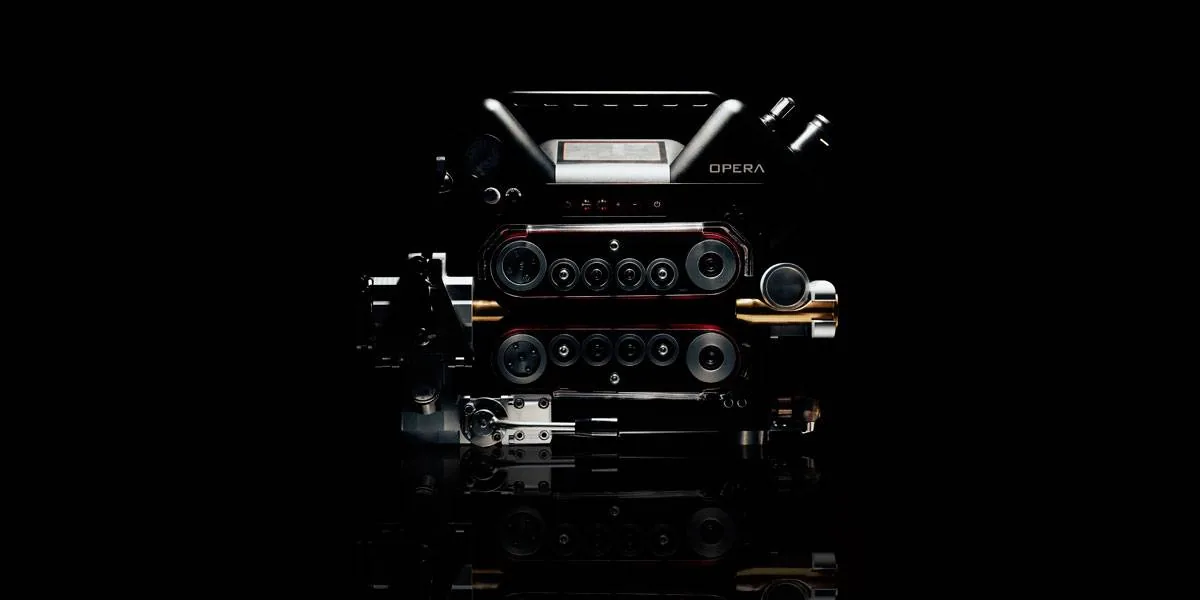
Pneumatic power
A pneumatic machine for long cable runs.
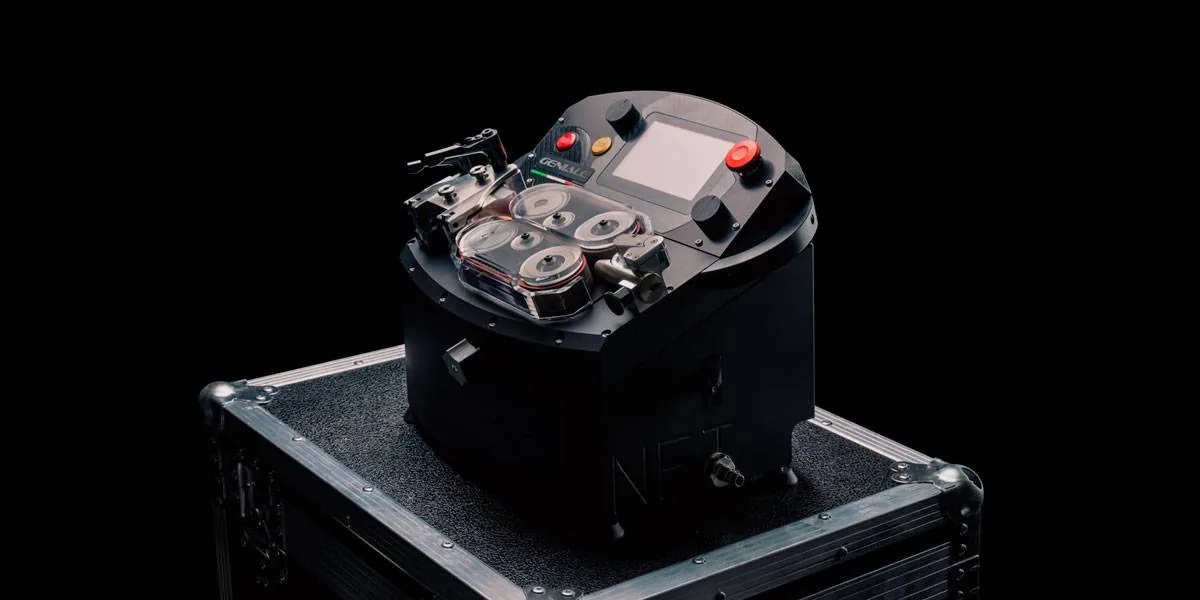
Electric, with two gears
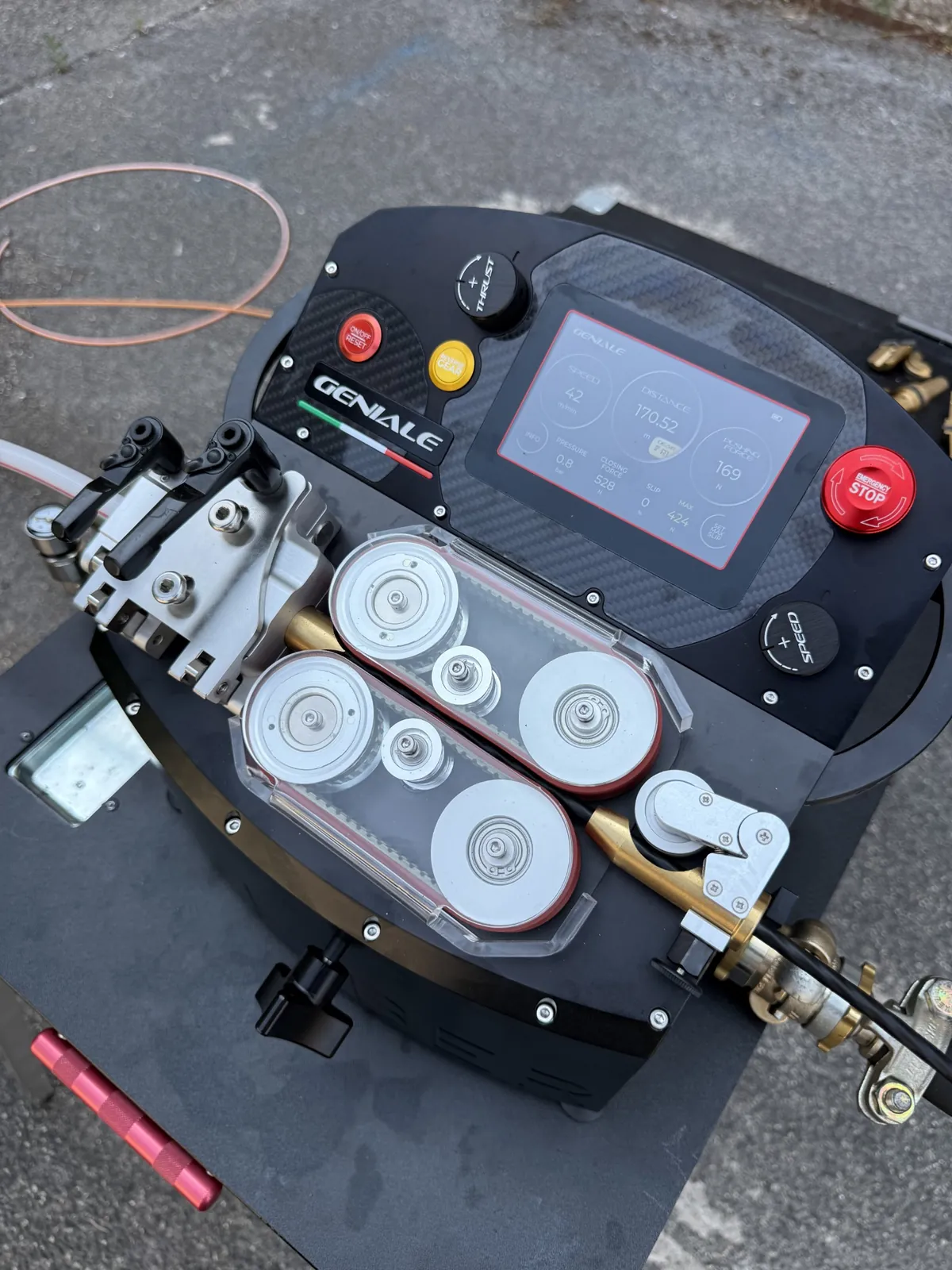
For short and long runs. Two gears let you match force and speed to the job.
Specifications for the Fibernet range. The speeds shown are maximum values. Actual results depend on installation conditions and machine setup.
Direct from the manufacturer
When you’re working on site, you need practical answers. With Fibernet, you speak directly to the people who design and build your cable blowing machine.
Speak to a technicianA specialist technician can help when you need it.
Spare parts ready to ship, direct from the manufacturer.
If your machine breaks down, a replacement may be available within 48 hours.
Check availability and terms with your technician.Get help making the most of your machine, from your very first job.
See it in action before you choose
Request a free hands-on demonstration on your site or at Fibernet’s test facility. Discuss a real job with the technician.
Request a free demonstration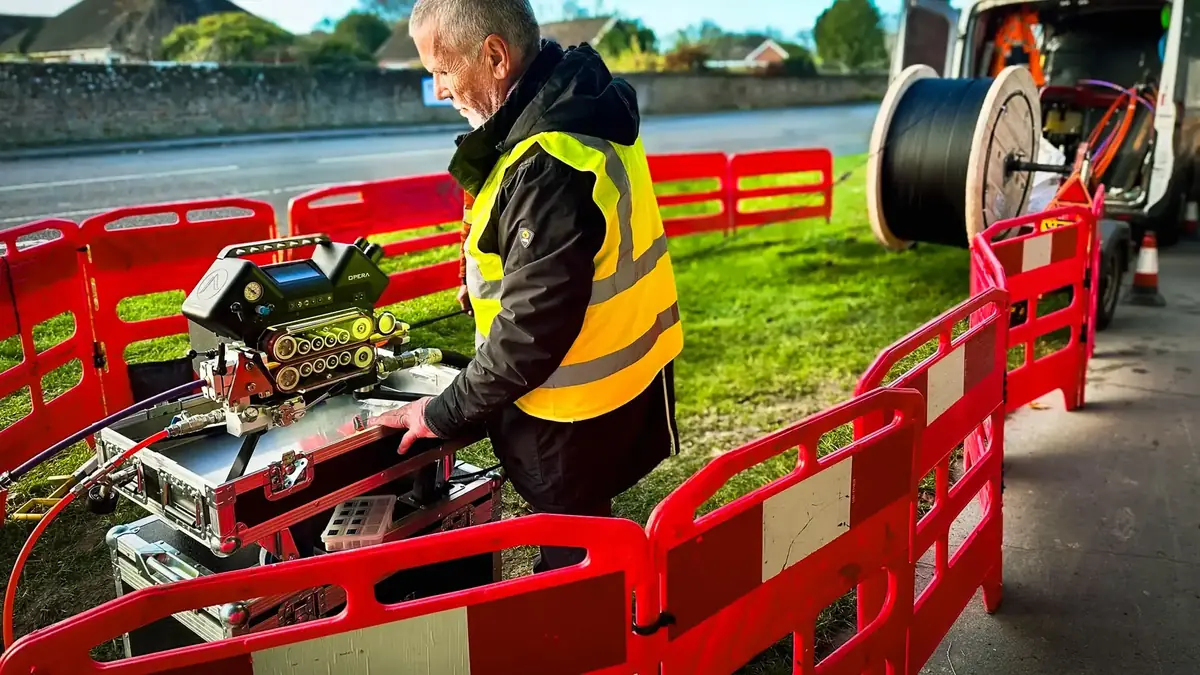
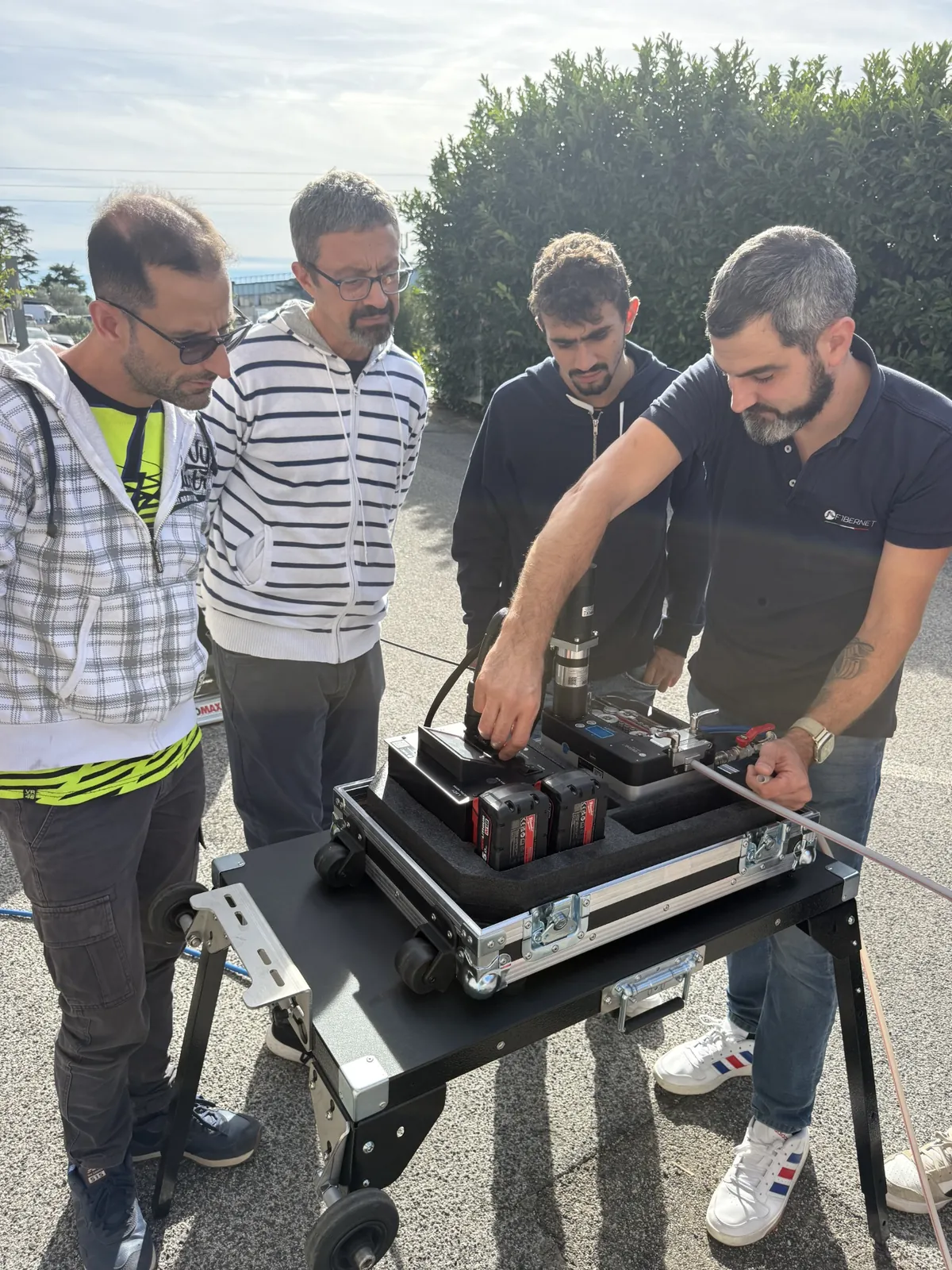
A drill powered fiber blower deserves careful evaluation against the cable, duct, and working conditions of the installation. For contractors preparing cable blowing operations in Italy, the practical question is not simply whether a machine can move cable. It is whether the proposed configuration matches the cable diameter, duct dimensions, available compressed air, and route conditions without exceeding the limits specified by the equipment and cable manufacturers. Fibernet brings an Italian manufacturing background to this discussion, helping prospective buyers focus on the information needed to assess suitable equipment rather than relying on an advertised distance or speed that may not reflect their site. Start with the actual cable datasheet, including its outside diameter, construction, allowable pushing force where specified, and minimum bend radius. Then document the duct's internal diameter, material, continuity, and expected bends. These details establish a useful basis for a technical conversation. A drill powered fiber cable blower uses mechanical feeding alongside compressed air, but the drive arrangement does not eliminate the need for an appropriate air supply. Required pressure, airflow, connection sizes, and air preparation must be checked against the selected machine's documentation. A cordless drill can provide drive power where a compatible machine is designed for it; it does not replace the compressor or make every installation independent of other equipment. Before purchasing, ask which drill characteristics are required, which cable and duct combinations are supported, and what accessories are included. Confirm whether guides, seals, or other size-dependent components must be ordered separately. These questions are especially valuable for crews handling several cable sizes across different projects, because a seemingly minor configuration change can affect setup time and installation consistency. Route preparation matters just as much as equipment selection. Verify duct condition using an appropriate approved procedure, inspect accessible connections, and identify locations where bends or changes in alignment may increase resistance. Any lubricant should be compatible with the cable, duct, and blowing equipment and used according to the relevant instructions. During operation, the crew should monitor cable movement and respond to unexpected resistance rather than compensating with uncontrolled feeding force. A drill driven fiber blower should be assessed as part of this complete working process, not as an isolated purchase. When contacting Fibernet, provide the proposed cable and duct sizes, estimated route length, compressor information, and expected working environment. This gives the technical discussion a clear starting point and helps identify questions that need resolving before equipment is selected. The result is a more informed purchasing decision, with fewer assumptions about compatibility and a clearer understanding of what the crew needs at the worksite.
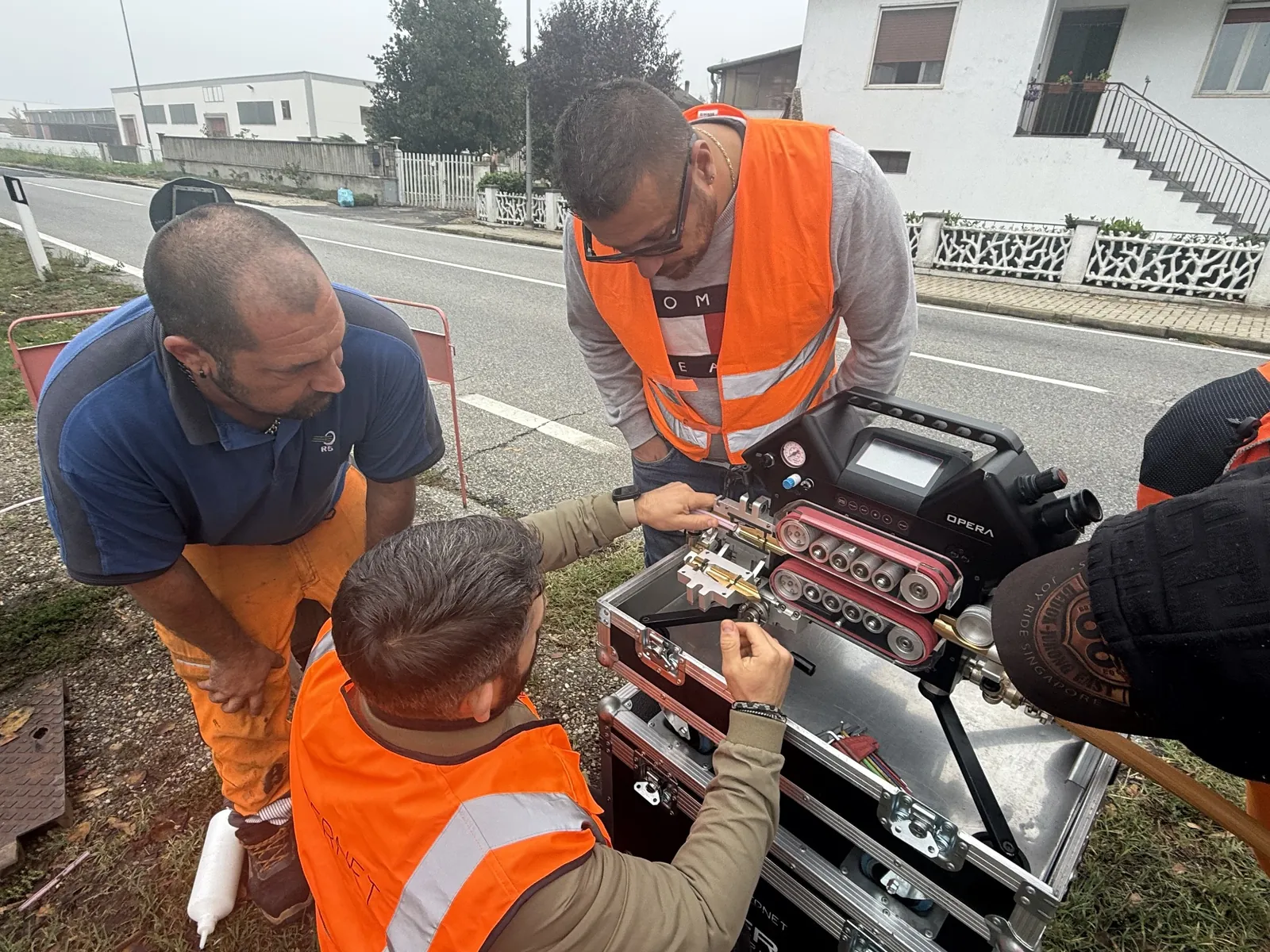
On a roadside cable blowing job, avoidable delays often begin before the machine is switched on. The duct connection may be difficult to access, the compressor may be positioned inconveniently, or the cable reel may introduce resistance because it cannot unwind freely. Planning the work area around the complete feeding path helps the crew identify these issues early. Position equipment on a stable surface, establish a controlled working area, and arrange the cable supply so it can feed smoothly without tight bends or contact with damaging edges. Follow applicable local worksite requirements in Italy, including any access restrictions or traffic management arrangements relevant to the installation location. A drill powered fiber blower should enter this process only after the crew has reviewed the manufacturer's operating instructions and confirmed that the intended cable, duct, and drive arrangement are suitable. Before connecting compressed air, inspect hoses, couplings, seals, and duct interfaces for visible damage or contamination. Check that all components are rated for the intended operating conditions. Pressure adjustments and connection procedures must follow the equipment instructions; connections should never be loosened while pressurized. These precautions are directly relevant to productivity because a poorly prepared connection can interrupt the job and complicate troubleshooting. Assign clear responsibilities within the crew. One operator may manage the machine while another observes cable payout and communicates changes in resistance or reel behavior. Where the installation requires observation at a remote point, agree on a reliable communication method and an immediate stop procedure before starting. Record the starting configuration so later adjustments can be understood rather than guessed. If evaluating a drill powered fiber optic cable blower, ask how the specified drive controls should be used and what indications require the operator to stop. Do not assume that increasing drill speed or air pressure will overcome a developing obstruction safely. Cable condition, duct geometry, air leakage, and reel resistance can all influence performance, and each requires a different response. A battery powered fiber cable blower configuration also calls for practical checks of drill compatibility, battery readiness, and charging arrangements, while keeping the compressed air requirements separate. Discuss those points with Fibernet before treating a cordless setup as suitable for a particular location. After the installation, document the equipment configuration, relevant operating observations, interruptions, and any consumables used. Such records help purchasing teams distinguish a machine limitation from a preparation issue and give technicians useful context when support is needed. Clean and inspect the equipment according to the manufacturer's guidance before storage. A consistent process does not guarantee a particular installation distance, but it creates a stronger foundation for controlled operation, repeatable preparation, and more useful technical feedback across future cable blowing projects.
Fibernet's cable blowing equipment story is rooted in a family business established in 2001 and in the technical experience of founder Giancarlo Trinei. His work with early optical cable installations in Italy during the 1980s shaped a practical approach to equipment development: understand the difficulties encountered during installation and seek workable engineering solutions. The company introduced its first cable blowing machine, Lady, in 2021. That milestone provides context for its development as a manufacturer, but prospective buyers should still assess each current model through its own documentation and confirmed specifications. A drill powered fiber blower enquiry should therefore move quickly from a general product description to the requirements of the actual job. Fibernet's Italian-made products and assistance in the United States and worldwide are relevant to organizations that coordinate purchasing, equipment deployment, or technical enquiries across borders. For a project in Italy, clarify the appropriate contact route and the support arrangements applicable to the equipment being considered. For a company with American operations as well, discuss how enquiries from different locations should be handled rather than assuming that every service is delivered in the same way everywhere. Ask about operating documentation, replacement component identification, maintenance guidance, and the process for requesting help with a specific machine. Service availability, response times, shipping arrangements, and warranty conditions should be confirmed directly before purchase. This keeps the decision grounded in agreed terms instead of broad expectations. When comparing a drill powered fiber blowing machine with the needs of your installation team, consider how easily the required setup information can be communicated between the buyer, site supervisor, and operator. A useful equipment enquiry includes cable and duct dimensions, compressor specifications, anticipated route characteristics, and the working conditions likely to affect access or handling. If your procurement documents describe the requirement as a drill driven fiber optic cable blower, include the intended drive arrangement and request confirmation of compatibility rather than relying on terminology alone. Similar names do not establish identical capabilities, included accessories, or operating limits. Fibernet can also be asked which consumable and replacement components should be considered for the planned workload, with quantities determined by the actual equipment and maintenance guidance. This is particularly important when crews move between sites and need to avoid discovering an unsuitable seal or missing size-specific component after arrival. The company's generational transition, begun in 2010 with Matteo, Marta, and Ismael joining the business, adds continuity to its manufacturing story without replacing the need for technical verification. Explore the equipment information on www.fibernetsrlusa.com and use your project details to begin a focused discussion about suitability, configuration, and support. A well-prepared conversation helps turn interest in Italian-made machinery into an equipment decision based on documented requirements.
Fill out the form and discover what Fibernet Srl can do for you!
Contact us!Before you get started
If you prefer, speak to us directly.
+39 346 652 9915Compare the cable diameter, duct diameter and installation distance. Lady is compact and lightweight for short runs. Opera is pneumatic and designed for long runs. Geniale is electric and handles both. A Fibernet technician can help you choose.
Yes. You can request a free hands-on demonstration on your site or at Fibernet’s test facility. Tell us what you need in the form and a technician will arrange it with you. Request a demonstration.
To get a price, contact a Fibernet advisor using the form or call +39 346 652 9915.
Fibernet offers direct technical support, spare parts ready to ship and dedicated training. If your machine breaks down, a replacement may be available. Ask your technician about availability and terms.
Tell us about your job. We’ll help you find the right cable blowing machine.