Emanuele Zanda
Google review
★★★★★
Read on Google“An excellent experience on the installer training course. The whole team was professional and knowledgeable.”
Cable blowing machines · Made in Italy
From last-mile connections to long-distance runs, a Fibernet technician can help you choose the right machine for your fiber optic cable installation.
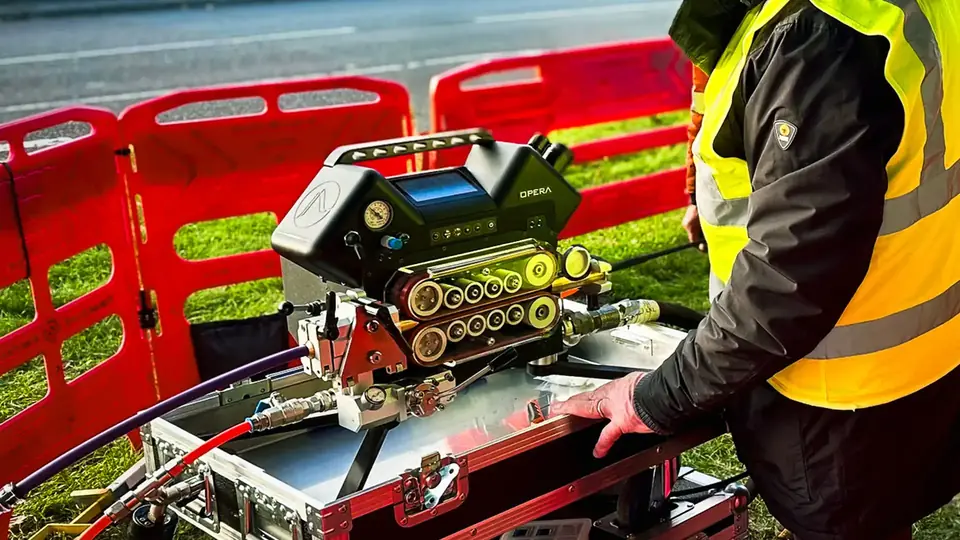
Opera, image 1 of 3
Expert advice direct from the manufacturer / Free demonstration on request
Some of our customers.

Keep your installation moving with Fibernet cable blowing machines.
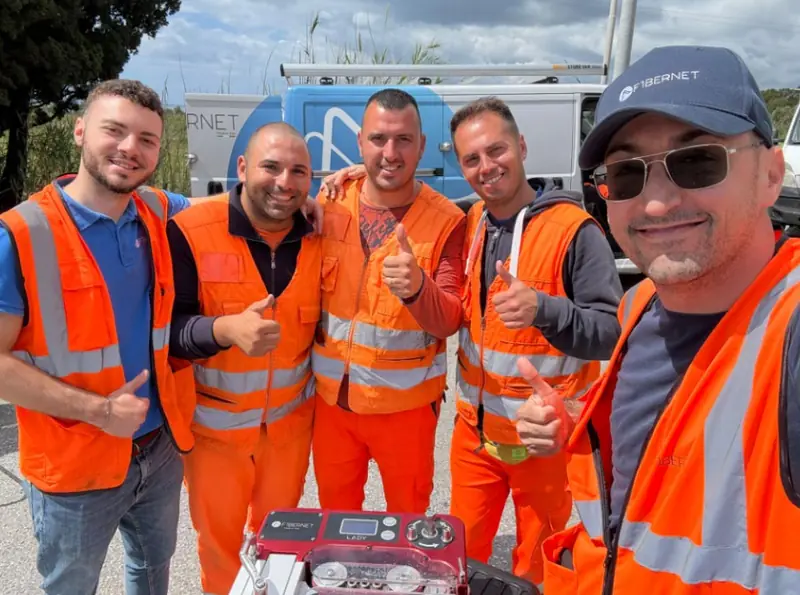
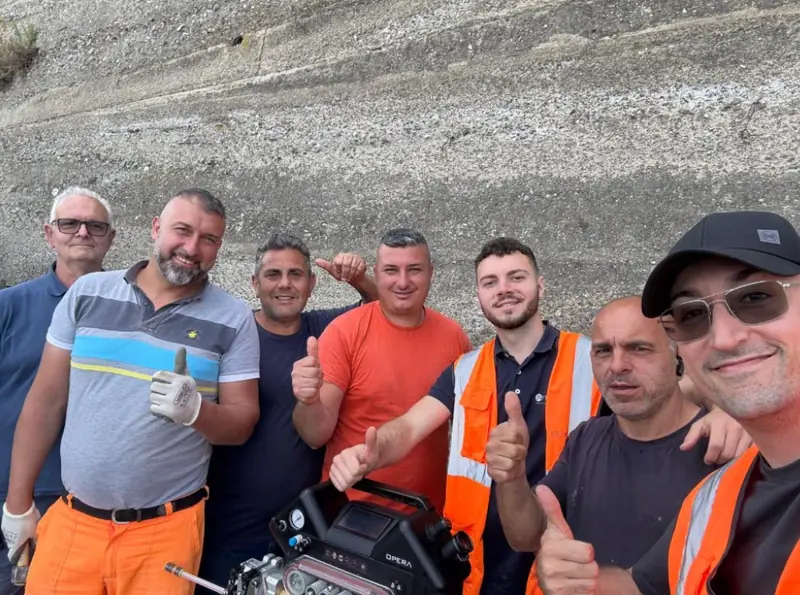
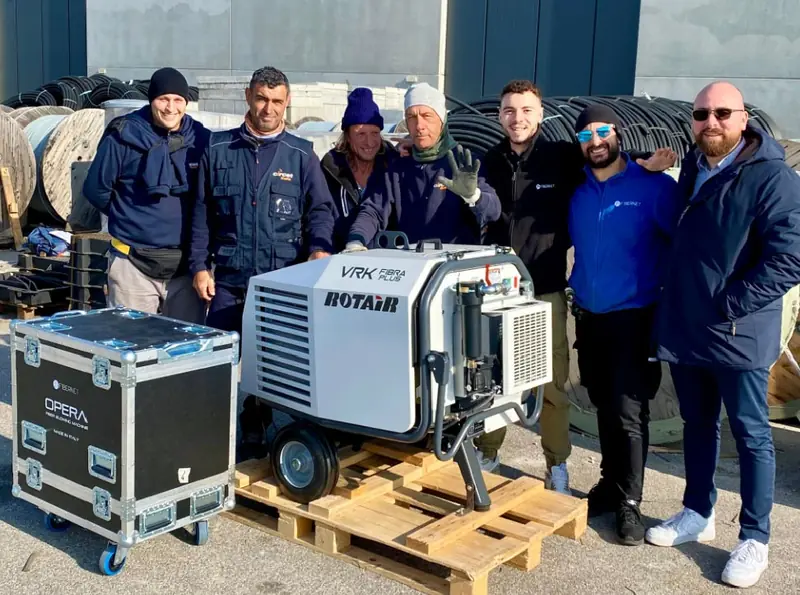
Photos and stories from installers, published by Fibernet.
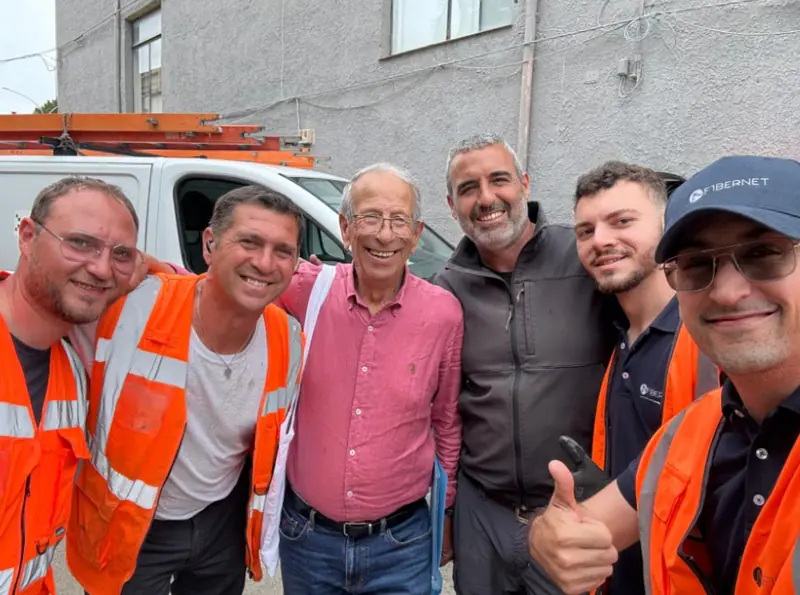
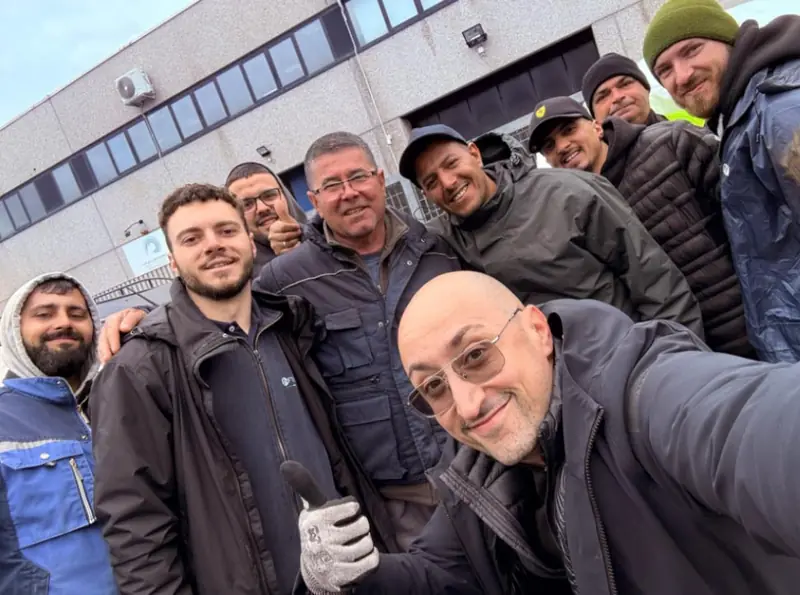
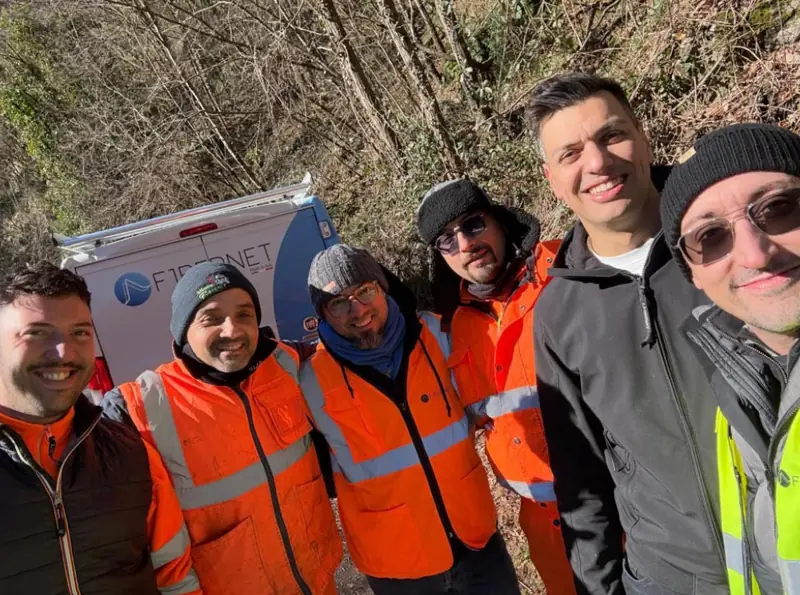 GoogleExcellentBased on 176 reviewsRead the reviews
Read on Google“An excellent experience on the installer training course. The whole team was professional and knowledgeable.”
Read on Google“I had the chance to try the Opera cable blowing machine on site…”
Read on Google“I really enjoyed this course. It took place in a pleasant setting with friendly, helpful people.”
Stories from installers
Hear the results from the installers themselves. Watch their testimonials right here.
Product videos
Three machines. Find your fit.
Start with the job at hand. Our technician can answer your questions about the right setup.
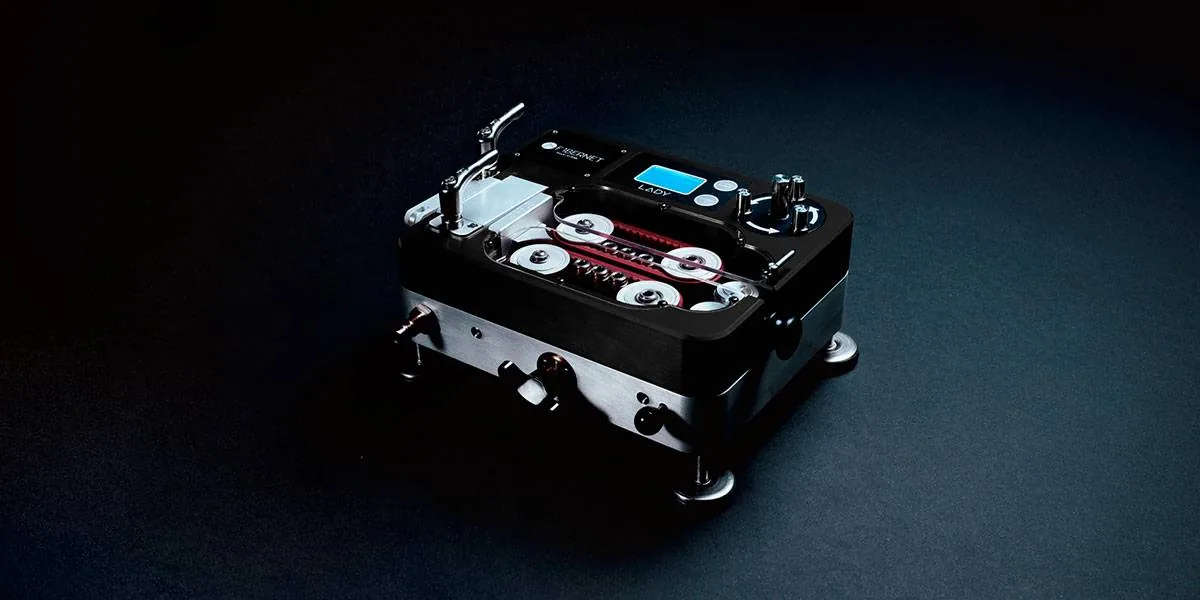
Compact and lightweight
A compact, lightweight machine for short runs.
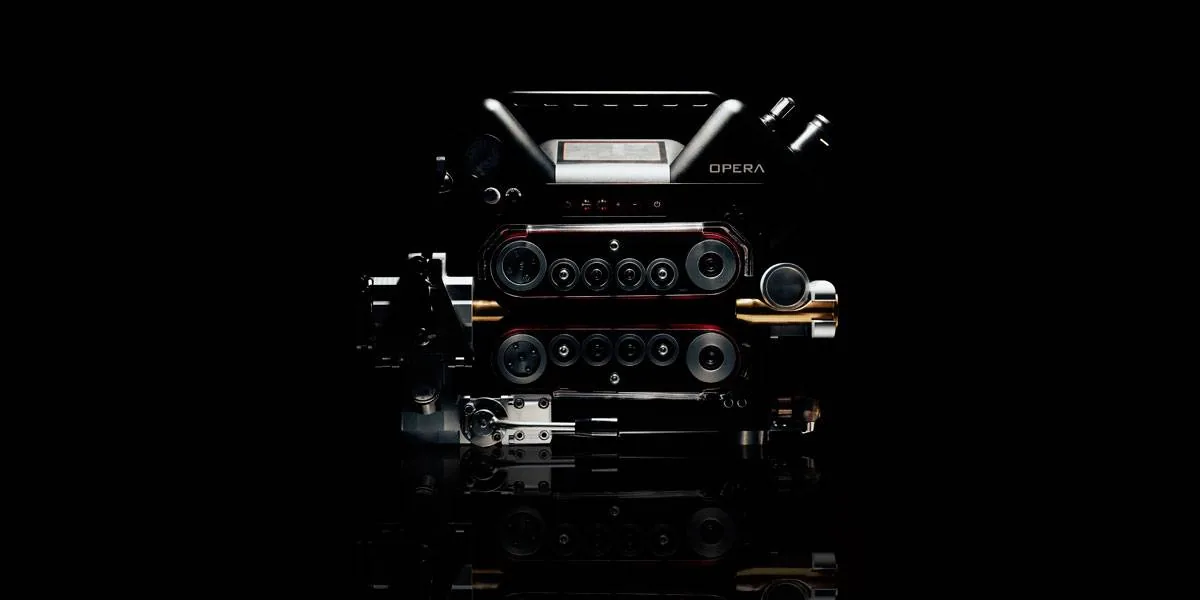
Pneumatic power
A pneumatic machine for long cable runs.
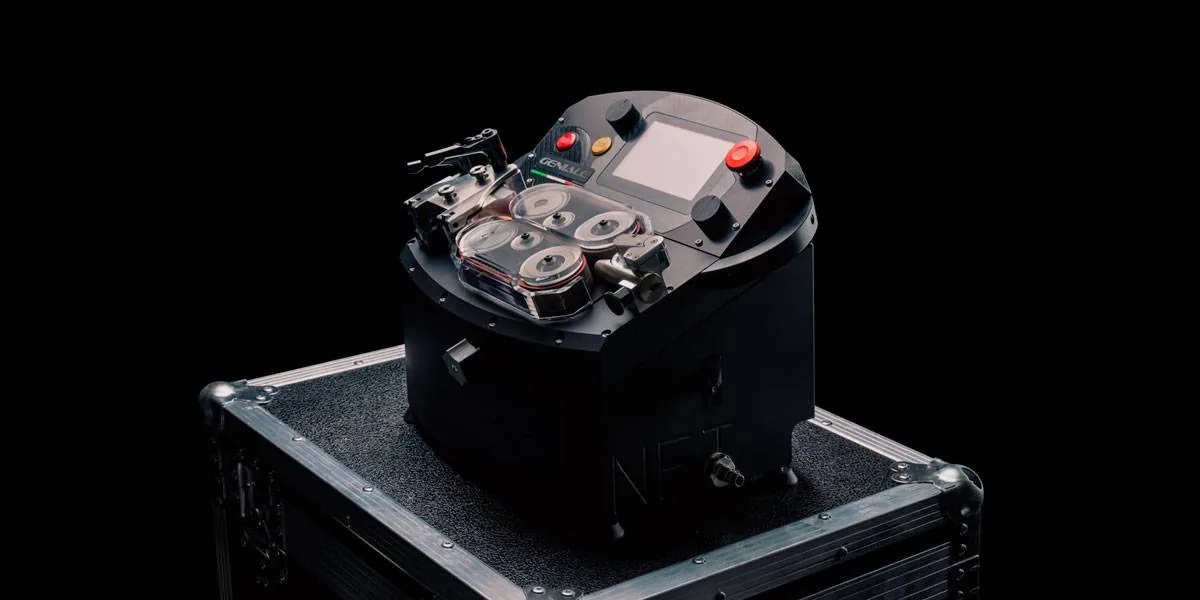
Electric, with two gears
For short and long runs. Two gears let you match force and speed to the job.
Specifications for the Fibernet range. The speeds shown are maximum values. Actual results depend on installation conditions and machine setup.
Direct from the manufacturer
When you’re working on site, you need practical answers. With Fibernet, you speak directly to the people who design and build your cable blowing machine.
Speak to a technicianA specialist technician can help when you need it.
Spare parts ready to ship, direct from the manufacturer.
If your machine breaks down, a replacement may be available within 48 hours.
Check availability and terms with your technician.Get help making the most of your machine, from your very first job.
See it in action before you choose
Request a free hands-on demonstration on your site or at Fibernet’s test facility. Discuss a real job with the technician.
Request a free demonstration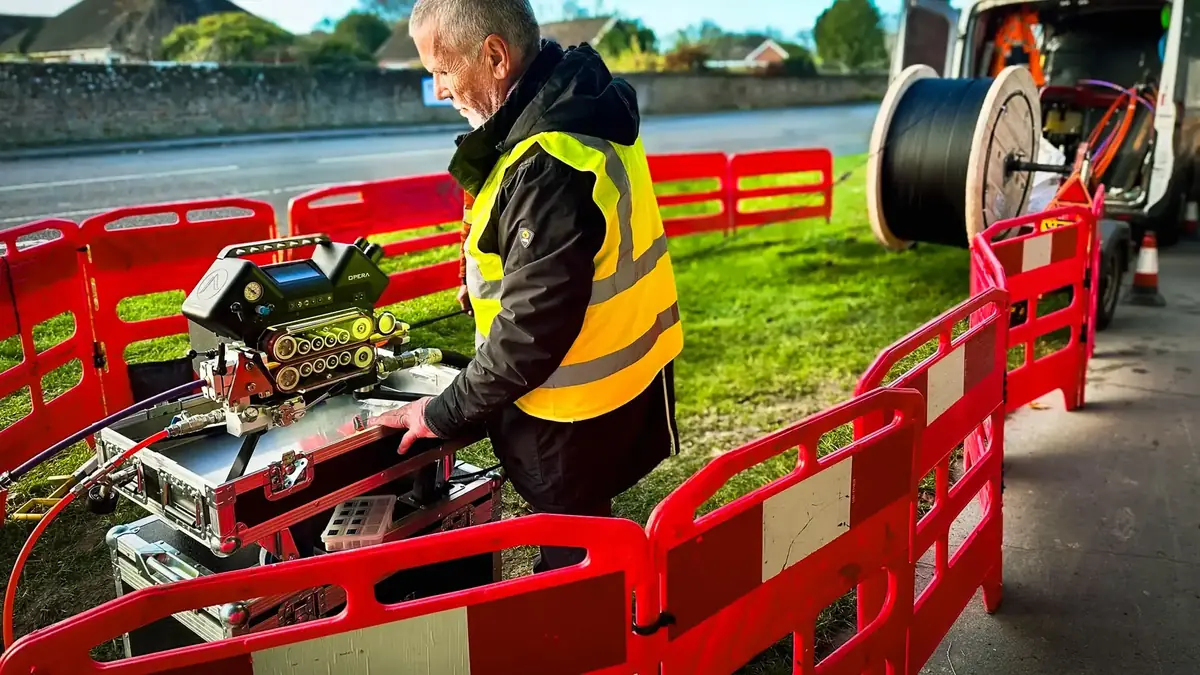
Choosing a drill driven fiber optic cable blower starts with the cable and duct combination your crew actually uses. Cable outside diameter, duct inside diameter, route condition, and the cable manufacturer’s handling limits all influence whether a proposed configuration is suitable. A machine that looks convenient on a purchasing sheet still needs to match the physical requirements of the installation. For telecommunications contractors working on street cabinets, roadside access points, or staged duct routes, this means gathering accurate project information before requesting a recommendation. Fibernet provides a direct point of contact for discussing cable blowing equipment, with Italian manufacturing and assistance in the United States and worldwide. The practical goal is to identify an appropriate setup rather than assume that every drill, cable, or duct can work together. In a drill powered fiber optic cable blower, the drill supplies mechanical drive to the feeding mechanism; compressed air, where required by the equipment, performs a separate role inside the duct. A cordless drill therefore does not automatically make the complete installation independent of an air supply. Buyers should clarify the required compressor capacity, acceptable operating pressure, compatible drill characteristics, and any restrictions described in the machine documentation. These details affect site planning as much as the machine itself. Ask which cable guides, seals, and duct adapters are necessary for your intended dimensions, whether they are included, and how configuration changes are performed. Incorrectly matched components can cause air leakage, poor cable guidance, or inconsistent feeding. It is equally important to understand how the drive mechanism engages the cable and how the operator controls its movement without exceeding allowable loads. A cable blower for fiber optic cable installation should be evaluated as part of a complete working arrangement, including cable payout, air preparation, duct connections, and safe access around the machine. Before starting, crews should confirm duct continuity and condition using procedures appropriate to the route, position the cable supply to avoid unnecessary resistance, and establish clear communication between access points. During operation, unexpected resistance should prompt investigation rather than an automatic increase in drive force or air pressure. Route bends, damaged duct sections, unsuitable seals, and poor cable payout can each change installation behavior. Discussing these conditions with Fibernet helps frame a useful equipment enquiry. Provide the cable and duct dimensions, anticipated route length, number and severity of bends, available compressed air supply, and typical working environment. With that information, the conversation can focus on compatibility, operating requirements, and the accessories needed for your application, without relying on an unsupported promise of a particular installation distance or production rate.
For a contractor purchasing installation equipment, the relationship with the manufacturer matters long after delivery. A drill driven fiber optic cable blower may move between crews, vehicles, and projects, so clear documentation and access to assistance are important parts of the buying decision. Fibernet combines products made in Italy with assistance in the United States and worldwide, connecting its Italian technical background with the needs of contractors operating on demanding jobsites. The company was founded in 2001 by Giancarlo Trinei, whose experience dates to the early deployment of optical cable systems in Italy during the 1980s. That background provides context for a business focused on practical equipment development rather than an anonymous catalogue of machines. Its first cable blowing machine, Lady, was launched in 2021. Buyers should nevertheless request current product information to establish which available configuration meets their own drill drive and installation requirements, rather than assume that a product name confirms a particular specification. Fibernet’s development has also involved the next generation of the family: Matteo, Marta, and Ismael joined the business during the generational transition that began in 2010. For equipment purchasers, this continuity is relevant when discussing product knowledge, ongoing communication, and responsibility for technical questions. It does not replace the need to review written specifications, but it provides a clear company identity behind the enquiry. When evaluating a drill driven fiber optic cable blowing machine, ask how the proposed setup should be inspected before use, which components are subject to wear, and what information the support team needs when troubleshooting a problem. Useful details can include the machine identification, cable and duct dimensions, operating settings, compressor information, photographs of the setup, and a precise description of the symptoms. Sharing this information helps distinguish equipment issues from conditions elsewhere in the installation. Support discussions should also cover replacement seals, guides, drive components, and the correct procedures for cleaning or storage. Request confirmation of availability and delivery arrangements rather than assuming every component is stocked locally. A compressed air fiber optic cable blower also introduces questions about air quality, hose connections, pressure limits, and depressurization before adjustments. These are operating matters that should be addressed through the applicable instructions and competent site procedures, not improvised during a difficult installation. For American companies sourcing Italian equipment, clarify the units used in documentation and quotations, the applicable commercial terms, and the support contact arrangements for your location. Contractors working in Italy can raise the same questions while discussing their local project conditions in English. This makes the purchasing process more transparent and helps crews understand what they are buying, how it should be used, and where to turn when application questions arise.
A useful equipment quotation should describe what your crew needs to start work, not merely show the price of the central machine. When requesting a drill driven fiber optic cable blower from Fibernet, explain whether you are equipping a new team, replacing existing equipment, or adding capacity for another installation crew. Each situation changes the purchasing discussion. A contractor with a suitable compressor and compatible drill may need a different package from a business assembling its first cable blowing setup. Equally, existing accessories should not be assumed compatible simply because they served a similar purpose on another machine. Confirm the interfaces, dimensions, and operating requirements before treating them as reusable assets. The most meaningful fiber optic cable blower price comparison includes the proposed machine configuration, required cable guides and duct adapters, seals, any specified drive equipment, and the air supply requirements. It should also distinguish included components from optional items. Shipping arrangements, applicable taxes, payment terms, and the availability of replacement parts can affect the purchasing decision, especially when coordinating Italian manufacturing with delivery to an American business. Ask Fibernet to explain the quotation clearly for your destination and intended application. No single price can describe every installation package, and a lower initial figure does not necessarily mean a lower operating cost. Consider the time needed to prepare the machine, change between cable sizes, inspect wear items, and restore the equipment to a ready condition after use. Those tasks affect crew productivity across repeated jobs. When assessing a cable blowing machine for fiber optic cable installation, also think about the situations your teams encounter most often. A short access section with several bends creates different challenges from a longer, straighter duct route. Restricted working space can influence machine positioning and cable payout, while a shared compressor may introduce availability constraints. These factors are useful purchasing inputs, not reasons to assume a universal performance figure. Ask which conditions underpin any stated capability and how the manufacturer recommends evaluating suitability for your planned work. After purchase, a simple operating record can help the business learn from each deployment. Record the cable and duct combination, relevant route characteristics, equipment configuration, and any interruptions or corrective actions. Over time, this creates a practical reference for estimating future jobs and identifying recurring causes of lost time. It also makes technical conversations more precise when you contact the manufacturer. Fibernet’s made in Italy approach, together with assistance in the United States and worldwide, gives buyers a route for discussing these application details. Start with your actual installation requirements and request confirmation of the appropriate equipment, accessories, documentation, and support arrangements. That approach produces a more useful purchasing decision than choosing a machine on headline speed, appearance, or an isolated purchase price.
Fill out the form and discover what Fibernet Srl can do for you!
Contact us!Before you get started
If you prefer, speak to us directly.
+39 346 652 9915Compare the cable diameter, duct diameter and installation distance. Lady is compact and lightweight for short runs. Opera is pneumatic and designed for long runs. Geniale is electric and handles both. A Fibernet technician can help you choose.
Yes. You can request a free hands-on demonstration on your site or at Fibernet’s test facility. Tell us what you need in the form and a technician will arrange it with you. Request a demonstration.
To get a price, contact a Fibernet advisor using the form or call +39 346 652 9915.
Fibernet offers direct technical support, spare parts ready to ship and dedicated training. If your machine breaks down, a replacement may be available. Ask your technician about availability and terms.
Tell us about your job. We’ll help you find the right cable blowing machine.