Emanuele Zanda
Google review
★★★★★
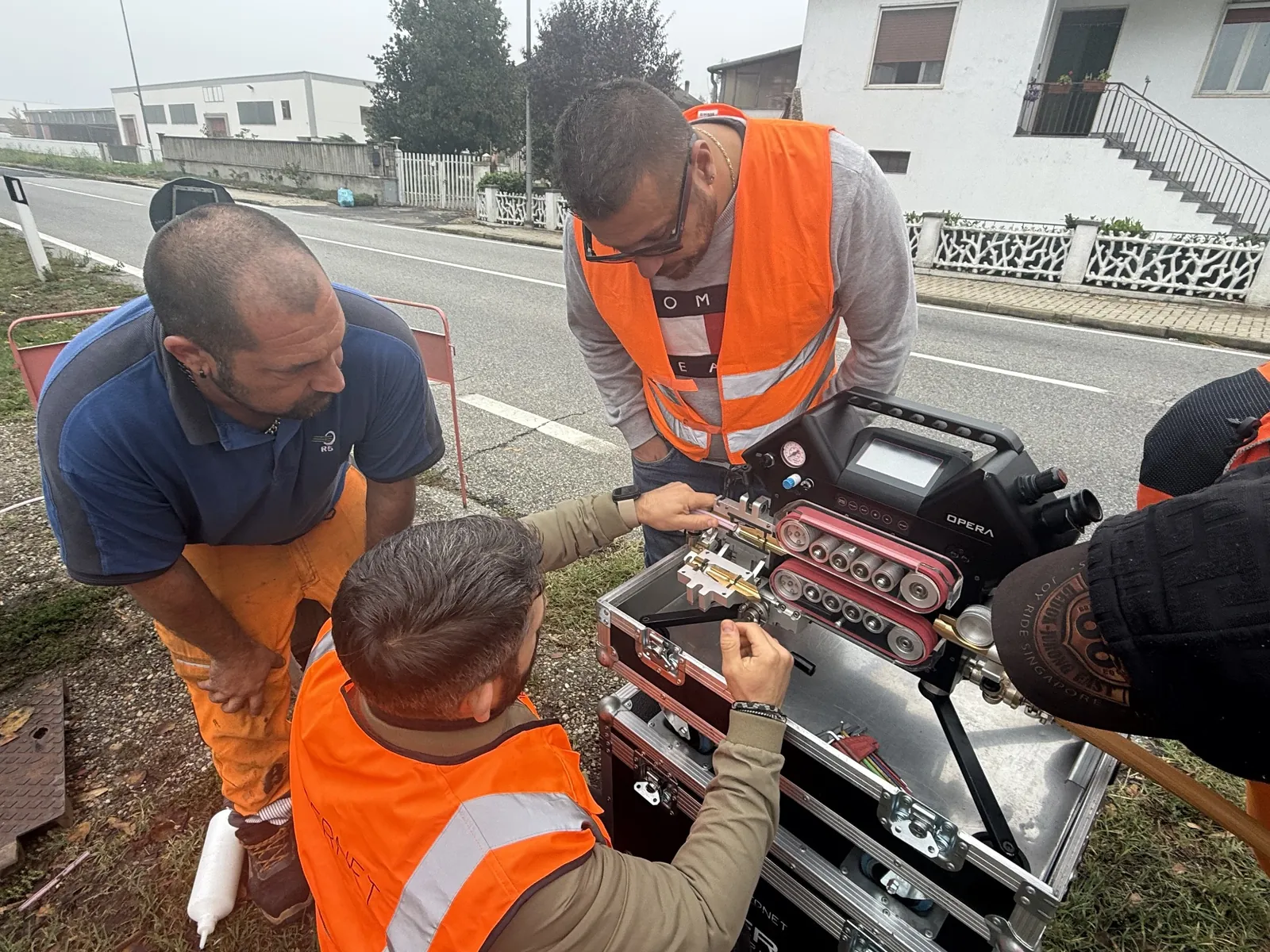
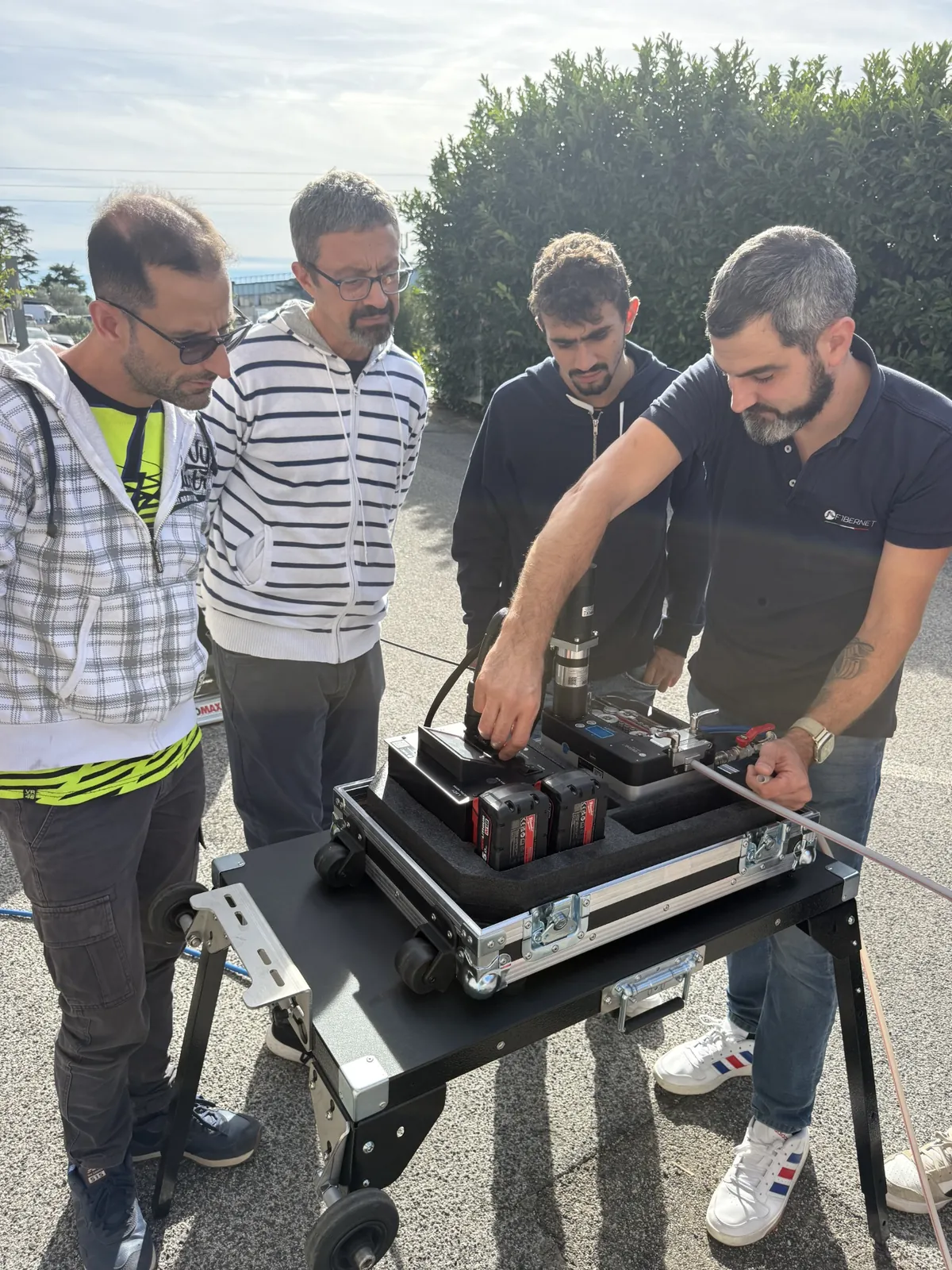
Read on Google“An excellent experience on the installer training course. The whole team was professional and knowledgeable.”
Cable blowing machines · Made in Italy
From last-mile connections to long-distance runs, a Fibernet technician can help you choose the right machine for your fiber optic cable installation.
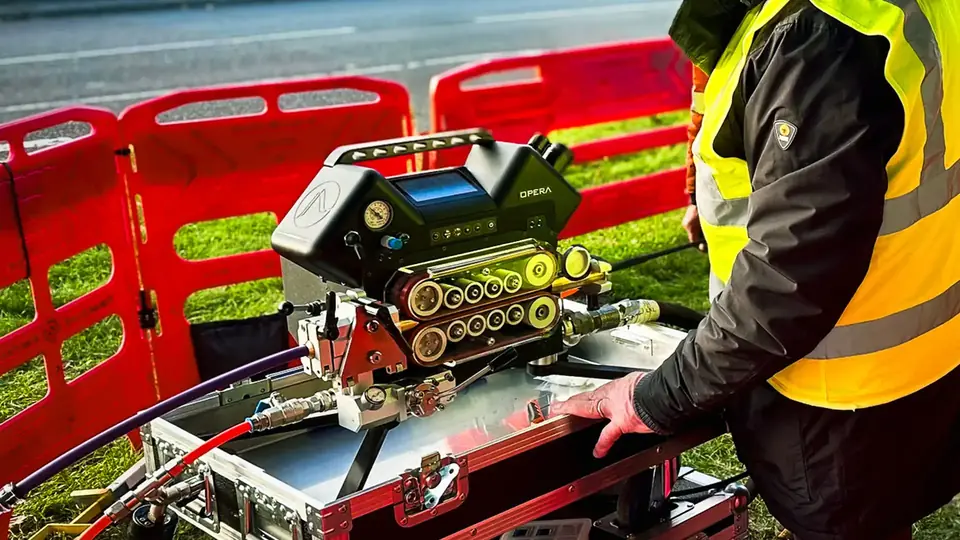
Opera, image 1 of 3
Expert advice direct from the manufacturer / Free demonstration on request
Some of our customers.

Keep your installation moving with Fibernet cable blowing machines.
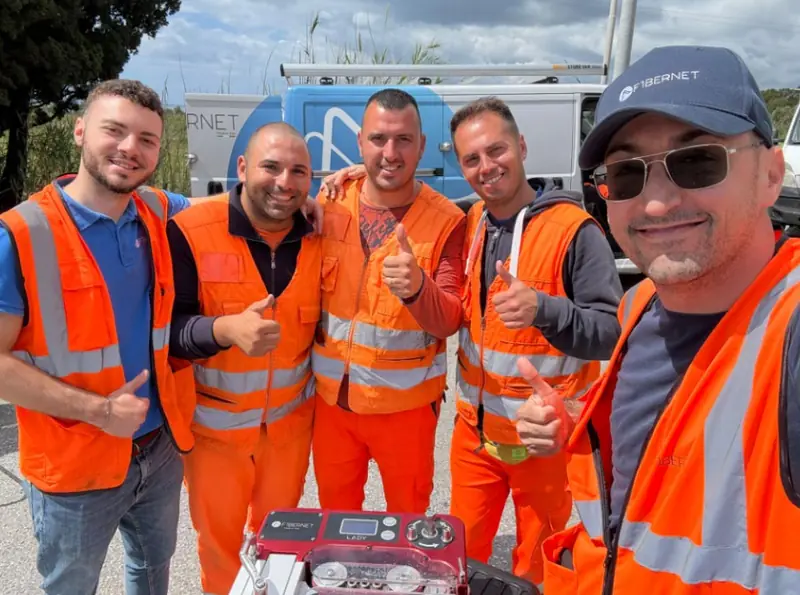
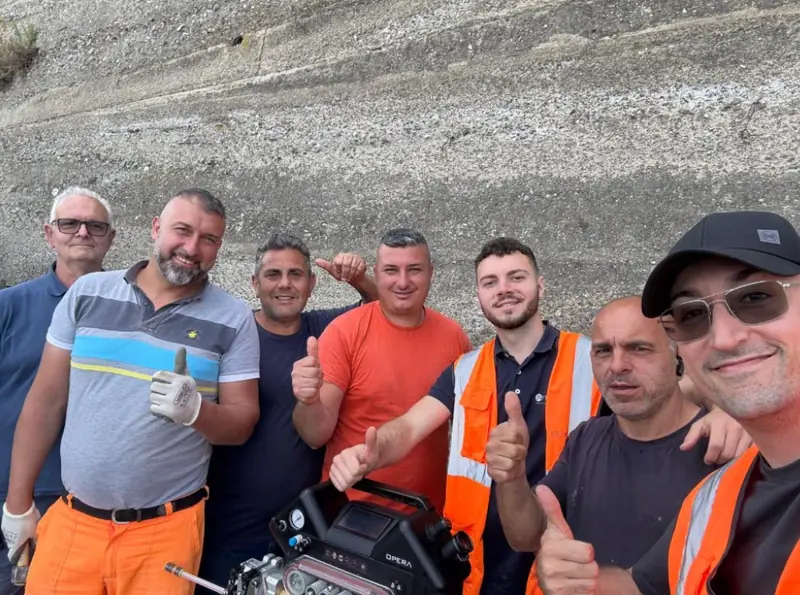
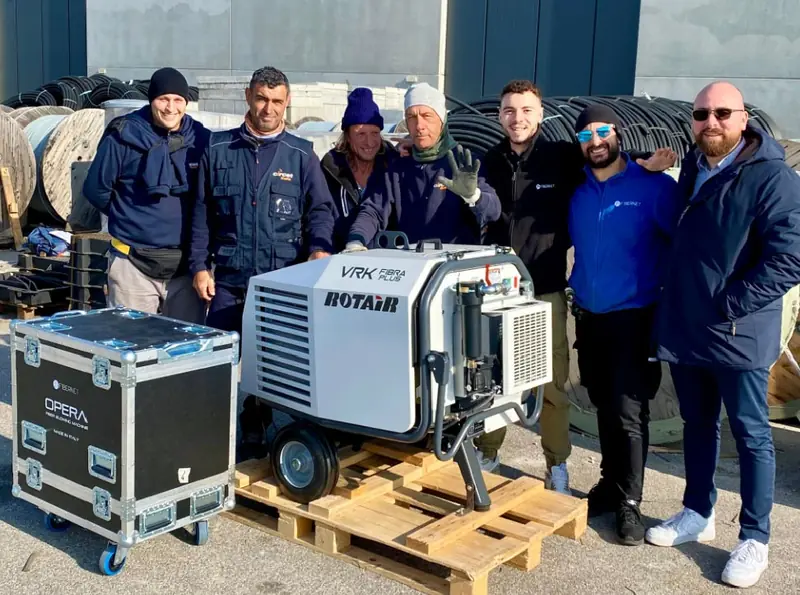
Photos and stories from installers, published by Fibernet.
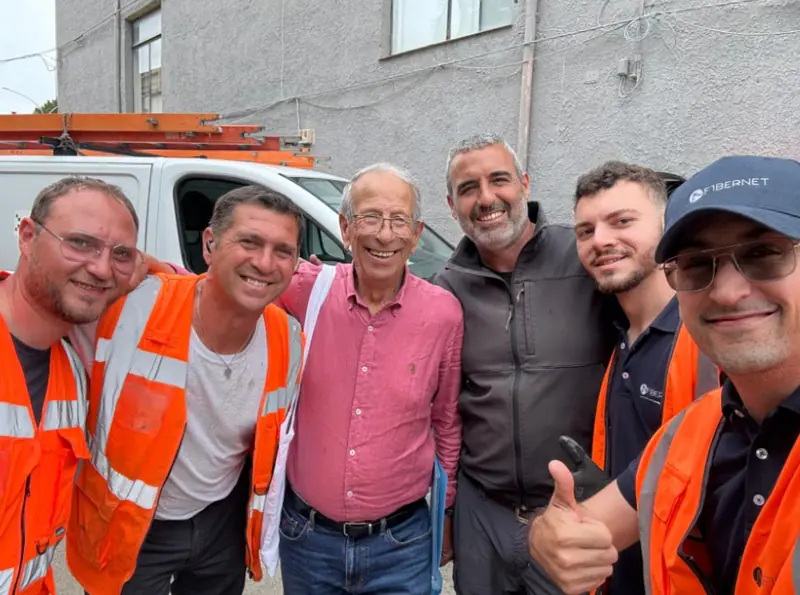
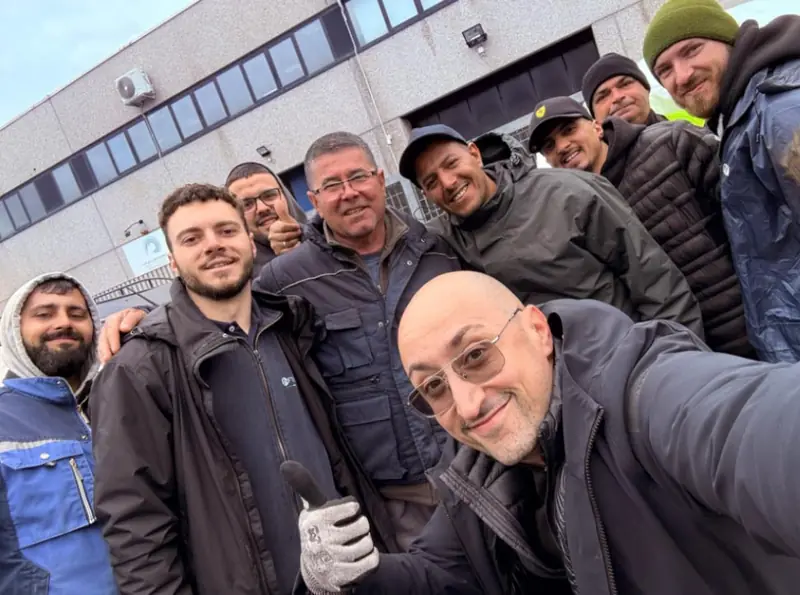
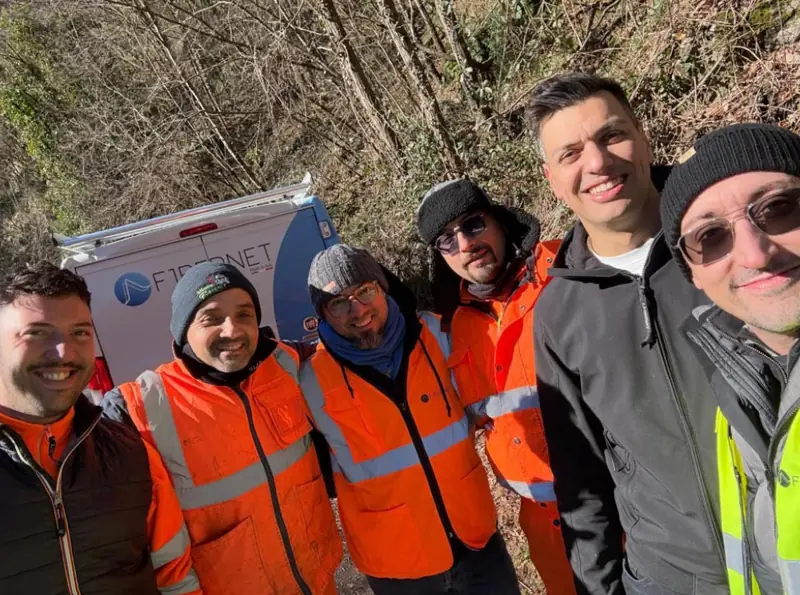 GoogleExcellentBased on 176 reviewsRead the reviews
Read on Google“An excellent experience on the installer training course. The whole team was professional and knowledgeable.”
Read on Google“I had the chance to try the Opera cable blowing machine on site…”
Read on Google“I really enjoyed this course. It took place in a pleasant setting with friendly, helpful people.”
Stories from installers
Hear the results from the installers themselves. Watch their testimonials right here.
Product videos
Three machines. Find your fit.
Start with the job at hand. Our technician can answer your questions about the right setup.
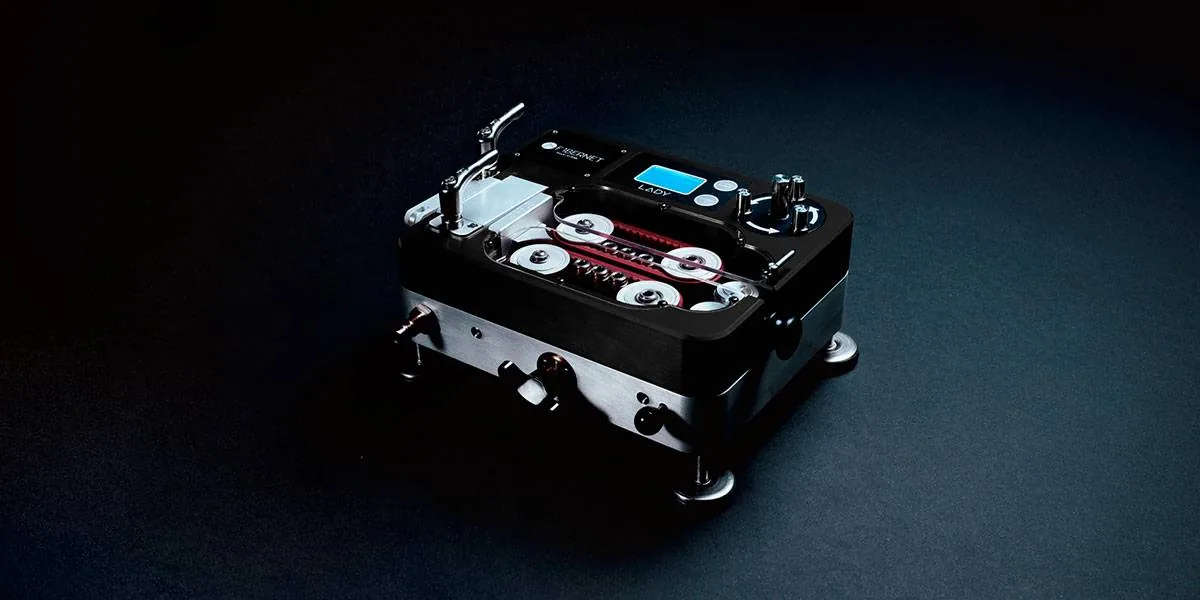
Compact and lightweight
A compact, lightweight machine for short runs.
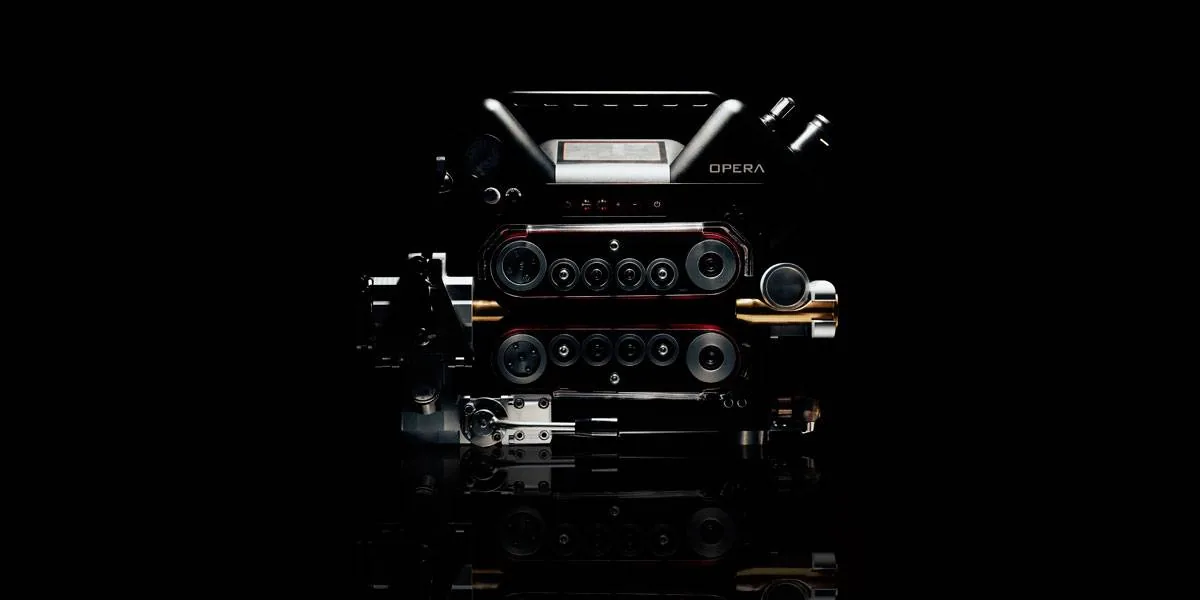
Pneumatic power
A pneumatic machine for long cable runs.
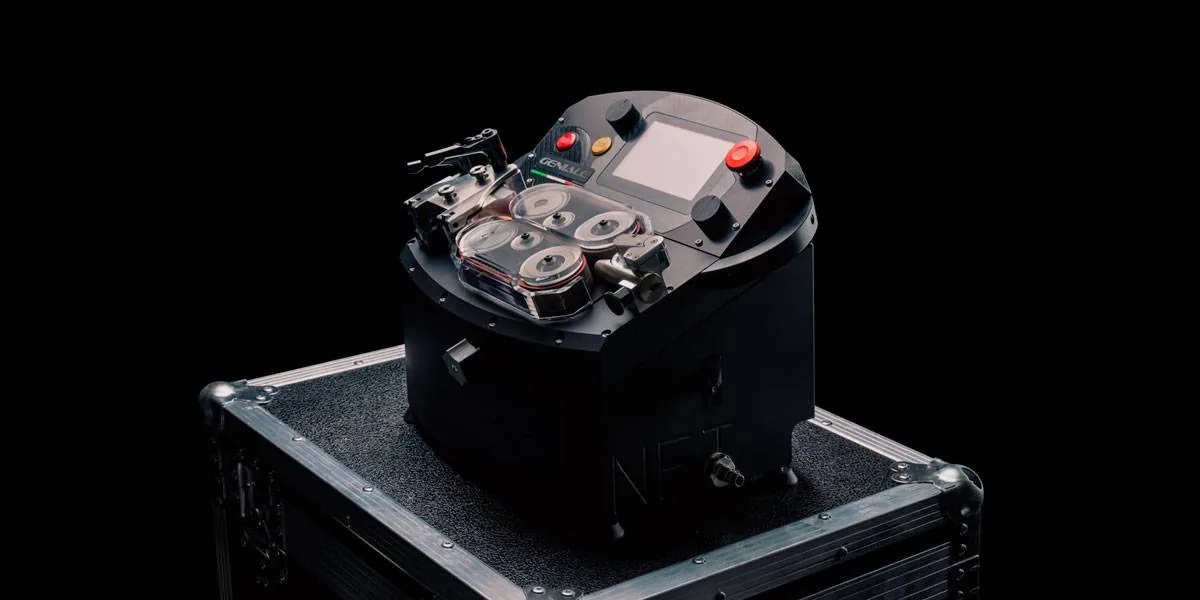
Electric, with two gears
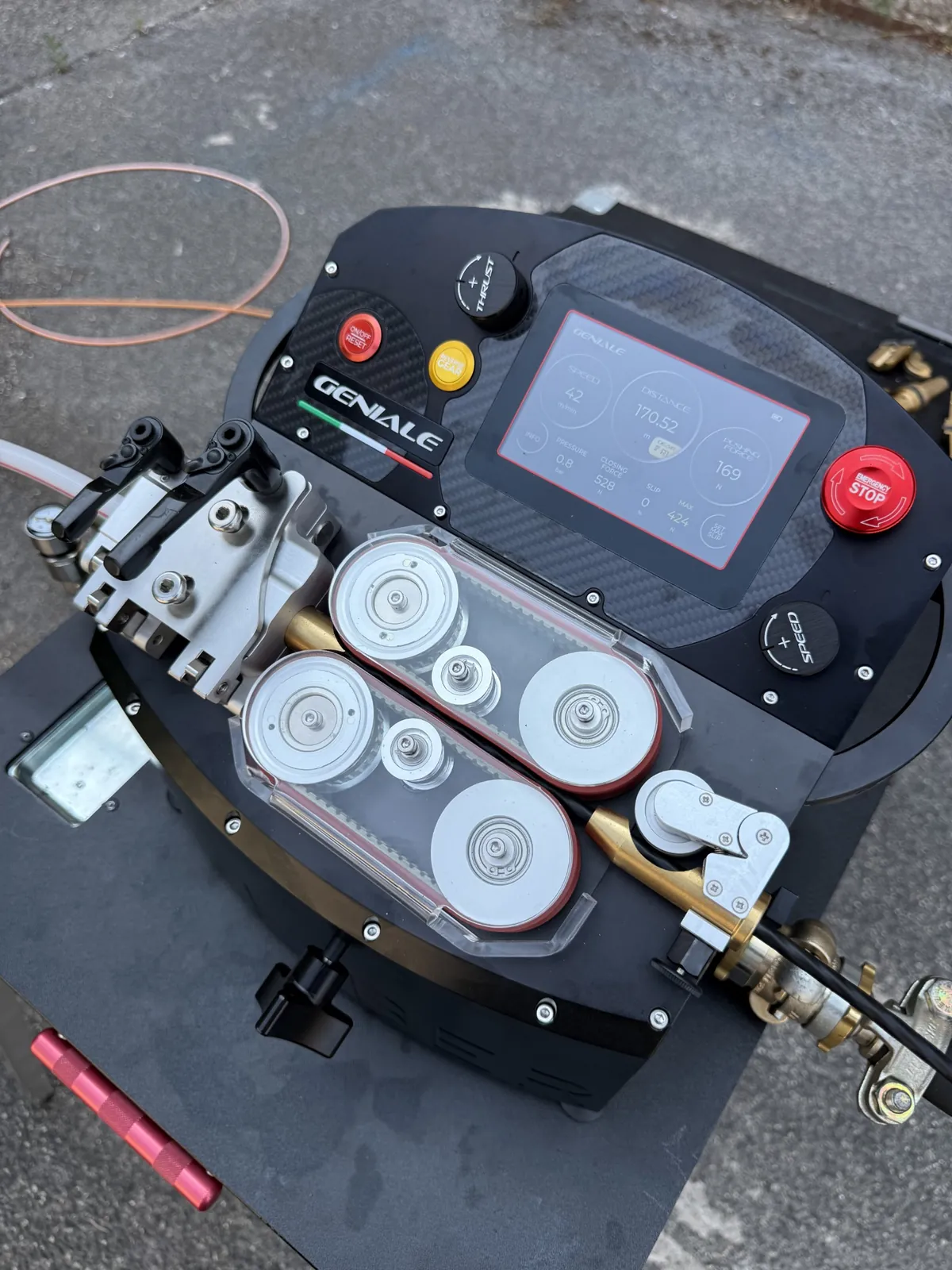
For short and long runs. Two gears let you match force and speed to the job.
Specifications for the Fibernet range. The speeds shown are maximum values. Actual results depend on installation conditions and machine setup.
Direct from the manufacturer
When you’re working on site, you need practical answers. With Fibernet, you speak directly to the people who design and build your cable blowing machine.
Speak to a technicianA specialist technician can help when you need it.
Spare parts ready to ship, direct from the manufacturer.
If your machine breaks down, a replacement may be available within 48 hours.
Check availability and terms with your technician.Get help making the most of your machine, from your very first job.
See it in action before you choose
Request a free hands-on demonstration on your site or at Fibernet’s test facility. Discuss a real job with the technician.
Request a free demonstration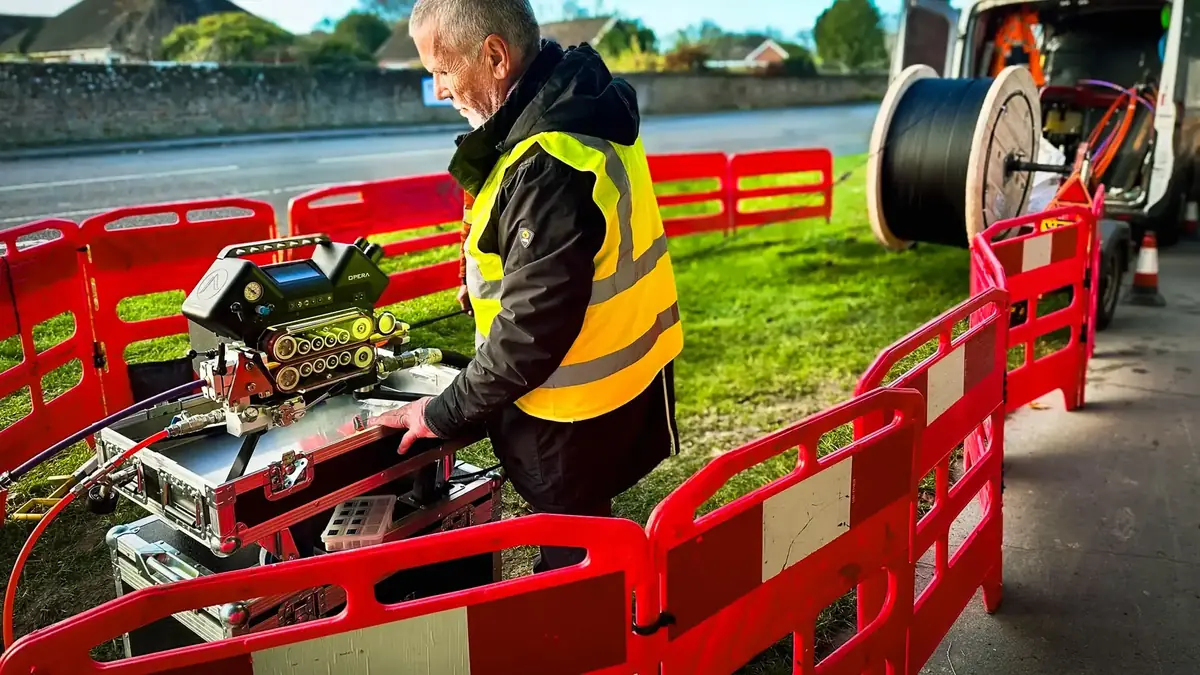
Choosing a compressed air optical fiber cable blowing machine starts with the cable, the duct, and the route your crew needs to complete. For telecommunications contractors working in Italy or coordinating installations across multiple markets, the practical objective is the same: introduce cable into an installed duct while controlling mechanical stress and maintaining a manageable installation process. Compressed air helps carry the cable through the duct, while the machine’s feeding mechanism advances it at the entry point. The balance between these actions matters more than a headline speed figure. Cable diameter, duct internal diameter, route length, bends, elevation changes, and the condition of existing duct sections all influence the configuration required. Before requesting a recommendation, collect the cable manufacturer’s installation limits, including allowable pushing force and minimum bend radius, alongside the dimensions and pressure rating of the duct. These details help establish whether a proposed machine and its accessories suit the actual job rather than an idealized demonstration. A compressed air fiber cable blowing machine also needs an appropriate air supply. Compressor selection should account for the machine’s documented pressure and airflow requirements, the restrictions introduced by hoses and fittings, and the conditions expected during operation. More pressure is not automatically a solution to poor progress, and exceeding any component’s rating creates unnecessary risk. Air preparation, correctly fitted seals, compatible duct connections, and suitable cable guidance deserve attention before the crew begins. Where the installation procedure calls for lubricant, use a product approved for the cable and duct combination, following the relevant application instructions. Fibernet brings an Italian manufacturing identity to this equipment category, supported by a technical background that predates the company’s foundation in 2001. Its first cable blowing machine, Lady, was launched in 2021, marking a focused expansion into equipment designed for this installation task. For buyers evaluating a cable blowing machine for fiber optic cable installation, the useful conversation concerns compatibility, handling, operating limits, and the accessories needed for repeatable setup. Describe whether your crews typically work from roadside chambers, confined access points, or more open staging areas, because available space can affect equipment positioning and cable feeding arrangements. Include photographs or drawings when the access geometry is difficult to explain. Contact Fibernet through www.fibernetsrlusa.com to discuss your application and ask which current machine configuration fits the information supplied. Request documented specifications rather than assuming every model supports the same cable range, drive arrangement, or compressor setup. This approach turns an initial product inquiry into a technically grounded assessment and gives your purchasing team a clearer basis for comparing equipment before committing to an installation schedule.
A successful blowing operation depends on preparation around the machine as much as on the machine itself. Before positioning a compressed air optical fiber cable blowing machine, confirm that the duct section is identified correctly, accessible at the required points, and suitable for the planned operation. Follow the project’s approved procedures for checking continuity, cleanliness, and integrity. A crushed section, an unsuitable coupling, or debris left inside the duct can interrupt progress regardless of the equipment selected. Establish communication between the personnel at the entry and receiving locations, define how the operation will be stopped, and secure the work area according to applicable site requirements. Where roadside work is involved, equipment placement must also respect the authorized traffic management arrangements. The cable should approach the feeding mechanism through a controlled path that avoids sharp changes in direction and unnecessary drag. Drum positioning, guide placement, and the availability of enough working space can make the difference between steady feeding and repeated interruptions. During setup, verify that the installed guides, seals, and duct adapters correspond to the actual dimensions being used. An apparently small mismatch can cause air leakage, poor guidance, or unwanted friction. Check connections before pressurization and follow the manufacturer’s sequence for adjustment, startup, shutdown, and pressure release. Never disconnect a pressurized assembly or attempt to clear a blockage while the equipment remains energized or under pressure. With a compressed air fiber optic cable blowing machine, operators should monitor progress against the approved operating limits rather than trying to maintain an arbitrary speed. Unexpected resistance, unusual noise, visible cable damage, or a sudden change in feeding behavior calls for a controlled stop and investigation. Depending on the equipment, available indicators may help the crew assess speed, distance, or other operating conditions; confirm the actual monitoring features in the selected model’s documentation. Keep a simple installation record that captures the cable and duct dimensions, route characteristics, relevant settings, interruptions, and the completed distance. These records support more informed planning when similar routes arise and provide useful context if technical assistance is needed. When assessing a fiber cable blowing machine, ask how routine cleaning, inspection, and replacement of wear components are performed. Accessibility matters when crews need to prepare equipment between jobs without overlooking maintenance requirements. Fibernet’s made in Italy positioning can be considered alongside these practical questions, with assistance in the United States and worldwide forming part of the support discussion. Confirm the contact channel, response arrangements, spare parts availability, and any shipping requirements for your location before purchase. For contractors operating in Italy, also clarify the documentation and product compliance information applicable to the intended use. A disciplined preparation routine helps teams identify avoidable problems early and use the selected machine within its documented capabilities.
Buying a compressed air optical fiber cable blowing machine is an operational decision, not simply a comparison of purchase prices. The right assessment considers the work your business expects to complete, the equipment already available to your crews, and the support needed to keep installations moving. Start by separating essential requirements from preferences. Cable and duct compatibility, suitable operating limits, necessary adapters, and a workable compressor arrangement belong in the essential category. Transport dimensions, setup convenience, and maintenance access may also become decisive when teams move frequently between sites. Ask for a quotation that identifies the machine configuration and clearly states which accessories are included. A seemingly lower initial offer can be difficult to compare if another proposal includes additional seals, guides, connections, or replacement components. When researching fiber cable blowing machine price, evaluate the complete installation package rather than treating the machine as an isolated purchase. Include any required compressor, air treatment equipment, hoses, approved consumables, transport provisions, and planned servicing in your internal calculation. Consider downtime as well, but avoid assigning savings that cannot be supported by your own operating data. A contractor with recurring work may evaluate ownership differently from a business facing one unusual project. If you are comparing a used optical fiber cable blowing machine with new equipment, request evidence of condition, maintenance history, compatibility, and the availability of replacement parts. Wear in feeding components, missing adapters, damaged seals, or incomplete documentation can affect the practical value of a secondhand purchase. A test should reflect the intended application as closely as reasonably possible, without assuming that a short demonstration predicts performance on every route. Fibernet’s background offers another dimension to the evaluation. Founded in 2001, the company grew from Giancarlo Trinei’s technical experience with early optical cable installations in Italy during the 1980s. Matteo, Marta, and Ismael joined the business in 2010 as its generational transition developed, and the launch of Lady in 2021 brought the company into cable blowing machinery. This history provides context for the brand, while the purchasing decision should still rest on the specifications and commercial terms of the equipment offered. Buyers seeking made in Italy machinery with assistance in the United States and worldwide should ask how that support will apply to their specific operating location. Establish who handles technical questions, how service cases are assessed, and what information should accompany a support request. Serial numbers, photographs of the setup, cable and duct dimensions, and a clear description of symptoms can help make those conversations more productive. Use www.fibernetsrlusa.com to present your requirements and request a configuration proposal. A well-defined inquiry gives Fibernet the information needed to discuss suitability, while giving your team a clearer view of ownership responsibilities before ordering.
Fill out the form and discover what Fibernet Srl can do for you!
Contact us!Before you get started
If you prefer, speak to us directly.
+39 346 652 9915Compare the cable diameter, duct diameter and installation distance. Lady is compact and lightweight for short runs. Opera is pneumatic and designed for long runs. Geniale is electric and handles both. A Fibernet technician can help you choose.
Yes. You can request a free hands-on demonstration on your site or at Fibernet’s test facility. Tell us what you need in the form and a technician will arrange it with you. Request a demonstration.
To get a price, contact a Fibernet advisor using the form or call +39 346 652 9915.
Fibernet offers direct technical support, spare parts ready to ship and dedicated training. If your machine breaks down, a replacement may be available. Ask your technician about availability and terms.
Tell us about your job. We’ll help you find the right cable blowing machine.