Emanuele Zanda
Google review
★★★★★
Read on Google“An excellent experience on the installer training course. The whole team was professional and knowledgeable.”
Cable blowing machines · Made in Italy
From last-mile connections to long-distance runs, a Fibernet technician can help you choose the right machine for your fiber optic cable installation.
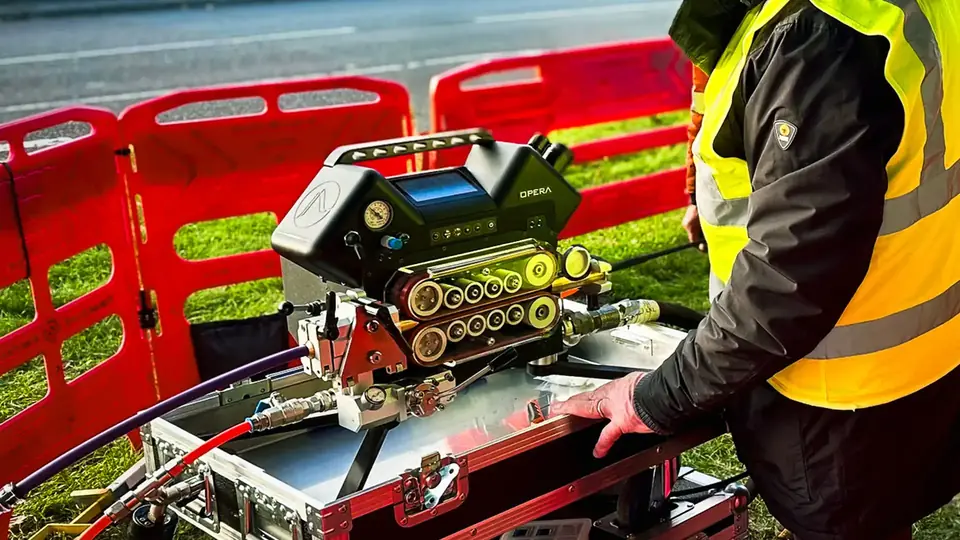
Opera, image 1 of 3
Expert advice direct from the manufacturer / Free demonstration on request
Some of our customers.

Keep your installation moving with Fibernet cable blowing machines.
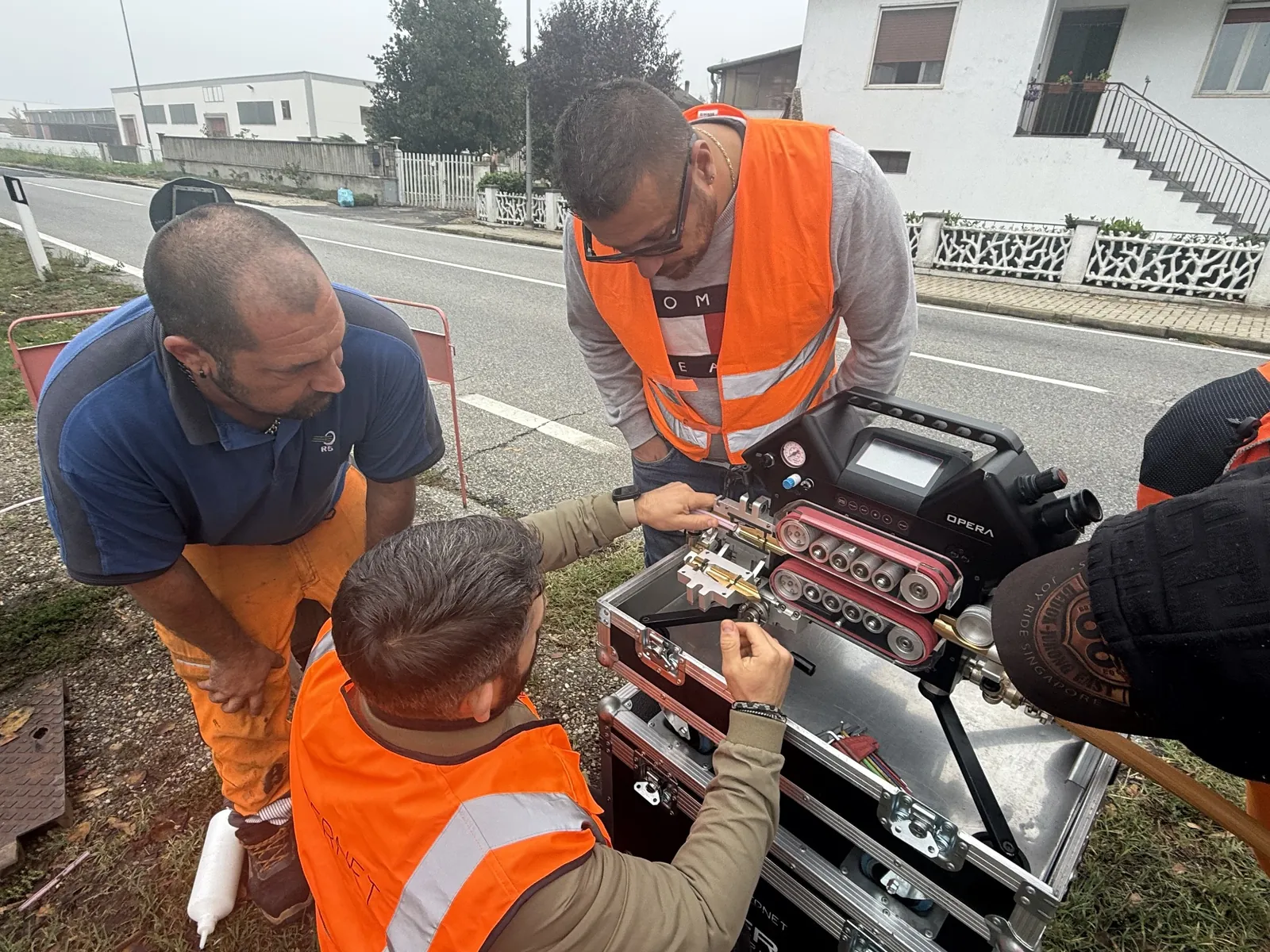
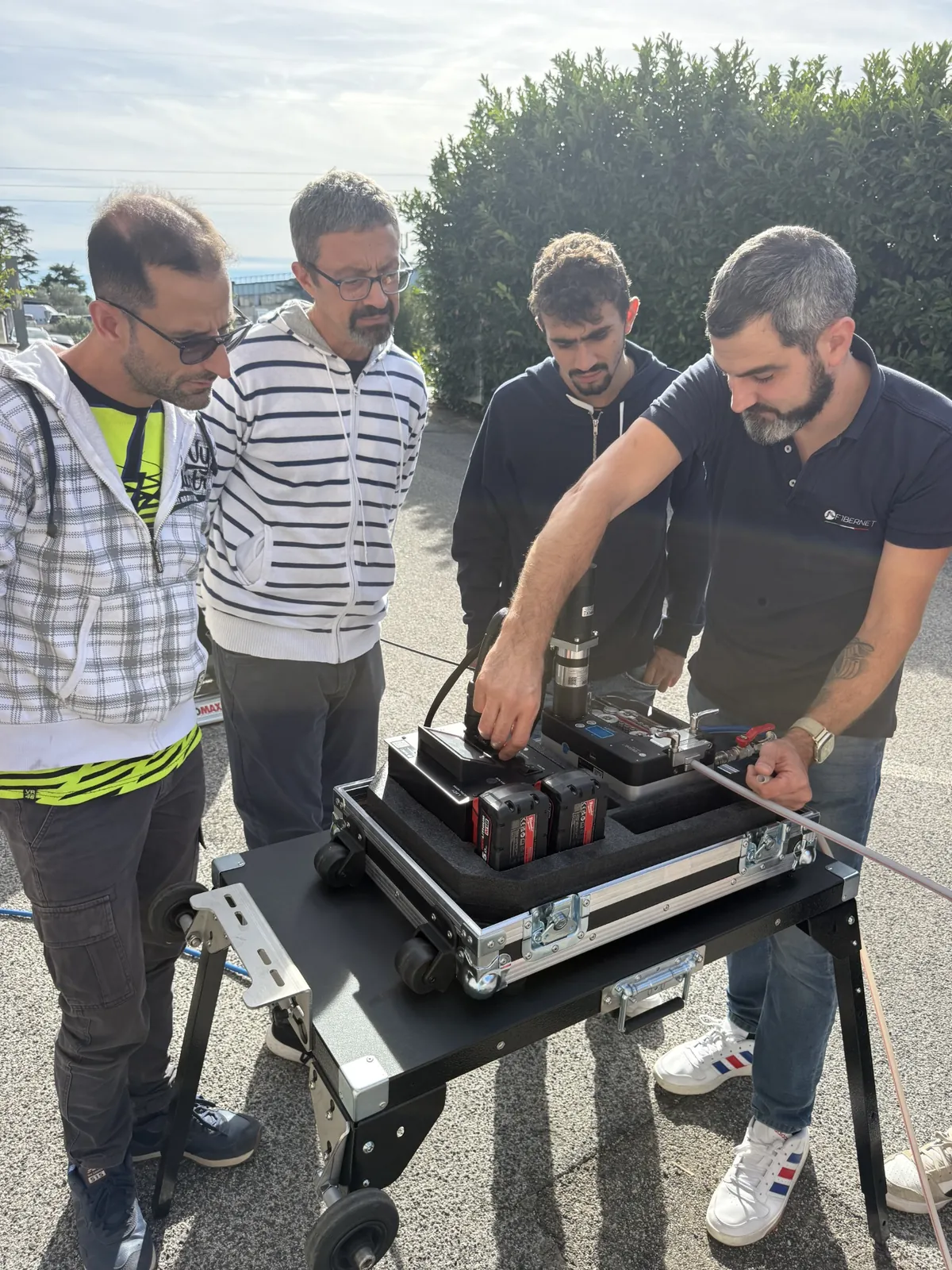
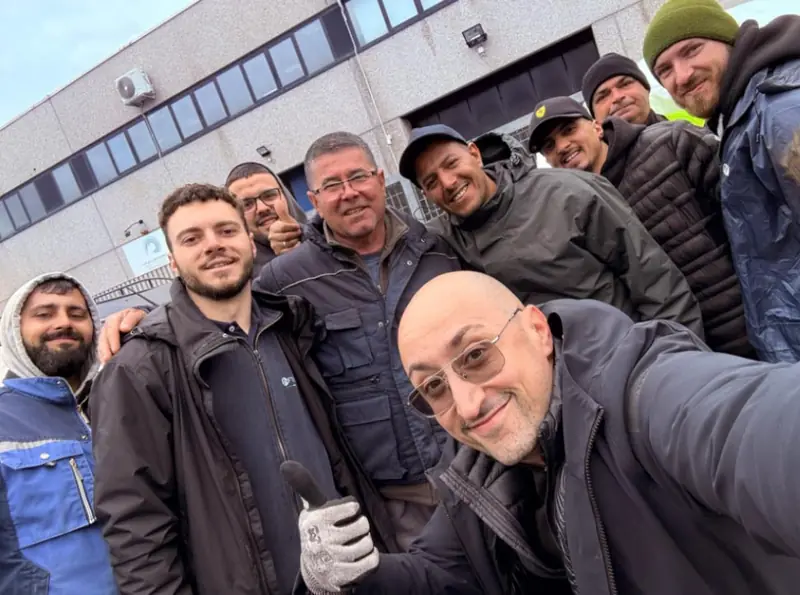
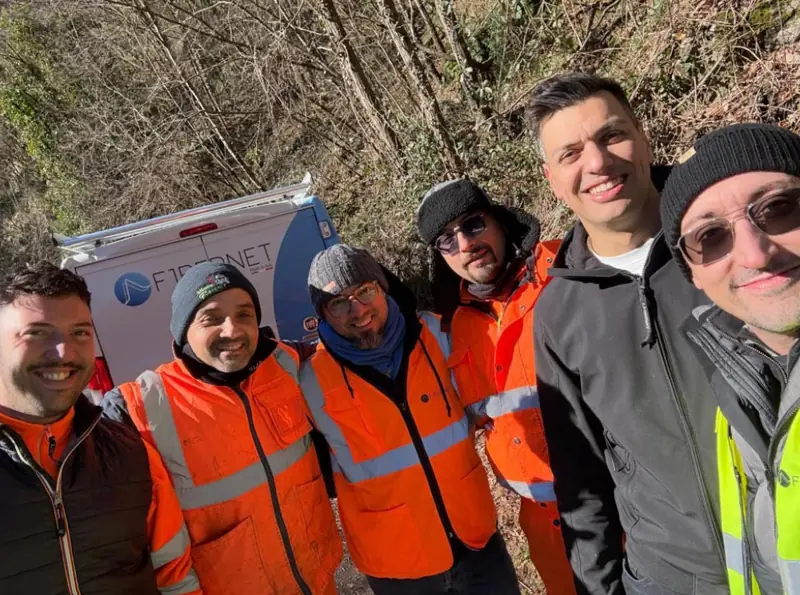
Photos and stories from installers, published by Fibernet.
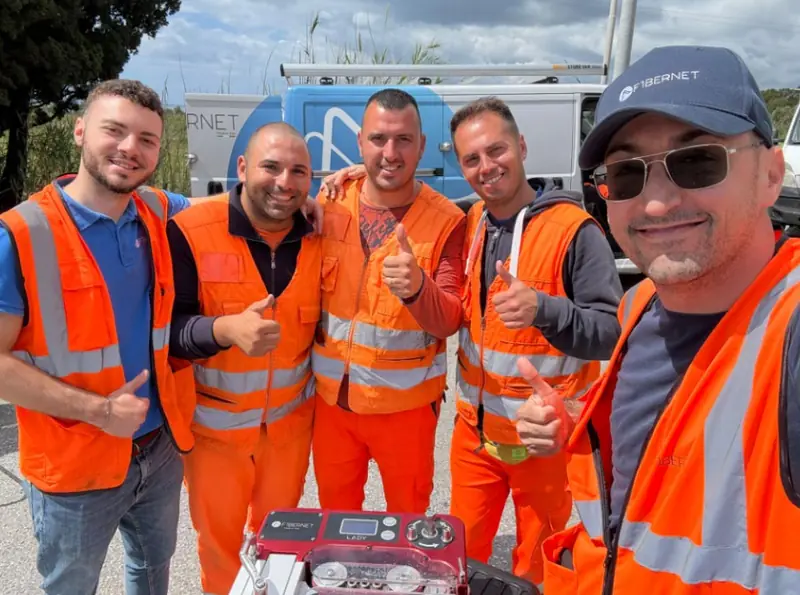
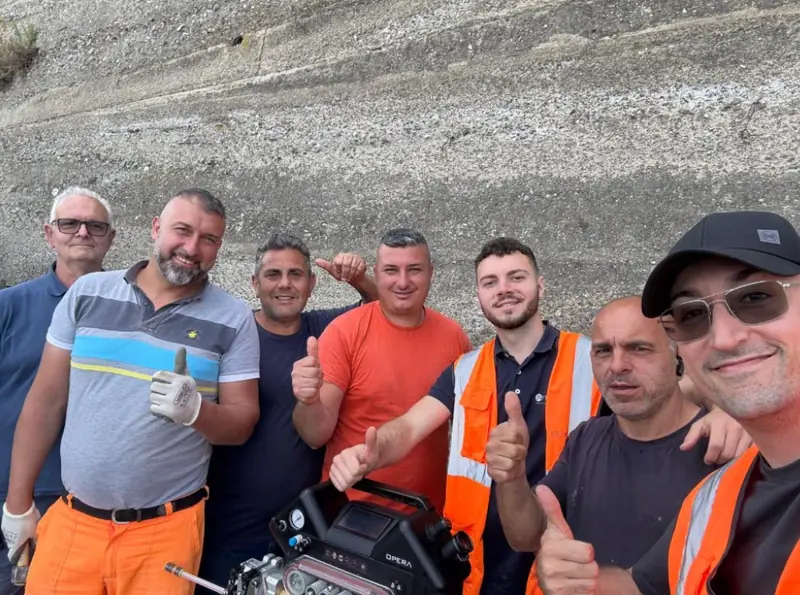
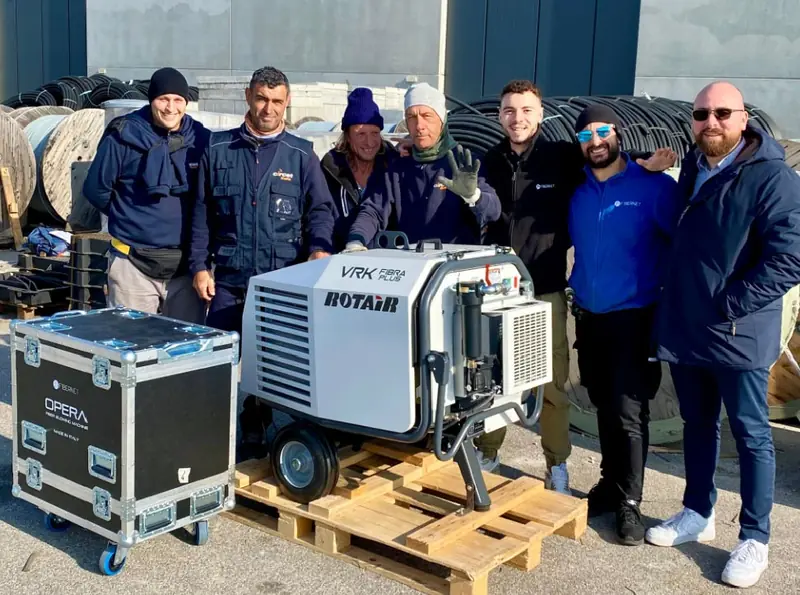

 GoogleExcellentBased on 176 reviewsRead the reviews
Read on Google“An excellent experience on the installer training course. The whole team was professional and knowledgeable.”
Read on Google“I had the chance to try the Opera cable blowing machine on site…”
Read on Google“I really enjoyed this course. It took place in a pleasant setting with friendly, helpful people.”
Stories from installers
Hear the results from the installers themselves. Watch their testimonials right here.
Product videos
Three machines. Find your fit.
Start with the job at hand. Our technician can answer your questions about the right setup.
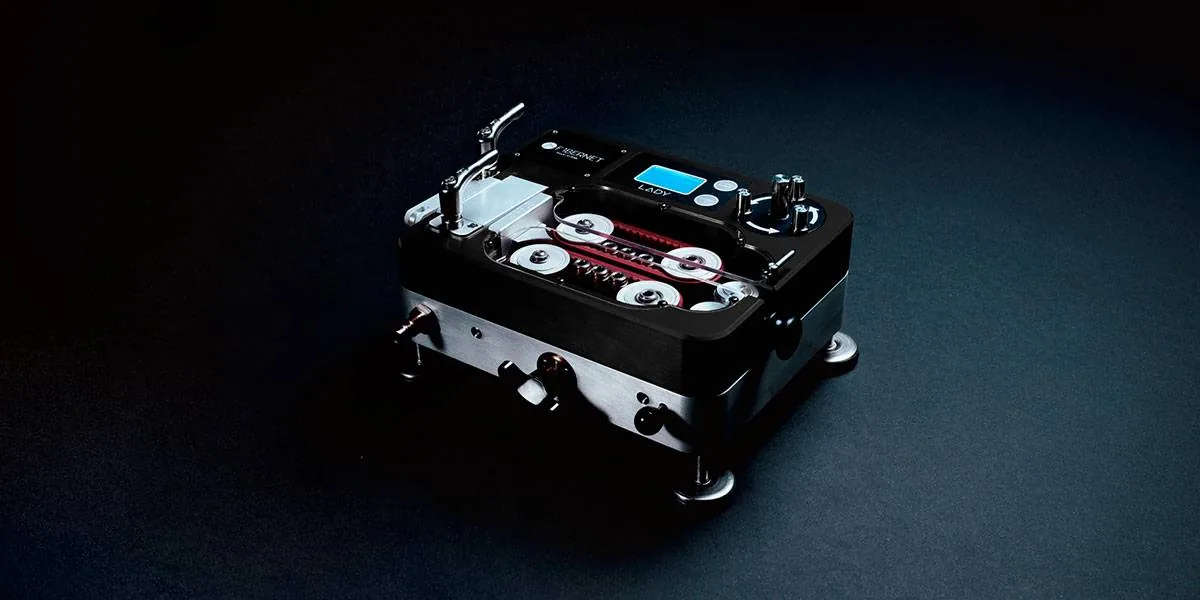
Compact and lightweight
A compact, lightweight machine for short runs.
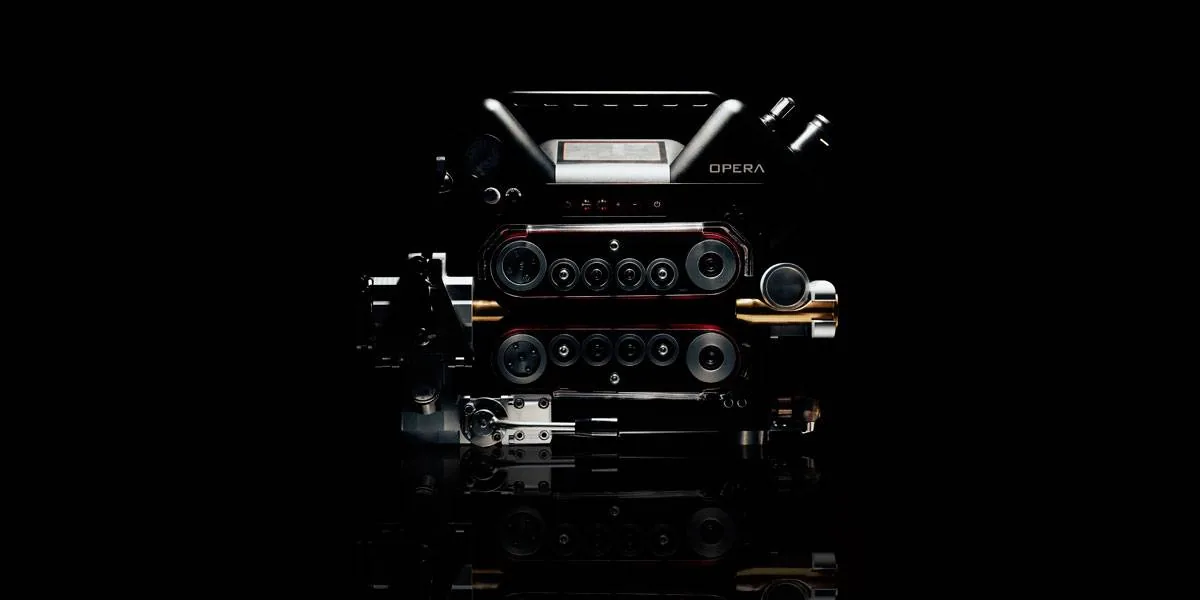
Pneumatic power
A pneumatic machine for long cable runs.
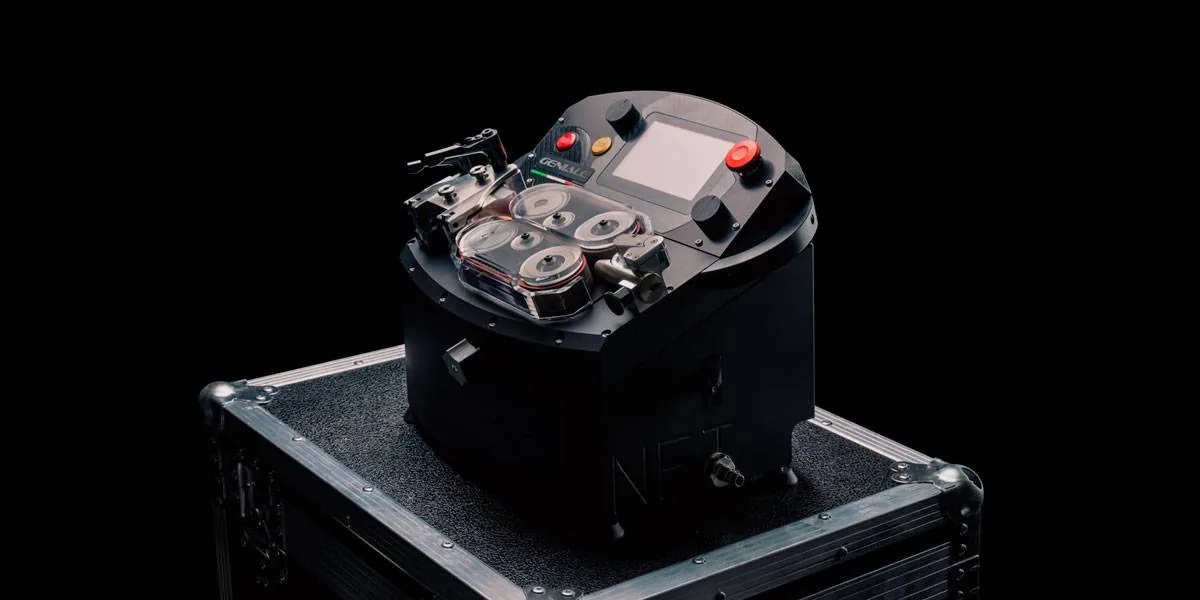
Electric, with two gears
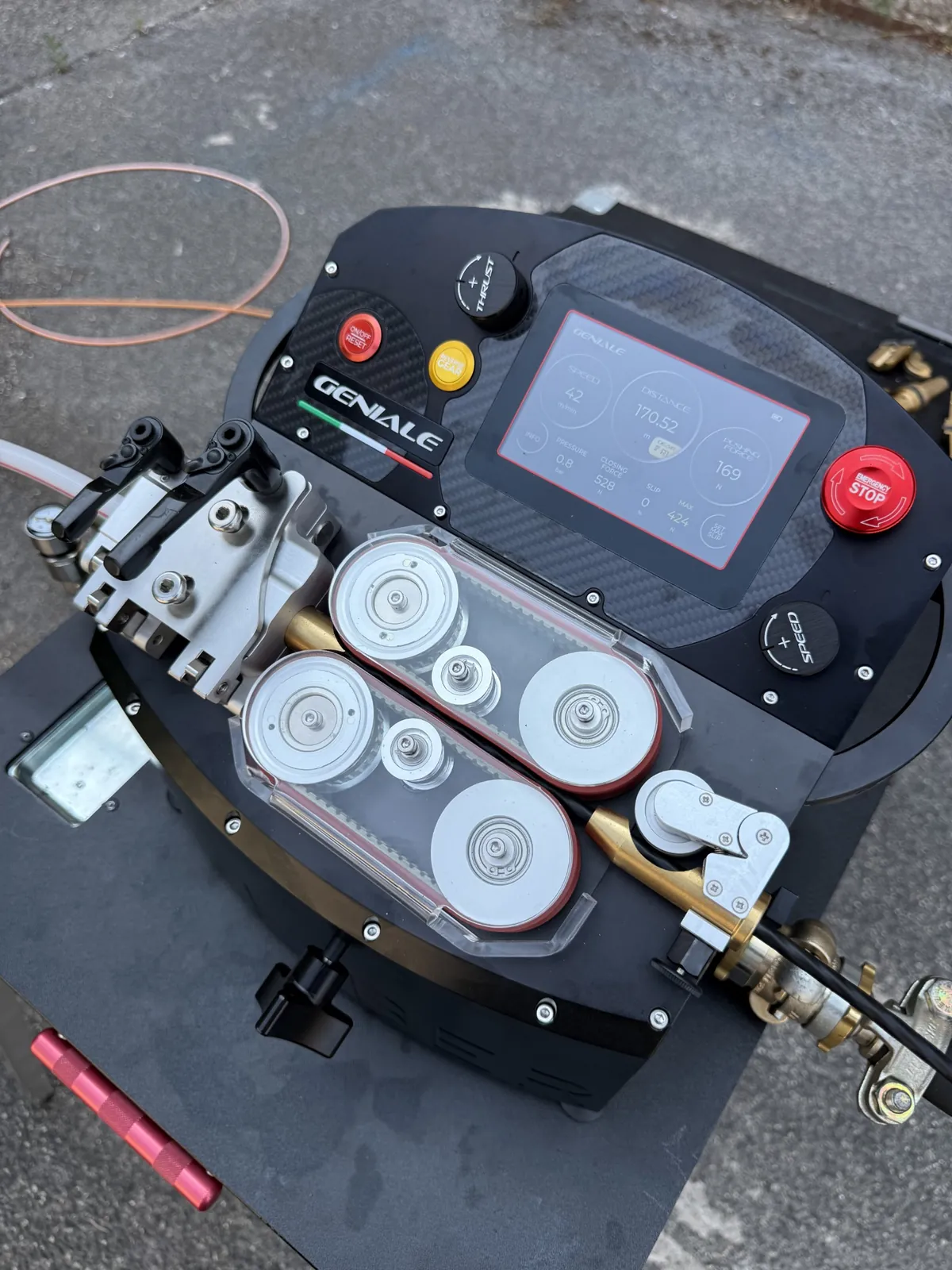
For short and long runs. Two gears let you match force and speed to the job.
Specifications for the Fibernet range. The speeds shown are maximum values. Actual results depend on installation conditions and machine setup.
Direct from the manufacturer
When you’re working on site, you need practical answers. With Fibernet, you speak directly to the people who design and build your cable blowing machine.
Speak to a technicianA specialist technician can help when you need it.
Spare parts ready to ship, direct from the manufacturer.
If your machine breaks down, a replacement may be available within 48 hours.
Check availability and terms with your technician.Get help making the most of your machine, from your very first job.
See it in action before you choose
Request a free hands-on demonstration on your site or at Fibernet’s test facility. Discuss a real job with the technician.
Request a free demonstration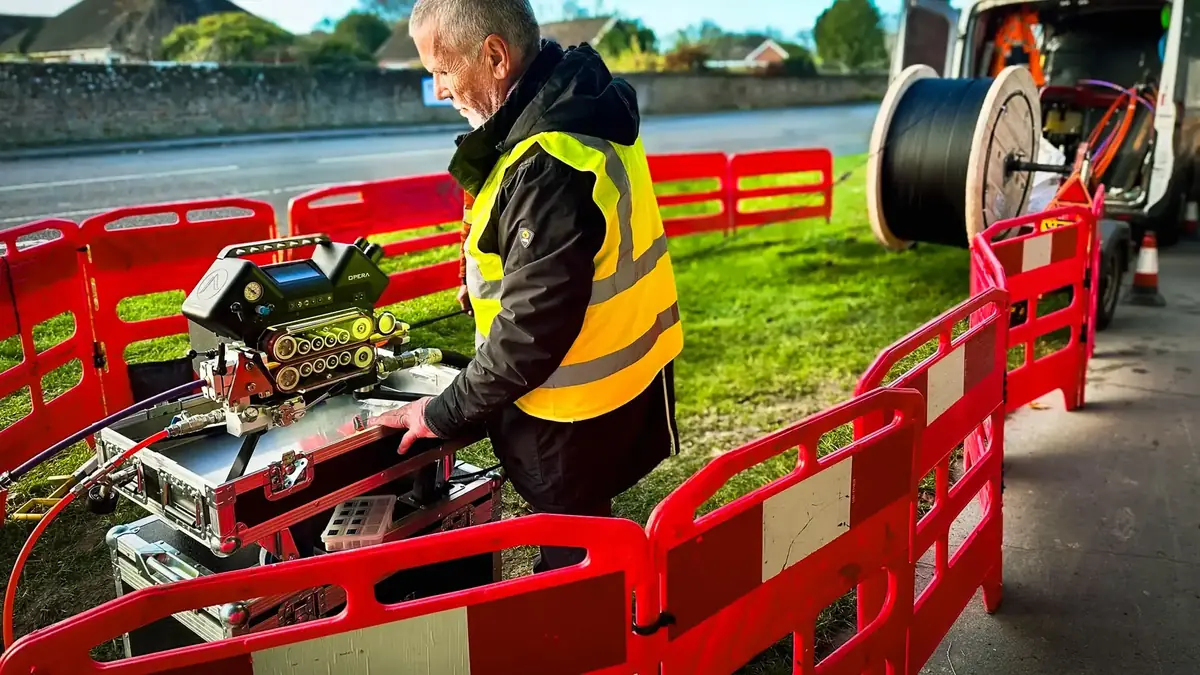
Choosing a compressed air fibre cable blowing machine starts with the cable and duct combination, not with a headline installation speed. Contractors need equipment that suits the cable diameter, duct dimensions, route condition, and compressed air supply available at the job site. Fibernet brings an Italian manufacturing background to this decision, helping installation businesses discuss equipment requirements against practical operating conditions. Founded in 2001, the company developed from the technical experience of Giancarlo Trinei and introduced its first cable blowing machine, Lady, in 2021. For American contractors working on projects in Italy, or procurement teams coordinating installations across markets, that background provides a clear starting point for a technical conversation about Italian-made equipment and assistance in the United States and worldwide. A compressed air fibre optic cable blowing machine combines controlled mechanical feeding with airflow through a suitable duct. The feeding mechanism advances the cable while the moving air helps transport it along the route. Successful operation depends on the interaction between these elements rather than on either one alone. Excessive pushing force can damage a cable, while an unsuitable air supply or a leaking duct can prevent the installation from progressing as planned. Before requesting a recommendation, prepare the cable manufacturer's diameter tolerance, permissible pushing load, and minimum bend radius, together with the duct's internal and external dimensions. Include information about duct material, couplings, route length, elevation changes, and known bends. These details help establish whether a proposed configuration is appropriate and which additional checks are necessary. Ask how the cable is guided into the machine, how the feeding components accommodate the intended diameter, and which seals and duct connections are required. Do not assume that one configuration covers every cable or duct simply because the dimensions appear similar. A fibre cable blowing machine should also fit the crew's daily working methods. Consider access around the entry point, handling between locations, setup space, and the practical arrangement of the compressor hose and cable supply. Where work takes place beside traffic or in restricted compounds, equipment positioning deserves attention before the crew arrives. Share these constraints when contacting Fibernet so the discussion covers installation logistics as well as compatibility. The objective is a properly specified working setup, not an unsupported promise of distance or speed. Explain your typical projects, the combinations you install most often, and the conditions that cause delays. With this information, you can request relevant product details and a quotation grounded in the actual work your team expects to perform.
A well-prepared installation begins before the cable enters the duct. For a compressed air fibre cable blowing machine, the compressor must provide suitable airflow and pressure under operating conditions, not merely a nominal rating that looks adequate on a specification sheet. Pressure losses across hoses, connectors, and treatment equipment can affect the air delivered to the machine. Ask for the applicable air requirements for the proposed configuration, and compare them with the compressor's documented delivery at the required working pressure. Air quality matters too: moisture, oil carryover, and contamination should be addressed according to the equipment instructions and the requirements of the installation. Never exceed the pressure rating of the lowest-rated component in the assembled system. The duct route deserves the same attention as the air supply. Confirm continuity, inspect accessible connections, and follow the approved procedure for checking that the route is clear and suitable for blowing. Leaking couplings, crushed sections, tight bends, and debris can all interrupt progress. Any cleaning, proving, or lubrication procedure should be compatible with the duct, cable, and machine manufacturer's instructions. Lubricant is not a substitute for repairing a damaged route, and an arbitrary quantity can create additional problems rather than solve them. Establish how the cable will pay off from its drum without introducing unnecessary resistance or violating its minimum bend radius. Keep the entry path aligned and protect the cable from abrasive surfaces. During setup, check the feeding components and sealing arrangement specified for the selected cable and duct sizes. Operators should understand how to stop the equipment, isolate the air supply, and release residual pressure safely before making adjustments. A compressed air cable blowing machine must be used within its documented limits, with appropriate site controls and personnel kept clear of moving parts and pressurized connections. Begin according to the operating instructions and observe the relationship between feed behavior, air conditions, and cable movement. If progress becomes irregular, stop and investigate rather than increasing force without understanding the cause. Record useful operating information, including the cable and duct combination, route characteristics, air settings, interruptions, and the installed length. Those records make subsequent troubleshooting more precise and help crews distinguish equipment issues from route-related restrictions. When discussing a fibre optic cable blowing machine with Fibernet, describe your compressor, hose arrangement, typical duct preparation, and crew workflow. Request the relevant operating documentation and clarification of maintenance tasks before putting equipment into service. Italian-made machinery supported through assistance in the United States and worldwide should be evaluated as part of this complete installation process, with compatibility, safe operation, and accessible technical information considered together.
The purchase price of a compressed air fibre cable blowing machine is only one part of an equipment decision. A useful quotation should make clear which machine configuration is being offered, which cable and duct dimensions it covers, and which accessories are included. Ask whether the proposed package contains the required guides, seals, duct connections, and any other components necessary for your intended work. Where additional items are needed, identify them before comparing offers. Otherwise, a lower initial figure may represent a less complete setup rather than a genuine saving. For teams researching fibre optic cable blowing machine price, the most productive next step is to provide a representative installation profile and request a detailed commercial proposal. Include your usual cable diameters, duct sizes, compressor information, project locations, and anticipated workload. Explain whether the machine will remain with one crew or move between several teams. Frequent changes in cable size, transport between sites, and different operator experience levels can influence the practical value of a configuration. Ask which checks are required before each use, which parts are subject to wear, and how replacement components should be identified and ordered. Maintenance access and clear documentation can matter as much as the initial purchase when equipment is used repeatedly under demanding site conditions. Fibernet's story also gives buyers context for the people behind the product. Giancarlo Trinei's technical background dates to early fibre installations in Italy, while the family business began a generational transition in 2010 with Matteo, Marta, and Ismael joining the company. The launch of Lady in 2021 marked its entry into cable blowing machinery. This history is relevant to a purchasing conversation, but it should accompany rather than replace verification of the specific equipment offered. Request current documentation, confirm the configuration, and discuss the assistance available for your location. If you are also considering a used fibre cable blowing machine, examine its condition and completeness carefully. Check the identity of the unit, maintenance records where available, wear on feeding components, and the condition of seals and connections. Confirm that instructions and compatible replacement parts can be obtained before committing to the purchase. Do not assume that a previously used setup matches your current cable or duct requirements. For new equipment, clarify delivery arrangements, warranty terms, and the process for requesting technical assistance in the United States, Italy, or another project location. Avoid basing a buying decision on unverified output claims. Contact Fibernet with the details of your installation work to discuss Italian-made equipment and obtain a quotation that identifies the proposed scope, relevant options, and support arrangements.
Fill out the form and discover what Fibernet Srl can do for you!
Contact us!Before you get started
If you prefer, speak to us directly.
+39 346 652 9915Compare the cable diameter, duct diameter and installation distance. Lady is compact and lightweight for short runs. Opera is pneumatic and designed for long runs. Geniale is electric and handles both. A Fibernet technician can help you choose.
Yes. You can request a free hands-on demonstration on your site or at Fibernet’s test facility. Tell us what you need in the form and a technician will arrange it with you. Request a demonstration.
To get a price, contact a Fibernet advisor using the form or call +39 346 652 9915.
Fibernet offers direct technical support, spare parts ready to ship and dedicated training. If your machine breaks down, a replacement may be available. Ask your technician about availability and terms.
Tell us about your job. We’ll help you find the right cable blowing machine.