Emanuele Zanda
Google review
★★★★★
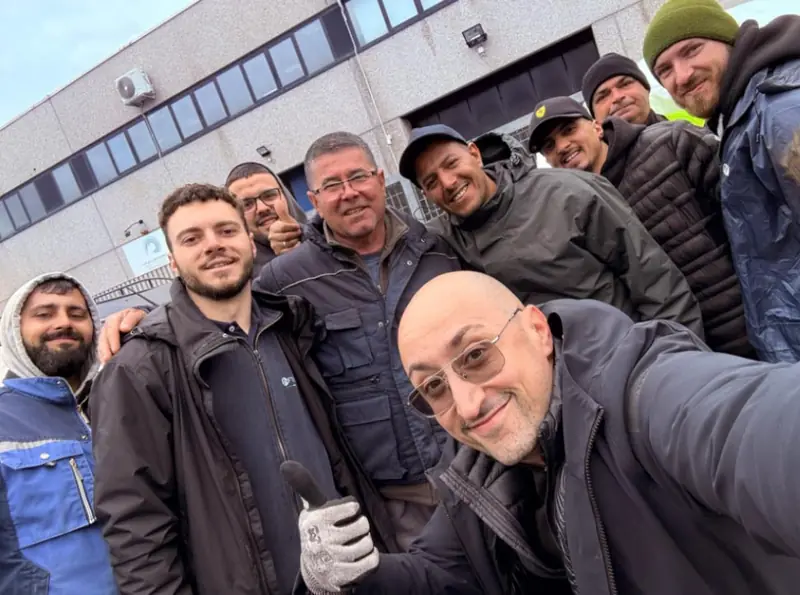
Read on Google“An excellent experience on the installer training course. The whole team was professional and knowledgeable.”
Cable blowing machines · Made in Italy
From last-mile connections to long-distance runs, a Fibernet technician can help you choose the right machine for your fiber optic cable installation.
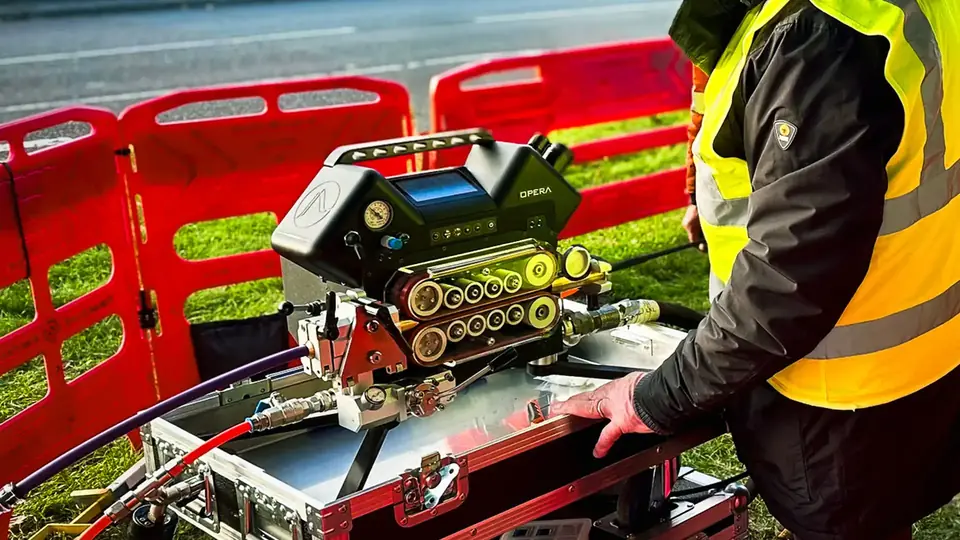
Opera, image 1 of 3
Expert advice direct from the manufacturer / Free demonstration on request
Some of our customers.

Keep your installation moving with Fibernet cable blowing machines.
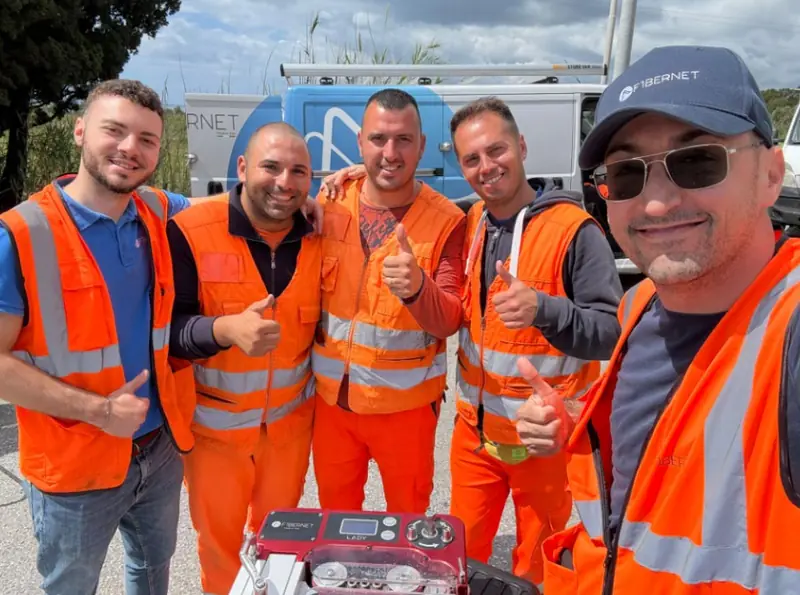
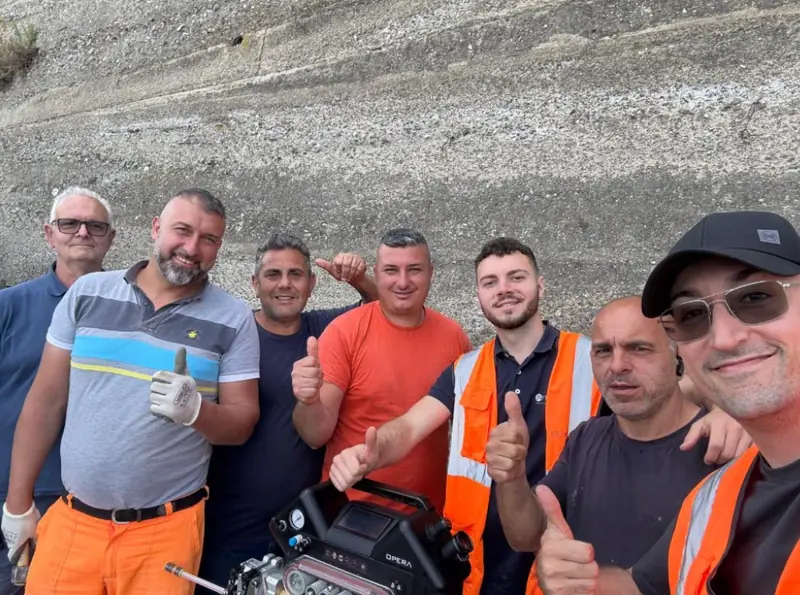
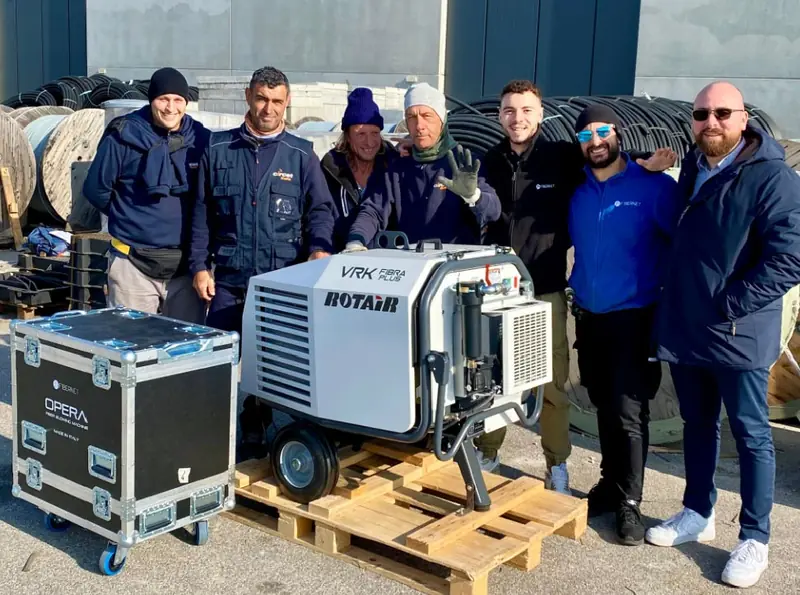
Photos and stories from installers, published by Fibernet.

 GoogleExcellentBased on 176 reviewsRead the reviews
Read on Google“An excellent experience on the installer training course. The whole team was professional and knowledgeable.”
Read on Google“I had the chance to try the Opera cable blowing machine on site…”
Read on Google“I really enjoyed this course. It took place in a pleasant setting with friendly, helpful people.”
Stories from installers
Hear the results from the installers themselves. Watch their testimonials right here.
Product videos
Three machines. Find your fit.
Start with the job at hand. Our technician can answer your questions about the right setup.
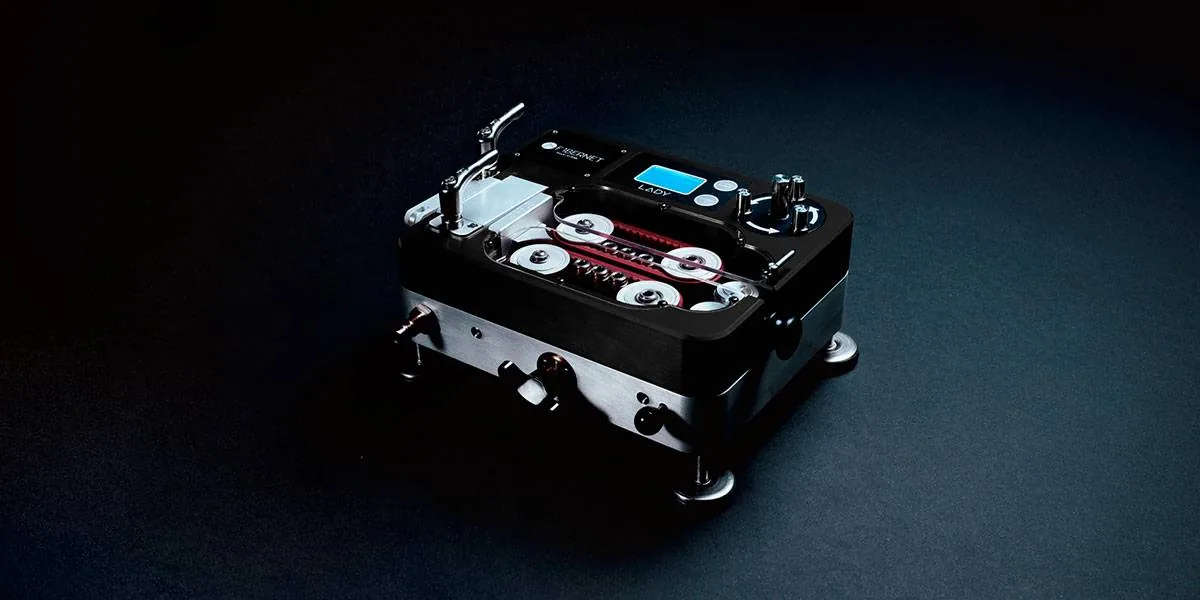
Compact and lightweight
A compact, lightweight machine for short runs.
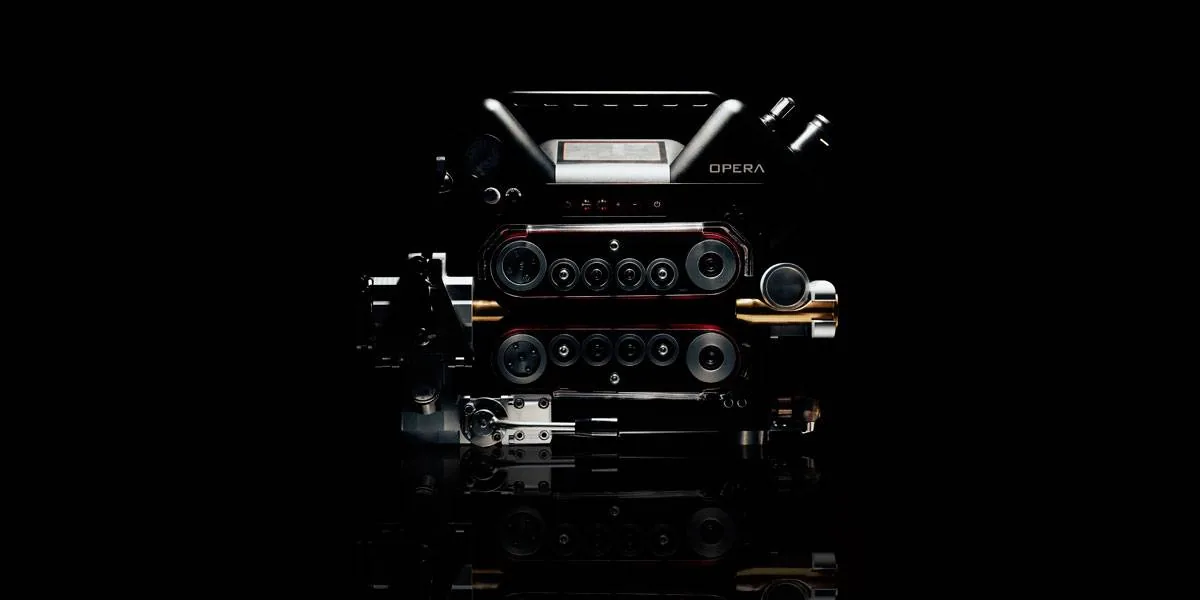
Pneumatic power
A pneumatic machine for long cable runs.
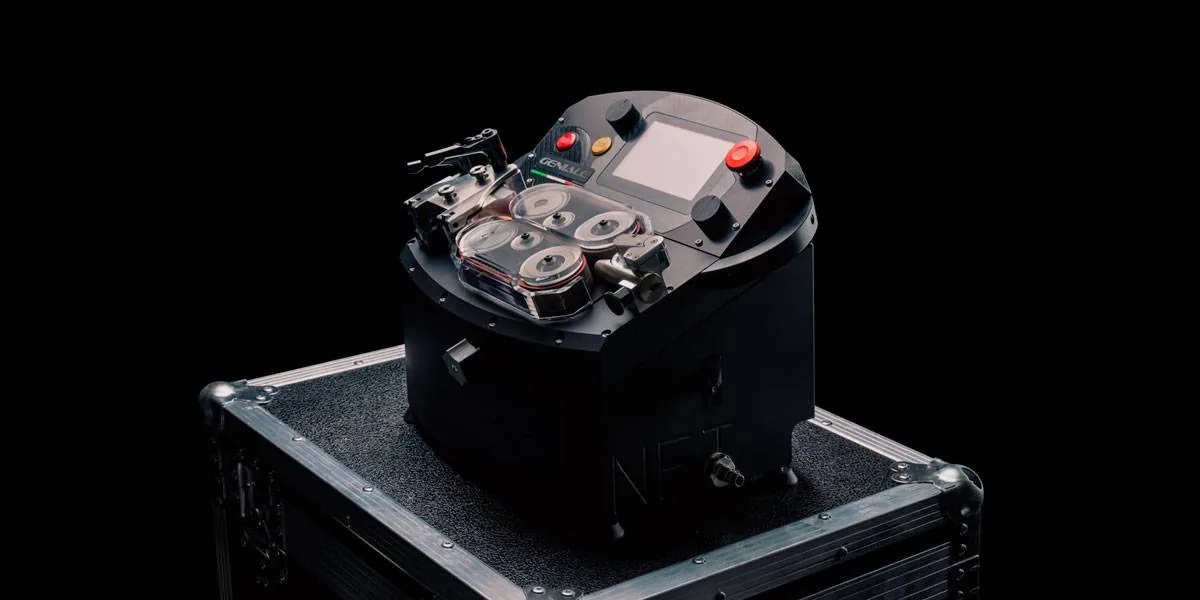
Electric, with two gears
For short and long runs. Two gears let you match force and speed to the job.
Specifications for the Fibernet range. The speeds shown are maximum values. Actual results depend on installation conditions and machine setup.
Direct from the manufacturer
When you’re working on site, you need practical answers. With Fibernet, you speak directly to the people who design and build your cable blowing machine.
Speak to a technicianA specialist technician can help when you need it.
Spare parts ready to ship, direct from the manufacturer.
If your machine breaks down, a replacement may be available within 48 hours.
Check availability and terms with your technician.Get help making the most of your machine, from your very first job.
See it in action before you choose
Request a free hands-on demonstration on your site or at Fibernet’s test facility. Discuss a real job with the technician.
Request a free demonstration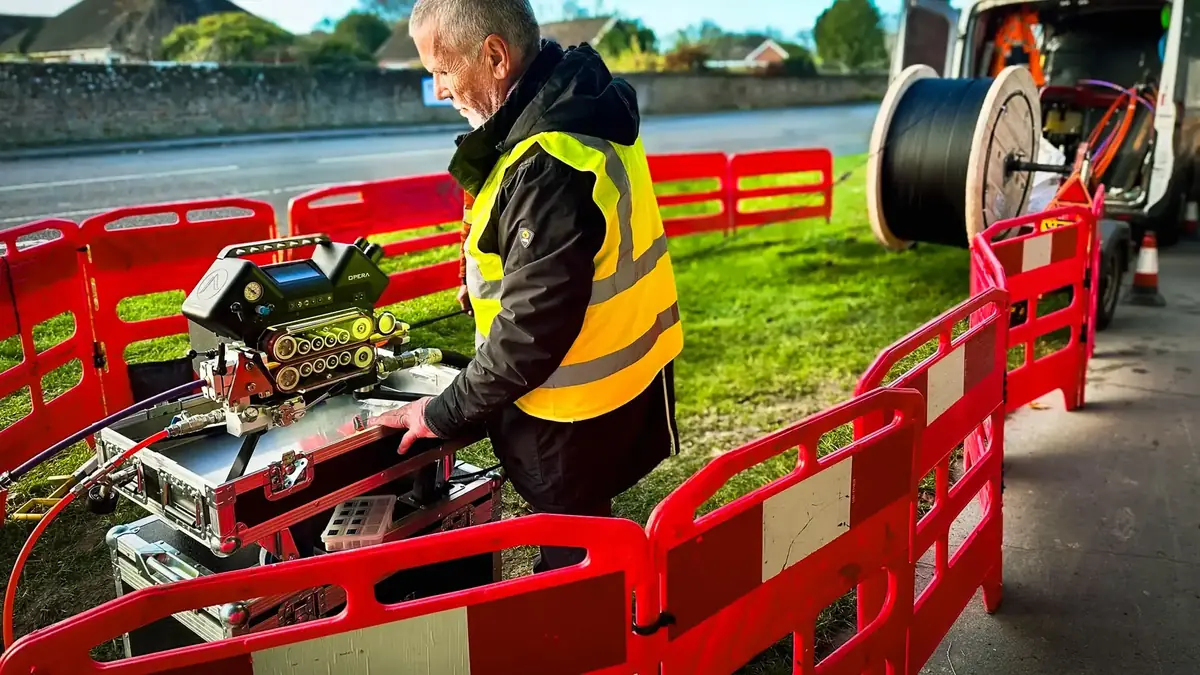
Choosing a compressed air fibre blower starts with the conditions your installation crew faces, not simply with a machine specification. Cable diameter, duct dimensions, route geometry, available compressed air, and the condition of the installed pathway all influence the equipment required. For telecommunications contractors working on American job sites, these details determine whether a proposed machine is suitable for the assignment. Fibernet brings Italian manufacturing and a practical engineering background to this selection process, with assistance available in the United States and worldwide. Its first cable blowing machine, Lady, was launched in 2021, building on technical experience that reaches back to the earliest fiber installations in Italy. A compressed air fibre cable blower combines controlled mechanical feeding with airflow through the duct. The feeding mechanism advances the cable into the entry point, while moving air helps carry it along the route. Successful operation depends on matching these actions to the cable and duct rather than assuming that additional pressure or feeding force will solve every difficulty. Excessive force can damage a cable, and unsuitable airflow can limit progress even when the machine itself is correctly selected. Before requesting a recommendation, prepare the cable manufacturer's dimensions and handling limits, the duct's internal diameter and pressure rating, and an outline of the route. Include bends, changes in elevation, intermediate access points, and any known concerns about duct joints or cleanliness. These details give the equipment supplier a useful basis for discussing compatibility. Compressor information should include both delivered airflow and operating pressure, since pressure alone does not describe the air supply available during blowing. Air treatment requirements also deserve attention because moisture and contamination can affect installation conditions. On site, the crew should verify duct integrity, prepare the pathway using approved procedures, and confirm that cable entry components are appropriate for the application. The cable reel must unwind smoothly, with a controlled feed path that respects the manufacturer's bending limits. Operators should monitor progress and respond to unexpected resistance rather than continuing to push without investigation. When evaluating a fibre optic cable blower, ask how the proposed configuration accommodates your cable range, what adjustments are required between assignments, and which operating checks belong in the daily routine. Fibernet's product consultation provides an opportunity to discuss these questions before making a purchasing decision. The objective is a suitable equipment configuration supported by clear operating information, not an unsupported promise about installation distance or speed. Explore the available machines and share your project details to begin a technical discussion grounded in the work your crew actually needs to complete.
A machine quotation becomes more useful when it reflects the complete setup your crew needs to operate. The purchase amount is important, but it does not explain whether the proposed equipment matches your cable sizes, existing compressor, transport arrangements, or expected workload. When assessing a compressed air fibre blower, begin by defining the applications you intend to cover now and the additional applications you can reasonably anticipate. A contractor handling several cable dimensions may need different entry components or configuration changes between jobs. Another contractor may concentrate on a narrower range and place greater emphasis on straightforward setup and repeatable preparation. Neither situation should be reduced to a comparison of headline prices. Ask for a written quotation identifying the machine configuration, included components, optional accessories, documentation, delivery arrangements, and applicable commercial terms. If your purchasing team is researching fibre blower price, use that search as the starting point for a specification discussion rather than treating every advertised amount as directly comparable. A quotation excluding necessary application components may represent a different scope from one that includes them. Similarly, compatibility with an existing compressor should be verified rather than assumed. Check the required air supply, connection arrangements, and any treatment equipment needed for the intended operating conditions. For American buyers sourcing Italian-made equipment, practical purchasing questions also include shipping responsibility, import arrangements, documentation, and the availability of assistance after delivery. Fibernet offers support in the United States and worldwide; ask which contact route applies to your location and how technical requests are handled. Confirm warranty conditions, spare part ordering procedures, and any service arrangements in writing before committing to a purchase. This makes expectations clearer for both the purchasing team and the people responsible for keeping the machine operational. A realistic ownership assessment also considers routine inspection, cleaning, consumable replacement where applicable, and the time required to prepare the equipment for another assignment. Ask which checks operators can perform and which interventions require qualified assistance. Keep maintenance requirements tied to the supplied documentation, not to generic advice borrowed from unrelated machines. When comparing fibre cable blower price across suitable options, consider the consequences of an incomplete setup: additional procurement, delayed commissioning, or equipment that cannot serve the intended cable range. These are planning risks rather than guaranteed outcomes, but addressing them early improves the quality of the decision. Send Fibernet your cable and duct specifications, compressor details, and anticipated working conditions to request a quotation based on a defined scope. That approach gives your team a clearer basis for budgeting and helps connect the investment to actual installation requirements.
The morning setup can reveal more about installation readiness than a theoretical maximum distance ever will. Before starting a compressed air fibre blower, the crew needs a suitable work area, an inspected machine, a prepared duct route, and clear communication between everyone involved. Position the equipment so the incoming cable follows a controlled path without sharp changes of direction. Secure the reel arrangement, check that the cable can pay off freely, and keep the work area organized around moving components and pressurized connections. Follow the machine documentation and the cable and duct manufacturers' requirements throughout preparation. Pneumatic equipment introduces hazards that require specific controls. Hoses, couplings, seals, and connections must be suitable for the intended service and checked before use. Operators should understand the prescribed shutdown and depressurization procedure before opening any pressurized assembly. Personal protective equipment and site exclusion arrangements should follow the applicable risk assessment and local requirements. These precautions do not replace product instructions; they establish the conditions in which those instructions can be followed consistently. During blowing, watch the relationship between cable movement, feed settings, and the air supply. A change in progress may indicate resistance along the route, a problem with cable payout, an air leak, or another condition requiring investigation. Increasing force without understanding the cause is not a reliable troubleshooting method. Stop and assess the situation using the approved procedure, particularly when the cable approaches its handling limits or movement becomes abnormal. Useful records include the cable and duct dimensions, route section, operating settings, observed interruptions, and actions taken. This information can help your team review an installation and give technical support a clearer account of what happened. Fibernet's approach is rooted in a business founded in 2001 by Giancarlo Trinei, whose technical experience began with early fiber installations in Italy during the 1980s. The next generation joined the business in 2010, continuing that technical focus while developing the company's international ambitions. For buyers, this background provides context for an Italian-made product offering supported in the United States and worldwide. When discussing a fibre cable blower with Fibernet, ask what operating documentation accompanies the proposed machine and how to obtain application-specific assistance. Establish the relevant support contacts before the first installation rather than waiting for an interruption on site. If your team already operates a compressed air cable blower, share its current application range and the limitations you want to address without assuming that different machines have identical requirements. A structured handover, documented checks, and an agreed support route help turn an equipment purchase into a more manageable working process. Contact Fibernet with your installation conditions to discuss the appropriate next steps.
Fill out the form and discover what Fibernet Srl can do for you!
Contact us!Before you get started
If you prefer, speak to us directly.
+39 346 652 9915Compare the cable diameter, duct diameter and installation distance. Lady is compact and lightweight for short runs. Opera is pneumatic and designed for long runs. Geniale is electric and handles both. A Fibernet technician can help you choose.
Yes. You can request a free hands-on demonstration on your site or at Fibernet’s test facility. Tell us what you need in the form and a technician will arrange it with you. Request a demonstration.
To get a price, contact a Fibernet advisor using the form or call +39 346 652 9915.
Fibernet offers direct technical support, spare parts ready to ship and dedicated training. If your machine breaks down, a replacement may be available. Ask your technician about availability and terms.
Tell us about your job. We’ll help you find the right cable blowing machine.