Emanuele Zanda
Google review
★★★★★
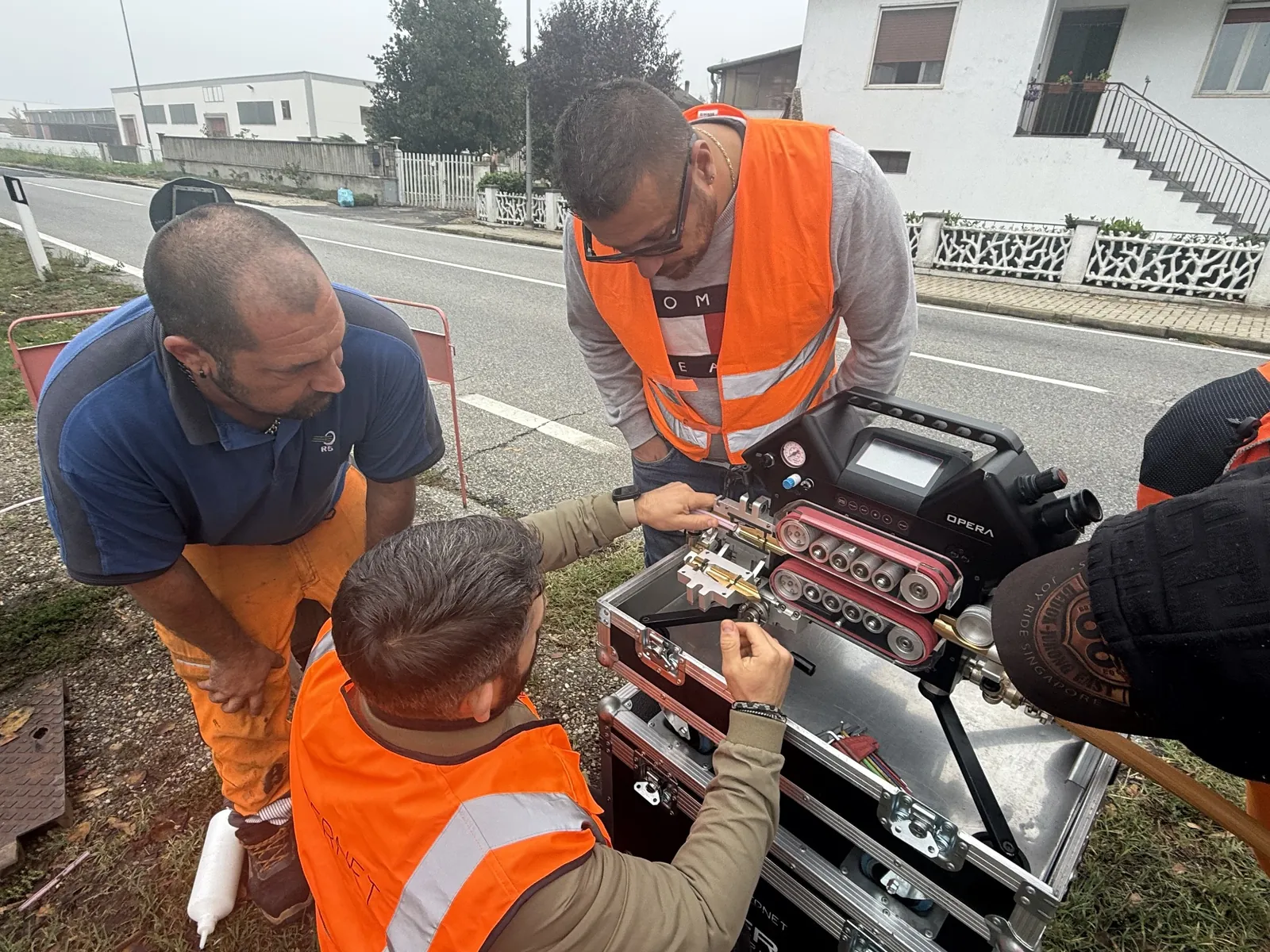
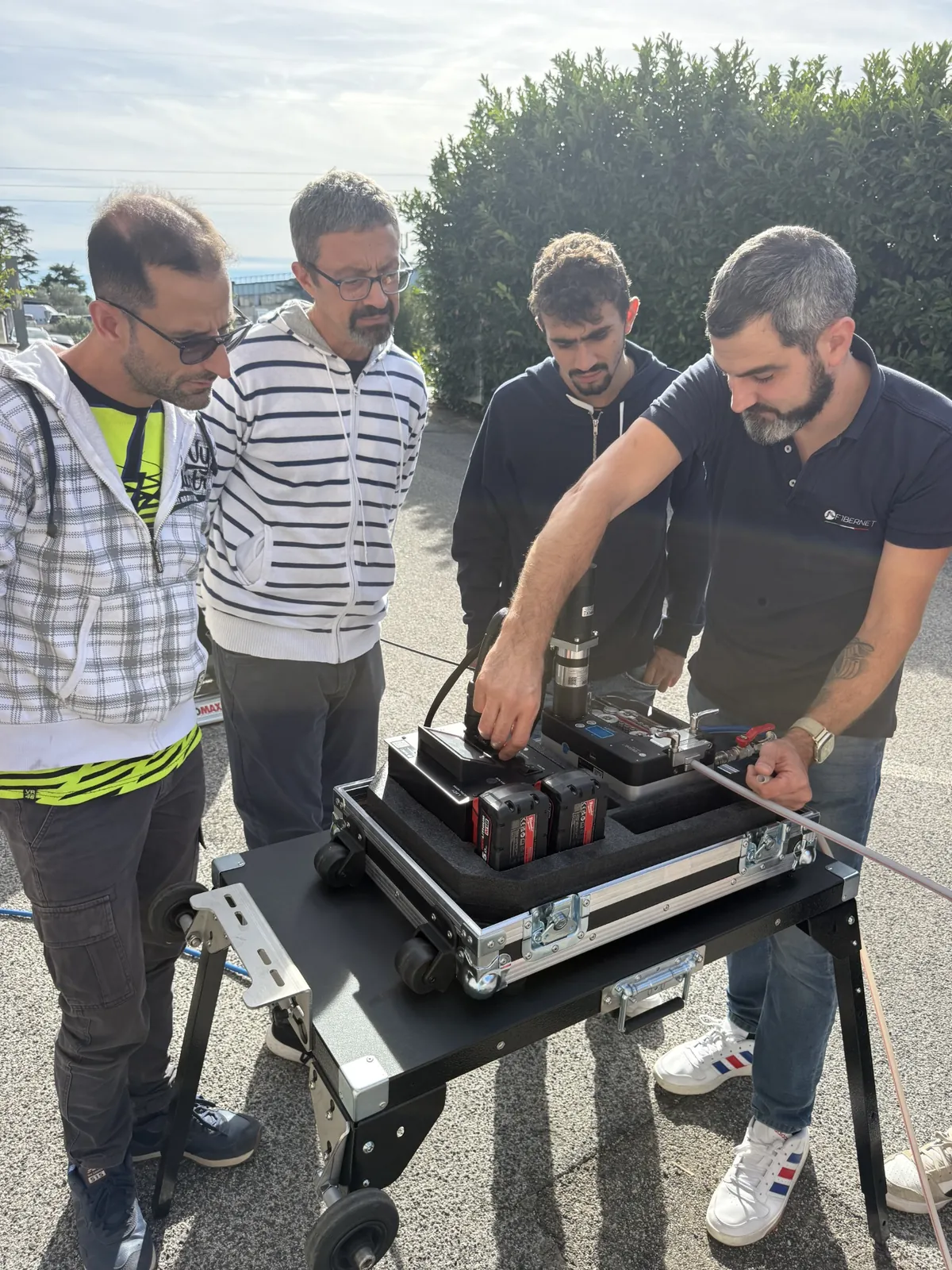
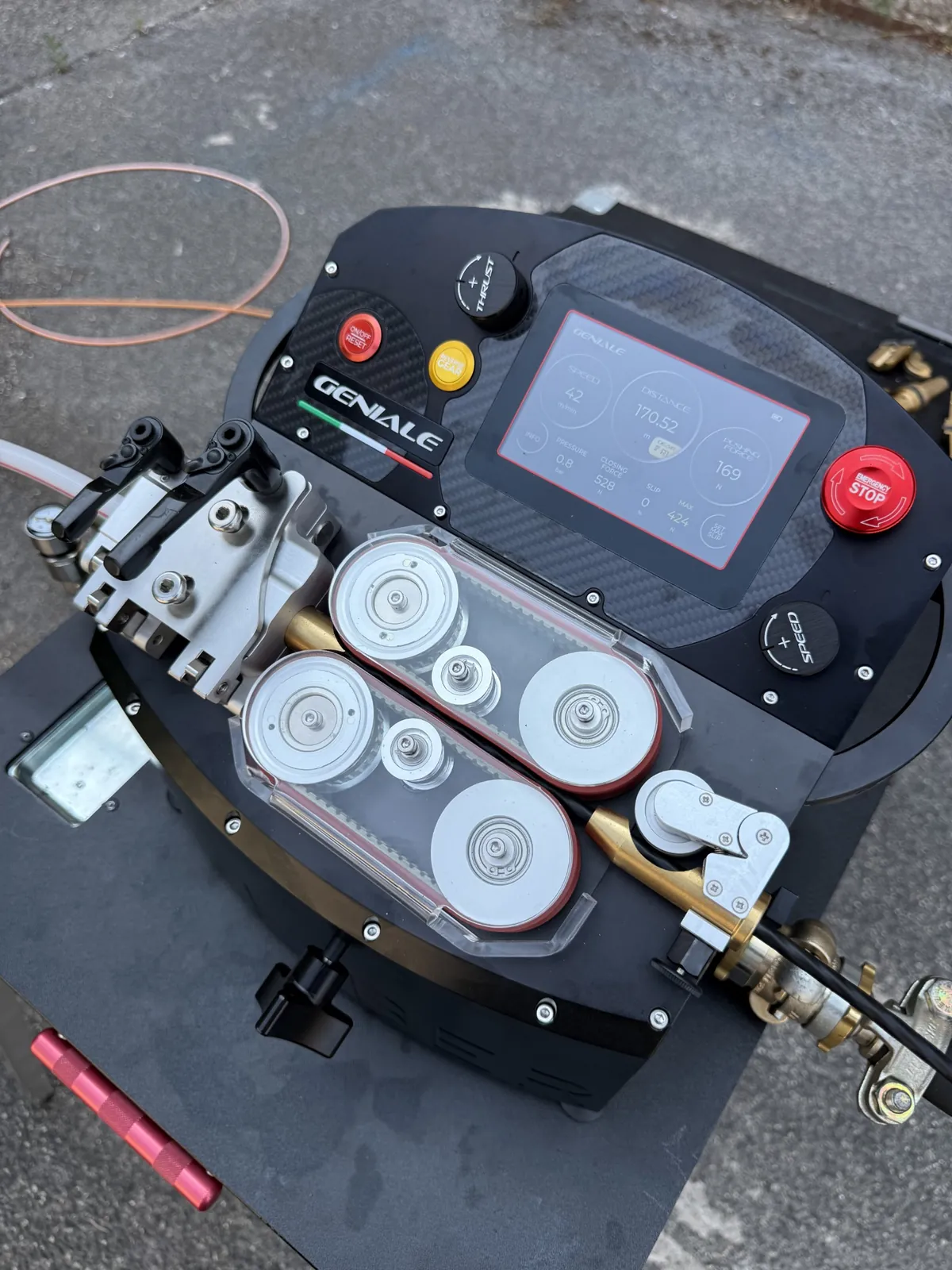
Read on Google“An excellent experience on the installer training course. The whole team was professional and knowledgeable.”
Cable blowing machines · Made in Italy
From last-mile connections to long-distance runs, a Fibernet technician can help you choose the right machine for your fiber optic cable installation.
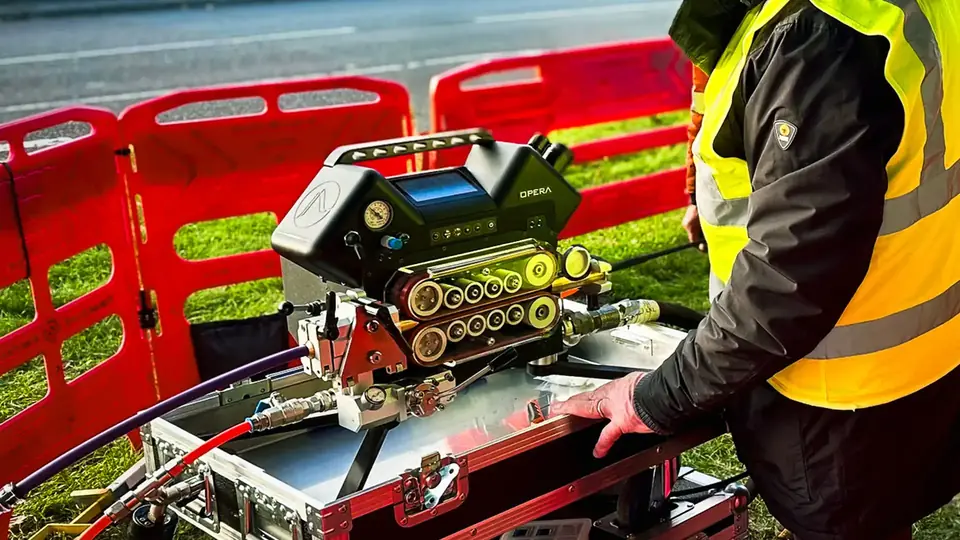
Opera, image 1 of 3
Expert advice direct from the manufacturer / Free demonstration on request
Some of our customers.

Keep your installation moving with Fibernet cable blowing machines.
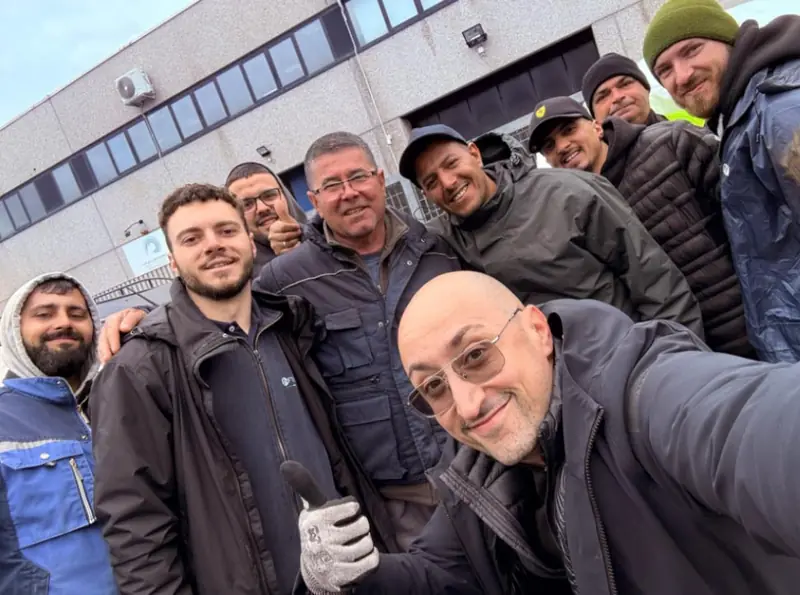
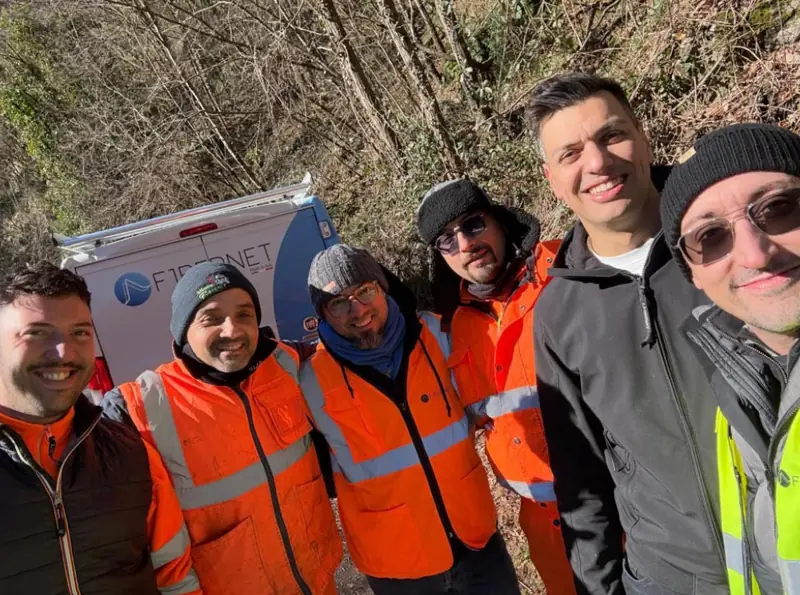
Photos and stories from installers, published by Fibernet.
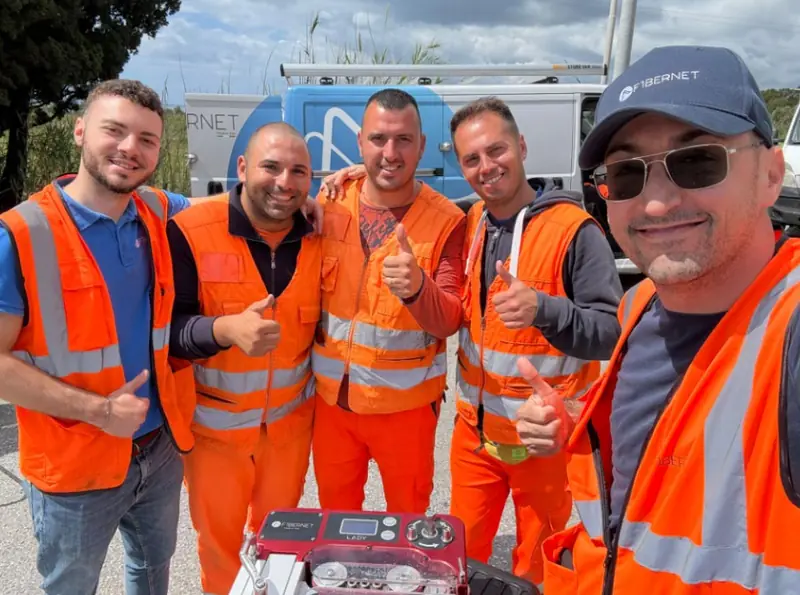
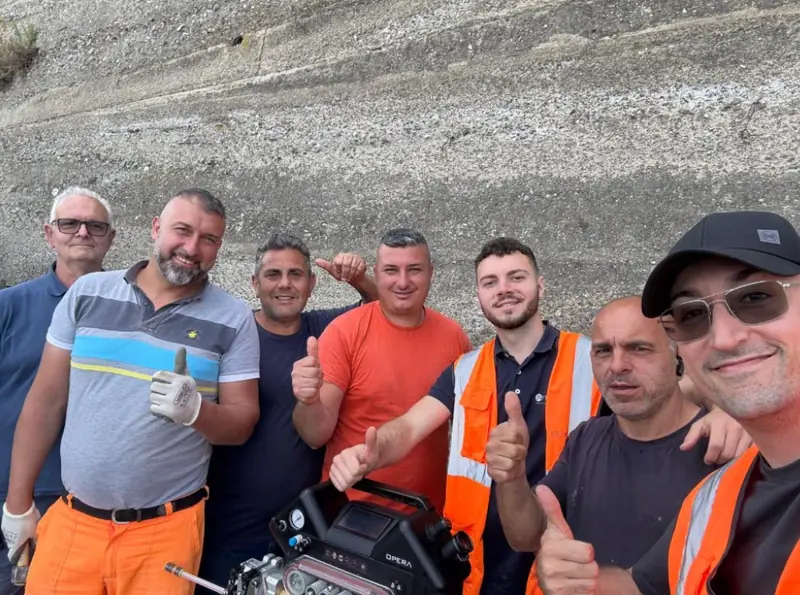
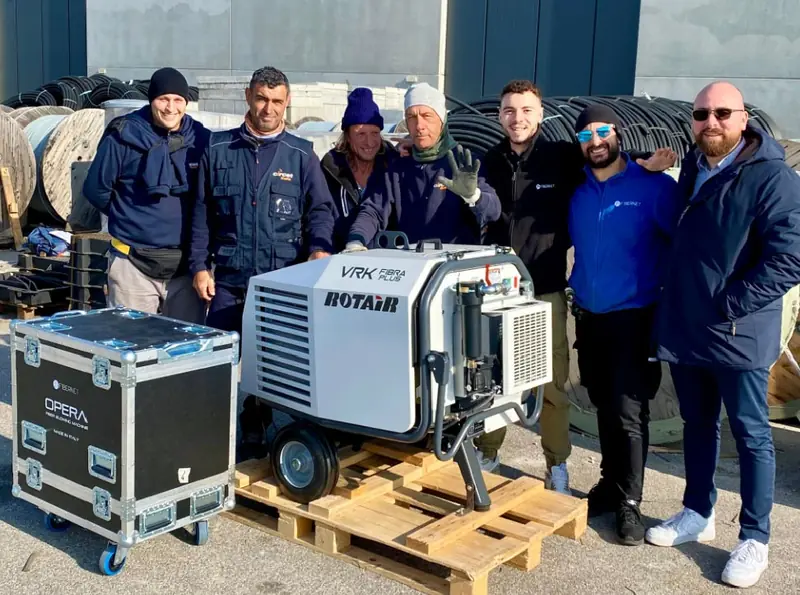

 GoogleExcellentBased on 176 reviewsRead the reviews
Read on Google“An excellent experience on the installer training course. The whole team was professional and knowledgeable.”
Read on Google“I had the chance to try the Opera cable blowing machine on site…”
Read on Google“I really enjoyed this course. It took place in a pleasant setting with friendly, helpful people.”
Stories from installers
Hear the results from the installers themselves. Watch their testimonials right here.
Product videos
Three machines. Find your fit.
Start with the job at hand. Our technician can answer your questions about the right setup.
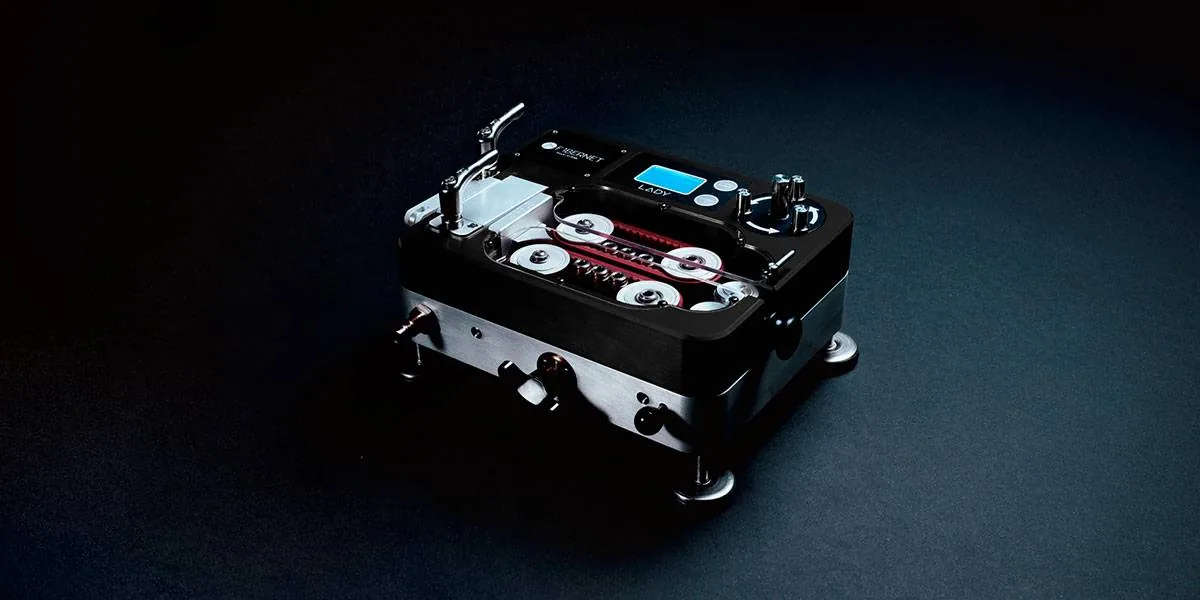
Compact and lightweight
A compact, lightweight machine for short runs.
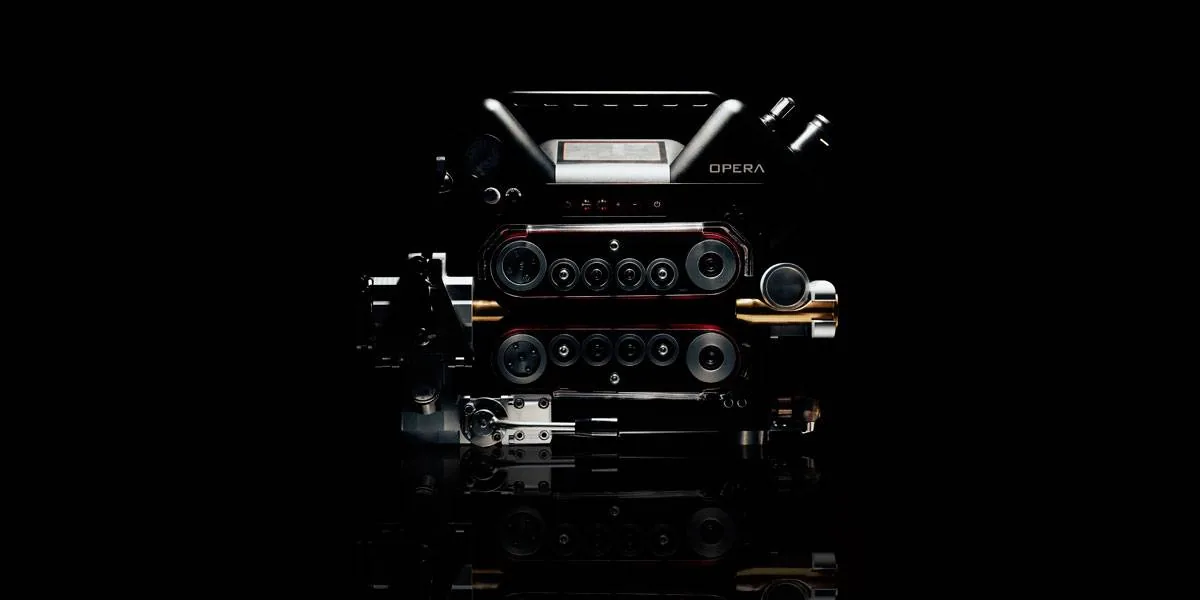
Pneumatic power
A pneumatic machine for long cable runs.
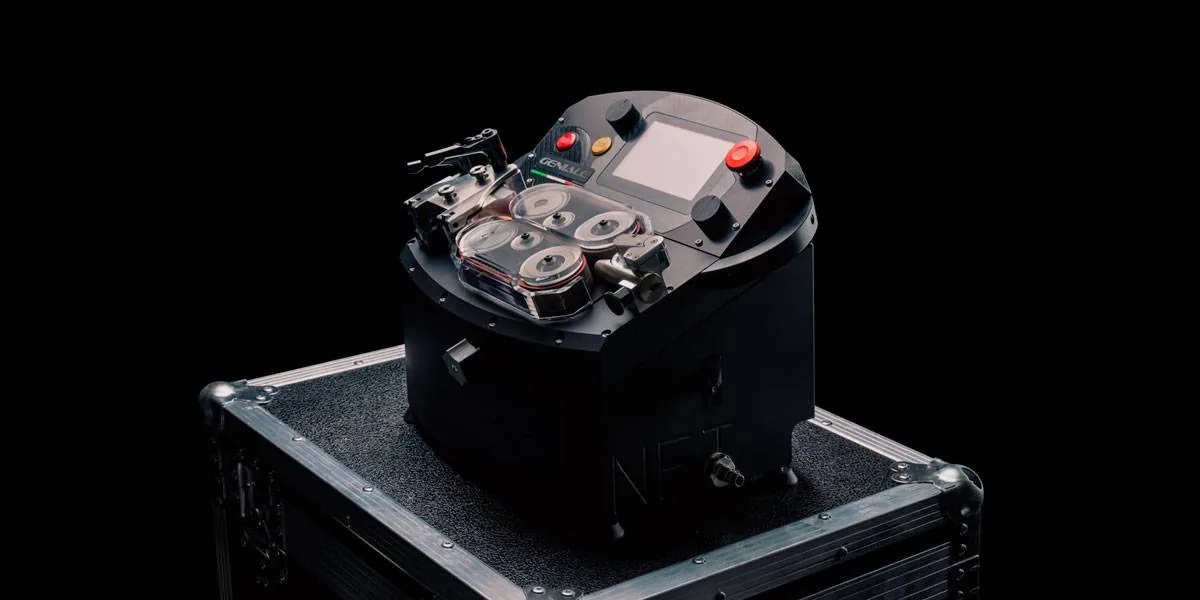
Electric, with two gears
For short and long runs. Two gears let you match force and speed to the job.
Specifications for the Fibernet range. The speeds shown are maximum values. Actual results depend on installation conditions and machine setup.
Direct from the manufacturer
When you’re working on site, you need practical answers. With Fibernet, you speak directly to the people who design and build your cable blowing machine.
Speak to a technicianA specialist technician can help when you need it.
Spare parts ready to ship, direct from the manufacturer.
If your machine breaks down, a replacement may be available within 48 hours.
Check availability and terms with your technician.Get help making the most of your machine, from your very first job.
See it in action before you choose
Request a free hands-on demonstration on your site or at Fibernet’s test facility. Discuss a real job with the technician.
Request a free demonstration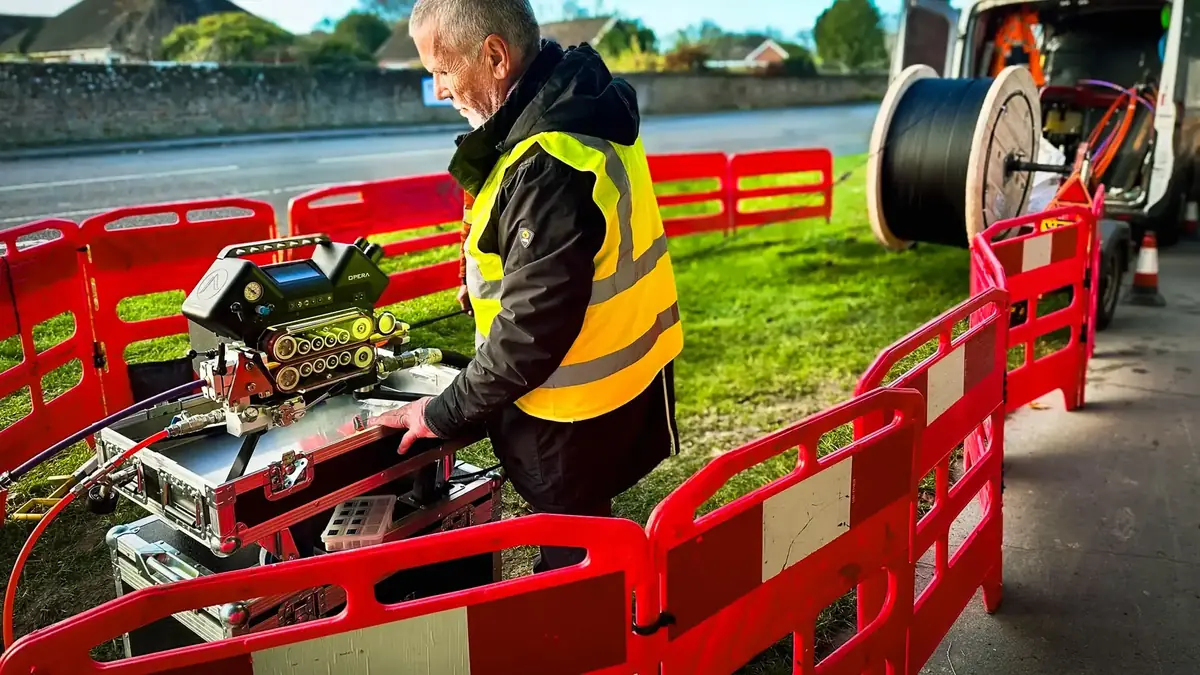
Choosing a compressed air cable blower starts with understanding the cable, the duct, and the route your crew will actually encounter. For telecommunications contractors and installation companies, the objective is not simply to move cable quickly. It is to achieve controlled progress while respecting the cable manufacturer's installation limits and the pressure ratings of every component involved. Fibernet brings Italian engineering to this practical requirement, offering a product discussion grounded in the details that determine whether equipment is suitable for a particular job. Before requesting a recommendation, prepare the cable's outside diameter, its construction, the duct's internal diameter, and the expected route length. Include information about bends, changes in elevation, access points, and the condition of existing duct sections. These details provide a more useful starting point than a target distance considered in isolation. A compressed air fiber cable blower combines mechanical feeding with airflow through the duct, helping advance the cable along the route. The balance between those two actions matters: excessive pushing cannot compensate for an unsuitable duct, poor sealing, or insufficient air delivery. The compressor must therefore be assessed as part of the complete installation arrangement, rather than treated as an interchangeable accessory. Pressure and available airflow are different measurements, and both need to match the selected machine's requirements under operating conditions. Hose length, connections, and restrictions can also affect the air supply reaching the equipment. Duct preparation deserves the same attention. Crews should verify continuity, inspect accessible connections, and follow the applicable procedures for checking that the route is clean and suitable for blowing. Any cleaning, testing, or lubrication must be compatible with the cable, duct, and equipment manufacturer's instructions. A cable blower for fiber optic cable installation should also be evaluated for how its guides, seals, and feeding components accommodate the intended cable and duct combination. Ask which configuration is required, what must be changed when moving between sizes, and which checks operators should perform before starting. These questions help purchasing teams understand the working setup instead of comparing machines by appearance alone. For companies operating in Italy or coordinating projects between Italy and the United States, clear technical communication is especially valuable. Confirm measurement units, compressor connection requirements, and the documentation supplied with the proposed configuration. Fibernet's Italian-made equipment and assistance in the United States and worldwide give buyers a relevant point of contact for discussing these needs. Share your installation parameters before ordering so that the conversation can focus on compatibility, practical preparation, and an equipment choice supported by the demands of your work.
A productive installation depends on what happens before, during, and after the machine is running. The compressed air cable blower is central to the operation, but its results are influenced by cable handling, duct readiness, air supply, and communication between crew members. Begin by arranging a stable working area where the cable can enter the feeding system without sharp changes in direction. Position the reel so that payout remains controlled and the cable does not drag across abrasive surfaces. Respect the cable manufacturer's bending limits throughout the setup, including the short section between the reel and the machine. Check that the equipment is secured according to its instructions and that operators can reach the controls without stepping across hoses or the moving cable path. Before introducing pressure, verify the installation of the correct seals, guides, and duct connections. Components that appear similar may not suit the same dimensions, so size verification should be part of the routine rather than an assumption carried over from the previous job. A compressed air fiber optic cable blower needs a dependable air source, and the crew should confirm that the compressor can maintain the specified supply during operation. Follow the equipment instructions concerning air conditioning, moisture management, and any required filtration. Do not exceed the pressure rating of the duct, machine, hoses, or fittings; the lowest applicable limit governs the arrangement. During cable advancement, operators should watch for changes in feeding behavior and respond to resistance rather than attempting to overcome it by increasing force without investigation. A slowdown may indicate a route condition, a payout problem, a sealing issue, or an air supply limitation. The correct response depends on the circumstances and the manufacturer's procedure. Clear communication with personnel at access points helps the team identify what is happening without exposing anyone to an uncontrolled cable end or pressurized connection. Stop and depressurize the system before making adjustments whenever required by the operating instructions. For supervisors, recording installation conditions can be as useful as recording the distance achieved. Note the cable and duct sizes, route characteristics, compressor arrangement, machine configuration, and any interruptions. This creates a practical reference when planning a similar section or discussing a difficulty with technical support. When evaluating a fiber optic cable blower, ask how routine inspection, cleaning, and replacement of wear components fit into your crew's schedule. Availability and suitability of the necessary parts should be confirmed for the proposed configuration and destination. Fibernet can be approached with these operational questions when discussing its Italian-made equipment. Assistance in the United States and worldwide supports a conversation about setup and product requirements, while the actual service arrangements should be confirmed before purchase. A disciplined workflow helps teams make better use of their equipment without relying on unrealistic assumptions about distance, speed, or conditions.
The most useful quotation for a compressed air cable blower is one that explains what the proposed equipment includes and how it relates to your installation requirements. A headline figure alone cannot show whether the machine is configured for your cable and duct sizes, whether additional accessories are necessary, or whether your existing compressor is suitable. Start the purchasing conversation with representative projects rather than only the largest distance you hope to achieve. Describe the types of routes your teams normally work on, the variation in cable dimensions, and how frequently the equipment will move between sites. This gives the supplier a clearer picture of everyday use and helps distinguish essential requirements from occasional exceptions. When comparing a fiber cable blower price, request an itemized explanation of the machine configuration, included guides and seals, optional components, and any consumable or wear items that may need replenishment. Ask separately about delivery, applicable taxes, documentation, and the support arrangements available for the destination. These details are particularly important when an American company is purchasing Italian-made equipment or coordinating installation activities in Italy. Confirm how dimensions and operating specifications are presented so that the purchasing team and field crew work from the same information. A sound assessment also considers changeover requirements. If a crew regularly switches between cable sizes, understand which components need replacement or adjustment and what the approved procedure involves. If the machine will be shared by multiple teams, consider how operating instructions, inspection records, and accessory storage will remain with the equipment. These practical questions can reveal costs or organizational needs that do not appear in an initial quotation. Comparing a fibre optic cable blower price should therefore mean comparing equivalent working packages, not unrelated base configurations. Fibernet's background provides context for this technical conversation. Founded in 2001, the company draws on founder Giancarlo Trinei's experience with early optical cable installations in Italy during the 1980s. The next generation joined the business in 2010, and Fibernet launched its first cable blowing machine, Lady, in 2021. That history is relevant to buyers seeking a manufacturer with a direct connection to the practical challenges of installation, but equipment selection should still depend on verified specifications for the proposed model. Ask for the current technical documentation and discuss compatibility before making a commitment. Fibernet combines Italian-made products with assistance in the United States and worldwide; confirm the applicable contact channels, service scope, spare parts arrangements, and warranty terms for your purchase. By linking the quotation to your actual projects, you can assess value through technical suitability, preparation requirements, and the support available over the equipment's working life. Contact Fibernet with your cable, duct, compressor, and route details to begin that assessment.
Fill out the form and discover what Fibernet Srl can do for you!
Contact us!Before you get started
If you prefer, speak to us directly.
+39 346 652 9915Compare the cable diameter, duct diameter and installation distance. Lady is compact and lightweight for short runs. Opera is pneumatic and designed for long runs. Geniale is electric and handles both. A Fibernet technician can help you choose.
Yes. You can request a free hands-on demonstration on your site or at Fibernet’s test facility. Tell us what you need in the form and a technician will arrange it with you. Request a demonstration.
To get a price, contact a Fibernet advisor using the form or call +39 346 652 9915.
Fibernet offers direct technical support, spare parts ready to ship and dedicated training. If your machine breaks down, a replacement may be available. Ask your technician about availability and terms.
Tell us about your job. We’ll help you find the right cable blowing machine.