Emanuele Zanda
Google review
★★★★★
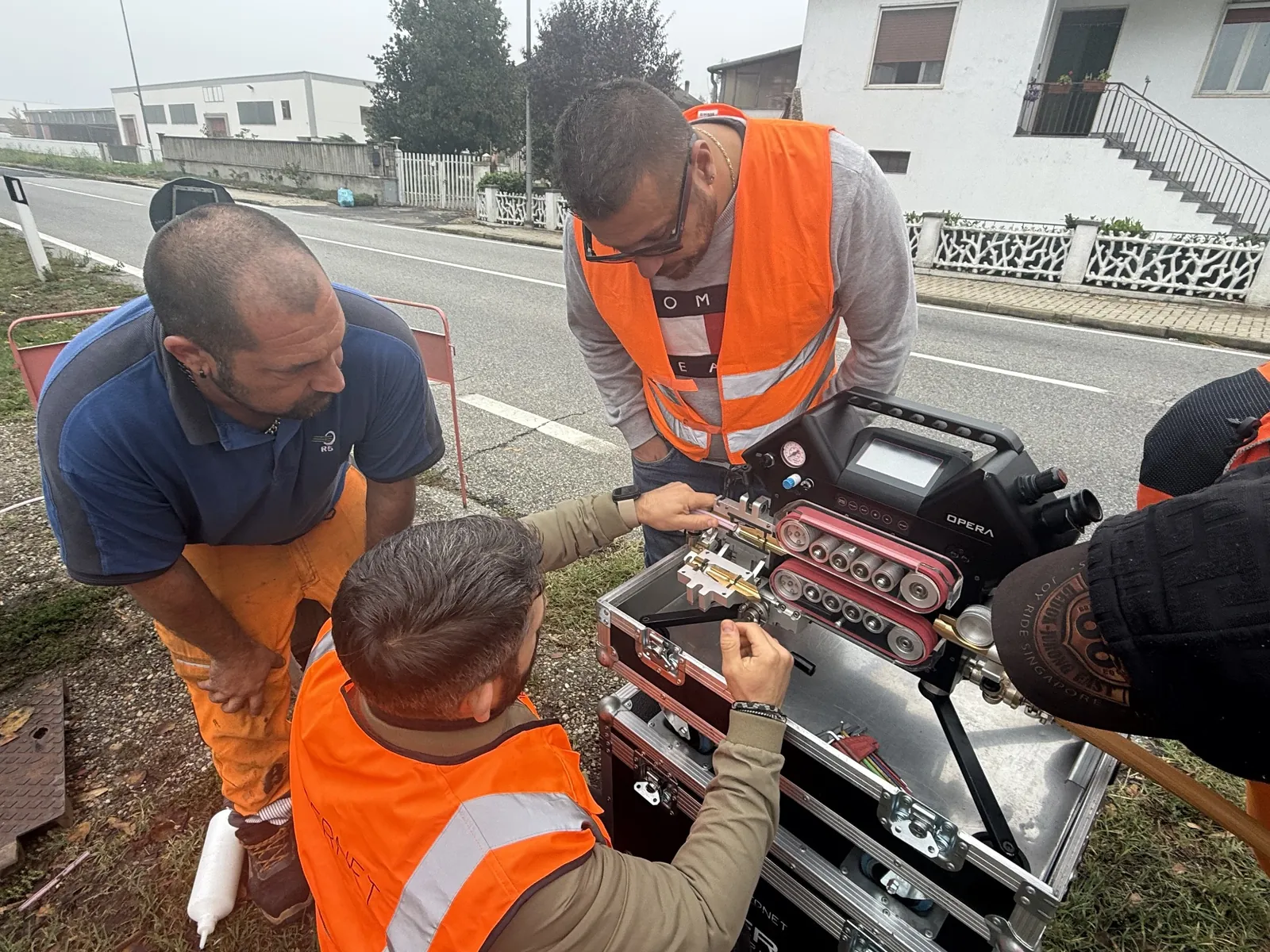
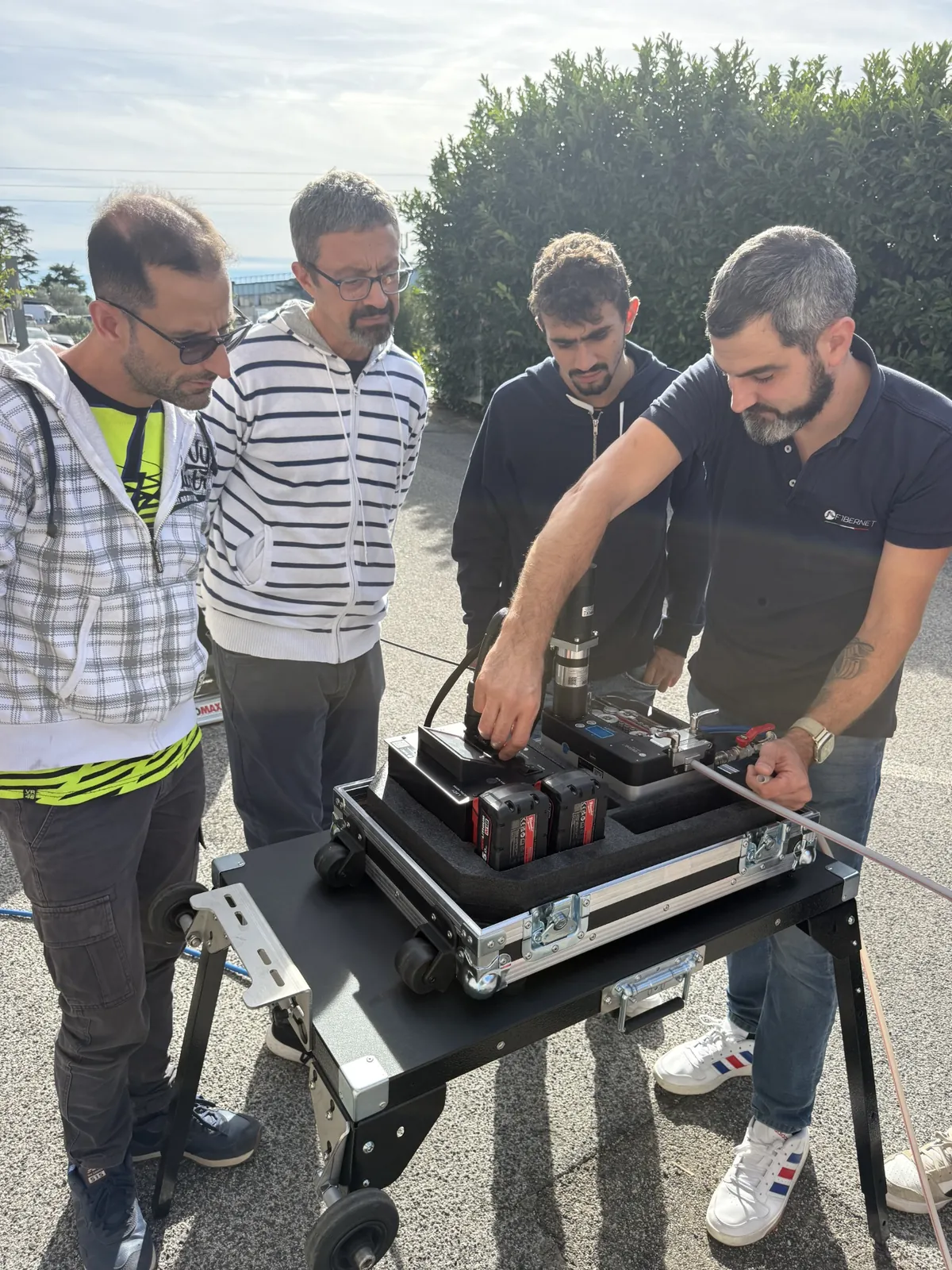
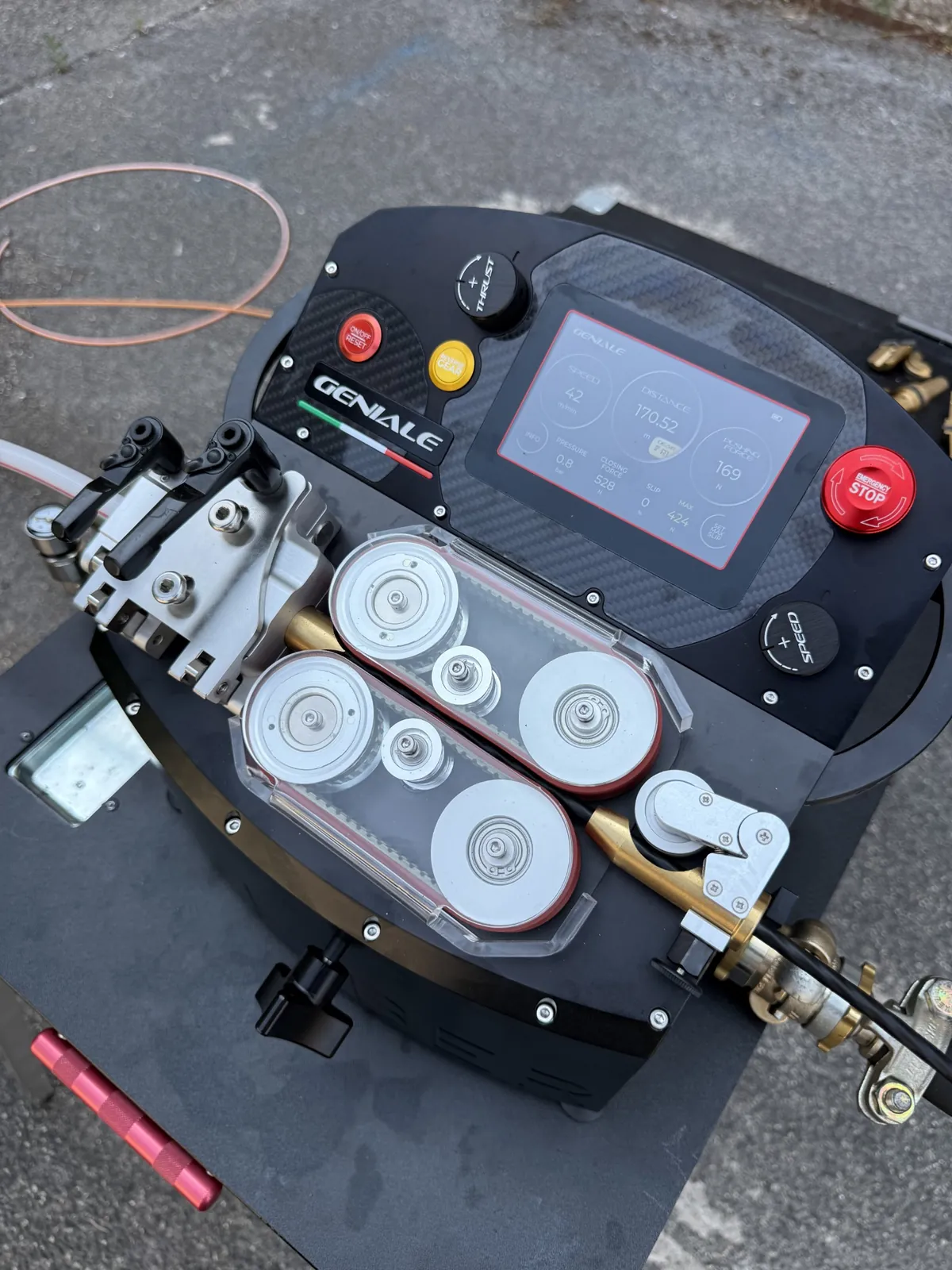
Read on Google“An excellent experience on the installer training course. The whole team was professional and knowledgeable.”
Cable blowing machines · Made in Italy
From last-mile connections to long-distance runs, a Fibernet technician can help you choose the right machine for your fiber optic cable installation.
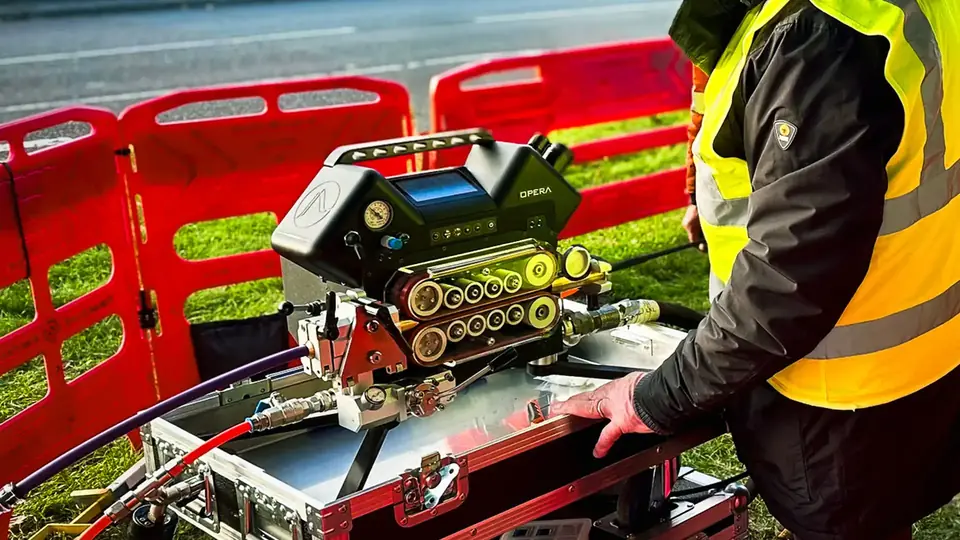
Opera, image 1 of 3
Expert advice direct from the manufacturer / Free demonstration on request
Some of our customers.

Keep your installation moving with Fibernet cable blowing machines.
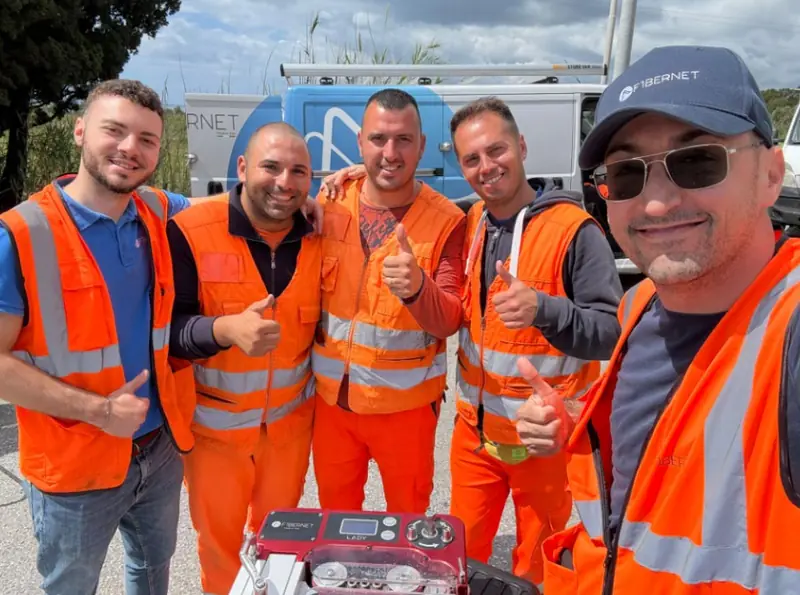
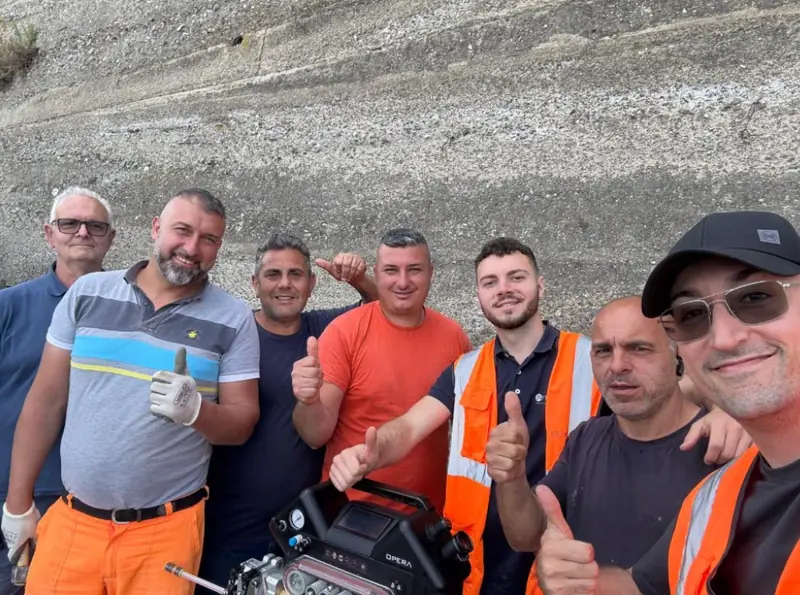
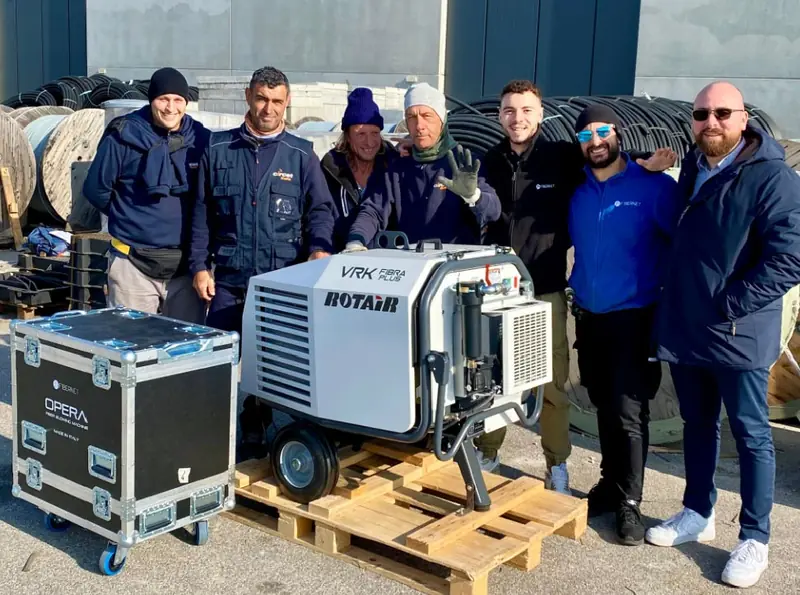
Photos and stories from installers, published by Fibernet.
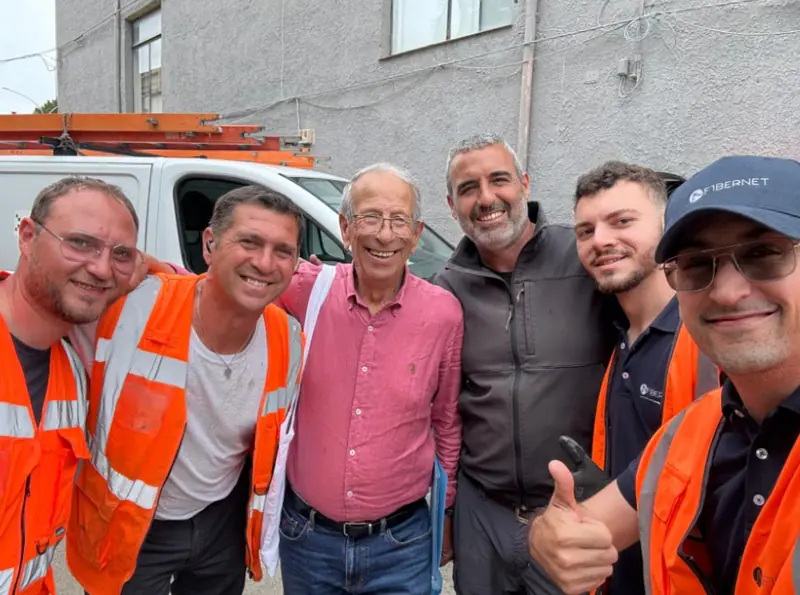
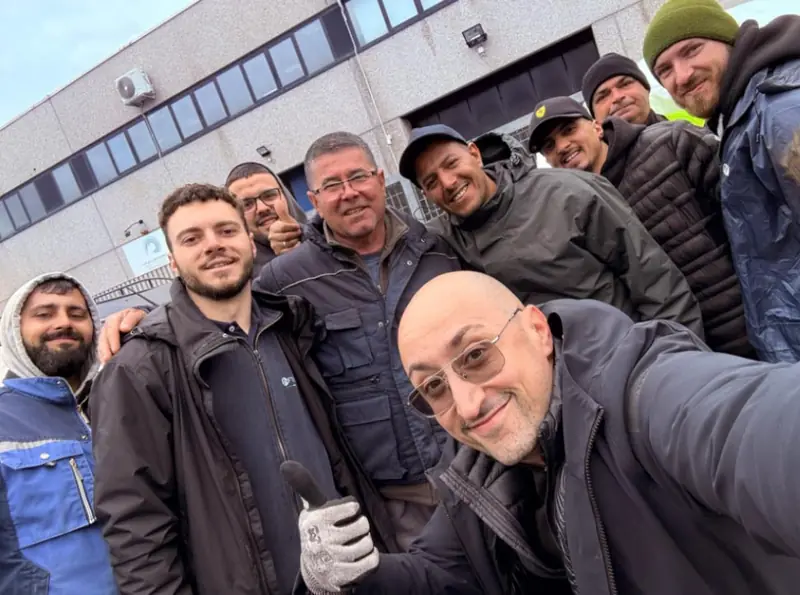
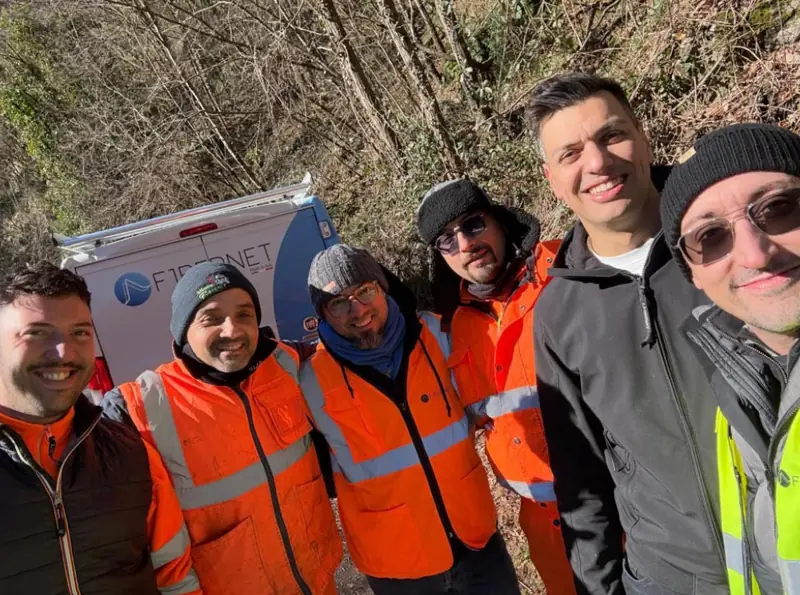 GoogleExcellentBased on 176 reviewsRead the reviews
Read on Google“An excellent experience on the installer training course. The whole team was professional and knowledgeable.”
Read on Google“I had the chance to try the Opera cable blowing machine on site…”
Read on Google“I really enjoyed this course. It took place in a pleasant setting with friendly, helpful people.”
Stories from installers
Hear the results from the installers themselves. Watch their testimonials right here.
Product videos
Three machines. Find your fit.
Start with the job at hand. Our technician can answer your questions about the right setup.
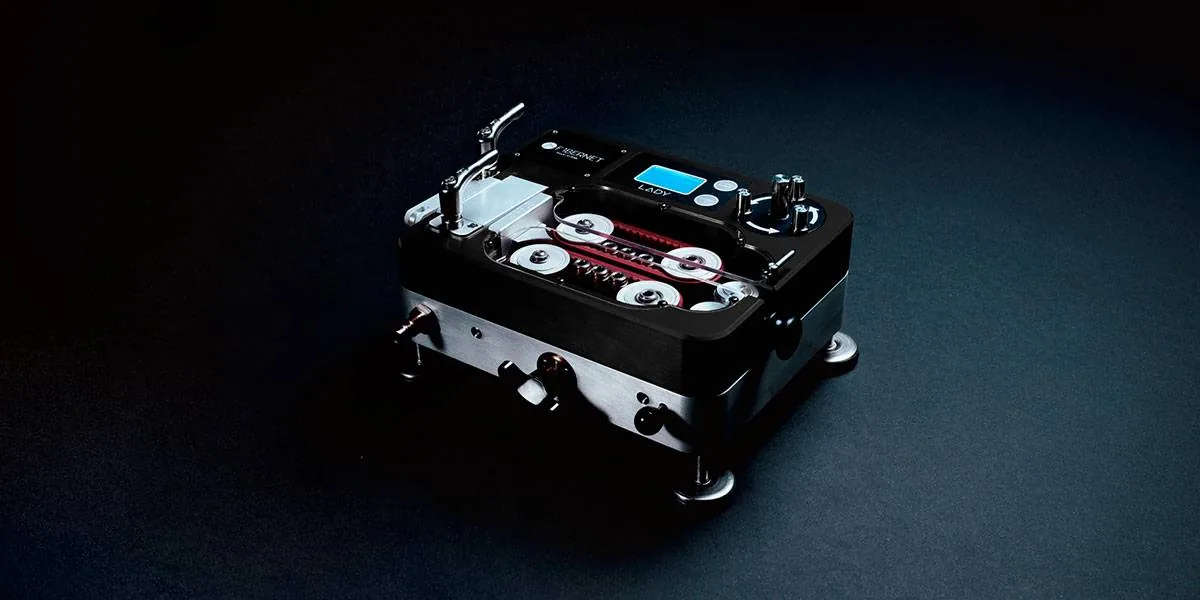
Compact and lightweight
A compact, lightweight machine for short runs.
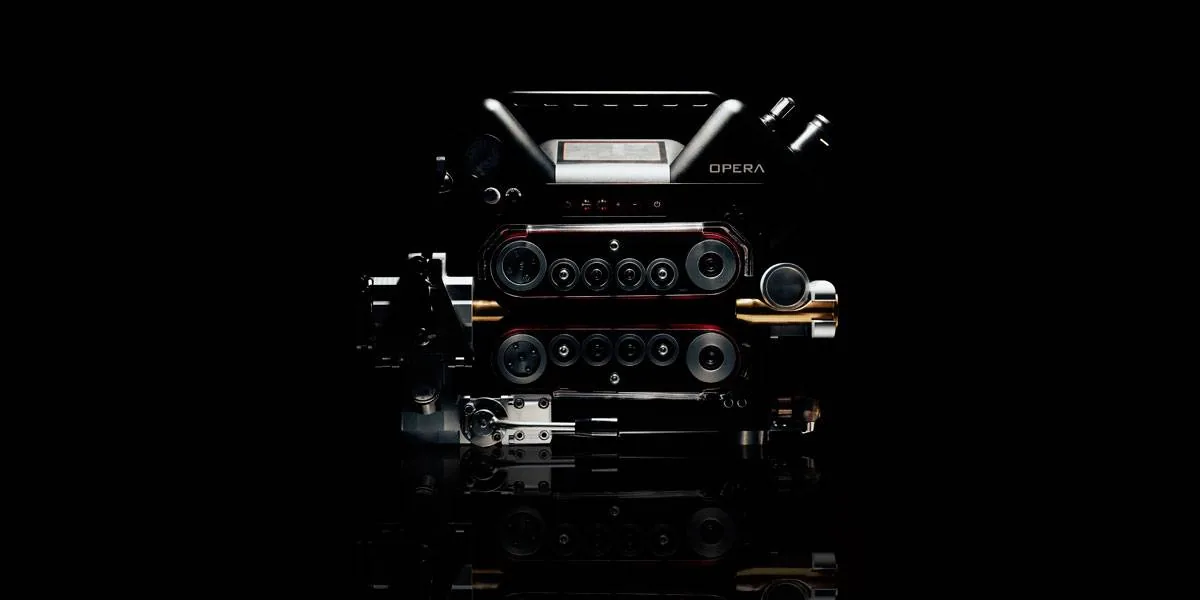
Pneumatic power
A pneumatic machine for long cable runs.
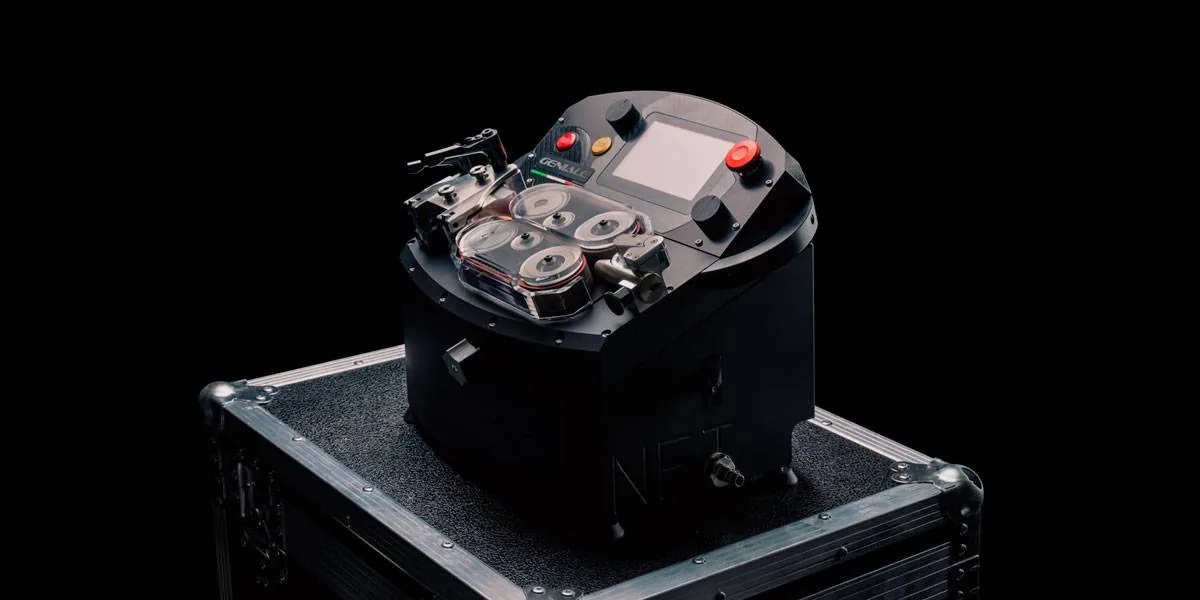
Electric, with two gears
For short and long runs. Two gears let you match force and speed to the job.
Specifications for the Fibernet range. The speeds shown are maximum values. Actual results depend on installation conditions and machine setup.
Direct from the manufacturer
When you’re working on site, you need practical answers. With Fibernet, you speak directly to the people who design and build your cable blowing machine.
Speak to a technicianA specialist technician can help when you need it.
Spare parts ready to ship, direct from the manufacturer.
If your machine breaks down, a replacement may be available within 48 hours.
Check availability and terms with your technician.Get help making the most of your machine, from your very first job.
See it in action before you choose
Request a free hands-on demonstration on your site or at Fibernet’s test facility. Discuss a real job with the technician.
Request a free demonstration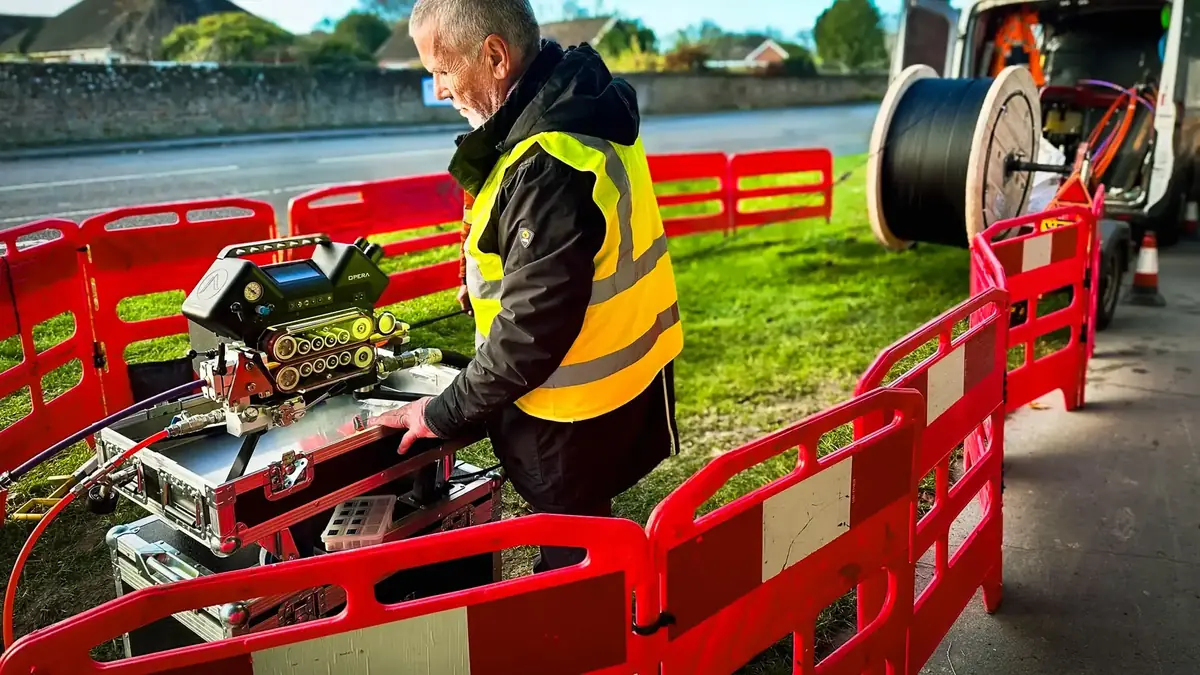
Choosing a cable blowing machine for fiber optic cable installation starts with the cable, the duct, and the route your crew needs to complete. A machine should not be selected on an advertised maximum distance alone. Cable diameter, duct internal diameter, cable stiffness, route geometry, and available compressed air all influence the result. For American contractors working with Italian manufacturing partners, a clear technical discussion helps turn these variables into an equipment specification rather than a costly assumption. Fibernet brings an Italian engineering background to this conversation, with a company history dating to 2001 and the introduction of its first cable blowing machine, Lady, in 2021. Before requesting a recommendation, prepare the cable manufacturer's datasheet and the duct dimensions, including tolerances where available. Record the expected route length, changes in direction, intermediate access points, and any differences between planned and installed duct sections. These details help establish whether the proposed machine configuration suits the work. A cable jetting machine for fiber optic cable installation uses controlled mechanical feeding alongside airflow through the duct; achieving useful performance depends on coordinating both, not simply increasing pushing force. Excessive force can damage a cable when progress is restricted, so operators need to understand the equipment controls and the cable's permitted installation limits. Ask how the selected configuration accommodates your cable size, which duct connections are required, and what adjustments are involved when moving between jobs. Compressor suitability deserves equal attention. Pressure and delivered airflow are different measurements, and both must be checked against the equipment requirements under working conditions. Hose length, fittings, leakage, and air preparation can affect what actually reaches the machine. A compressed air fiber optic cable blowing machine therefore needs to be evaluated as part of a complete working setup rather than as an isolated purchase. On a street installation, practical questions also matter: where the machine will sit, how the cable reel will feed it, whether the operator can observe the entry point, and how the crew will communicate along the route. Confirm the required accessories and documentation before dispatch so that a missing connector does not interrupt the shift. Fibernet's made in Italy positioning gives buyers a manufacturing origin to discuss directly, while assistance requirements for the United States and other countries should be clarified during the enquiry. Share the intended operating location, preferred communication arrangements, and expected workload. That information supports a more useful recommendation and helps your purchasing team compare equipment on compatibility, operation, and support rather than on headline specifications alone.
The most useful equipment comparison begins with the work your business expects to repeat. A contractor completing short, varied street sections may prioritize quick configuration changes and convenient handling, while a crew assigned to longer routes may place greater emphasis on consistent feeding and compressor coordination. Neither scenario can be reduced to a universal distance claim. When reviewing fiber optic cable blowing machine price, ask what the quotation includes and which items must be purchased separately. Cable guides, duct adapters, seals, hoses, transport arrangements, and replacement wear components can change the usable scope of an offer. Request a written configuration that identifies the intended cable and duct dimensions, so your purchasing department can compare equivalent setups instead of superficially similar machines. Consider the time needed to prepare the equipment, connect the air supply, position the reel, and complete the manufacturer's prestart checks. These steps contribute to the working day just as directly as the blowing operation itself. A sensible evaluation also examines how an operator identifies abnormal resistance, adjusts feeding within permitted limits, and stops the process safely. Ask for the operating documentation before making assumptions about available controls or protection features. Any specific capability should be confirmed for the actual model and configuration under consideration. For a fiber optic cable blowing machine, maintenance planning should address the components exposed to contact, contamination, and repeated adjustment. Follow the manufacturer's instructions for inspection, cleaning, lubrication where specified, and replacement intervals rather than adopting a generic workshop routine. Keep a record of the cable and duct combinations used successfully, together with relevant setup conditions. This gives supervisors a practical reference for later jobs, while recognizing that a different route can still produce different results. For example, an installation with several tight changes in direction may require a different approach from a straighter section using apparently identical materials. Procurement teams should also discuss service arrangements before the machine is needed urgently. Ask Fibernet how assistance is organized for customers in the United States and worldwide, which information technicians need for troubleshooting, and how spare parts enquiries are handled. Confirm shipping responsibilities, applicable commercial terms, and documentation requirements for the destination. Italian manufacturing can be an important purchasing consideration, but dependable ownership also requires clear communication after delivery. Instead of treating the initial quotation as the entire investment, evaluate the combination of suitable configuration, operator preparation, consumables, maintenance, and access to advice. This approach helps your business judge whether the proposed equipment supports its real installation schedule. It also creates a stronger basis for requesting a tailored quotation from Fibernet without assuming that every accessory, service, or performance outcome is automatically included.
A productive conversation with Fibernet begins with a clear picture of the installation rather than a request for the biggest machine available. Describe whether your crews are preparing for a defined contract, adding capacity to an existing operation, or replacing equipment that no longer suits the cable sizes being installed. Include the anticipated frequency of use and the range of duct dimensions across the work package. These details allow the discussion to stay focused on cable blowing equipment and the practical decisions surrounding it. Fibernet was founded in 2001 by Giancarlo Trinei, whose technical background reaches back to early fiber installations in Italy during the 1980s. The company's development continued through a generational transition beginning in 2010, with Matteo, Marta, and Ismael joining the business. Its first cable blowing machine, Lady, was launched in 2021. For buyers, this history provides context for the company's Italian engineering identity; it should be considered alongside current product documentation and a configuration review, not substituted for them. If your team is comparing a new machine with a used fiber optic cable blowing machine, examine more than the apparent purchase saving. Establish the condition of the feeding components, the completeness of the accessory set, the availability of documentation, and the service history where it can be verified. Check whether the specific configuration can accommodate your intended cable and duct sizes without additional expenditure. A lower acquisition cost may be less attractive if essential components are missing or if the machine cannot be prepared for an upcoming project. Equally, contractors investigating fiber optic cable blowing machine rental should first establish whether the supplier actually offers that arrangement, what equipment is available, and which responsibilities remain with the user. Do not assume that purchase enquiries and rental enquiries follow the same commercial process. For an American purchasing team evaluating made in Italy equipment, it is useful to separate technical approval from delivery and support planning. Have the installation supervisor confirm compatibility, let procurement review the written offer, and identify who will coordinate assistance if operational questions arise. Discuss support needs in the United States and any other countries where the equipment may be deployed, confirming the available arrangements directly with Fibernet. Before sending an enquiry through www.fibernetsrlusa.com, assemble cable datasheets, duct specifications, route notes, compressor information, and the desired project timing. Explain any site restrictions affecting equipment placement or handling. Ask which additional measurements are needed before a recommendation can be finalized. A well prepared enquiry gives the supplier a stronger basis for advice and gives your team a clearer record of the assumptions behind the proposed solution. The objective is straightforward: select equipment that matches the work, understand its operating requirements, and agree on the commercial and assistance details before committing.
Fill out the form and discover what Fibernet Srl can do for you!
Contact us!Before you get started
If you prefer, speak to us directly.
+39 346 652 9915Compare the cable diameter, duct diameter and installation distance. Lady is compact and lightweight for short runs. Opera is pneumatic and designed for long runs. Geniale is electric and handles both. A Fibernet technician can help you choose.
Yes. You can request a free hands-on demonstration on your site or at Fibernet’s test facility. Tell us what you need in the form and a technician will arrange it with you. Request a demonstration.
To get a price, contact a Fibernet advisor using the form or call +39 346 652 9915.
Fibernet offers direct technical support, spare parts ready to ship and dedicated training. If your machine breaks down, a replacement may be available. Ask your technician about availability and terms.
Tell us about your job. We’ll help you find the right cable blowing machine.