Emanuele Zanda
Google review
★★★★★
Read on Google“An excellent experience on the installer training course. The whole team was professional and knowledgeable.”
Cable blowing machines · Made in Italy
From last-mile connections to long-distance runs, a Fibernet technician can help you choose the right machine for your fiber optic cable installation.
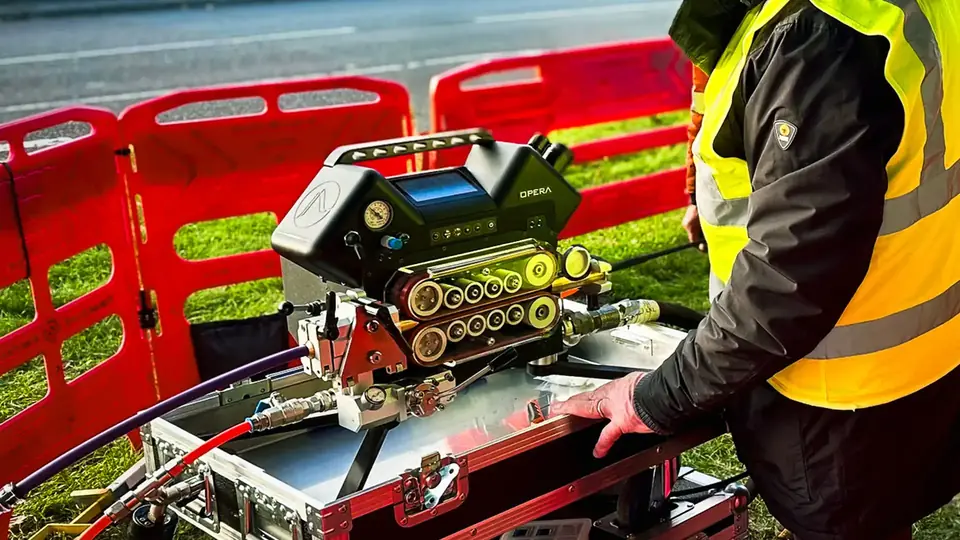
Opera, image 1 of 3
Expert advice direct from the manufacturer / Free demonstration on request
Some of our customers.

Keep your installation moving with Fibernet cable blowing machines.
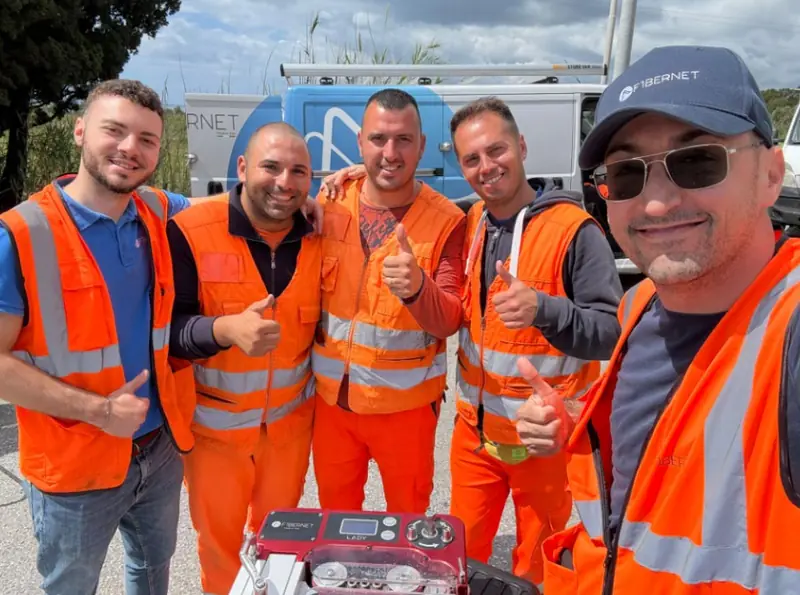
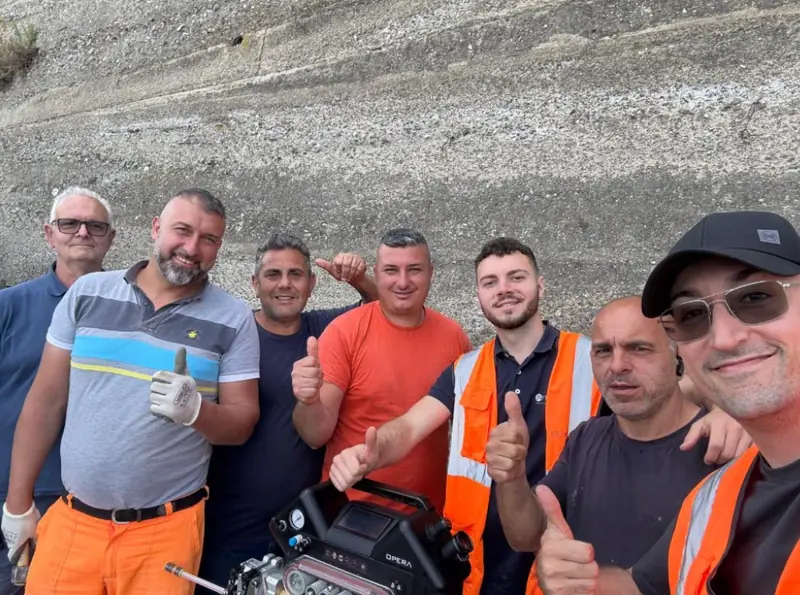
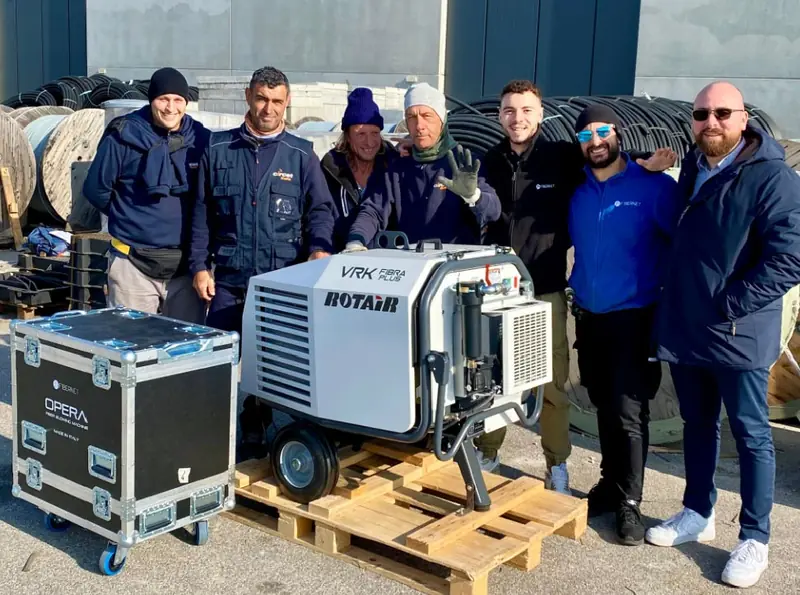
Photos and stories from installers, published by Fibernet.
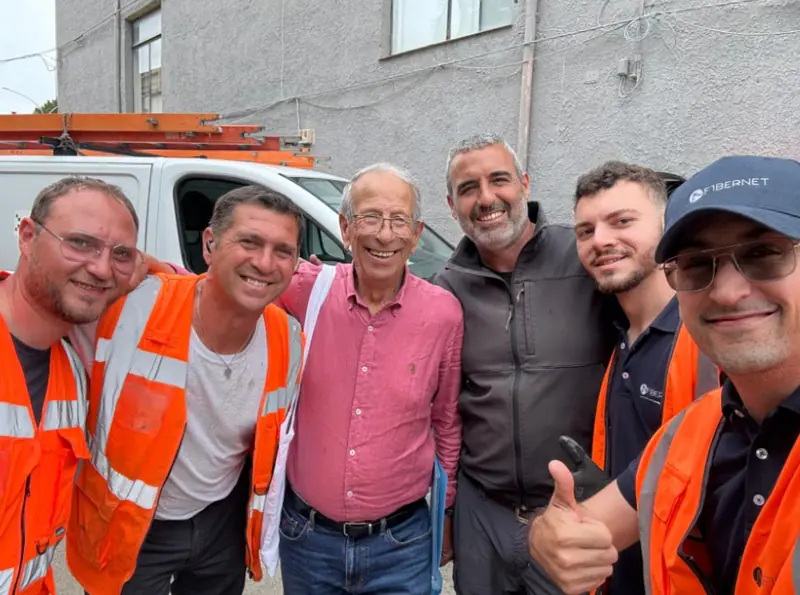
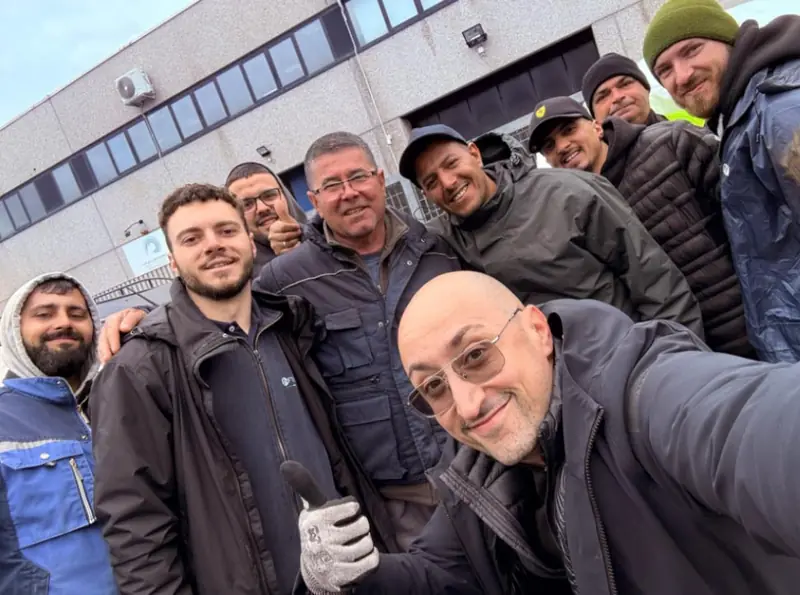
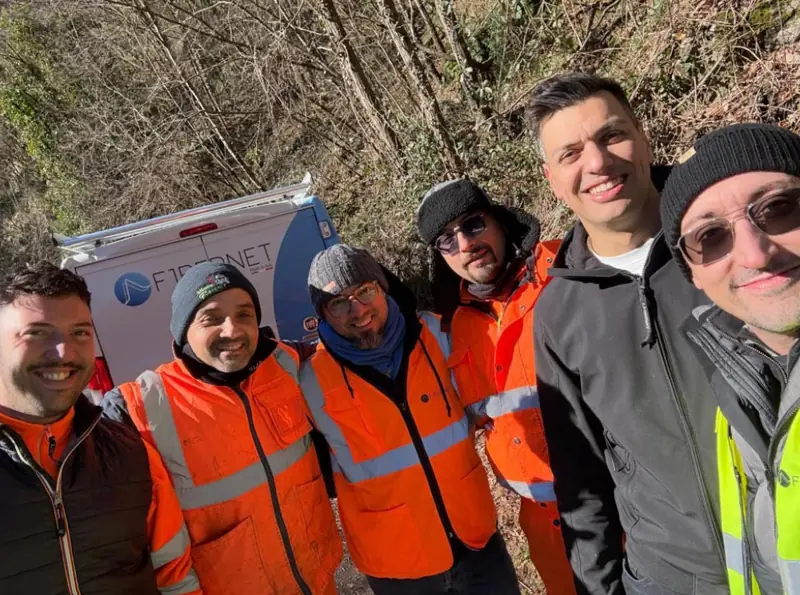 GoogleExcellentBased on 176 reviewsRead the reviews
Read on Google“An excellent experience on the installer training course. The whole team was professional and knowledgeable.”
Read on Google“I had the chance to try the Opera cable blowing machine on site…”
Read on Google“I really enjoyed this course. It took place in a pleasant setting with friendly, helpful people.”
Stories from installers
Hear the results from the installers themselves. Watch their testimonials right here.
Product videos
Three machines. Find your fit.
Start with the job at hand. Our technician can answer your questions about the right setup.
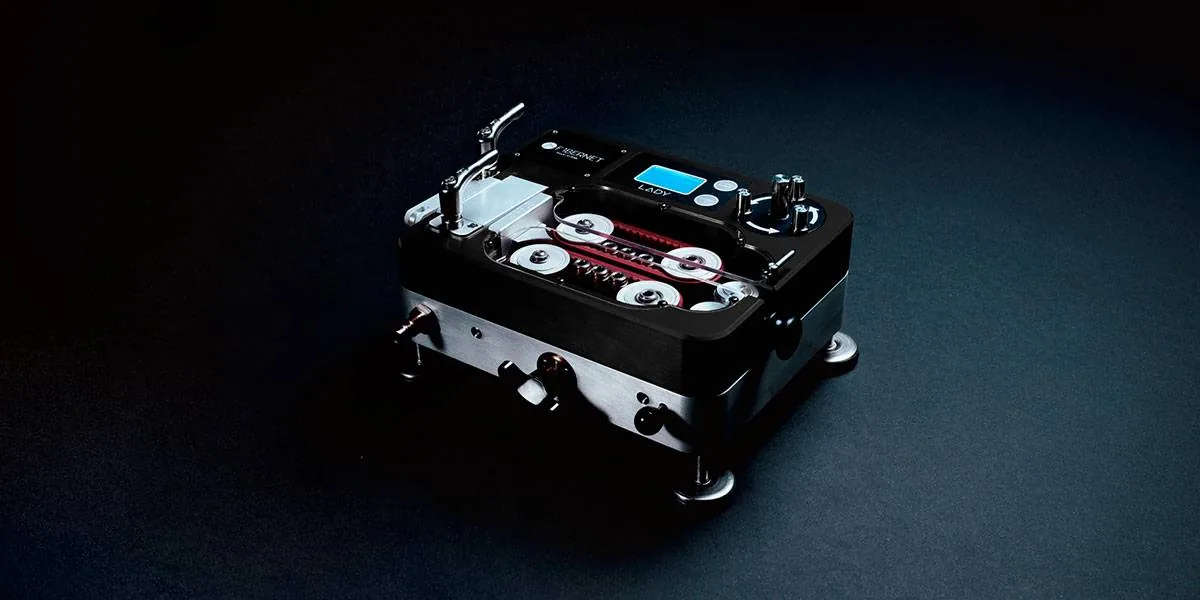
Compact and lightweight
A compact, lightweight machine for short runs.
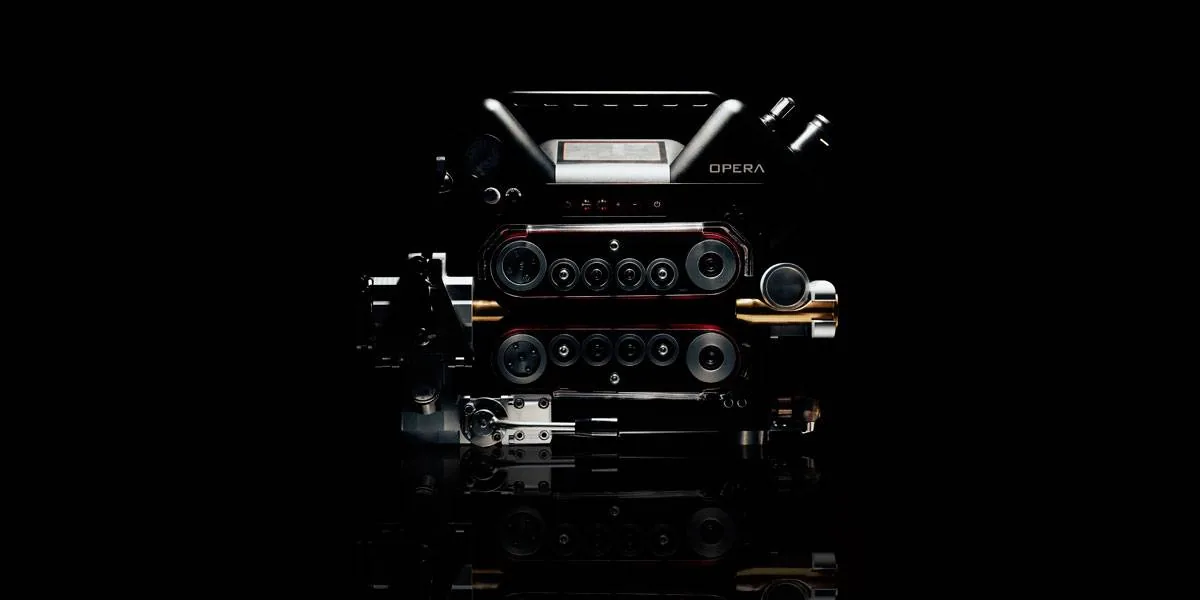
Pneumatic power
A pneumatic machine for long cable runs.
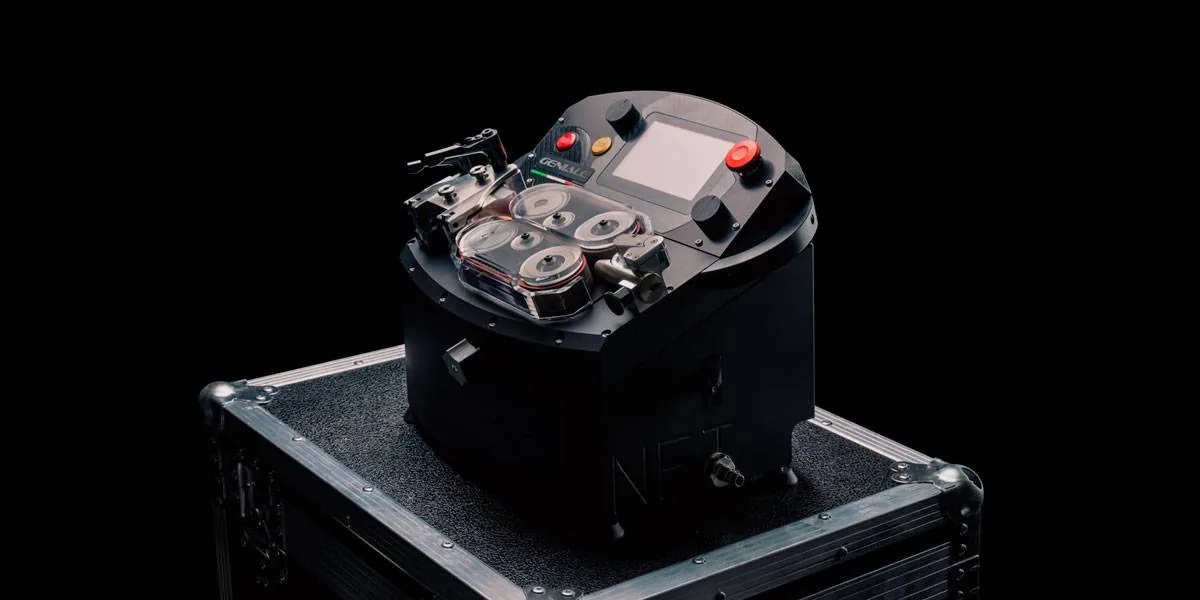
Electric, with two gears
For short and long runs. Two gears let you match force and speed to the job.
Specifications for the Fibernet range. The speeds shown are maximum values. Actual results depend on installation conditions and machine setup.
Direct from the manufacturer
When you’re working on site, you need practical answers. With Fibernet, you speak directly to the people who design and build your cable blowing machine.
Speak to a technicianA specialist technician can help when you need it.
Spare parts ready to ship, direct from the manufacturer.
If your machine breaks down, a replacement may be available within 48 hours.
Check availability and terms with your technician.Get help making the most of your machine, from your very first job.
See it in action before you choose
Request a free hands-on demonstration on your site or at Fibernet’s test facility. Discuss a real job with the technician.
Request a free demonstration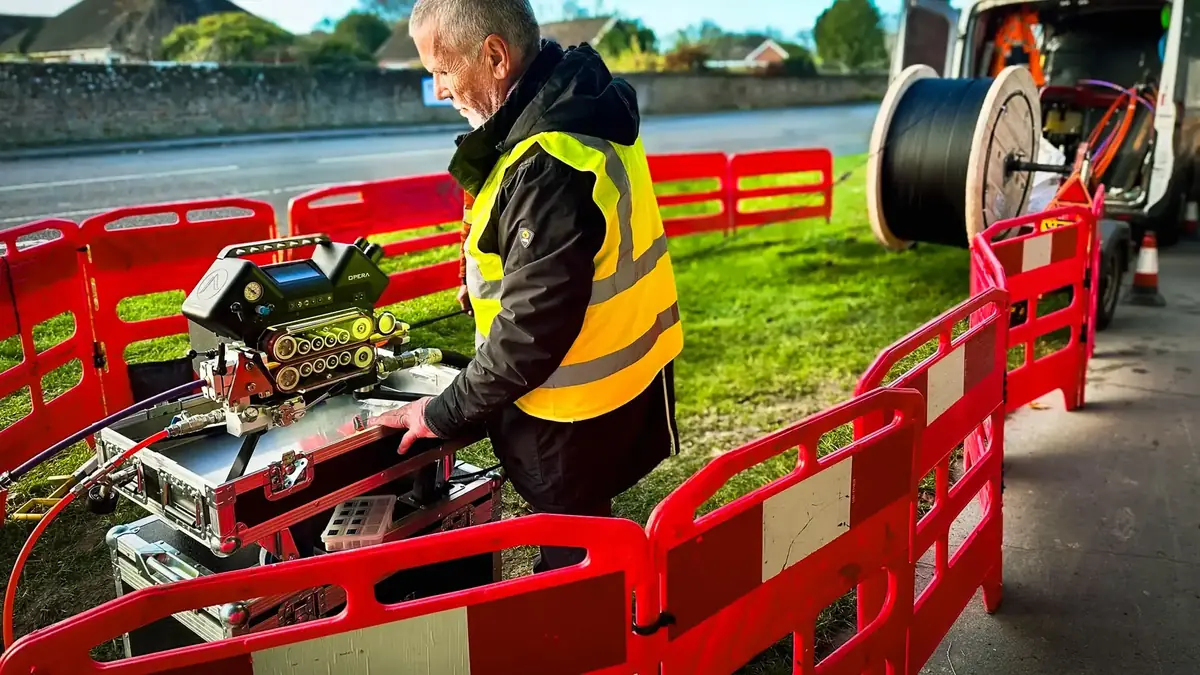
Choosing a battery powered fibre cable blowing machine starts with understanding the installation, not simply choosing a portable power source. For contractors working along streets, inside access chambers, or between closely spaced distribution points, equipment must suit the cable, duct, route, and working conditions. Fibernet brings Italian engineering experience to this discussion, helping buyers frame their requirements around practical installation challenges. Before selecting equipment, establish the cable’s outside diameter, the duct’s internal diameter, the anticipated installation distance, and the number and severity of bends. These details influence whether a proposed configuration is appropriate and which accessories may be required. Cable stiffness, jacket material, and the condition of existing ducts also deserve attention because apparently similar routes can behave very differently during installation. Battery operation should be evaluated as one part of the complete working system. Depending on the machine design, a battery may power the drive mechanism, while compressed air still requires a separate supply. Buyers should therefore confirm precisely what the battery operates, which compressor is needed, and whether the available air supply meets the equipment’s specified pressure and flow requirements. A battery powered fibre optic cable blowing machine should never be assumed to eliminate the compressor or make every installation independent of other equipment. For an American contractor assessing Italian-made machinery, clearly documented compatibility is more useful than broad claims about speed or reach. Ask about supported cable and duct dimensions, drive adjustment, cable guidance, sealing arrangements, and the procedures for stopping and restarting a run. Confirm whether batteries and chargers are included, which electrical supply the charger accepts, and how replacement batteries can be obtained. These questions help establish what a crew will actually carry and operate on site. When comparing a battery powered cable blowing machine with other drive arrangements, consider the whole setup rather than the machine alone. Access to the work area, compressor positioning, hose routing, battery charging opportunities, and safe handling all affect productivity. A compact drive unit can be useful, but its value depends on how well it fits the installation workflow. Share these operating details with Fibernet when requesting guidance through its showcase website. The objective is a technically grounded discussion about suitability, configuration, and support, rather than an assumption that one machine can handle every route. For projects in Italy or equipment procurement by English-speaking American businesses, this approach creates a clearer basis for comparing options and planning the next installation. It also helps purchasing teams identify missing information before committing to a configuration that may not match their crews’ actual working conditions.
Successful cable blowing depends on preparation that begins before the drive is engaged. A contractor evaluating a battery powered fibre cable blowing machine should consider how the equipment will fit into a repeatable site procedure, from checking the duct to recording the completed run. Start by confirming that the intended route is continuous, correctly connected, and suitable for the planned cable. Inspect accessible entry points and check that couplings, transitions, and duct ends do not introduce avoidable restrictions. Follow the duct supplier’s and equipment manufacturer’s procedures for cleaning, proving, and checking the route before installation. These checks help distinguish a machine selection problem from a route condition that no drive system can reliably overcome. Next, prepare the cable supply so that the cable can feed smoothly without unnecessary twisting, sharp changes of direction, or uncontrolled resistance. Position the reel and machine to maintain a suitable entry path, respecting the cable manufacturer’s bend radius and handling limits. Select the appropriate guides, seals, and drive components for the actual dimensions involved rather than relying on visual estimates. If a lubricant is recommended, verify its compatibility with the cable jacket, duct material, and equipment instructions. During operation, settings should follow the manufacturer’s guidance and respond to the behavior of the installation. More pushing force is not automatically a solution when progress slows. Unexpected resistance may indicate a duct obstruction, a difficult bend, poor reel payout, an air leak, or another condition that requires investigation. Stop and assess the cause instead of continuing to increase force without understanding the restriction. Crews should also understand pressure isolation and safe disconnection procedures before opening any pressurized part of the system. When comparing a drill powered fibre cable blowing machine with a battery-driven configuration, ask how each arrangement controls the drive, how the operator stops cable movement, and which operating limits apply. Do not assume that two machines with similar dimensions provide identical control or accept the same accessories. Likewise, a battery powered fibre optic cable jetting machine must be assessed against its documented specifications, not against a generic expectation associated with its name. Battery management belongs in the operating plan too: confirm charging time, storage requirements, approved battery types, and the availability of a suitable spare where required. Keep basic installation records covering cable and duct dimensions, route characteristics, equipment settings, interruptions, and any corrective actions. These records can make later technical discussions more precise and help crews improve consistency across comparable jobs. Fibernet can be approached with this operational information to discuss equipment requirements, relevant documentation, and the support arrangements needed for a proposed configuration.
Fibernet’s background gives buyers a useful starting point when assessing the company behind their cable blowing equipment. Established in 2001, the business draws on founder Giancarlo Trinei’s technical experience with early cable installations in Italy during the 1980s. Its development as a family-led company continued when Matteo, Marta, and Ismael joined the business in 2010, and Fibernet launched its first cable blowing machine, Lady, in 2021. This history provides context for its focus on practical engineering, but equipment selection should still rest on the specifications and support commitments applicable to the machine being considered. For a buyer researching a battery powered fibre cable blowing machine, the most productive next step is a detailed enquiry that links the intended application to a clearly defined supply proposal. Include typical cable and duct sizes, expected route lengths, site access constraints, and the equipment already available to the crew. Explain whether the machine will support repeated short runs, varied contractor assignments, or another specific pattern of work. If your team operates in the United States while evaluating Italian-made products, identify the delivery destination and the support expectations from the outset. Discuss assistance in the United States and worldwide directly with Fibernet, including contact channels, service procedures, replacement parts, and any location-dependent arrangements. Confirm these details in writing rather than assuming that international availability means identical response times or local stock in every region. A useful quotation should explain the proposed configuration and distinguish standard equipment from optional accessories. Ask whether the offer includes the necessary cable guides, duct connections, sealing components, battery equipment, and documentation for your application. Where appropriate, request clarification about warranty conditions, maintenance tasks, consumable parts, and the process for obtaining technical help. Comparing fibre cable blowing machine price without checking these inclusions can lead to misleading conclusions, especially when one quotation covers a complete working configuration and another covers only a basic unit. The same principle applies when comparing a battery powered optical fibre cable blowing machine with a different drive solution: evaluate suitability, operating requirements, and ownership costs together. Consider freight, replacement wear parts, battery replacement where applicable, and any additional equipment needed to operate safely and effectively. Fibernet’s website serves as a point of contact for exploring its Italian-made cable blowing equipment and discussing project requirements rather than as a substitute for a technical assessment. A focused enquiry gives both purchasing staff and installation supervisors a shared basis for decision-making. It also keeps the conversation centered on measurable requirements, documented compatibility, and the practical assistance needed to keep equipment useful throughout its working life.
Fill out the form and discover what Fibernet Srl can do for you!
Contact us!Before you get started
If you prefer, speak to us directly.
+39 346 652 9915Compare the cable diameter, duct diameter and installation distance. Lady is compact and lightweight for short runs. Opera is pneumatic and designed for long runs. Geniale is electric and handles both. A Fibernet technician can help you choose.
Yes. You can request a free hands-on demonstration on your site or at Fibernet’s test facility. Tell us what you need in the form and a technician will arrange it with you. Request a demonstration.
To get a price, contact a Fibernet advisor using the form or call +39 346 652 9915.
Fibernet offers direct technical support, spare parts ready to ship and dedicated training. If your machine breaks down, a replacement may be available. Ask your technician about availability and terms.
Tell us about your job. We’ll help you find the right cable blowing machine.