Emanuele Zanda
Google review
★★★★★
Read on Google“An excellent experience on the installer training course. The whole team was professional and knowledgeable.”
Cable blowing machines · Made in Italy
From last-mile connections to long-distance runs, a Fibernet technician can help you choose the right machine for your fiber optic cable installation.
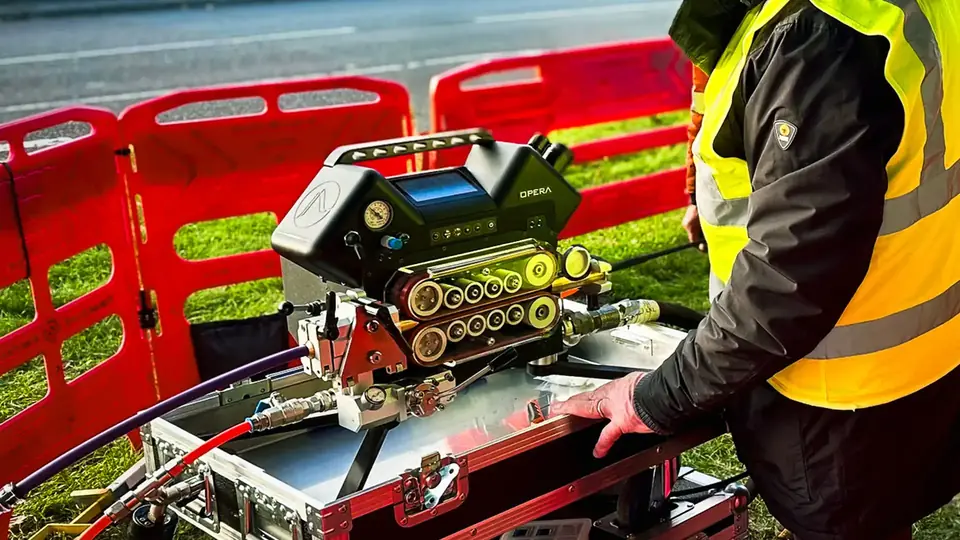
Opera, image 1 of 3
Expert advice direct from the manufacturer / Free demonstration on request
Some of our customers.

Keep your installation moving with Fibernet cable blowing machines.
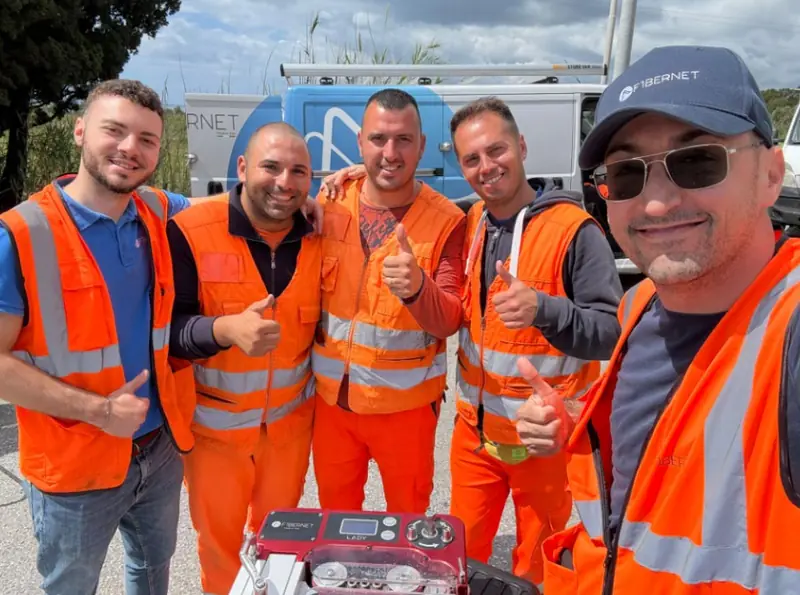
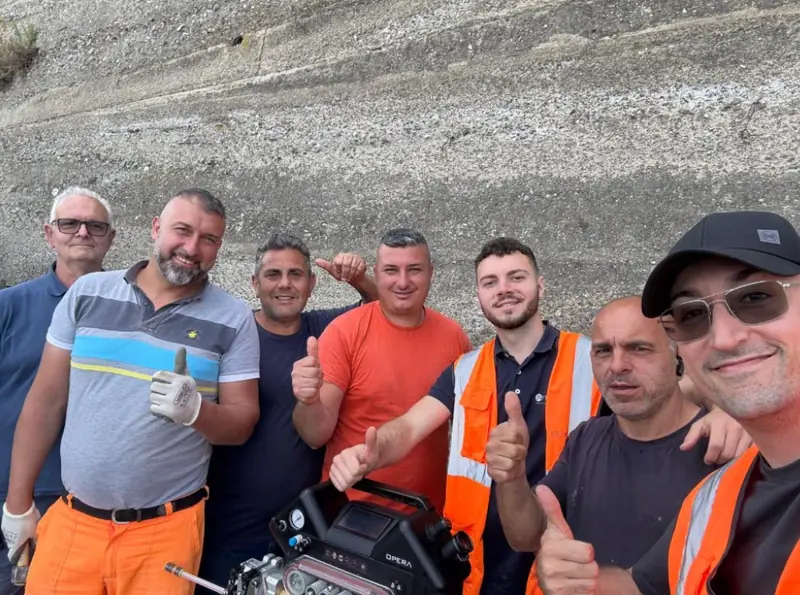
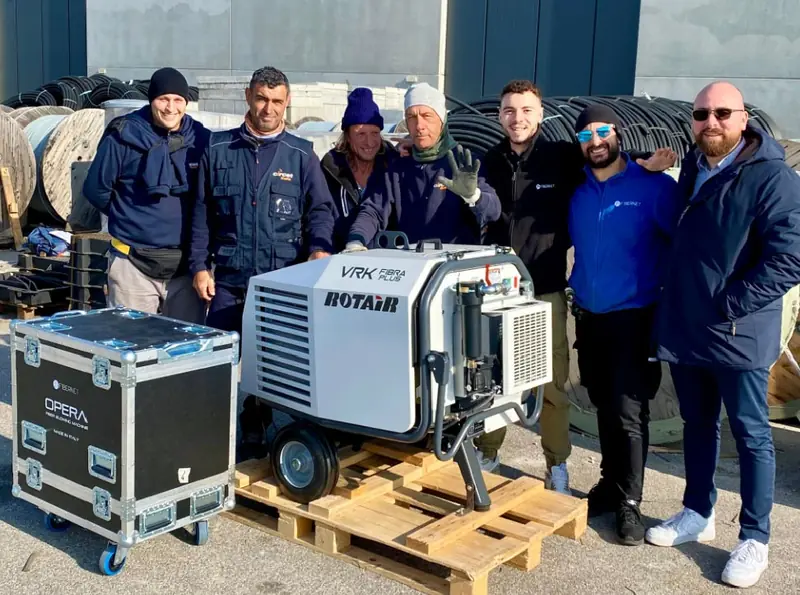
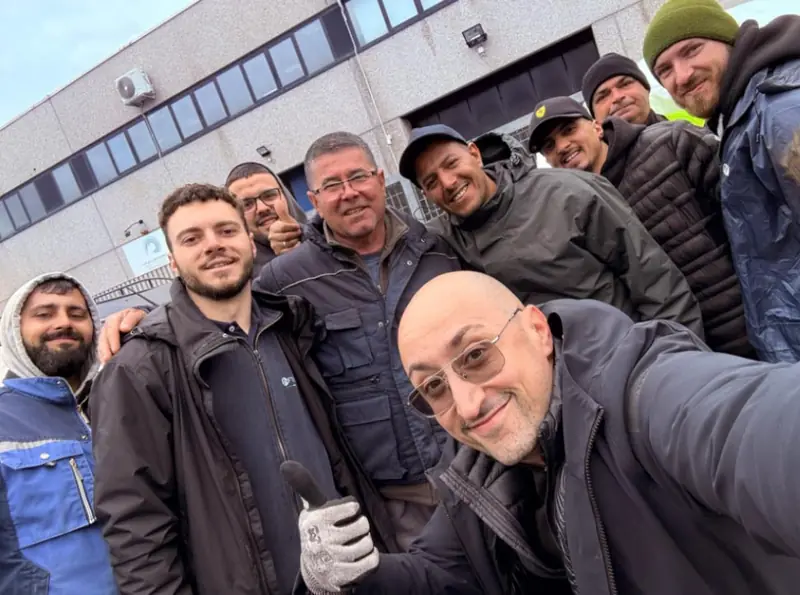
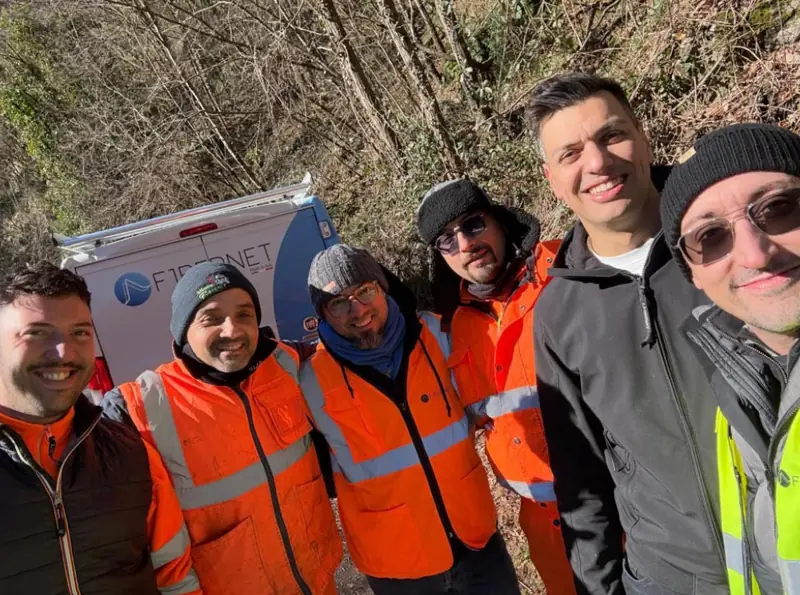
Photos and stories from installers, published by Fibernet.

 GoogleExcellentBased on 176 reviewsRead the reviews
Read on Google“An excellent experience on the installer training course. The whole team was professional and knowledgeable.”
Read on Google“I had the chance to try the Opera cable blowing machine on site…”
Read on Google“I really enjoyed this course. It took place in a pleasant setting with friendly, helpful people.”
Stories from installers
Hear the results from the installers themselves. Watch their testimonials right here.
Product videos
Three machines. Find your fit.
Start with the job at hand. Our technician can answer your questions about the right setup.
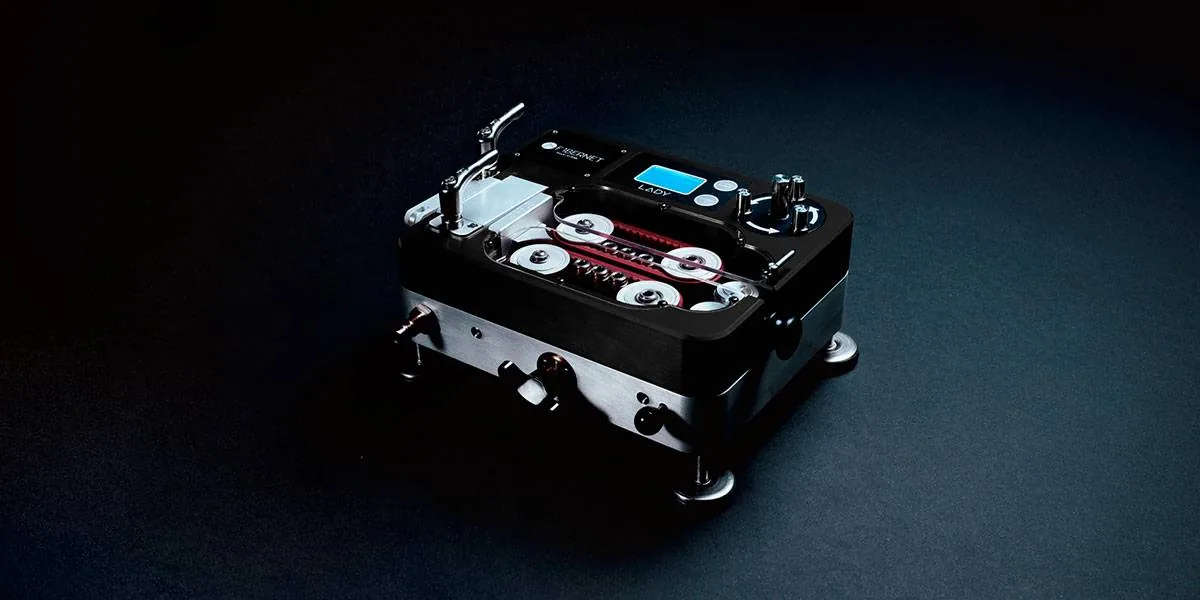
Compact and lightweight
A compact, lightweight machine for short runs.
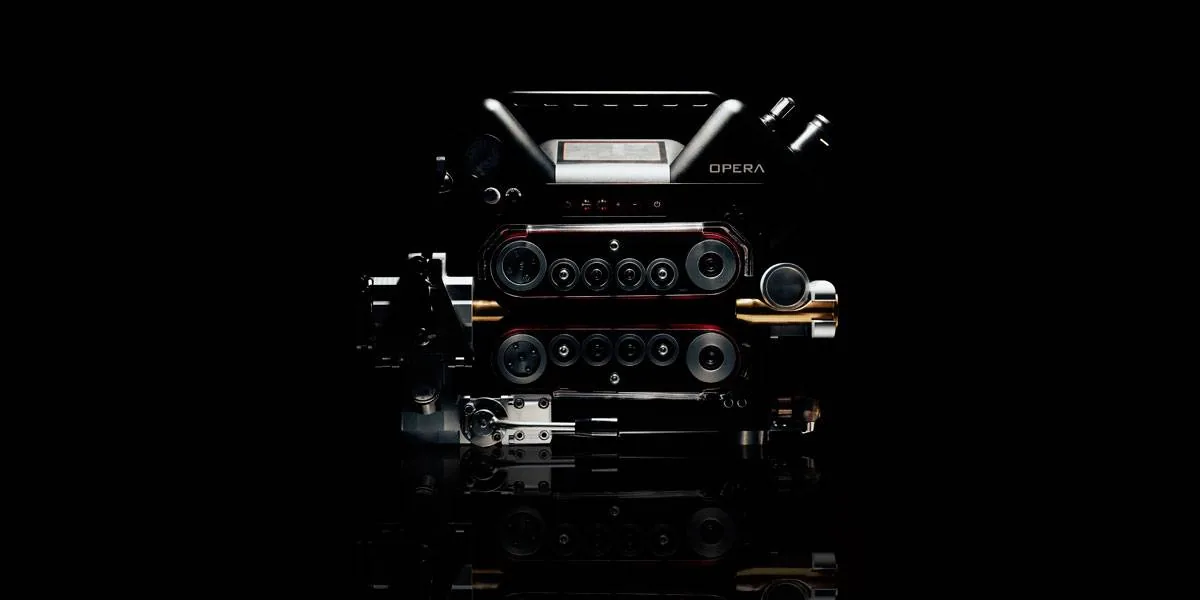
Pneumatic power
A pneumatic machine for long cable runs.
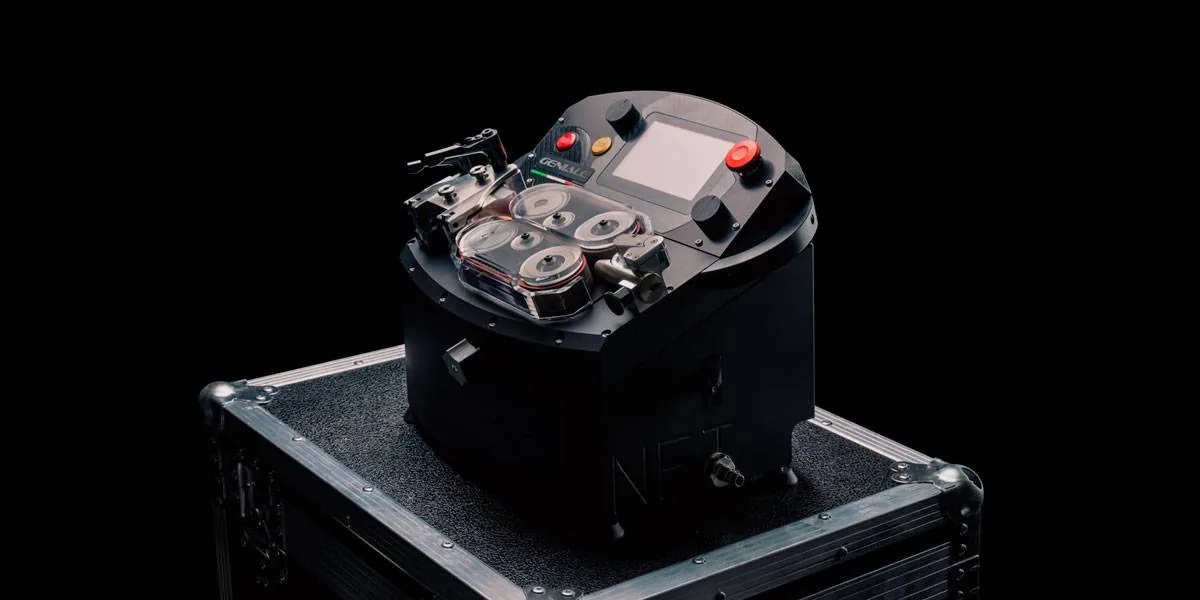
Electric, with two gears
For short and long runs. Two gears let you match force and speed to the job.
Specifications for the Fibernet range. The speeds shown are maximum values. Actual results depend on installation conditions and machine setup.
Direct from the manufacturer
When you’re working on site, you need practical answers. With Fibernet, you speak directly to the people who design and build your cable blowing machine.
Speak to a technicianA specialist technician can help when you need it.
Spare parts ready to ship, direct from the manufacturer.
If your machine breaks down, a replacement may be available within 48 hours.
Check availability and terms with your technician.Get help making the most of your machine, from your very first job.
See it in action before you choose
Request a free hands-on demonstration on your site or at Fibernet’s test facility. Discuss a real job with the technician.
Request a free demonstration
Choosing a battery powered fibre optic cable blower starts with the cable, duct, and working conditions your installation crew encounters, rather than a headline speed figure. For American contractors evaluating Italian-made equipment, a useful discussion begins with cable outside diameter, duct internal diameter, route length, and the number and severity of bends. These details help establish whether a proposed machine configuration is appropriate and what supporting equipment the crew will need. Fibernet brings an Italian engineering background to this conversation, with a company history dating to 2001 and the introduction of its first cable blowing machine, Lady, in 2021. Request model-specific information before making purchasing decisions, especially when comparing different drive arrangements or planning to use equipment across several cable sizes. A battery powered cable blower should be assessed as part of a complete installation setup. Battery operation may power the feeding mechanism, but it does not automatically remove the need for compressed air. Confirm the operating principle of the proposed model, its compatible power source, and any compressor requirements directly with the supplier. Airflow, pressure, filtration, and connection arrangements must match the equipment instructions and installation conditions. Equally important are the contact surfaces that advance the cable. Ask how the machine accommodates different diameters, which guides and seals are required, and how feeding force is adjusted to protect the cable jacket. Before mobilizing to a job, provide the supplier with the cable manufacturer's installation limits and the duct supplier's pressure ratings. That information creates a more reliable basis for equipment selection than assumptions drawn from another contractor's installation. When evaluating a cable blower for fibre optic cable, consider how operators will load the cable, access controls, observe feeding behavior, and stop the process if resistance changes. A practical demonstration can clarify these points without relying on unsupported promises about achievable distance. Route cleanliness, duct continuity, cable stiffness, temperature, and lubrication compatibility can all influence results. For work in Italy or equipment procurement coordinated from Italy for American projects, describe the destination and intended operating environment when requesting advice. Ask Fibernet about its made-in-Italy cable blowing equipment and assistance arrangements for the United States and other international locations. Clarify the available service channels, replacement components, and documentation for the selected configuration before ordering. The objective is a machine matched to repeatable field procedures, not simply a portable purchase. A properly prepared inquiry gives your team a clearer understanding of compatibility, operating requirements, and the practical steps needed to put the equipment to work.
A productive cable blowing operation depends on preparation that takes place before the drive mechanism starts. Begin by confirming that the installed duct is continuous, correctly connected, and suitable for the planned blowing procedure. Follow the duct manufacturer's requirements for inspection, cleaning, and testing, and use only approved methods and pressure limits. An obstruction, damaged connector, or poorly sealed joint can undermine an otherwise suitable machine selection. Check the cable drum arrangement as well: cable should feed toward the machine without avoidable twisting, sharp changes of direction, or uncontrolled tension. Position the equipment so that operators can monitor the cable entry and reach the controls without standing in an unsafe location. These practical decisions matter when assessing a battery powered fibre optic cable blower for roadside jobs or confined working areas. Portability is valuable only when the entire setup remains manageable, including the compressor where required, hoses, drum handling equipment, and necessary accessories. Before each installation, inspect the guides, seals, and feeding components specified for the cable diameter. Worn or mismatched parts can affect grip and sealing, so establish replacement criteria from the manufacturer's documentation rather than waiting for a visible installation problem. If your procurement team searches for a battery powered fibre optic cable blowing machine, ask the supplier to explain the startup sequence for the exact configuration under consideration. Confirm how the operator establishes the initial settings, introduces airflow, regulates feeding, and responds to increasing resistance. Do not assume that operating procedures transfer unchanged between machines. Cable limits, machine limits, and duct pressure ratings remain separate constraints, and the installation must respect all of them. During the run, watch for changes in feeding behavior rather than increasing force to overcome an unexplained slowdown. Stop and investigate according to the equipment instructions when conditions depart from the approved procedure. Record the setup used, the route conditions, and any interruptions so that later jobs benefit from actual field observations. A compressed air fibre optic cable blower also requires attention to the air supply: confirm the required delivery conditions and any air treatment specified by the manufacturer. Battery readiness deserves an equally practical check, including compatible packs, charging arrangements, storage conditions, and the availability of replacements where applicable. Ask Fibernet which of these requirements apply to its proposed equipment rather than assuming a universal specification. For American crews purchasing Italian-made machinery, clear operating documentation and an agreed support contact can simplify deployment. Discuss assistance in the United States and worldwide before the first job, including what information technicians will need if troubleshooting becomes necessary. This preparation supports consistent working methods without promising a fixed installation distance or production rate.
The purchase price of a cable blowing machine is only one part of the investment. A contractor also needs to understand what arrives with the machine, which accessories are essential for its intended cables, and how replacement parts will be obtained. When requesting a quotation for a battery powered fibre optic cable blower, submit a representative selection of your installation requirements rather than a single ideal job. Include the cable diameters your crews commonly handle, the duct dimensions they encounter, and the locations where the equipment will operate. Ask for a written breakdown identifying the machine configuration, included components, optional accessories, and any power or air supply equipment that must be sourced separately. This makes quotations easier to compare and reduces the risk of discovering an essential missing item after delivery. A search for fibre optic cable blower price should therefore lead to a configuration discussion, not just a number. Confirm the commercial details that affect the actual purchase, including delivery destination, shipping arrangements, applicable taxes, warranty terms, and the process for obtaining technical assistance. If equipment is being purchased through Italy for use by a United States contractor, clarify the responsibilities of each party and the documentation supplied with the order. Do not assume that every battery, charger, or accessory is suitable for every destination. Request confirmation of the selected configuration and its intended operating conditions. Fibernet's family-led history provides context for its approach to product development: founder Giancarlo Trinei brought experience from early Italian cable installations, and the next generation joined the business beginning in 2010. For the buyer, however, the essential question remains practical: how will the selected machine be supported throughout its working life? Ask about assistance arrangements in the United States and worldwide, the availability of wear components, and the information required to identify replacement parts correctly. Keep serial numbers, configuration records, and maintenance documentation accessible to the people responsible for the equipment. If considering a used fibre optic cable blower alongside a new machine, inspect its condition and service history carefully. Verify that guards, controls, feeding components, and sealing parts are complete and appropriate for the intended application. Establish whether technical documentation and compatible spares remain available before treating a lower purchase price as a saving. For new equipment, request the same clarity about routine inspection and manufacturer-approved maintenance. A well-defined purchase decision connects Italian manufacturing with the day-to-day realities of American cable blowing crews: suitable configurations, understandable procedures, and a clear route to assistance. Contact Fibernet with your installation details to discuss available equipment and obtain a quotation based on your operational needs.
Fill out the form and discover what Fibernet Srl can do for you!
Contact us!Before you get started
If you prefer, speak to us directly.
+39 346 652 9915Compare the cable diameter, duct diameter and installation distance. Lady is compact and lightweight for short runs. Opera is pneumatic and designed for long runs. Geniale is electric and handles both. A Fibernet technician can help you choose.
Yes. You can request a free hands-on demonstration on your site or at Fibernet’s test facility. Tell us what you need in the form and a technician will arrange it with you. Request a demonstration.
To get a price, contact a Fibernet advisor using the form or call +39 346 652 9915.
Fibernet offers direct technical support, spare parts ready to ship and dedicated training. If your machine breaks down, a replacement may be available. Ask your technician about availability and terms.
Tell us about your job. We’ll help you find the right cable blowing machine.