Emanuele Zanda
Google review
★★★★★
Read on Google“An excellent experience on the installer training course. The whole team was professional and knowledgeable.”
Cable blowing machines · Made in Italy
From last-mile connections to long-distance runs, a Fibernet technician can help you choose the right machine for your fiber optic cable installation.
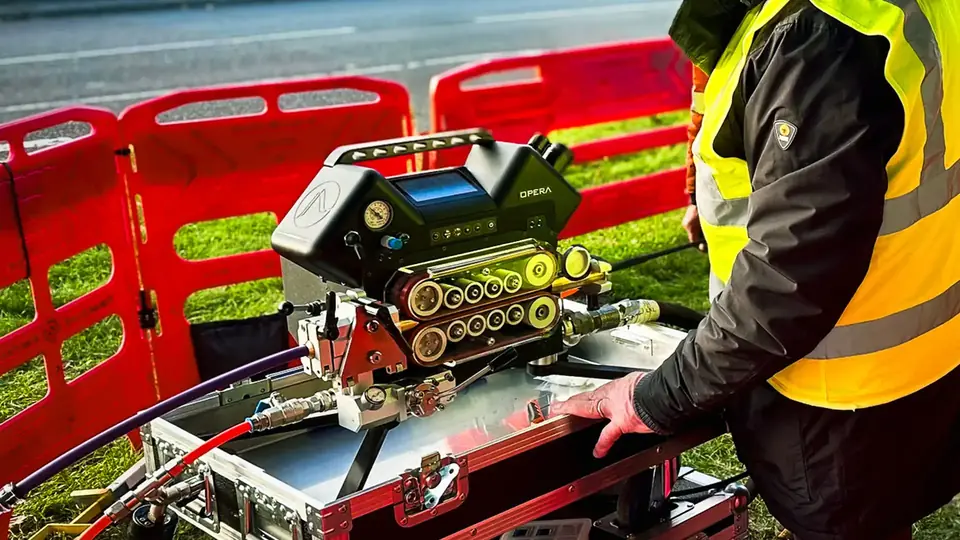
Opera, image 1 of 3
Expert advice direct from the manufacturer / Free demonstration on request
Some of our customers.

Keep your installation moving with Fibernet cable blowing machines.
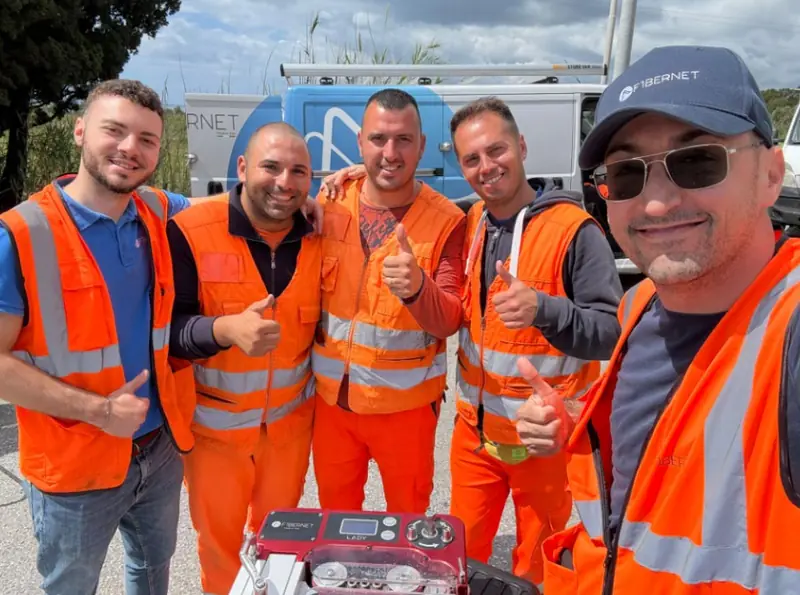
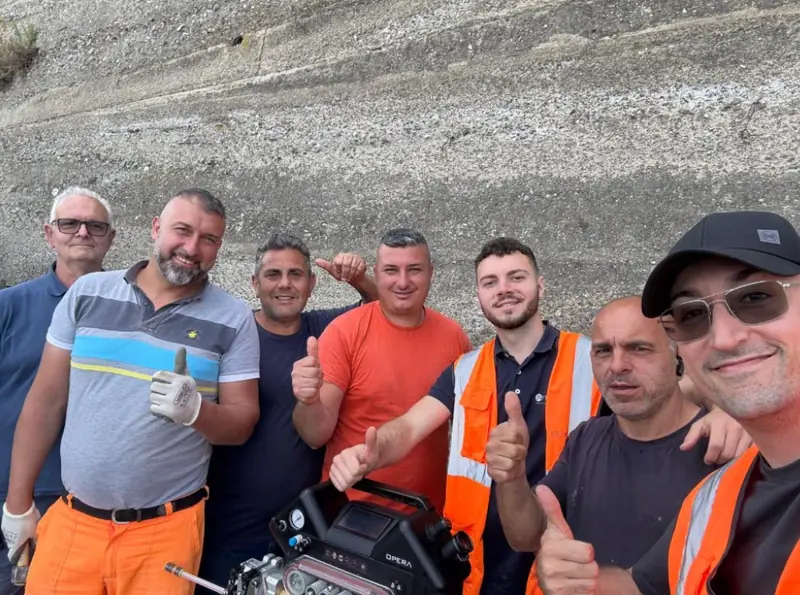
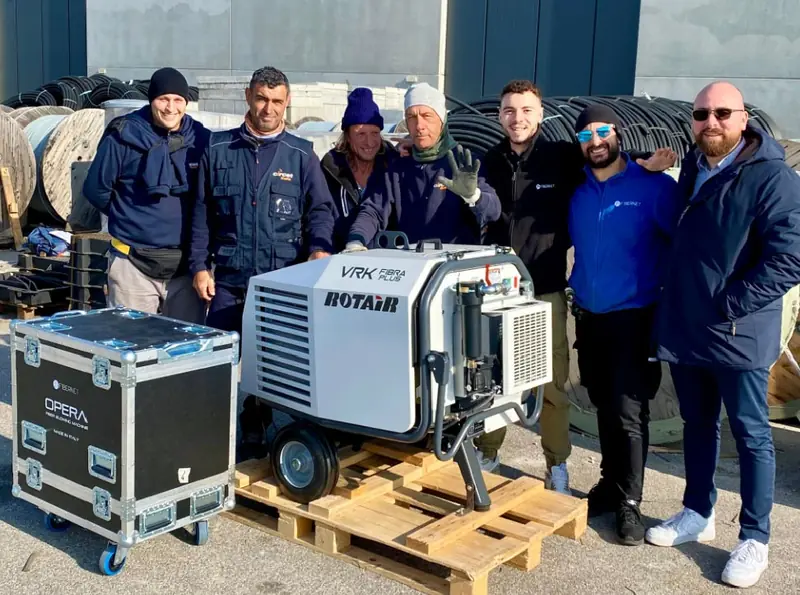
Photos and stories from installers, published by Fibernet.
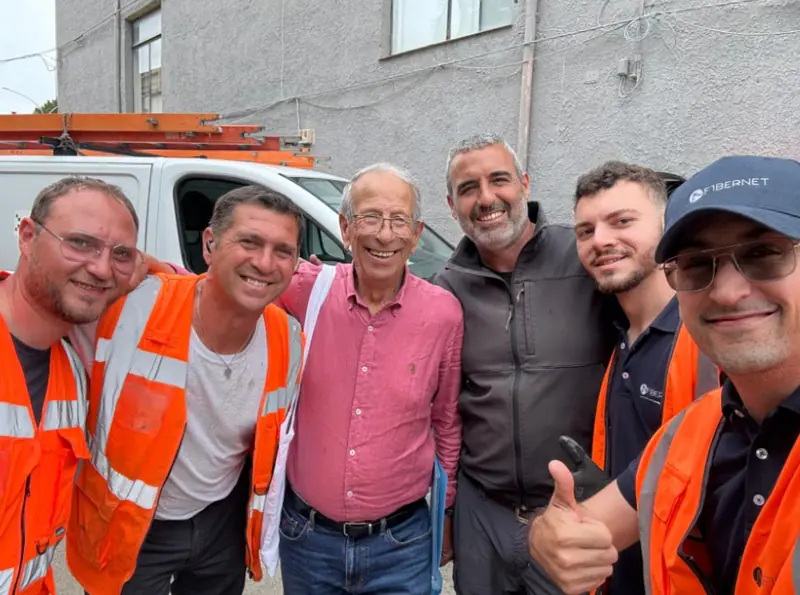
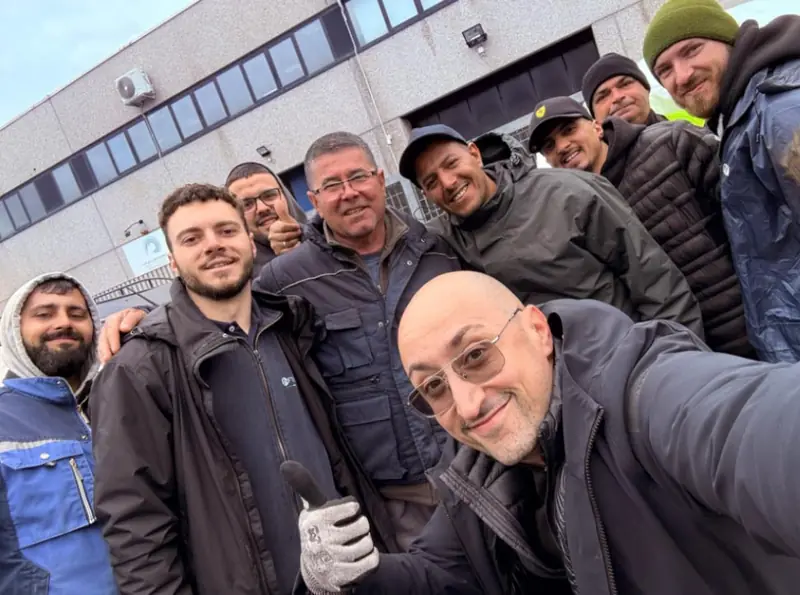
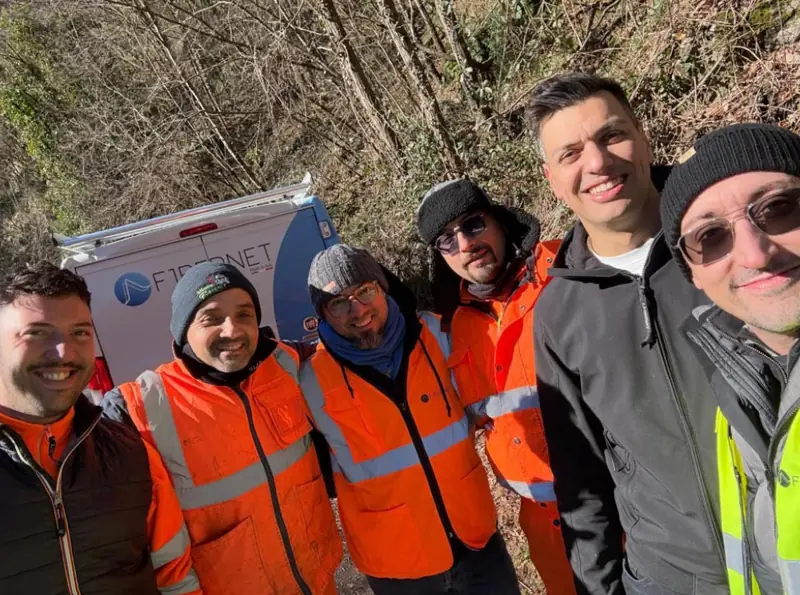 GoogleExcellentBased on 176 reviewsRead the reviews
Read on Google“An excellent experience on the installer training course. The whole team was professional and knowledgeable.”
Read on Google“I had the chance to try the Opera cable blowing machine on site…”
Read on Google“I really enjoyed this course. It took place in a pleasant setting with friendly, helpful people.”
Stories from installers
Hear the results from the installers themselves. Watch their testimonials right here.
Product videos
Three machines. Find your fit.
Start with the job at hand. Our technician can answer your questions about the right setup.
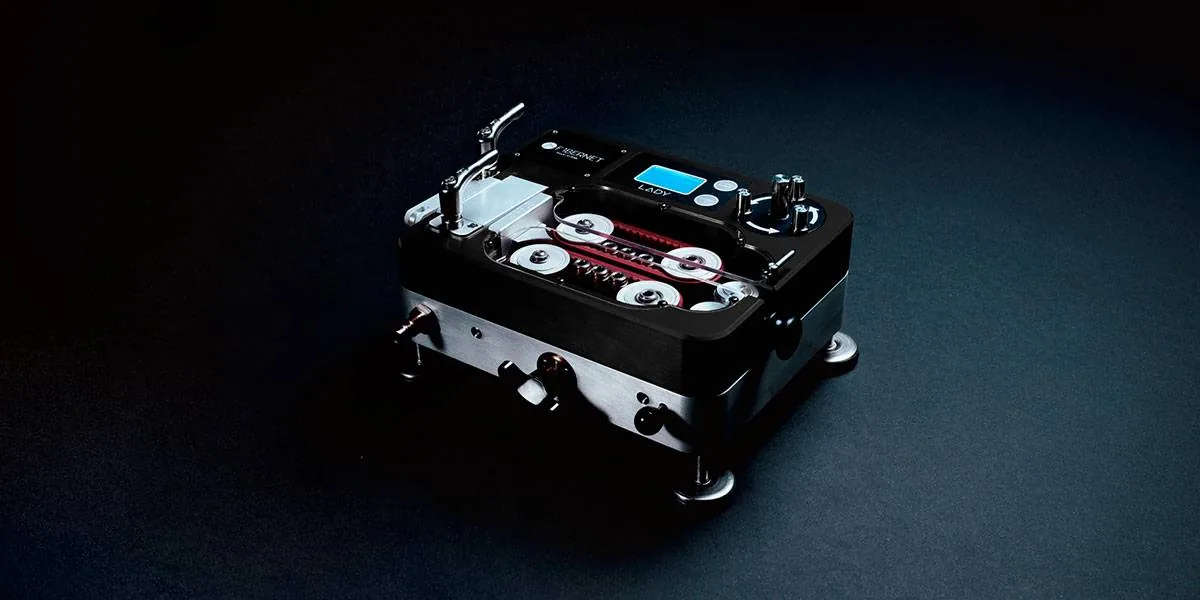
Compact and lightweight
A compact, lightweight machine for short runs.
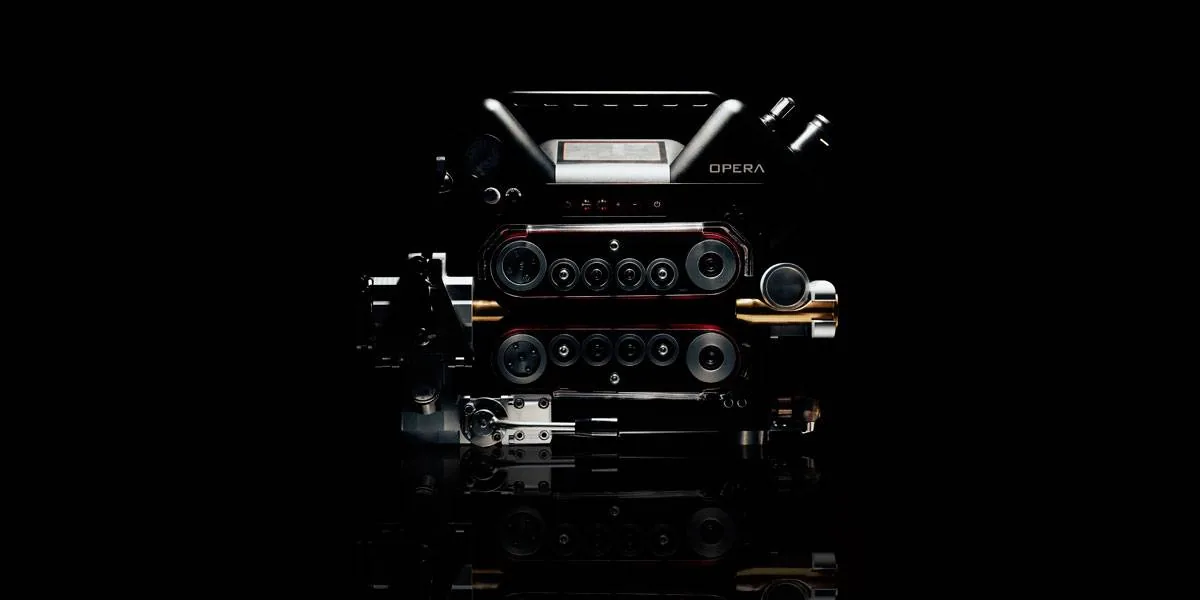
Pneumatic power
A pneumatic machine for long cable runs.
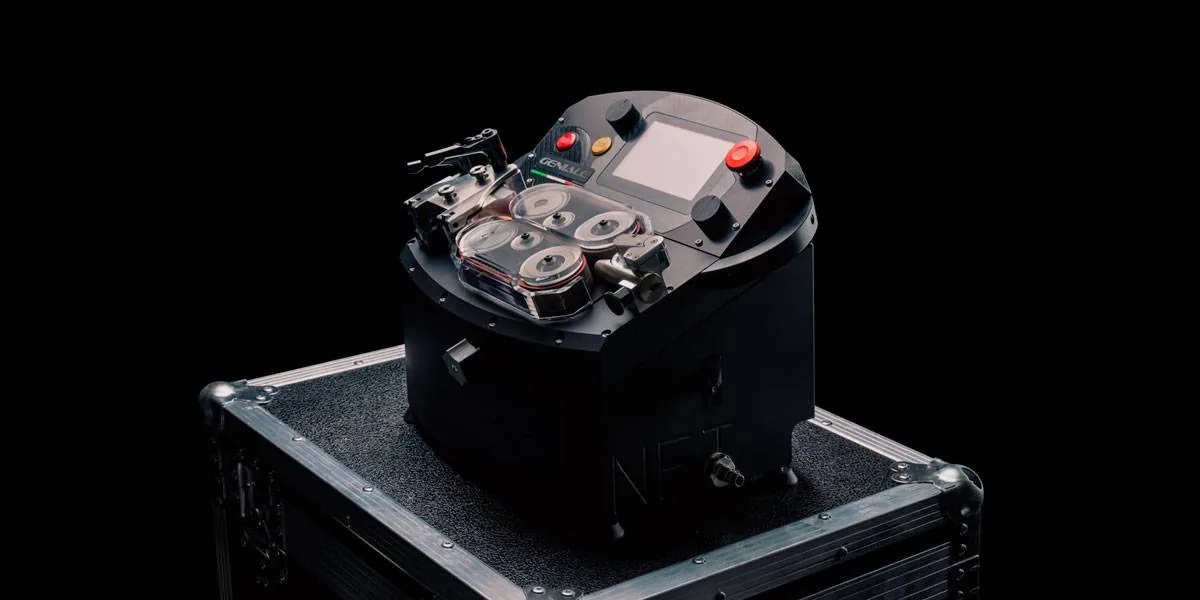
Electric, with two gears
For short and long runs. Two gears let you match force and speed to the job.
Specifications for the Fibernet range. The speeds shown are maximum values. Actual results depend on installation conditions and machine setup.
Direct from the manufacturer
When you’re working on site, you need practical answers. With Fibernet, you speak directly to the people who design and build your cable blowing machine.
Speak to a technicianA specialist technician can help when you need it.
Spare parts ready to ship, direct from the manufacturer.
If your machine breaks down, a replacement may be available within 48 hours.
Check availability and terms with your technician.Get help making the most of your machine, from your very first job.
See it in action before you choose
Request a free hands-on demonstration on your site or at Fibernet’s test facility. Discuss a real job with the technician.
Request a free demonstration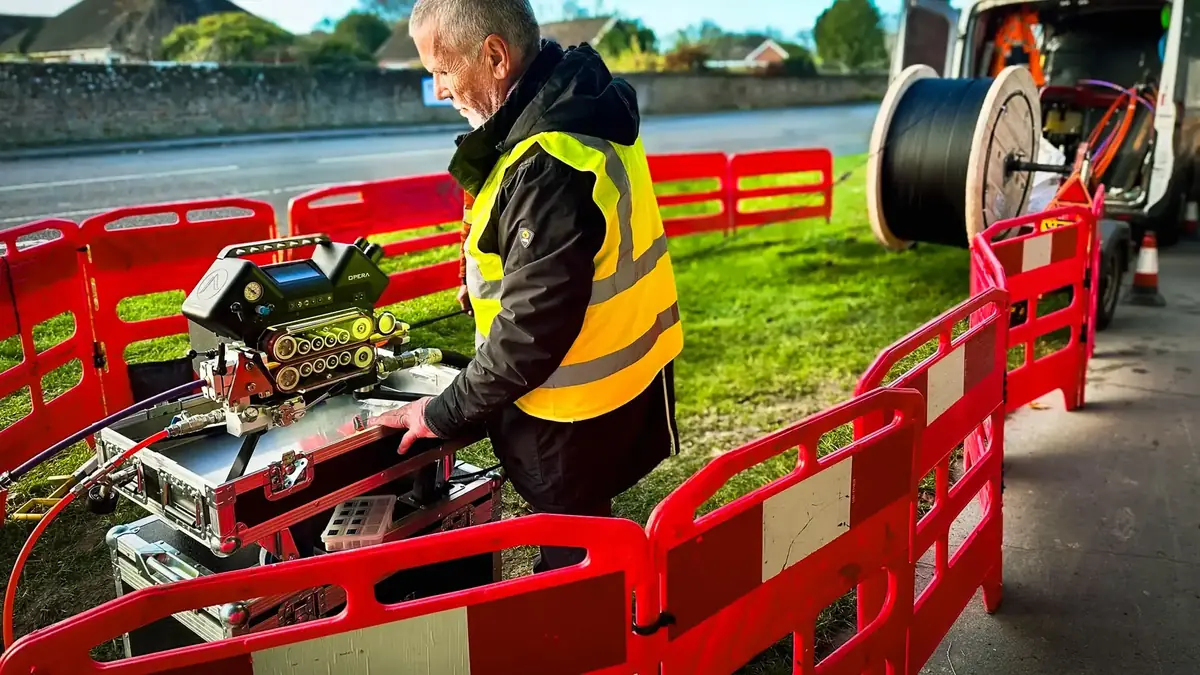
A used fiber blower should be assessed against the installations your crew expects to complete, not simply against the appeal of a lower purchase price. For American contractors evaluating equipment with Italian engineering behind it, the starting point is a clear description of the job: cable outside diameter, duct inside diameter, expected route length, bends, access points, and available compressed air. These details determine whether a particular machine deserves further consideration. Fibernet, founded in Italy in 2001, brings a technical background to that conversation and develops made-in-Italy cable blowing equipment, including Lady, introduced in 2021. Contacting the company allows you to discuss your application and ask about current equipment options without assuming that a particular preowned unit is available. Before committing to a used fiber cable blower, request identification of the exact model, its configuration, and the accessories included in the proposed sale. Cable guides, sealing components, drive elements, and duct connections must match the intended installation. A machine that looks complete in a photograph may still require additional components before it can handle your cable and duct combination. Ask whether operating documentation is available and whether the machine identification can be used to establish the correct replacement parts. Condition deserves equally close attention. Inspect the cable contact surfaces for wear, check that adjustments move correctly, and look for evidence of damage around fittings, guards, and mounting points. Request a demonstration using a representative setup wherever practical. A successful demonstration should show more than a moving cable: it should help establish that the controls work predictably, the cable remains properly guided, and the equipment can be stopped safely according to its operating instructions. Review the required air supply separately, because compressor pressure alone does not establish suitability; the machine's specified airflow, connections, and air preparation requirements also matter. When comparing a second hand fiber blower with a new alternative, include the time required to source missing components, assess wear, and prepare the equipment for deployment. A lower initial expense can be offset by uncertainty when a crew is scheduled to begin work. Fibernet's Italian manufacturing background and assistance in the United States and worldwide provide useful context for discussing ownership beyond the purchase itself. Ask what support applies to the specific model and serial number, particularly if the equipment is being purchased from another seller. The goal is a documented, application-based decision that gives your crew a suitable machine, a realistic preparation plan, and a clear route for obtaining technical assistance when questions arise during operation.
The most useful way to evaluate a used fiber blower is to compare complete working configurations rather than isolated asking prices. Start with the machine, then account for the components required to connect it to your cable, duct, and compressed-air supply. Add transportation, any applicable import expenses, inspection, replacement wear parts, and the labor needed to prepare the unit. For an American contractor sourcing equipment associated with Italian manufacturing, clarify the seller's location and the actual shipping origin before estimating delivery costs. A website address or product origin does not establish where a particular machine is stocked. Ask for a written quotation that separates the equipment from accessories and other charges, so your purchasing team can compare offers on the same basis. A fiber blower price becomes meaningful only when its scope is clear. One offer may include the necessary guides and seals, while another may cover the machine alone. Likewise, an attractive price does not establish that a preowned unit has been inspected, serviced, or tested. Request evidence for any such claim and distinguish a seller's description from a documented service record. If operating hours are provided, consider how they were recorded and what they reveal about maintenance; hours alone cannot establish condition. Storage conditions, handling, and the type of work previously performed may also affect the inspection priorities. Maintenance planning should form part of the financial assessment. Identify the components subject to normal wear, ask how replacement parts are ordered, and confirm whether documentation exists for the exact configuration. Determine who will answer technical questions and whether assistance is available for that particular unit. Fibernet offers made-in-Italy equipment with assistance in the United States and worldwide, but the applicable arrangements for a previously owned machine should be confirmed directly rather than inferred from general company information. Comparing a used fiber blowing machine with a new machine also requires attention to commercial terms. Ask the seller to state any warranty, exclusions, return conditions, and acceptance procedure in writing. Do not assume that protections offered with new equipment transfer to a later owner. Where practical, agree on an inspection or demonstration before final acceptance. Consider scheduling as well: a machine that needs uncertain repairs may not fit a project with fixed mobilization dates. Conversely, a properly assessed preowned unit may suit a business whose applications match its capabilities and whose purchasing decision accounts for preparation costs. Use www.fibernetsrlusa.com to discuss requirements and request clarification about available options. A sound comparison should leave your team knowing what is included, what remains to be purchased, what condition has been demonstrated, and which support arrangements have actually been confirmed.
Successful deployment begins before a used fiber blower reaches the jobsite. Assign responsibility for checking its configuration, reviewing the operating instructions, and confirming that the planned cable and duct dimensions fall within the specifications of the exact machine. Avoid relying on assumptions drawn from another model or from a previous installation. Even equipment that appears similar can require different guides, seals, adjustments, or air connections. Record the machine identification and keep relevant documentation accessible to the crew. This preparation is particularly important when equipment changes hands, because accessories and instructions can become separated from the unit during resale. A practical handover should explain what has been inspected, which parts have been replaced, and which checks remain outstanding. At the worksite, follow the manufacturer's procedures for setup and operation, including the specified precautions for pressurized air and moving drive components. Establish communication between personnel at the machine and those monitoring the receiving point. Inspect the planned duct route using appropriate procedures before installation, and address obstructions or unsuitable connections rather than expecting the machine to overcome them. Cable blowing results depend on the combined condition of the equipment, cable, duct, and air supply; no responsible assessment should promise a fixed installation distance without those details. If progress becomes abnormal, stop and investigate according to the operating instructions instead of simply increasing force or pressure. For a crew evaluating a fiber optic cable blower, controllability and correct cable guidance deserve attention alongside headline performance figures. Ask how the equipment should be adjusted for the intended application and how operators can recognize conditions requiring a stop. Confirm the cleaning, inspection, and storage procedures recommended for the model. Routine care should include the manufacturer-specified checks, with findings recorded so that developing wear is not overlooked between projects. Before maintenance, follow the instructions for isolating energy sources and releasing stored pressure safely. Fibernet's history helps explain its emphasis on practical equipment development. Founder Giancarlo Trinei worked on early Italian cable installations and testing, and the company later introduced its Lady blowing machine in 2021. The family business expanded through a generational transition beginning in 2010, maintaining a connection between technical experience and product development. For buyers considering a used fiber optic cable blowing machine, that background is a reason to ask informed questions, not a substitute for inspecting the individual unit. Discuss the machine identification, required accessories, and support needs with Fibernet through www.fibernetsrlusa.com. Its made-in-Italy products and assistance in the United States and worldwide offer a point of contact for clarifying equipment requirements. Confirm the applicable service arrangements before purchase, then build a deployment plan around documented compatibility, safe procedures, and realistic maintenance expectations.
Fill out the form and discover what Fibernet Srl can do for you!
Contact us!Before you get started
If you prefer, speak to us directly.
+39 346 652 9915Compare the cable diameter, duct diameter and installation distance. Lady is compact and lightweight for short runs. Opera is pneumatic and designed for long runs. Geniale is electric and handles both. A Fibernet technician can help you choose.
Yes. You can request a free hands-on demonstration on your site or at Fibernet’s test facility. Tell us what you need in the form and a technician will arrange it with you. Request a demonstration.
To get a price, contact a Fibernet advisor using the form or call +39 346 652 9915.
Fibernet offers direct technical support, spare parts ready to ship and dedicated training. If your machine breaks down, a replacement may be available. Ask your technician about availability and terms.
Tell us about your job. We’ll help you find the right cable blowing machine.