Emanuele Zanda
Google review
★★★★★
Read on Google“An excellent experience on the installer training course. The whole team was professional and knowledgeable.”
Cable blowing machines · Made in Italy
From last-mile connections to long-distance runs, a Fibernet technician can help you choose the right machine for your fiber optic cable installation.
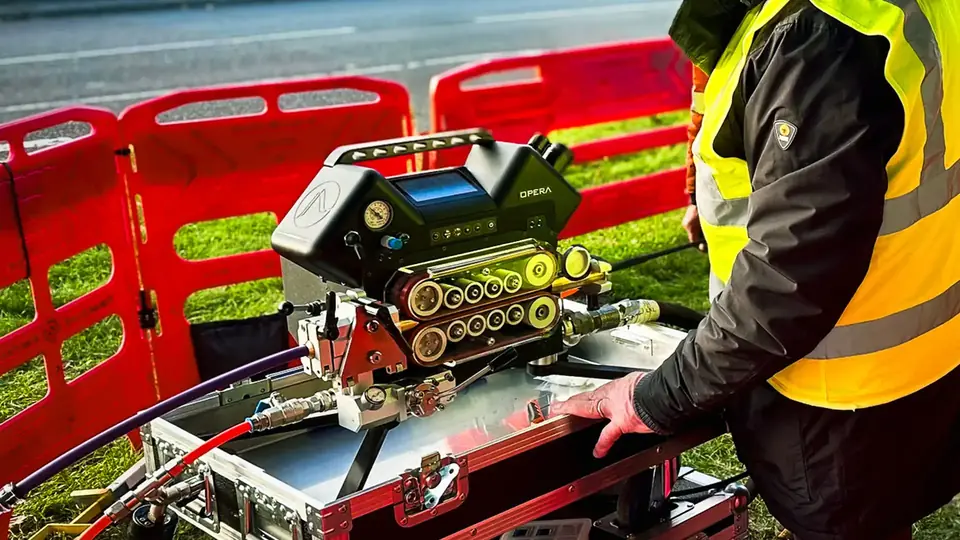
Opera, image 1 of 3
Expert advice direct from the manufacturer / Free demonstration on request
Some of our customers.

Keep your installation moving with Fibernet cable blowing machines.
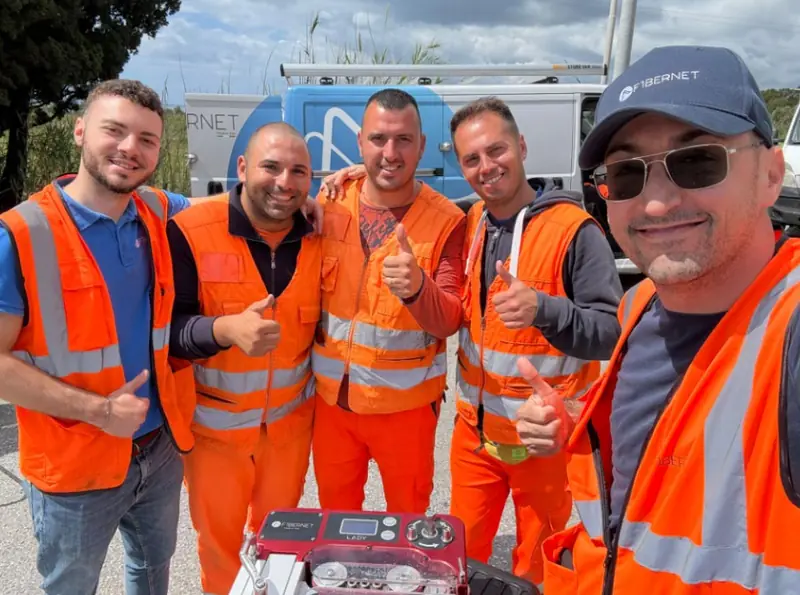
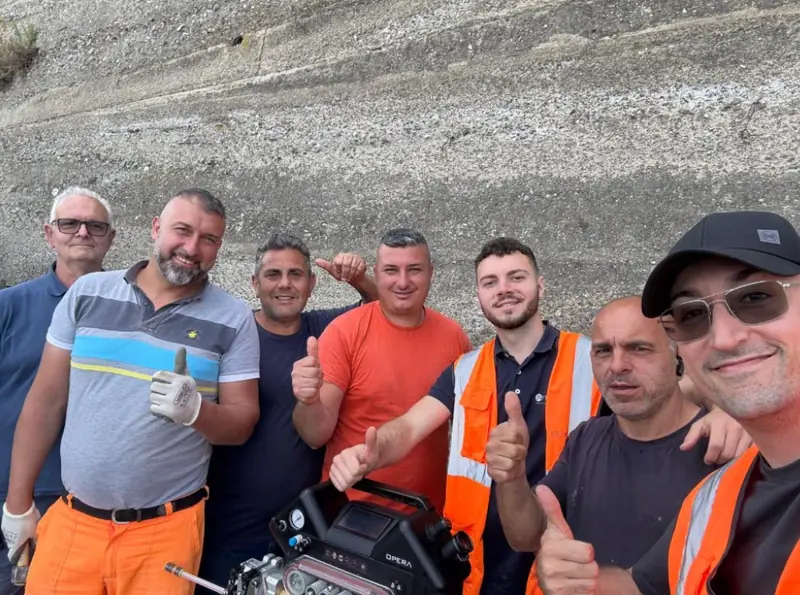
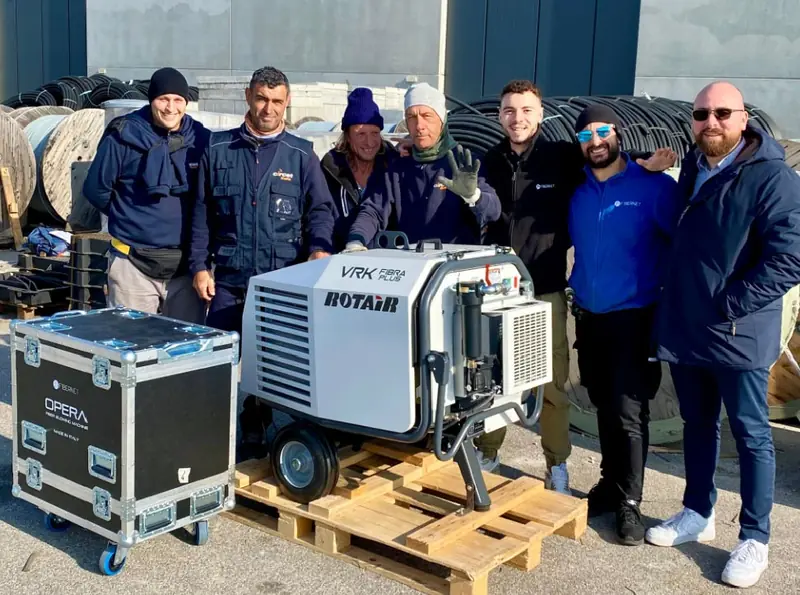
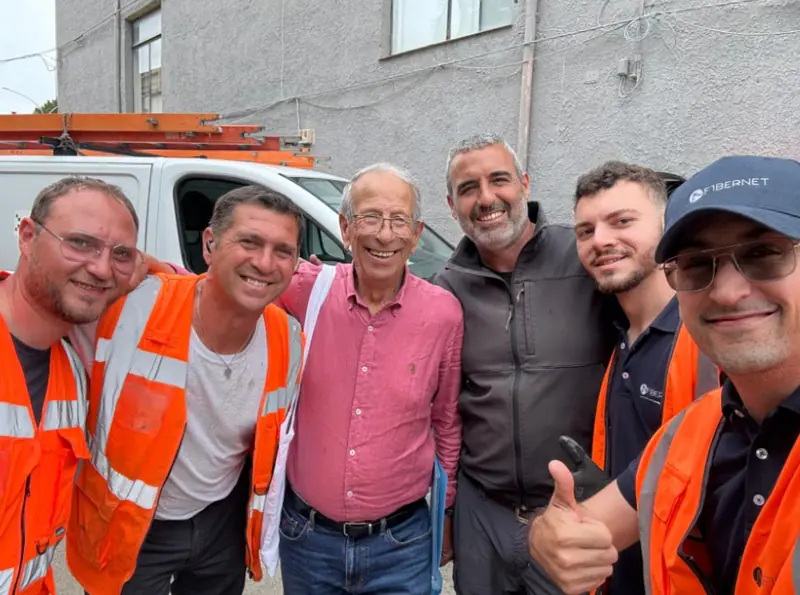
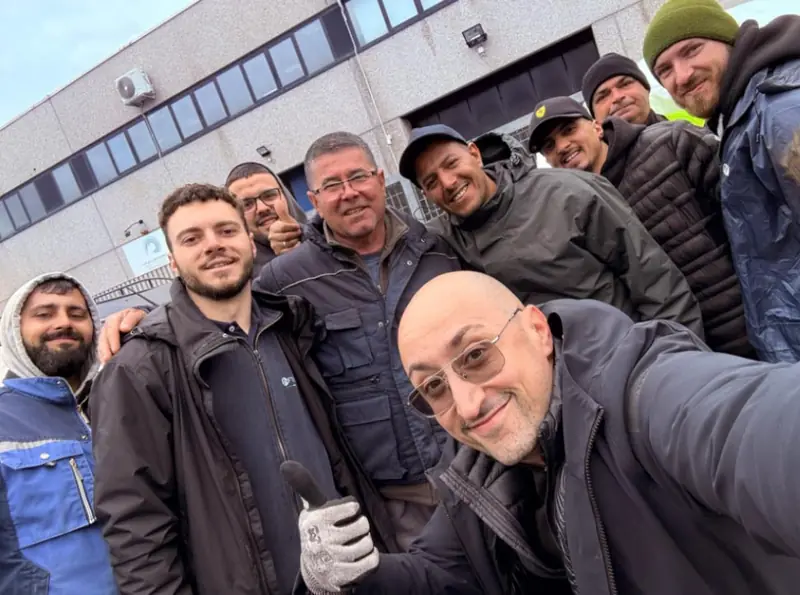
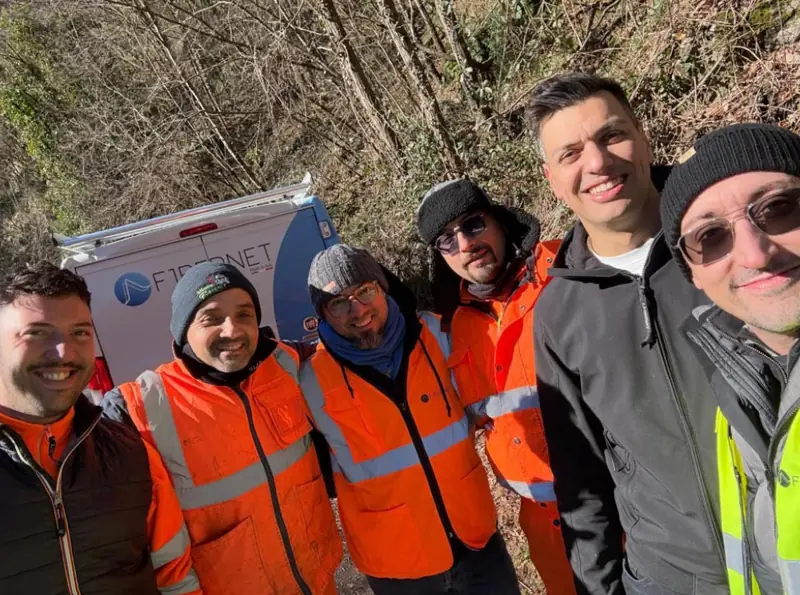
Photos and stories from installers, published by Fibernet.
 GoogleExcellentBased on 176 reviewsRead the reviews
Read on Google“An excellent experience on the installer training course. The whole team was professional and knowledgeable.”
Read on Google“I had the chance to try the Opera cable blowing machine on site…”
Read on Google“I really enjoyed this course. It took place in a pleasant setting with friendly, helpful people.”
Stories from installers
Hear the results from the installers themselves. Watch their testimonials right here.
Product videos
Three machines. Find your fit.
Start with the job at hand. Our technician can answer your questions about the right setup.
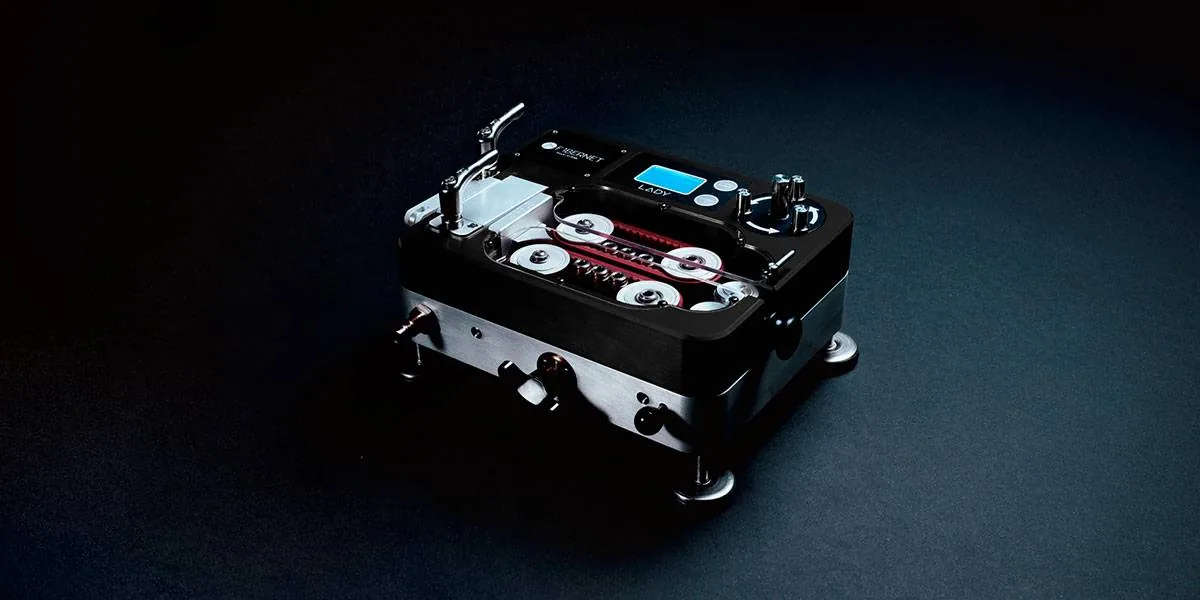
Compact and lightweight
A compact, lightweight machine for short runs.
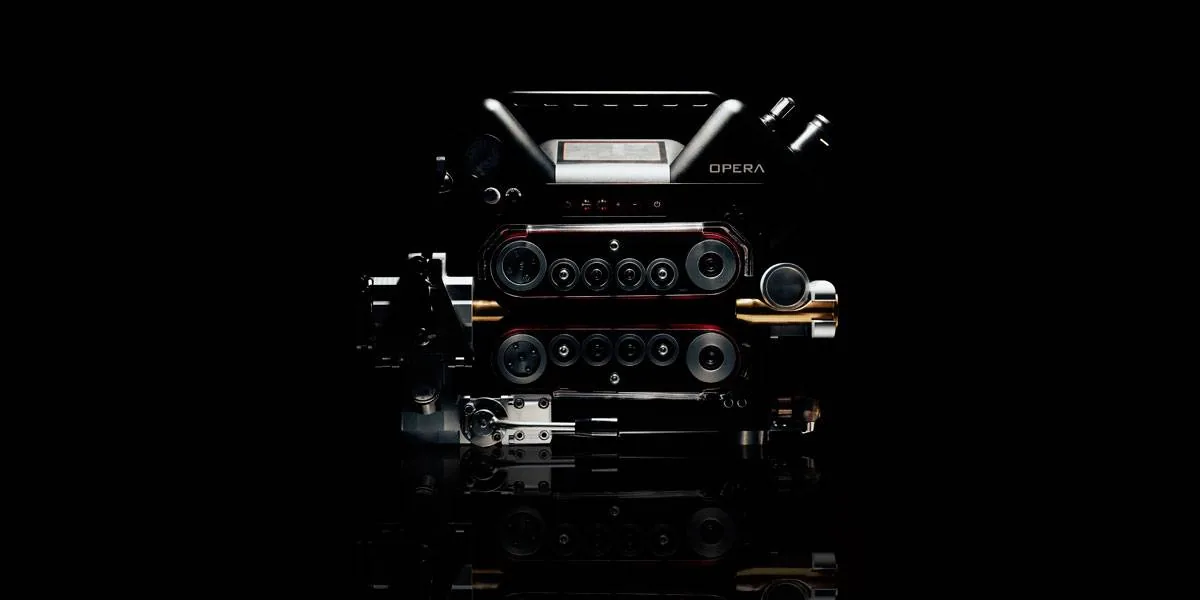
Pneumatic power
A pneumatic machine for long cable runs.
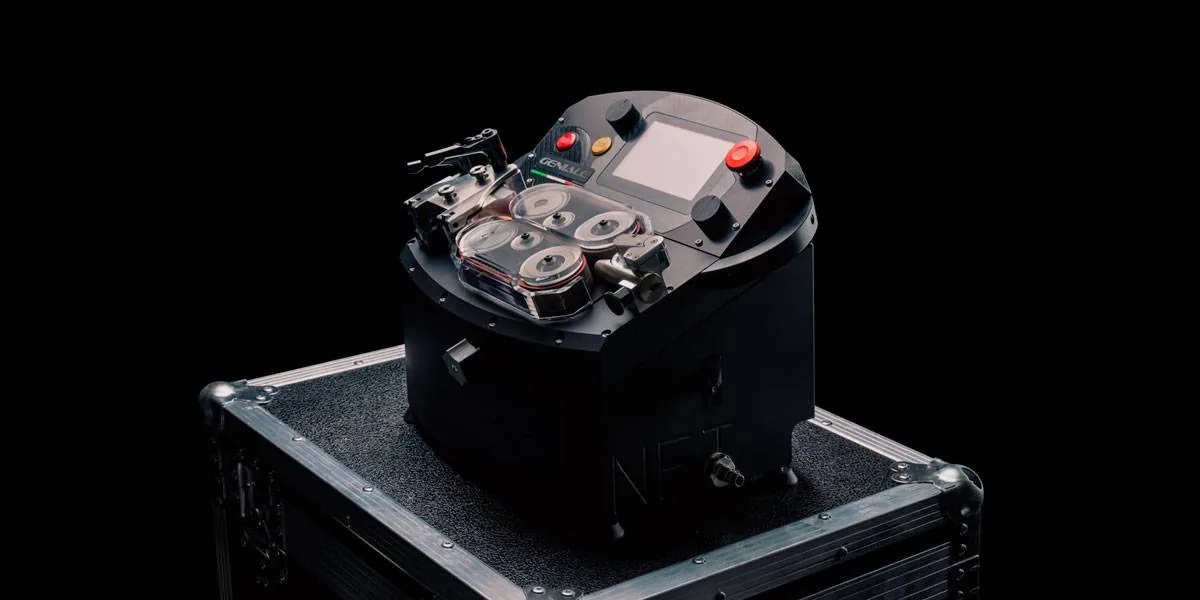
Electric, with two gears
For short and long runs. Two gears let you match force and speed to the job.
Specifications for the Fibernet range. The speeds shown are maximum values. Actual results depend on installation conditions and machine setup.
Direct from the manufacturer
When you’re working on site, you need practical answers. With Fibernet, you speak directly to the people who design and build your cable blowing machine.
Speak to a technicianA specialist technician can help when you need it.
Spare parts ready to ship, direct from the manufacturer.
If your machine breaks down, a replacement may be available within 48 hours.
Check availability and terms with your technician.Get help making the most of your machine, from your very first job.
See it in action before you choose
Request a free hands-on demonstration on your site or at Fibernet’s test facility. Discuss a real job with the technician.
Request a free demonstration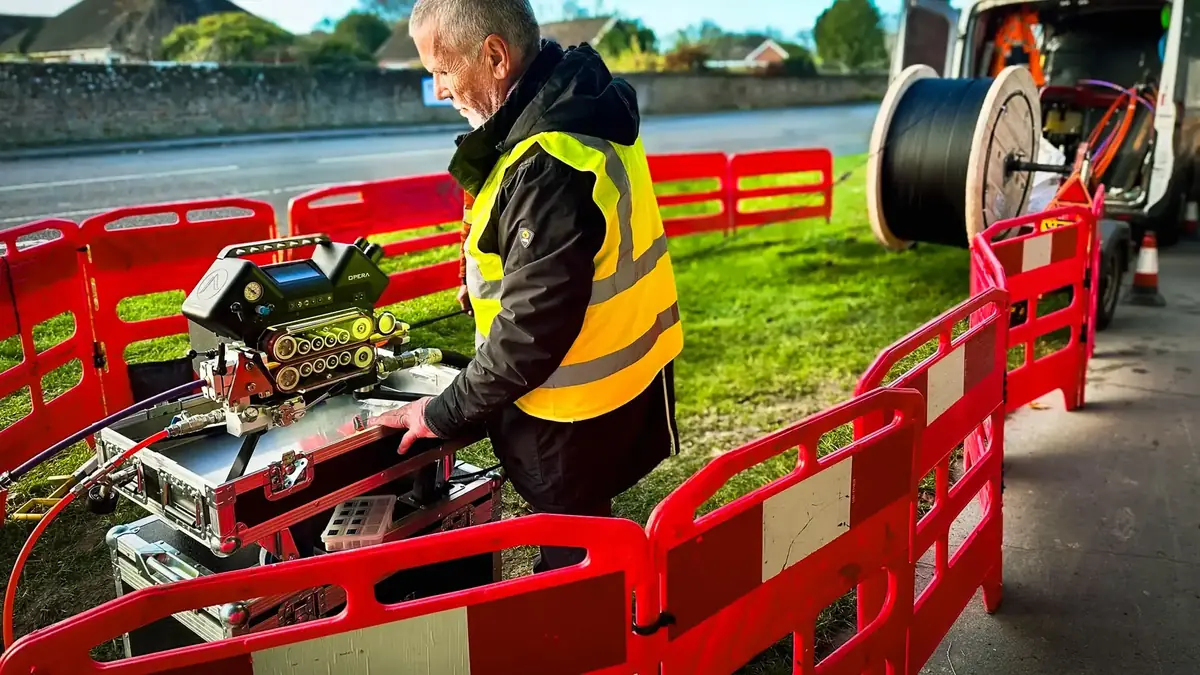
Choosing a pneumatic OFC cable blowing machine starts with understanding the installation rather than comparing equipment names alone. Contractors need a suitable relationship between cable diameter, duct internal diameter, cable stiffness, route geometry, and available compressed air. A machine that suits one cable and duct combination may require different accessories or settings for another. Fibernet brings an Italian engineering background to this selection process, with a business founded in 2001 and a technical heritage rooted in Giancarlo Trinei’s early work on installations in Italy. Its first cable blowing machine, Lady, was launched in 2021, marking a focused step into equipment designed for the practical demands of cable placement. For companies assessing Italian-made equipment, that background provides useful context, while the final purchasing decision should still depend on verified specifications and the intended application. A pneumatic cable blowing machine uses compressed air together with controlled mechanical feeding to help advance cable through a suitable duct. Airflow supports movement along the route, while the feeding mechanism introduces the cable at the entry point. Successful operation depends on keeping those functions coordinated without exceeding the limits specified for the cable, duct, or equipment. Before requesting a recommendation, prepare the cable outside diameter, duct dimensions, expected route length, number and severity of bends, and information about existing duct joints. Include details about the compressor already available on site, particularly its delivered airflow and working pressure. These inputs help establish whether a proposed configuration is appropriate and which points require further verification. For work in Italy, access restrictions, equipment positioning, and the distance between the compressor and the machine can also affect preparation. A compact work area does not remove the need for secure equipment placement, controlled cable pay-off, and safe access to operating controls. Teams should plan how the reel will be supported and how the cable will approach the feeding assembly without unnecessary bending or drag. When evaluating a pneumatic fiber cable blowing machine, ask how its compatible cable guides, duct connections, and operating adjustments match these conditions. Do not assume that an advertised maximum distance will be achievable on every route, because duct condition and cable characteristics can change the result substantially. Fibernet’s Italian-made product positioning is relevant to buyers seeking a direct connection with the manufacturer, including American contractors working with Italian engineering and requesting support in the United States or elsewhere. Confirm the support arrangements available for your location when discussing a purchase. The most useful starting point is a documented application review: identify the installation requirements, check the equipment configuration, and obtain a quotation that clearly explains what is included.
A productive blowing operation is usually built before the cable begins to move. Start by checking whether the duct route is continuous, correctly connected, and suitable for the intended procedure. Dirt, standing water, damaged sections, or poorly assembled couplings can restrict airflow and create resistance that no machine adjustment can reliably overcome. Use the inspection, cleaning, and integrity checks required by the duct supplier and the project method statement. Where approved lubrication is appropriate, follow the cable, duct, and lubricant suppliers’ instructions rather than applying an arbitrary amount. Compatibility matters because the wrong material can affect performance or damage components. The pneumatic OFC cable blowing machine should then be configured using accessories matched to the actual cable and duct dimensions. Correct guides and seals help maintain alignment and reduce avoidable air leakage at the entry point. The feeding elements must engage the cable according to the manufacturer’s procedure, without excessive pressure that could deform its jacket. Before operation, establish the cable manufacturer’s limits for pushing force, bending radius, and handling conditions. These are constraints to respect, not targets to approach automatically. A cable blowing machine for fiber optic cable installation must be considered as part of an operating setup that also includes the compressor, hoses, connections, reel support, and communication between personnel. Compressor selection requires attention to delivered airflow at the required pressure, not simply the largest pressure figure printed on a specification sheet. Long hoses, restrictive fittings, and leaks can reduce the air available at the equipment. Check the manufacturer’s requirements for air quality and any filtration or moisture management needed for the chosen configuration. During startup, follow the specified sequence and increase operating inputs only as permitted by the manual. Watch for inconsistent feeding, unexpected resistance, cable slip, or changes in sound that may indicate a problem. Stop and investigate abnormal behavior rather than compensating immediately with additional force or pressure. Personnel must follow site safety procedures, including depressurization before opening pressurized connections and keeping clear of moving feeding components. On routes with multiple access points, agree on communication signals and stopping responsibilities before beginning. These details are especially valuable when comparing a pneumatic fibre optic cable blowing machine for different job conditions: the right choice should support a repeatable procedure, not depend on improvisation. Record the cable and duct combination, route characteristics, compressor setup, and observed operating behavior after each installation. Over time, those records help teams estimate similar work more realistically and identify recurring preparation issues. Ask Fibernet which operating documentation and configuration guidance accompany the proposed equipment, and confirm the assistance available for your country before scheduling deployment.
The purchase price of a pneumatic OFC cable blowing machine is only one part of the investment decision. A useful quotation should define the machine configuration, included accessories, compatible cable and duct ranges, documentation, and any optional components needed for your work. Without that detail, two offers can appear comparable while covering very different operating requirements. Begin with the installations your business performs most often, then identify less frequent applications that may require additional guides, seals, or connections. Buying for an unrealistic maximum application can be as unhelpful as selecting equipment that cannot accommodate routine jobs. When reviewing fiber cable blowing machine price information, separate the base equipment cost from the expense of making it ready for your specific site conditions. Ask whether the quoted package includes the necessary duct adapters and cable handling components, and establish which compressor requirements must be met independently. Transport, taxes, delivery arrangements, and replacement consumables should also be clarified where applicable. These questions do not imply that every package must contain everything; they ensure that your purchasing team understands the scope before comparing proposals. Operating costs deserve equal attention. Time spent preparing a route, changing a configuration, cleaning equipment, or waiting for an appropriate replacement part can affect job profitability. Request information about routine maintenance, inspection points, and the process for identifying replacement components. Establish who to contact if feeding becomes irregular or an air leak develops, and what information the support team needs to investigate. Photographs of the setup, equipment identification, cable and duct dimensions, and a description of operating conditions can make an assistance request more useful. Fibernet’s family-led development provides context for buyers who value continuity between technical expertise and business leadership. The company began its generational transition in 2010, bringing Matteo, Marta, and Ismael into the business while retaining its founding values. For procurement purposes, however, the practical issue remains how that organization supports the product you intend to buy. When discussing a pneumatic optical fibre cable blowing machine, request confirmation of assistance arrangements in the United States and worldwide, including the communication channel, applicable service terms, and how parts are supplied to your location. Do not assume that response times or stock availability are identical in every market. Italian manufacturing can be an important purchasing preference, but documented suitability and clear support arrangements make that preference commercially meaningful. Share your expected workload, typical cable sizes, duct specifications, and existing compressor details with Fibernet through its website. A project-specific discussion can help clarify the suitable configuration and provide a more useful quotation than a generic price request, allowing your team to assess equipment, preparation requirements, and ownership costs together.
Fill out the form and discover what Fibernet Srl can do for you!
Contact us!Before you get started
If you prefer, speak to us directly.
+39 346 652 9915Compare the cable diameter, duct diameter and installation distance. Lady is compact and lightweight for short runs. Opera is pneumatic and designed for long runs. Geniale is electric and handles both. A Fibernet technician can help you choose.
Yes. You can request a free hands-on demonstration on your site or at Fibernet’s test facility. Tell us what you need in the form and a technician will arrange it with you. Request a demonstration.
To get a price, contact a Fibernet advisor using the form or call +39 346 652 9915.
Fibernet offers direct technical support, spare parts ready to ship and dedicated training. If your machine breaks down, a replacement may be available. Ask your technician about availability and terms.
Tell us about your job. We’ll help you find the right cable blowing machine.