Emanuele Zanda
Google review
★★★★★
Read on Google“An excellent experience on the installer training course. The whole team was professional and knowledgeable.”
Cable blowing machines · Made in Italy
From last-mile connections to long-distance runs, a Fibernet technician can help you choose the right machine for your fiber optic cable installation.
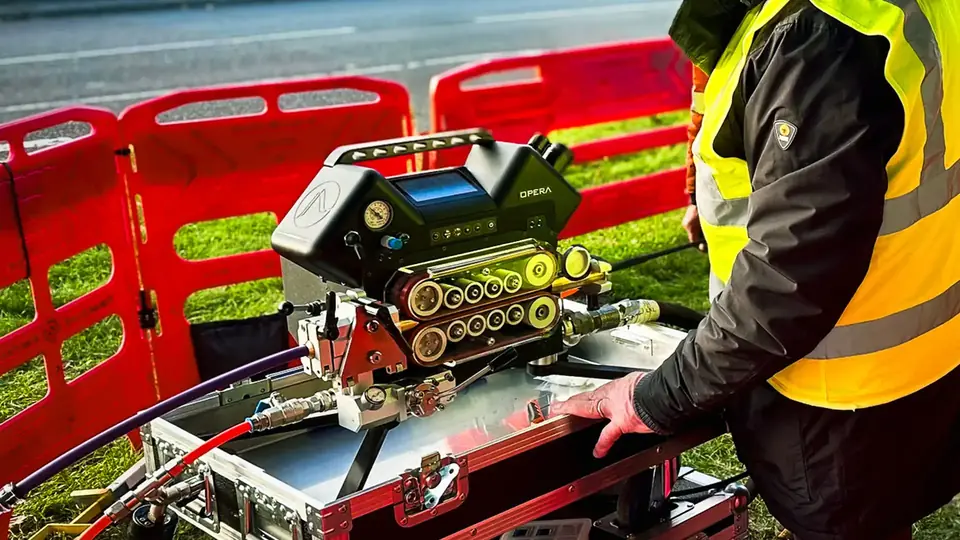
Opera, image 1 of 3
Expert advice direct from the manufacturer / Free demonstration on request
Some of our customers.

Keep your installation moving with Fibernet cable blowing machines.
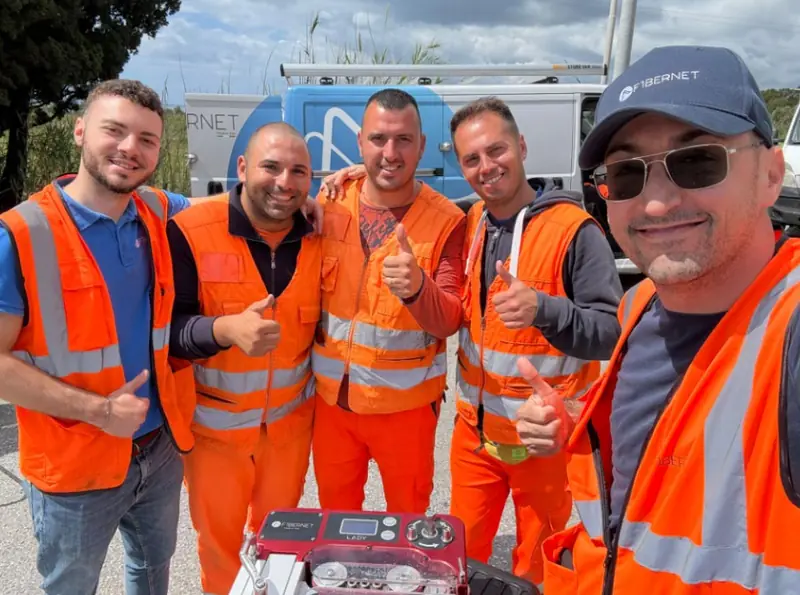
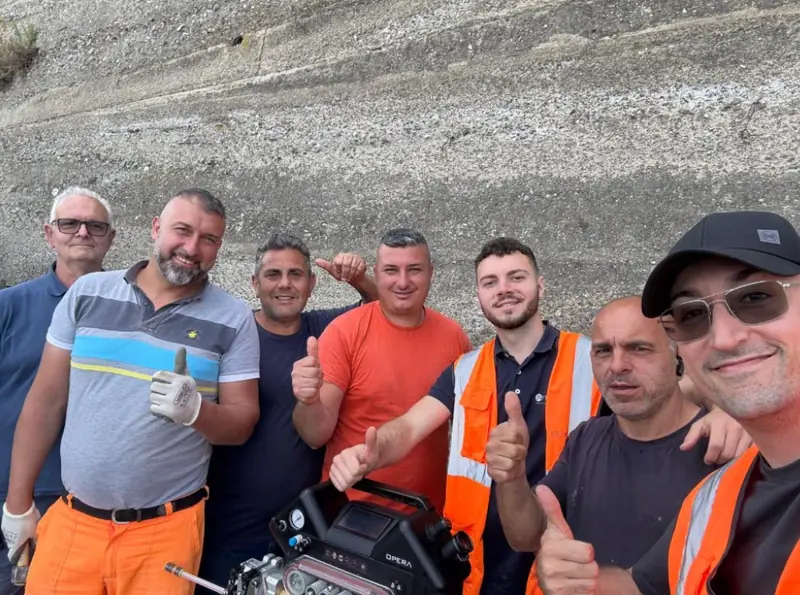
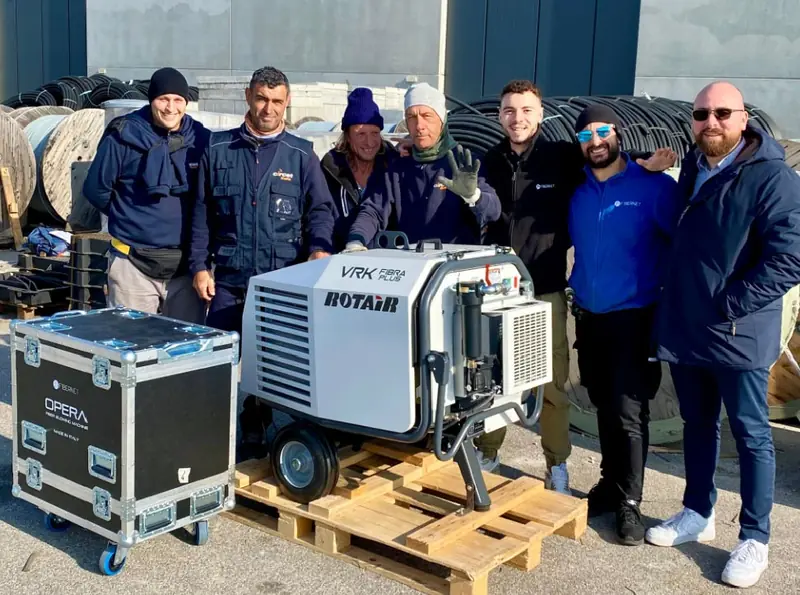
Photos and stories from installers, published by Fibernet.
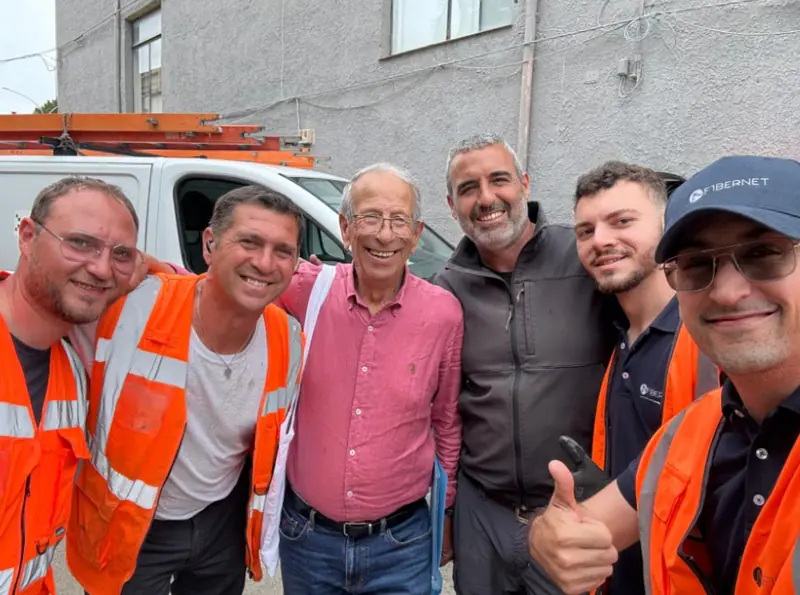
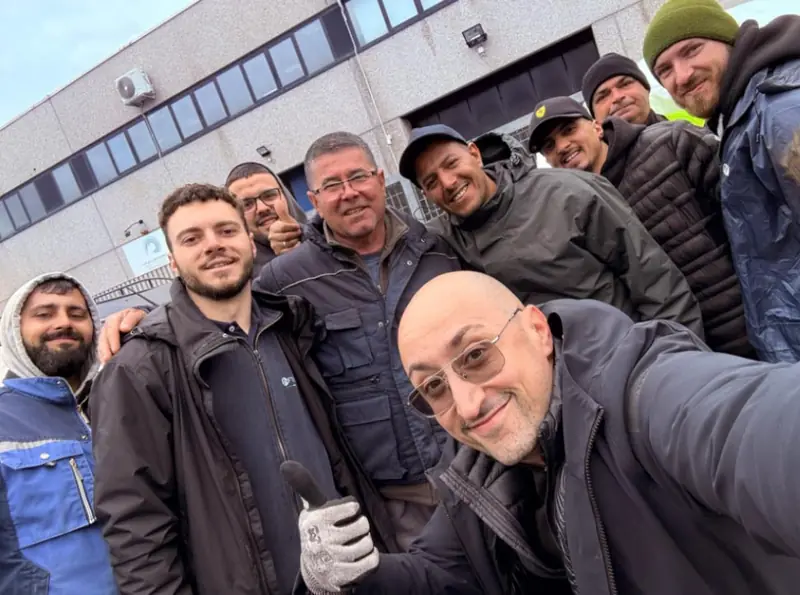
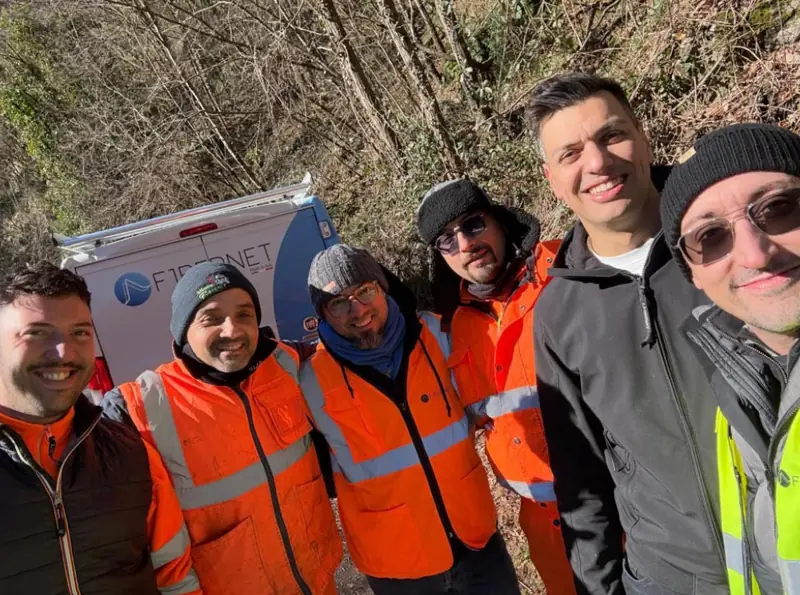 GoogleExcellentBased on 176 reviewsRead the reviews
Read on Google“An excellent experience on the installer training course. The whole team was professional and knowledgeable.”
Read on Google“I had the chance to try the Opera cable blowing machine on site…”
Read on Google“I really enjoyed this course. It took place in a pleasant setting with friendly, helpful people.”
Stories from installers
Hear the results from the installers themselves. Watch their testimonials right here.
Product videos
Three machines. Find your fit.
Start with the job at hand. Our technician can answer your questions about the right setup.
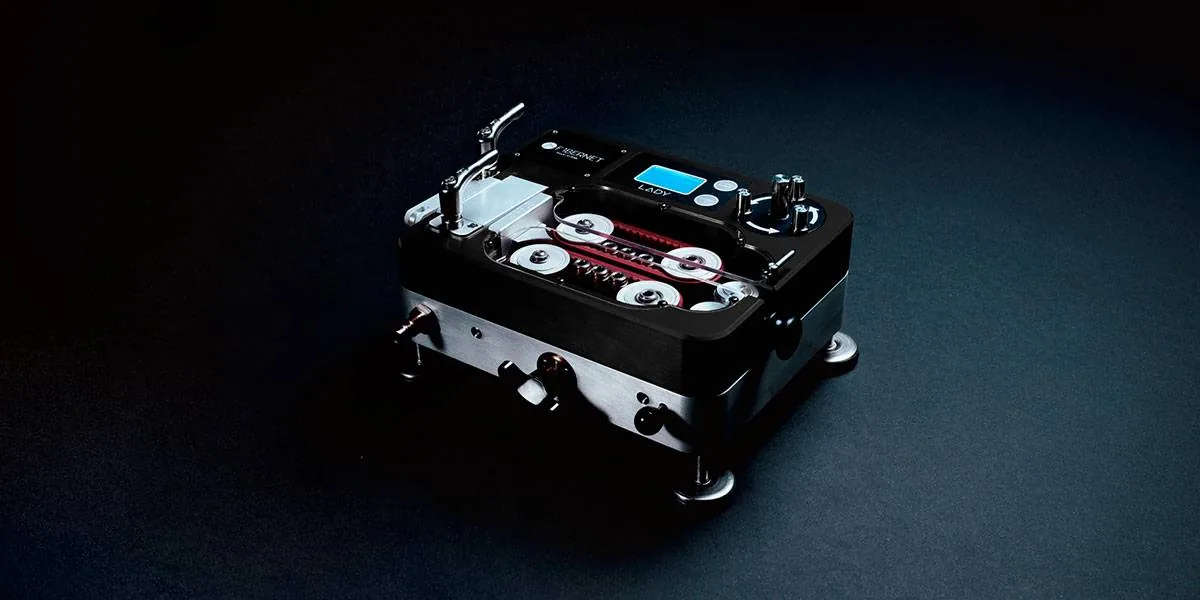
Compact and lightweight
A compact, lightweight machine for short runs.
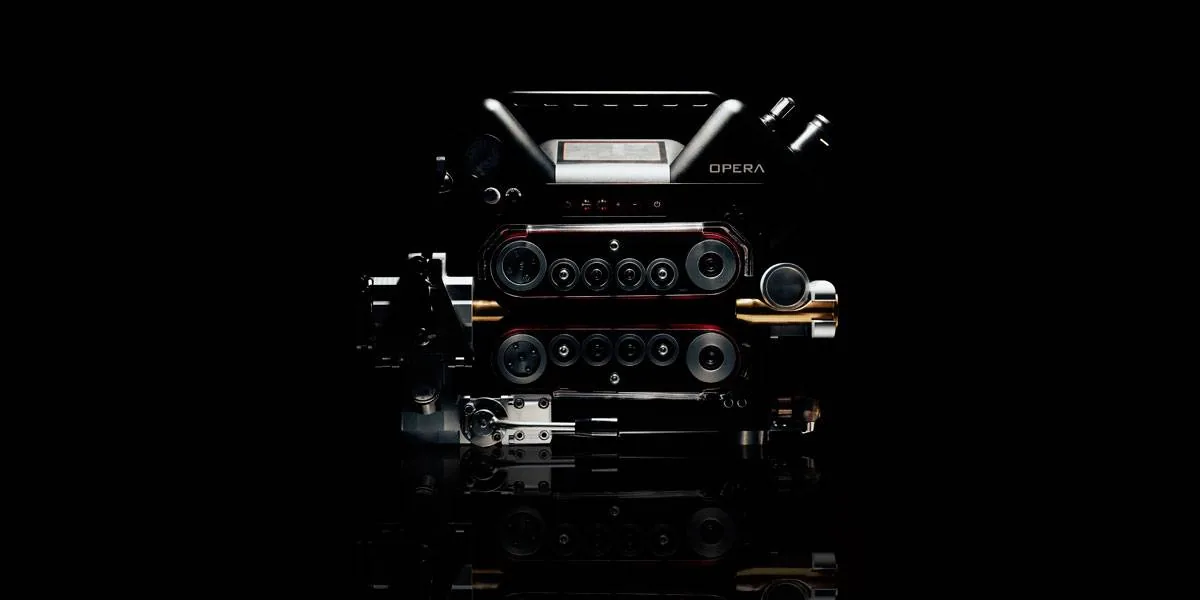
Pneumatic power
A pneumatic machine for long cable runs.
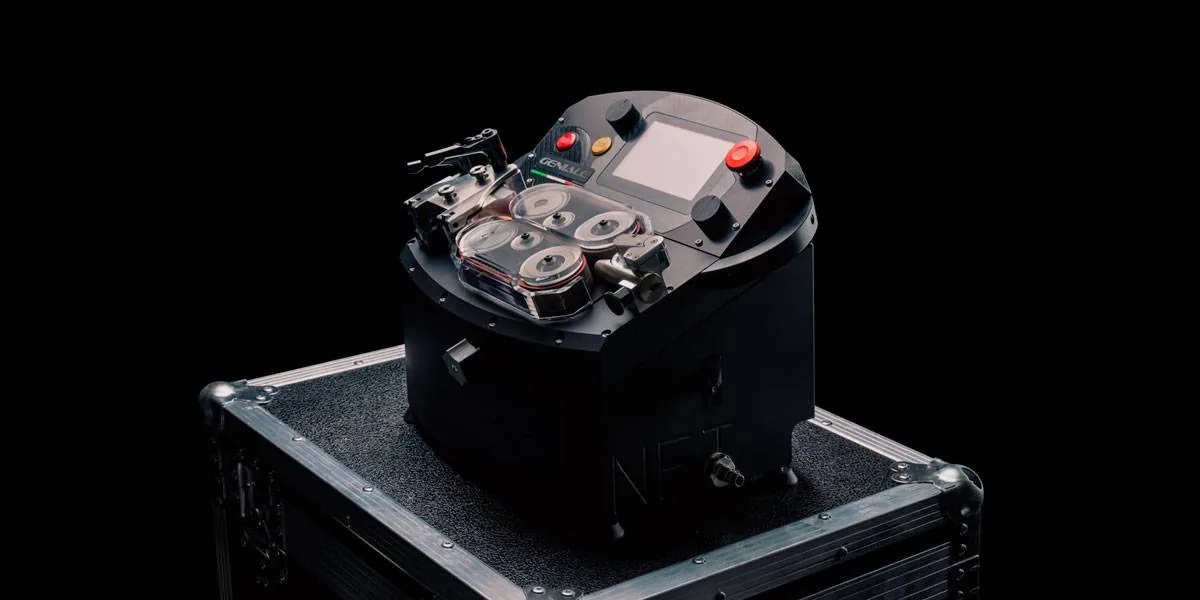
Electric, with two gears
For short and long runs. Two gears let you match force and speed to the job.
Specifications for the Fibernet range. The speeds shown are maximum values. Actual results depend on installation conditions and machine setup.
Direct from the manufacturer
When you’re working on site, you need practical answers. With Fibernet, you speak directly to the people who design and build your cable blowing machine.
Speak to a technicianA specialist technician can help when you need it.
Spare parts ready to ship, direct from the manufacturer.
If your machine breaks down, a replacement may be available within 48 hours.
Check availability and terms with your technician.Get help making the most of your machine, from your very first job.
See it in action before you choose
Request a free hands-on demonstration on your site or at Fibernet’s test facility. Discuss a real job with the technician.
Request a free demonstration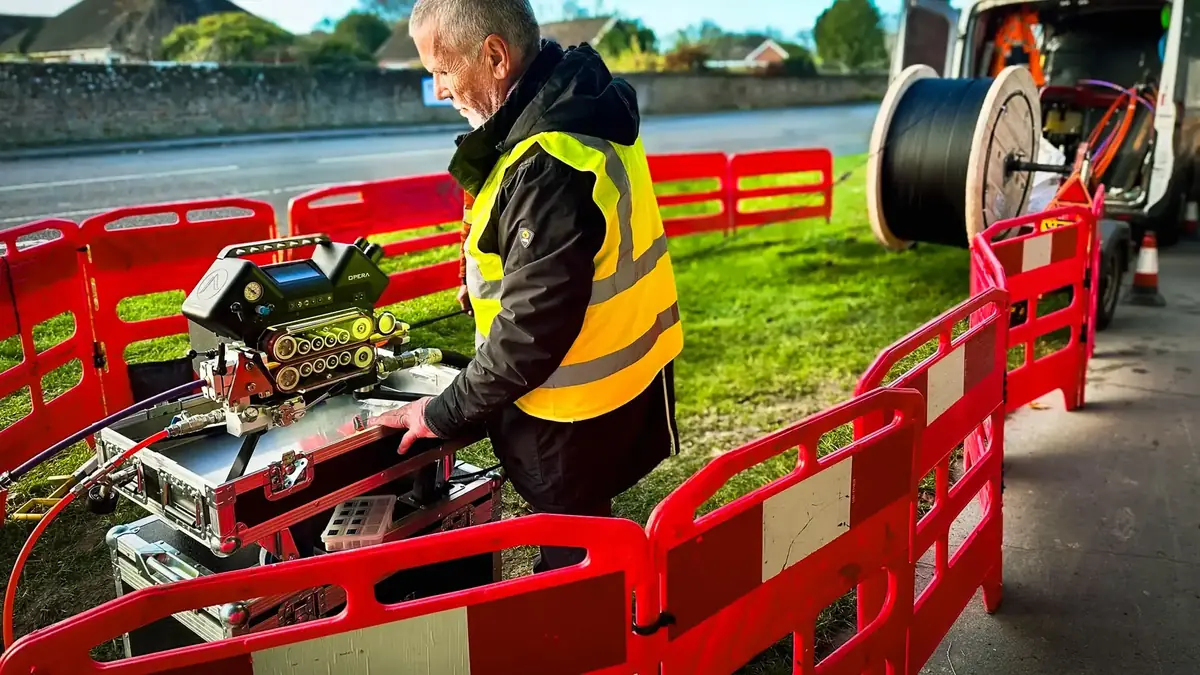
Selecting a pneumatic fibre blower starts with the cable and duct combination, not with a headline installation distance. A machine must suit the cable diameter, the duct dimensions, and the mechanical limits specified by the cable manufacturer. Compressed air helps carry the cable through the duct, while a controlled feeding mechanism advances it at the entry point. The interaction between these forces matters: excessive pushing can damage a cable, while inadequate airflow or poor sealing can prevent steady progress. For contractors comparing equipment for projects in Italy, the most useful starting point is therefore a clear description of the installation rather than an assumed universal machine specification. Fibernet brings Italian engineering experience to this discussion, with a company history dating to 2001 and technical roots in founder Giancarlo Trinei’s work on early Italian installations during the 1980s. Its first cable blowing machine, Lady, was launched in 2021. When discussing a pneumatic fibre cable blower with Fibernet, prepare the cable datasheet, duct internal and external diameters, route length, and any known bends or changes in elevation. These details help establish which configuration should be assessed and which operating limits need confirmation. Compressor suitability deserves equal attention. Pressure alone does not describe the available air supply; airflow, connection losses, air quality, and the requirements of the selected equipment also affect the installation. Ask for the relevant specifications before arranging a compressor or moving machinery to the worksite. Duct condition can be just as decisive as machine selection. Check continuity, joint integrity, cleanliness, and the absence of water or obstructions using procedures approved for the duct system. Where lubrication is appropriate, confirm compatibility with the cable sheath, duct material, and equipment instructions rather than choosing a product solely because it reduces friction. A compressed air fibre blower should be evaluated as part of this complete working setup. Site access also influences practical decisions: the crew needs space for stable machine positioning, controlled cable payout, compressor connections, and safe communication between workers. A compact access location may require a different arrangement from an open roadside work area, even when the cable specification is identical. Establish how the cable drum will be supported and how the cable will enter the machine without sharp bends. Before starting, agree on stop signals, inspection responsibilities, and the information to record during the operation. This preparation helps contractors ask precise questions and avoid purchasing around assumptions. Contact Fibernet with the installation details to discuss made-in-Italy equipment and clarify the support arrangements available for work in Italy, the United States, or other project locations worldwide.
A successful cable blowing operation depends on how consistently the crew manages the full installation sequence. Before connecting a pneumatic fibre blower, establish the cable manufacturer’s limits for bending, pushing, and handling, then compare them with the instructions for the selected machine. The objective is controlled advancement without subjecting the cable to avoidable mechanical stress. Confirm that the guides, seals, and feeding components are appropriate for the specific cable and duct combination; a component that fits physically is not necessarily suitable for operation. Inspect contact surfaces for contamination or wear, and follow the prescribed adjustment procedure rather than increasing grip until the cable moves. During setup, align the drum, machine, and duct entry so that the cable follows a smooth path. Poor alignment can introduce resistance before the cable even reaches the underground route. Assign one operator responsibility for monitoring machine behavior and another, where the work arrangement requires it, for observing cable payout and communicating changes. Everyone involved should understand how to stop the operation safely. A pneumatic fibre optic cable blower uses compressed air, so connection security and pressure management require particular attention. Inspect hoses and couplings according to the equipment instructions, respect all rated limits, and isolate and depressurize the system before opening connections or making adjustments. Never treat a stalled cable as a reason to increase pressure or pushing force beyond approved settings. Instead, stop and investigate possible causes, including restricted airflow, duct leakage, excessive route resistance, drum handling problems, or an unsuitable setup. Useful records include the cable and duct identification, installed section, equipment configuration, compressor details, operating observations, and the location of any interruption. Such records support troubleshooting and make later installations easier to compare without assuming that every route behaves alike. When discussing a fibre cable blower with Fibernet, ask which controls, monitoring provisions, and adjustment procedures apply to the proposed model. Do not assume that a particular display, automatic protection function, or measurement capability is included unless it appears in the confirmed specification. The same discipline applies to accessories: establish which items are supplied, which are optional, and which must be selected for each cable size. After use, clean and inspect the machine as directed, check wear components, and store seals and accessories so they remain identifiable and protected. Planned maintenance should reflect actual operating conditions, especially where dust, moisture, or frequent transport increase exposure. For teams coordinating between Italian projects and American operations, clear English documentation and agreed technical contacts can simplify communication. Ask Fibernet to confirm the documentation, remote assistance, spare parts process, and location-specific support available before the equipment enters service. A repeatable procedure helps crews protect the cable, identify problems earlier, and make better use of the machine’s verified capabilities.
The purchase decision for a pneumatic fibre blower should account for more than the machine’s initial quotation. Contractors need to understand what the proposed configuration includes, how it fits their expected workload, and what will be required to keep it operational. Start by describing the cable sizes and duct combinations used most frequently, then identify less common assignments that could require additional components. Ask for an itemized proposal covering the machine, applicable accessories, consumable or wear items, documentation, and any separately priced services. This makes a fibre blower price more meaningful because it connects the commercial offer to an actual working configuration. It also prevents misleading comparisons between a basic unit and a package prepared for several installation scenarios. Compressor availability, transportation, setup time, routine checks, and parts replacement can all affect the overall cost of ownership. Avoid calculating productivity from an advertised maximum distance alone: route geometry, duct condition, air supply, cable characteristics, and operator procedures influence real results. Where a demonstration or application review is available, agree beforehand on the conditions being evaluated and the observations that will inform the purchasing decision. A used fibre blower may appear attractive for occasional work, but its value depends on verifiable condition and compatibility. Check its maintenance history, identification, available documentation, included components, and access to replacement parts. Ask whether the equipment can be inspected and whether support is available for that exact model. These checks do not make used equipment inherently unsuitable; they help distinguish an economical purchase from an uncertain maintenance commitment. Fibernet’s story offers another relevant point of comparison for buyers seeking a direct technical relationship. Founded in 2001, the company developed from Giancarlo Trinei’s practical experience and later welcomed Matteo, Marta, and Ismael into the family business as the generational transition began in 2010. The launch of Lady in 2021 marked its entry into cable blowing machinery. For customers considering made-in-Italy equipment, this background provides context, but the purchasing discussion should still focus on documented specifications and confirmed service arrangements. Buyers operating in Italy, American contractors, and organizations working internationally should clarify where assistance is delivered, how technical questions are submitted, and how replacement components reach the project location. Discuss support in the United States and worldwide with Fibernet, including availability, shipping responsibilities, response arrangements, and any applicable service conditions. Do not assume that international assistance means identical on-site coverage in every country. A clear quotation should also explain warranty terms, exclusions, delivery expectations, and the process for reporting a problem. Send Fibernet a concise description of your workload and project locations through www.fibernetsrlusa.com to request a proposal grounded in your installation requirements rather than a generic equipment comparison.
Fill out the form and discover what Fibernet Srl can do for you!
Contact us!Before you get started
If you prefer, speak to us directly.
+39 346 652 9915Compare the cable diameter, duct diameter and installation distance. Lady is compact and lightweight for short runs. Opera is pneumatic and designed for long runs. Geniale is electric and handles both. A Fibernet technician can help you choose.
Yes. You can request a free hands-on demonstration on your site or at Fibernet’s test facility. Tell us what you need in the form and a technician will arrange it with you. Request a demonstration.
To get a price, contact a Fibernet advisor using the form or call +39 346 652 9915.
Fibernet offers direct technical support, spare parts ready to ship and dedicated training. If your machine breaks down, a replacement may be available. Ask your technician about availability and terms.
Tell us about your job. We’ll help you find the right cable blowing machine.