Emanuele Zanda
Google review
★★★★★
Read on Google“An excellent experience on the installer training course. The whole team was professional and knowledgeable.”
Cable blowing machines · Made in Italy
From last-mile connections to long-distance runs, a Fibernet technician can help you choose the right machine for your fiber optic cable installation.
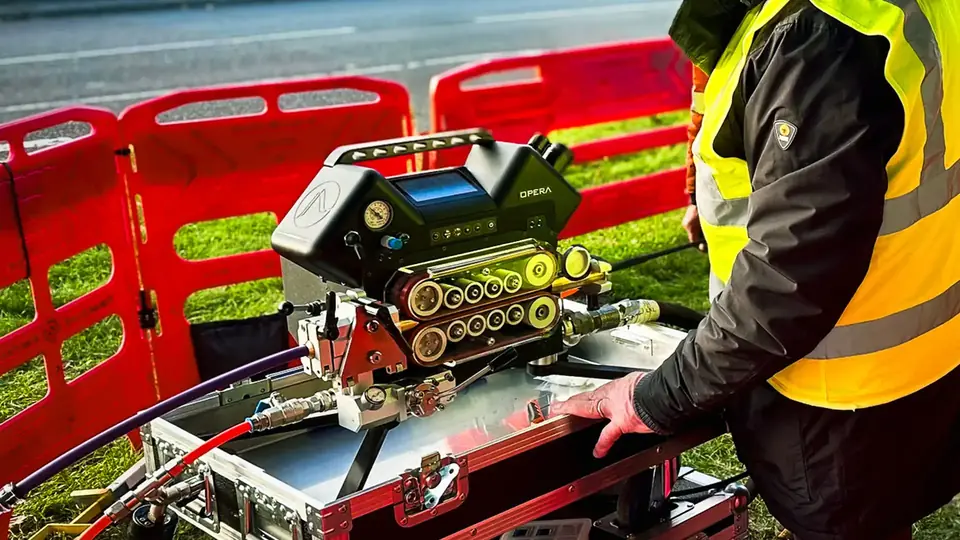
Opera, image 1 of 3
Expert advice direct from the manufacturer / Free demonstration on request
Some of our customers.

Keep your installation moving with Fibernet cable blowing machines.
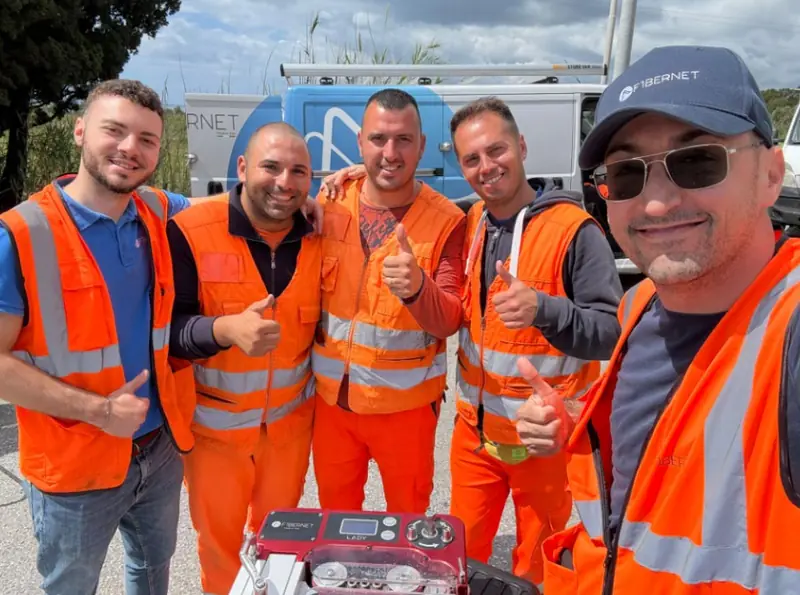
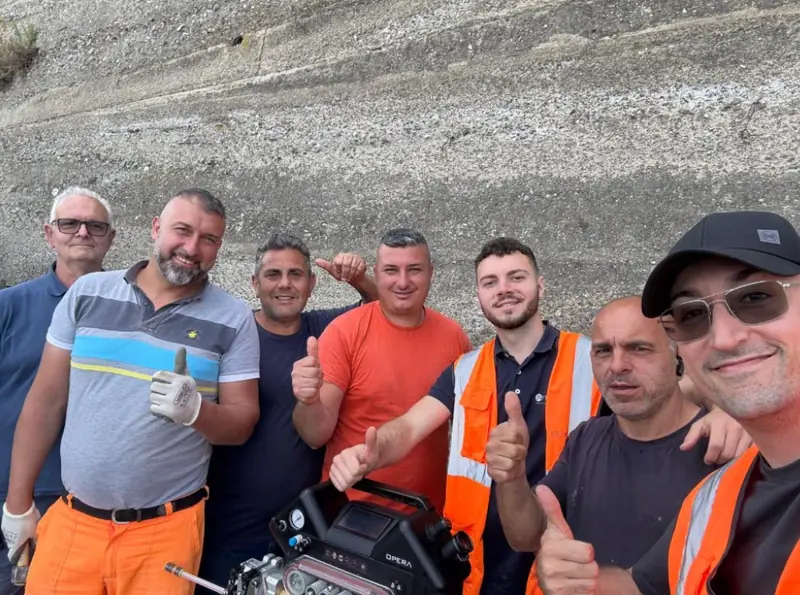
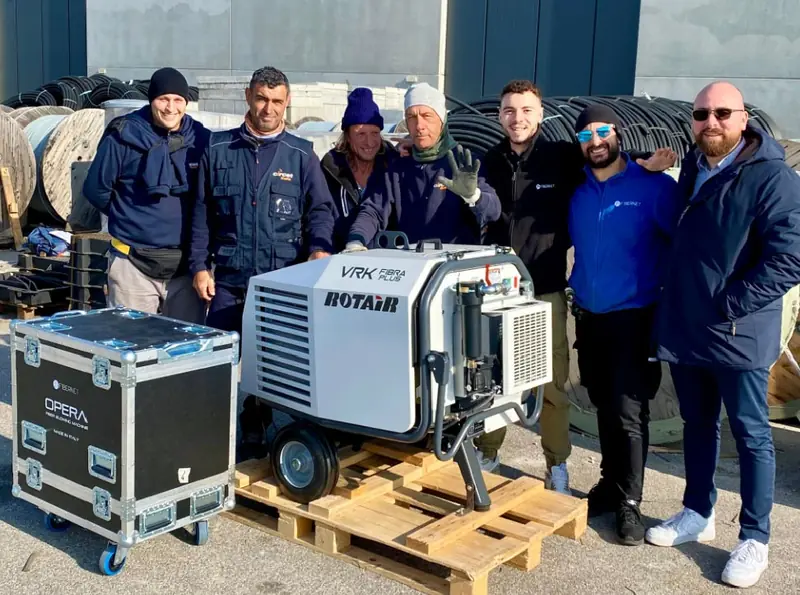
Photos and stories from installers, published by Fibernet.
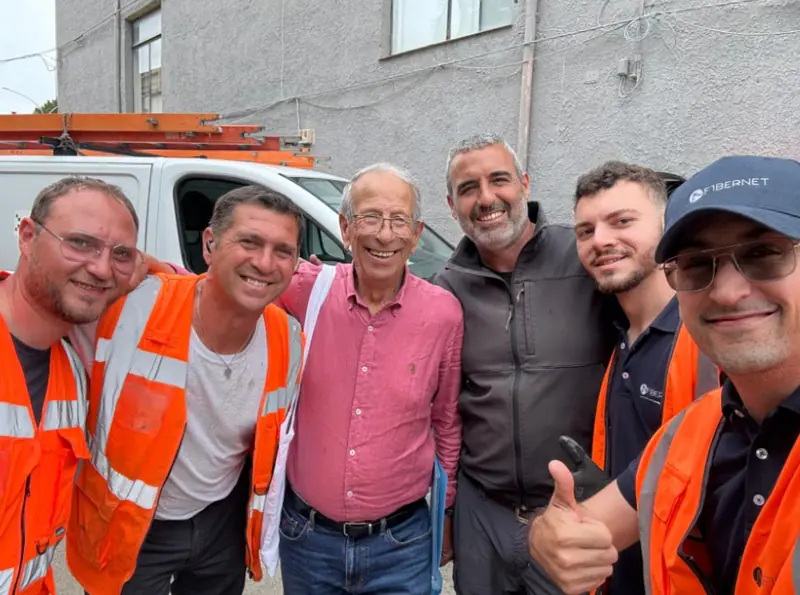
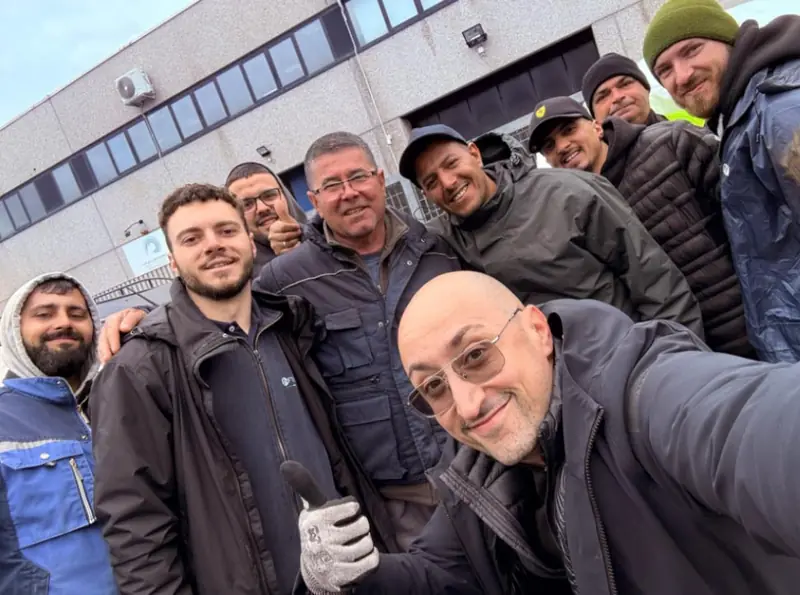
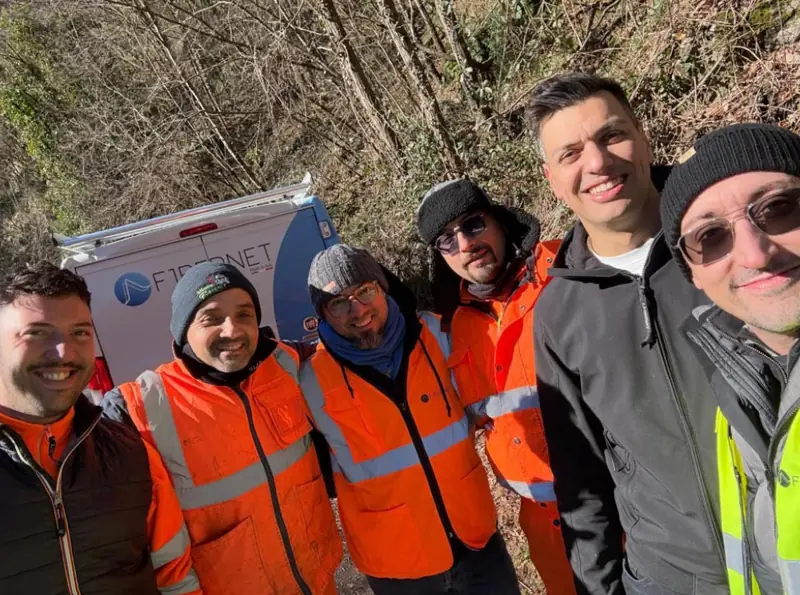 GoogleExcellentBased on 176 reviewsRead the reviews
Read on Google“An excellent experience on the installer training course. The whole team was professional and knowledgeable.”
Read on Google“I had the chance to try the Opera cable blowing machine on site…”
Read on Google“I really enjoyed this course. It took place in a pleasant setting with friendly, helpful people.”
Stories from installers
Hear the results from the installers themselves. Watch their testimonials right here.
Product videos
Three machines. Find your fit.
Start with the job at hand. Our technician can answer your questions about the right setup.
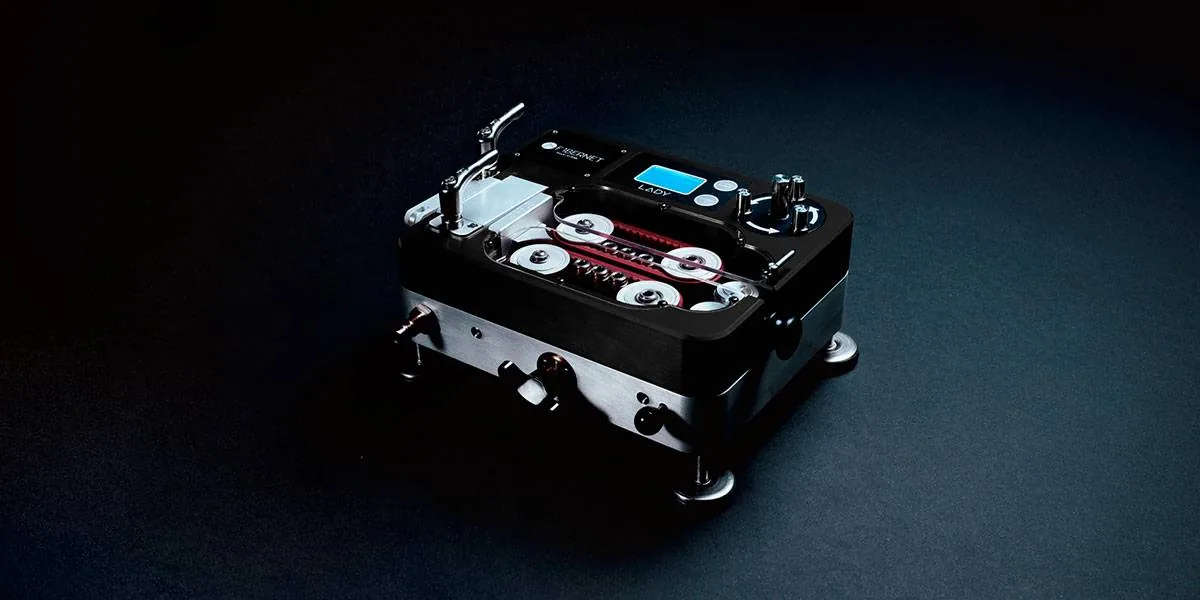
Compact and lightweight
A compact, lightweight machine for short runs.
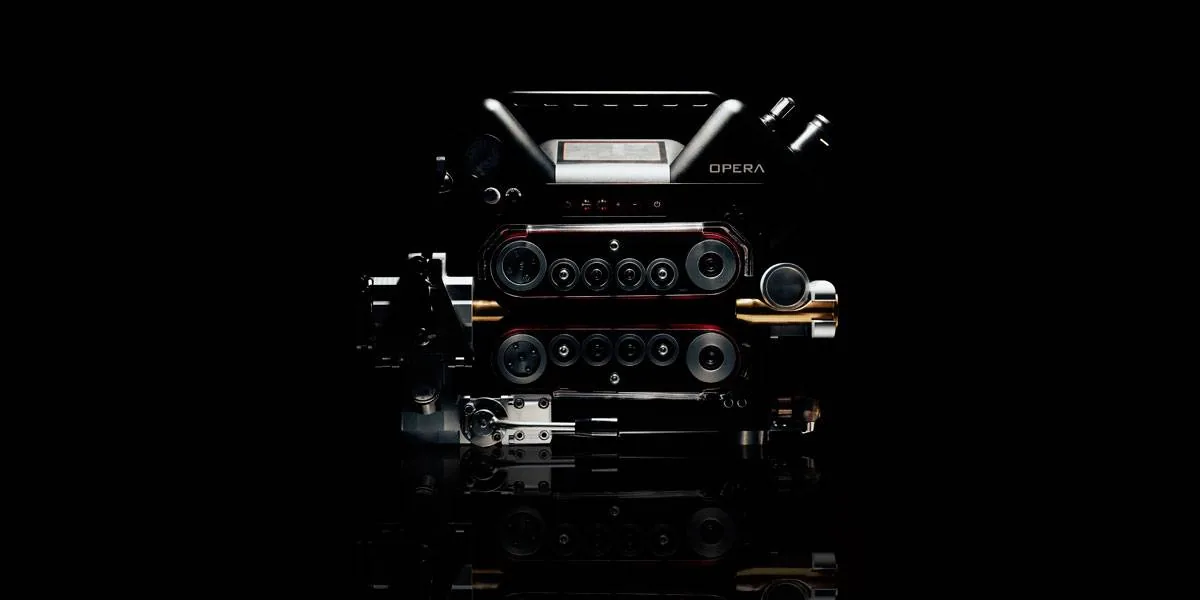
Pneumatic power
A pneumatic machine for long cable runs.
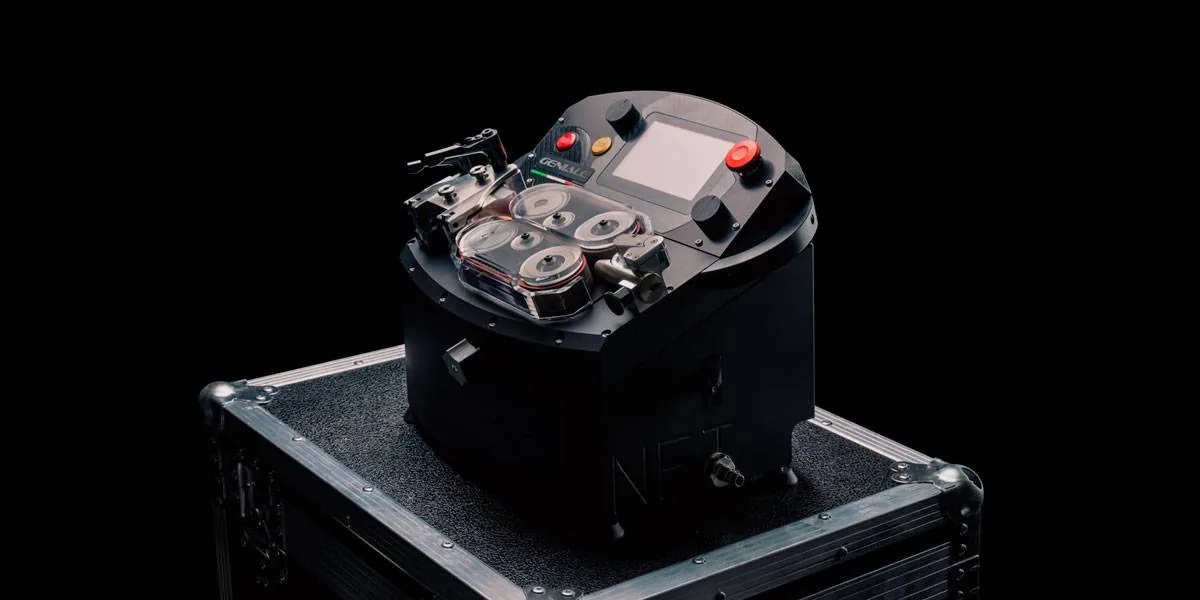
Electric, with two gears
For short and long runs. Two gears let you match force and speed to the job.
Specifications for the Fibernet range. The speeds shown are maximum values. Actual results depend on installation conditions and machine setup.
Direct from the manufacturer
When you’re working on site, you need practical answers. With Fibernet, you speak directly to the people who design and build your cable blowing machine.
Speak to a technicianA specialist technician can help when you need it.
Spare parts ready to ship, direct from the manufacturer.
If your machine breaks down, a replacement may be available within 48 hours.
Check availability and terms with your technician.Get help making the most of your machine, from your very first job.
See it in action before you choose
Request a free hands-on demonstration on your site or at Fibernet’s test facility. Discuss a real job with the technician.
Request a free demonstration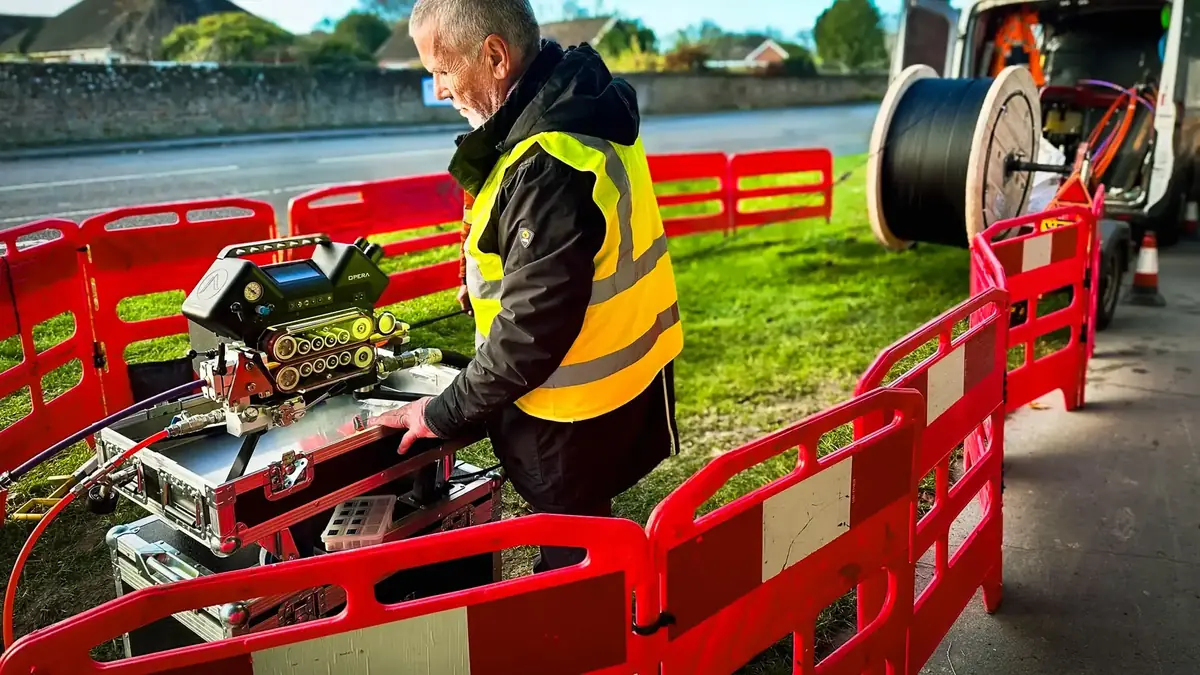
Selecting an optical fibre cable blowing machine starts with understanding the installation rather than comparing equipment names alone. For telecommunications companies and installation contractors working in Italy, the practical question is whether a machine suits the cable, duct and working conditions on the next job. Cable diameter, duct internal diameter, route length, bends and available access points all influence the assessment. Fibernet provides a company contact point for discussing these requirements and exploring its cable blowing equipment. Founded in 2001, the business draws on the technical experience of founder Giancarlo Trinei, whose work with early installations in Italy began in the 1980s. That background later contributed to the development of Lady, the first Fibernet cable blowing machine launched in 2021. When preparing an enquiry, provide the actual cable and duct specifications rather than approximate descriptions. The cable outer diameter, permitted pushing load and minimum bending radius help define the operating limits that must be respected. Duct dimensions, condition and continuity are equally important: a nominally suitable route can still present difficulties if connections leak, bends are restrictive or debris remains inside. Cable blowing combines controlled mechanical feeding with airflow, so equipment selection must account for both elements without assuming that higher pressure automatically produces a better result. Ask which cable and duct combinations a proposed configuration supports, what accessories are required and how operating adjustments are made. If your specification calls for a pneumatic optical fibre cable blowing machine, clarify the drive arrangement and compressed air requirements instead of treating every air assisted machine as technically identical. Compressor pressure, delivered airflow, air preparation and connection compatibility should be checked against the equipment documentation. On a roadside installation, these details affect not only performance but also how the crew positions and connects the equipment within the available workspace. A useful product discussion should also cover loading the cable, fitting the appropriate guides, accessing adjustment controls and stopping the feed when resistance changes unexpectedly. These are everyday operational considerations, not secondary details. Contractors comparing a fibre cable blowing machine should assess how its documented capabilities match their usual installation tasks and the exceptions they encounter most often. No single distance or speed figure can describe every route, because friction, cable stiffness, duct geometry and air leakage change the outcome. Share a realistic description of your work with Fibernet through the website and request confirmation of the relevant specifications. This creates a clearer basis for choosing equipment, identifying necessary accessories and planning the first installation with fewer unresolved technical questions. It also helps purchasing staff and site supervisors work from the same information before an order is agreed.
A successful installation depends on preparation before the cable enters the machine. On Italian street works and construction sites, crews often need to coordinate duct access, compressor positioning, cable handling and safe working space within a limited area. Begin by reviewing the intended section and identifying every access point, connection and significant change in direction. Confirm that the duct is suitable for the planned operation and that its joints and fittings are rated for the intended conditions. Check cleanliness, continuity and sealing using procedures approved for the duct system and the equipment involved. These checks can reveal problems that no optical fibre cable blowing machine can compensate for through adjustment alone. Cable handling deserves the same attention. Position the drum so that the cable pays off smoothly without sharp changes of direction, uncontrolled loops or avoidable drag. Observe the cable manufacturer's handling limits and arrange the feed path so that the operator can watch the cable entering the machine. Before starting, verify the installed guides, seals and gripping components against the documented cable size range. Incorrectly matched parts can cause leakage, poor traction or cable damage. Set operating parameters according to the machine instructions and the cable limits, rather than copying settings from a previous job with different materials. During blowing, monitor the available indications and the behaviour of the cable. A sudden reduction in progress, irregular movement or unexpected resistance calls for assessment, not simply increased force. Stop and investigate in accordance with the operating procedure whenever conditions suggest an obstruction, feeding problem or equipment issue. Keep personnel clear of pressurised connections, secure the working area and depressurise the system as instructed before opening or disconnecting components. For buyers investigating a battery powered optical fibre cable blowing machine, it is especially important to separate the power source for the feeding mechanism from the airflow needed for cable transport. Battery operation does not, by itself, establish that compressed air is unnecessary. Confirm the complete equipment arrangement, runtime assumptions and charging requirements for the actual model under consideration. Similarly, a drill driven optical fibre cable blowing machine should be assessed through its specified drive compatibility, control method and operating limits, not the convenience of using an existing tool alone. These comparisons help contractors ask better questions without assuming that Fibernet supplies every configuration mentioned in a market search. For each completed section, record the cable and duct dimensions, approximate route characteristics, equipment settings and any interruptions. Such records support more useful troubleshooting and make subsequent enquiries more precise. Discuss your planned working method with Fibernet and request the relevant product documentation before committing to a configuration. A clear match between equipment, site preparation and operator procedure provides a stronger foundation for consistent installation work than an isolated headline performance claim.
The purchase decision should reflect how cable blowing equipment will be used across your workload, not just the amount shown on an initial quotation. A contractor carrying out frequent installations may assess ownership differently from a company facing occasional projects or unfamiliar cable sizes. Start by describing the work you expect to undertake: typical duct dimensions, cable diameters, section lengths, site access constraints and the equipment already available to your crews. This information allows a more meaningful conversation about an optical fibre cable blowing machine and the configuration needed to support its intended use. Ask for a quotation that identifies the machine, included components, optional accessories and any items required separately. Clear boundaries make it easier to compare proposals without confusing a basic equipment price with a complete working arrangement. When researching optical fibre cable blowing machine price, consider the costs associated with compatible guides and seals, compressed air provision, routine inspection, replacement wear parts and transport between sites. These factors do not justify assuming a particular operating cost, but they should form part of your evaluation. Establish what maintenance information is available, which checks the operator must perform and how technical enquiries are handled. Confirm warranty terms, parts availability and delivery arrangements directly with Fibernet, since these details should come from a current offer rather than a general description. Used equipment requires a different level of investigation. A used optical fibre cable blowing machine may have an attractive asking price, but its condition, configuration and maintenance history can materially affect its suitability. Examine the condition of contact surfaces, guides, seals, controls and the air connection system through a competent assessment. Request identification details and documentation, and establish whether the components required for your cable sizes are included. A previous owner's successful use does not establish compatibility with your routes or cable specifications. Fibernet's company history provides context for discussions with its team. The business was founded by Giancarlo Trinei in 2001, and its generational transition began in 2010 with Matteo, Marta and Ismael joining the company. The launch of Lady in 2021 marked a specific step in its development of cable blowing equipment. For a prospective customer, that history is most useful when paired with clear answers about the machine being considered today. Prepare a concise project brief and use www.fibernetsrlusa.com to request product information and a quotation appropriate to your requirements. Include any procurement deadlines, accessory needs and questions about documentation for operation in Italy. Avoid treating an enquiry as a commitment to an unverified configuration: use it to resolve uncertainties before ordering. The aim is a purchasing decision supported by stated specifications, transparent commercial terms and a practical understanding of how the equipment will be deployed by your installation team.
Fill out the form and discover what Fibernet Srl can do for you!
Contact us!Before you get started
If you prefer, speak to us directly.
+39 346 652 9915Compare the cable diameter, duct diameter and installation distance. Lady is compact and lightweight for short runs. Opera is pneumatic and designed for long runs. Geniale is electric and handles both. A Fibernet technician can help you choose.
Yes. You can request a free hands-on demonstration on your site or at Fibernet’s test facility. Tell us what you need in the form and a technician will arrange it with you. Request a demonstration.
To get a price, contact a Fibernet advisor using the form or call +39 346 652 9915.
Fibernet offers direct technical support, spare parts ready to ship and dedicated training. If your machine breaks down, a replacement may be available. Ask your technician about availability and terms.
Tell us about your job. We’ll help you find the right cable blowing machine.