Emanuele Zanda
Google review
★★★★★
Read on Google“An excellent experience on the installer training course. The whole team was professional and knowledgeable.”
Cable blowing machines · Made in Italy
From last-mile connections to long-distance runs, a Fibernet technician can help you choose the right machine for your fiber optic cable installation.
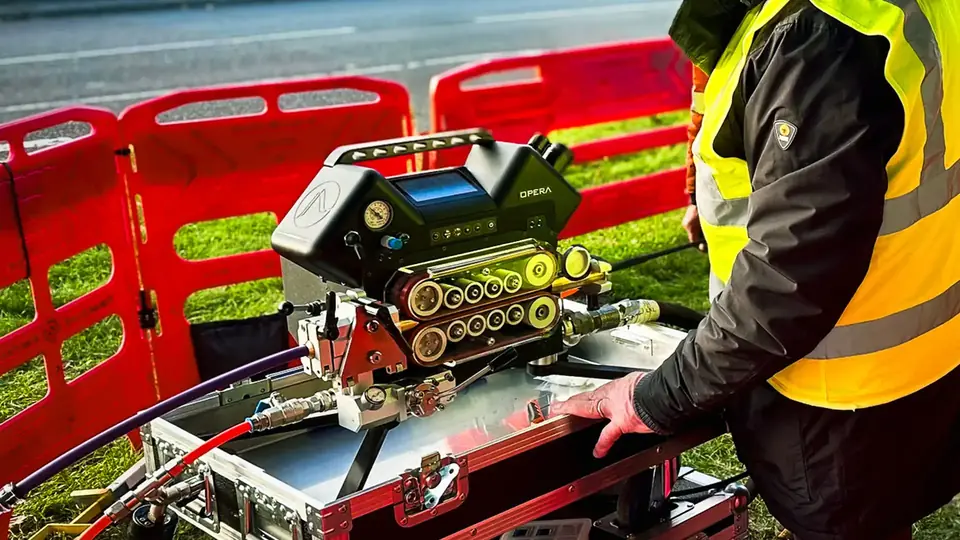
Opera, image 1 of 3
Expert advice direct from the manufacturer / Free demonstration on request
Some of our customers.
Keep your installation moving with Fibernet cable blowing machines.
Photos and stories from installers, published by Fibernet.
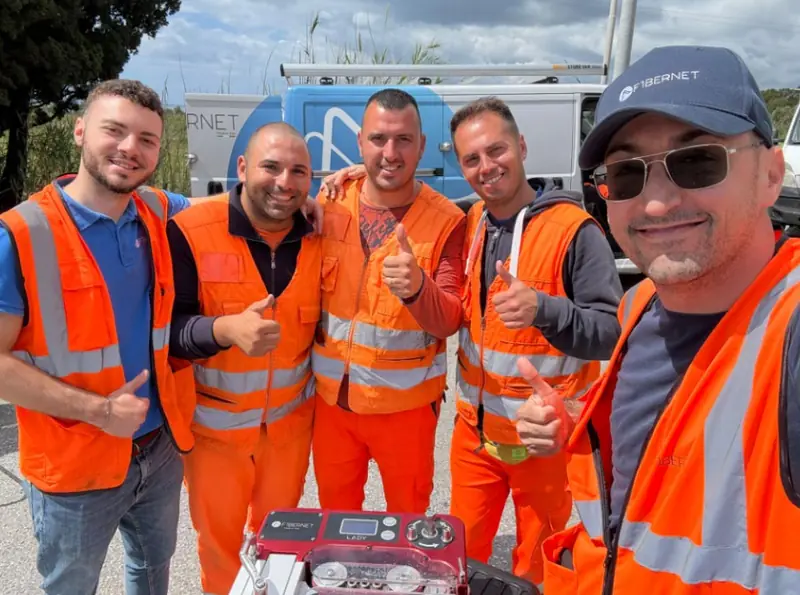
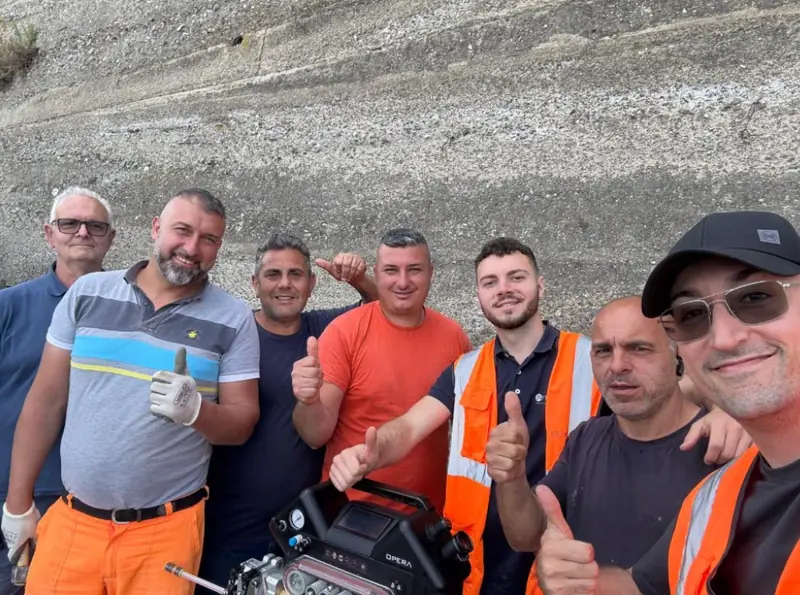
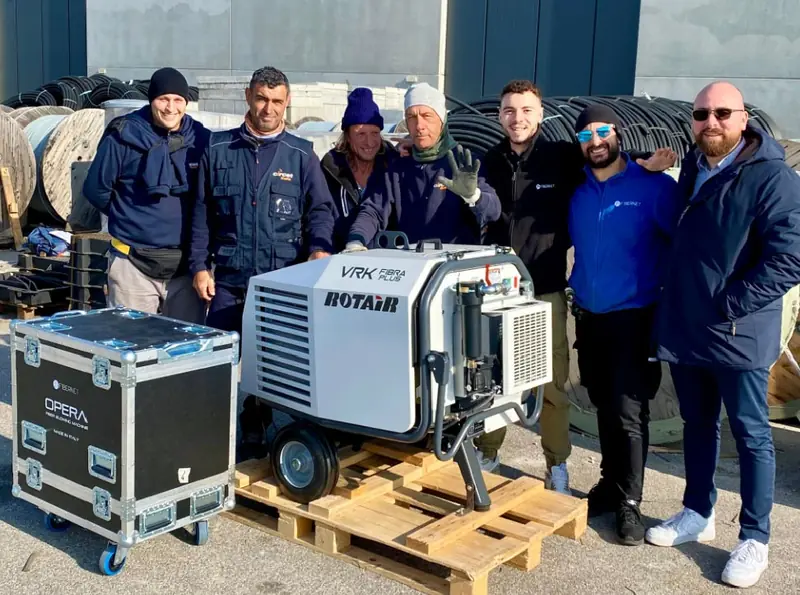
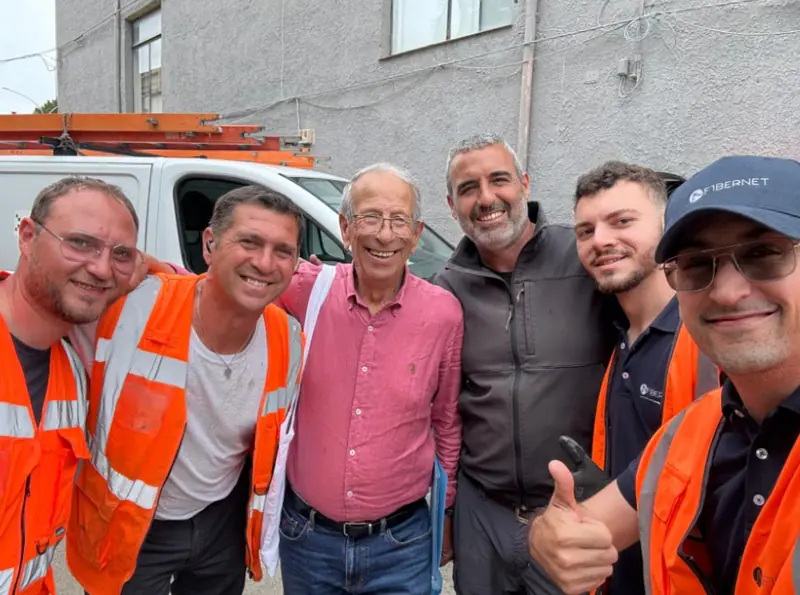
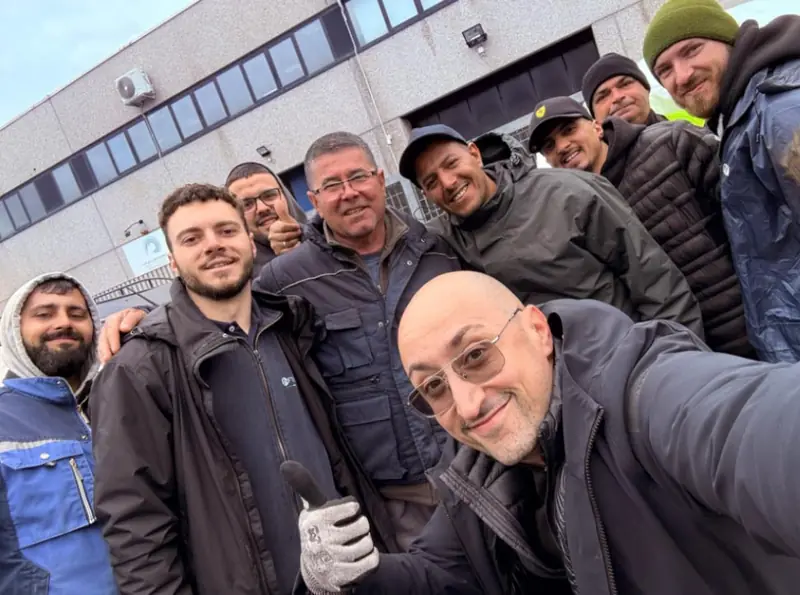
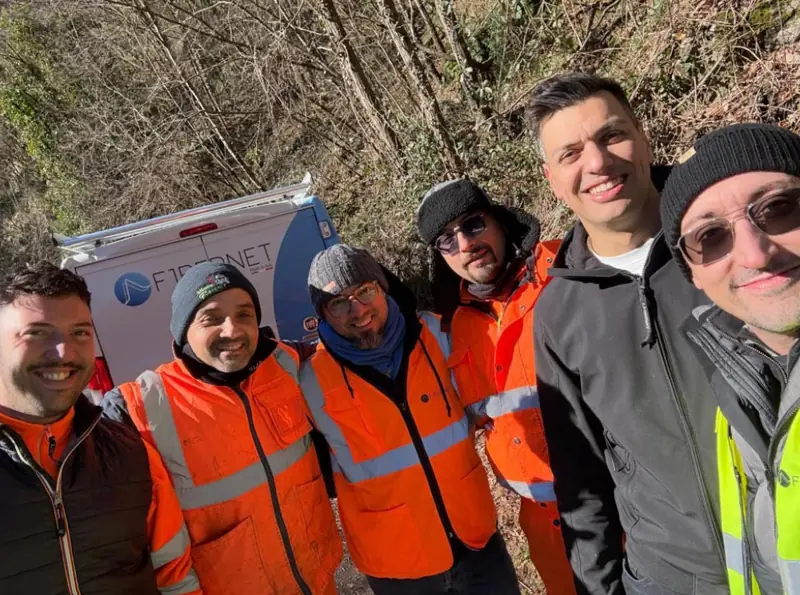 GoogleExcellentBased on 176 reviewsRead the reviews
Read on Google“An excellent experience on the installer training course. The whole team was professional and knowledgeable.”
Read on Google“I had the chance to try the Opera cable blowing machine on site…”
Read on Google“I really enjoyed this course. It took place in a pleasant setting with friendly, helpful people.”
Stories from installers
Hear the results from the installers themselves. Watch their testimonials right here.
Product videos
Three machines. Find your fit.
Start with the job at hand. Our technician can answer your questions about the right setup.
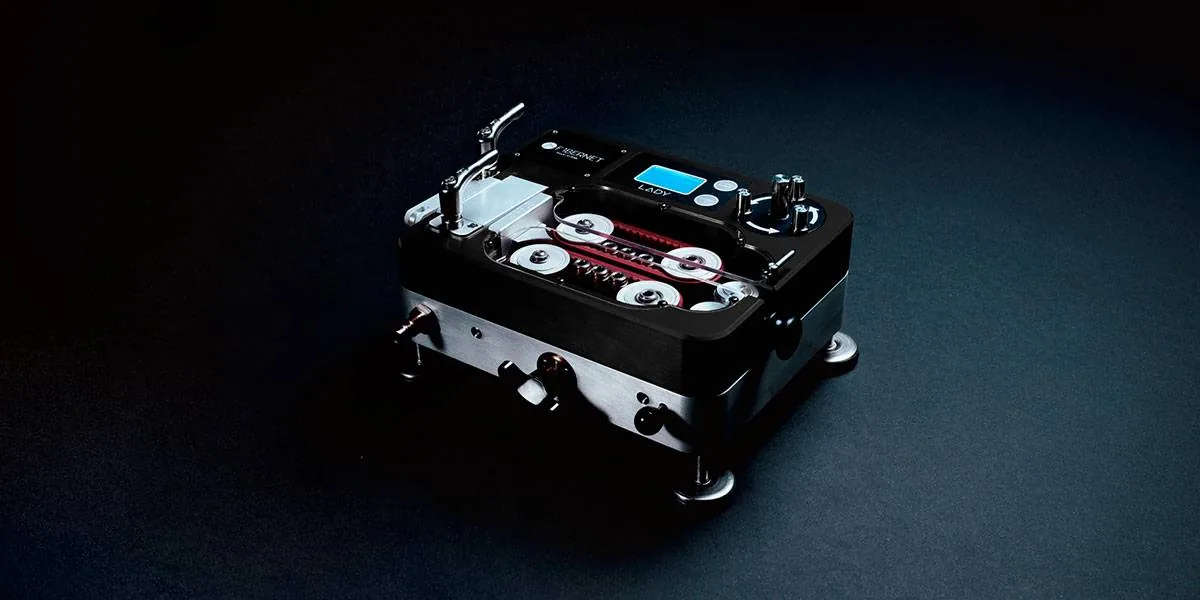
Compact and lightweight
A compact, lightweight machine for short runs.
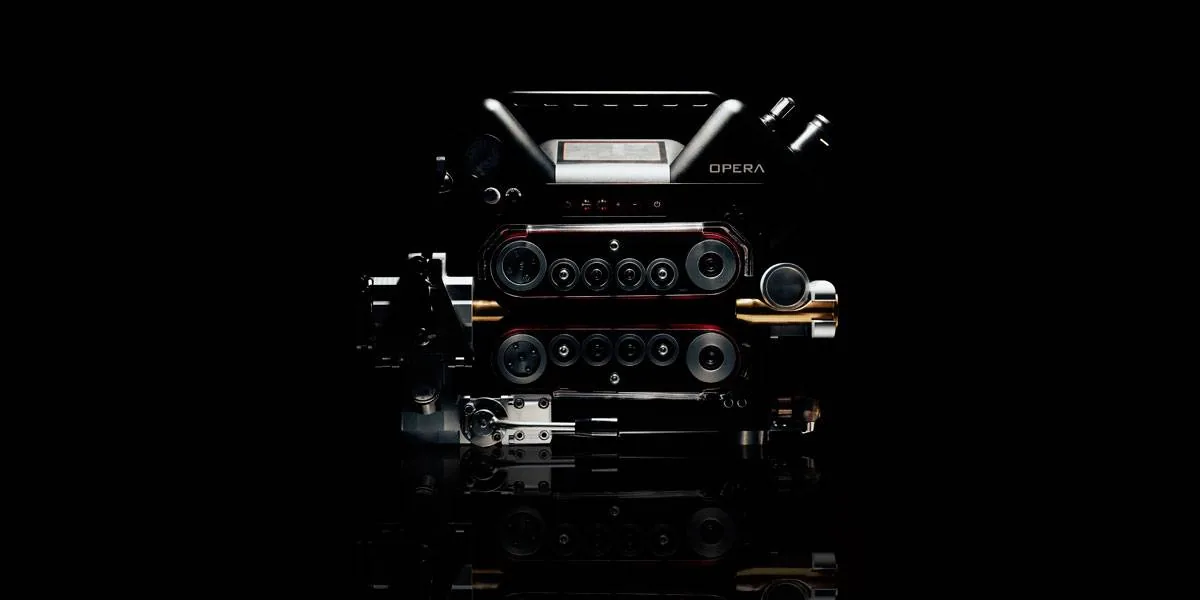
Pneumatic power
A pneumatic machine for long cable runs.
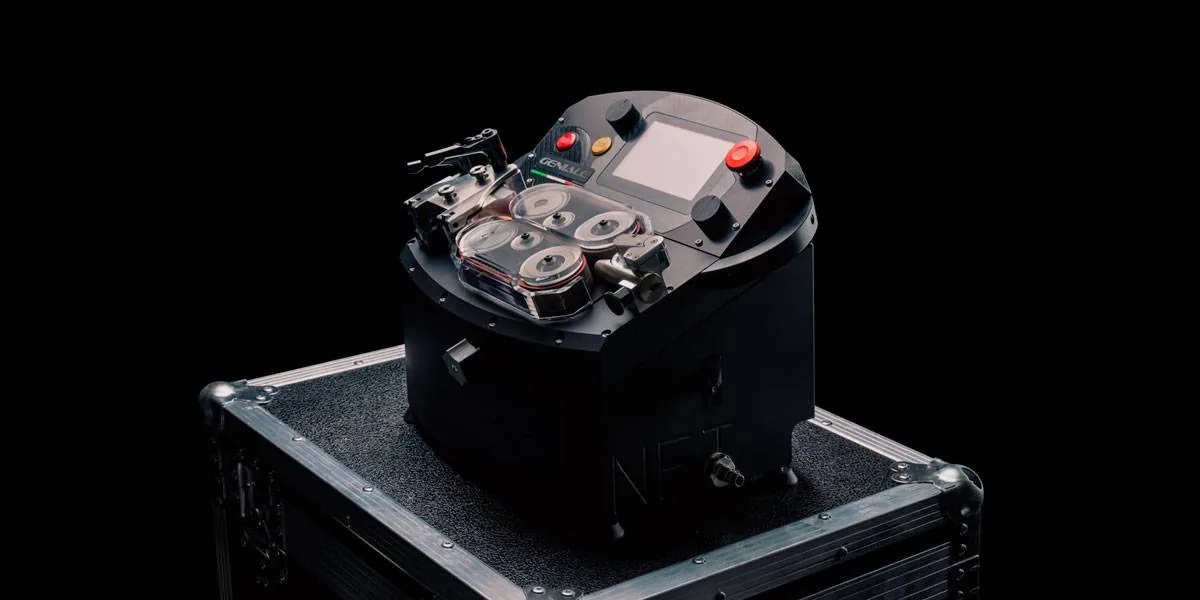
Electric, with two gears
For short and long runs. Two gears let you match force and speed to the job.
Specifications for the Fibernet range. The speeds shown are maximum values. Actual results depend on installation conditions and machine setup.
Direct from the manufacturer
When you’re working on site, you need practical answers. With Fibernet, you speak directly to the people who design and build your cable blowing machine.
Speak to a technicianA specialist technician can help when you need it.
Spare parts ready to ship, direct from the manufacturer.
If your machine breaks down, a replacement may be available within 48 hours.
Check availability and terms with your technician.Get help making the most of your machine, from your very first job.
See it in action before you choose
Request a free hands-on demonstration on your site or at Fibernet’s test facility. Discuss a real job with the technician.
Request a free demonstration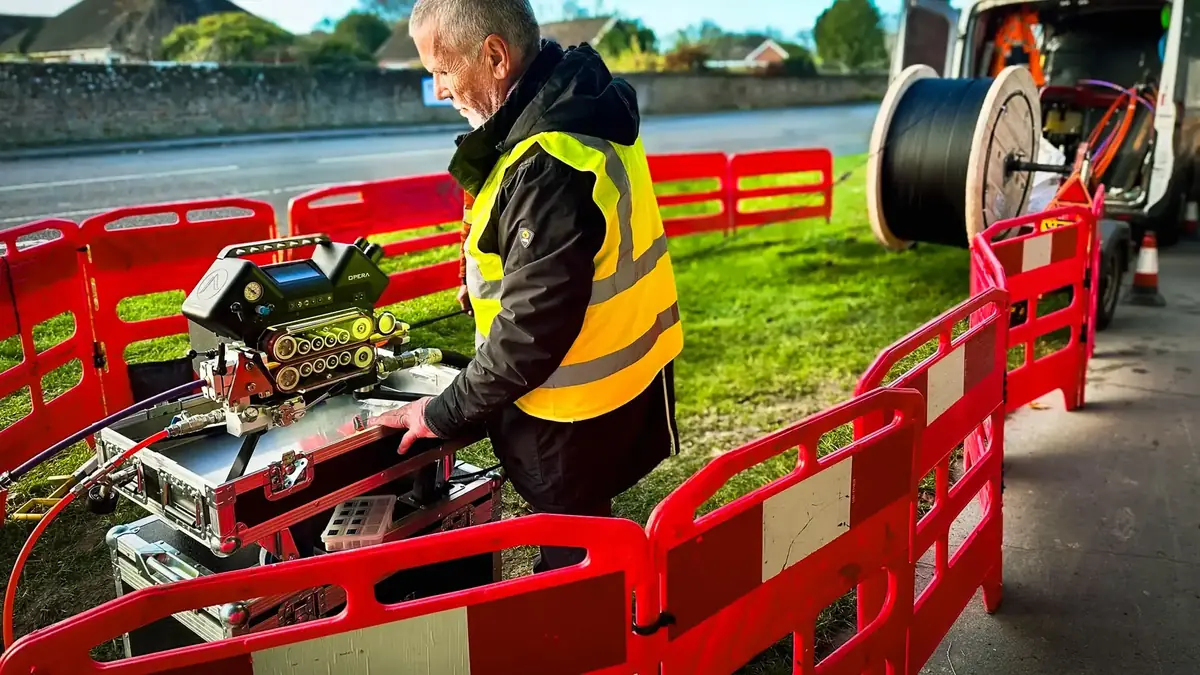
Choosing an optical fiber cable laying machine starts with the conditions your installation crew will actually face, rather than a headline speed or an assumed maximum distance. For contractors blowing cable into prepared ducts, the important questions concern cable diameter, duct internal diameter, cable construction, route geometry, and available utilities at the worksite. Fibernet brings Italian engineering experience to this selection process, with a business founded in 2001 and a cable blowing product line introduced with Lady in 2021. Its focus is practical: helping customers identify equipment appropriate to their installation requirements while keeping cable handling, machine setup, and ongoing support central to the discussion. When evaluating an optical fiber cable blowing machine, begin by collecting the cable manufacturer's installation limits, including permitted pushing force and minimum bend radius. Record the duct dimensions accurately, and distinguish the external duct diameter from its internal opening. These details determine whether a proposed machine configuration, cable guide, and sealing arrangement can be suitable. A machine should never be selected simply because a cable appears to fit through its entry point. The complete interface between cable, drive mechanism, duct clamp, and air connection needs assessment. Compressed air requirements deserve equal attention. Pressure alone does not describe the supply needed for a successful installation; airflow, air quality, hose arrangement, and the condition of the duct also influence results. A compressed air optical fiber cable blowing machine must be considered as part of a coordinated installation setup, not as a standalone answer to every route. Ask which compressor characteristics apply to the proposed model and configuration, and confirm how air preparation should be handled under the manufacturer's instructions. No universal pressure setting or installation distance can responsibly replace that assessment. For projects in Italy, teams should also communicate site access restrictions, working space, and any documentation requirements before choosing equipment. American contractors assessing Italian-made machinery can use the same technical checklist while discussing assistance in the United States and worldwide. Clear information at the quotation stage reduces uncertainty about compatibility and helps prevent avoidable changes after delivery. Share representative cable and duct specifications with Fibernet, describe the intended blowing operation, and ask for confirmation of the suitable configuration. That conversation should establish what is included, what supporting equipment is required, and which operating limits apply. The objective is not merely to purchase a machine, but to equip a crew with a coherent setup that can be checked, prepared, and operated according to documented instructions. A properly defined selection process gives purchasing staff and field supervisors a shared basis for evaluating the proposal before committing equipment to a live installation.
A productive blowing operation begins before the cable enters the machine. Crews need a prepared duct route, an orderly working area, suitable cable payoff arrangements, and a clear understanding of the selected equipment's operating instructions. An optical fiber cable laying machine cannot compensate for an obstructed duct, an unsuitable connection, or a cable drum positioned so that the cable twists or drags. Treating these preparation steps as part of the installation process makes it easier to distinguish a machine adjustment issue from a route problem. It also supports more consistent decisions when operating conditions change between sections of a project. Start with the duct checks required by the project specification and equipment guidance. Confirm that the intended route is continuous, appropriately prepared, and suitable for blowing before connecting the machine. Check accessible joints and ensure that the duct is secured using the correct clamping components. Any cleaning, proving, or lubrication procedure should follow the relevant manufacturer recommendations, including compatibility with the cable and duct materials. Introducing an unapproved lubricant or overlooking contamination can create difficulties that are not resolved by increasing driving force. Next, organize the cable feed. Position the drum so that cable can pay off smoothly without excessive bending or uncontrolled movement. Inspect the cable entry path, confirm that guides and seals correspond to the cable dimensions, and check the drive components for cleanliness and wear. A cable blowing machine for fiber optic cable installation works within a wider handling arrangement, so the operator must be able to observe the feed and communicate with other crew members. Establish clear stop signals before starting, particularly where the drum attendant and machine operator do not share an unobstructed view. During operation, follow the manufacturer's startup sequence and monitor the indicators available on the chosen model. Avoid assuming that a higher setting will solve every slowdown. Changing resistance may indicate a route restriction, a duct connection issue, an unsuitable cable feed, or another condition requiring investigation. Stop and assess unexpected behavior rather than continuing without understanding its cause. The relevant limits must come from the actual cable, equipment, and installation specifications, not from a generic performance claim. When comparing a cable jetting machine for fiber optic cable installation, ask how its controls, access points, and consumable components fit your crew's daily workflow. Request information about routine inspection, safe isolation, cleaning, and replacement procedures. Fibernet's Italian-made approach can be evaluated through these practical questions, alongside assistance arrangements for customers in the United States and worldwide. Recording the setup used on each job, together with route conditions and observed results, gives supervisors useful evidence for planning subsequent installations. This creates a more disciplined operating process without promising identical performance on routes that differ in length, bends, duct condition, or cable characteristics.
The value of an optical fiber cable laying machine extends beyond the initial purchase amount. A useful commercial comparison considers the proposed configuration, required accessories, compatibility with planned work, maintenance needs, and access to technical assistance. Two quotations may look similar while covering substantially different equipment packages. Before approving an order, establish whether the offer includes the cable guides, duct connection components, seals, and other items needed for your stated application. Also clarify which supporting equipment must be sourced separately. This makes the purchasing decision more transparent and helps the operations team understand what will arrive ready for use and what still requires preparation. A search for fiber cable blowing machine price is therefore most useful when it leads to an application-specific quotation. Provide Fibernet with cable and duct dimensions, expected project conditions, available power and air supplies, and the destination where the equipment will operate. Ask for a clear description of the proposed model and configuration rather than assuming that every accessory or capability belongs to the standard package. For procurement involving Italy and the United States, confirm quotation currency, delivery terms, applicable documentation, and the responsibilities associated with transport and import arrangements. These details should be agreed directly rather than inferred from the website domain or the manufacturing location. Some contractors may also assess a used optical fiber cable blowing machine against a new purchase. In that case, the comparison should include service history, the condition of drive components, availability of compatible guides and seals, and the completeness of operating documentation. A lower acquisition cost does not establish suitability for the intended cable range or guarantee that replacement parts remain available. Request inspection evidence and identify any components that need replacement before estimating the true cost of putting the equipment into service. Fibernet's company history provides context for buyers seeking a direct relationship with an Italian manufacturer. Founded in 2001, the business draws on founder Giancarlo Trinei's technical experience with early Italian cable installations and testing. The next generation joined the company in 2010, and the introduction of Lady in 2021 marked its entry into cable blowing machinery. That background is relevant when discussing product development and continuity, but buyers should still evaluate the specific machine against their own technical requirements. Italian manufacturing and assistance in the United States and worldwide should translate into clearly discussed support arrangements. Before purchasing, ask how to request technical help, identify replacement components, and obtain the documentation needed by operators and maintenance personnel. Confirm the arrangements applicable to your location, including communication channels and service logistics, without assuming a particular response time or local stock level. A well-defined purchase combines suitable equipment with realistic ownership planning. Contact Fibernet with your installation details to discuss the machine configuration, supporting requirements, and assistance relevant to your project.
Fill out the form and discover what Fibernet Srl can do for you!
Contact us!Before you get started
If you prefer, speak to us directly.
+39 346 652 9915Compare the cable diameter, duct diameter and installation distance. Lady is compact and lightweight for short runs. Opera is pneumatic and designed for long runs. Geniale is electric and handles both. A Fibernet technician can help you choose.
Yes. You can request a free hands-on demonstration on your site or at Fibernet’s test facility. Tell us what you need in the form and a technician will arrange it with you. Request a demonstration.
To get a price, contact a Fibernet advisor using the form or call +39 346 652 9915.
Fibernet offers direct technical support, spare parts ready to ship and dedicated training. If your machine breaks down, a replacement may be available. Ask your technician about availability and terms.
Tell us about your job. We’ll help you find the right cable blowing machine.