Emanuele Zanda
Google review
★★★★★
Read on Google“An excellent experience on the installer training course. The whole team was professional and knowledgeable.”
Cable blowing machines · Made in Italy
From last-mile connections to long-distance runs, a Fibernet technician can help you choose the right machine for your fiber optic cable installation.
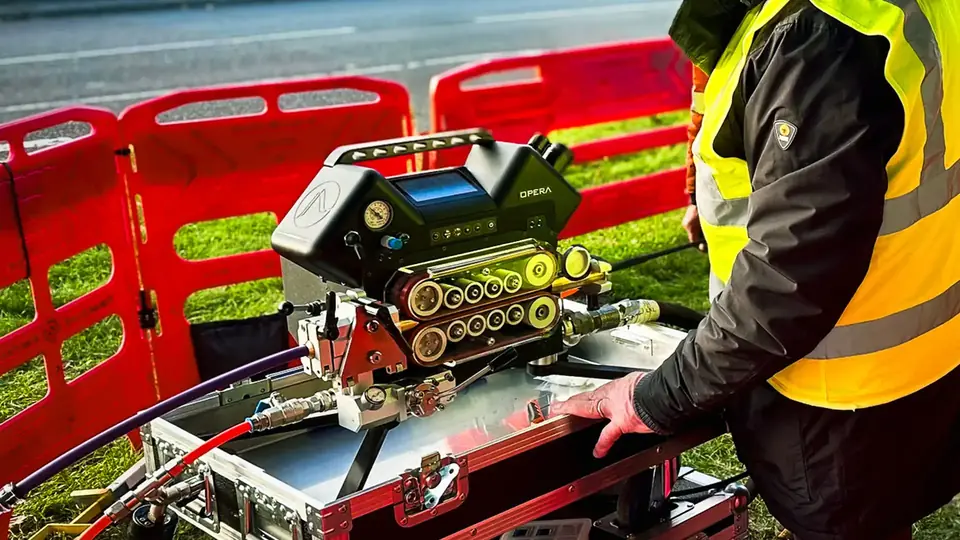
Opera, image 1 of 3
Expert advice direct from the manufacturer / Free demonstration on request
Some of our customers.

Keep your installation moving with Fibernet cable blowing machines.
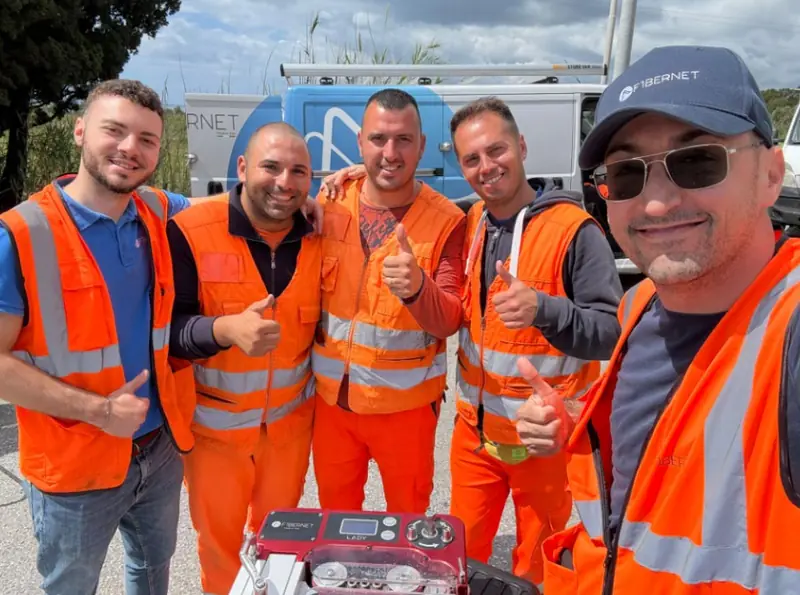
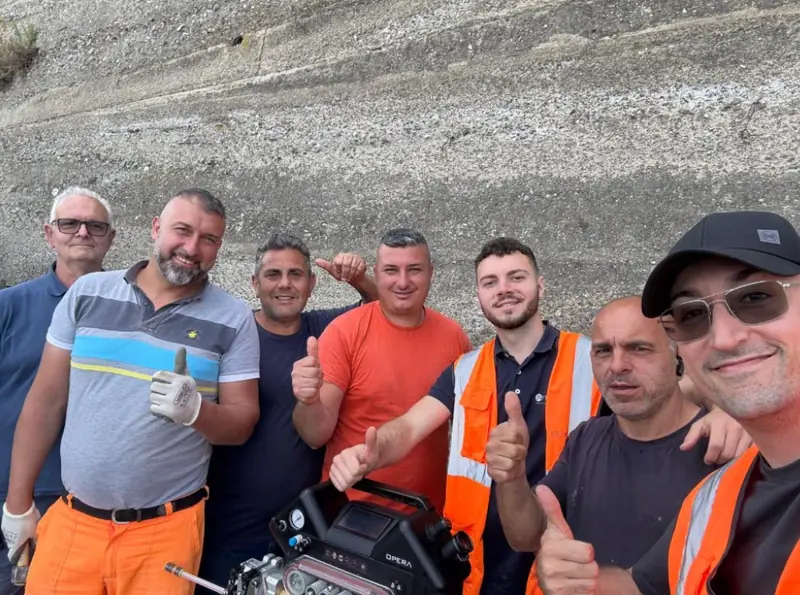
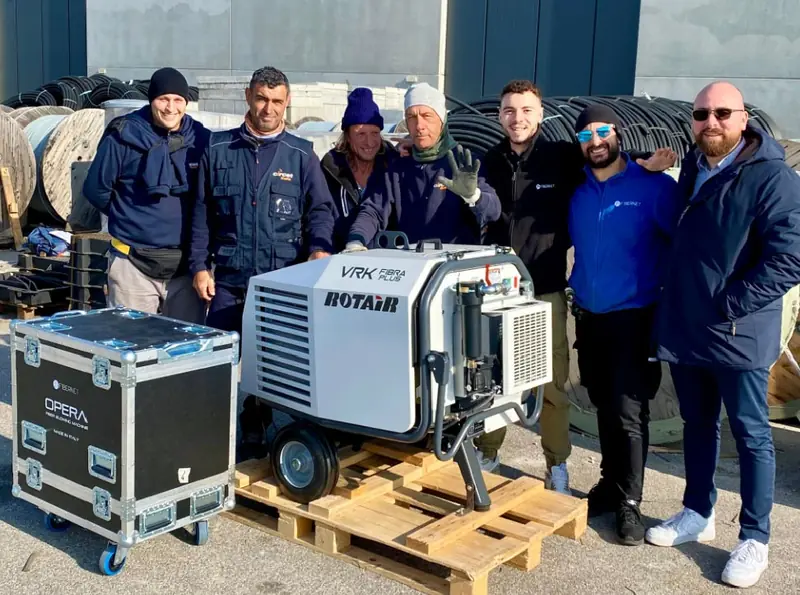
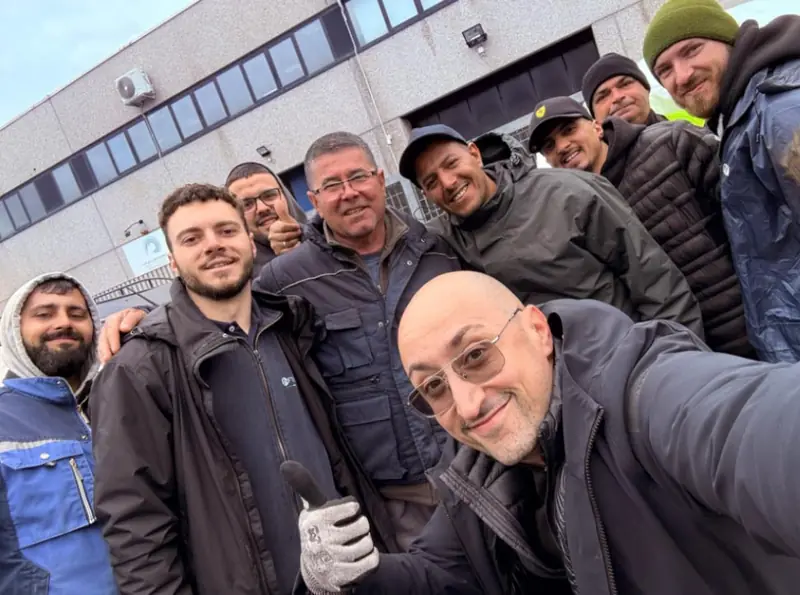
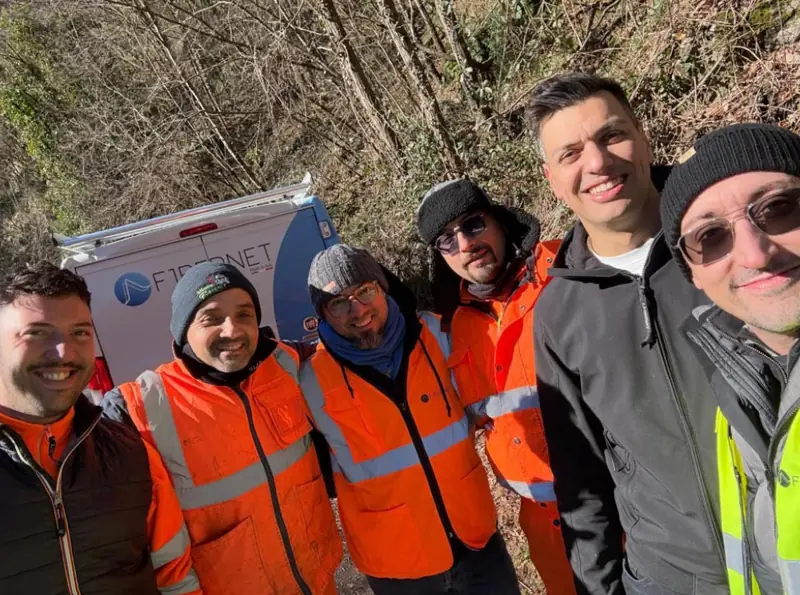
Photos and stories from installers, published by Fibernet.

 GoogleExcellentBased on 176 reviewsRead the reviews
Read on Google“An excellent experience on the installer training course. The whole team was professional and knowledgeable.”
Read on Google“I had the chance to try the Opera cable blowing machine on site…”
Read on Google“I really enjoyed this course. It took place in a pleasant setting with friendly, helpful people.”
Stories from installers
Hear the results from the installers themselves. Watch their testimonials right here.
Product videos
Three machines. Find your fit.
Start with the job at hand. Our technician can answer your questions about the right setup.
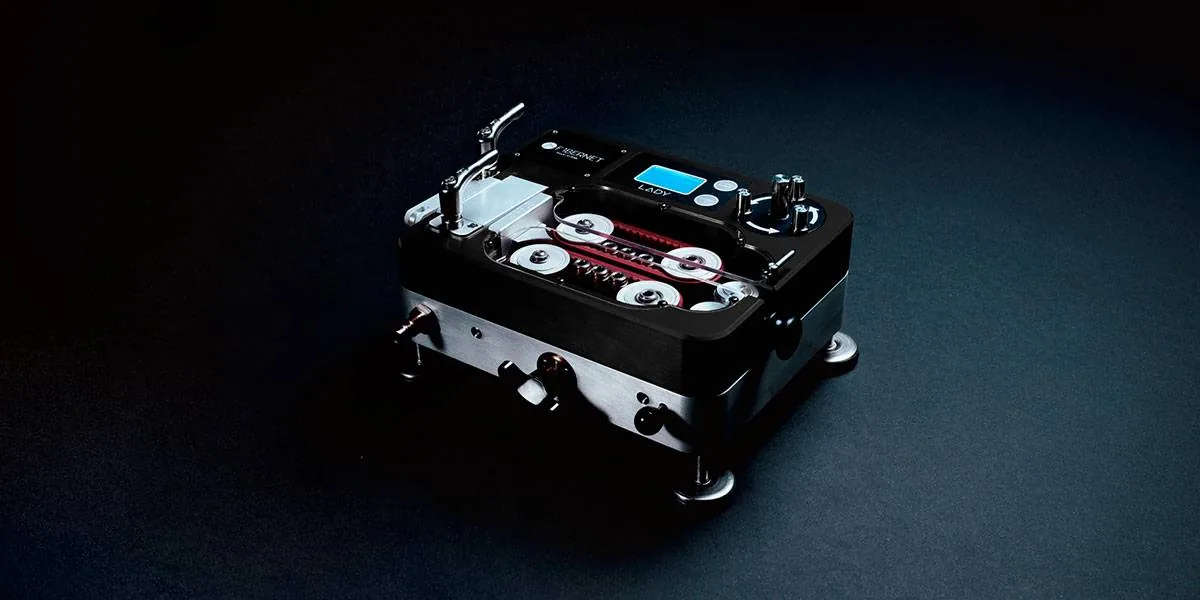
Compact and lightweight
A compact, lightweight machine for short runs.
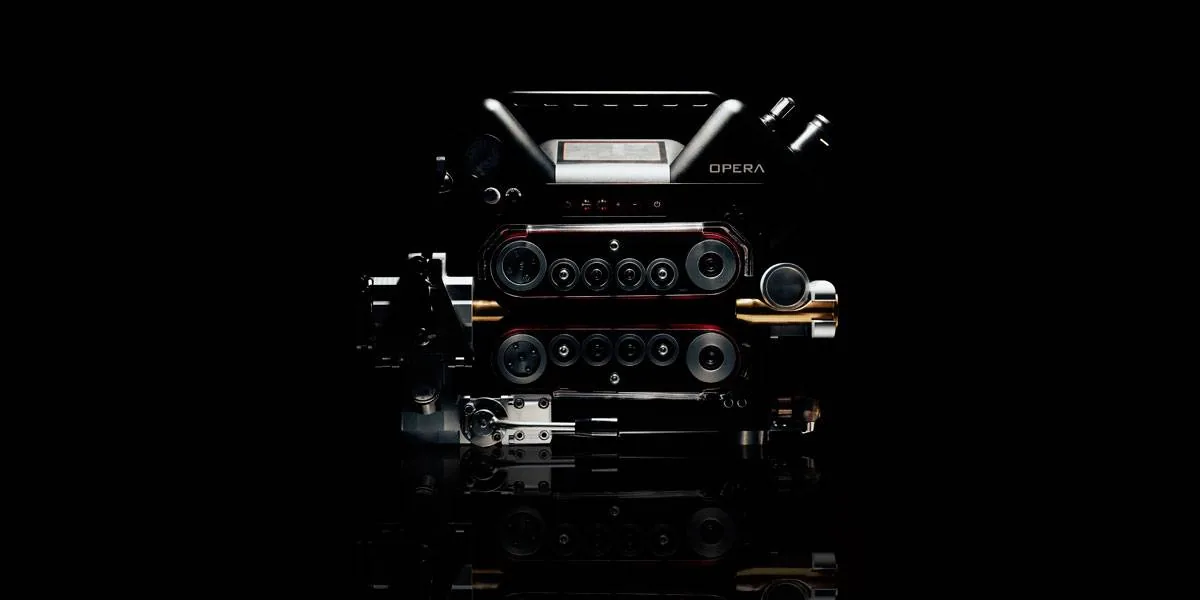
Pneumatic power
A pneumatic machine for long cable runs.
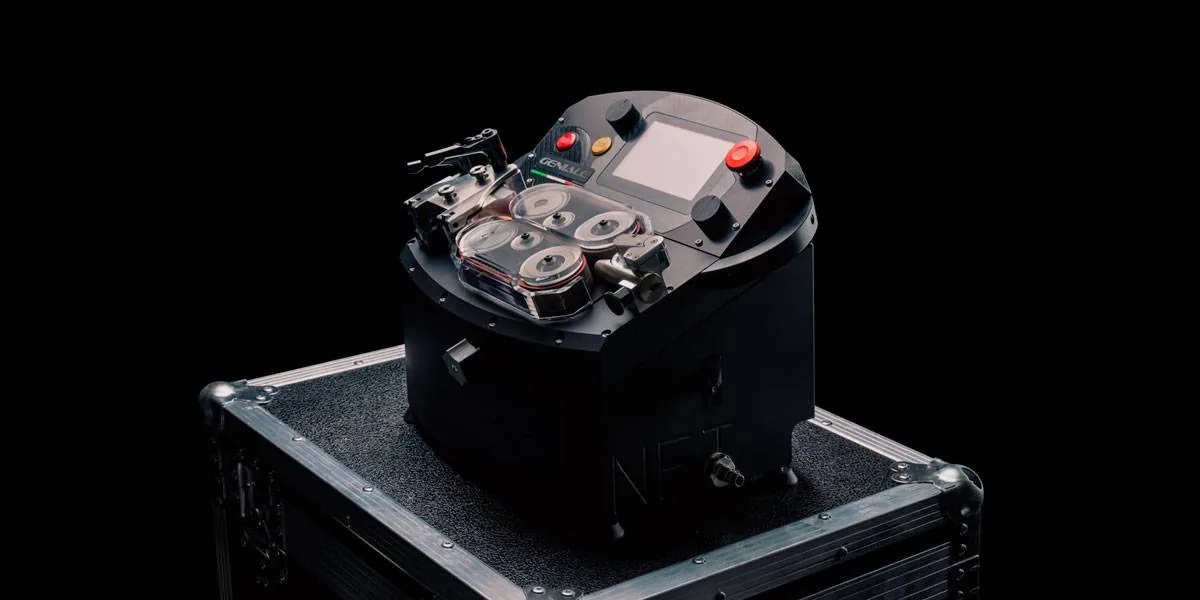
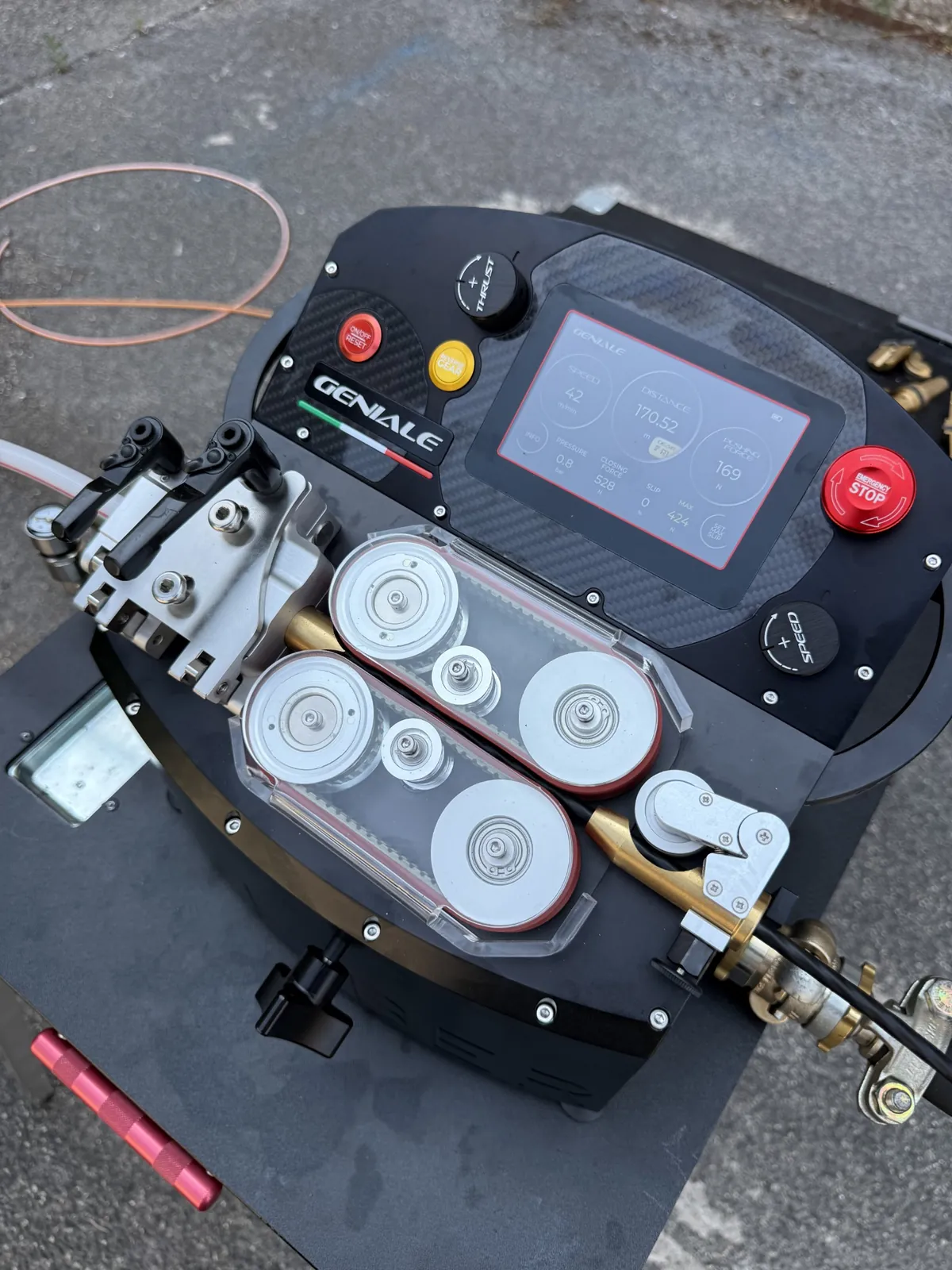
Electric, with two gears
For short and long runs. Two gears let you match force and speed to the job.
Specifications for the Fibernet range. The speeds shown are maximum values. Actual results depend on installation conditions and machine setup.
Direct from the manufacturer
When you’re working on site, you need practical answers. With Fibernet, you speak directly to the people who design and build your cable blowing machine.
Speak to a technicianA specialist technician can help when you need it.
Spare parts ready to ship, direct from the manufacturer.
If your machine breaks down, a replacement may be available within 48 hours.
Check availability and terms with your technician.Get help making the most of your machine, from your very first job.
See it in action before you choose
Request a free hands-on demonstration on your site or at Fibernet’s test facility. Discuss a real job with the technician.
Request a free demonstration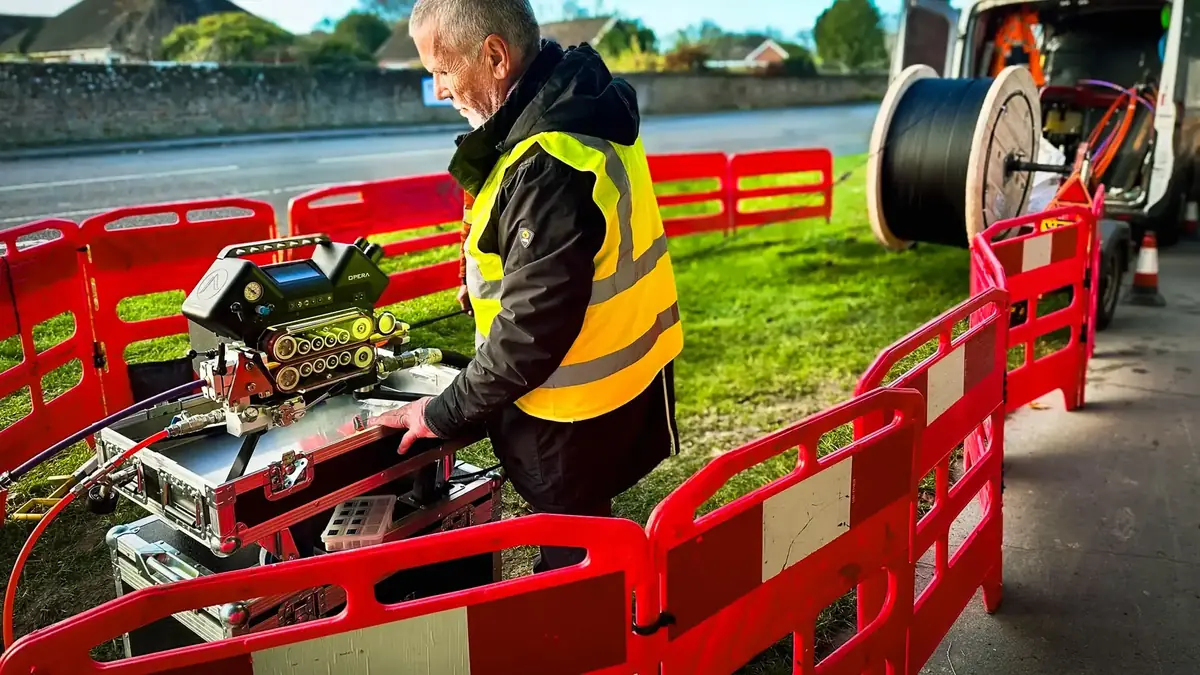
Choosing a fibre optic cable installation blower starts with the cable, the duct, and the conditions between the entry point and the destination. A machine that appears suitable from a photograph may require different accessories or a different operating configuration for your particular installation. For telecommunications contractors working on American jobsites, the practical starting point is a clear description of the work: cable outside diameter, duct inside diameter, route length, access locations, and available compressed air. These details help turn an initial equipment inquiry into a useful technical discussion rather than a comparison based only on headline specifications. Fibernet brings Italian engineering experience to that conversation, with a company history dating to 2001 and the introduction of its first cable blowing machine, Lady, in 2021. When evaluating a cable blower for fiber optic cable installation, consider how the machine will interact with the cable jacket and how its feeding mechanism will be adjusted. Compressed air helps carry the cable through the duct, while the machine provides controlled forward movement. The balance between those actions matters: increasing feeding force is not a reliable answer to every slowdown, particularly when there is an obstruction, excessive friction, or a tight bend further along the route. Cable and duct manufacturer limits should remain the reference for permissible forces, pressures, and installation conditions. Before requesting a configuration recommendation, record the actual dimensions rather than relying on nominal descriptions alone. Also explain whether the work involves repeated short sections, longer continuous routes, or frequent changes between cable sizes. Those differences can affect which setup features and accessories deserve attention. A compressed air fibre optic cable blower also depends on a suitable air supply; compressor pressure alone does not describe available airflow or confirm compatibility. Ask which airflow, pressure, air preparation, and connection requirements apply to the proposed machine and installation. On site, preparation should include checking duct continuity, identifying leaks, confirming a suitable exit arrangement, and reviewing the route for bends or damaged sections. These checks cannot guarantee a particular installation distance, but they can help crews identify avoidable problems before feeding begins. During operation, communication between the entry and exit teams supports controlled progress and timely stopping when conditions change. The goal is not simply to purchase a machine with an impressive maximum rating. It is to select equipment that fits the work, understand its operating limits, and establish a repeatable setup process. Contact Fibernet through www.fibernetsrlusa.com with your cable and duct information to begin a discussion grounded in the conditions your crew expects to encounter.
A cable blower becomes part of a contractor's working routine, so the relationship behind the equipment deserves as much attention as the initial product selection. Fibernet was founded in 2001 by Giancarlo Trinei, whose technical background reaches back to work on early Italian fiber installations in the 1980s. That experience provides context for a business built around practical engineering and the ambition to simplify demanding installation tasks. The next generation joined the company in 2010, preserving its family foundations while supporting further development. For buyers considering a fibre optic cable installation blower, this background is most useful when it leads to specific conversations about operation, maintenance, and suitability rather than broad promises about performance. Fibernet's made in Italy positioning and support focus for customers in the United States and worldwide should be discussed in practical terms before an order is placed. Ask how technical inquiries are handled, which information a technician needs to assess a problem, and what arrangements apply to your location. Confirm the availability and ordering process for replacement wear components, compatible accessories, and any service work the selected machine may require. Support coverage, response arrangements, shipping responsibilities, and warranty terms should be established directly rather than assumed from a general description. When comparing a pneumatic fibre optic cable blower with another proposed configuration, request a clear explanation of the operating requirements of each model. The relevant questions include the required air supply, feeding controls, adjustment procedures, compatible cable dimensions, and the checks necessary before starting work. Do not infer a machine's full capabilities from its power description alone. The complete configuration, including guides, seals, and other size dependent components, determines whether the supplied equipment matches your intended application. An electric fibre optic cable blower may still use compressed air for the cable installation process, so the electrical drive and the air supply should be assessed separately where applicable. Ask Fibernet to confirm which technologies and configurations it currently offers rather than assuming every category is available. For American contractors, it is also worth agreeing on measurement units in quotations and technical exchanges. Recording cable and duct dimensions consistently helps avoid confusion between metric values, inch measurements, and nominal product sizes. A useful purchasing discussion ends with documented scope: the machine, included accessories, additional components, operating documentation, and the support arrangements relevant to the buyer. This approach connects Italian product development with the everyday needs of crews abroad without relying on unsupported claims about delivery speed or guaranteed uptime. Share your expected workload and working conditions with Fibernet so the proposed solution can be assessed against clear operational requirements.
The purchase price of a fibre optic cable installation blower is only one part of its economic value to an installation contractor. A more useful assessment considers how often the crew will use it, how many cable and duct combinations it must handle, and what supporting equipment is already available. A lower initial figure may not represent the best fit if the quotation excludes essential accessories or if the compressor available on site does not meet the required operating conditions. Conversely, a configuration intended for a wider range of tasks may be unnecessary when a crew repeatedly performs one well defined type of installation. Start with the actual work schedule and build the comparison around realistic use rather than an assumed maximum output. When asking about fibre optic cable blower price, request an itemized quotation that distinguishes the base machine from size specific components, optional accessories, transport, and any applicable service provisions. Clarify which maintenance tasks the operator can perform and which require qualified assistance. Ask for the relevant maintenance schedule and storage guidance for the model under consideration. Consumable and wear component costs should be considered alongside the initial investment, particularly when several crews will share equipment and operating hours may be difficult to track. If you are comparing ownership with fibre optic cable blower rental, calculate the practical consequences of availability, collection, return, and the condition of the supplied equipment. This comparison does not imply that Fibernet offers rental services; confirm current commercial options directly. The important question is which arrangement supports your project schedule without leaving essential configuration details unresolved until the installation day. Whichever purchasing route you choose, a repeatable workflow helps make equipment use more predictable. Before mobilization, record the machine configuration, cable dimensions, duct dimensions, required air supply, and accessories assigned to the job. At the work area, position equipment securely, manage hoses to reduce trip hazards, and follow the manufacturer's safety instructions for pressurized connections and moving components. Confirm that the crew knows how to stop the machine and depressurize the system safely before making adjustments. During the installation, keep a simple record of completed sections, interruptions, and any conditions that required a setup change. Avoid treating speed as the only measure of success: protecting the cable and maintaining control are more important than forcing progress through an unexplained resistance. Afterward, inspect and clean the equipment as instructed, note worn parts, and prepare the correct accessories for the next assignment. These records can make future technical discussions more productive because they replace vague reports with observable details. Bring your expected usage, existing compressor information, and typical route conditions to Fibernet when requesting advice through www.fibernetsrlusa.com. A well scoped discussion helps you assess both the equipment investment and the working practices needed to use it responsibly.
Fill out the form and discover what Fibernet Srl can do for you!
Contact us!Before you get started
If you prefer, speak to us directly.
+39 346 652 9915Compare the cable diameter, duct diameter and installation distance. Lady is compact and lightweight for short runs. Opera is pneumatic and designed for long runs. Geniale is electric and handles both. A Fibernet technician can help you choose.
Yes. You can request a free hands-on demonstration on your site or at Fibernet’s test facility. Tell us what you need in the form and a technician will arrange it with you. Request a demonstration.
To get a price, contact a Fibernet advisor using the form or call +39 346 652 9915.
Fibernet offers direct technical support, spare parts ready to ship and dedicated training. If your machine breaks down, a replacement may be available. Ask your technician about availability and terms.
Tell us about your job. We’ll help you find the right cable blowing machine.