Emanuele Zanda
Google review
★★★★★
Read on Google“An excellent experience on the installer training course. The whole team was professional and knowledgeable.”
Cable blowing machines · Made in Italy
From last-mile connections to long-distance runs, a Fibernet technician can help you choose the right machine for your fiber optic cable installation.
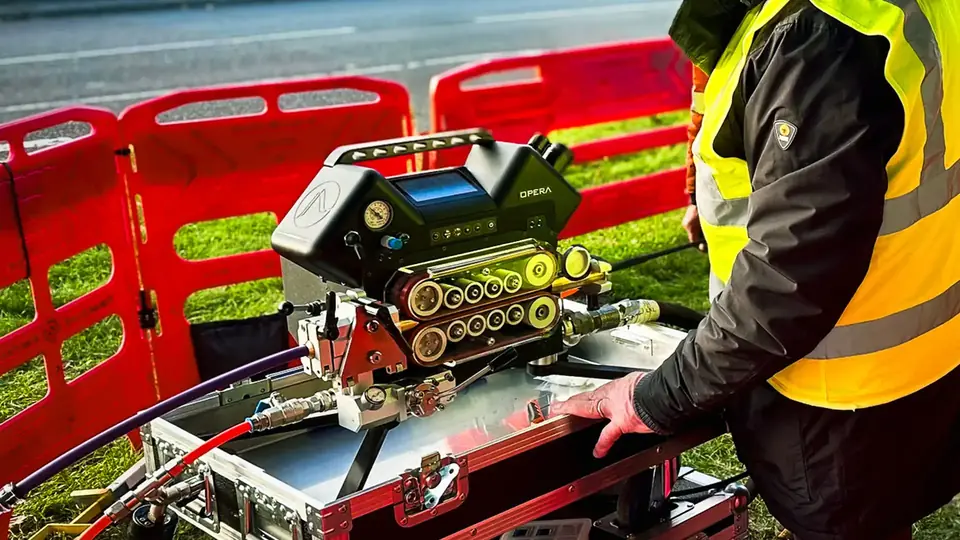
Opera, image 1 of 3
Expert advice direct from the manufacturer / Free demonstration on request
Some of our customers.
Keep your installation moving with Fibernet cable blowing machines.
Photos and stories from installers, published by Fibernet.
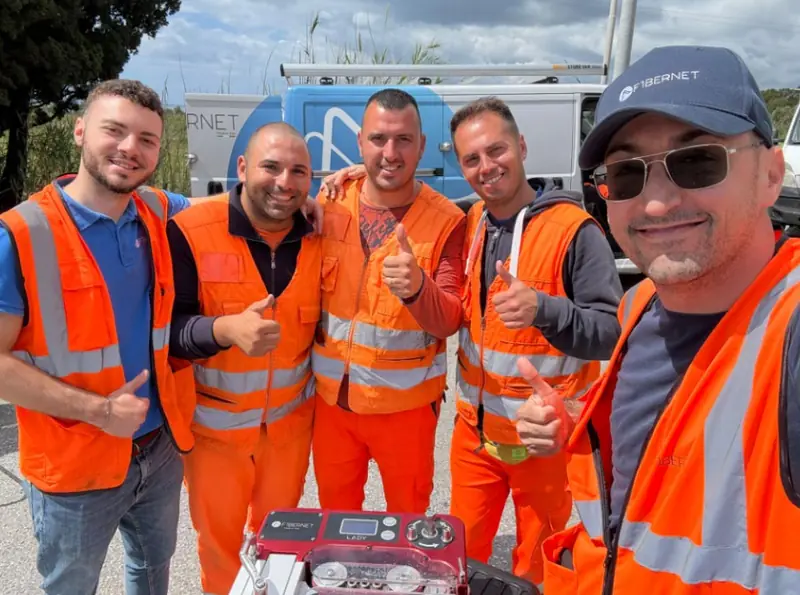
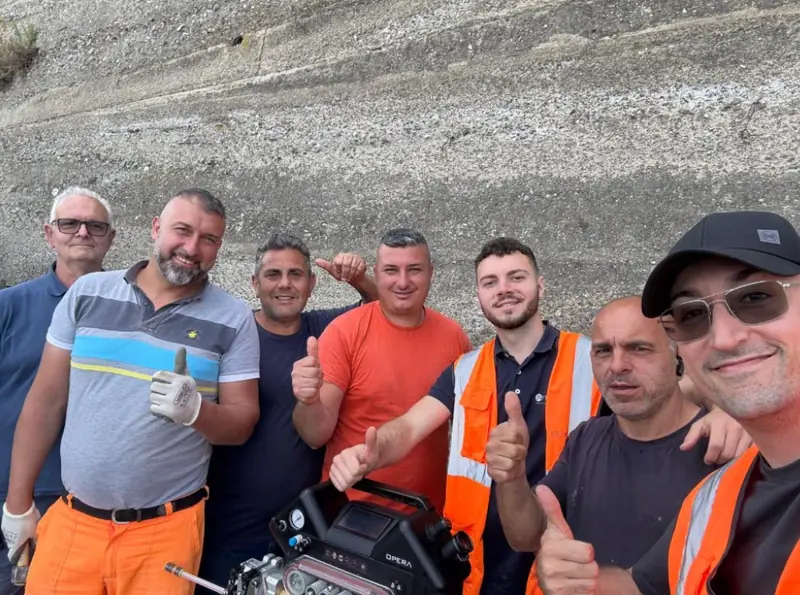
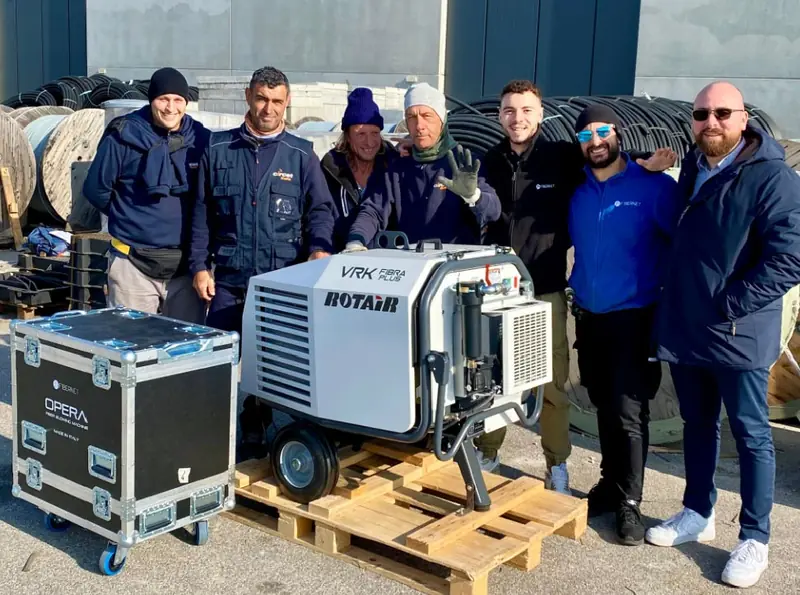
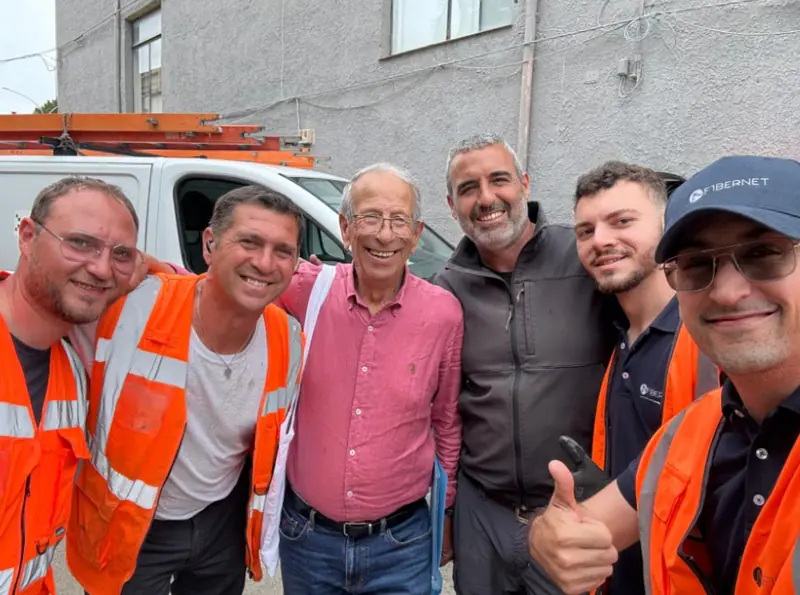
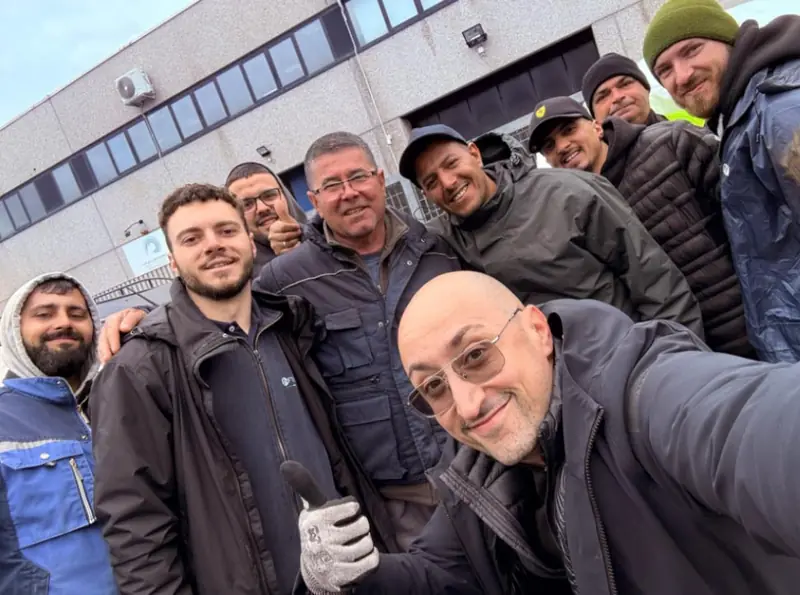
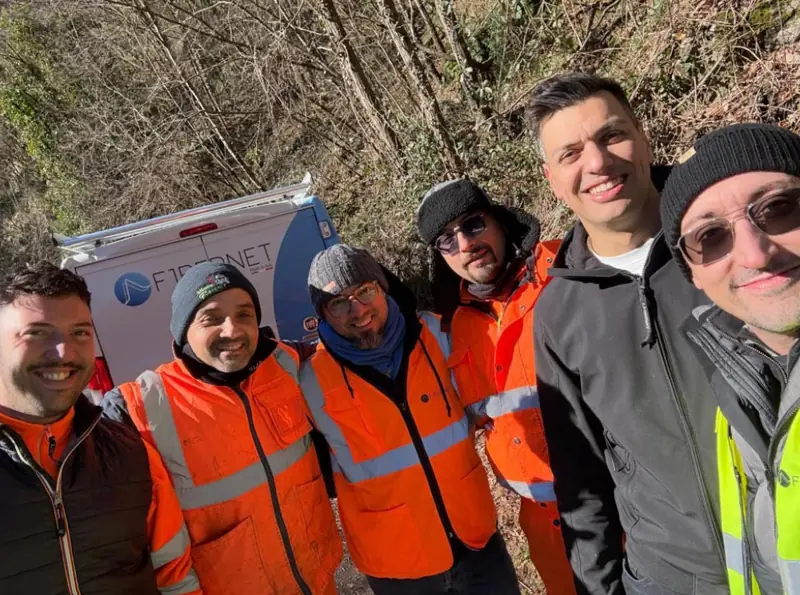 GoogleExcellentBased on 176 reviewsRead the reviews
Read on Google“An excellent experience on the installer training course. The whole team was professional and knowledgeable.”
Read on Google“I had the chance to try the Opera cable blowing machine on site…”
Read on Google“I really enjoyed this course. It took place in a pleasant setting with friendly, helpful people.”
Stories from installers
Hear the results from the installers themselves. Watch their testimonials right here.
Product videos
Three machines. Find your fit.
Start with the job at hand. Our technician can answer your questions about the right setup.
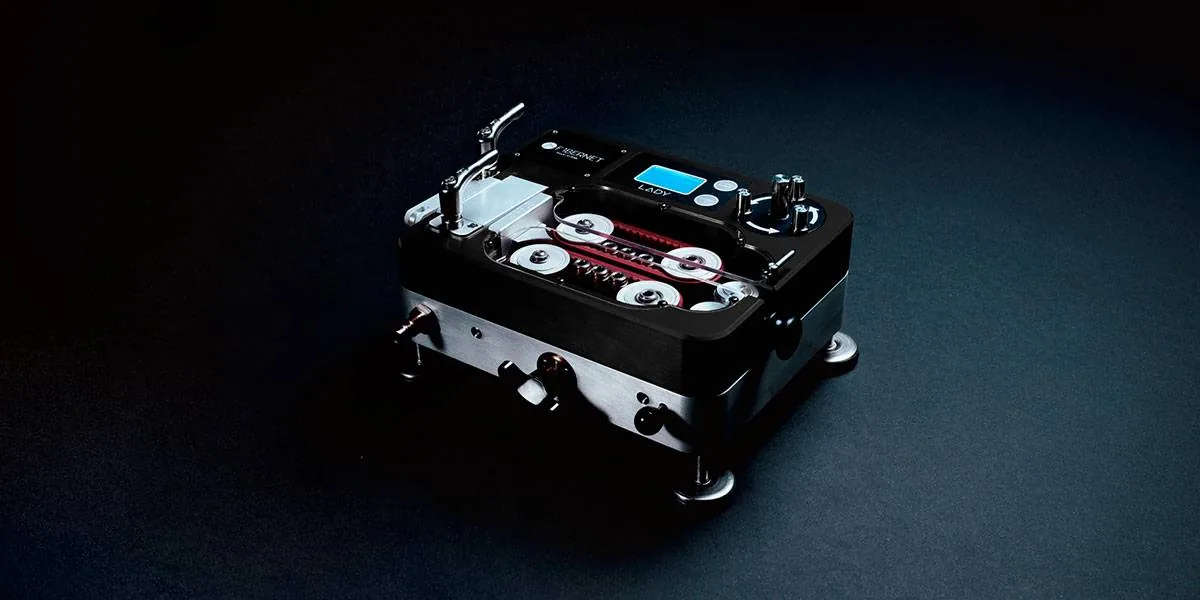
Compact and lightweight
A compact, lightweight machine for short runs.
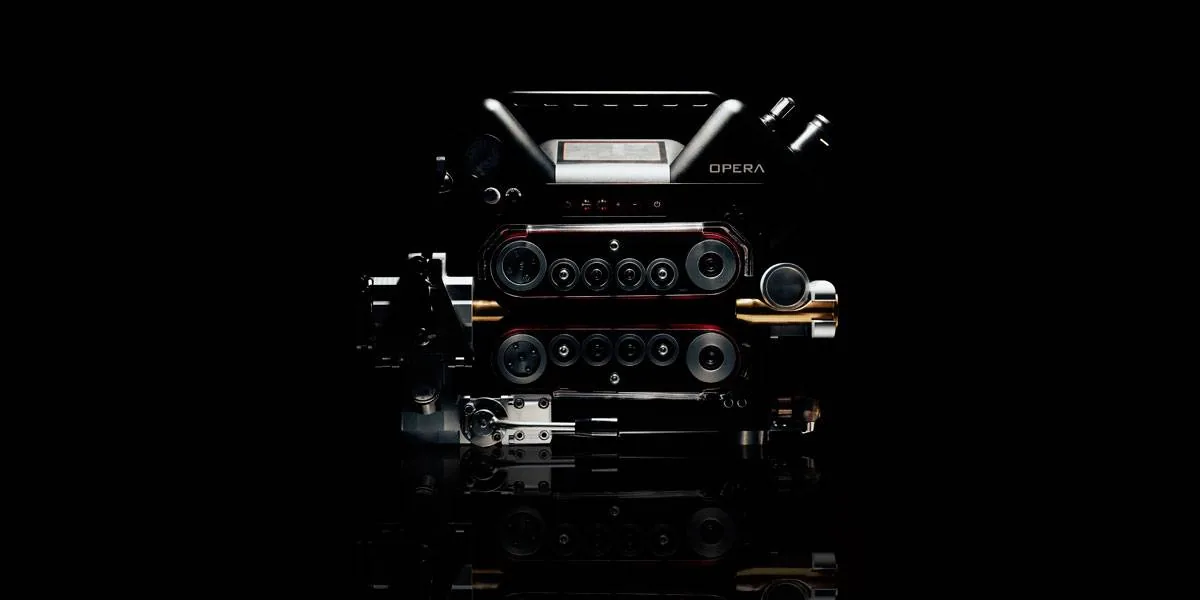
Pneumatic power
A pneumatic machine for long cable runs.
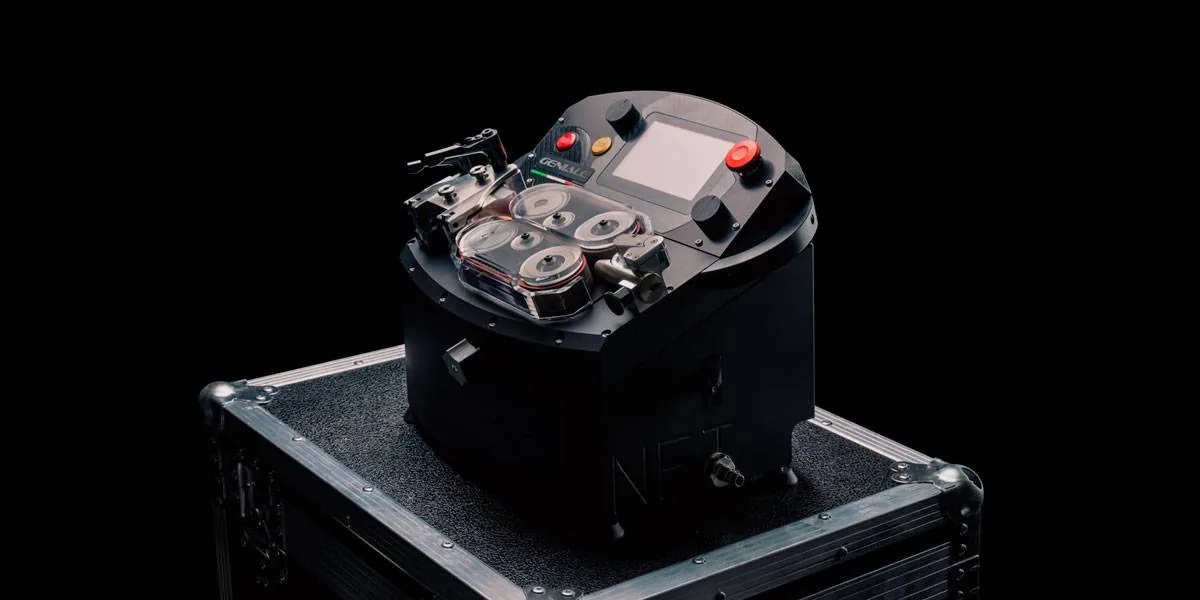
Electric, with two gears
For short and long runs. Two gears let you match force and speed to the job.
Specifications for the Fibernet range. The speeds shown are maximum values. Actual results depend on installation conditions and machine setup.
Direct from the manufacturer
When you’re working on site, you need practical answers. With Fibernet, you speak directly to the people who design and build your cable blowing machine.
Speak to a technicianA specialist technician can help when you need it.
Spare parts ready to ship, direct from the manufacturer.
If your machine breaks down, a replacement may be available within 48 hours.
Check availability and terms with your technician.Get help making the most of your machine, from your very first job.
See it in action before you choose
Request a free hands-on demonstration on your site or at Fibernet’s test facility. Discuss a real job with the technician.
Request a free demonstration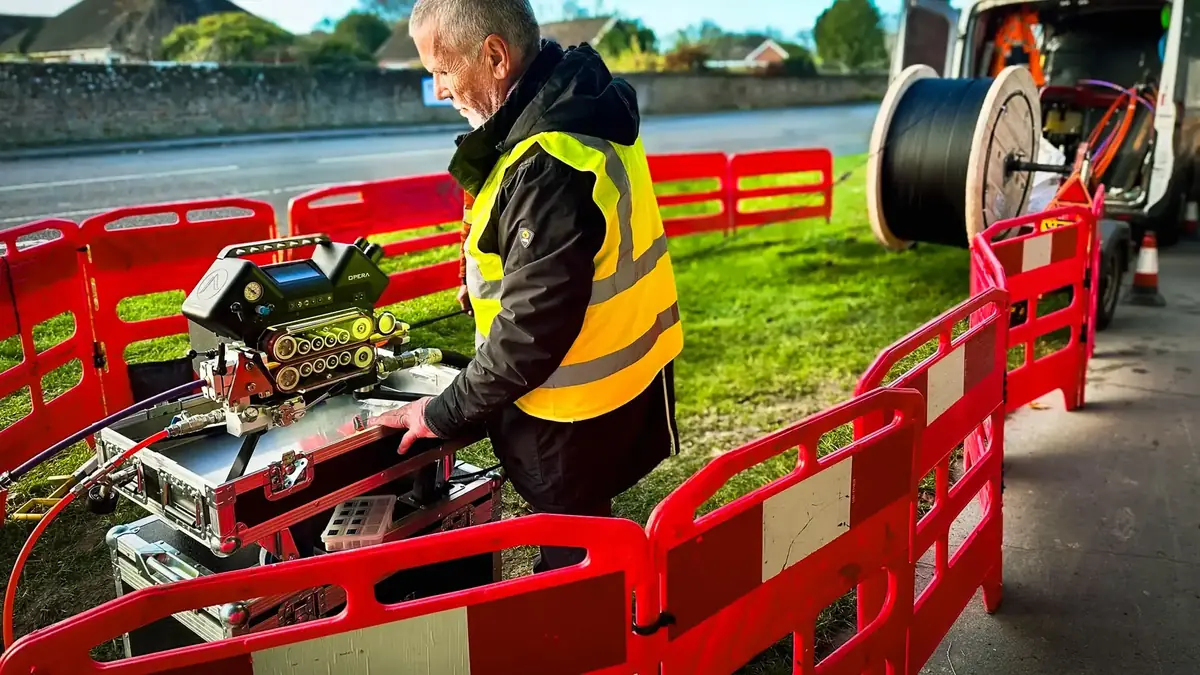
Choosing equipment for a temporary installation starts with the cable and duct, not simply the number of days on site. A contractor considering fibre optic cable blower rental should first establish the cable outside diameter, the duct internal diameter, the planned route length, and the cable manufacturer's installation limits. These details help determine whether a proposed machine configuration is appropriate and which guides, seals, and drive components may be needed. For American contractors preparing work in Italy, sharing measurements in both millimeters and inches can also prevent avoidable misunderstandings during equipment discussions. Fibernet's Italian manufacturing background provides a relevant starting point for conversations about machine selection, with support in the United States and worldwide helping connect product expertise with the needs of crews working across different markets. Before discussing a rental period, prepare a short description of the route. Include bends, changes in elevation, access locations, duct joints, and any sections where the duct condition is uncertain. A cable blower for fibre optic cable must be evaluated as part of this complete installation setup rather than as an isolated machine. Cable stiffness, jacket condition, duct cleanliness, and the relationship between cable diameter and available duct space all influence practical results. No responsible equipment discussion should promise a particular distance or speed without considering these variables. Compressor compatibility deserves equally careful attention. Where a pneumatic fibre optic cable blower is being considered, ask about the required airflow and operating pressure for the specific configuration, together with any air preparation requirements. Compressor pressure alone does not establish suitability, and the condition of hoses, couplings, and duct connections can affect the installation. Confirm the cable manufacturer's permitted pushing force and the pressure limits of every relevant component before work begins. The crew should also understand how the proposed machine controls cable advance and how an operator can stop the process when conditions change. A useful inquiry therefore includes cable and duct specifications, the expected working environment, available compressed air, and the intended schedule. It should also ask whether rental is available for the location and dates concerned, rather than assuming that every machine is offered on that basis. Fibernet can be contacted to discuss the application and clarify equipment options, support arrangements, and the information needed for a relevant proposal. This approach turns an initial equipment search into a practical technical conversation. Instead of selecting a blower because it appears suitable in a photograph, the contractor builds a clearer picture of compatibility, site readiness, and the responsibilities that must be agreed before equipment reaches the job site.
A short equipment booking can become expensive when the installation team discovers that essential accessories, suitable air supply, or transport arrangements were not included in the original plan. For this reason, evaluating fibre optic cable blower rental means looking beyond a headline daily or weekly rate. Start by defining the intended working window, including delivery, equipment checks, installation days, possible weather disruption, and return transport. Ask how the rental period is calculated and whether collection delays, extensions, or nonworking days affect the final amount. These are questions to resolve with the equipment provider before accepting a proposal; they should never be treated as standard terms that apply automatically. The most useful comparison is between complete, clearly described packages for the same application. Check which cable guides, duct adapters, seals, connection hoses, and other required items are included, and which must be supplied separately. Confirm whether wear components are covered, how replacement parts are handled, and what happens if a supplied configuration does not match the dimensions originally communicated. When comparing a fibre optic cable blower price with temporary access costs, consider the frequency of future jobs as well as the immediate contract. Ownership may deserve consideration when the same crew repeatedly handles compatible cable and duct combinations, while temporary access may suit a defined project with uncertain follow-on demand. Neither option is automatically cheaper once logistics, maintenance responsibilities, and equipment utilization are included. Procurement teams should also distinguish between equipment availability and technical suitability. A machine that can be delivered quickly is not necessarily the right choice for the cable, duct, or compressor already assigned to the site. Conversely, a well-matched machine can still create scheduling problems if delivery and return responsibilities remain unclear. Ask for written confirmation of the proposed configuration and identify who approves any substitutions. If the search expands to a used fibre optic cable blower, request information about service history, condition, compatible accessories, and the availability of support before making a comparison with rental. Fibernet's development of its first Lady cable blowing machine in 2021 forms part of a broader technical heritage, but a procurement decision should still depend on the specific equipment and commercial terms being offered. For projects involving American businesses working in Italy, clarify delivery destination, documentation, billing arrangements, and the practical route for obtaining assistance. Support in the United States and worldwide is valuable context, but response times, coverage, and any associated costs should be confirmed for the actual agreement. A disciplined comparison gives purchasing teams a more reliable basis for approval and helps site supervisors understand exactly what will arrive, what they must provide, and which uncertainties remain before the first installation shift.
The first productive shift begins before the equipment is unpacked. A supervisor should have the approved cable and duct details, the applicable machine documentation, a clear installation sequence, and an agreed method of communication between the feed position and the receiving end. When planning fibre optic cable blower rental, this preparation is especially important because the crew may be working with a machine configuration that differs from its usual equipment. Identify who will operate the controls, who will manage cable payout, and who has authority to stop the operation if the cable stops advancing or another unexpected condition occurs. Everyone involved should understand the relevant manufacturer instructions and site safety procedures, including the hazards associated with compressed air and moving components. Before connecting a compressed air fibre optic cable blower, inspect the proposed work area and verify that the compressor, hoses, fittings, and duct connections meet the requirements established for the job. Keep the equipment stable, provide suitable space for cable handling, and arrange the payout so that the cable is not subjected to unnecessary bending or uncontrolled tension. Confirm duct readiness using methods appropriate to the duct system and the project specification. Do not attempt to compensate for a damaged, obstructed, or poorly connected duct simply by increasing pressure or drive force. The limits stated by the relevant equipment, cable, and duct manufacturers remain essential boundaries throughout the operation. During installation, keep records that help explain progress and interruptions. Useful entries can include the cable and duct sizes, machine configuration, operating settings, installed length, observed conditions, and the reason for any stop. Such records support a more useful technical conversation than a general report that the equipment is not working. For teams investigating fibre optic cable blower hire, it is sensible to ask in advance how technical questions should be submitted, which identifying details are required, and whether remote assistance is available under the proposed arrangement. Fibernet was established in 2001 and draws on founder Giancarlo Trinei's technical experience dating back to Italy's early cable installations in the 1980s. That background, together with Italian-made cable blowing equipment and support in the United States and worldwide, is relevant to contractors seeking a direct discussion with a manufacturer. However, the scope of assistance for a particular rental or supplied machine should always be confirmed rather than assumed. At the end of the project, allow time for safe shutdown, cleaning in accordance with the instructions, accessory checks, and documentation of the equipment's condition. Confirm the return process before demobilizing the crew. These practical steps help close the job cleanly and give both the contractor and equipment provider a clearer record of what was supplied, how it was used, and whether further technical follow-up is needed.
Fill out the form and discover what Fibernet Srl can do for you!
Contact us!Before you get started
If you prefer, speak to us directly.
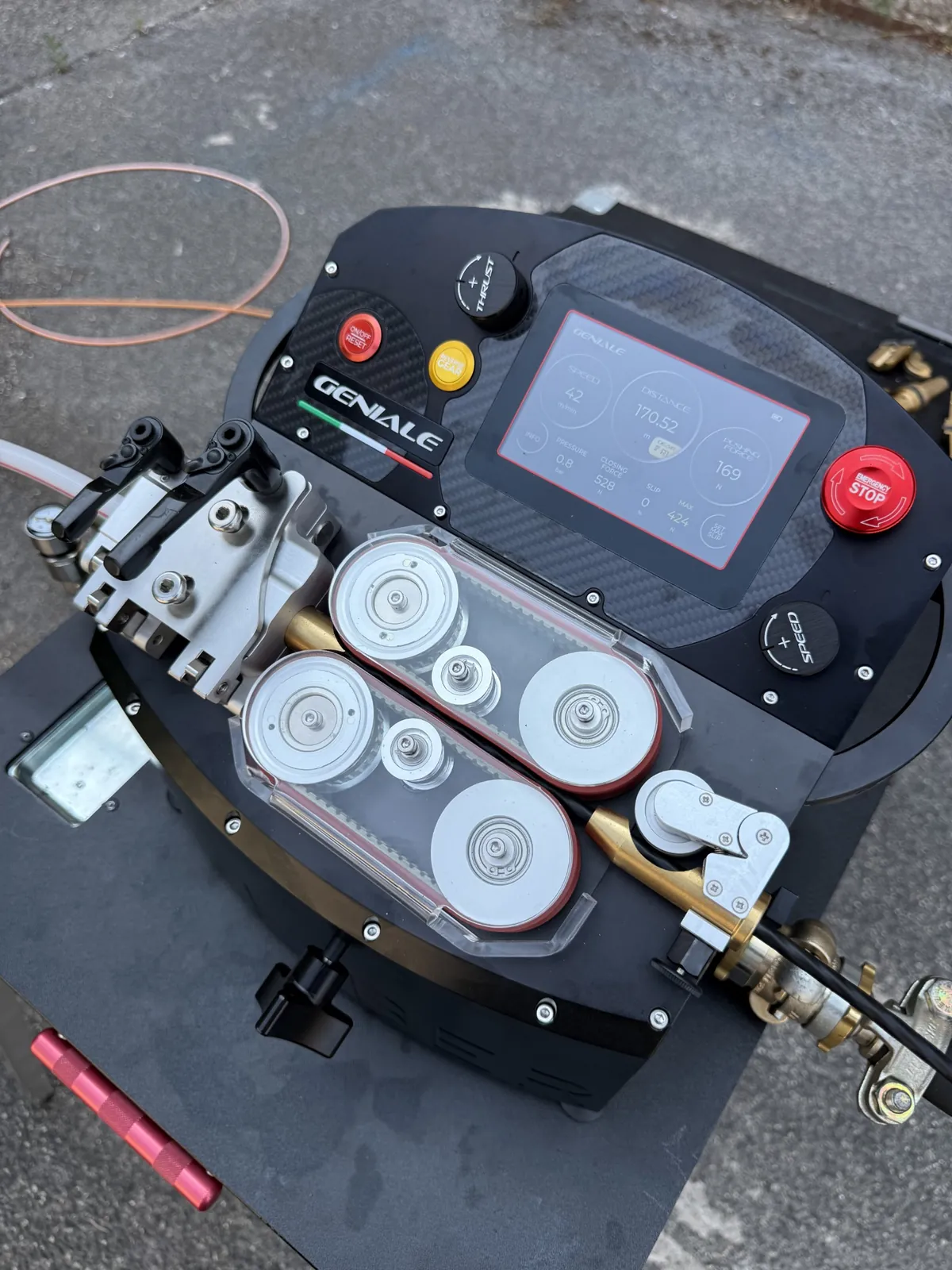
+39 346 652 9915Compare the cable diameter, duct diameter and installation distance. Lady is compact and lightweight for short runs. Opera is pneumatic and designed for long runs. Geniale is electric and handles both. A Fibernet technician can help you choose.
Yes. You can request a free hands-on demonstration on your site or at Fibernet’s test facility. Tell us what you need in the form and a technician will arrange it with you. Request a demonstration.
To get a price, contact a Fibernet advisor using the form or call +39 346 652 9915.
Fibernet offers direct technical support, spare parts ready to ship and dedicated training. If your machine breaks down, a replacement may be available. Ask your technician about availability and terms.
Tell us about your job. We’ll help you find the right cable blowing machine.