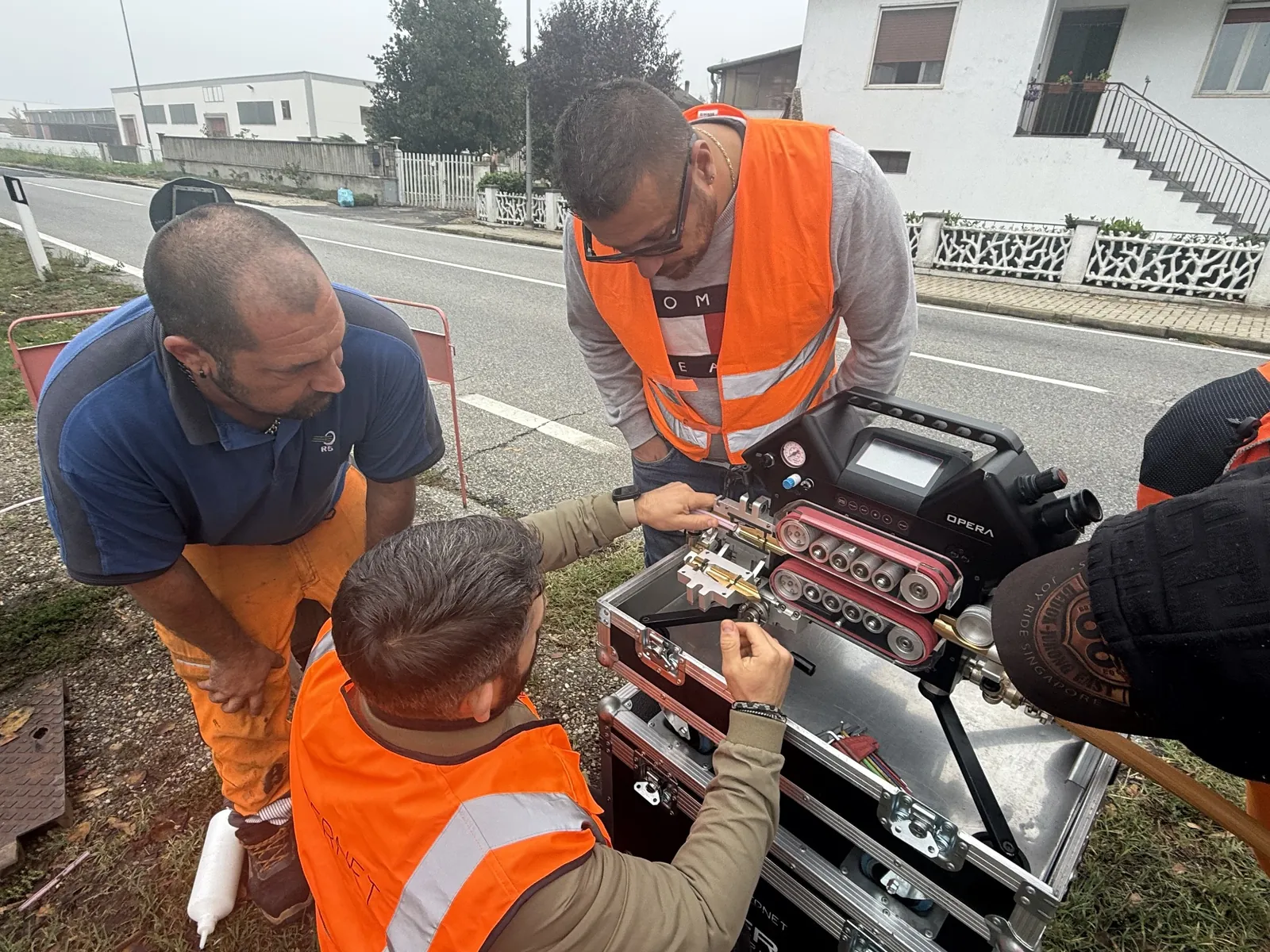
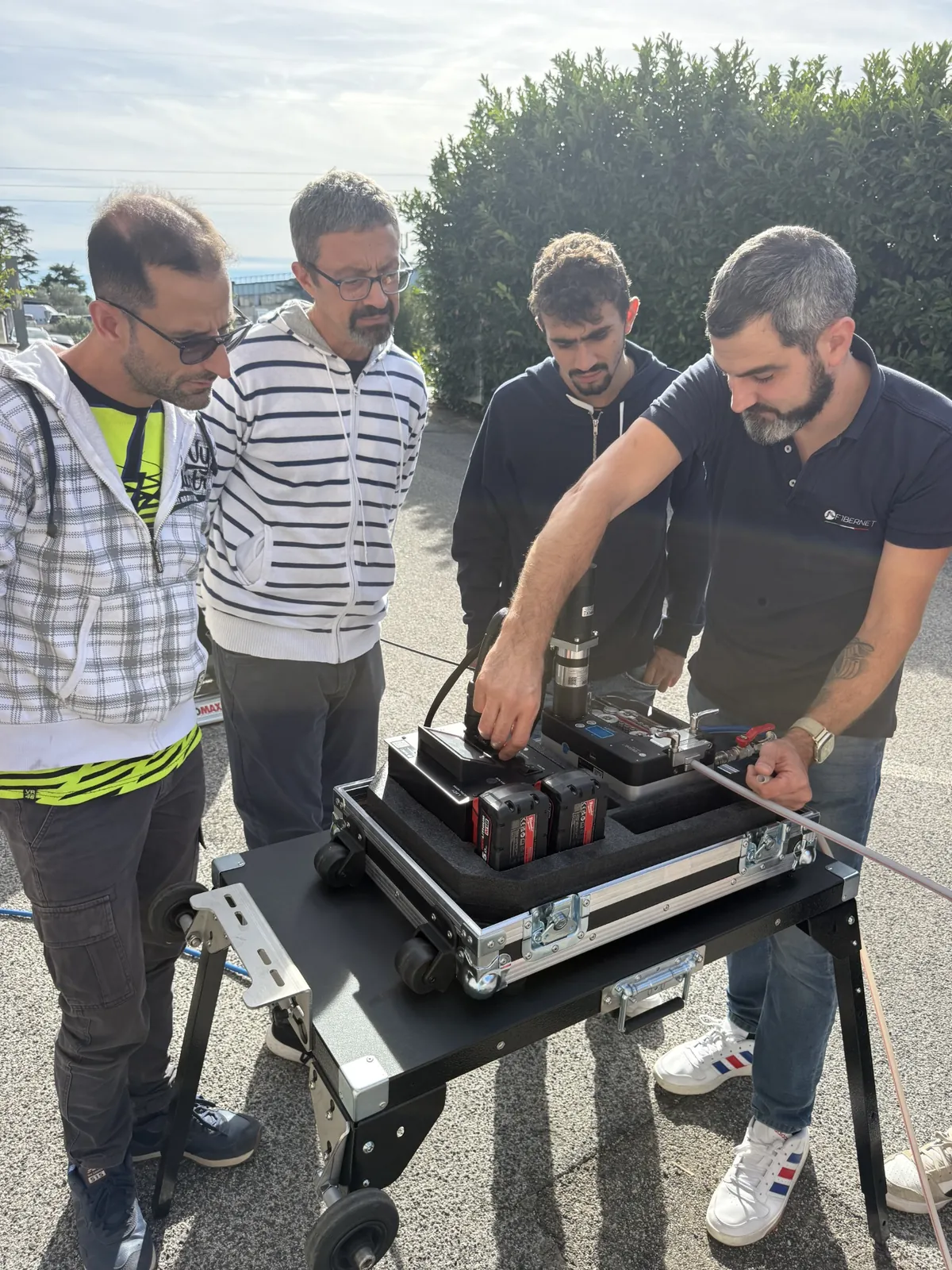
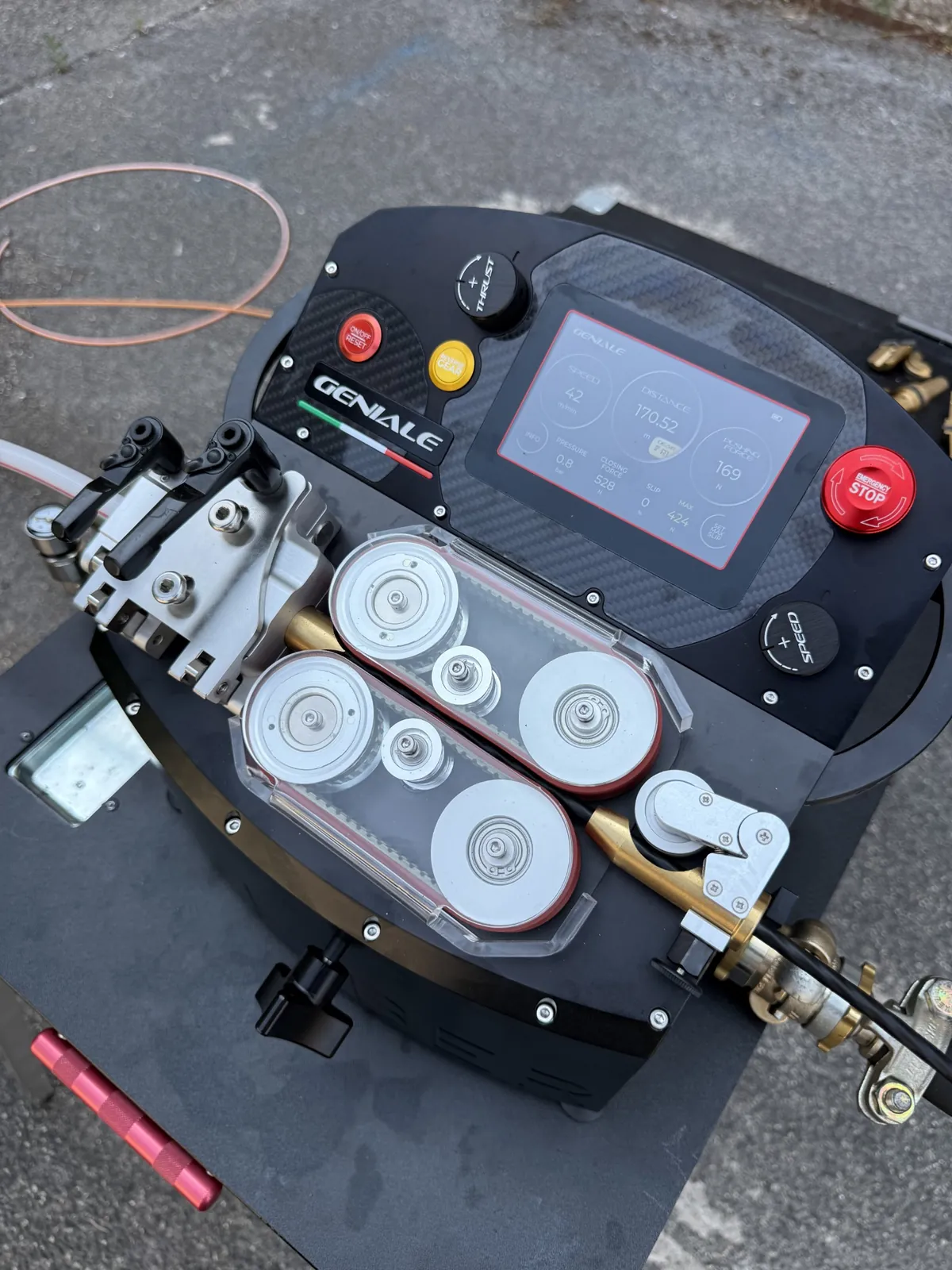
Emanuele Zanda
Google review
★★★★★
Read on Google“An excellent experience on the installer training course. The whole team was professional and knowledgeable.”
Cable blowing machines · Made in Italy
From last-mile connections to long-distance runs, a Fibernet technician can help you choose the right machine for your fiber optic cable installation.
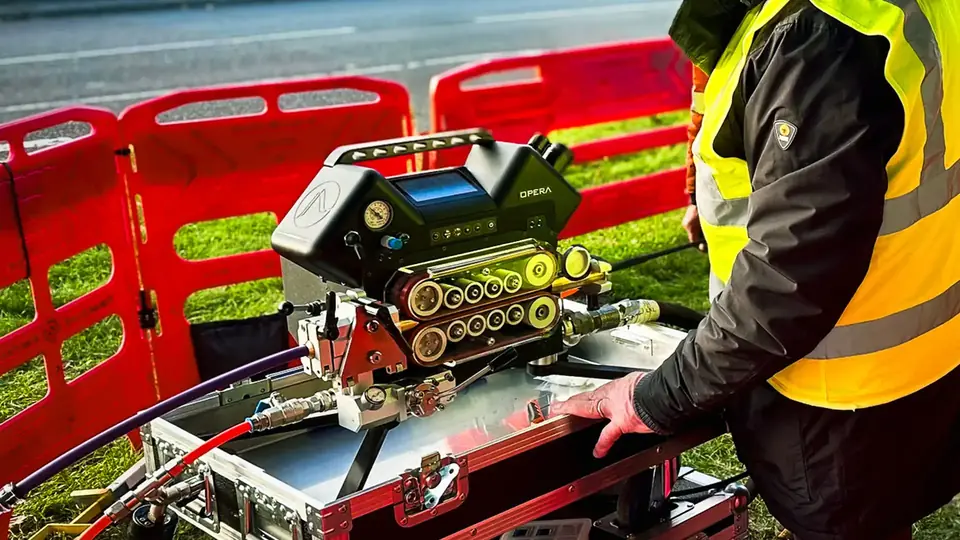
Opera, image 1 of 3
Expert advice direct from the manufacturer / Free demonstration on request
Some of our customers.

Keep your installation moving with Fibernet cable blowing machines.
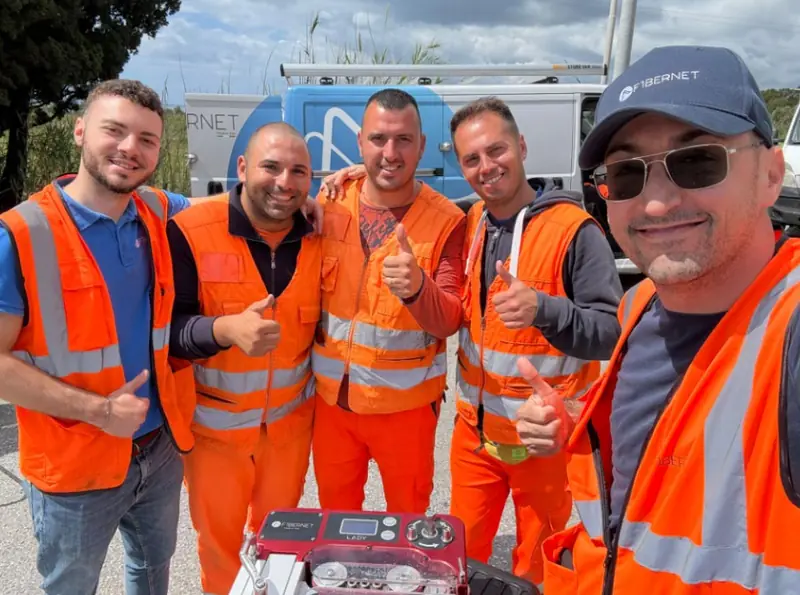
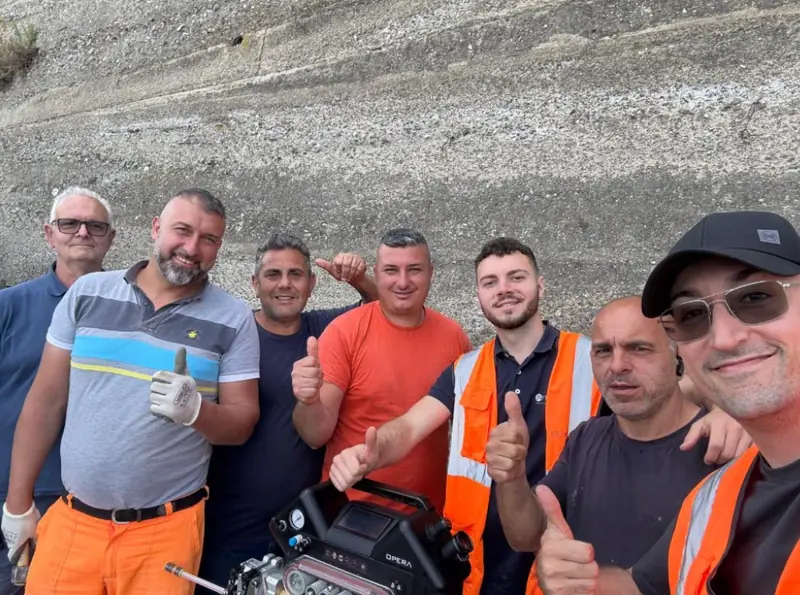
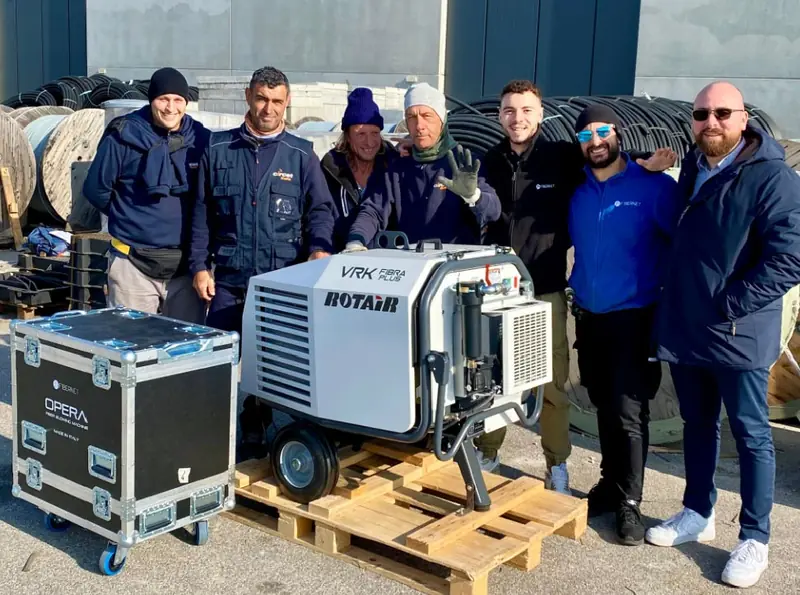
Photos and stories from installers, published by Fibernet.
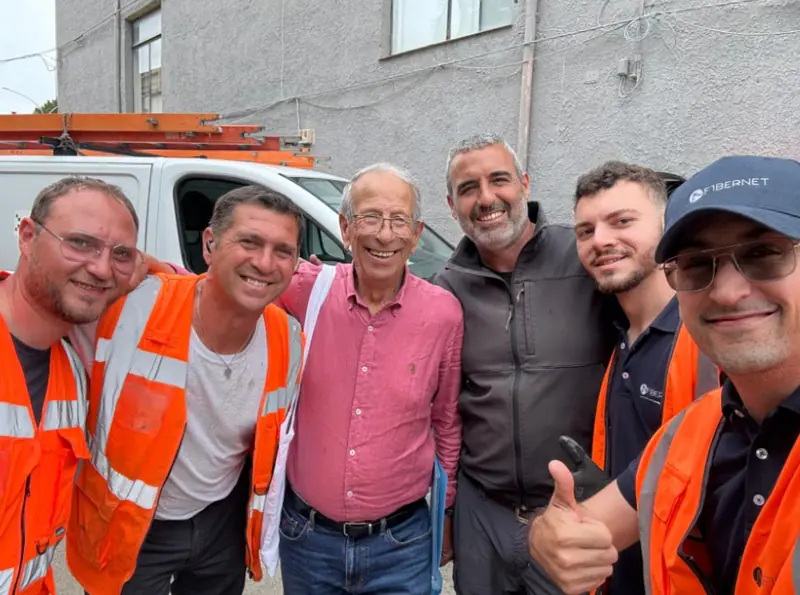
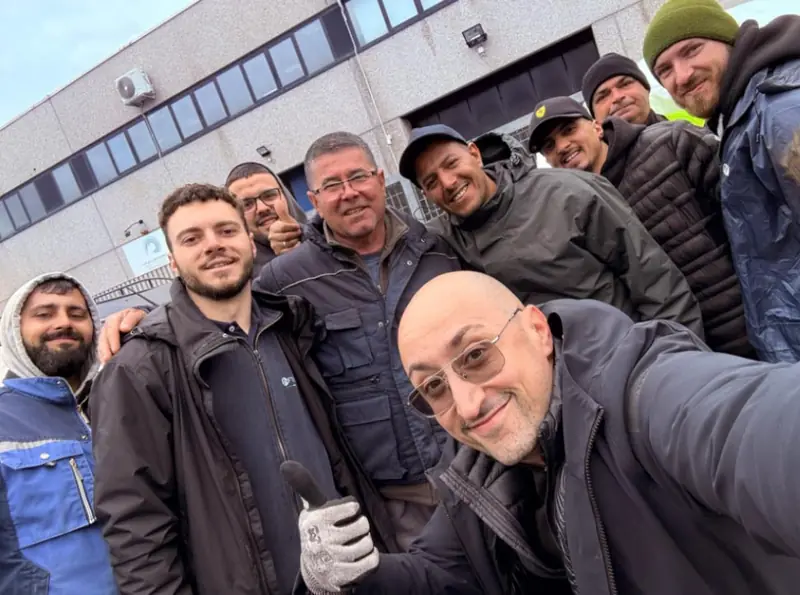
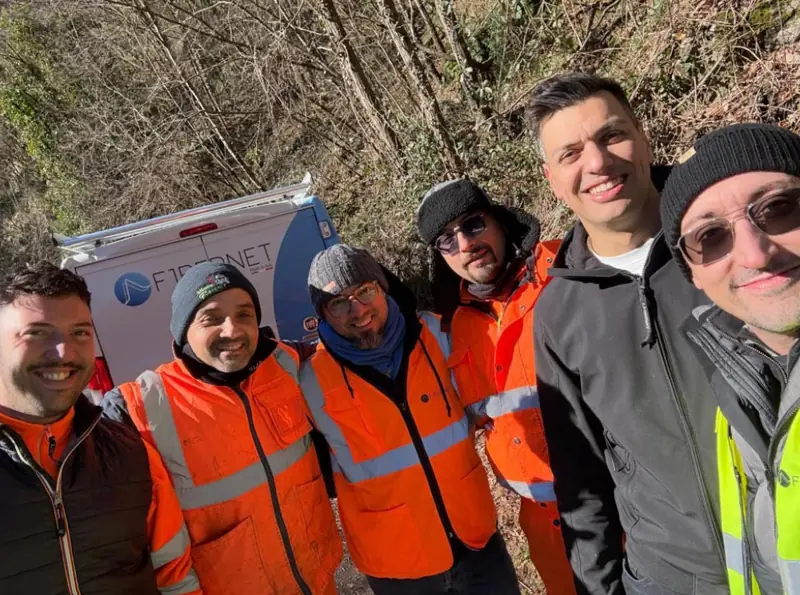 GoogleExcellentBased on 176 reviewsRead the reviews
Read on Google“An excellent experience on the installer training course. The whole team was professional and knowledgeable.”
Read on Google“I had the chance to try the Opera cable blowing machine on site…”
Read on Google“I really enjoyed this course. It took place in a pleasant setting with friendly, helpful people.”
Stories from installers
Hear the results from the installers themselves. Watch their testimonials right here.
Product videos
Three machines. Find your fit.
Start with the job at hand. Our technician can answer your questions about the right setup.
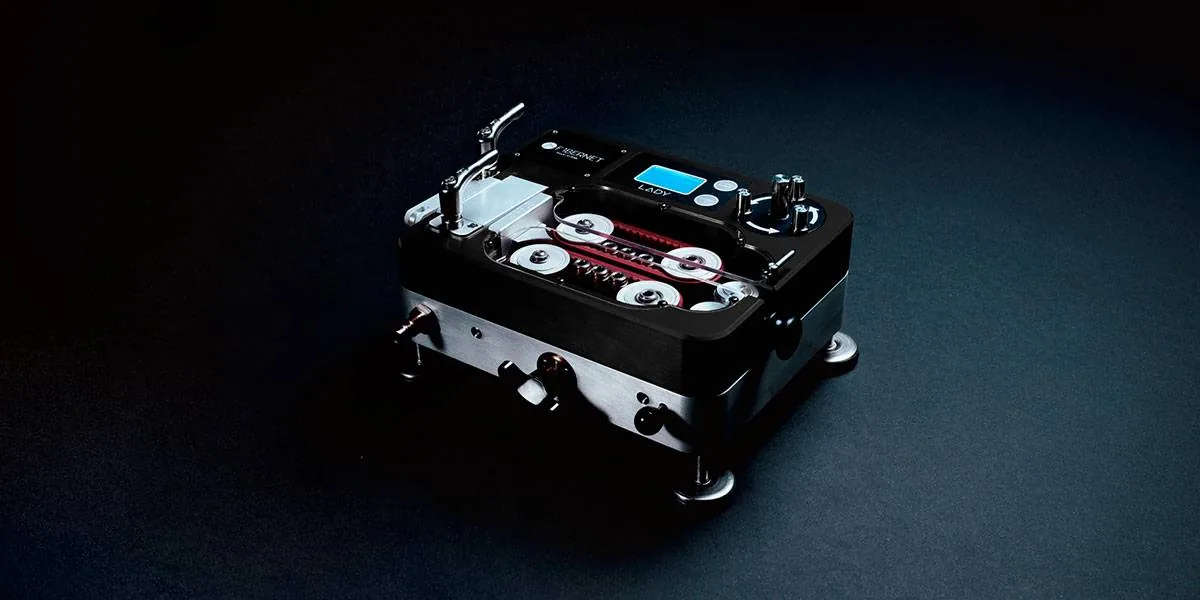
Compact and lightweight
A compact, lightweight machine for short runs.
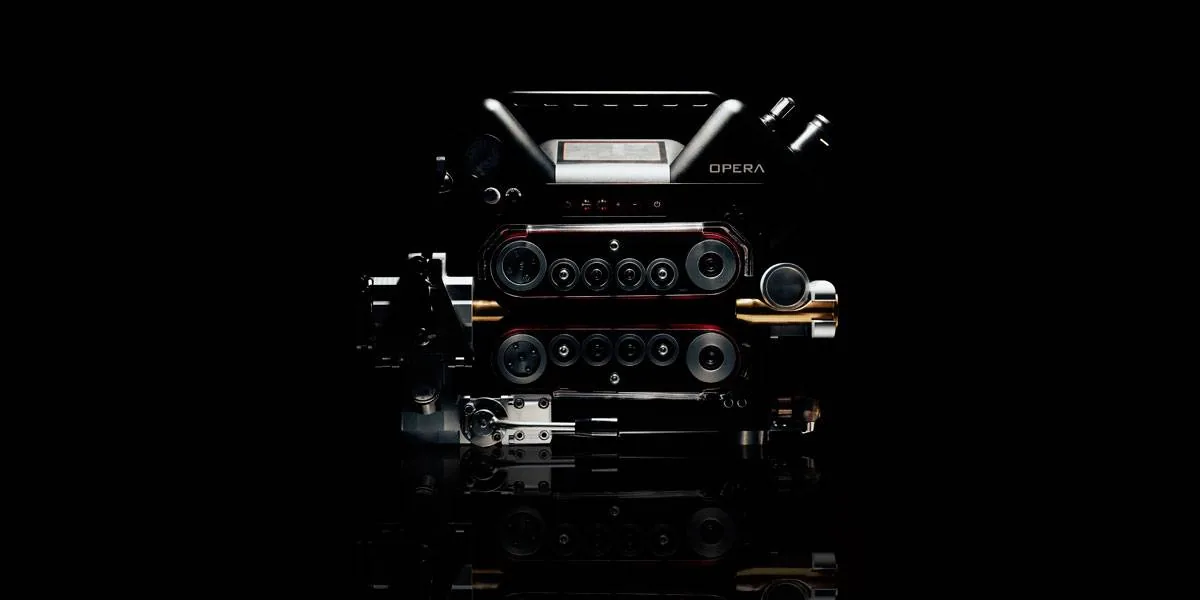
Pneumatic power
A pneumatic machine for long cable runs.
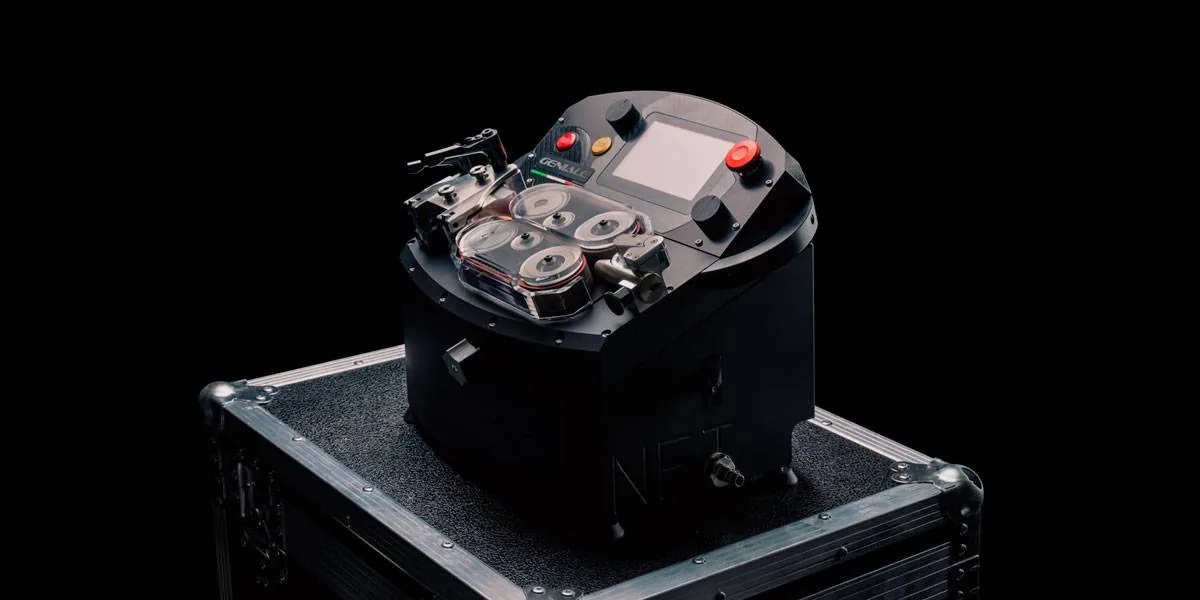
Electric, with two gears
For short and long runs. Two gears let you match force and speed to the job.
Specifications for the Fibernet range. The speeds shown are maximum values. Actual results depend on installation conditions and machine setup.
Direct from the manufacturer
When you’re working on site, you need practical answers. With Fibernet, you speak directly to the people who design and build your cable blowing machine.
Speak to a technicianA specialist technician can help when you need it.
Spare parts ready to ship, direct from the manufacturer.
If your machine breaks down, a replacement may be available within 48 hours.
Check availability and terms with your technician.Get help making the most of your machine, from your very first job.
See it in action before you choose
Request a free hands-on demonstration on your site or at Fibernet’s test facility. Discuss a real job with the technician.
Request a free demonstration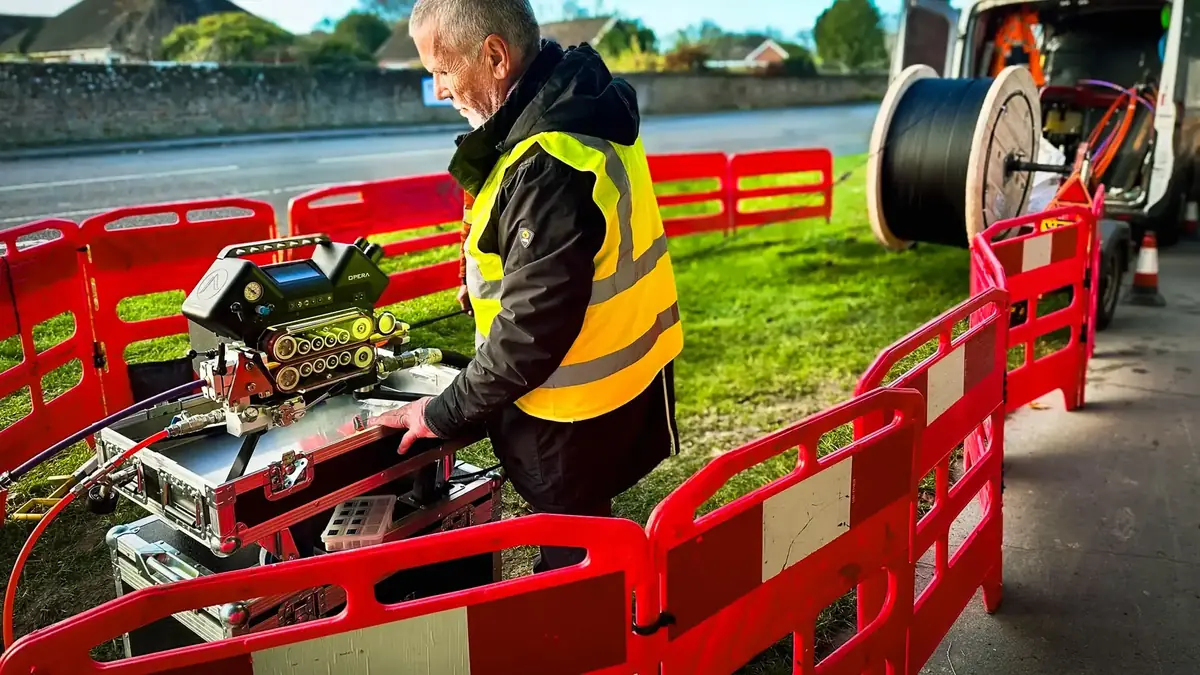
Finding a fibre cable blower on rent starts with understanding the installation, not simply choosing an available machine. For American contractors preparing work in Italy, or procurement teams evaluating Italian-made equipment for projects in the United States, the first useful step is to describe the cable, duct, route, and working conditions. Fibernet develops cable blowing machines with a practical engineering approach, drawing on technical experience that predates the company’s foundation in 2001. Its first cable blowing machine, Lady, launched in 2021. When contacting the company about temporary equipment access, ask which arrangements are currently available for your location and schedule rather than assuming that every model is offered for rental. A productive enquiry includes the cable’s outside diameter, the duct’s internal and external diameters, the intended installation length, and any known restrictions along the route. These details help establish whether a proposed machine configuration is suitable before anyone discusses dispatch or a start date. Your crew should also explain whether the work involves individual sections, repeated short installations, or longer routes with intermediate access points. Tight bends, changes in elevation, existing duct conditions, and limited working space can all affect the installation plan. A cable blower for fibre optic cable must be selected around these conditions, alongside the cable manufacturer’s permitted installation forces and bending limits. Ask which cable guides, duct clamps, seals, and connection components would be needed for the exact combination being installed. An apparently attractive equipment arrangement can become inconvenient if essential accessories are missing or incorrectly sized. The compressed air supply deserves equally careful attention. Rather than selecting a compressor from pressure alone, confirm the required airflow, operating pressure, air preparation, and hose connections for the proposed machine and application. Moisture, contamination, leakage, or inadequate airflow can undermine otherwise appropriate equipment selection. Before searching further for a fibre optic cable blower on rent, prepare a short project brief with photographs of the working area and clear dimensional information. Include your preferred working dates, delivery destination, expected operating hours, and the contact responsible for technical decisions. Ask Fibernet to clarify equipment availability, documentation, support arrangements, and any conditions attached to temporary use. This approach helps a contractor distinguish between a machine that is merely accessible and a configuration that is genuinely appropriate for the job. It also gives purchasing staff and field supervisors a shared basis for comparing options, reducing avoidable questions when the crew is ready to begin. Confirming these points early supports a more realistic schedule without relying on promised installation distances or production rates that cannot be established from equipment specifications alone.
A rental decision becomes more useful when it is measured against the complete installation budget rather than a daily equipment figure in isolation. A contractor looking for a fibre cable blower on rent may need the machine for a brief mobilisation, an unexpected workload peak, or a project that does not yet justify ownership. Each situation creates different commercial questions. Ask whether an available quotation covers only the machine or also the required configuration components, transport, preparation, and technical assistance. Confirm the charging period, collection arrangements, return deadline, and the treatment of extensions or delays. These are questions to resolve with the supplier, not assumptions about Fibernet’s current commercial terms. For work taking place in Italy, clarify the delivery address, site access restrictions, invoicing requirements, applicable taxes, and any collection limitations before committing to a start date. American purchasing teams should ensure that their field supervisor receives the same equipment description and scope of supply as the procurement department. If equipment is intended to travel between Italy and the United States, establish who is responsible for freight, customs documentation, temporary import arrangements where applicable, and return logistics. The machine’s location and the availability of suitable accessories can influence the practical value of a short hire period. Comparing a rental proposal with the fibre cable blower price for outright purchase can help determine which arrangement fits the expected workload. Occasional use may favour temporary access when it is available, while a regular installation schedule may justify evaluating ownership. The comparison should include likely utilisation, storage, maintenance responsibilities, accessory requirements, and the cost of having equipment unavailable when a crew needs it. Avoid treating a low headline rate as a complete measure of value. A configuration that does not match the cable or duct can create additional handling, rescheduling, or replacement costs. Another option sometimes considered is a used fibre cable blower, but that assessment requires a different set of checks. Ask about condition, service history, wear components, documentation, accessory compatibility, and the support available for the specific unit. Neither used equipment nor rental equipment should be assumed to offer the same terms as a new purchase. Request written clarification before comparing quotations. Fibernet’s Italian-made product background and assistance in the United States and worldwide are relevant to this conversation, but the precise support coverage for your machine, location, and proposed arrangement should still be confirmed. A clear enquiry separates equipment cost from operational responsibility. It should leave your team knowing what is included, what must be sourced separately, who handles technical questions, and what happens if the project dates change. That clarity is often more valuable than an attractive figure presented without a defined scope.
The handover is where an equipment enquiry becomes a workable site plan. Before accepting any proposed fibre cable blower on rent, ask for the operating documentation and review it against the experience of the crew who will use the machine. Identify who will inspect the equipment on arrival, verify the supplied accessories, and record its condition. The inspection should follow the manufacturer’s instructions and include relevant guards, controls, connections, clamping components, and visible wear areas. Confirm that the cable and duct dimensions match the agreed configuration rather than relying on a general description in a delivery note. If a component differs from the agreed specification, resolve the discrepancy before starting work. Site preparation should be equally specific. Provide a stable working position, organise cable payout to avoid unnecessary resistance, and keep communication clear between personnel responsible for feeding, monitoring, and receiving the cable. The crew should understand the machine’s stopping procedure and the precautions associated with pressurised equipment. Never loosen pressurised connections or make adjustments that require isolation while the system remains energised. Follow the relevant manuals and site safety procedures for depressurisation, adjustment, and restart. A compressed air fibre cable blower also requires an air supply that meets the requirements of the selected machine and application. Check the compressor arrangement, hose condition, connection compatibility, and specified air treatment before the installation begins. During operation, monitor the indicators and cable behaviour specified in the manufacturer’s guidance. Unexpected resistance should prompt a controlled stop and investigation, not an automatic increase in force or pressure. Possible causes may include payout restrictions, unsuitable settings, leakage, route obstructions, or a mismatch between the cable and the installed accessories. Recording the conditions at the time of a problem can make a support conversation far more effective. Keep the machine identification, cable and duct dimensions, accessory details, compressor information, and any displayed readings available for the technical contact. Photographs can help explain the setup, provided they are taken safely and comply with site rules. Fibernet’s Italian-made machines are backed by assistance in the United States and worldwide; ask which contact channel, service arrangements, and response provisions apply to your location before mobilisation. A pneumatic fibre cable blower should be assessed as part of this complete working setup rather than as an isolated item. At the end of the agreed use period, follow the specified cleaning, inspection, packing, and return procedures. Record any operating issues or damage accurately and retain the agreed handover documents. Careful preparation and traceable communication help both the contractor and supplier address problems efficiently, while giving the next project a more reliable basis for equipment selection.
Fill out the form and discover what Fibernet Srl can do for you!
Contact us!Before you get started
If you prefer, speak to us directly.
+39 346 652 9915Compare the cable diameter, duct diameter and installation distance. Lady is compact and lightweight for short runs. Opera is pneumatic and designed for long runs. Geniale is electric and handles both. A Fibernet technician can help you choose.
Yes. You can request a free hands-on demonstration on your site or at Fibernet’s test facility. Tell us what you need in the form and a technician will arrange it with you. Request a demonstration.
To get a price, contact a Fibernet advisor using the form or call +39 346 652 9915.
Fibernet offers direct technical support, spare parts ready to ship and dedicated training. If your machine breaks down, a replacement may be available. Ask your technician about availability and terms.
Tell us about your job. We’ll help you find the right cable blowing machine.