Emanuele Zanda
Google review
★★★★★
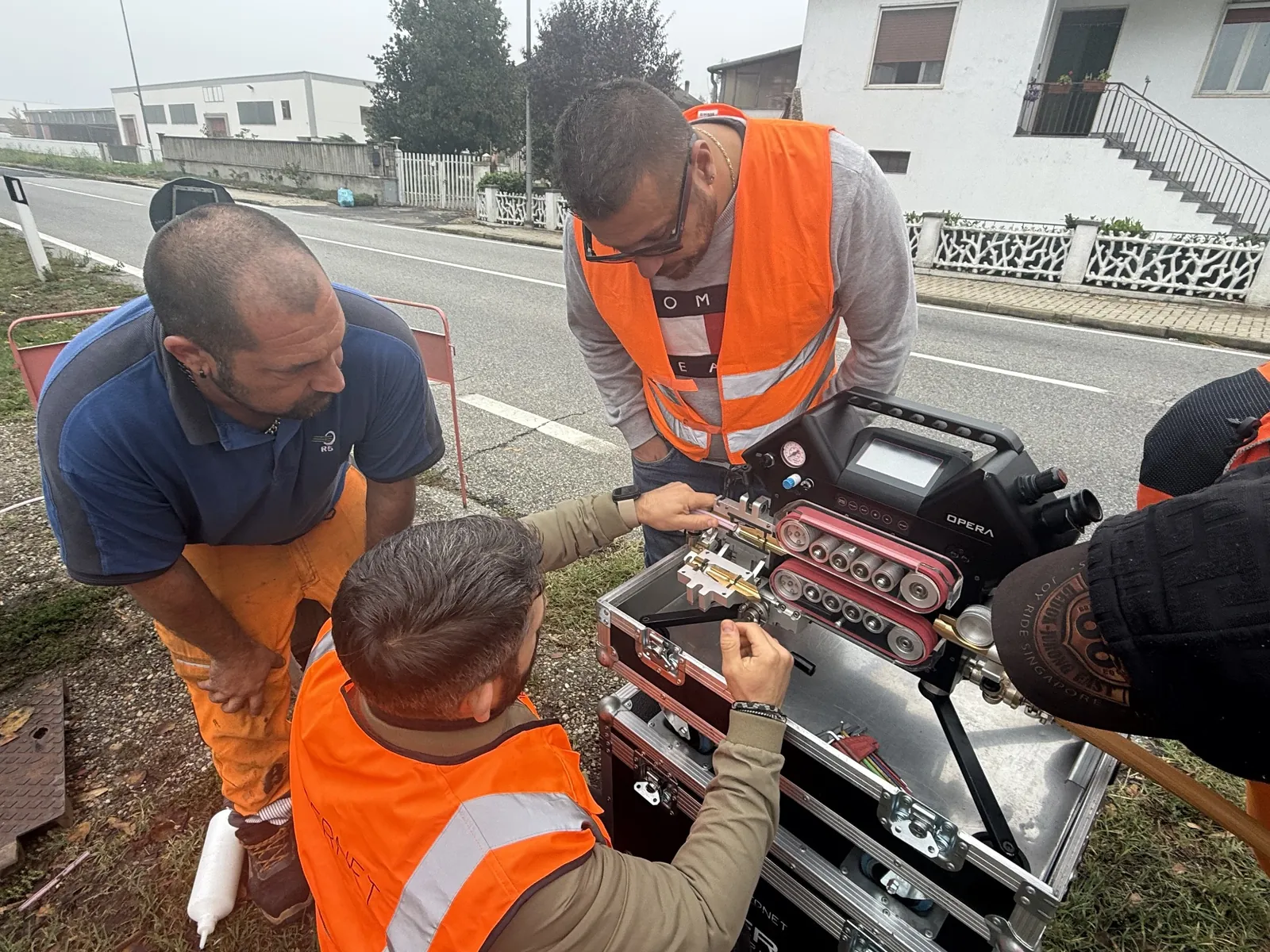
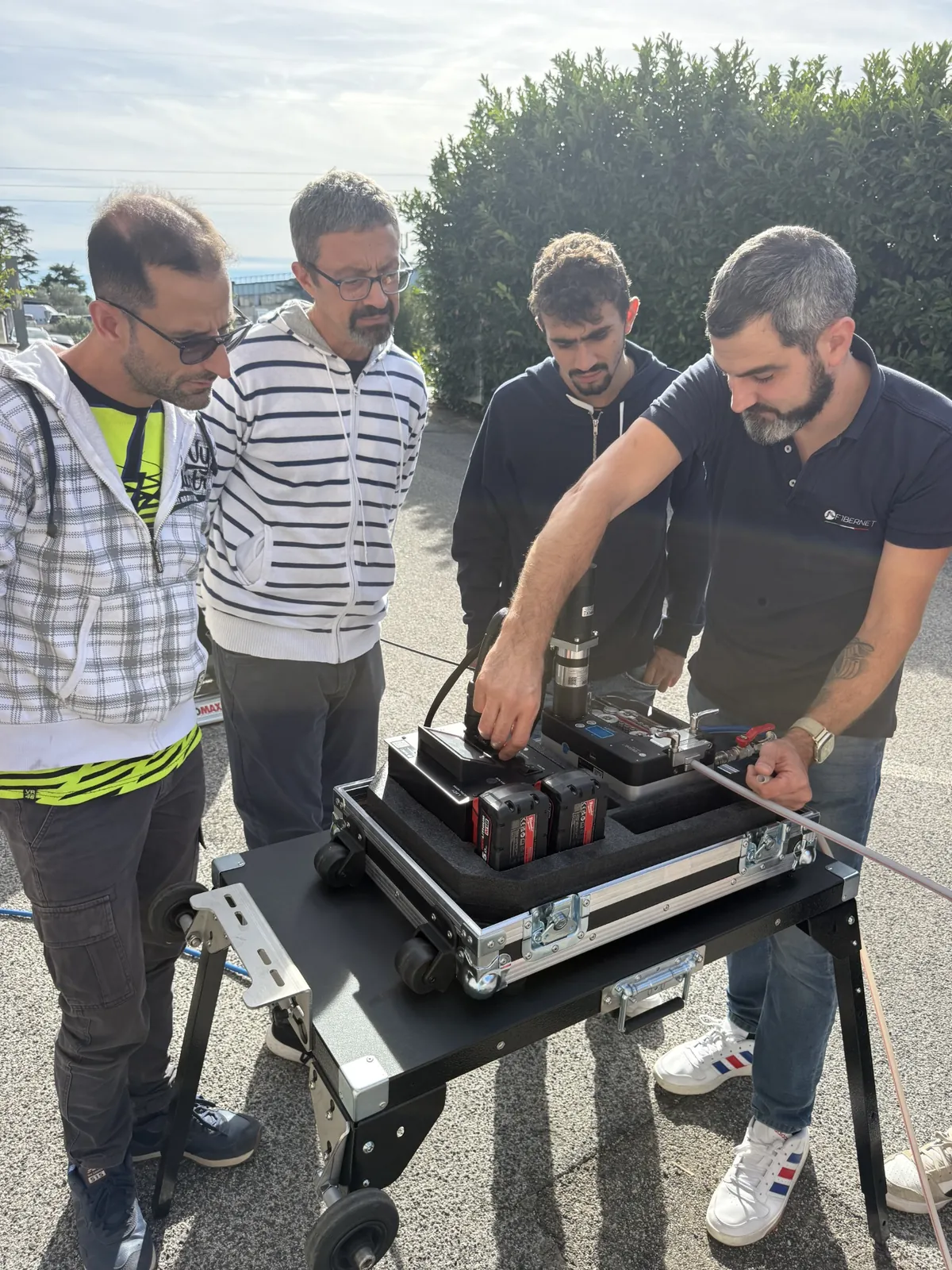
Read on Google“An excellent experience on the installer training course. The whole team was professional and knowledgeable.”
Cable blowing machines · Made in Italy
From last-mile connections to long-distance runs, a Fibernet technician can help you choose the right machine for your fiber optic cable installation.
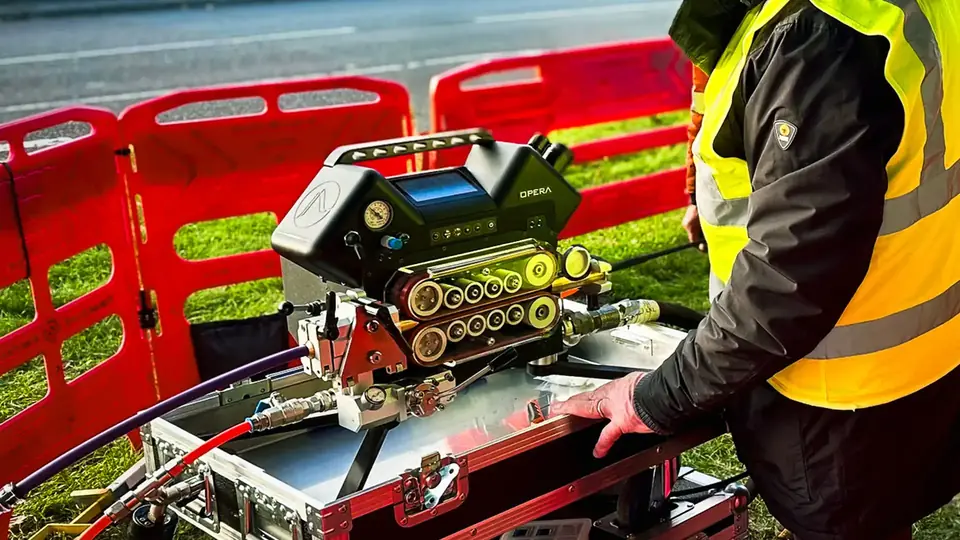
Opera, image 1 of 3
Expert advice direct from the manufacturer / Free demonstration on request
Some of our customers.
Keep your installation moving with Fibernet cable blowing machines.
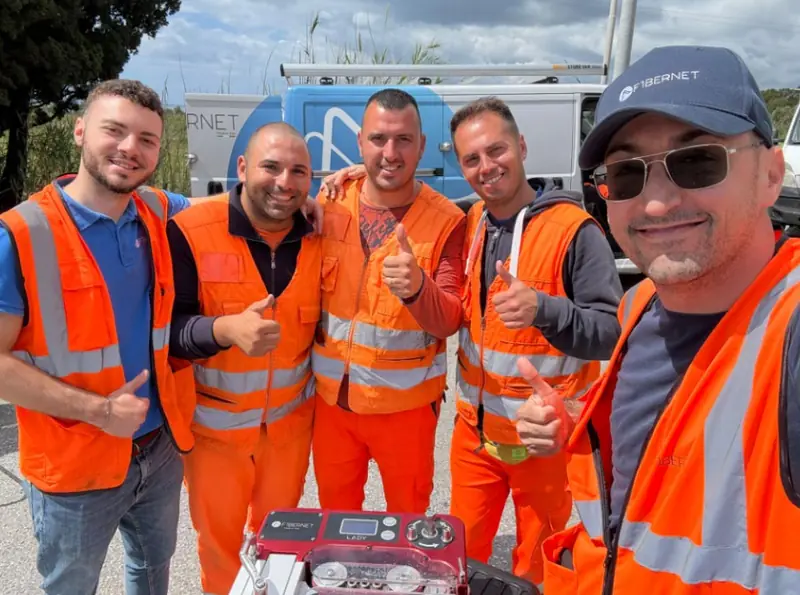
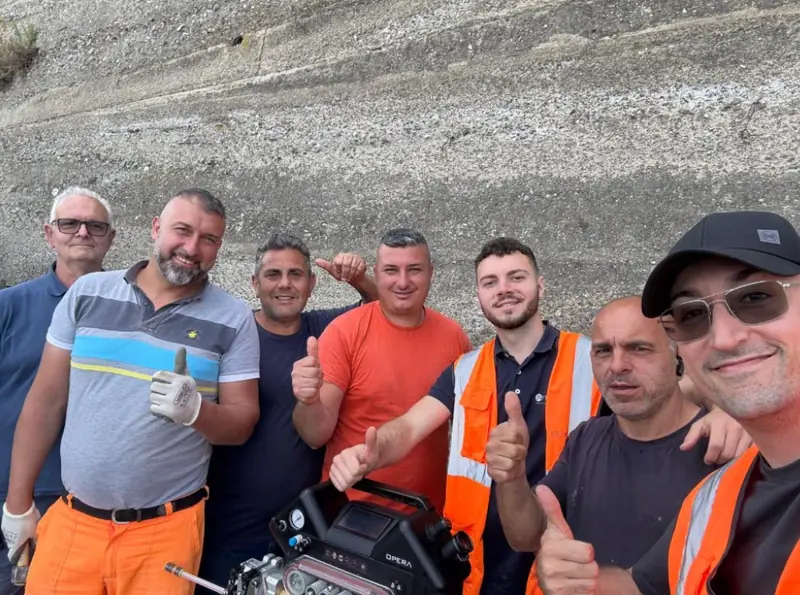
Photos and stories from installers, published by Fibernet.
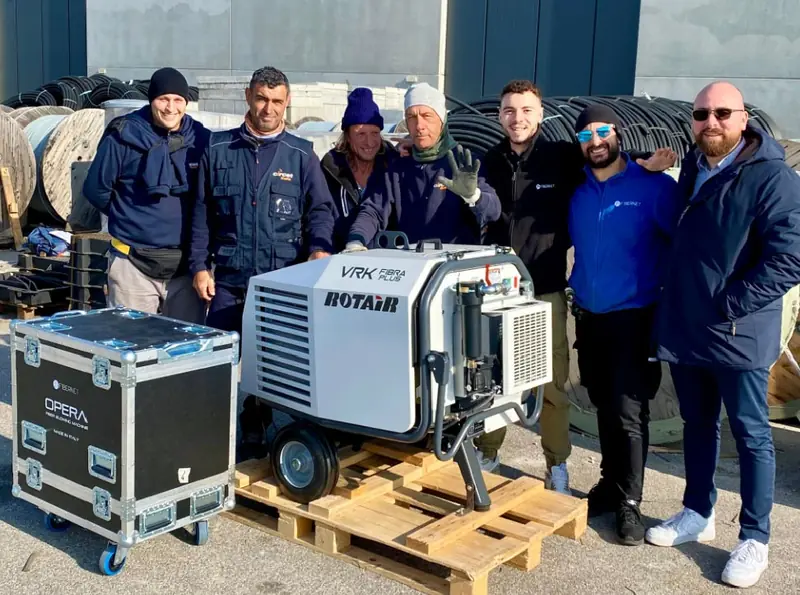
 GoogleExcellentBased on 176 reviewsRead the reviews
Read on Google“An excellent experience on the installer training course. The whole team was professional and knowledgeable.”
Read on Google“I had the chance to try the Opera cable blowing machine on site…”
Read on Google“I really enjoyed this course. It took place in a pleasant setting with friendly, helpful people.”
Stories from installers
Hear the results from the installers themselves. Watch their testimonials right here.
Product videos
Three machines. Find your fit.
Start with the job at hand. Our technician can answer your questions about the right setup.
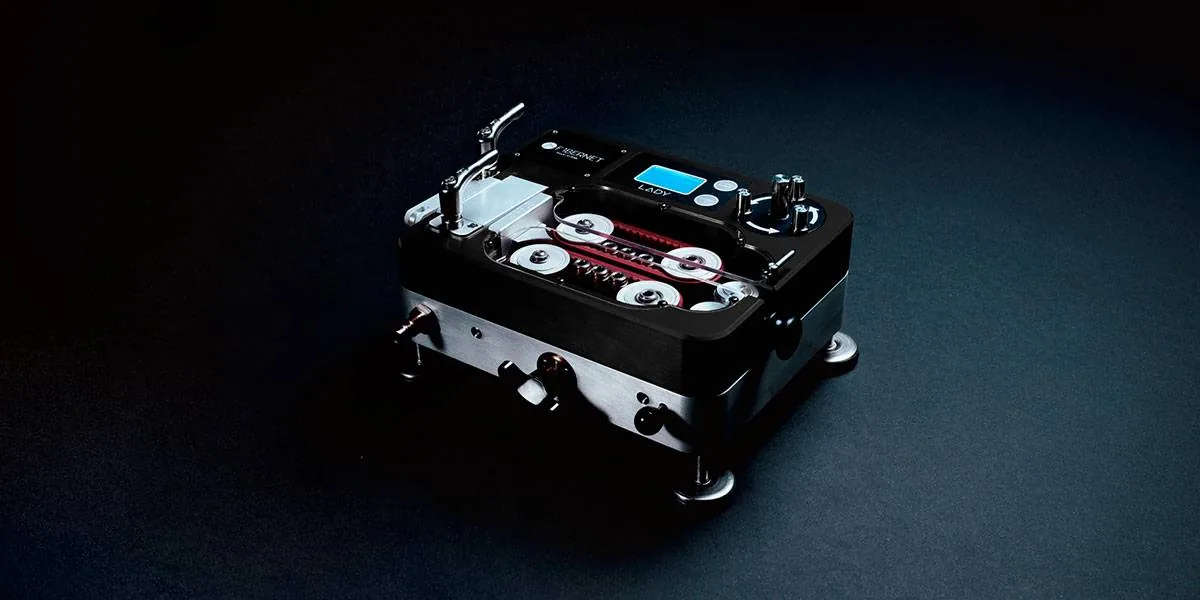
Compact and lightweight
A compact, lightweight machine for short runs.
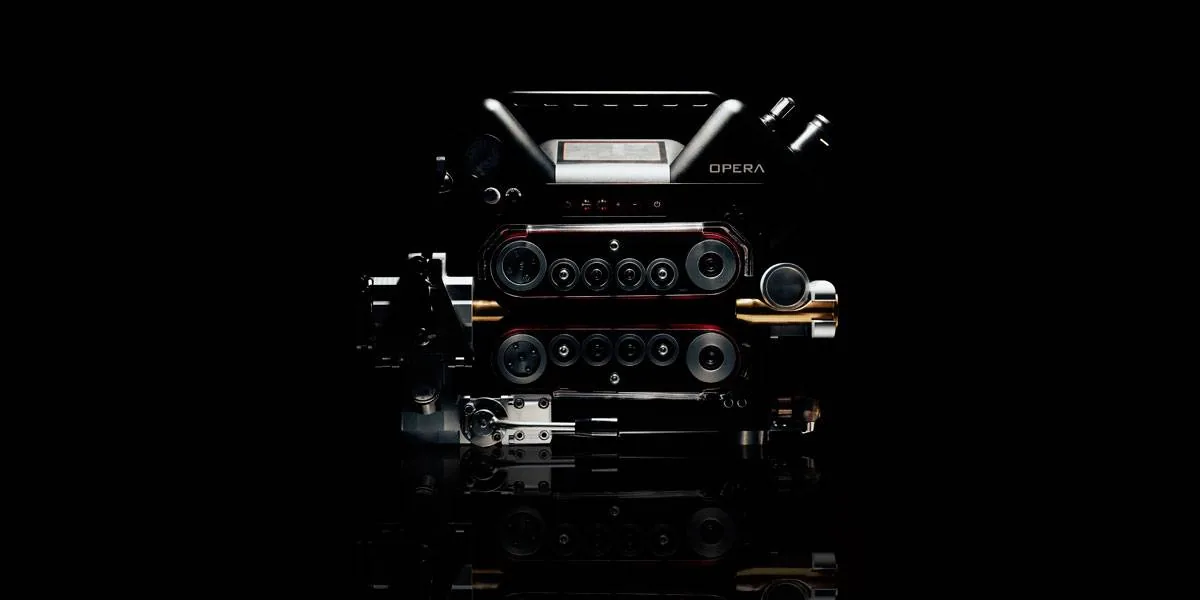
Pneumatic power
A pneumatic machine for long cable runs.
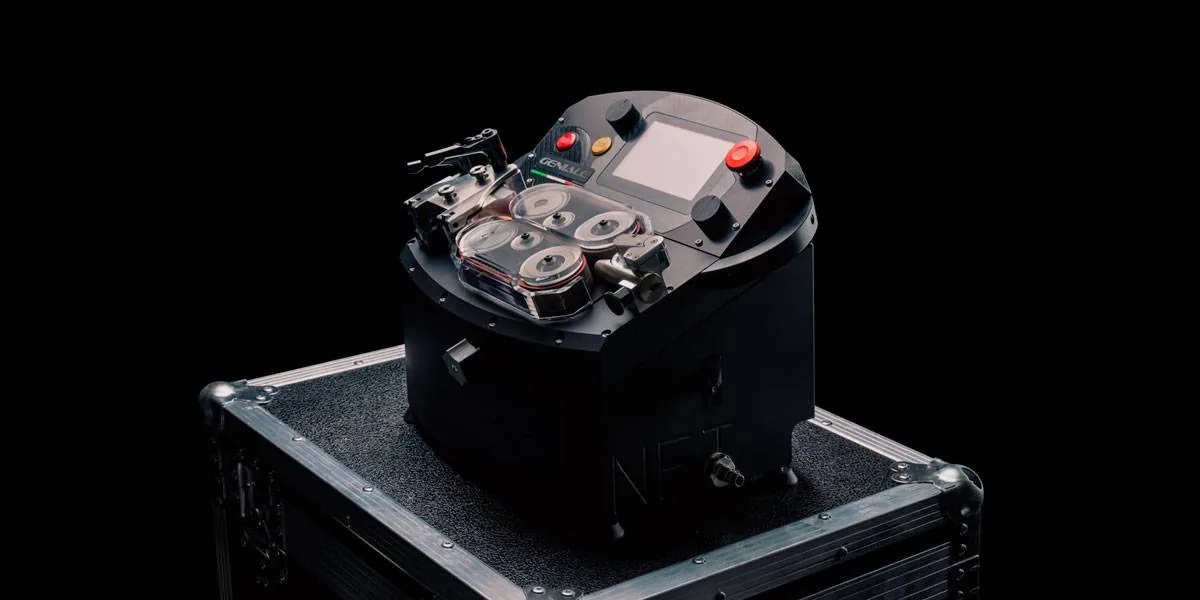
Electric, with two gears
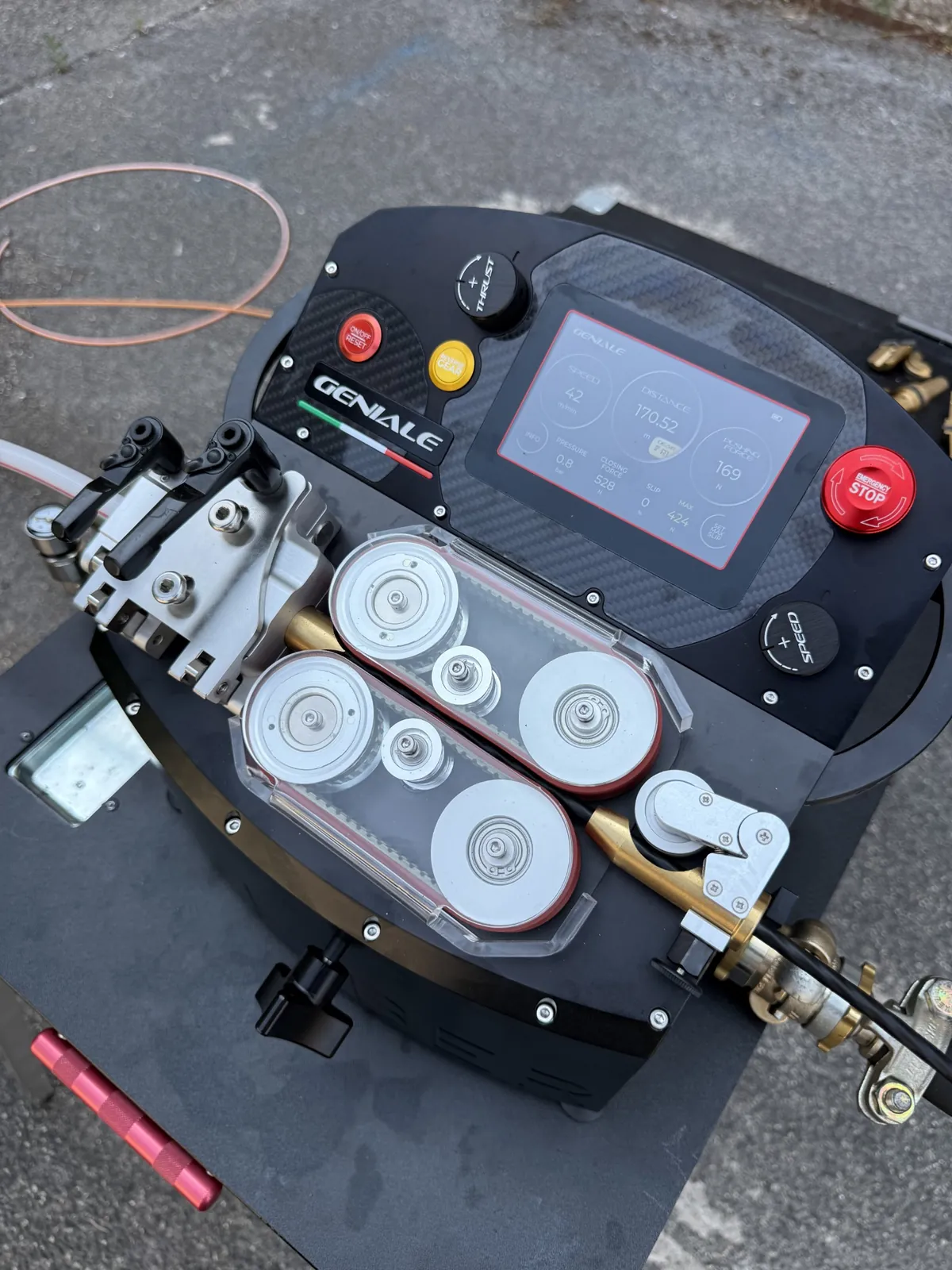
For short and long runs. Two gears let you match force and speed to the job.
Specifications for the Fibernet range. The speeds shown are maximum values. Actual results depend on installation conditions and machine setup.
Direct from the manufacturer
When you’re working on site, you need practical answers. With Fibernet, you speak directly to the people who design and build your cable blowing machine.
Speak to a technicianA specialist technician can help when you need it.
Spare parts ready to ship, direct from the manufacturer.
If your machine breaks down, a replacement may be available within 48 hours.
Check availability and terms with your technician.Get help making the most of your machine, from your very first job.
See it in action before you choose
Request a free hands-on demonstration on your site or at Fibernet’s test facility. Discuss a real job with the technician.
Request a free demonstration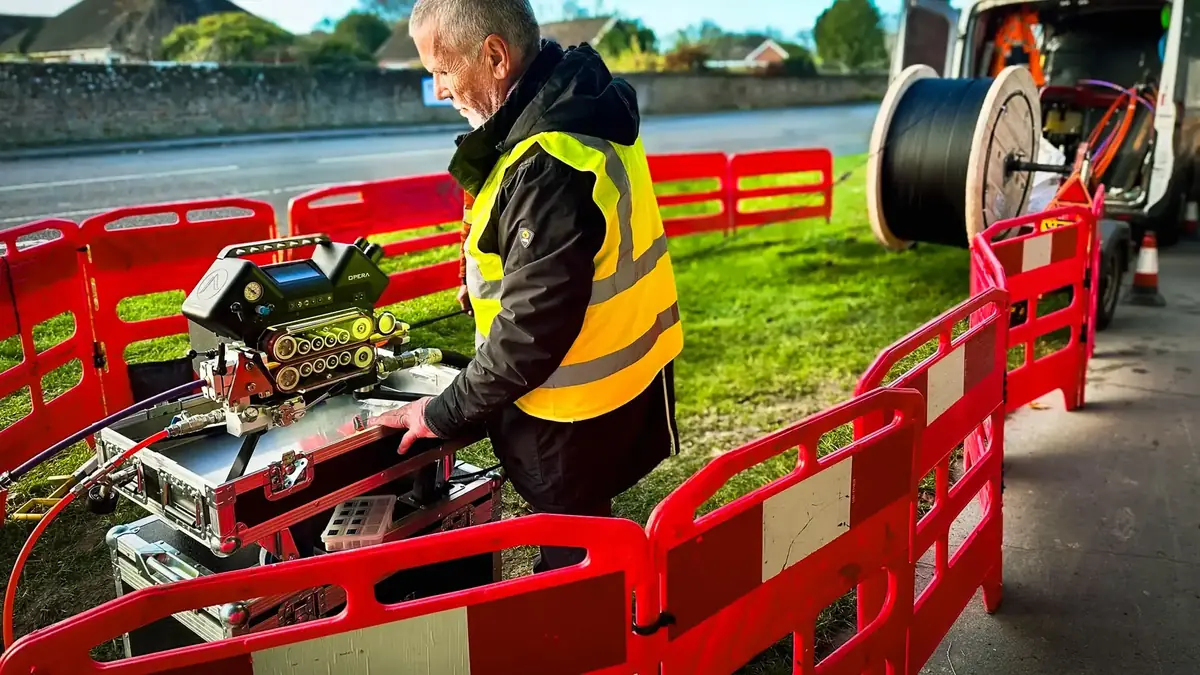
Searching for a fiber optic cable jetting machine on rent starts with understanding the installation rather than choosing equipment by its daily rate alone. A contractor preparing a short deployment needs a machine that matches the cable, the installed duct, and the working conditions at the access point. Before requesting availability from Fibernet, collect the cable outside diameter, duct inside diameter, intended section lengths, and any information about bends or changes in elevation. These details help establish whether a proposed configuration is appropriate and which accessories need to be discussed. A machine that appears suitable by cable diameter can still require different guides, seals, or drive components for a particular installation. Accurate information at the inquiry stage reduces the risk of discovering a compatibility issue after equipment reaches the site. When evaluating a cable jetting machine for fiber optic cable installation, consider the complete operating arrangement. The machine feeds the cable while compressed airflow helps move it through the duct, but successful operation also depends on duct condition, suitable air supply, and controlled handling of the cable. Ask which compressor characteristics apply to the proposed model instead of assuming that an existing compressor will be sufficient. Pressure and airflow requirements should come from the relevant technical documentation, and the lowest rated component must never be exposed to pressure beyond its limit. Connections, hoses, and duct fittings also need to match the intended setup. For an American contractor working on a project in Italy, it is particularly useful to confirm dimensions, connection standards, delivery arrangements, and the language of operating documentation before committing to a schedule. A fiber optic cable jetting machine rental inquiry should also describe the working area. Limited space around a chamber, restricted vehicle access, or a cable reel positioned far from the machine can affect preparation and handling. Explain whether the crew expects repeated short sections or fewer extended runs, and identify any deadlines that depend on equipment delivery. Fibernet can then be contacted with a practical brief rather than a general request for a price. Availability, rental terms, included components, and service arrangements should always be confirmed directly; an inquiry does not establish that a particular machine is currently offered for hire. This approach keeps the decision focused on a usable installation package. It also makes quotations easier to compare because each proposal can be checked against the same cable dimensions, duct requirements, accessory needs, and project dates, rather than against an advertised rate that may exclude essential items.
A low headline charge does not necessarily represent the lowest cost for a cable blowing assignment. When assessing a fiber optic cable jetting machine on rent, examine what the proposed agreement actually includes and how its conditions interact with the construction schedule. The period charged may begin at dispatch, delivery, or collection, depending on the supplier's terms. Return transport, cleaning requirements, damage responsibility, and charges for missing accessories can change the final amount. Ask for these points in writing before authorizing a booking. For projects in Italy involving American purchasing teams, also clarify the quotation currency, applicable taxes, billing details, and who is responsible for arranging transport. These commercial details should be settled alongside technical suitability, not left until the equipment is needed at the access chamber. Comparing a fiber optic cable jetting machine price with a short hire quotation is only useful when both options are evaluated against realistic utilization. A contractor with an occasional, clearly defined assignment may prioritize temporary access to suitable equipment. A team handling successive deployments may need to compare repeated hire costs with ownership, maintenance responsibilities, storage, and continued access to the right accessories. Neither route is automatically better. The decision depends on project frequency, equipment suitability, and the consequences of unavailable machinery. Avoid basing the calculation on an assumed installation speed: actual progress varies with cable characteristics, duct preparation, route geometry, and site conditions. A useful estimate separates equipment charges from transport, compressor provision, consumables, and crew time so that each assumption can be reviewed. If your purchasing team searches for a fiber optic cable blowing machine on rent, translate that search into a specific request covering the equipment configuration, required dates, and expected working environment. Ask whether the proposed package includes the necessary cable guides and duct seals, which items are consumable, and what condition checks will be documented at handover. Photographs and an agreed accessory checklist can help both parties establish what was supplied. Confirm the process for reporting a fault and obtaining technical guidance, including contact hours that suit the jobsite. Fibernet's Italian manufacturing background and support presence in the United States and worldwide provide relevant context for discussing equipment and assistance, but the scope of any rental service must be verified directly. Ask who will handle your specific request and whether support is available for the selected model in the project location. A clear written response gives the site supervisor and purchasing department a shared reference, helping prevent avoidable disputes about availability, responsibilities, or costs once the work begins.
Reliable cable blowing depends on preparation that continues after equipment selection. Before the machine arrives, the supervisor should arrange a safe working area, check the intended duct route, and ensure that the crew has access to the correct operating instructions. Inspecting and preparing ducts according to the project specification can identify obstructions or connection problems before cable is introduced. The cable reel also needs suitable positioning and controlled payout so that the machine does not have to overcome unnecessary resistance outside the duct. Where the work requires communication between access points, agree on a clear stopping procedure before starting. These practical measures matter whether the assignment uses owned equipment or a fiber optic cable jetting machine on rent. They help keep the installation within the operating limits established by the equipment and cable manufacturers, rather than relying on increased force to compensate for an unresolved problem. With a compressed air fiber optic cable jetting machine, the air supply deserves particular attention. Confirm the specified compressor capacity, working pressure, air treatment requirements, and hose arrangement for the selected configuration. Inspect connections before pressurization and follow the manufacturer's procedure for isolation and pressure release before adjustments. Never disconnect a pressurized component or attempt to clear a problem by exceeding published limits. If progress slows or stops, the crew should pause and investigate possible causes, such as restricted payout, duct leakage, an unsuitable seal, or an obstruction. Record relevant operating observations so that any technical discussion is based on facts rather than an approximate description of the difficulty. Support is more useful when the technician knows the machine configuration, cable dimensions, duct details, and the point at which performance changed. Fibernet was founded in 2001 and introduced its first cable blowing machine, Lady, in 2021, building on the technical experience of founder Giancarlo Trinei. Its family-led development provides background to a product approach centered on practical engineering and Italian manufacturing. For American crews and purchasing teams evaluating this equipment for work in Italy, made-in-Italy products with assistance in the United States and worldwide offer a relevant starting point for a support conversation. Confirm the actual contact route, response arrangements, and parts availability for your location rather than assuming identical coverage everywhere. A fiber optic cable jetting machine hire discussion should conclude with clear responsibilities for receipt, inspection, operation, fault reporting, and return. At the end of the assignment, follow the agreed cleaning and packing instructions, inventory the accessories, and document the equipment condition. This closes the job in an orderly way and gives the next project team a useful record of the configuration and operating conditions that were assessed.
Fill out the form and discover what Fibernet Srl can do for you!
Contact us!Before you get started
If you prefer, speak to us directly.
+39 346 652 9915Compare the cable diameter, duct diameter and installation distance. Lady is compact and lightweight for short runs. Opera is pneumatic and designed for long runs. Geniale is electric and handles both. A Fibernet technician can help you choose.
Yes. You can request a free hands-on demonstration on your site or at Fibernet’s test facility. Tell us what you need in the form and a technician will arrange it with you. Request a demonstration.
To get a price, contact a Fibernet advisor using the form or call +39 346 652 9915.
Fibernet offers direct technical support, spare parts ready to ship and dedicated training. If your machine breaks down, a replacement may be available. Ask your technician about availability and terms.
Tell us about your job. We’ll help you find the right cable blowing machine.