Emanuele Zanda
Google review
★★★★★
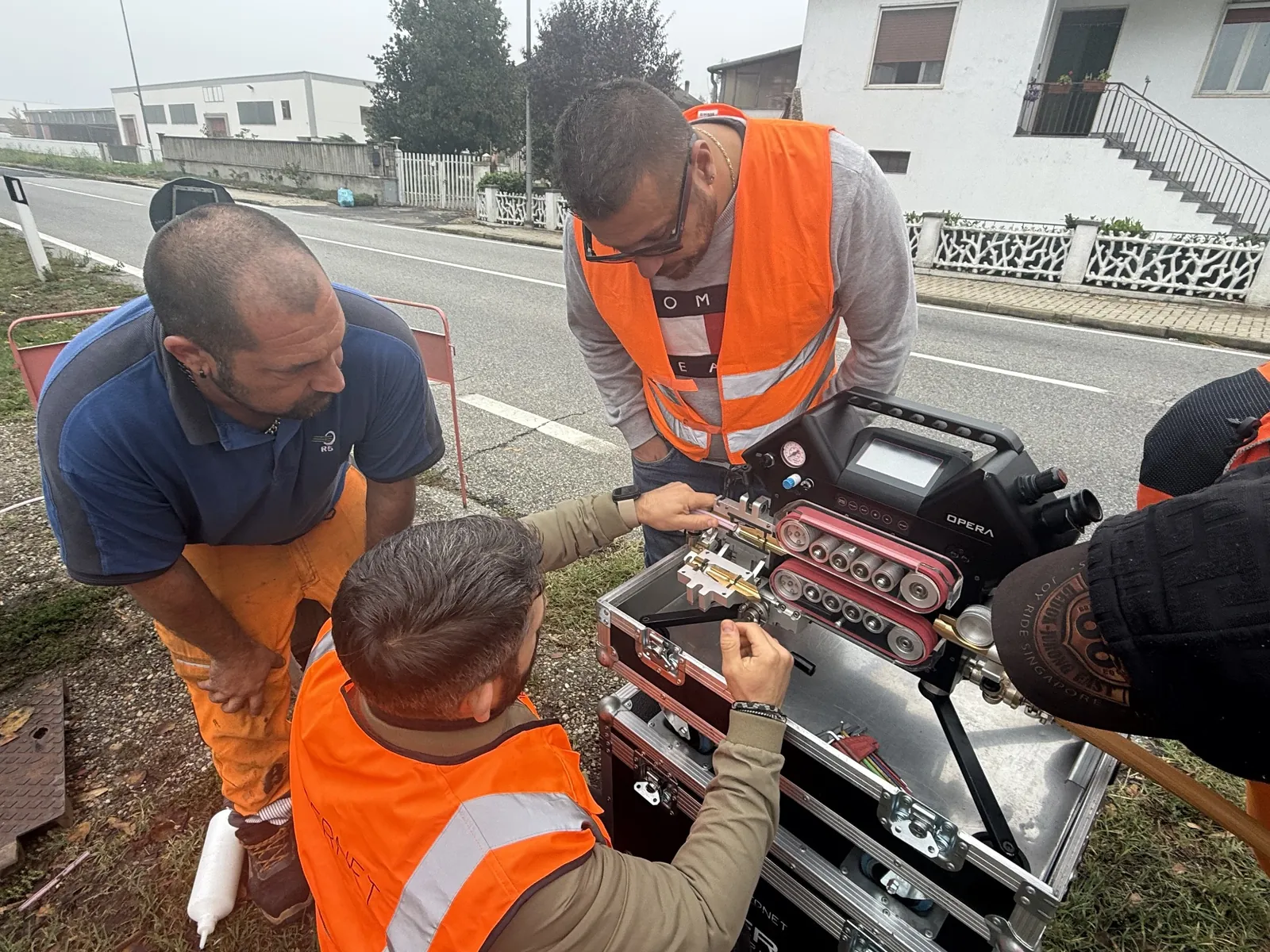
Read on Google“An excellent experience on the installer training course. The whole team was professional and knowledgeable.”
Cable blowing machines · Made in Italy
From last-mile connections to long-distance runs, a Fibernet technician can help you choose the right machine for your fiber optic cable installation.
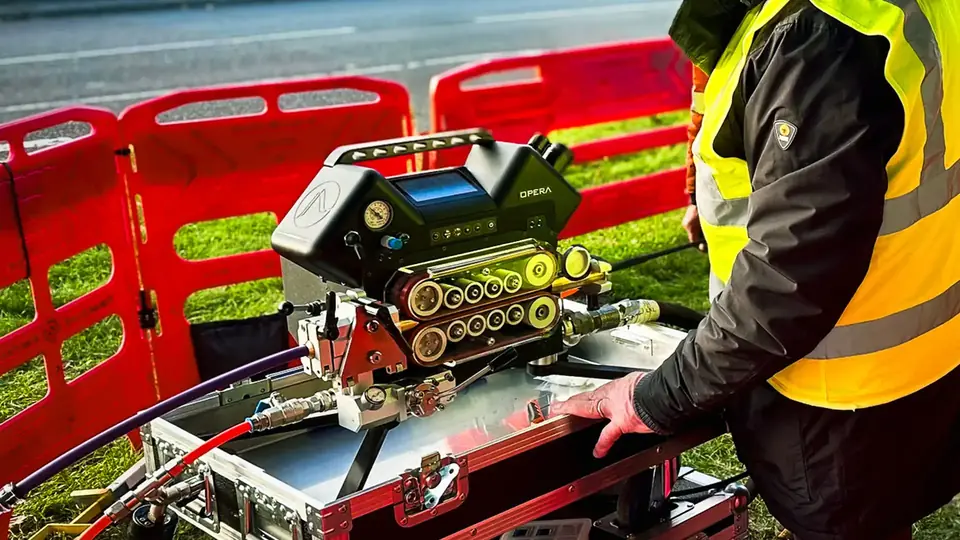
Opera, image 1 of 3
Expert advice direct from the manufacturer / Free demonstration on request
Some of our customers.
Keep your installation moving with Fibernet cable blowing machines.
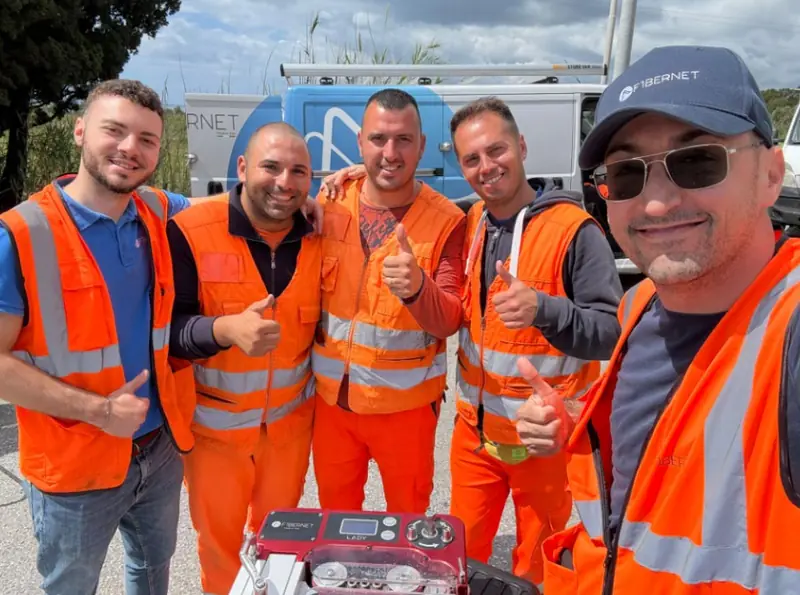
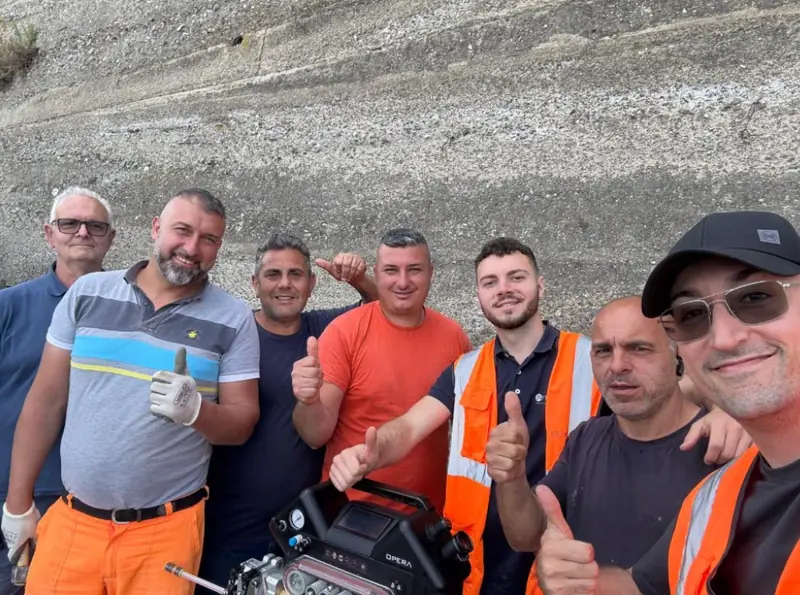
Photos and stories from installers, published by Fibernet.
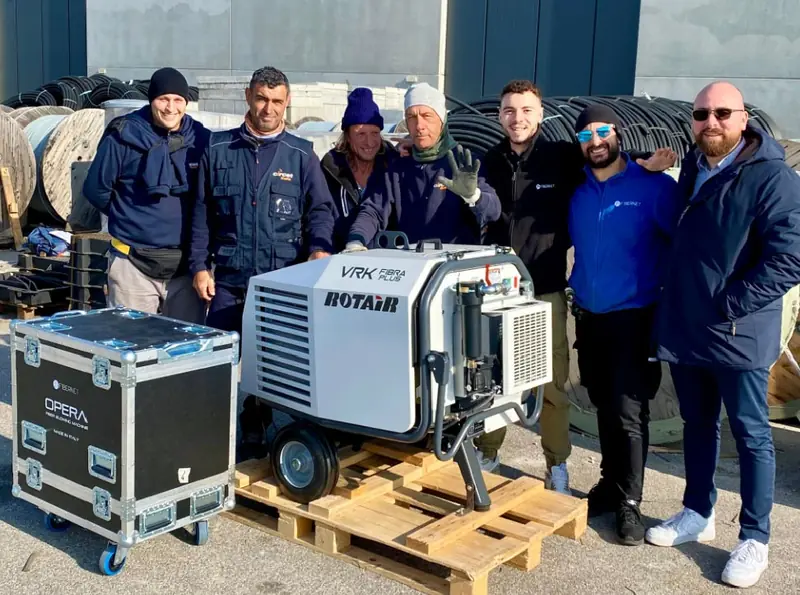
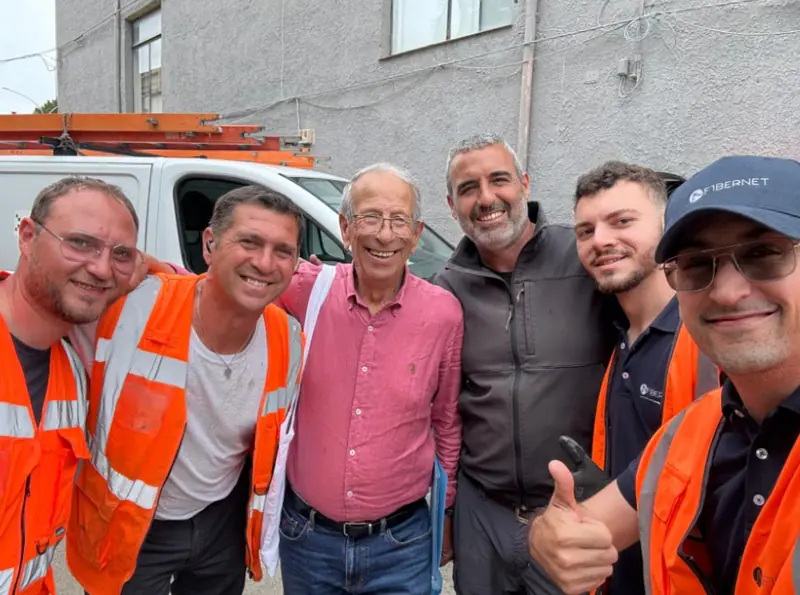
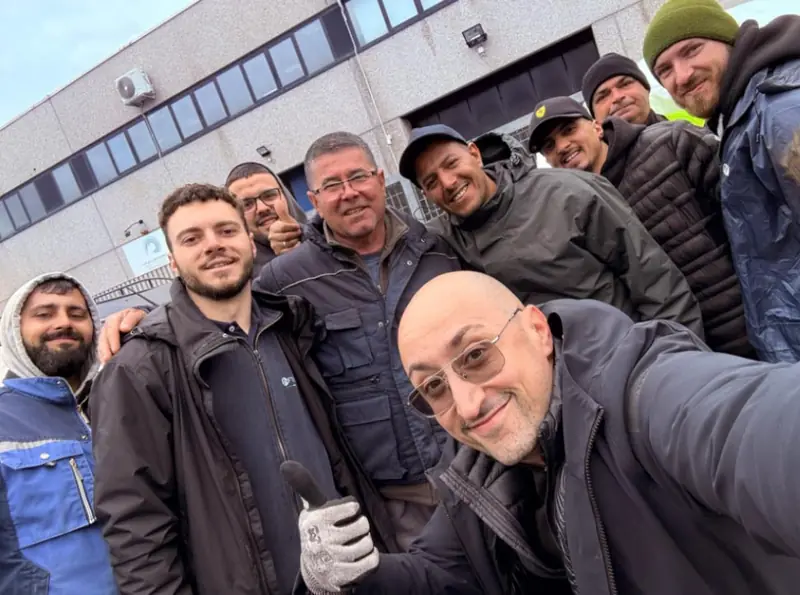
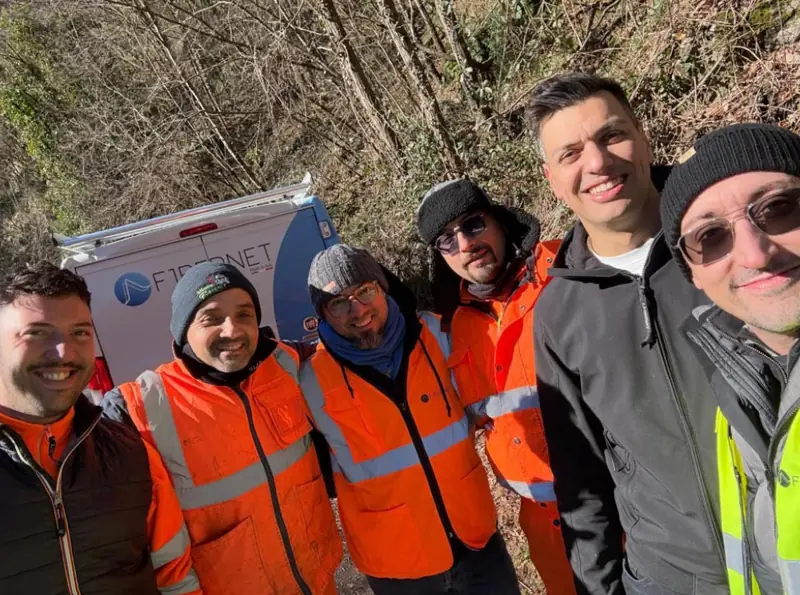 GoogleExcellentBased on 176 reviewsRead the reviews
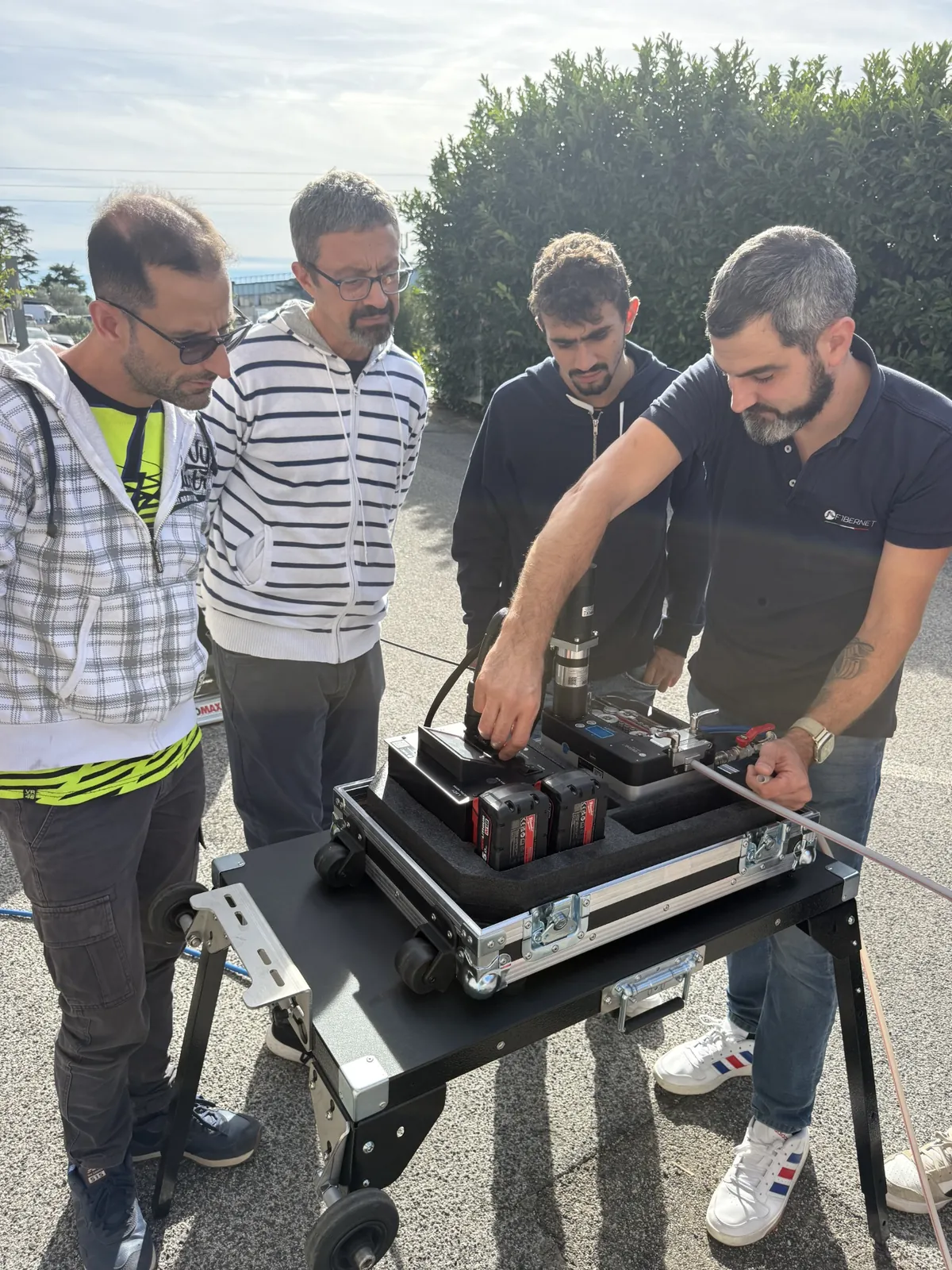
Read on Google“An excellent experience on the installer training course. The whole team was professional and knowledgeable.”
Read on Google“I had the chance to try the Opera cable blowing machine on site…”
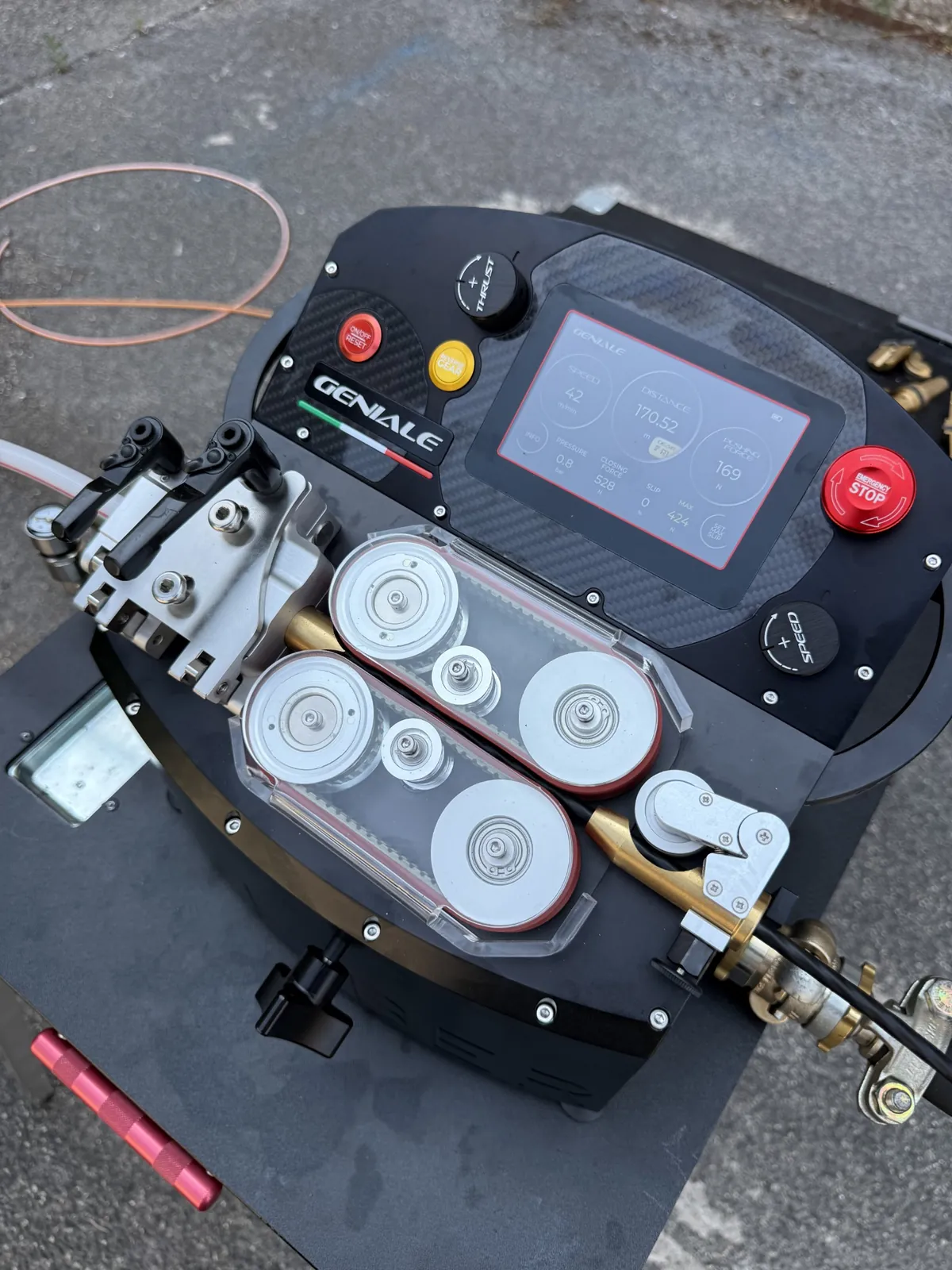
Read on Google“I really enjoyed this course. It took place in a pleasant setting with friendly, helpful people.”
Stories from installers
Hear the results from the installers themselves. Watch their testimonials right here.
Product videos
Three machines. Find your fit.
Start with the job at hand. Our technician can answer your questions about the right setup.
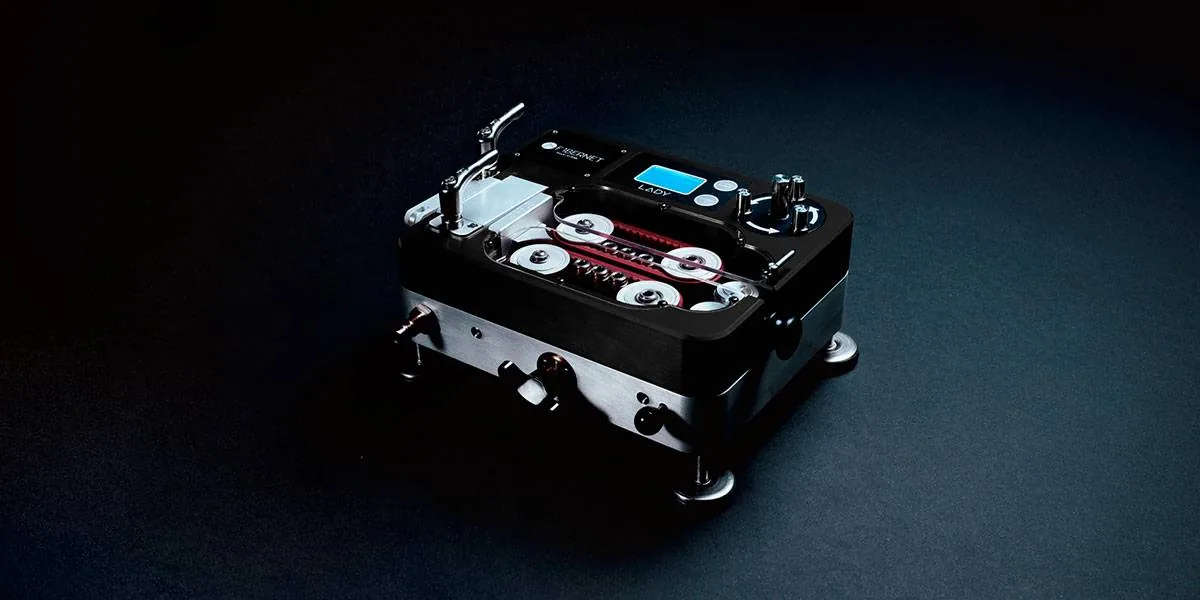
Compact and lightweight
A compact, lightweight machine for short runs.
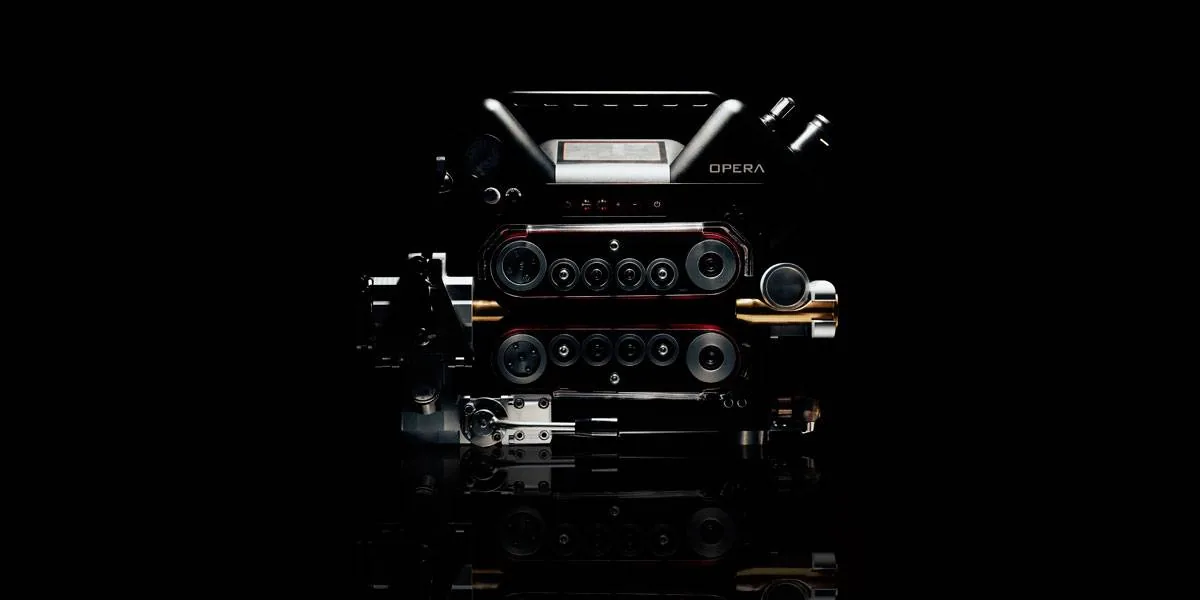
Pneumatic power
A pneumatic machine for long cable runs.
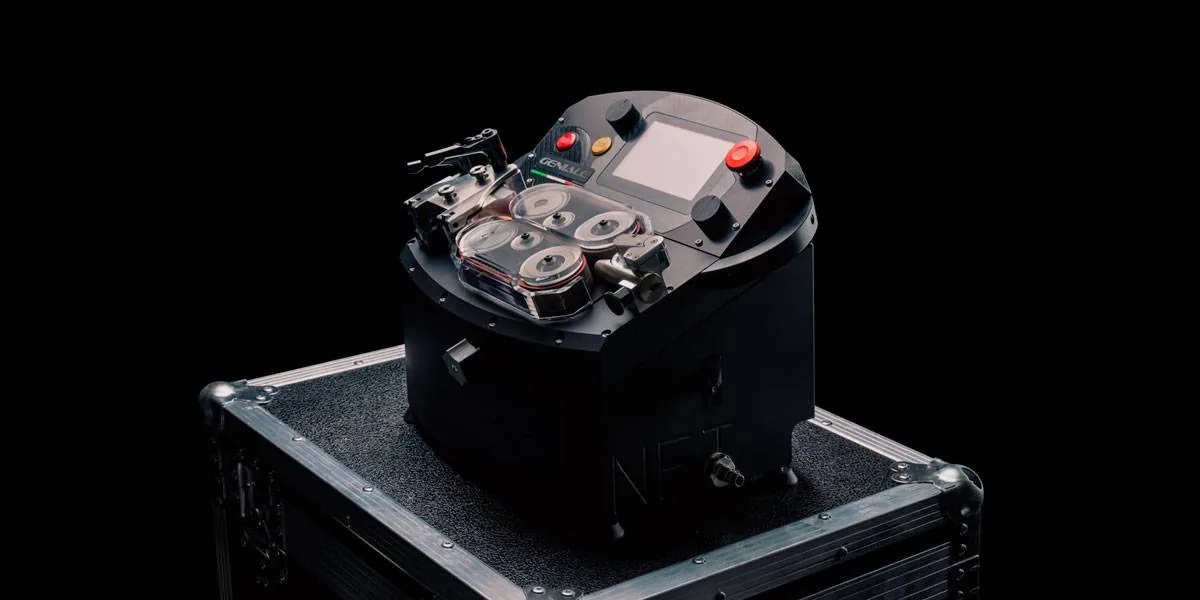
Electric, with two gears
For short and long runs. Two gears let you match force and speed to the job.
Specifications for the Fibernet range. The speeds shown are maximum values. Actual results depend on installation conditions and machine setup.
Direct from the manufacturer
When you’re working on site, you need practical answers. With Fibernet, you speak directly to the people who design and build your cable blowing machine.
Speak to a technicianA specialist technician can help when you need it.
Spare parts ready to ship, direct from the manufacturer.
If your machine breaks down, a replacement may be available within 48 hours.
Check availability and terms with your technician.Get help making the most of your machine, from your very first job.
See it in action before you choose
Request a free hands-on demonstration on your site or at Fibernet’s test facility. Discuss a real job with the technician.
Request a free demonstration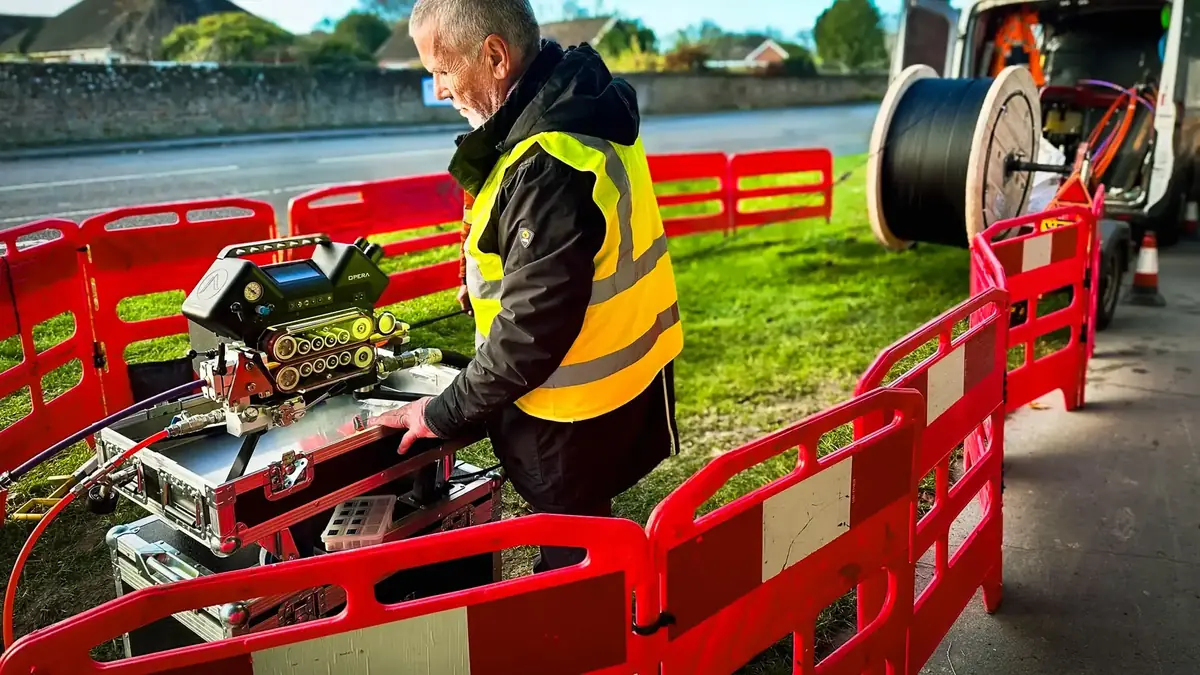
A successful fiber cable blower rental enquiry starts with the installation conditions, not simply the number of days a machine will be needed. Contractors working in Italy should establish the cable diameter, duct internal diameter, planned route length, and access arrangements before requesting equipment recommendations. These details help determine whether a proposed machine can accommodate the cable and duct combination without relying on assumptions. Fibernet provides a point of contact for discussing its Italian-made cable blowing equipment and identifying the questions that must be answered before a commercial arrangement is agreed. Rental availability, delivery arrangements, and contractual terms should always be confirmed directly rather than assumed from a general product enquiry. For an English-speaking procurement team coordinating work in Italy, a clear technical brief also makes communication between purchasing staff, site supervisors, and equipment specialists more efficient. Selecting a cable blower for fiber optic cable installation involves checking more than the stated diameter range. The available compressor must deliver suitable airflow and pressure under operating conditions, and its air treatment arrangements must meet the equipment manufacturer's requirements. Hoses, couplings, cable guides, seals, and duct connections must also be appropriate for the selected setup. A machine that appears suitable in isolation may not perform as expected when connected to an undersized air supply or an incompatible duct interface. Before mobilization, document the route geometry, including bends, changes in elevation, and accessible intermediate points. Confirm that the duct has been prepared and checked using procedures appropriate to the installation specification. These checks cannot guarantee a particular installation distance, but they help identify avoidable obstacles before the crew begins feeding cable. The cable manufacturer's limits remain essential throughout the process, particularly where pushing forces, bending radius, and handling practices are concerned. When assessing a compressed air fiber cable blower, ask how the drive system, operating controls, and protective functions should be used for the specific cable. Request the relevant documentation rather than relying on a general description of how blowing equipment works. Fibernet's technical background offers useful context for these discussions: the company was established in 2001, and its first cable blowing machine, Lady, was introduced in 2021. Its equipment reflects an Italian manufacturing identity, with assistance available in the United States and worldwide. For a project in Italy, confirm the applicable support contact, service arrangements, and response expectations before scheduling site work. A carefully prepared enquiry gives everyone a practical basis for discussing equipment suitability, potential availability, and the next steps without confusing a preliminary recommendation with a confirmed rental booking.
The financial value of fiber cable blower rental depends on how the proposed arrangement fits the actual work schedule. A low daily charge can become less attractive if the machine arrives without the required accessories, if transport takes longer than expected, or if the crew cannot begin because the compressor is unsuitable. Build the comparison around the complete installation package. Ask what is included, what must be supplied separately, and which charges apply if the project changes. Where a rental option is available, the written quotation should clarify the charging period, collection or delivery responsibilities, return conditions, and any applicable security deposit. Insurance requirements, damage assessment procedures, and responsibilities for consumable parts should also be understood before acceptance. These are matters to verify with the provider, not terms that should be presumed to apply to every machine or agreement. Contractors operating in Italy may need to coordinate equipment availability with road access permissions, subcontractor schedules, and the readiness of individual duct sections. Booking a machine before those dependencies are resolved can create paid idle time. Conversely, postponing the equipment decision until the crew is ready may leave too little time to check compatibility or arrange transport. A realistic mobilization plan balances both risks. Prepare a list of the intended operating days, any likely breaks between work sections, and the expected location of the machine throughout the project. That information helps frame a more meaningful commercial discussion than a request for a daily rate alone. When comparing rental with ownership, the fiber cable blower price is only one component of the calculation. Ownership may also involve maintenance, storage, replacement wear parts, and the administrative effort required to keep equipment ready between jobs. Rental may reduce some commitments, but its suitability depends on availability, usage patterns, and the terms offered. Neither option is automatically the better choice. A contractor with recurring work and trained operators may evaluate the alternatives differently from a team undertaking a single short installation. A used fiber cable blower introduces another comparison, but its condition, service history, accessory completeness, and documentation deserve close attention. A lower purchase figure does not establish that a machine is appropriate for a particular cable or ready for immediate site use. Ask Fibernet about the specifications and support considerations relevant to its Italian-made equipment before drawing conclusions from headline costs. The company can be contacted to discuss project requirements and clarify which commercial options are available. For English-speaking businesses arranging installation work in Italy, keeping technical assumptions and commercial conditions in one written brief helps purchasing teams compare proposals consistently. The objective is a defensible equipment decision based on readiness, suitability, and total project exposure rather than an attractive rate viewed in isolation.
The handover stage deserves as much attention as equipment selection. Before a fiber cable blower rental period begins, the receiving team should understand which machine and accessories are being supplied, how their condition will be recorded, and where the applicable operating instructions can be found. Where a rental arrangement is confirmed, an inventory agreed with the provider helps distinguish supplied components from items that the contractor must source independently. Record the condition of cable contact surfaces, guides, seals, connections, and other accessible wear points using the provider's inspection procedure. Do not dismantle assemblies or adjust protected settings unless the manufacturer or authorized service contact specifically permits it. Clear documentation protects both parties and reduces uncertainty if an issue emerges during the job. Site preparation should then focus on a stable machine position, controlled cable payoff, suitable access around the equipment, and an agreed communication method between personnel. Compressed air introduces hazards that require competent handling and adherence to the manufacturer's instructions. Connections must be appropriate for the operating conditions, and the system must be isolated and depressurized before interventions as required by the applicable procedure. Operators should understand the controls, stopping sequence, and response to abnormal resistance before cable feeding starts. Excessive resistance is a reason to stop and investigate, not an invitation to increase force without reference to equipment and cable limits. A pneumatic fiber cable blower must be assessed as part of a complete working setup, including its specified air supply and compatible installation accessories. The machine label alone does not establish that every compressor, hose, or seal will be suitable. Keep the relevant equipment documentation accessible and record the settings and observations needed for the job. Useful records may include the cable and duct combination, the section being attempted, interruptions, and any changes made under approved guidance. These notes can support troubleshooting without implying that one successful setup will produce identical results on another route. If a battery powered fiber cable blower is also being considered, ask which functions use battery power and what additional services the model requires. Battery operation should not be interpreted as proof that compressed air is unnecessary. Confirm charging arrangements, permitted batteries, and operating limitations for the exact machine under discussion. Fibernet combines Italian-made cable blowing products with assistance in the United States and worldwide; the relevant contact route and scope of support should be established for the project location. At completion, follow the agreed cleaning, inspection, packing, and return instructions. Report faults promptly and retain the handover records alongside the project documentation. This disciplined approach keeps the discussion focused on practical responsibilities, helps protect the equipment, and gives contractors a clearer basis for planning their next installation rather than treating return logistics as an afterthought.
Fill out the form and discover what Fibernet Srl can do for you!
Contact us!Before you get started
If you prefer, speak to us directly.
+39 346 652 9915Compare the cable diameter, duct diameter and installation distance. Lady is compact and lightweight for short runs. Opera is pneumatic and designed for long runs. Geniale is electric and handles both. A Fibernet technician can help you choose.
Yes. You can request a free hands-on demonstration on your site or at Fibernet’s test facility. Tell us what you need in the form and a technician will arrange it with you. Request a demonstration.
To get a price, contact a Fibernet advisor using the form or call +39 346 652 9915.
Fibernet offers direct technical support, spare parts ready to ship and dedicated training. If your machine breaks down, a replacement may be available. Ask your technician about availability and terms.
Tell us about your job. We’ll help you find the right cable blowing machine.