Emanuele Zanda
Google review
★★★★★
Read on Google“An excellent experience on the installer training course. The whole team was professional and knowledgeable.”
Cable blowing machines · Made in Italy
From last-mile connections to long-distance runs, a Fibernet technician can help you choose the right machine for your fiber optic cable installation.
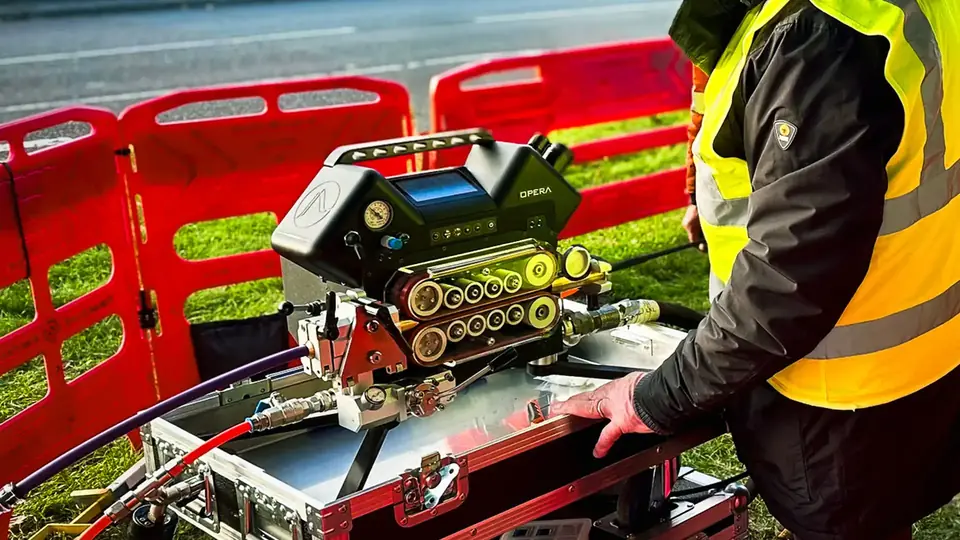
Opera, image 1 of 3
Expert advice direct from the manufacturer / Free demonstration on request
Some of our customers.

Keep your installation moving with Fibernet cable blowing machines.
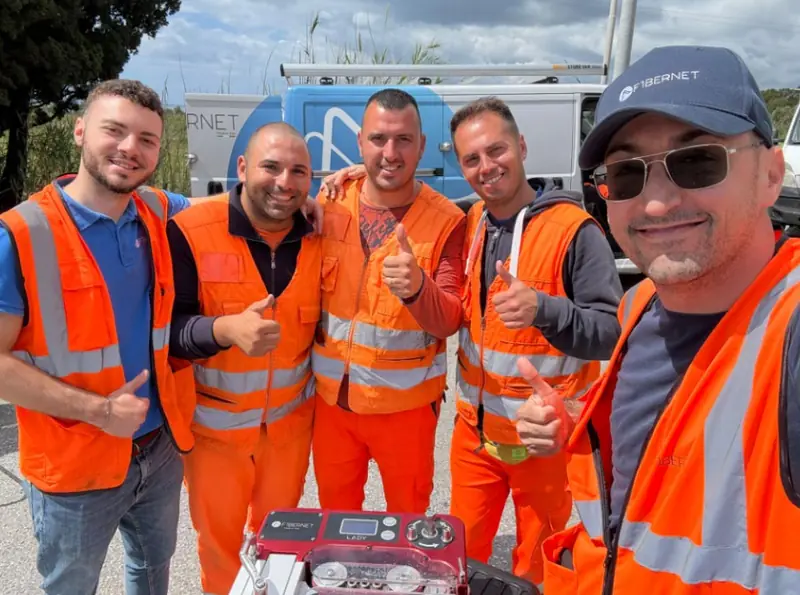
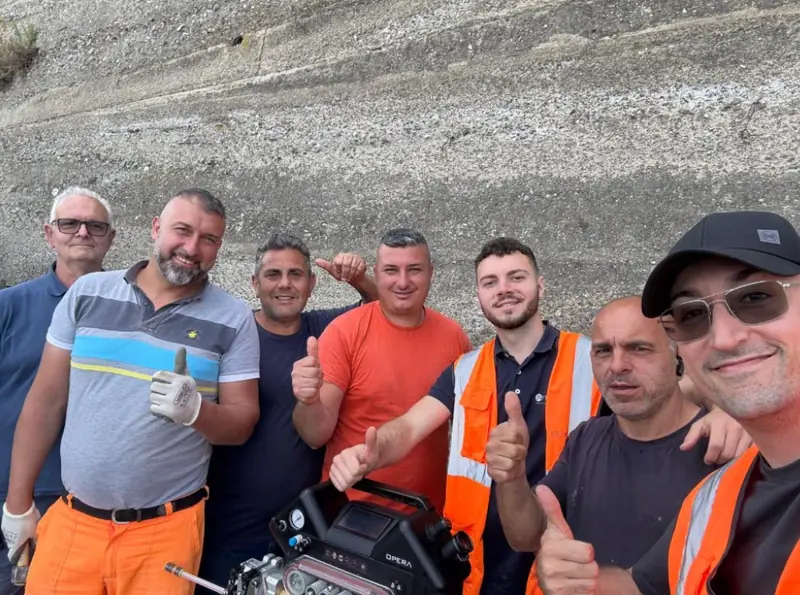
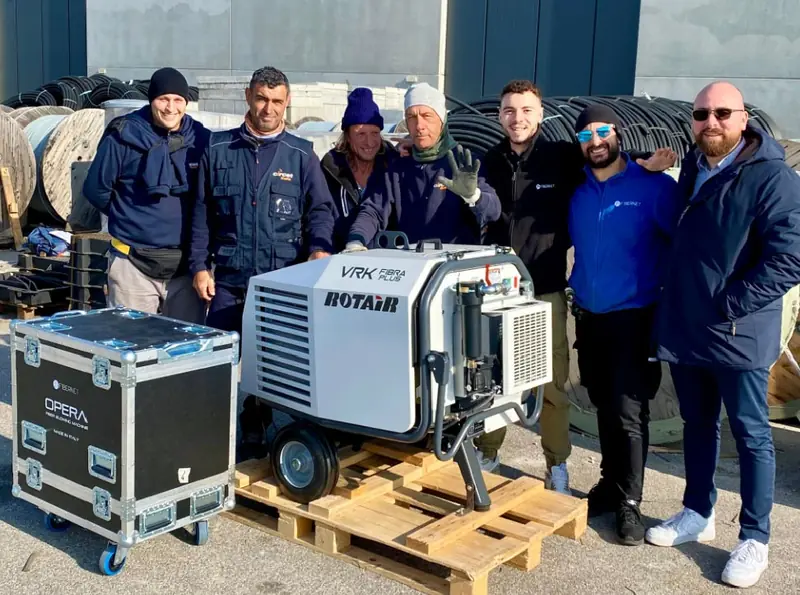
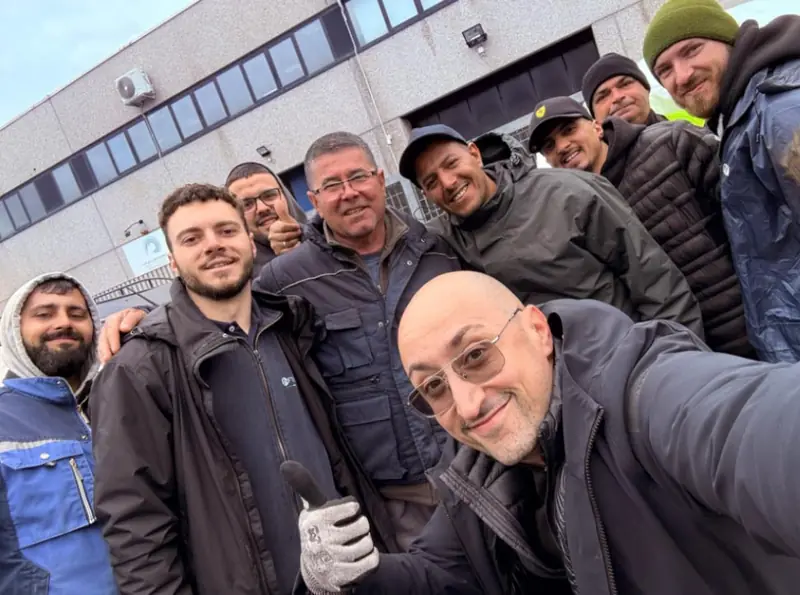
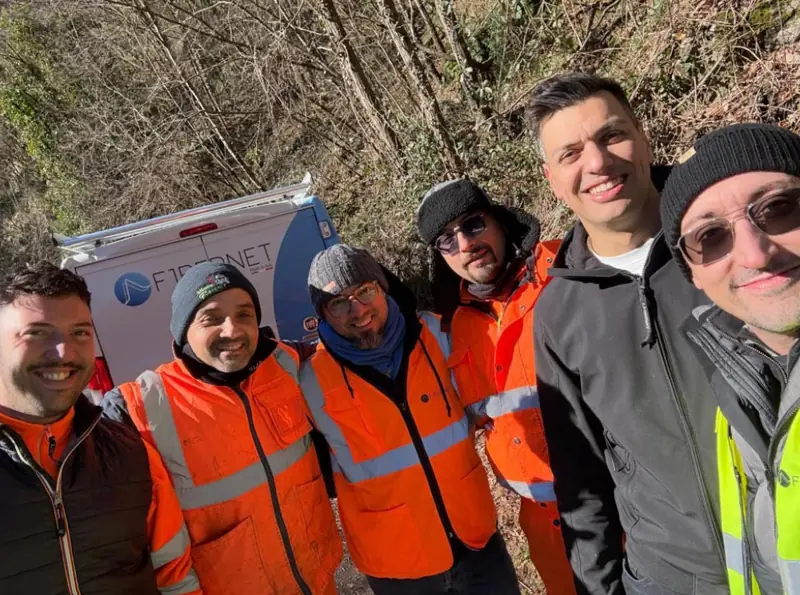
Photos and stories from installers, published by Fibernet.

 GoogleExcellentBased on 176 reviewsRead the reviews
Read on Google“An excellent experience on the installer training course. The whole team was professional and knowledgeable.”
Read on Google“I had the chance to try the Opera cable blowing machine on site…”
Read on Google“I really enjoyed this course. It took place in a pleasant setting with friendly, helpful people.”
Stories from installers
Hear the results from the installers themselves. Watch their testimonials right here.
Product videos
Three machines. Find your fit.
Start with the job at hand. Our technician can answer your questions about the right setup.
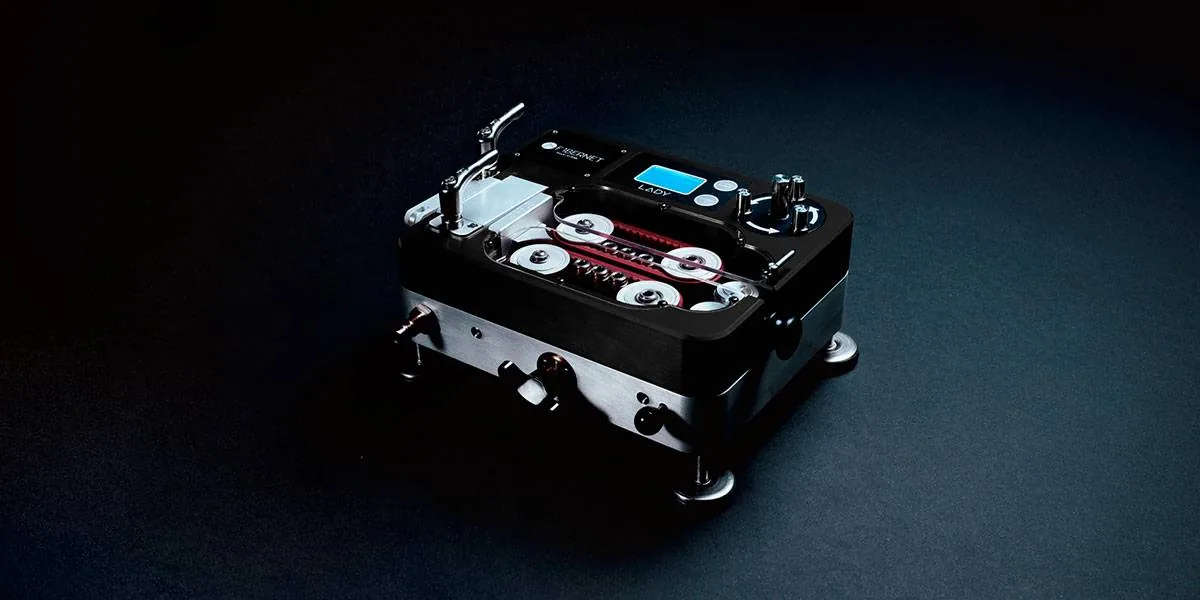
Compact and lightweight
A compact, lightweight machine for short runs.
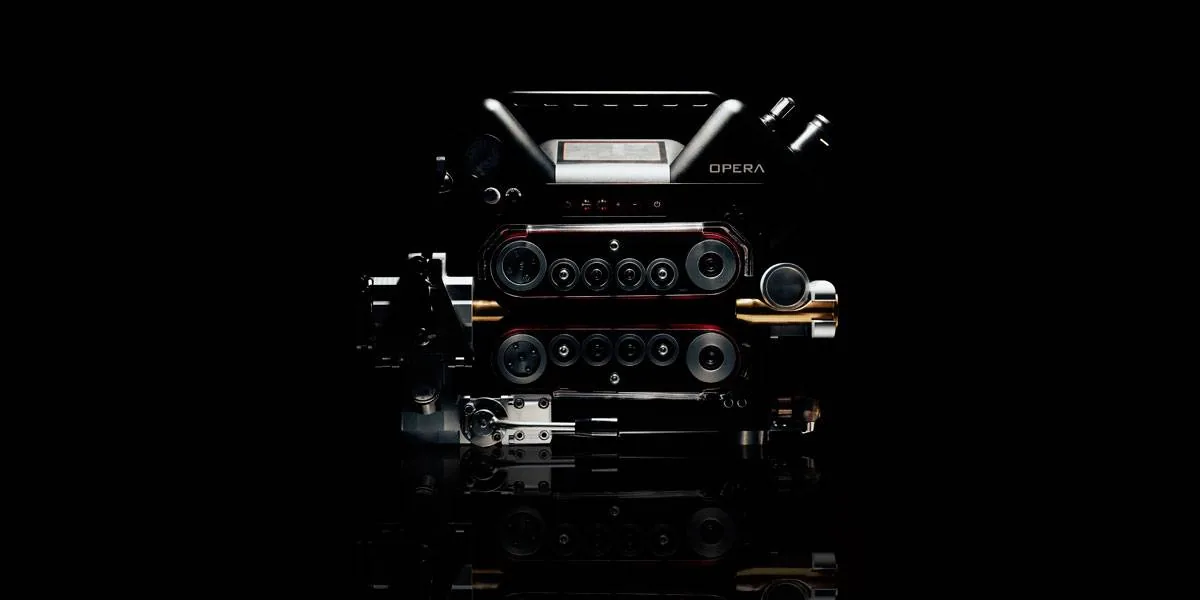
Pneumatic power
A pneumatic machine for long cable runs.
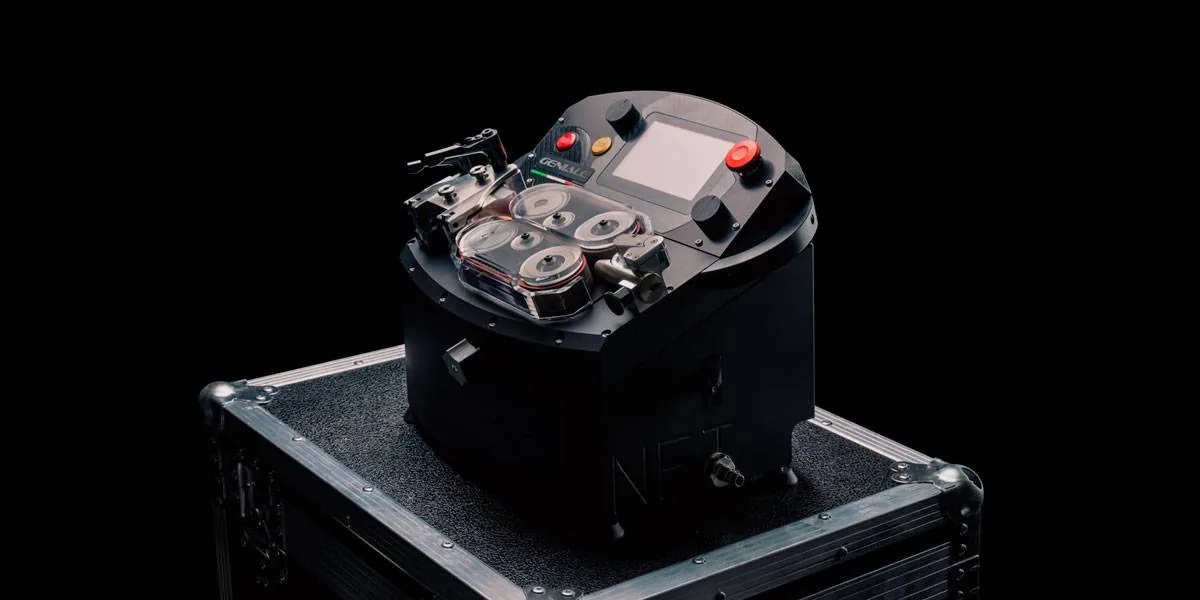
Electric, with two gears
For short and long runs. Two gears let you match force and speed to the job.
Specifications for the Fibernet range. The speeds shown are maximum values. Actual results depend on installation conditions and machine setup.
Direct from the manufacturer
When you’re working on site, you need practical answers. With Fibernet, you speak directly to the people who design and build your cable blowing machine.
Speak to a technicianA specialist technician can help when you need it.
Spare parts ready to ship, direct from the manufacturer.
If your machine breaks down, a replacement may be available within 48 hours.
Check availability and terms with your technician.Get help making the most of your machine, from your very first job.
See it in action before you choose
Request a free hands-on demonstration on your site or at Fibernet’s test facility. Discuss a real job with the technician.
Request a free demonstration
A useful fiber cable blower price starts with the work your crew needs to perform, not simply the lowest figure on a quotation. Cable diameter, duct dimensions, route conditions, and the compressed air available on site all influence equipment selection. For contractors evaluating Italian engineering for projects in Italy or deployments in the United States, the first step is to describe the intended applications accurately. Fibernet can be contacted to discuss those requirements and request a quotation based on the proposed equipment configuration. Rather than assuming that every machine suits every installation, prepare a clear picture of the cables, ducts, and working conditions your operators encounter most frequently. This makes the purchasing conversation more productive and helps identify compatibility questions before an order is placed. When comparing a fiber optic cable blower price, ask suppliers to identify the machine, included accessories, and any application limitations separately. A headline amount may not tell you whether the configuration includes the components required for your particular cable and duct combination. Ask which seals, guides, connection components, and other application-specific items are included or available separately. Also clarify whether transportation, applicable taxes, commissioning assistance, and replacement wear components are covered. These details allow purchasing teams to compare equivalent proposals rather than different packages with similar descriptions. They also help site supervisors understand what must be ready before the equipment reaches the job site. Compressed air deserves particular attention because machine selection cannot be separated from the air supply that supports it. Share the specifications of your existing compressor and ask about the requirements for the proposed configuration. Pressure alone is not a complete description: available airflow, air preparation, hose arrangements, and operating conditions can also matter. Likewise, describe whether crews typically work from compact roadside locations, access chambers, or longer installation sections with difficult bends. These factors do not establish a guaranteed installation distance, but they provide essential context for a realistic equipment discussion. For an American contractor sourcing made-in-Italy equipment, the commercial details should be equally explicit. Request confirmation of the quotation currency, delivery destination, estimated lead time, shipping responsibilities, and arrangements for assistance in the United States or elsewhere worldwide. Fibernet introduced its first cable blowing machine, Lady, in 2021, building on a technical background that predates the company's establishment in 2001. That history provides context for a direct discussion about the equipment, while the written proposal should establish the actual scope of your purchase. A carefully defined fiber cable blower price gives your procurement team a stronger basis for approval and your installation crew a clearer understanding of what will arrive.
The purchase amount is only one part of evaluating a cable blowing machine for repeated field use. A more useful assessment connects the fiber cable blower price with the practical tasks operators perform before, during, and after an installation. Consider how frequently your crew changes cable sizes, moves between access points, checks duct readiness, or prepares equipment for transport. Each activity affects the working day, although the actual time involved depends on the machine configuration and site conditions. Ask for an explanation of the relevant setup procedures rather than assuming that two machines with comparable descriptions will require identical preparation. Your operators should understand how the proposed equipment is configured for their intended cable and duct combinations. For example, a contractor alternating between several installation projects should document the range of cable diameters and duct dimensions involved. That information can guide questions about compatible components, adjustment procedures, and accessories needed for changeovers. A team working repeatedly on one defined application may have different priorities, such as a straightforward setup and predictable access to replacement wear items. Neither situation automatically calls for the most expensive option. The objective is to identify a cable blower for fiber optic cable installation that fits the actual workload without paying for an unsuitable configuration or overlooking essential components. Site preparation remains important regardless of the equipment budget. Before starting, crews should follow the relevant equipment instructions and project procedures for checking duct condition, connections, cable handling, and compressed air arrangements. Obstructions, damaged ducts, excessive bends, or unsuitable cable handling can affect results even when the machine itself is appropriate. Ask how the proposed equipment allows operators to manage feeding and respond to changing installation conditions. Any operating limits and safety procedures should come from the applicable documentation, not from assumptions based on another machine previously used by the crew. When reviewing a fiber optic cable blowing machine price, consider maintenance access and support alongside the initial specification. Ask which components require routine inspection, how replacements are identified, and what information the support team needs when diagnosing a problem. Clarify the availability of documentation for English-speaking operators and discuss assistance arrangements for crews in the United States, Italy, or other operating locations. Fibernet's made-in-Italy positioning is relevant to buyers seeking Italian equipment, but procurement decisions should still rest on confirmed specifications and clearly defined service terms. A simple evaluation sheet can bring these considerations together. Record the quoted configuration, intended applications, required accessories, air supply requirements, maintenance questions, delivery conditions, and support contacts. Invite both purchasing staff and field supervisors to review it. Their priorities often differ, and discussing them before purchase can reveal omissions that a price comparison alone would miss. This approach turns equipment selection into a practical readiness decision rather than a contest between isolated quotation totals.
Choosing between new and previously owned cable blowing equipment requires more than comparing the amounts advertised. A fiber cable blower price should be assessed against the machine's documented condition, configuration, support arrangements, and suitability for the installation work ahead. A lower initial outlay may be attractive, particularly for a contractor adding capacity for a specific project. However, an incomplete accessory package, uncertain service history, or unavailable replacement component can change the financial picture. Before committing, establish which expenses are known, which remain estimates, and which depend on an inspection or technical confirmation. This makes the comparison more transparent for both operational managers and the people approving the investment. If you are considering a used fiber cable blower, ask for the exact model identification, photographs, maintenance records where available, and a detailed list of included parts. Request evidence of operation under appropriate conditions and clarify who is responsible for assessing wear or damage. Check whether the configuration matches your intended cable and duct dimensions rather than assuming that missing components will be easy to source. A second hand fiber optic cable blower may offer value in the right circumstances, but its suitability must be established individually. No general statement about used equipment can replace a condition assessment and confirmation of the components required for your work. For a new machine, focus the discussion on the supplied configuration and the commercial commitments recorded in writing. Ask about warranty terms, exclusions, replacement parts, and the process for obtaining technical assistance. American buyers evaluating Italian-made equipment should also clarify shipping arrangements and the practical handling of support requests across locations. Discuss assistance in the United States and worldwide with Fibernet, including the relevant contact route and how a technical issue would be assessed. Do not assume that every type of intervention is included or that response times are identical everywhere; obtain the arrangements applicable to your purchase. Fibernet's background offers a useful introduction to the people behind that conversation. Founded in 2001, the company draws on Giancarlo Trinei's technical experience with early fiber installations in Italy during the 1980s. A generational transition began in 2010 with Matteo, Marta, and Ismael joining the business, while the launch of Lady in 2021 marked its entry into cable blowing machines. For buyers, this family-led history provides company context, but the purchasing decision should remain grounded in application suitability and documented commitments. To request a meaningful fiber cable blower price, send Fibernet a concise project brief containing your cable specifications, duct dimensions, expected working conditions, available compressor details, delivery location, and preferred timing. Explain whether the equipment is intended for a single project or recurring contractor work. A complete brief gives the technical and commercial discussion a stronger starting point and helps your team evaluate a proposal against actual installation requirements.
Fill out the form and discover what Fibernet Srl can do for you!
Contact us!Before you get started
If you prefer, speak to us directly.
+39 346 652 9915Compare the cable diameter, duct diameter and installation distance. Lady is compact and lightweight for short runs. Opera is pneumatic and designed for long runs. Geniale is electric and handles both. A Fibernet technician can help you choose.
Yes. You can request a free hands-on demonstration on your site or at Fibernet’s test facility. Tell us what you need in the form and a technician will arrange it with you. Request a demonstration.
To get a price, contact a Fibernet advisor using the form or call +39 346 652 9915.
Fibernet offers direct technical support, spare parts ready to ship and dedicated training. If your machine breaks down, a replacement may be available. Ask your technician about availability and terms.
Tell us about your job. We’ll help you find the right cable blowing machine.