Emanuele Zanda
Google review
★★★★★
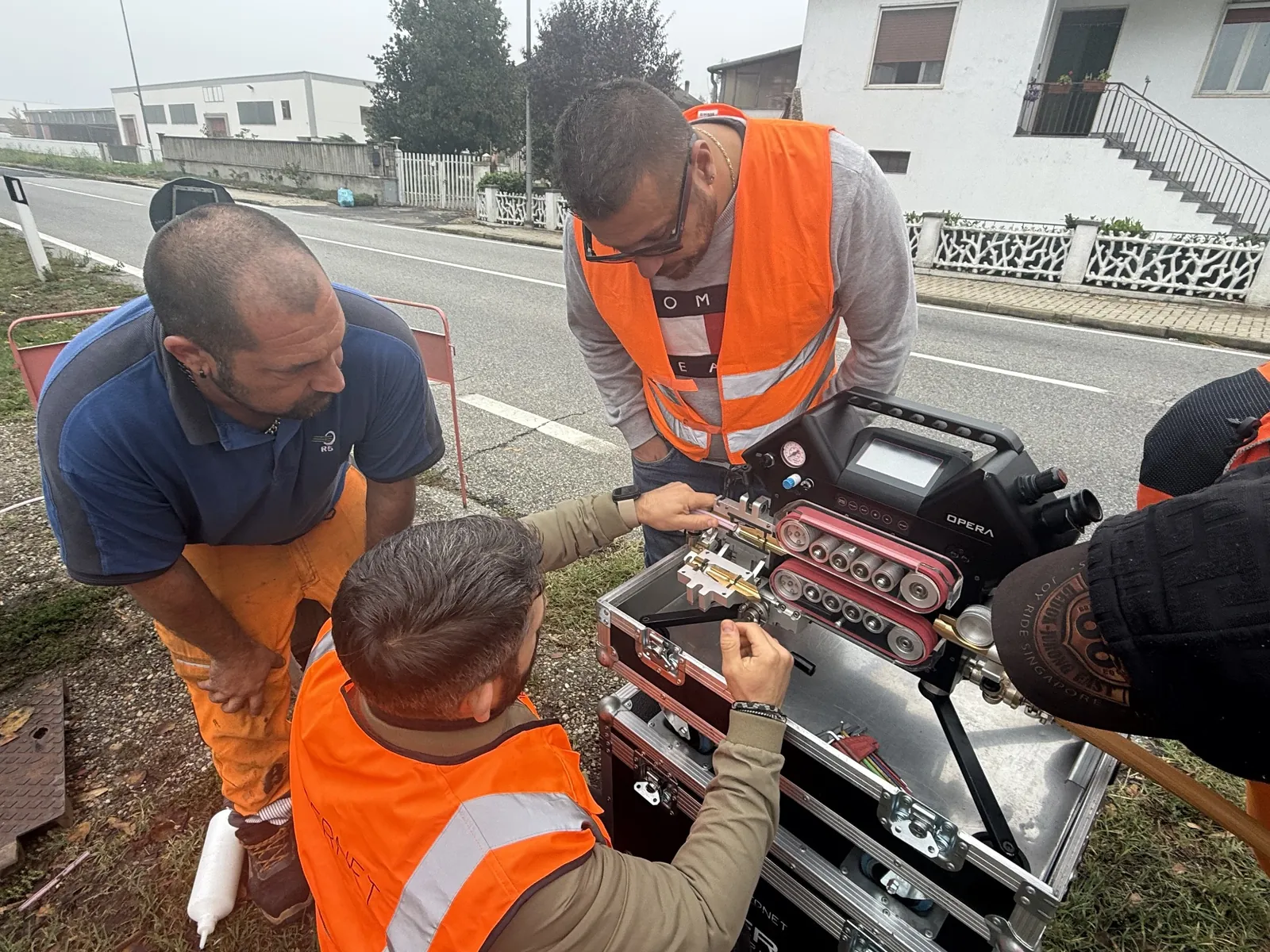
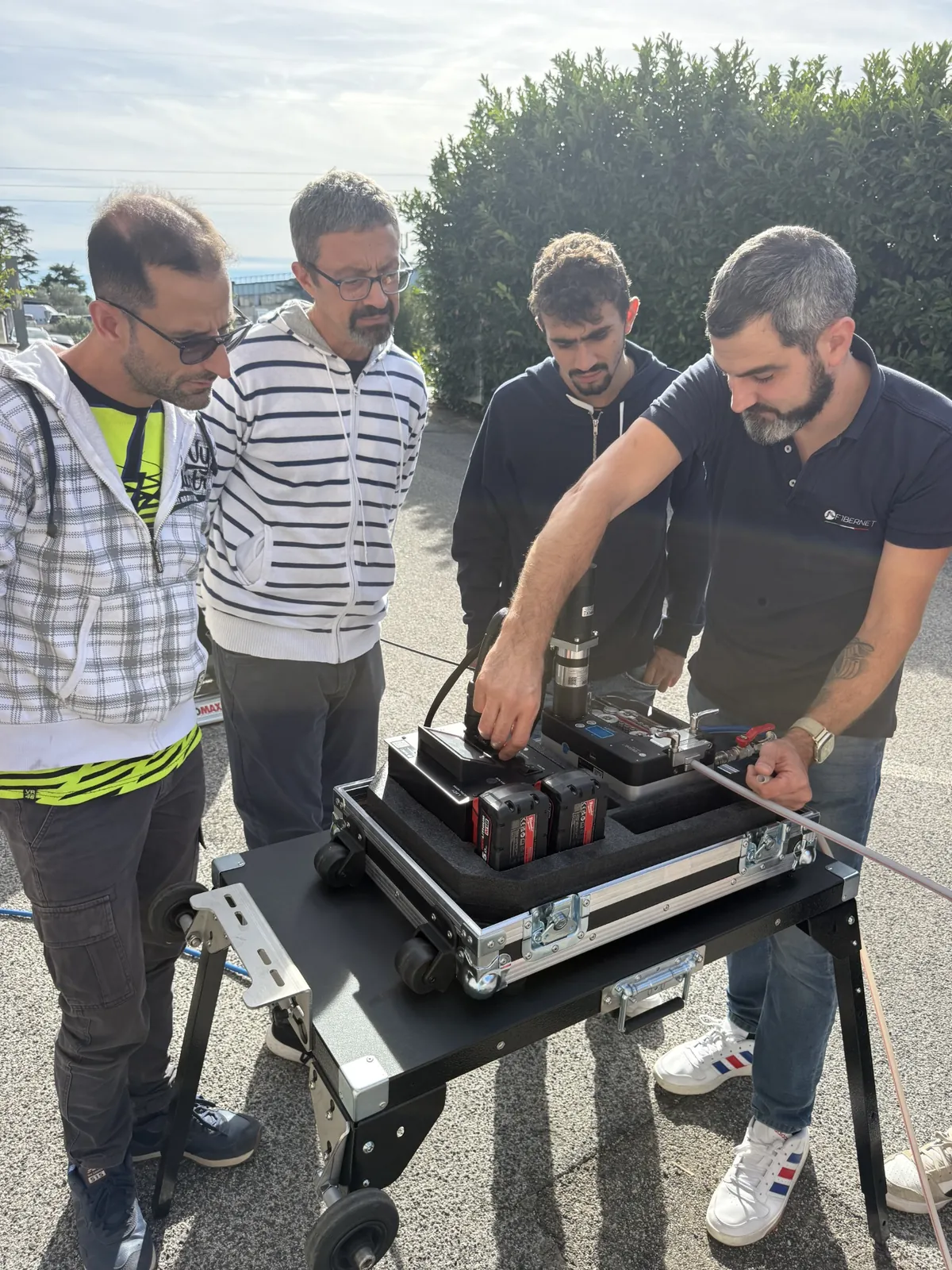
Read on Google“An excellent experience on the installer training course. The whole team was professional and knowledgeable.”
Cable blowing machines · Made in Italy
From last-mile connections to long-distance runs, a Fibernet technician can help you choose the right machine for your fiber optic cable installation.
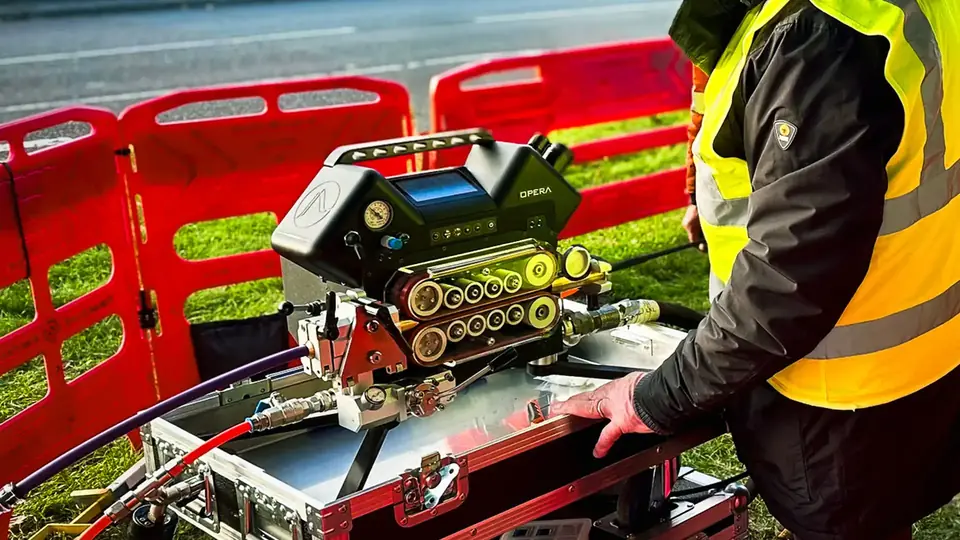
Opera, image 1 of 3
Expert advice direct from the manufacturer / Free demonstration on request
Some of our customers.

Keep your installation moving with Fibernet cable blowing machines.
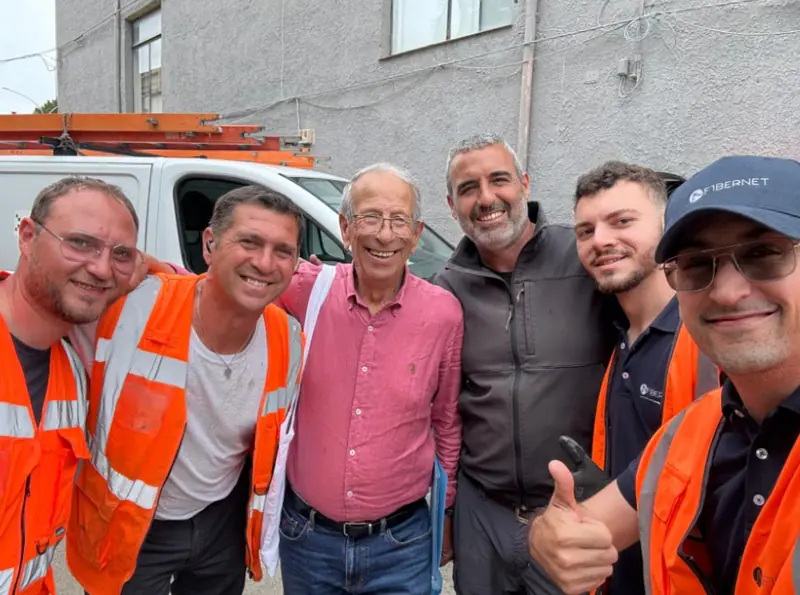
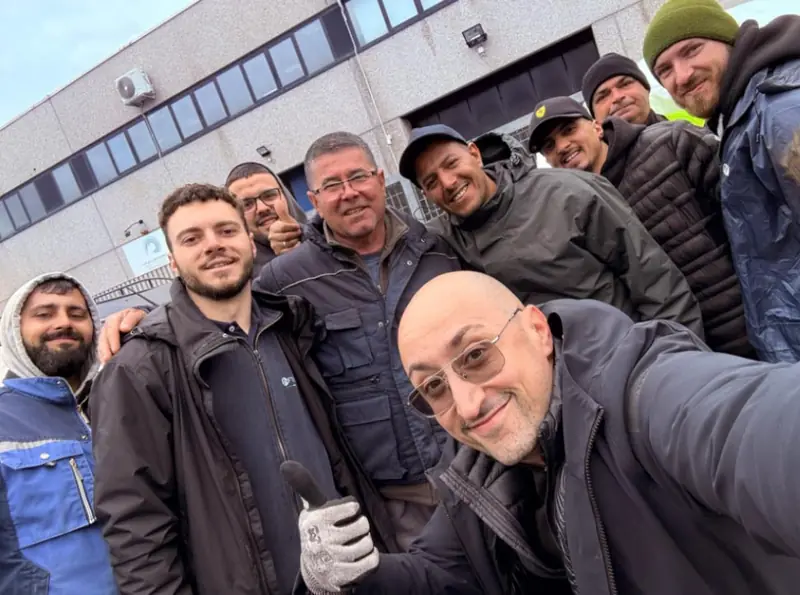
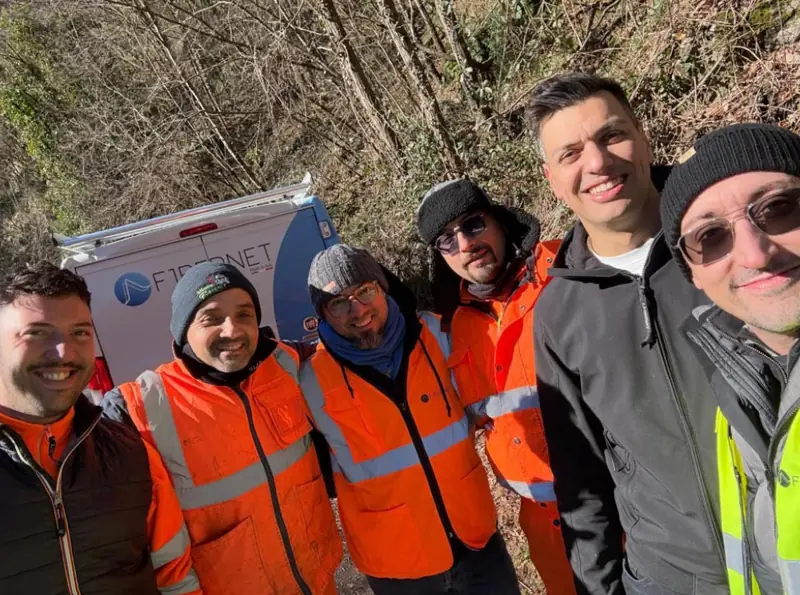
Photos and stories from installers, published by Fibernet.
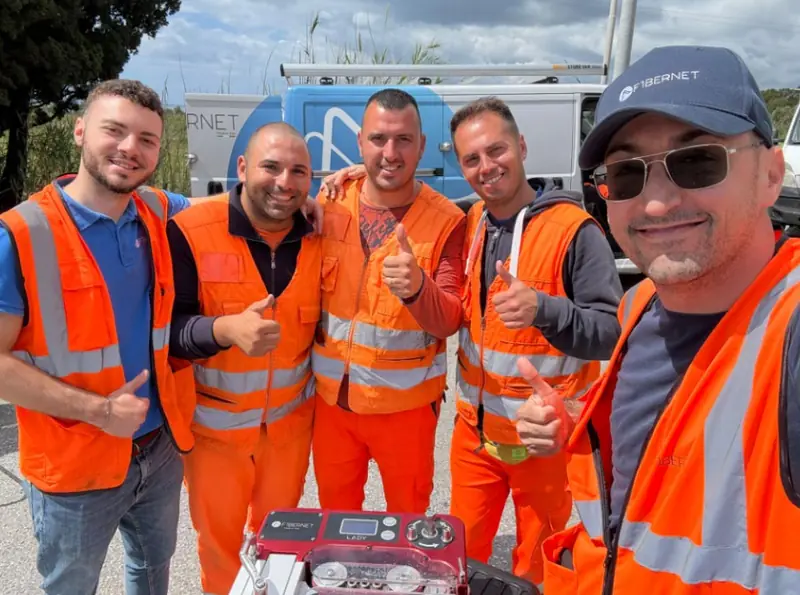
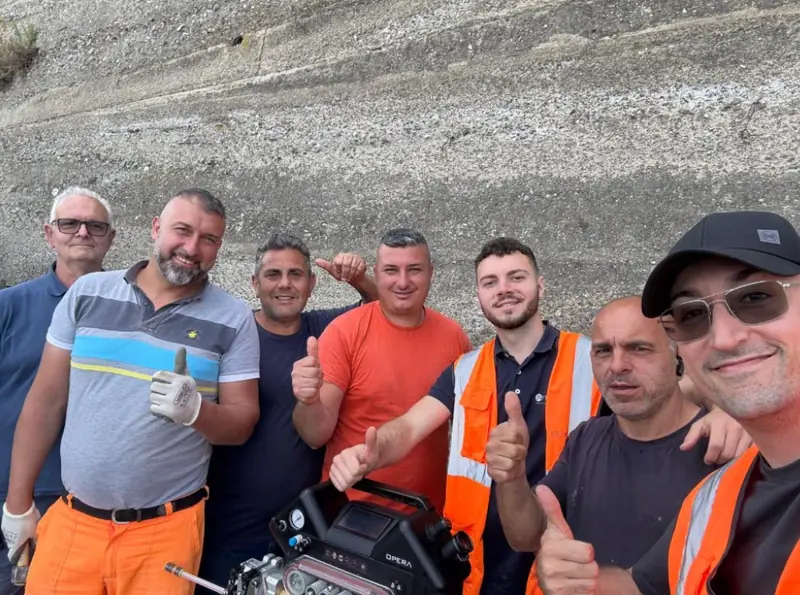
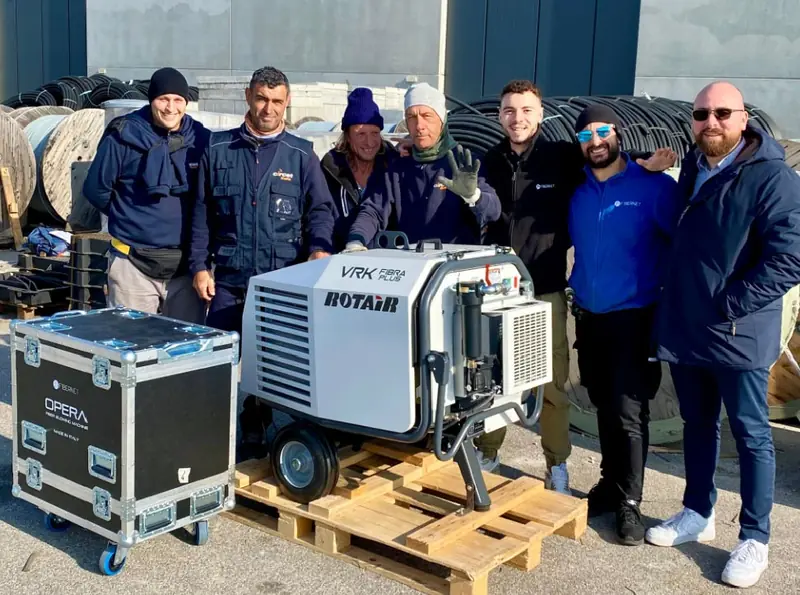
 GoogleExcellentBased on 176 reviewsRead the reviews
Read on Google“An excellent experience on the installer training course. The whole team was professional and knowledgeable.”
Read on Google“I had the chance to try the Opera cable blowing machine on site…”
Read on Google“I really enjoyed this course. It took place in a pleasant setting with friendly, helpful people.”
Stories from installers
Hear the results from the installers themselves. Watch their testimonials right here.
Product videos
Three machines. Find your fit.
Start with the job at hand. Our technician can answer your questions about the right setup.
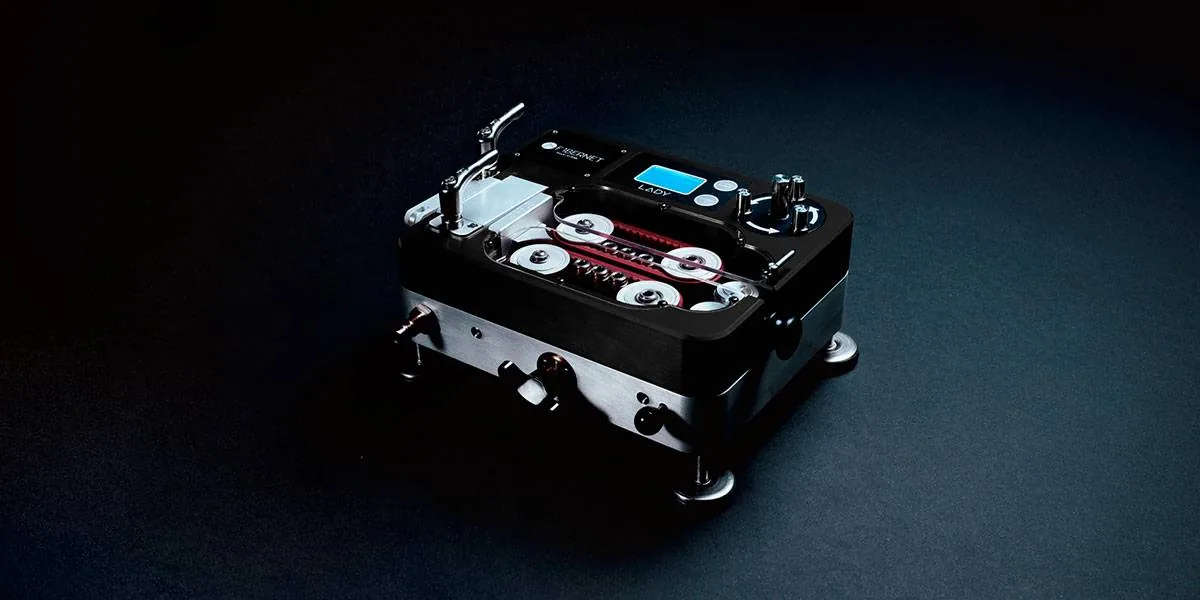
Compact and lightweight
A compact, lightweight machine for short runs.
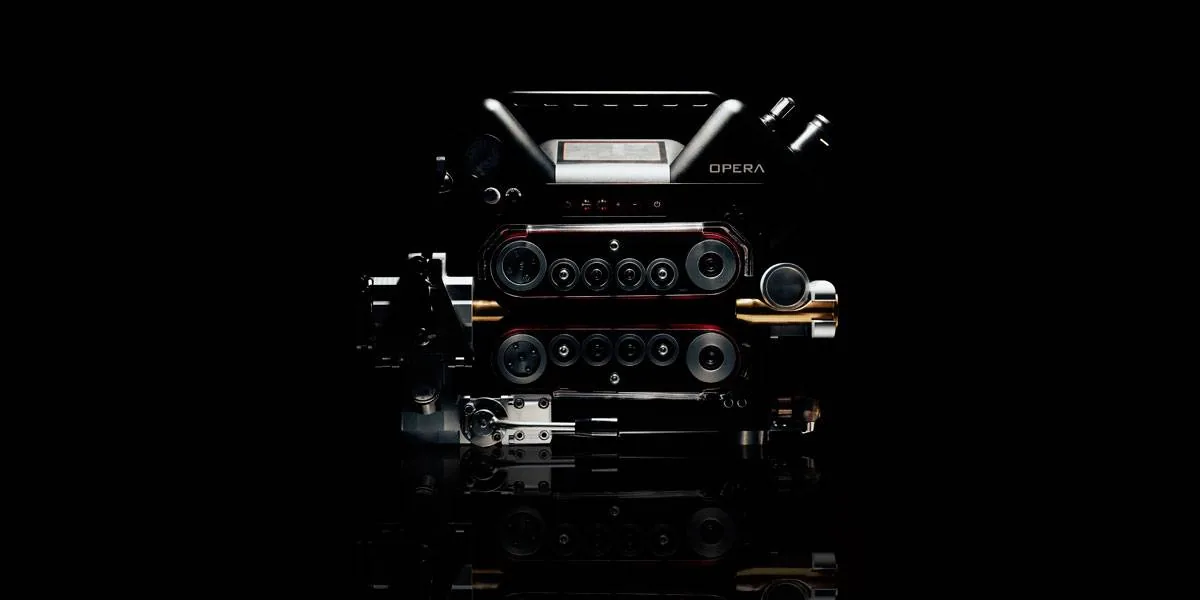
Pneumatic power
A pneumatic machine for long cable runs.
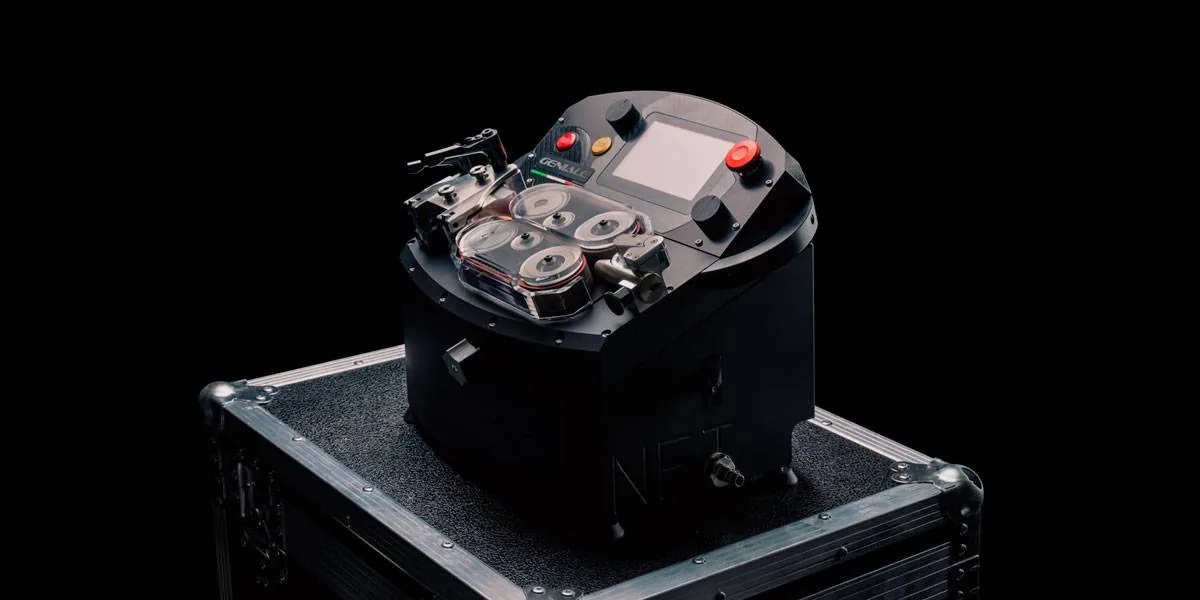
Electric, with two gears
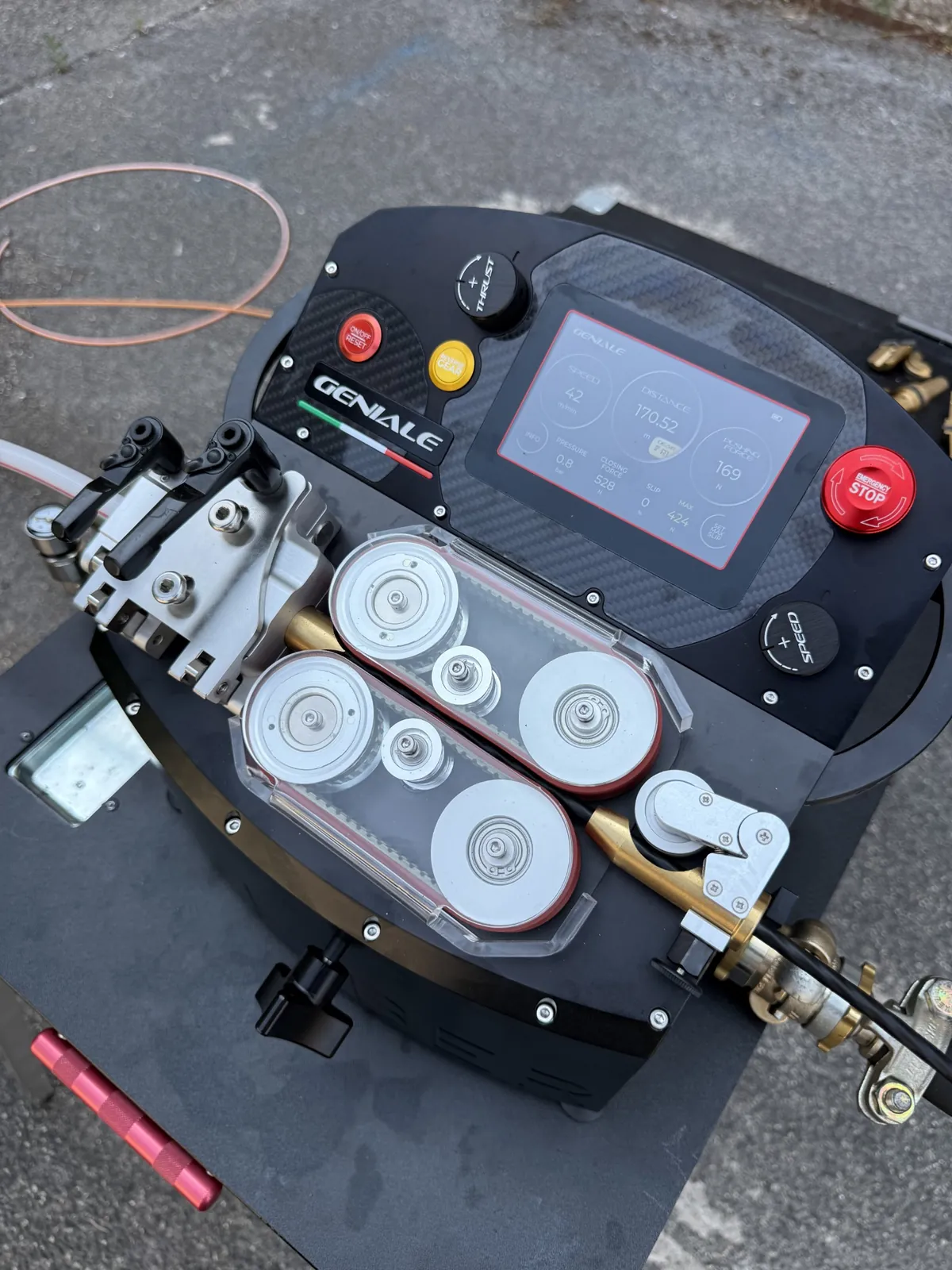
For short and long runs. Two gears let you match force and speed to the job.
Specifications for the Fibernet range. The speeds shown are maximum values. Actual results depend on installation conditions and machine setup.
Direct from the manufacturer
When you’re working on site, you need practical answers. With Fibernet, you speak directly to the people who design and build your cable blowing machine.
Speak to a technicianA specialist technician can help when you need it.
Spare parts ready to ship, direct from the manufacturer.
If your machine breaks down, a replacement may be available within 48 hours.
Check availability and terms with your technician.Get help making the most of your machine, from your very first job.
See it in action before you choose
Request a free hands-on demonstration on your site or at Fibernet’s test facility. Discuss a real job with the technician.
Request a free demonstration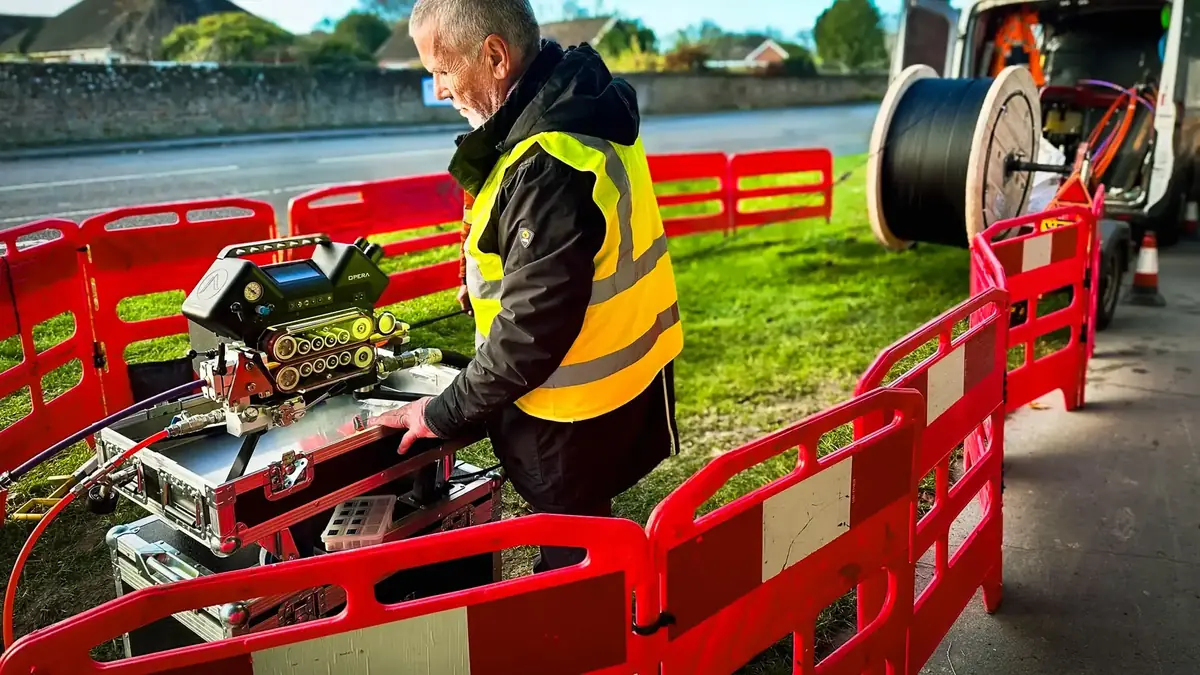
Choosing an electric cable pushing machine begins with the cable, the duct, and the conditions your installation crew will encounter. For telecommunications contractors, the useful question is not simply how fast a machine can feed cable under ideal conditions. It is whether the proposed configuration suits the cable construction, duct dimensions, route geometry, and working environment of the actual project. Fibernet develops cable blowing equipment with an approach rooted in practical field experience and Italian manufacturing. Its first cable blowing machine, Lady, launched in 2021, building on a technical background that reaches back to the earliest fiber installations in Italy. For buyers evaluating equipment for projects in Italy or coordinating installations across different markets, that background provides a starting point for a focused technical conversation. Before requesting a recommendation, assemble the cable outside diameter, the duct inside diameter, the planned section length, and the cable manufacturer's handling limits. Include any available information about bends, elevation changes, intermediate access points, and duct preparation. These details matter because resistance does not depend on distance alone. Several tight bends or an unsuitable duct condition can make a short section more demanding than a longer, straighter run. An electric cable blowing machine combines powered cable feeding with an air assisted installation process, but an electric drive should not be confused with independence from compressed air. Ask which external utilities the selected configuration requires and verify that the site can supply them safely. Likewise, a fiber optic cable pushing machine must be evaluated against the permitted forces for the specific cable rather than selected on motor power alone. Excessive pushing can damage a cable or cause buckling before useful progress is achieved. Discuss how the proposed equipment manages cable contact, feeding adjustments, and the transition into the duct, without assuming every model offers identical features. A useful equipment inquiry should also explain how frequently crews change cable sizes and whether the machine will move between several work locations each day. Setup requirements, compatible accessories, and the steps needed to prepare a new installation can influence daily productivity as much as headline performance figures. Ask Fibernet to identify the appropriate configuration and confirm its documented operating limits. This gives procurement teams and field supervisors a shared basis for comparison: equipment matched to the job, clear requirements for supporting equipment, and realistic expectations about installation conditions. The result is a purchasing discussion centered on suitability and cable protection, rather than an unsupported promise about speed or achievable distance.
A productive installation starts before the cable enters the machine. Crews should first confirm that the intended duct section is correctly identified, accessible at both ends, and suitable for the planned installation method. Follow the duct supplier's procedures for checking continuity, cleanliness, and integrity, and resolve obstructions or suspected leakage before introducing the cable. Cable blowing relies on the interaction between mechanical feeding, airflow, and friction along the route. A machine cannot compensate for every defect in an inadequately prepared pathway. Where lubrication is appropriate, use a product compatible with the cable and duct materials and follow the relevant application guidance. More lubricant is not automatically better, and incompatible materials can create problems that become difficult to correct once the cable is inside the duct. Positioning also deserves attention. Arrange the cable reel so that payout remains controlled and the cable approaches the machine without unnecessary bends or contact with abrasive surfaces. Respect the cable manufacturer's minimum bend radius during handling, entry, and any temporary storage. Keep the immediate work area organized so operators can observe the feed and communicate with colleagues at other access points. When assessing an electric fiber optic cable blowing machine, ask how its required setup fits these practical arrangements, including the available space around a roadside chamber or building entry point. Electrical supply and compressed air arrangements should be checked against the selected equipment documentation, with connections and hoses suitable for the operating conditions. Begin the installation according to the manufacturer's procedure rather than applying maximum drive or air settings immediately. Monitor progress and respond to changes in resistance, payout behavior, or cable movement. If progress stops unexpectedly, increasing force without diagnosing the cause may damage the cable or worsen an obstruction. Stop safely, review the route and setup, and follow the prescribed troubleshooting process. An electric cable jetting machine should be treated as part of a controlled installation system, not as a substitute for operator judgment. Record the installed section, cable and duct details, setup choices, and any difficulties encountered. These records can help a supervisor compare similar sections and identify whether recurring delays come from route conditions, reel handling, or equipment preparation. For contractors managing repeated installations, a consistent checklist makes those comparisons more useful while leaving room for site specific decisions. Discuss your typical workflow with Fibernet when requesting equipment information. Describing how your crew prepares ducts, manages reels, and moves between work zones helps establish whether the proposed solution fits the way you actually install cable. It also creates a clearer basis for questions about accessories, maintenance, and operating documentation before equipment reaches the site.
Buying installation equipment is a decision about ongoing usability as well as initial capability. A contractor may work with different cable sizes, change project locations frequently, and need assistance when an unfamiliar combination of cable and duct behaves differently from previous jobs. For that reason, an inquiry about an electric cable pushing machine should include questions about documentation, compatible components, maintenance requirements, and the process for obtaining technical help. Fibernet offers made in Italy products with assistance in the United States and worldwide. Buyers should confirm the available support arrangements for their location, including contact channels, service procedures, and the information needed to identify the equipment correctly. Availability, response arrangements, and parts delivery should be discussed directly rather than assumed. This is particularly important for teams purchasing from Italy while coordinating work with American contractors or other international partners. Clear communication about dimensions and utilities helps avoid preventable mismatches. Provide cable and duct measurements with their units, confirm the required electrical supply, and check the specifications of any compressed air equipment involved. If project documents use different measurement systems, reconcile them before selecting accessories or approving a configuration. An electric optical fiber cable blowing machine should be purchased against verified technical requirements, not a broad description that leaves important compatibility details unresolved. Ask which items are included in the proposed supply and which supporting components must be sourced separately. Where crews regularly change cable diameters, discuss the components and procedures required for those changes. Where equipment travels between sites, ask about the recommended handling, storage, and inspection practices. The same discipline applies when evaluating a cable blowing machine for fiber optic cable installation for a growing fleet: consider how operators will identify compatible parts and follow consistent maintenance routines across locations. Fibernet's company history provides context for this practical focus. Founded in 2001, the business draws on founder Giancarlo Trinei's experience with early Italian fiber installations and testing work. A generational transition began in 2010 with Matteo, Marta, and Ismael joining the company, combining continued family involvement with an ambition to serve international markets. That background is relevant when discussing the development of its cable blowing equipment, but the purchasing decision should still rest on the documented suitability of the proposed machine. Use the company website to introduce your project and request a technical discussion. Include the cable diameter, duct dimensions, expected route conditions, installation frequency, and destination country. These details allow the conversation to move beyond a general product inquiry toward configuration, operating requirements, and assistance arrangements that match your crew's needs. Confirm the final scope in writing so procurement staff, supervisors, and operators share the same expectations before deployment.
Fill out the form and discover what Fibernet Srl can do for you!
Contact us!Before you get started
If you prefer, speak to us directly.
+39 346 652 9915Compare the cable diameter, duct diameter and installation distance. Lady is compact and lightweight for short runs. Opera is pneumatic and designed for long runs. Geniale is electric and handles both. A Fibernet technician can help you choose.
Yes. You can request a free hands-on demonstration on your site or at Fibernet’s test facility. Tell us what you need in the form and a technician will arrange it with you. Request a demonstration.
To get a price, contact a Fibernet advisor using the form or call +39 346 652 9915.
Fibernet offers direct technical support, spare parts ready to ship and dedicated training. If your machine breaks down, a replacement may be available. Ask your technician about availability and terms.
Tell us about your job. We’ll help you find the right cable blowing machine.