Emanuele Zanda
Google review
★★★★★
Read on Google“An excellent experience on the installer training course. The whole team was professional and knowledgeable.”
Cable blowing machines · Made in Italy
From last-mile connections to long-distance runs, a Fibernet technician can help you choose the right machine for your fiber optic cable installation.
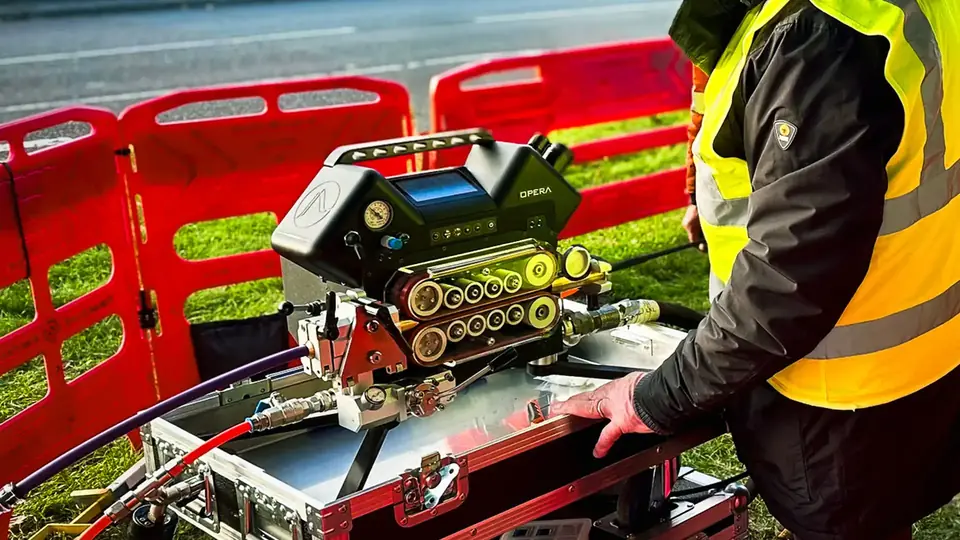
Opera, image 1 of 3
Expert advice direct from the manufacturer / Free demonstration on request
Some of our customers.
Keep your installation moving with Fibernet cable blowing machines.
Photos and stories from installers, published by Fibernet.
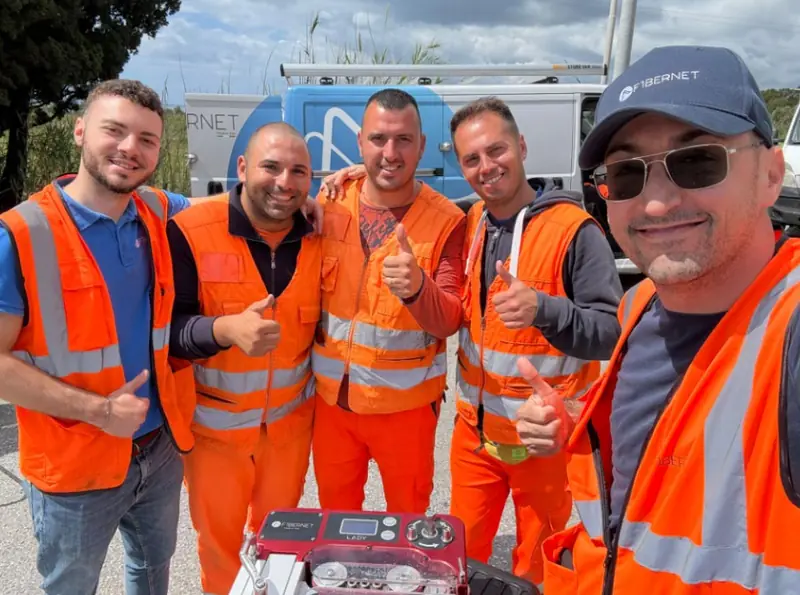
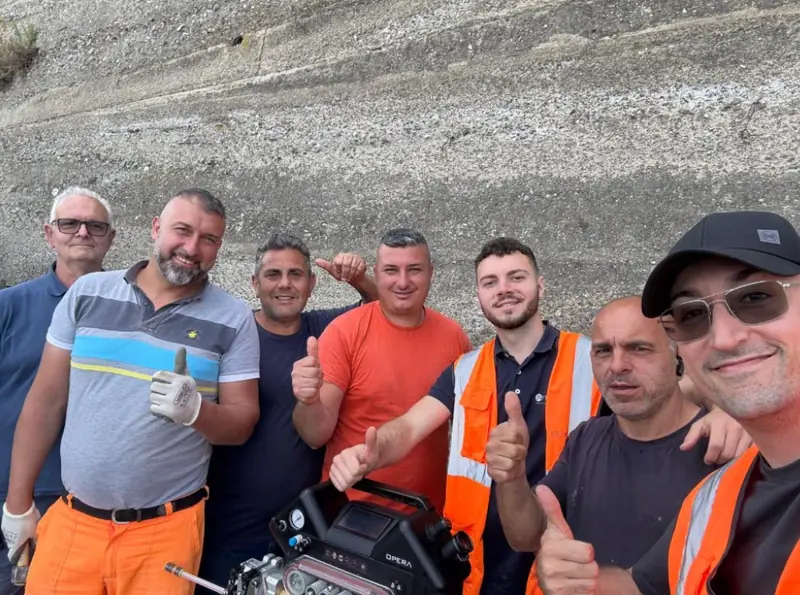
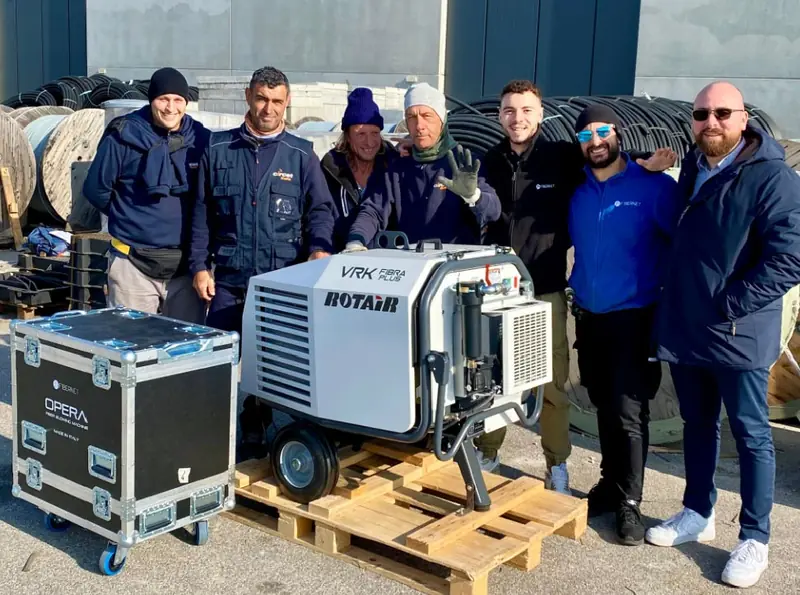
 GoogleExcellentBased on 176 reviewsRead the reviews
Read on Google“An excellent experience on the installer training course. The whole team was professional and knowledgeable.”
Read on Google“I had the chance to try the Opera cable blowing machine on site…”
Read on Google“I really enjoyed this course. It took place in a pleasant setting with friendly, helpful people.”
Stories from installers
Hear the results from the installers themselves. Watch their testimonials right here.
Product videos
Three machines. Find your fit.
Start with the job at hand. Our technician can answer your questions about the right setup.
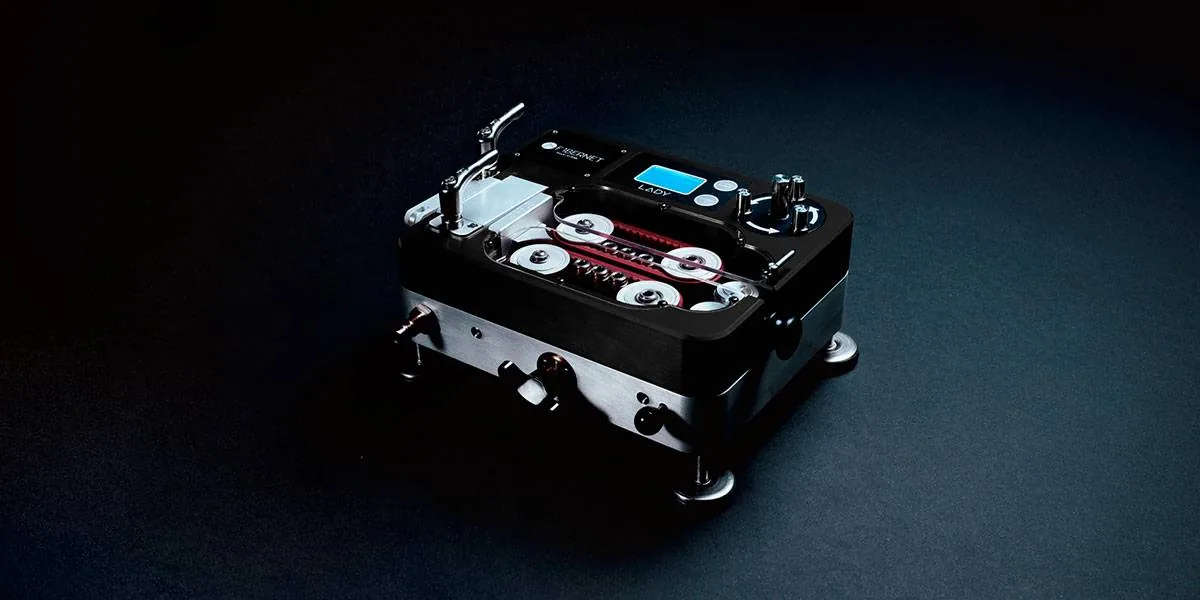
Compact and lightweight
A compact, lightweight machine for short runs.
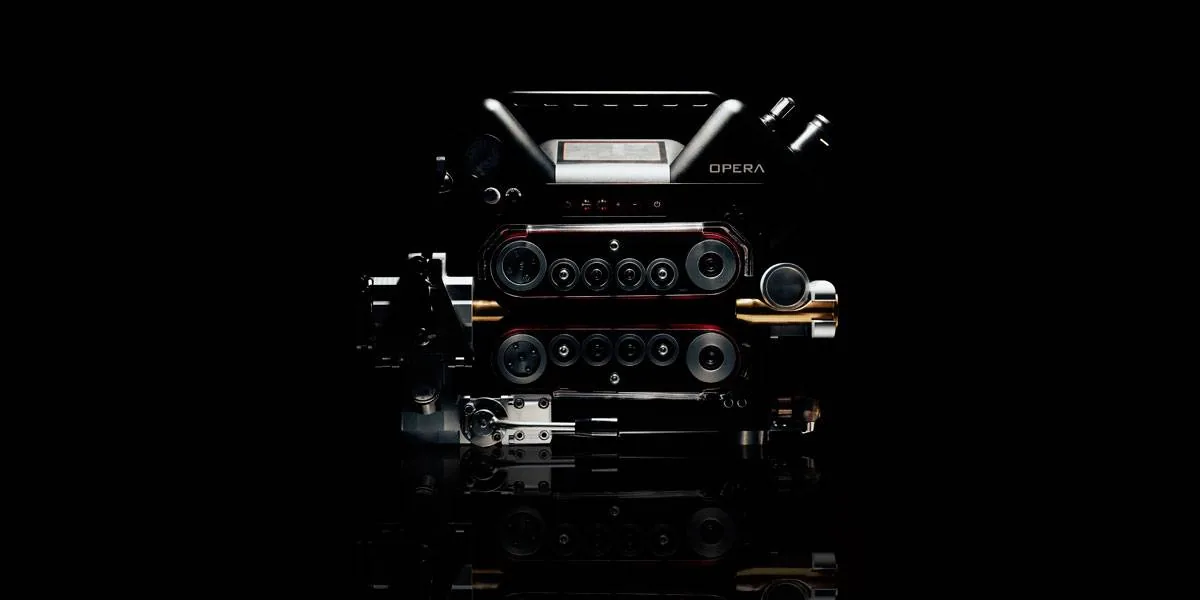
Pneumatic power
A pneumatic machine for long cable runs.
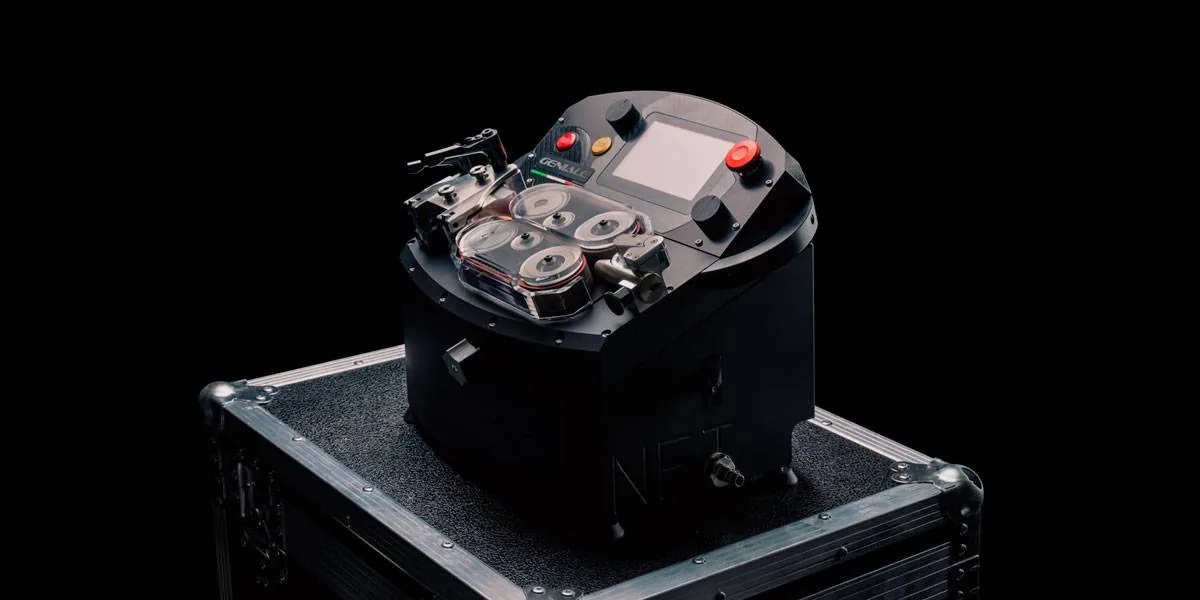
Electric, with two gears
For short and long runs. Two gears let you match force and speed to the job.
Specifications for the Fibernet range. The speeds shown are maximum values. Actual results depend on installation conditions and machine setup.
Direct from the manufacturer
When you’re working on site, you need practical answers. With Fibernet, you speak directly to the people who design and build your cable blowing machine.
Speak to a technicianA specialist technician can help when you need it.
Spare parts ready to ship, direct from the manufacturer.
If your machine breaks down, a replacement may be available within 48 hours.
Check availability and terms with your technician.Get help making the most of your machine, from your very first job.
See it in action before you choose
Request a free hands-on demonstration on your site or at Fibernet’s test facility. Discuss a real job with the technician.
Request a free demonstration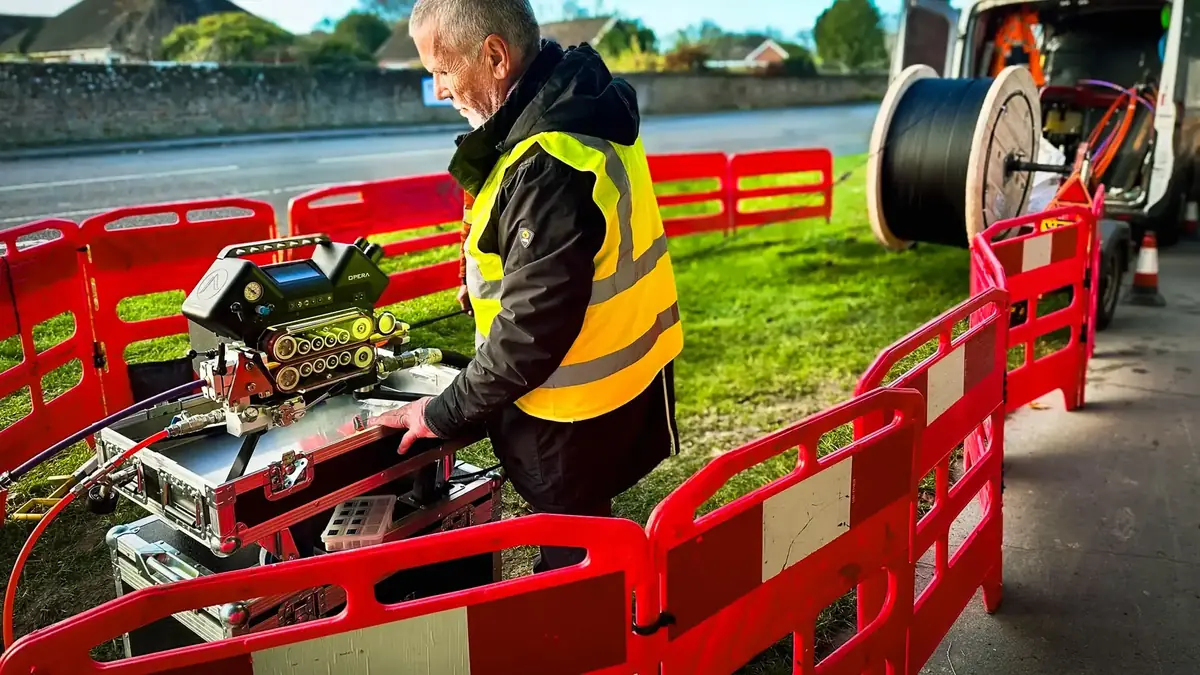
When evaluating cable blower hire, start with the conditions your installation crew will actually encounter. A machine that appears suitable on a quotation still needs to match the cable, duct, compressed air supply, and working environment on site. For American contractors planning work in Italy, this assessment also means checking local equipment availability and confirming which technical information must be exchanged before mobilization. Fibernet brings an Italian manufacturing background to this discussion, with a company history beginning in 2001 and the introduction of its first cable blowing machine, Lady, in 2021. Rather than assuming that a particular rental package is available, contact the company to discuss your application, current supply arrangements, and the appropriate commercial route. A useful inquiry includes the cable outside diameter, duct internal diameter, intended installation distance, route geometry, and the number of sections involved. Include the cable manufacturer's installation limits, especially permissible pushing force and minimum bend radius. These details help determine whether a proposed machine configuration is appropriate and which items require further verification. When selecting a cable blower for fiber optic cable installation, the relationship between cable diameter and duct bore deserves particular attention. Air must move effectively through the duct while the drive mechanism advances the cable without exceeding its limits. Suitability cannot be established from distance alone, because bends, elevation changes, duct condition, and air leakage can materially affect results. Ask which seals, guides, and drive components are needed for your specific cable and duct combination, and whether those components are included in the proposed supply. Compressor compatibility is equally important. Confirm the required airflow and operating pressure for the selected setup, together with any requirements for air cooling, moisture control, hose connections, and filtration. Do not assume that a compressor already assigned to the site will be adequate. A clear equipment checklist reduces avoidable delays when the crew arrives and allows the project manager to coordinate responsibilities between the machine supplier, compressor provider, and installation team. Your inquiry should also describe access restrictions, available working space, and how the cable will feed from its reel into the machine. These practical details influence positioning, handling, and the organization of the work area. Looking at the complete fiber cable blower setup helps you compare proposals on technical suitability rather than headline cost alone. The objective is a documented equipment choice that fits the installation method, gives operators clear limits, and supports a realistic work plan. Use Fibernet's website to share your project requirements and request clarification on machine suitability, availability, and assistance before committing to a schedule.
A cable blower hire inquiry should establish more than a daily or weekly rate. For a contractor responsible for delivering a completed installation, the meaningful comparison is the total cost of putting a suitable machine to work and returning it in the agreed condition. Begin by asking whether a hire arrangement is available for your location and required dates, because an informational product website does not by itself confirm rental inventory or contractual terms. If a rental option is offered, request a written breakdown of the equipment configuration, accessories, transport arrangements, hire period, and responsibilities for damage or missing components. This makes it easier to compare proposals without overlooking essential items. Consider a crew working through several duct sections with different cable diameters. Changing between those sections may require different guides or sealing components, so a low initial rate can become less attractive if the necessary parts have not been included. Conversely, purchasing equipment may deserve consideration when the installation schedule is continuous or multiple projects will use the same machine. A comparison between fiber cable blower hire and ownership should account for expected utilization, storage, maintenance responsibilities, accessory requirements, and the operational consequences of equipment unavailability. There is no universal break point: the right choice depends on the contractor's workload and the actual terms proposed. Ask how the hire period is calculated, including dispatch, collection, weekends, and delays outside your control. Confirm whether a minimum period applies and how extensions are authorized. For work in Italy involving an American purchasing team, clarify quotation currency, applicable taxes, delivery location, and the documents needed for the transaction. Where equipment crosses borders, establish who handles shipping paperwork and any relevant customs requirements. These questions should be settled before dispatch rather than left to the site supervisor on delivery day. Technical assistance also has commercial value, but its scope must be explicit. Ask how operators can reach support, what information they should provide when reporting a problem, and which maintenance tasks remain their responsibility. Establish the process for a damaged seal, an unsuitable connection, or an operating issue that cannot be resolved remotely. Do not assume that replacement equipment, on-site attendance, or a particular response time is included unless confirmed in writing. When reviewing a fiber optic cable blower price alongside a rental proposal, compare equivalent configurations and service conditions. Fibernet's Italian manufacturing identity and technical background provide context for that conversation, while the written quotation should establish the actual deliverables. A well-prepared request helps purchasing staff and field supervisors evaluate the same scope, reducing misunderstandings between the commercial agreement and the equipment needed at the duct entrance.
Successful preparation for cable blower hire connects the purchasing decision with a repeatable site procedure. Before the machine reaches the work area, nominate the person responsible for checking delivery contents, reviewing operating documentation, and confirming that the supplied configuration matches the planned cable and duct. Record equipment identification and inspect visible condition, particularly air connections, guards, drive surfaces, and the components that contact the cable. Any discrepancy should be reported before operation. For American installation businesses working in Italy, keeping a clear equipment record also helps remote managers understand what is available on site and which questions still need an answer from the supplier. The operating plan should follow the selected machine's documentation and the cable manufacturer's limits. Prepare the duct according to the installation specification, verify its suitability for blowing, and address obstructions or leakage before attempting the run. Establish safe communication between personnel at the machine, reel, and receiving end. Cable handling deserves the same attention as machine setup: a poorly positioned reel or an uncontrolled feed can introduce avoidable resistance, even when the blowing equipment has been selected correctly. Keep the work area organized so operators can observe the cable path and reach the controls without interference. During installation, monitor the parameters available on the equipment and remain within the approved operating limits. If progress slows unexpectedly, investigate the cause instead of simply increasing pushing force or air pressure. Possible contributors include feed resistance, duct geometry, unsuitable sealing, air supply limitations, or conditions farther along the route. A cable blower supports a controlled installation process; it does not remove the need to assess the route or protect the cable. Recording setup details and observations can help the crew identify patterns between sections and provide useful information when requesting technical assistance. Fibernet's background is rooted in the experience of founder Giancarlo Trinei, whose work with early Italian installations preceded the company's establishment in 2001. That heritage offers a relevant starting point for discussing its made-in-Italy equipment, including the Lady machine introduced in 2021. For projects requiring assistance in the United States or elsewhere worldwide, ask Fibernet to confirm the available support channels, service coverage, language options, and arrangements applicable to your location. International support should be defined by the assistance actually agreed for your project, rather than assumed from the manufacturer's global ambitions. Before choosing a fibre optic cable blower, bring together the technical checklist, operating responsibilities, and service questions in one discussion. This gives the supplier a clearer understanding of your installation and gives your crew a more reliable basis for preparation. Contact Fibernet through its website to describe the application and establish the equipment and support options available for your planned work.
Fill out the form and discover what Fibernet Srl can do for you!
Contact us!Before you get started
If you prefer, speak to us directly.
+39 346 652 9915Compare the cable diameter, duct diameter and installation distance. Lady is compact and lightweight for short runs. Opera is pneumatic and designed for long runs. Geniale is electric and handles both. A Fibernet technician can help you choose.
Yes. You can request a free hands-on demonstration on your site or at Fibernet’s test facility. Tell us what you need in the form and a technician will arrange it with you. Request a demonstration.
To get a price, contact a Fibernet advisor using the form or call +39 346 652 9915.
Fibernet offers direct technical support, spare parts ready to ship and dedicated training. If your machine breaks down, a replacement may be available. Ask your technician about availability and terms.
Tell us about your job. We’ll help you find the right cable blowing machine.