Emanuele Zanda
Google review
★★★★★
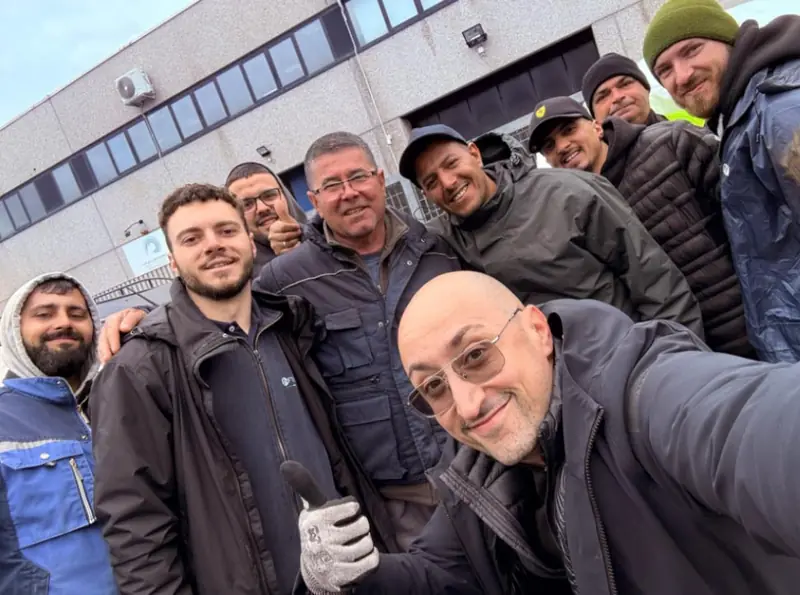
Read on Google“An excellent experience on the installer training course. The whole team was professional and knowledgeable.”
Cable blowing machines · Made in Italy
From last-mile connections to long-distance runs, a Fibernet technician can help you choose the right machine for your fiber optic cable installation.
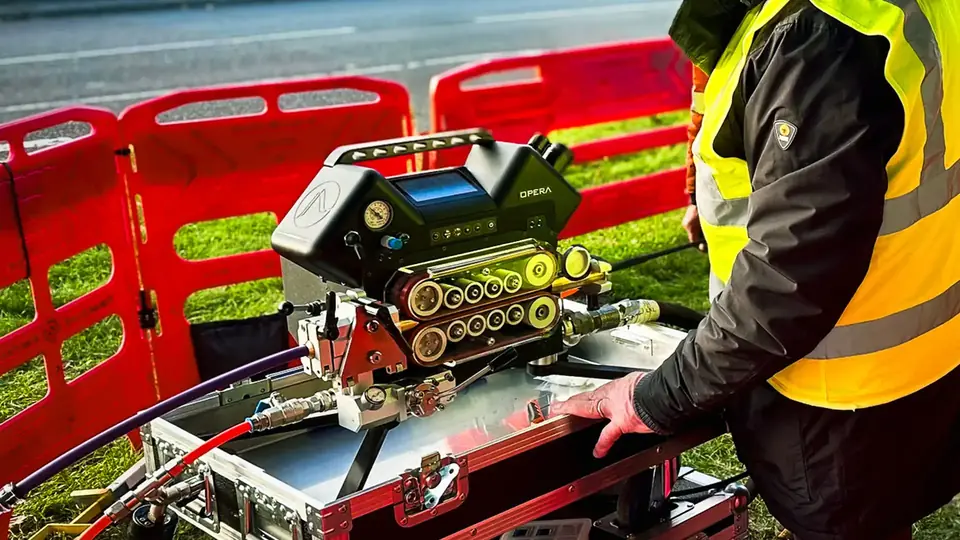
Opera, image 1 of 3
Expert advice direct from the manufacturer / Free demonstration on request
Some of our customers.

Keep your installation moving with Fibernet cable blowing machines.
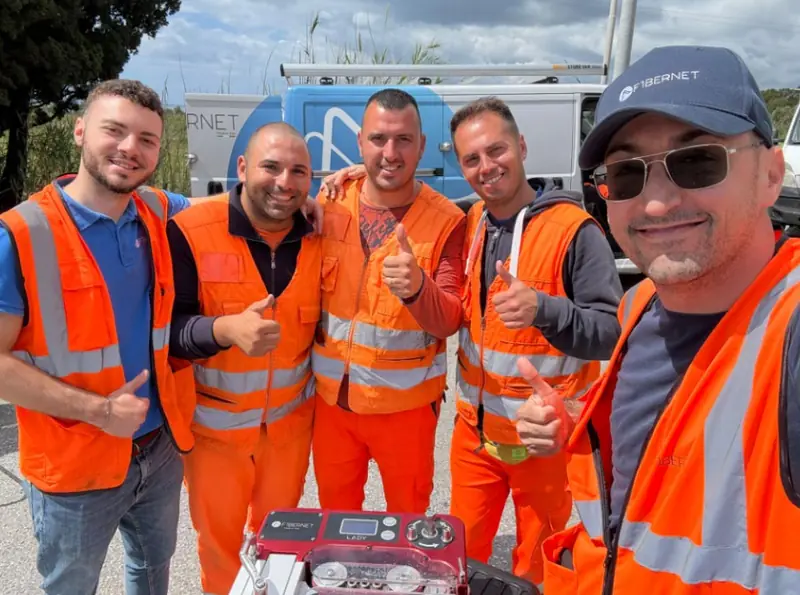
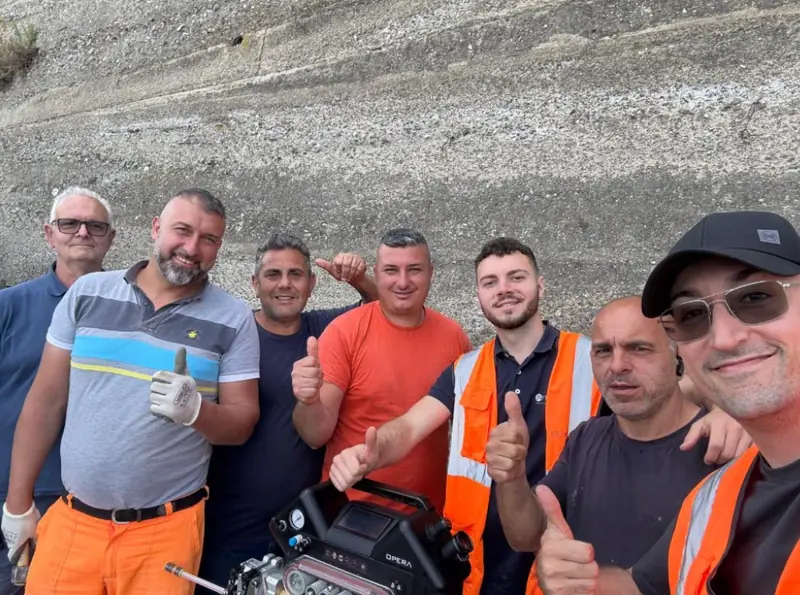
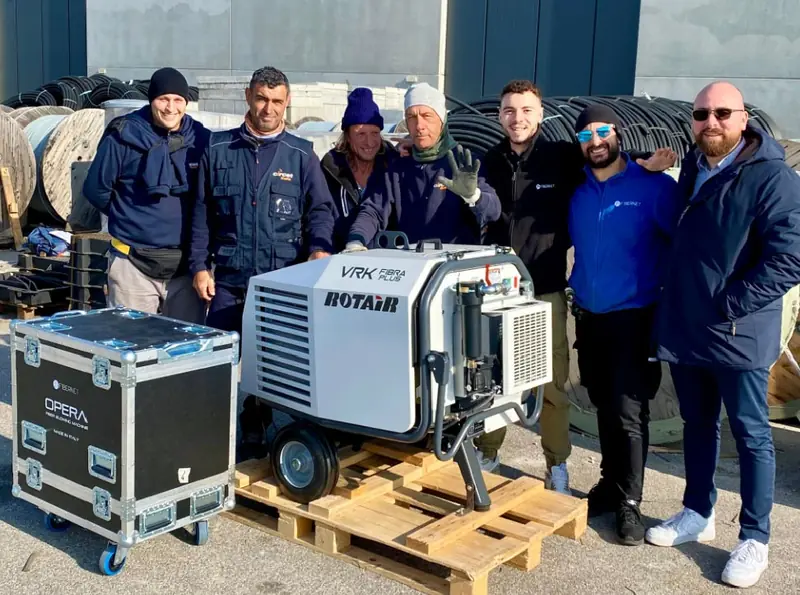
Photos and stories from installers, published by Fibernet.

 GoogleExcellentBased on 176 reviewsRead the reviews
Read on Google“An excellent experience on the installer training course. The whole team was professional and knowledgeable.”
Read on Google“I had the chance to try the Opera cable blowing machine on site…”
Read on Google“I really enjoyed this course. It took place in a pleasant setting with friendly, helpful people.”
Stories from installers
Hear the results from the installers themselves. Watch their testimonials right here.
Product videos
Three machines. Find your fit.
Start with the job at hand. Our technician can answer your questions about the right setup.
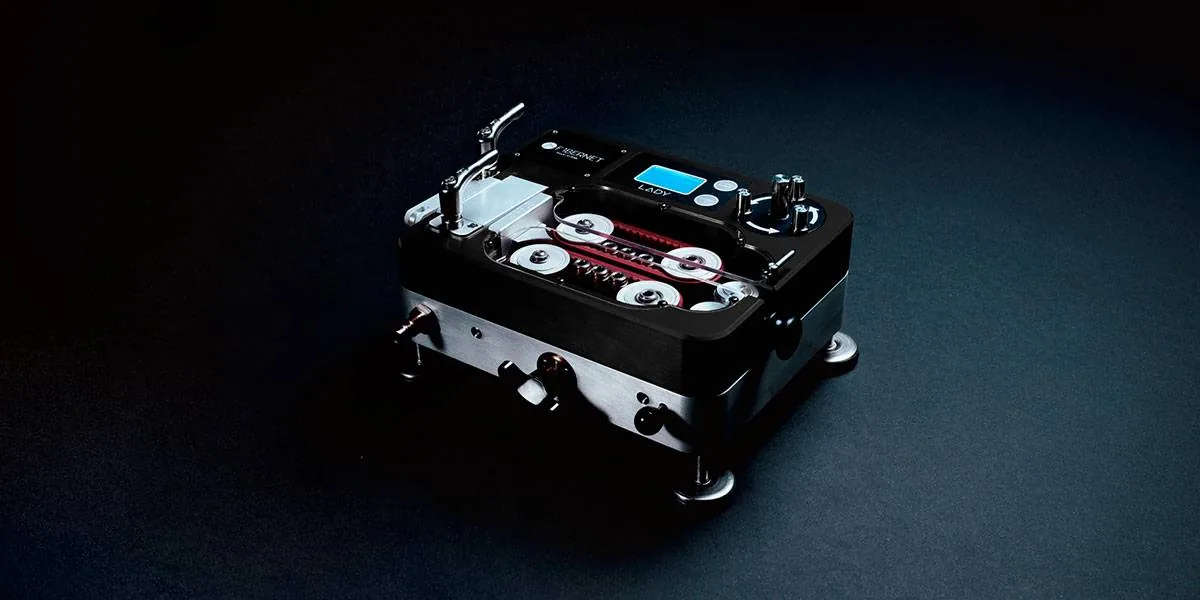
Compact and lightweight
A compact, lightweight machine for short runs.
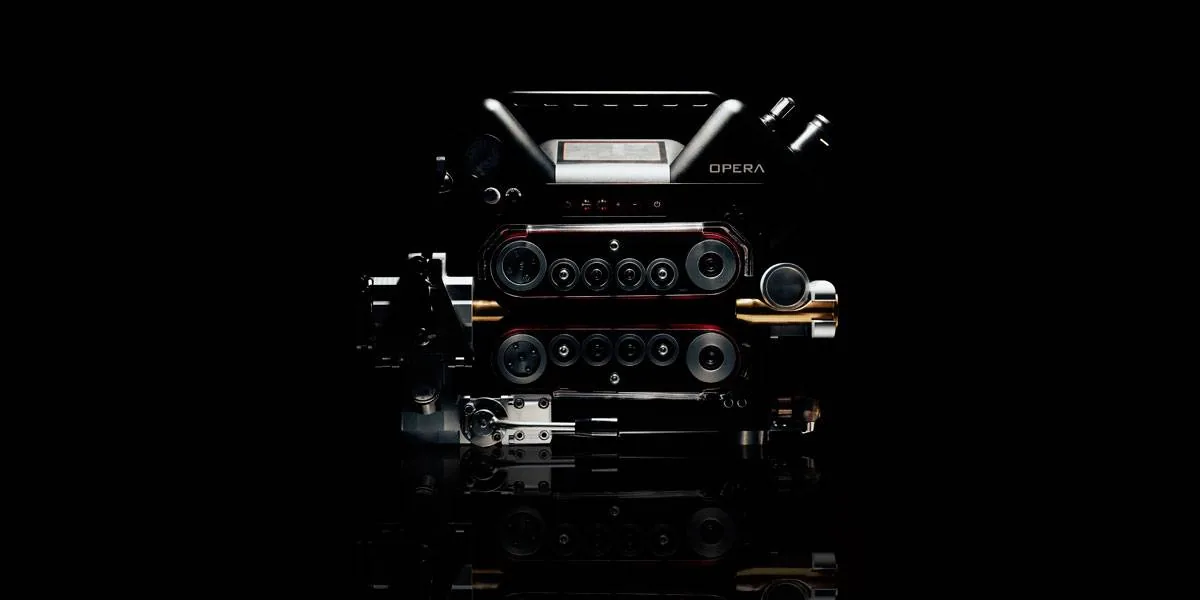
Pneumatic power
A pneumatic machine for long cable runs.
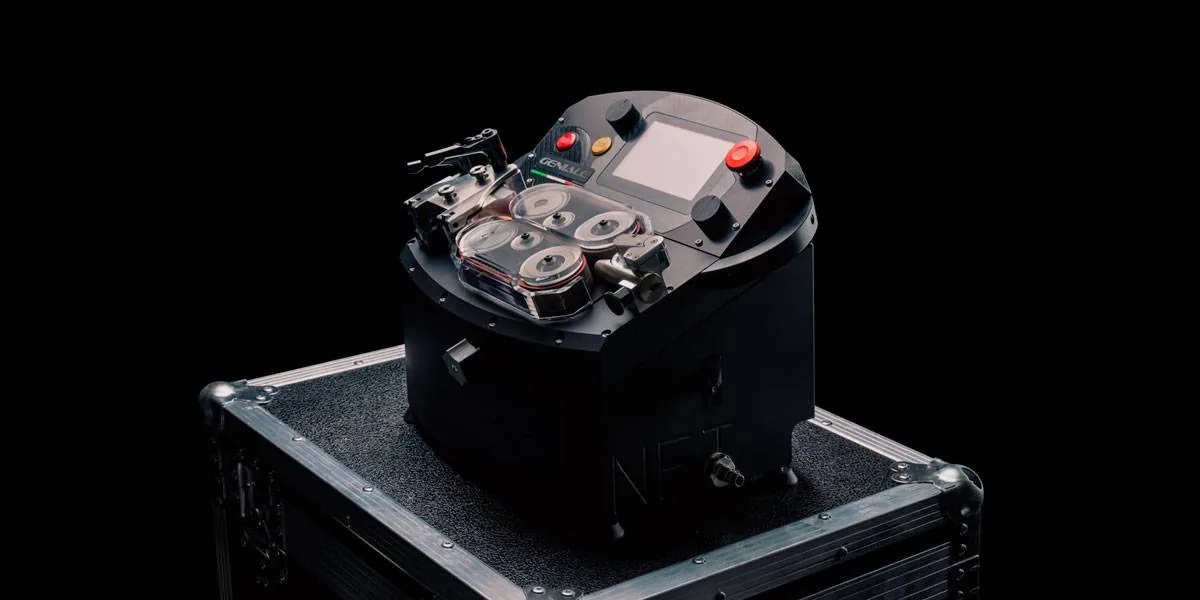
Electric, with two gears
For short and long runs. Two gears let you match force and speed to the job.
Specifications for the Fibernet range. The speeds shown are maximum values. Actual results depend on installation conditions and machine setup.
Direct from the manufacturer
When you’re working on site, you need practical answers. With Fibernet, you speak directly to the people who design and build your cable blowing machine.
Speak to a technicianA specialist technician can help when you need it.
Spare parts ready to ship, direct from the manufacturer.
If your machine breaks down, a replacement may be available within 48 hours.
Check availability and terms with your technician.Get help making the most of your machine, from your very first job.
See it in action before you choose
Request a free hands-on demonstration on your site or at Fibernet’s test facility. Discuss a real job with the technician.
Request a free demonstration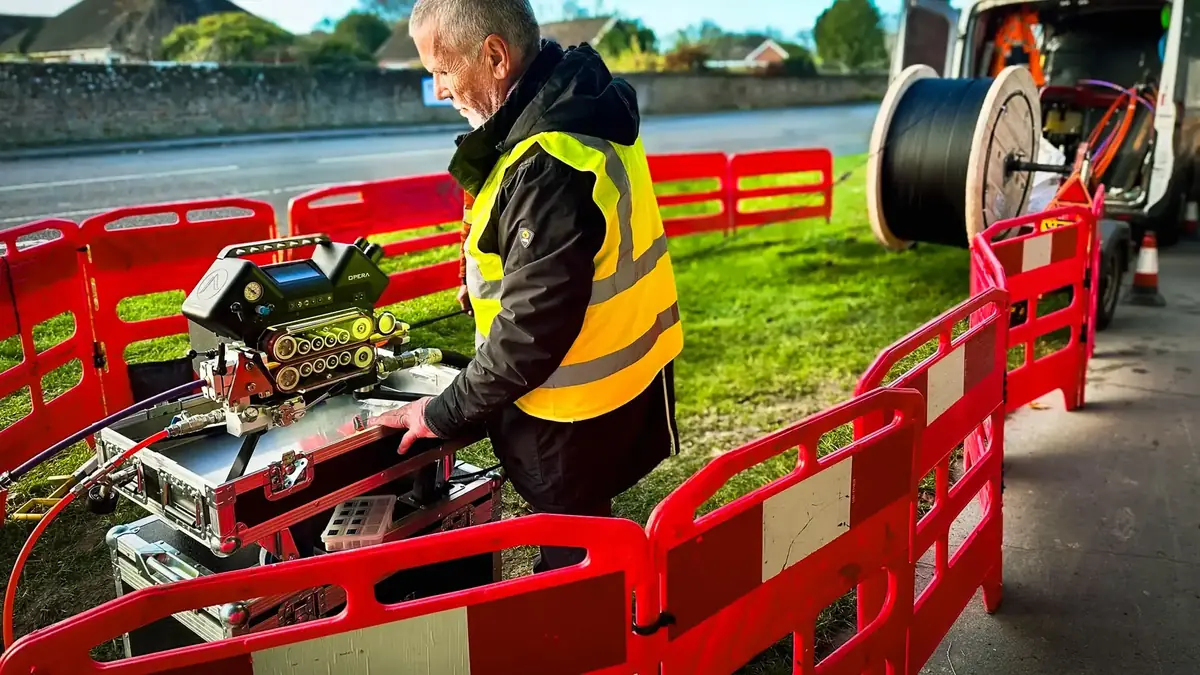
Choosing a battery powered fiber optic cable blower begins with the conditions your installation crew actually encounters, rather than a headline speed or an assumed working distance. Cable diameter, duct dimensions, route geometry, available compressed air, and the cable manufacturer's handling limits all influence equipment selection. For American contractors evaluating equipment made in Italy, Fibernet offers a business built around practical engineering and cable blowing applications. Founded in 2001, the company draws on the technical experience of Giancarlo Trinei, whose work with early Italian fiber installations began in the 1980s. That background provides context for a product development approach focused on the challenges installers face when feeding cable into prepared ducts. For a purchasing team, the next step is to translate those challenges into a detailed application brief. A crew extending a neighborhood broadband network may need to move between several access points during a shift, while a team working on a business campus may encounter shorter sections with numerous bends and limited equipment staging space. These situations can call for different machine configurations even when the cable diameter is identical. Battery operation can simplify the electrical arrangements for the drive system, but it should not be confused with eliminating every external utility. Depending on the equipment design, a compressed air supply may still be necessary to carry the cable through the duct. Buyers comparing a battery powered fiber cable blower should therefore confirm exactly which functions the battery powers, the approved battery platform, charging requirements, and the expected operating time under the proposed load. They should also ask how the machine controls cable feeding and what protective features are available, without assuming that every model includes automatic monitoring or shutoff. Practical suitability also depends on setup and handling. Check the machine's weight, mounting arrangement, access to cable guides, and the procedure for changing components when moving between cable sizes. Confirm that replacement seals, guides, and other wear items match the cable and duct combination you intend to use. For example, a contractor handling several service areas could benefit from identifying the required changeover parts before dispatching crews, rather than discovering missing components at an open access chamber. The objective is not simply to obtain a compact fiber optic cable blower; it is to build a repeatable installation process around equipment that suits the work. When the machine, air supply, cable handling practices, and route preparation are considered together, contractors can make better purchasing decisions, reduce avoidable setup delays, and establish realistic expectations for field productivity without relying on unsupported distance or speed claims.
Before selecting a battery powered fiber optic cable blower, prepare a clear description of the installation. Record the cable outside diameter, duct inside diameter, intended section length, and any known changes in direction. Include information about couplings, transitions, access points, and the condition of the duct. These details help establish whether a proposed machine configuration is appropriate and which accessories may be needed. A blower should never be selected solely because its advertised diameter range includes the cable: the complete operating arrangement must also respect cable limits, duct characteristics, and the manufacturer's instructions. Start with the cable data sheet and identify the permitted pushing force, minimum bend radius, and any installation restrictions. Obtain the corresponding duct specifications, including the pressure rating of the complete assembled route rather than assuming that every coupling has the same rating as the duct itself. Measure and record dimensions consistently, providing both inches and millimeters where needed to prevent confusion between American project documentation and equipment specifications. When discussing a battery powered fiber optic cable blowing machine with a supplier, explain whether the route is newly installed, previously occupied, or being reused after another cable has been removed. Duct contamination, water, damaged connectors, and unexpected restrictions can affect the result regardless of the drive system. Follow the applicable preparation procedure to check route continuity and establish whether cleaning or other corrective work is required before introducing the cable. Any pressure testing or duct preparation should use approved equipment and trained personnel, with appropriate controls at both ends of the route. Air supply deserves its own assessment. Confirm the machine's required pressure and flow, the suitability of hoses and fittings, and any specified air treatment requirements. A compressor's headline pressure alone does not establish that it can supply the necessary airflow through the complete operating setup. For a compressed air fiber optic cable blower, restrictions in hoses or connectors can undermine an otherwise suitable arrangement. Plan cable payout as carefully as machine placement: position the reel on an appropriate stand, maintain the specified bend radius, and provide a clear feeding path that prevents rubbing or snagging. Establish communication between personnel at the feed and receiving locations, and agree on stop procedures before work begins. During an initial installation, record the configuration, route conditions, and observed operating behavior so subsequent sections can be planned using actual field information. If progress changes unexpectedly, stop and investigate in accordance with the operating instructions rather than increasing force indiscriminately. This preparation gives the supplier a stronger basis for recommending equipment and helps the crew protect the cable, identify preventable problems, and complete installations with fewer avoidable interruptions.
The purchase decision for a battery powered fiber optic cable blower should account for more than the machine itself. Contractors need to understand what is included, what must be ordered separately, and what equipment already available to the crew can be used safely. A useful quotation identifies the proposed machine configuration, compatible cable and duct dimensions, required accessories, and any separate power or air supply requirements. It should also clarify the documentation and support arrangements available to the purchaser. For American businesses sourcing Italian equipment, these details make it easier to compare proposals on a consistent basis rather than relying on a single advertised figure. Begin by asking for an itemized equipment package. Identify whether batteries, chargers, cable guides, duct adapters, seals, mounting hardware, and transport protection are included or optional. Confirm the charger input requirements and the compatibility of any existing batteries before assuming that equipment already in the workshop can be reused. If a separate compressor is required, include the cost of obtaining a suitable unit, along with compatible hoses, fittings, and any specified air treatment equipment. The fiber optic cable blower price becomes more meaningful when those dependencies are visible. A lower initial quotation may exclude components that another supplier has already included, so compare complete working configurations rather than isolated machine prices. Shipping and receiving arrangements also matter for imported equipment. Request written clarification of freight charges, delivery terms, estimated lead time, import responsibilities, and any applicable duties or taxes. Check how warranty service is handled, where equipment would need to be sent for inspection, and who pays transportation costs under the relevant terms. Ask whether operating manuals and safety documentation are available in English, and establish the format, scope, and cost of any training before scheduling the first installation. These questions do not presume that a particular service is included; they help the purchaser obtain clear commitments. Maintenance planning should cover routine inspection tasks, recommended spare parts, and the availability of components that are specific to the selected configuration. If considering a used fiber optic cable blower, request its model identification, maintenance history, evidence of condition, and confirmation that the necessary accessories and documentation remain available. Arrange a suitable inspection or demonstration where practical, and avoid treating an unverified operating video as proof of performance on your routes. Finally, assess ownership costs against the work your company can realistically secure. Estimate setup time, crew training needs, consumable use, servicing, and the consequences of equipment downtime. A documented purchasing decision connects the proposed equipment to actual projects, helping contractors budget accurately, prepare crews effectively, and avoid paying for an incomplete or unsuitable installation package.
Fill out the form and discover what Fibernet Srl can do for you!
Contact us!Before you get started
If you prefer, speak to us directly.
+39 346 652 9915Compare the cable diameter, duct diameter and installation distance. Lady is compact and lightweight for short runs. Opera is pneumatic and designed for long runs. Geniale is electric and handles both. A Fibernet technician can help you choose.
Yes. You can request a free hands-on demonstration on your site or at Fibernet’s test facility. Tell us what you need in the form and a technician will arrange it with you. Request a demonstration.
To get a price, contact a Fibernet advisor using the form or call +39 346 652 9915.
Fibernet offers direct technical support, spare parts ready to ship and dedicated training. If your machine breaks down, a replacement may be available. Ask your technician about availability and terms.
Tell us about your job. We’ll help you find the right cable blowing machine.