Emanuele Zanda
Google review
★★★★★
Read on Google“An excellent experience on the installer training course. The whole team was professional and knowledgeable.”
Cable blowing machines · Made in Italy
From last-mile connections to long-distance runs, a Fibernet technician can help you choose the right machine for your fiber optic cable installation.
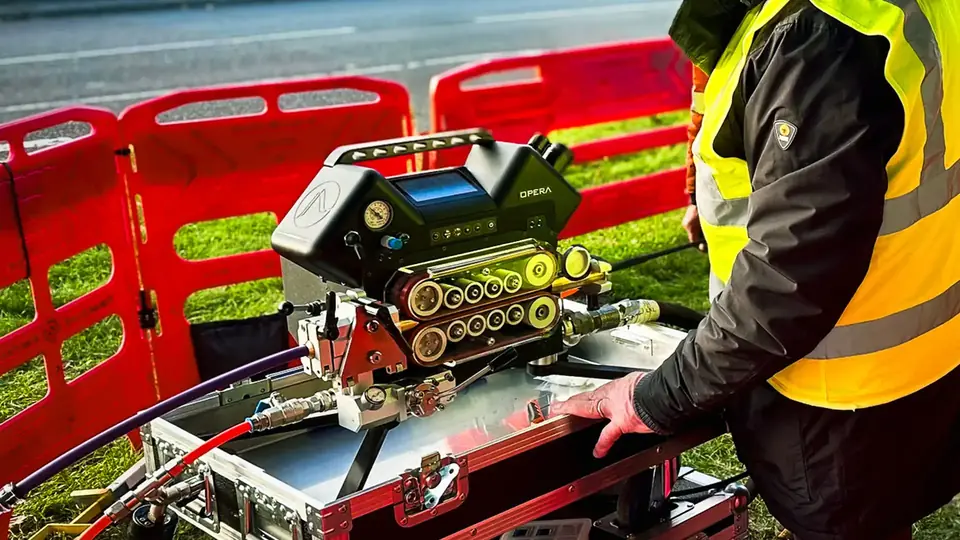
Opera, image 1 of 3
Expert advice direct from the manufacturer / Free demonstration on request
Some of our customers.

Keep your installation moving with Fibernet cable blowing machines.
Photos and stories from installers, published by Fibernet.
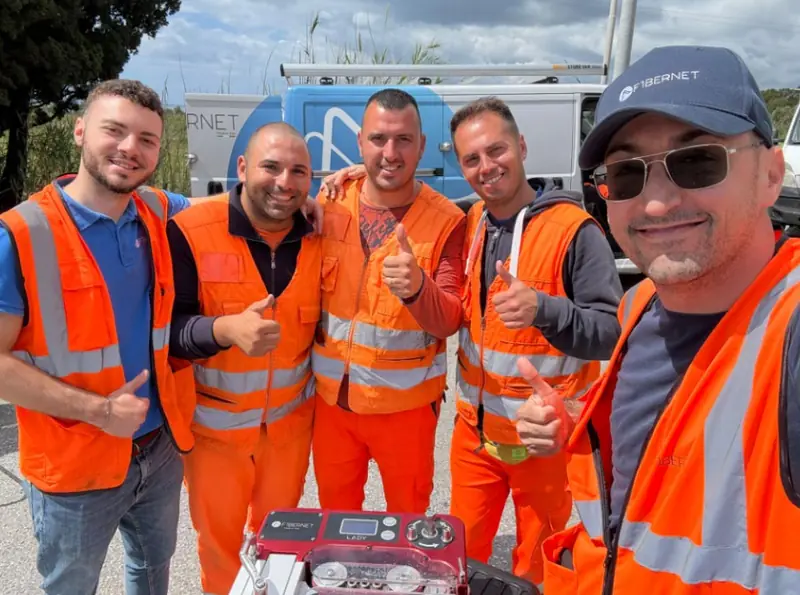
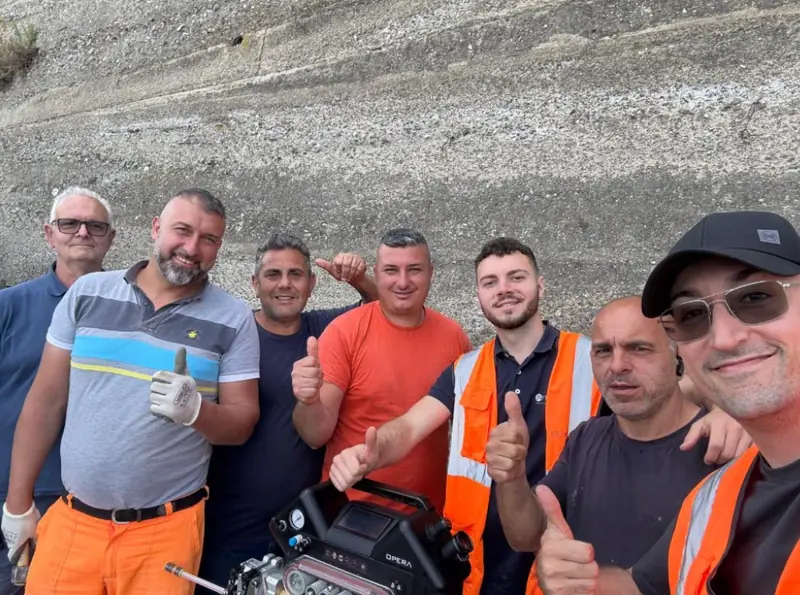
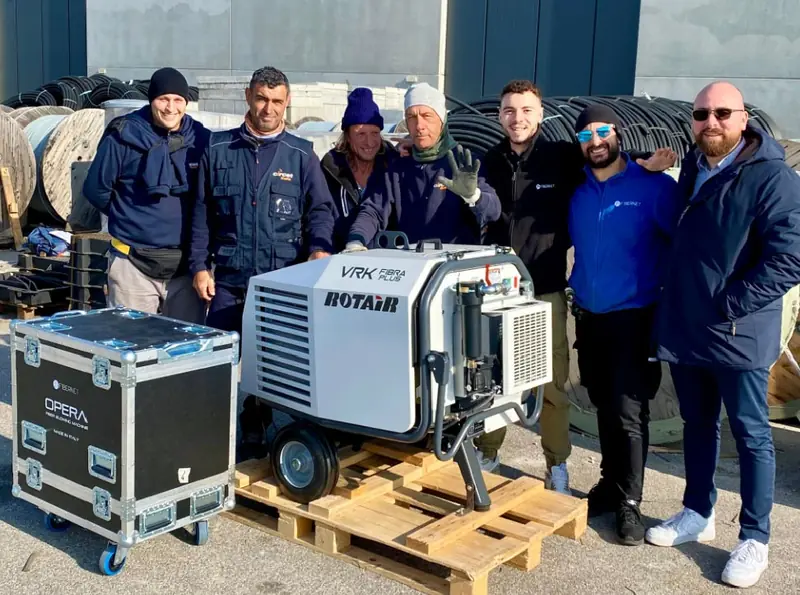
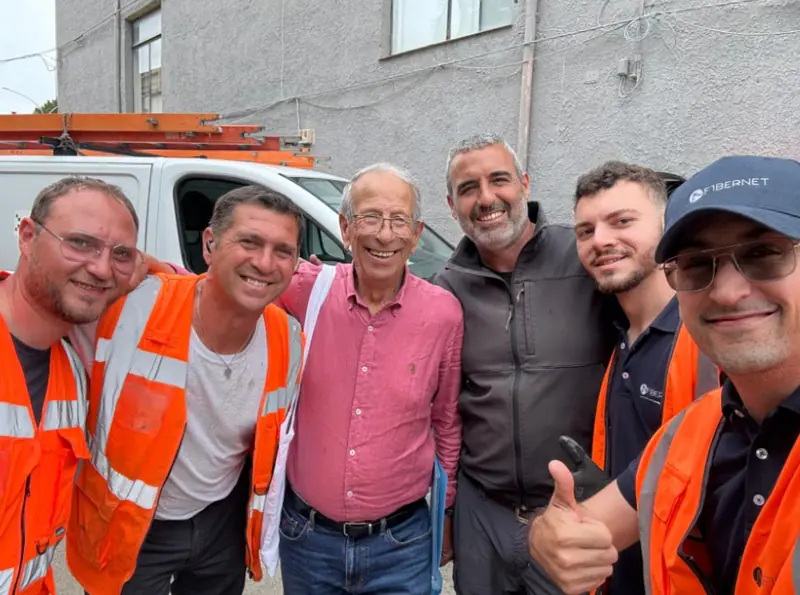
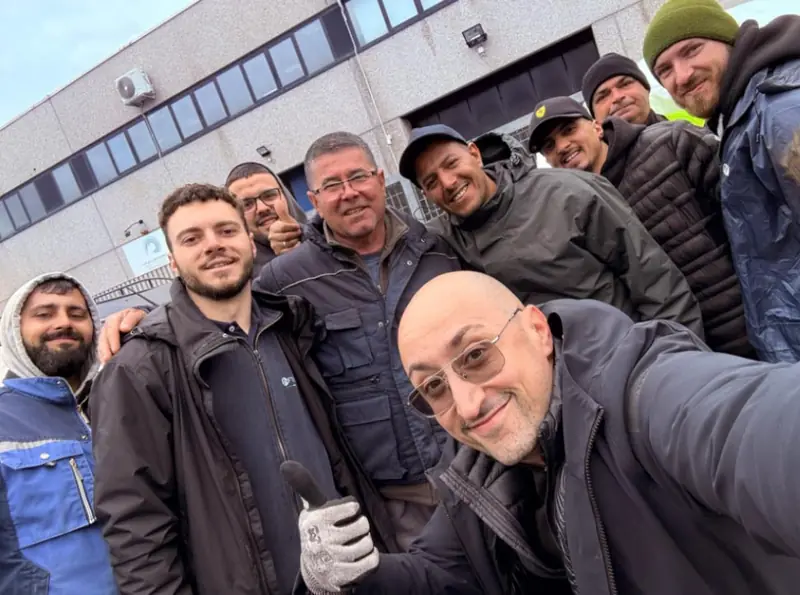
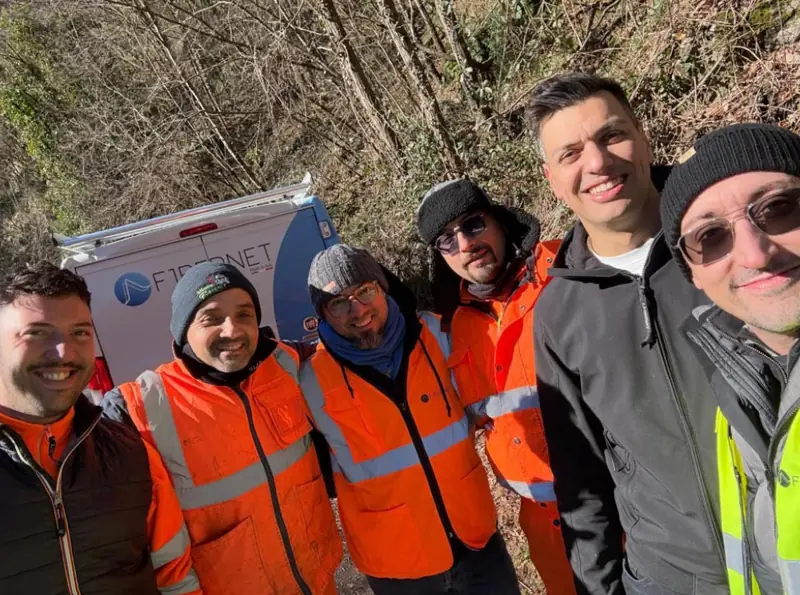 GoogleExcellentBased on 176 reviewsRead the reviews
Read on Google“An excellent experience on the installer training course. The whole team was professional and knowledgeable.”
Read on Google“I had the chance to try the Opera cable blowing machine on site…”
Read on Google“I really enjoyed this course. It took place in a pleasant setting with friendly, helpful people.”
Stories from installers
Hear the results from the installers themselves. Watch their testimonials right here.
Product videos
Three machines. Find your fit.
Start with the job at hand. Our technician can answer your questions about the right setup.
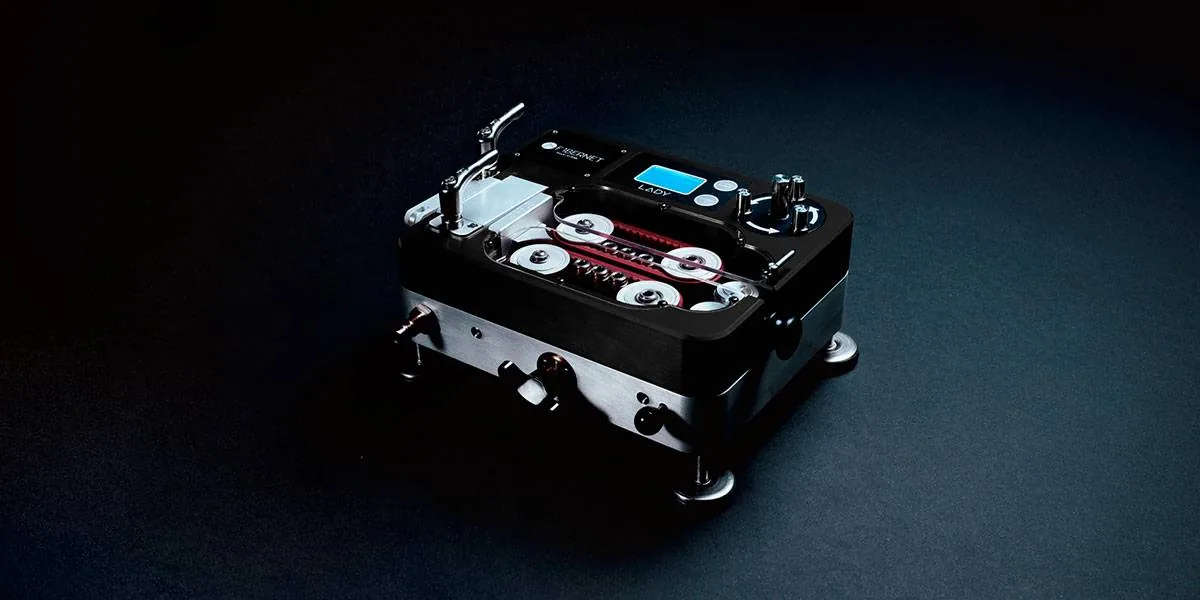
Compact and lightweight
A compact, lightweight machine for short runs.
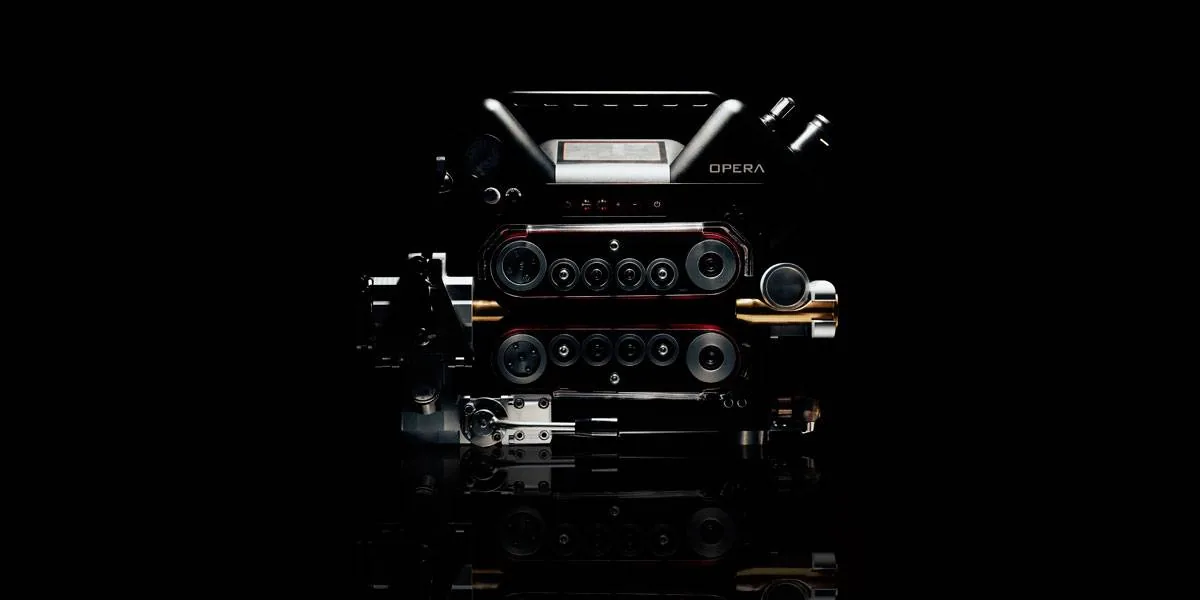
Pneumatic power
A pneumatic machine for long cable runs.
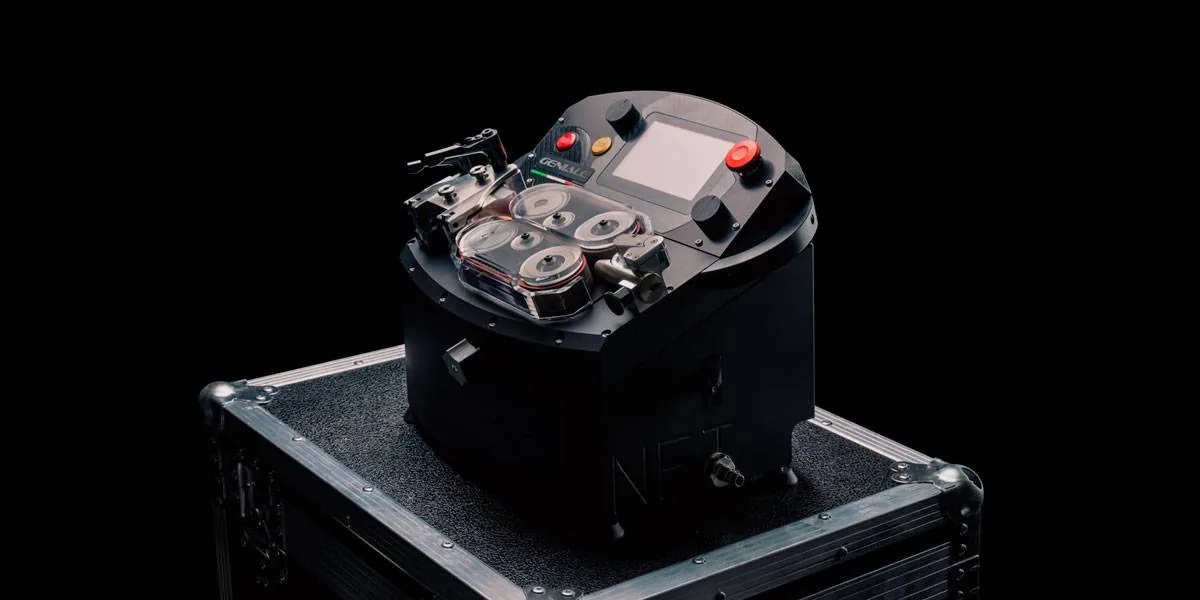
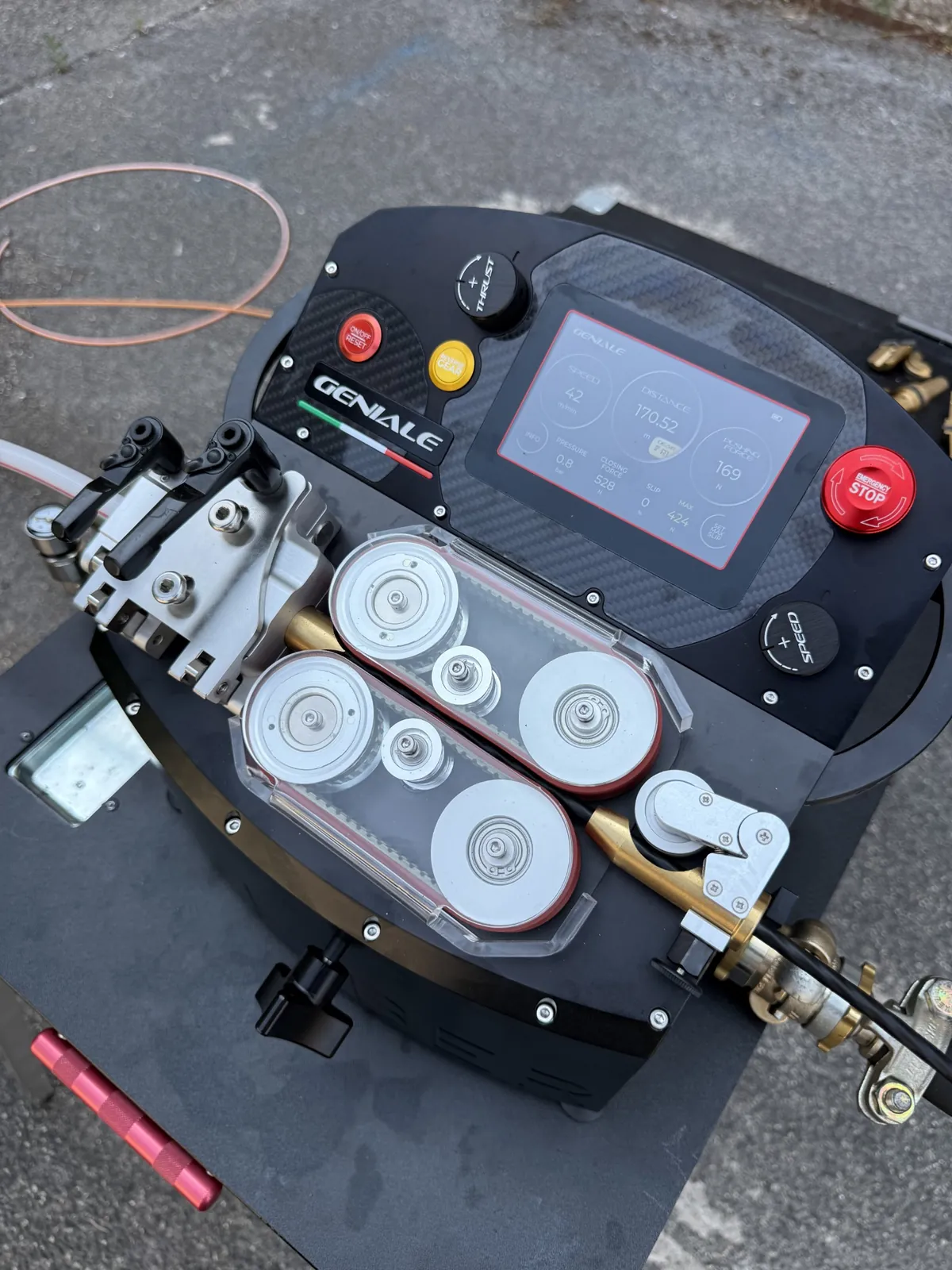
Electric, with two gears
For short and long runs. Two gears let you match force and speed to the job.
Specifications for the Fibernet range. The speeds shown are maximum values. Actual results depend on installation conditions and machine setup.
Direct from the manufacturer
When you’re working on site, you need practical answers. With Fibernet, you speak directly to the people who design and build your cable blowing machine.
Speak to a technicianA specialist technician can help when you need it.
Spare parts ready to ship, direct from the manufacturer.
If your machine breaks down, a replacement may be available within 48 hours.
Check availability and terms with your technician.Get help making the most of your machine, from your very first job.
See it in action before you choose
Request a free hands-on demonstration on your site or at Fibernet’s test facility. Discuss a real job with the technician.
Request a free demonstration
Choosing a battery powered fiber blower starts with the conditions your installation crew actually encounters, rather than a headline speed or an assumed maximum distance. Cable diameter, duct internal diameter, route geometry, and the condition of the installed pathway all influence the equipment configuration. A straight, clean duct presents different challenges from a route with repeated bends, elevation changes, or uncertain joints. Before discussing a machine, prepare the cable manufacturer’s dimensional and handling specifications, the duct specifications, and a realistic description of the route. These details help establish whether a proposed configuration is appropriate and which accessories need to be considered. Fibernet provides a point of contact for discussing cable blowing requirements, with Italian-made products and assistance available in the United States and worldwide. For contractors assessing equipment for projects in Italy, that combination connects Italian manufacturing with support for internationally operating teams. A useful distinction concerns the role of the battery. Battery-powered cable feeding does not automatically mean that the entire blowing process operates without an external air supply. Cable jetting typically combines controlled mechanical feeding with compressed air, and the exact requirements must be checked for the proposed machine. Ask which components the battery powers, what air supply is required, and whether the compressor available on site can deliver the specified pressure and airflow under working conditions. A battery powered fiber cable blower should therefore be evaluated as part of a complete installation setup, not as an isolated purchase. Battery compatibility, charging arrangements, spare battery availability, and operating procedures also deserve attention before the crew arrives at the first access point. For example, a contractor handling several short installation sections may prioritize convenient relocation and quick preparation, while another team may need a configuration suited to longer uninterrupted operations. Neither situation justifies assuming a particular operating range without reviewing the application. Discuss the cable entry arrangement, duct connection, sealing components, and the method used to manage feeding force. Ask how operators recognize resistance and what procedure applies when progress slows. These practical questions are more useful than comparing equipment descriptions alone. When reviewing a battery powered cable blower, also establish what is included in the proposed supply and what remains separate, such as the compressor, batteries, charger, or application-specific accessories. A clear discussion with Fibernet can help define those boundaries before procurement. The objective is a documented equipment match: an appropriate machine, a compatible cable and duct combination, suitable supporting equipment, and an operating plan that respects the limits specified by the relevant manufacturers. That preparation gives purchasing teams and field crews a shared basis for deciding what to request.
The effectiveness of a battery powered fiber blower depends on preparation that begins before the cable enters the machine. At the access point, the crew needs enough space to position the cable supply, establish a controlled feed path, connect the duct, and work without unnecessary obstructions. Cable should approach the feeding mechanism without abrupt changes in direction or avoidable tension. The cable manufacturer’s minimum bend radius and handling limits remain important throughout setup and operation. A compact power source does not remove those requirements, nor does it compensate for damaged duct, unsuitable connections, or a cable and duct pairing that has not been checked. For work in Italy, planning should also account for the site’s access restrictions, working hours, environmental conditions, and applicable safety requirements. These practical considerations affect how equipment is transported, where supporting components can be placed, and how easily operators can monitor the installation. Before blowing begins, confirm duct continuity and condition using suitable procedures for the project. Check connections and seals, and verify that any lubricant proposed for use is compatible with the cable, duct, and equipment instructions. Compressed-air connections require particular care: components must be appropriately rated, secured, and handled according to the relevant operating and safety documentation. Never assume that battery operation makes the pneumatic side of the process low risk. When assessing a battery powered fiber optic cable blower, ask how the specified controls help the operator coordinate mechanical feeding with the required air supply. Establish the approved startup sequence and the actions to take if cable movement becomes irregular. Operators should not respond to increased resistance by simply adding force or pressure beyond approved limits. Stopping to investigate may prevent cable damage and avoid turning a manageable interruption into a more difficult recovery. Job records can improve future planning without promising identical results on every route. Record the cable and duct dimensions, route characteristics, supporting air equipment, relevant settings, and any interruptions or corrective actions. Such information helps distinguish a setup issue from a route-specific constraint. It also gives technical assistance a clearer starting point when a crew needs advice. Teams comparing a drill powered fiber blower with a battery-driven alternative should clarify the actual drive arrangement and operating requirements of each proposed product rather than relying on terminology alone. Ask which tools or power sources are required, how the feeding mechanism is controlled, and which configurations are approved. Fibernet’s role in this discussion is to connect the application requirements with an appropriate product conversation. Italian-made equipment, supported in the United States and worldwide, can be assessed against a specific installation plan instead of broad assumptions about what any single machine should accomplish.
A quotation for a battery powered fiber blower becomes useful when it explains the proposed configuration, not merely the amount payable. Procurement teams should be able to identify the machine, the included accessories, the supported application range, and the items that must be sourced separately. If several cable or duct sizes are involved, ask which configuration changes are needed and whether the corresponding components are included. Clarify battery and charger requirements, compressor specifications, documentation availability, and the process for obtaining replacement wear parts. These details make competing internal purchase proposals easier to assess without reducing the decision to an incomplete equipment price. When researching fiber blower price, consider the practical cost of putting the machine into service. Transportation, supporting air equipment, application-specific fittings, maintenance materials, and spare components may affect the project budget. Their relevance depends on what your business already owns and what the proposed installation requires. Avoid assuming that a lower initial quotation represents a lower overall cost, but also avoid treating a higher price as proof of better suitability. The useful comparison is between clearly defined supply packages matched to the same operational requirements. Fibernet brings a manufacturing story rooted in Italy to that discussion. Founded in 2001, the company draws on the technical background of Giancarlo Trinei, whose experience with early Italian fiber installations dates back to the 1980s. Its first cable blowing machine, Lady, was launched in 2021. Those milestones explain the company’s background without replacing the need to assess the specifications of the equipment currently proposed. Buyers should request current product documentation and confirm any performance or compatibility claim before using it in a purchasing decision. Assistance is another area where precise questions matter. Fibernet offers support in the United States and worldwide; customers should confirm the contact route, communication arrangements, parts availability, and applicable service procedures for their location. A contractor purchasing equipment for use in Italy may have different logistical needs from a United States team moving equipment between domestic projects. Establishing those needs early helps avoid misunderstandings about delivery, servicing, or replacement components. When evaluating fiber cable blower price, include the value of clear technical communication and an understandable maintenance plan, while requesting specific commercial terms rather than assuming response times or coverage. Explain your expected workload, typical cable sizes, duct combinations, and available compressor equipment when contacting Fibernet. Include any restrictions on transport, charging, or site access that could influence the selection. Through www.fibernetsrlusa.com, you can begin a focused product discussion and request a quotation based on those details. The result should be a purchase decision supported by a defined application, a transparent supply scope, and realistic expectations for operation and assistance.
Fill out the form and discover what Fibernet Srl can do for you!
Contact us!Before you get started
If you prefer, speak to us directly.
+39 346 652 9915Compare the cable diameter, duct diameter and installation distance. Lady is compact and lightweight for short runs. Opera is pneumatic and designed for long runs. Geniale is electric and handles both. A Fibernet technician can help you choose.
Yes. You can request a free hands-on demonstration on your site or at Fibernet’s test facility. Tell us what you need in the form and a technician will arrange it with you. Request a demonstration.
To get a price, contact a Fibernet advisor using the form or call +39 346 652 9915.
Fibernet offers direct technical support, spare parts ready to ship and dedicated training. If your machine breaks down, a replacement may be available. Ask your technician about availability and terms.
Tell us about your job. We’ll help you find the right cable blowing machine.